

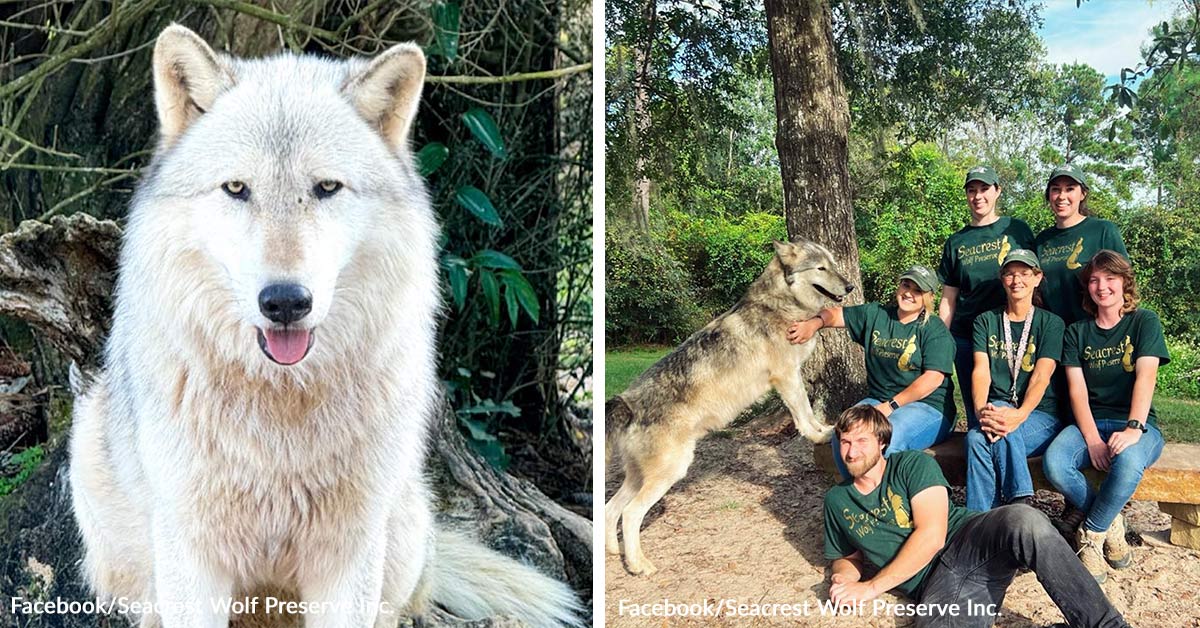
25 Years of Sanctuary Suddenly at Stake (Image Credits: Facebook)
Chipley, Florida — A court ruling has placed Seacrest Wolf Preserve on a tight timeline, forcing the relocation of more than 20 wolves and other wildlife by March 15.[1][2]
25 Years of Sanctuary Suddenly at Stake
The preserve has served as a haven for wolves, raccoons, foxes, skunks, and opossums on a 62-acre site in Washington County for more than two decades. Founded by the original property owner, it evolved into a center for education and public tours that drew visitors eager to learn about wildlife conservation.[1]
Tours halted immediately after the February 23 ruling, leaving the animals in limbo. Staff emphasized that the facility’s mission centered on animal well-being amid the upheaval. The sudden threat underscores the vulnerability of small sanctuaries dependent on leased land.[3]
Lease Dispute Centers on Insurance Requirements
Landowner Leon DeCook purchased the property from the preserve’s founder and enforced lease terms calling for $1 million in liability insurance and $500,000 in business interruption coverage. The sanctuary argued that such policies proved difficult to secure for wolf-related risks, citing another Florida facility’s experience.[1][2]
The judge sided with DeCook on February 23, ordering vacatur by March 15. DeCook described the action as a straightforward business decision. “It’s just business to me,” he stated. “I don’t have anything against the wolves or wildlife.”[2]
The preserve announced the loss bluntly on social media: “We LOST. The landowner has won, and we have until March 15 to vacate the property these animals have called home for years.”[4]
Relocation Demands Time and Resources Staff Lack
Finding new homes involves complex logistics that strain the sanctuary’s capabilities. Other facilities, including Grizzly Bear Ranch in Alabama, have offered assistance with space and custom transport trailers. Yet, state permits, enclosure construction, and licensing must precede any moves.[2]
Key hurdles include:
- Securing suitable land with proper fencing.
- Obtaining transport for large carnivores.
- Navigating state licensing and inspections.
- Raising funds for construction and care.
- Ensuring elderly animals survive the stress.
Dexter Osborn of Grizzly Bear Ranch noted the emotional toll: “They’re not just animals… They’re each individual.”[2] The preserve warned that some animals might not endure the disruption.[4]
Supporters Step Up as Appeal Looms
A GoFundMe campaign targeting $300,000 has drawn widespread backing, surpassing $130,000 in recent days to cover relocation costs. The outpouring reflects the preserve’s deep community ties. Staff now seek a court stay this week to buy time for an appeal and new facility construction.[3][5]
“We are so thankful for the outpouring of support,” the team stated. A Change.org petition nears 10,000 signatures. These efforts highlight how public momentum can influence outcomes in animal welfare crises.[3]
Key Takeaways:
- Court deadline of March 15 leaves little margin for error.
- Insurance gap triggered the lease termination.
- Fundraising and sanctuary offers provide glimmers of hope.
As the hearing approaches, the fate of these wolves hinges on swift judicial relief and sustained aid. The story serves as a stark reminder of the precarity facing wildlife sanctuaries nationwide. What steps would you take to help? Share your thoughts in the comments.

- Urban Coyotes Show Remarkable Adaptability, Learning to Thrive in City Environments - July 22, 2026
- Beavers Are Nature’s Engineers, Creating Vital Habitats for Other Wildlife Species - July 21, 2026
- The Recovery of the California Condor Offers Hope for Other Critically Endangered Birds - July 21, 2026