
Picture this: you’re hiking through remote Arctic terrain when the silence is broken by heavy footsteps crunching through snow. You turn around to face one of nature’s most formidable predators – a massive polar bear moving directly toward you. Your instinct screams “run,” yet every survival expert says the same thing: stand your ground.
This counterintuitive advice challenges our deepest survival instincts. Most people would sprint away as fast as humanly possible, though this reaction could spell disaster. Arctic researchers who’ve spent decades studying these magnificent yet dangerous creatures have uncovered fascinating insights about polar bear behavior and the surprising effectiveness of standing firm when confronted by the world’s largest land carnivore.
The Science Behind Standing Your Ground

Arctic wildlife experts and official guidelines consistently emphasize one critical rule: stand your ground when facing a polar bear. Running triggers a polar bear’s predatory instincts and transforms you into prey, while these massive predators can easily outrun any human.
Polar bears can reach speeds of 25 miles per hour even on ice, and running triggers their chase response. Instead of fleeing, standing your ground might convince a polar bear that you’re not worth the trouble if you appear confident and unafraid.
Wildlife biologists have documented numerous encounters where maintaining a firm stance successfully deterred curious bears. Researchers in the Arctic successfully scared off a curious polar bear by making loud noises and waving their arms, preventing escalation to aggression.
Understanding Polar Bear Attack Statistics
Historical records suggest there have been dozens of documented polar bear attacks over more than a century, with fatalities being relatively rare. According to experts, the likelihood of being attacked by a polar bear is very low, with only one to three instances occurring worldwide each year.
Recent years have seen an apparent increase in polar bear attacks on humans, with some studies suggesting higher numbers in certain periods. The period from 2010 to 2014 coincided with record low sea ice extent, and since 2000, 88 percent of attacks have occurred between July and December when sea ice is at its lowest.
Nutritionally stressed adult male polar bears were most likely to pose threats to human safety, with 61% of bears that attacked humans being in below-average body condition. Attacks by adult females were rare and most were attributed to defense of cubs, while bears acted as predators in most attacks involving two or fewer people.
The Behavioral Psychology of Polar Bear Encounters
Curious polar bears typically move slowly, stopping frequently to sniff the air and moving their heads around to catch scents, often holding their heads high with ears forward and sometimes standing up. A threatened or agitated polar bear may huff, snap its jaws, stare directly at you, and lower its head below shoulder level while pressing its ears back and swaying side to side.
Polar bears are extremely curious creatures, and in a world of ice blocks and snow, anything unusual immediately captures their attention. Bears often investigate at night when there’s no movement or sound, as they are typically risk-averse and wait until it’s quiet to let their curiosity take over.
A truly predatory bear appears different from a curious one, with its head down, stalking behavior, and focus specifically on people rather than trying to go somewhere. Understanding these behavioral differences can help determine the appropriate response strategy.
Why Running Triggers Attack Responses
Running triggers polar bears’ predatory instincts, while standing your ground and making yourself look as big as possible by raising your arms is the recommended approach. If you run, you’re confirming yourself as prey, but holding steady, maintaining eye contact, and trying to appear larger could make the bear second-guess its attack.
The predatory response in polar bears differs significantly from defensive behaviors seen in other bear species. Unlike brown and black bears, polar bears rarely bluff charge, so if a polar bear is charging, you should be ready to defend yourself and fight it off.
When humans start running, polar bears see it as an invitation to chase, and the outcome of that race is inevitable. The flight response that serves us well in many dangerous situations becomes counterproductive when facing the Arctic’s apex predator.
Expert-Recommended Defense Strategies
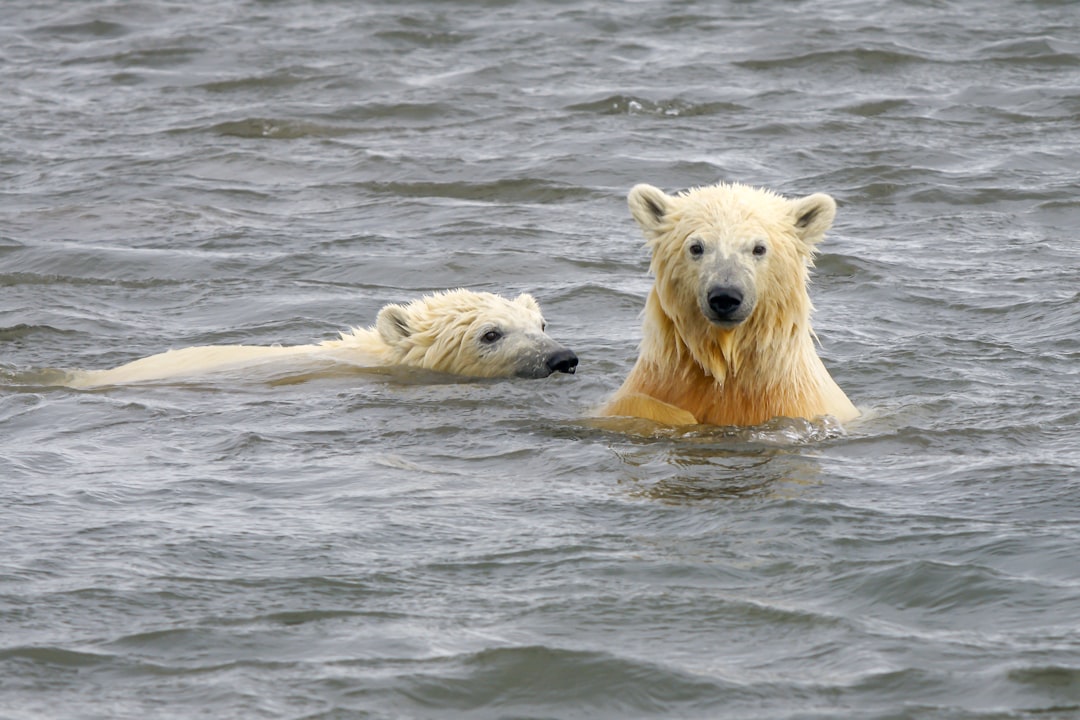
Bear biologist Tom Smith recommends grouping up and standing so the bear can see all members side by side to present the most intimidating presence possible. The strategy involves pulling out deterrents and moving away from the bear steadily as a group without running, giving the bear space.
Bear spray has shown high effectiveness in bear encounters according to studies and has shown promise with polar bears, successfully deterring bears in two documented instances of curious polar bears approaching. Signal flares are also very effective if the bear is outside bear spray range, with a 300-foot reach and waterproof design that creates screaming fireballs bears cannot tolerate.
Multiple documented cases show bear spray has been used successfully to deter polar bears, including cases where other deterrents failed, and bear spray stopped three attempted attacks while altering aggressive behavior after other efforts failed, with no humans or bears killed or injured.
Climate Change and Increased Human-Bear Encounters
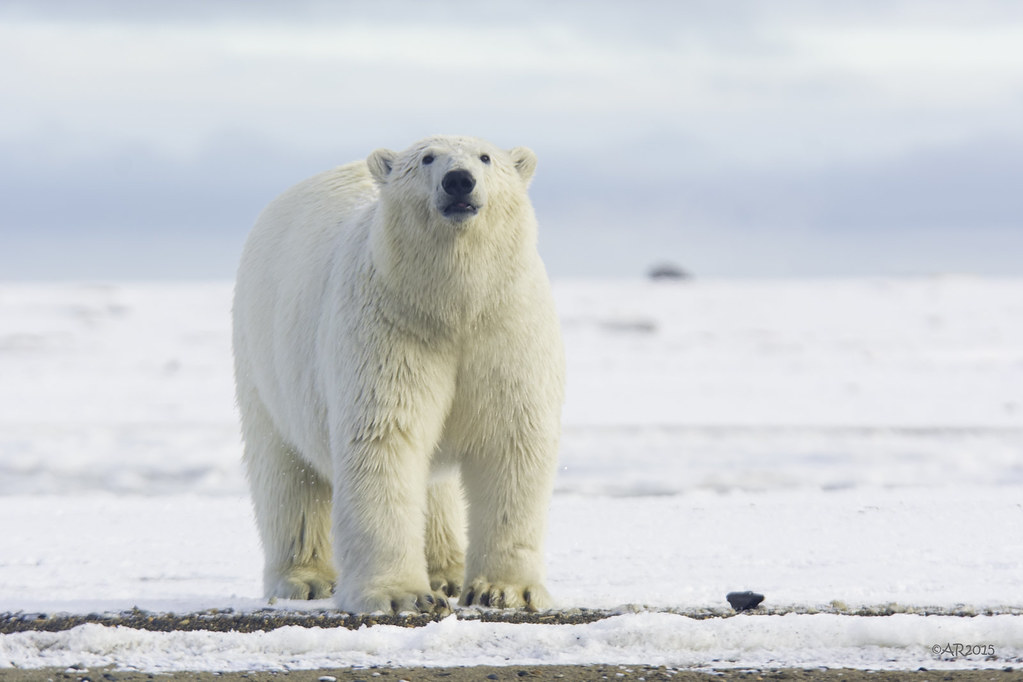
The habits of polar bears in northern Canada are changing as Arctic sea ice declines due to rising global temperatures, with polar bears spending more time on land and moving increasingly through populated areas. As sea ice retreats, more polar bears are spending more time onshore, prompting new studies to analyze polar bear attacks and recommend prevention methods.
Human-polar bear interactions are becoming more common and frequent across the Arctic, linked to expanding human activity including tourism and exploration, and polar bears spending more time on land due to sea ice loss. As the Arctic becomes less icy, more people with less bear experience are venturing into it through tourism, industry, and shipping, creating all the ingredients for increased polar bear-human contact and conflict.
Climate change is leading to melting sea ice, causing polar bears to spend more time on land closer to humans, though most hikers will never see one. This changing dynamic requires updated safety protocols and increased awareness among Arctic visitors.
When Standing Your Ground Fails
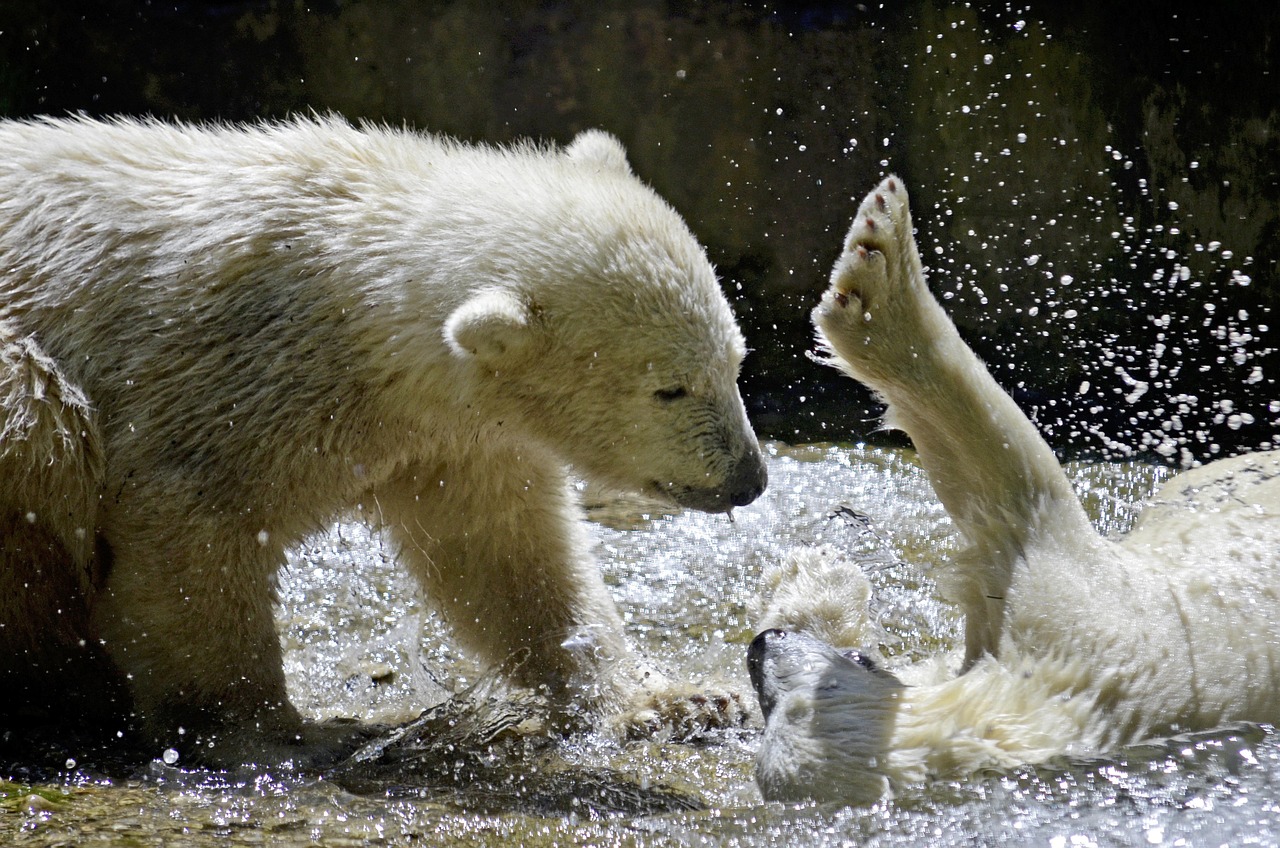
If a polar bear attacks and you’re out of options, the last resort is fighting back by targeting sensitive areas like the nose and eyes with punches, kicks, or any available tools, as the bear may decide the encounter isn’t worth the injury. If a polar bear attacks, you should fight back rather than play dead, punching and kicking at the bear’s face and using weapons such as rocks, sticks, or bear spray.
A polar bear attack represents one of the most dangerous scenarios in the wild, as these bears are faster, stronger, and more adapted to cold conditions than humans, and even with defensive equipment, the odds are not favorable, though proper preparation and knowledge might provide a chance.
Where reported, 100 percent of people killed by polar bears received major wounds to the head and neck, and in 83 percent of fatal incidents, the bear consumed part of the human. This sobering reality underscores why prevention and deterrence remain far more effective than physical confrontation.
Prevention Strategies and Professional Training
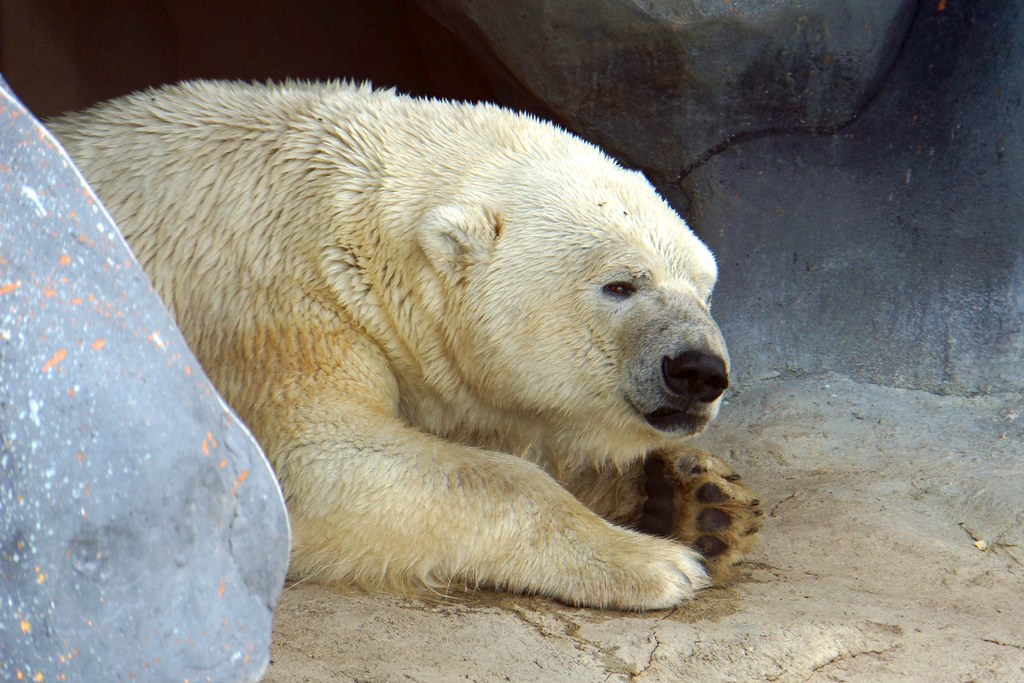
Arctic safety experts emphasize never entering bear country without deterrents such as non-lethal options like flares or bear spray, firearms, or both. Experts recommend avoiding solo or duo hiking groups, as groups of three or more people create an intimidating presence to any bear, and groups should hike together while talking to maintain their collective presence.
Training programs like the University Centre in Svalbard conduct approximately 120 safety courses annually with polar bear safety components, training between 1,200 and 1,800 individuals per year. The U.S. Fish and Wildlife Service deterrence program aims to maintain safety for both humans and polar bears through preventative and non-lethal methods, providing training to community-based patrol programs and North Slope operators.
Professional polar bear guards who protect Arctic research expeditions understand that preparation and knowledge are essential. Key to effective guarding includes understanding animal behavior, recognizing that well-fed healthy bears have little reason to stop, and being prepared to use flare guns when bears get within a few hundred feet.
Conclusion
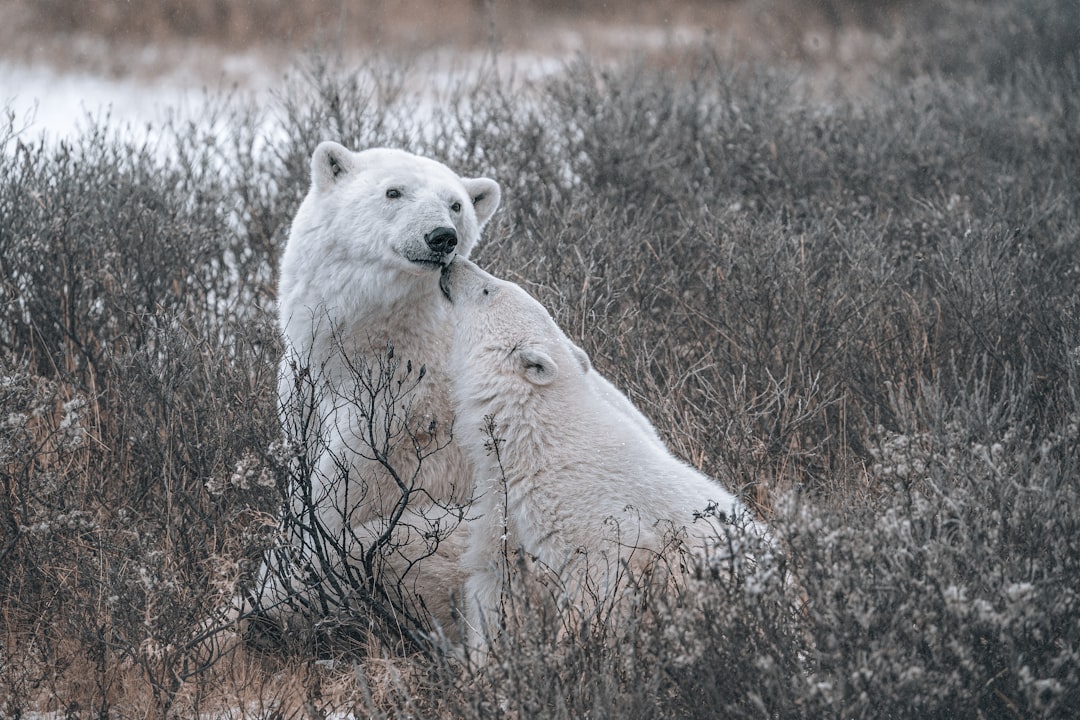
Standing your ground when confronted by a polar bear challenges every human instinct, yet represents your best chance of survival in one of nature’s most terrifying encounters. The science is clear: running transforms you from a potential threat into confirmed prey, triggering the very predatory response you’re desperately trying to avoid.
Arctic researchers have spent decades documenting these encounters, revealing that polar bears often respect confident, non-threatening displays of human presence. While attacks remain extremely rare, climate change is increasing the likelihood of human-bear encounters as these magnificent predators spend more time on land searching for food.
The key lies in preparation, understanding bear behavior, and carrying proper deterrents. Your survival depends not on your speed, but on your ability to stand firm and appear non-threatening while being ready to defend yourself if necessary. In the vast Arctic wilderness, knowledge and preparation remain your most powerful weapons against one of the planet’s most formidable predators.
What would you do if faced with this ultimate test of nerve in the frozen wilderness?

- 15 Animals and Wildlife that Start with G - August 7, 2026
- How Can Crating A Dog Too Much Backfire? - August 7, 2026
- Why Do Some Animal Species Thrive in the Harshest Environments on Earth? - August 7, 2026