


In the misty forests of Madagascar, a sound echoes through the trees—haunting, melodic, and surprisingly familiar. It’s not birdsong or the hum of insects—it’s the voice of young indri lemurs. A new study has revealed that these juvenile primates sing in a way that mirrors human children, offering rare insight into the roots of rhythm, communication, and even music itself.
A Chorus in the Canopy
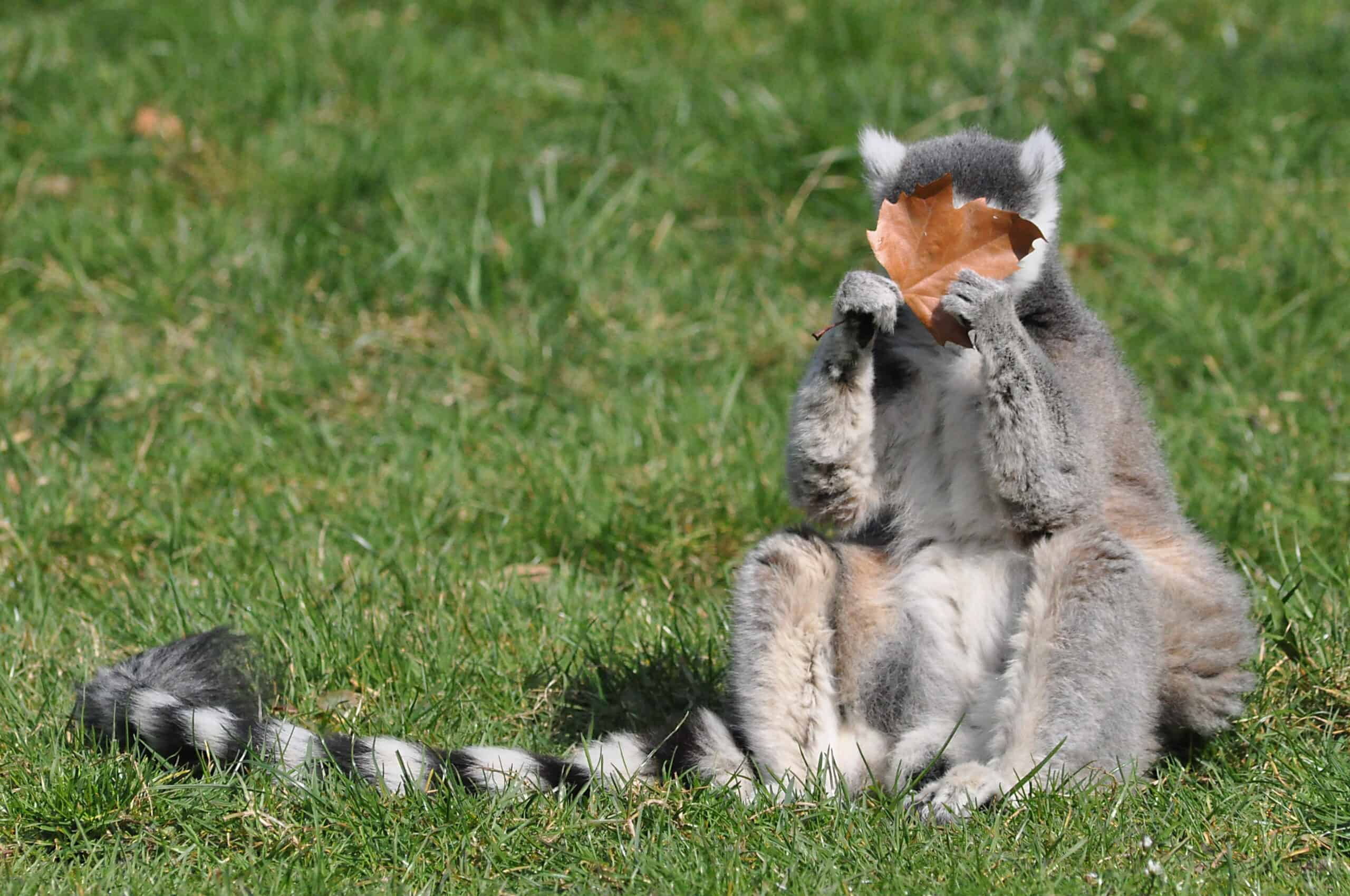
Indri lemurs are one of the only non-human primates known to sing. Their songs ripple through the rainforest, echoing between family members as a way to mark territory, find each other, and strengthen social bonds. The rhythm and pitch are complex, sometimes eerily resembling the cadence of human song. But what caught scientists’ attention most was the way young lemurs joined in.
Learning to Sing Like Us

Researchers studying indri families noticed that the younger lemurs didn’t quite hit the notes like the adults. Their timing was less precise, and their pitch was often off-key—just like a child learning a new song. Over time, though, they improved. This pattern of learning and repetition, with plenty of room for trial and error, mirrors the way human children learn to sing and speak.
The Rhythm of Development

The study, led by primatologists and cognitive scientists, showed that juvenile indris have slower rhythms compared to adults. Their musical ‘phrasing’ is still developing—just like in humans, where kids take time to master timing and tempo. The implication is clear: rhythm and vocal learning might be far older in our evolutionary past than we once believed.
Echoes of Evolution

This connection between lemur and human song is more than just cute—it suggests deep evolutionary roots for musicality. If a species as distant from us as the indri can develop similar singing behaviors, it could mean that rhythm and pattern-based communication evolved much earlier than previously thought. We may share more with our primate cousins than we ever imagined.
A Song Worth Saving

Indris are critically endangered, with their rainforest habitat disappearing fast. Unlike many lemurs, indris can’t survive in captivity, which means preserving their forest homes is the only way to protect them. Studies like this one do more than reveal fascinating science—they highlight why these animals, and their rare songs, are worth fighting for.
The Music of Connection

In the end, a young indri’s offbeat melody isn’t so different from a child’s first lullaby. Both speak to a deep, shared instinct to learn, connect, and be heard. These singing lemurs remind us that music might not be uniquely human—it might be a part of what it means to be alive, to belong, and to grow up with a voice of your own.

adventuring, photography and videography. I am currently working towards a BSc in Biodiversity and Ecology at Stellenbosch University to go on to specialise in Marine Sciences one day.
Please send any feedback to Feedback@animalsaroundtheglobe.com
- Pigeon Turns into Fashionista and Wears Bread - July 19, 2026
- Cat Gives An Unsuspecting Deer A Fright - July 19, 2026
- Are South Australia’s Toxic Algal Blooms to Blame For Sharks Coming on Shore? - July 18, 2026