
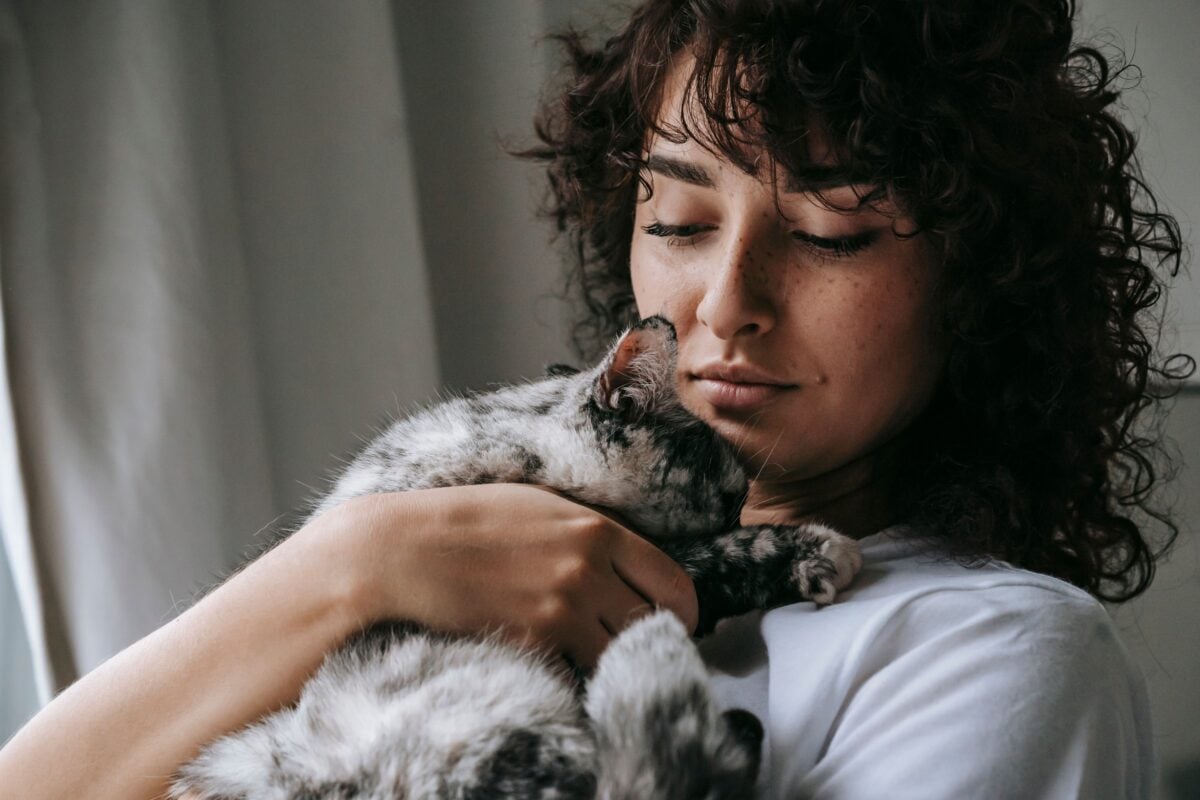
Walk into any pet store’s “senior cat” aisle and it looks like a small apartment renovation: orthopedic beds, joint supplements, heated mats, slow feeders, calming diffusers. It’s easy to assume your aging cat needs all of it just to get through the day comfortably.
Then you actually watch what your cat does. It ignores the memory-foam bed you bought, walks past the fancy fountain, and curls up on your worn hoodie instead. That gap between what we buy and what they actually want is where this list lives – and by the time you reach #13, you may never look at a “senior cat upgrade” the same way again.
#1 – They Follow You… But At A Distance
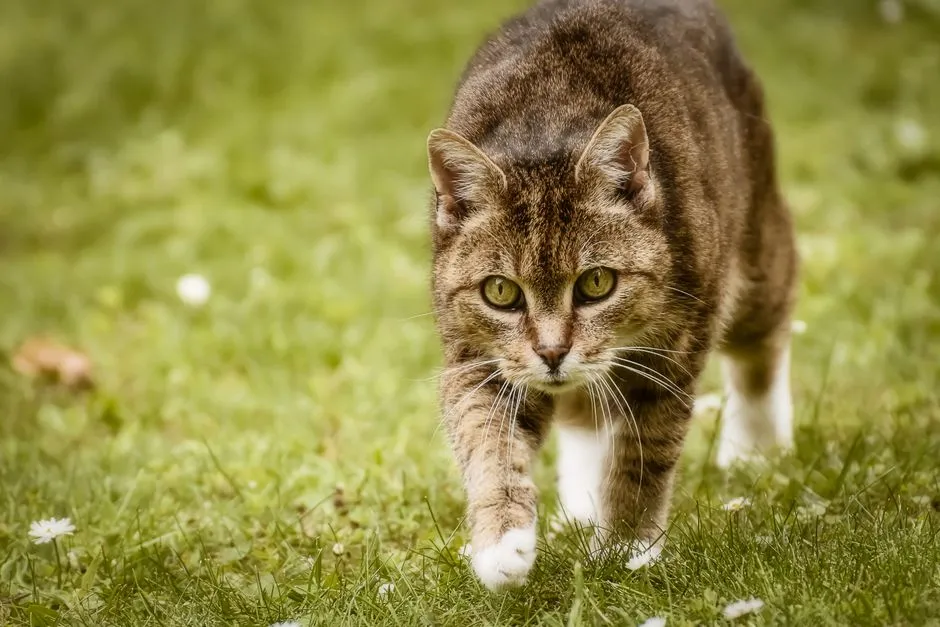
Your aging cat might not leap into your lap the way it used to, but it still shows up in doorways and hallways wherever you go. That’s not aimless wandering. That’s quiet, deliberate attachment.
Senior cats often shadow their person at a “safe” distance, choosing comfort over contact because joints ache and reflexes slow down. They still want to be near you – they just don’t want the pressure or weight of climbing onto you to prove it.
- Lying near your chair instead of on it
- Settling in the same room even when “better” beds sit empty elsewhere
Many people misread this as detachment, as if the cat is simply getting old and grumpy. In reality, it’s your cat redesigning affection around comfort. They’re still choosing the same thing they chose as a kitten. It’s just quieter now.
Fast Facts
- Vets generally classify cats as “senior” between 11 and 14 years old, and “geriatric” from 15 onward.
- Arthritis is believed to affect over 90% of cats age 10 and older, often without obvious limping.
- Twice-yearly checkups are commonly recommended once a cat turns 10, partly because feline pain is so easy to miss.
#2 – The Slow Blink Becomes Their Whole Love Language
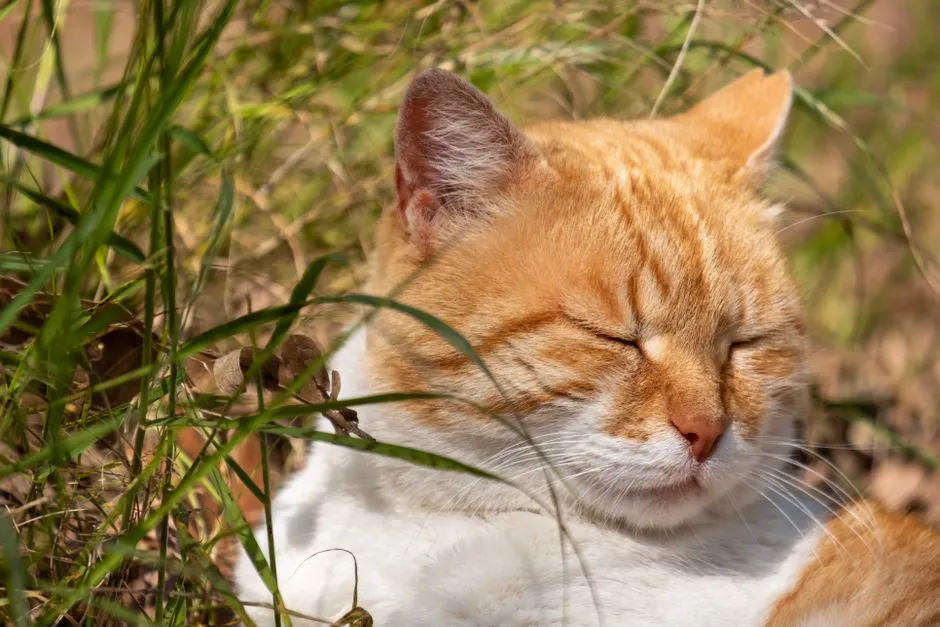
Most people assume purring is a cat’s ultimate love signal. Past a certain age, though, the slow blink quietly takes over as the loudest confession they have left.
Older cats often skip big displays and lean on smaller, cheaper gestures instead – the classic slow blink, eyes half-closed and lingering, is basically a feline “I feel safe with you.”
- They blink slowly from across the room instead of walking over
- They hold eye contact, then soften it into a lazy half-shut gaze
Behaviorists call this an affiliative behavior – social bonding without physical strain. For stiff joints and sore hips, crossing a room takes real effort; blinking costs nothing. When your cat sends those sleepy blinks from a warm corner, it isn’t emotional distance. It’s efficiency, and it means exactly what it always meant.
#3 – Their “Favorite Spot” Is Wherever Your Scent Is Strongest
You can buy the plushest cat bed on the internet and your senior cat will still curl up on your worn hoodie or that ugly throw pillow you’ve been meaning to toss. That’s not bad taste. That’s biology.
Older cats lean harder into scent for security. Your smell tells them they’re home, they’re safe, and nothing has changed while their eyesight and hearing quietly decline.
- On your side of the bed, even when you’re not in it
- In laundry baskets, worn blankets, or your office chair
People love building aesthetic “senior cat setups,” but aging cats routinely reject the Pinterest-worthy option for whatever smells like you. When they nest in your scent, they’re not being difficult. They’re doubling down on the one environment they’ve always trusted most.
#4 – They Eat Better When You’re Nearby, And That’s Not Manipulation
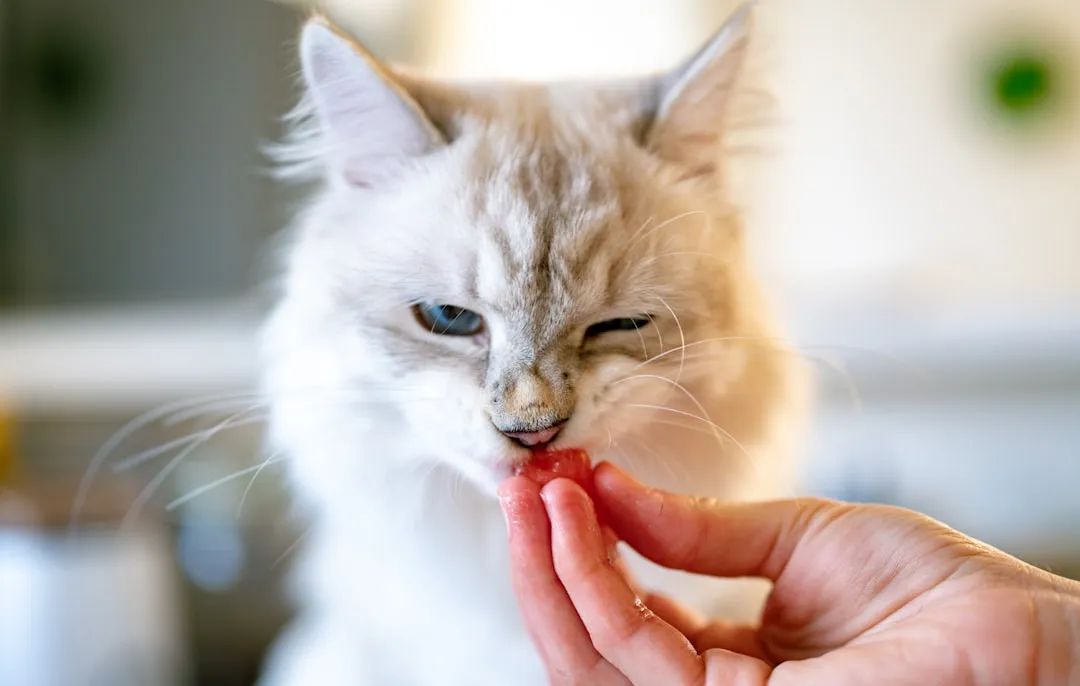
Plenty of guardians panic when their older cat starts “picking” at meals, then notice it eats more once someone sits nearby or talks softly. That’s not spoiling. That’s a real relationship effect.
Senior cats often eat more consistently when their attachment figure is present, especially if anxiety or mild cognitive decline is in the mix. What looks like fussiness is frequently a nervous system asking for reassurance before it can relax enough to focus on food.
- Needing to know the room is safe while they’re vulnerable over the bowl
- Responding to your voice as a signal that it’s okay to relax
Some guardians worry that sitting with a cat during meals creates “bad habits.” For a healthy young cat, maybe. For a fourteen-year-old who’s lost muscle and energy, presence is part of the meal. The prescription diet matters, but you’re the invisible ingredient that gets it actually eaten.
#5 – Playtime Shrinks, But The Eye Contact During Play Gets Intense
It’s tempting to assume your senior cat is simply “over” toys since it no longer sprints after every feather wand. What’s really happening is more interesting: they’re editing out the pointless exercise and keeping only the part that matters – shared focus with you.
Shorter, slower play sessions tend to come with more direct eye contact and quick glances back at your face, as if checking that you’re still watching.
- A few batted swipes at the toy, then a pause to look at you instead of chasing
- A clear preference for predictable movements over chaotic zoomies
Some people call this lazy. Behaviorists would call it strategic. Your cat knows the toy is fake by now – the real reward is the small ritual of you picking it up, using that goofy play voice, and giving them your full attention. The body gives out long before the bond does.
#6 – They Tolerate More, But Only From You
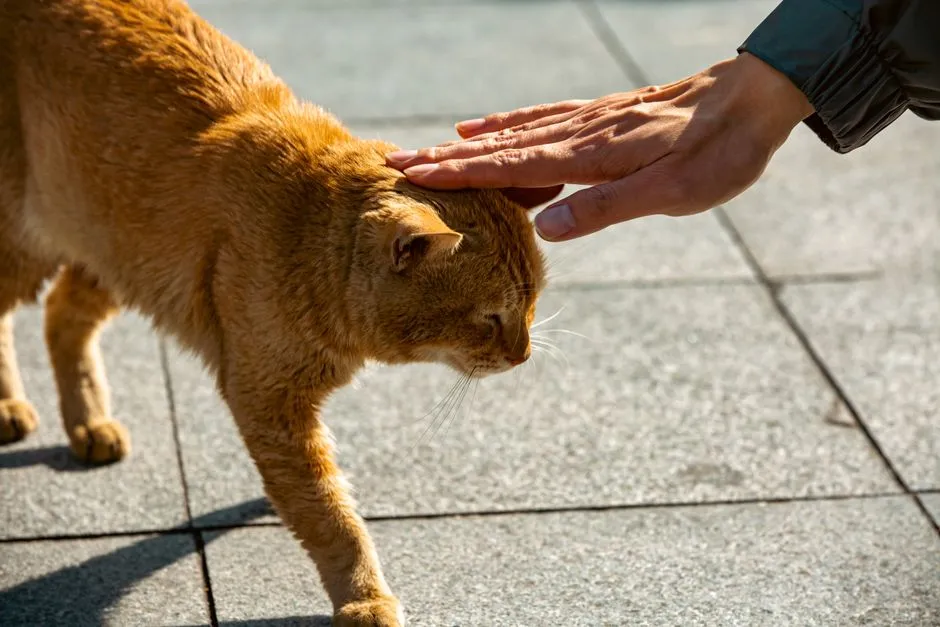
An aging cat might suddenly accept nail trims, medication, or awkward lifting that would’ve earned you a swipe of claws years earlier – but only if it’s you doing it. That’s not surrender. That’s advanced-level trust.
They’re quietly calculating risk versus relationship, and deciding you’re worth the discomfort.
- Hissing at the vet tech, then letting you handle that same sore paw at home
- Grumbling during medicine time but never actually walking away
Quick Compare
- With you: Sits through nail trims, meds, or lifting, even while grumbling about it.
- With a vet tech or stranger: Hisses, squirms, or tries to bolt at the exact same handling.
- With you: Settles back into a nap within minutes of something stressful.
- With everyone else: Stays tense or hides for hours afterward.
Most cats never stop being opinionated; they simply get more selective about who they let past their defenses. Outsiders might read an older cat as “mellowing out” in general. In reality, the tolerance is personal, not universal. They’re not softer with the world. They’re softer with you.
#7 – They Choose Quiet Over Stimulation, As Long As You’re In It
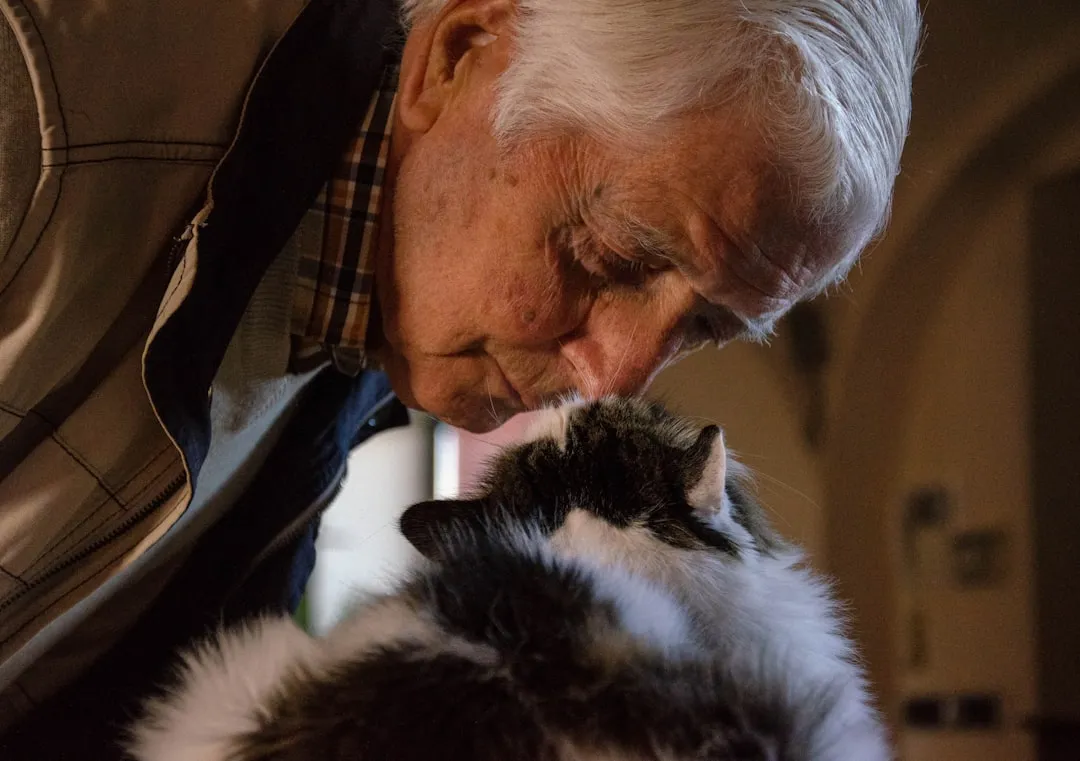
“Old cats just want peace and quiet” is only half true. What they actually want is controlled quiet – specifically, your quiet.
Senior cats often abandon busy windows, loud TVs, and chaotic family zones in favor of calmer spaces where one thing stays predictable: you, showing up in your usual rhythm.
- Leaving the front window for your office, bedroom, or reading chair
- Trading a sunny but noisy spot for a nap near your laptop fan
As hearing changes, unpredictable noise becomes more jarring, and aching joints make sudden startles hit harder. The calm they trust most doesn’t come from an empty room. It comes from a familiar human doing familiar things nearby.
#8 – Their Grooming Habits Quietly Reveal How Much They Rely On You Now
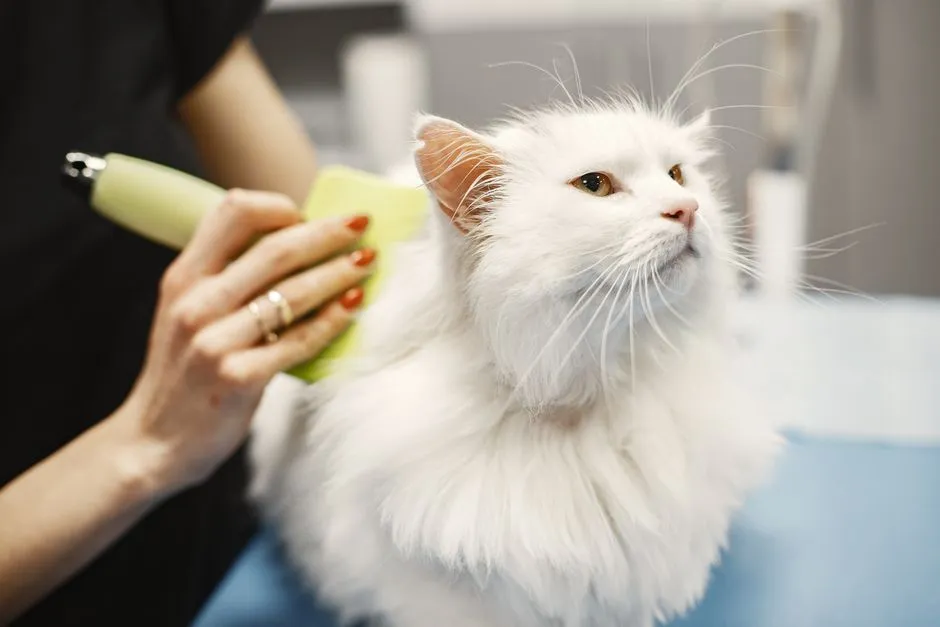
You can tell a lot from an older cat’s coat. When self-grooming drops, especially around the back and hips, it’s usually because their body physically can’t keep up with its old standards anymore – not because they’ve stopped caring.
That’s where you come in, not just as a substitute tongue but as a partner in dignity.
- Tolerating, even enjoying, more brushing when it’s paired with your voice
- Matted or unkempt patches improving once grooming becomes a slow, predictable ritual with you
Grooming is one of the most important social behaviors in a cat colony – it’s not just about a clean coat, it’s about trust.
Common veterinary behavior principle
When your cat leans or presses into your hand during a brushing session, that’s them inviting you into an intimate feline ritual most humans never get access to.
#9 – They Start Timekeeping Around Your Routines, Not The Clock
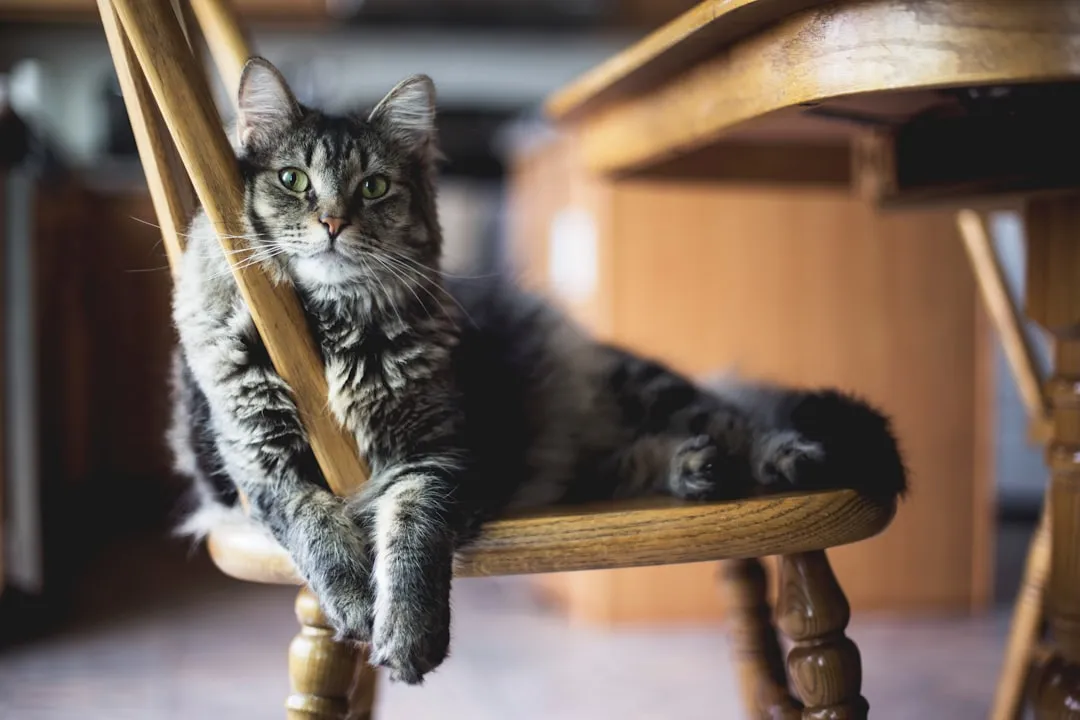
Everyone jokes that cats are alarm clocks for breakfast. By their senior years, many cats become weirdly precise about your entire schedule, not just mealtimes.
They wait by the door around the time you usually get home, hover before bed, or grow restless if you stay up later than normal.
- Pacing or vocalizing if you’re out of the house at an unusual time
- Settling faster at night once you’re in your usual spot on the bed or couch
Worth Knowing
- Cognitive changes are believed to affect a large share of cats by age 15, often showing up first as disorientation or nighttime restlessness.
- Sticking to a predictable daily routine is one of the simplest, most commonly recommended ways to ease anxiety in aging cats.
- A sudden change in vocalizing or pacing is worth mentioning at the next vet visit rather than dismissing as “just getting old.”
If it were only about food, they wouldn’t relax until the bowl actually appeared – but older cats often calm down the moment you walk through the door, before they’ve eaten a bite. As their world narrows, your predictable comings and goings become the structure holding the rest of it together.
#10 – They “Talk” Less Often, But What They Say Gets Sharper
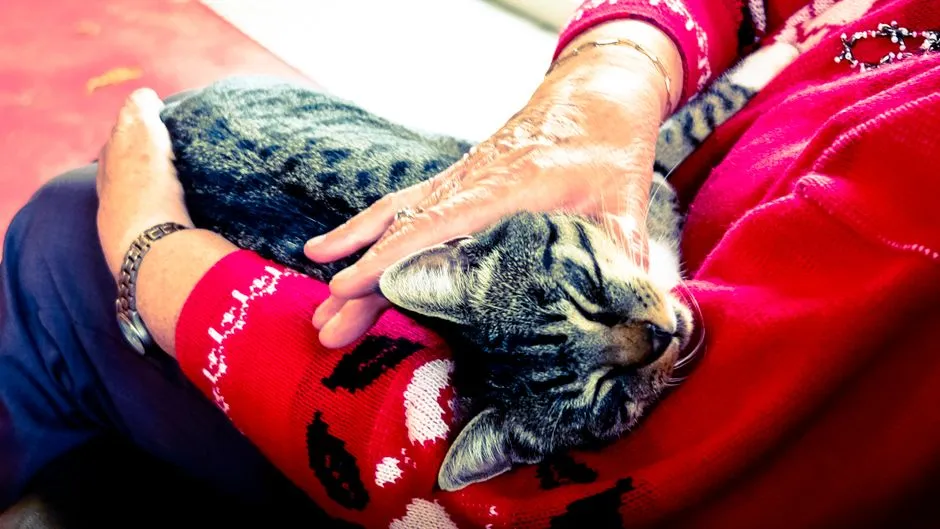
Some guardians swear their senior cat has gone quiet. Others insist the opposite – that they’ve suddenly got a little old-timer who complains about everything. Both can be true, and both still revolve around you.
Older cats streamline their communication. They waste fewer meows on random commentary and save their voice for specific needs, usually aimed at the one person they trust to actually understand them.
- Fewer meows, but more intense ones, especially with direct eye contact
- Distinct sounds for “food,” “pain,” “confusion,” or “where did you go?”
Medical issues like hyperthyroidism or cognitive dysfunction can cause extra vocalizing, and that’s always worth a vet visit. But beyond health, many aging cats simply become blunter communicators. They’ve spent a decade training you. Now they expect results.
#11 – They Get Weirdly Brave About Things… When You’re There
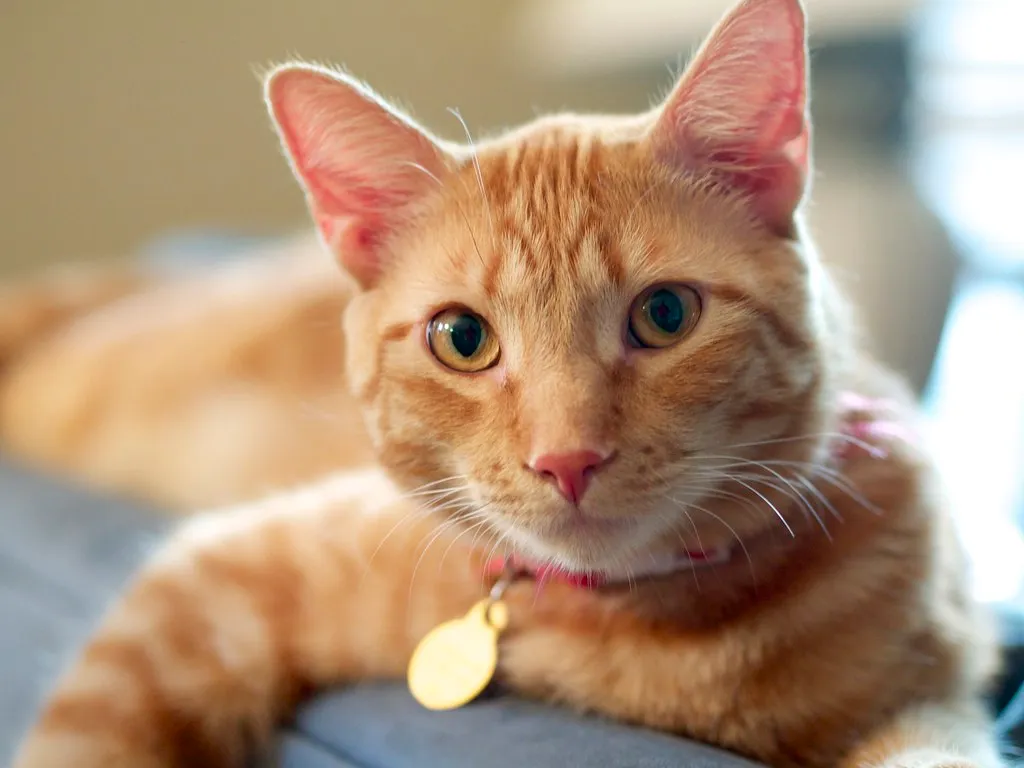
Cats are famous for hating change, and older cats are supposedly the worst about it. Yet many senior cats will explore a new room, accept a new couch, or tolerate a small move as long as you’re physically and emotionally present.
Their confidence isn’t coming from the environment. It’s coming from you.
- Hiding less during thunderstorms if you stay calm nearby
- Sniffing a new object, then glancing back at your face for cues
In multi-cat households, the oldest cat will often act bolder around “their person” while younger cats stay suspicious of the same room. We love to frame cats as solitary and aloof. Senior cats quietly disprove that every time they treat your calm as their permission slip to relax.
#12 – They Start Preferring One Human, And It’s Not Always The Feeder
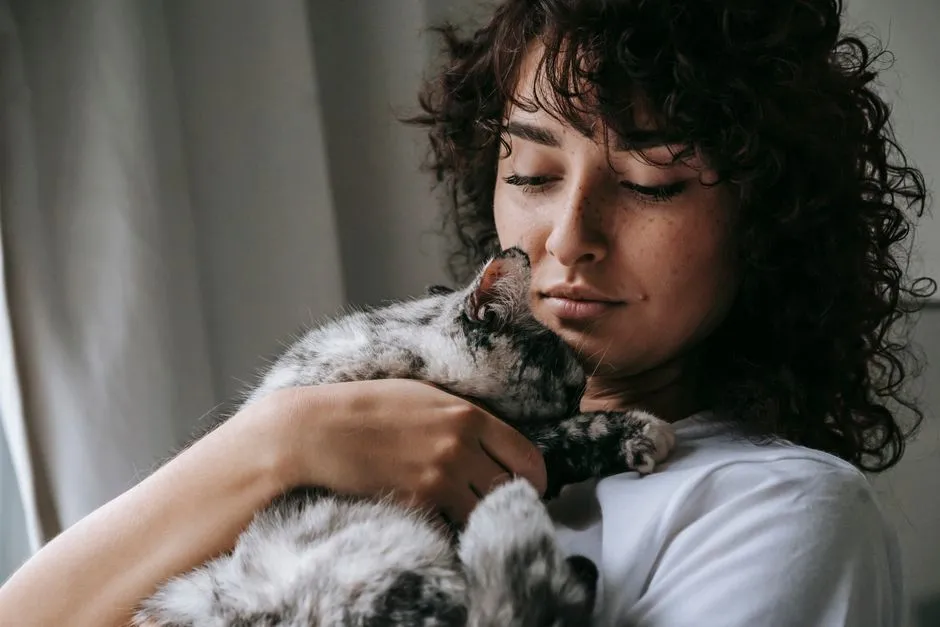
Here’s the part that starts arguments in shared households: older cats often pick a “primary human” who isn’t necessarily the one filling the food bowl. As their world shrinks, they refine their loyalties down to what actually matters.
Sometimes the chosen one is the soft-spoken family member, the night owl, or the person who never forces cuddles.
- Sleeping on one person’s pillow while ignoring the one doing litter and meals
- Going to one specific voice for comfort during stress or pain
At A Glance
- Cats can form distinct, ranked attachments to different people in the same household, not just one shared bond.
- Feeding a cat doesn’t automatically make you its favorite – calm handling and consistency tend to matter more.
- A senior cat’s chosen person often stays the same for years, even as everything else in the household shifts.
Food matters, but emotional safety matters more as age creeps in. Senior cats take mental notes for years about who respects their boundaries and who stays steady during hard moments. It’s a little uncomfortable to hear, but true: you can’t buy your way into being the favorite. Presence usually wins.
#13 – At The Very End, They Don’t Ask For Toys, Beds, Or Upgrades – Just You
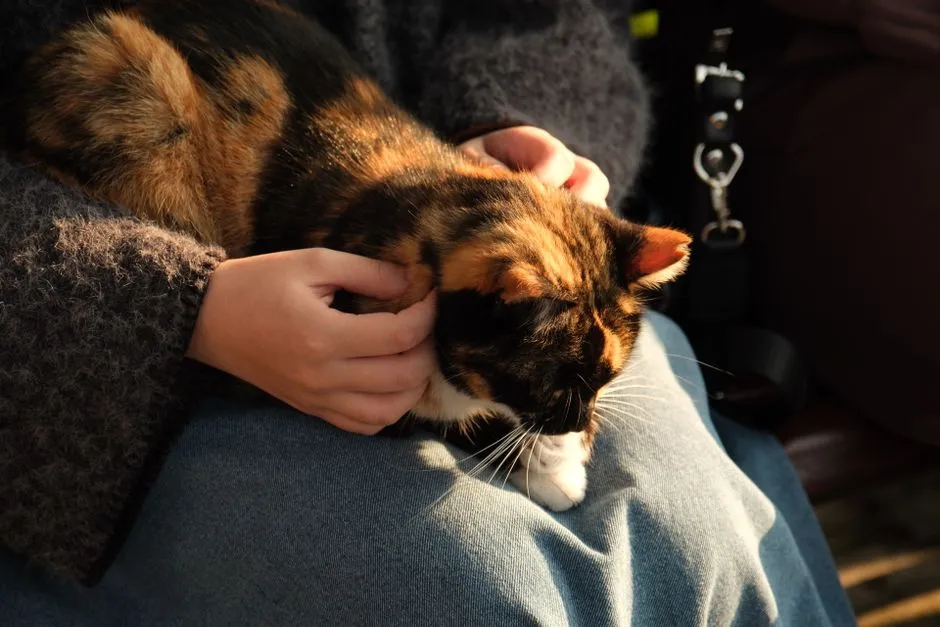
When cats reach true old age or serious illness, something stark tends to happen: all the “stuff” fades into the background. The toy basket, the fancy fountain, the premium bed with cooling gel foam – none of it registers anymore.
What they seek in those thin, quiet days is almost always simple: your lap if it’s still comfortable, your hand near their head, your voice somewhere in the room.
- Choosing a hard floor near you over a soft bed across the room
- Settling deeper the moment you speak, even with eyes closed and breathing shallow
This is the part many people wish they’d understood sooner. For all the spending and optimizing, what registers at the end is time, not gear. They don’t know brand names or price tags. They know touch, tone, smell, and the rhythm of a life lived next to yours.
The Bottom Line
We throw money at aging cats because it feels like control – better food, better beds, better toys, better everything. Strip away the marketing, though, and the science lines up with the lived experience: what senior cats consistently choose, over and over, isn’t “better stuff.” It’s their person.
They follow you room to room. They time their days around your routines. They rewrite their affection into quieter, more efficient gestures because their bodies demand it – but the target of that affection never moves.
Here’s the uncomfortable truth nobody puts on the packaging: your cat never needed the upgrades. It needed consistency, gentleness, and you actually showing up. Do you think modern pets genuinely need “all the things” to be happy in old age, or is this list proof that we’ve been overcomplicating it the whole time? Tell us where you stand in the comments.

- 14 Quiet Signs Your Dog Knows Its Time Is Near and Wants You Close - July 22, 2026
- 10 Falcon Facts That Will Blow Your Mind - July 22, 2026
- 5 Incredible Migratory Journeys Animals Make Every Year - July 22, 2026