
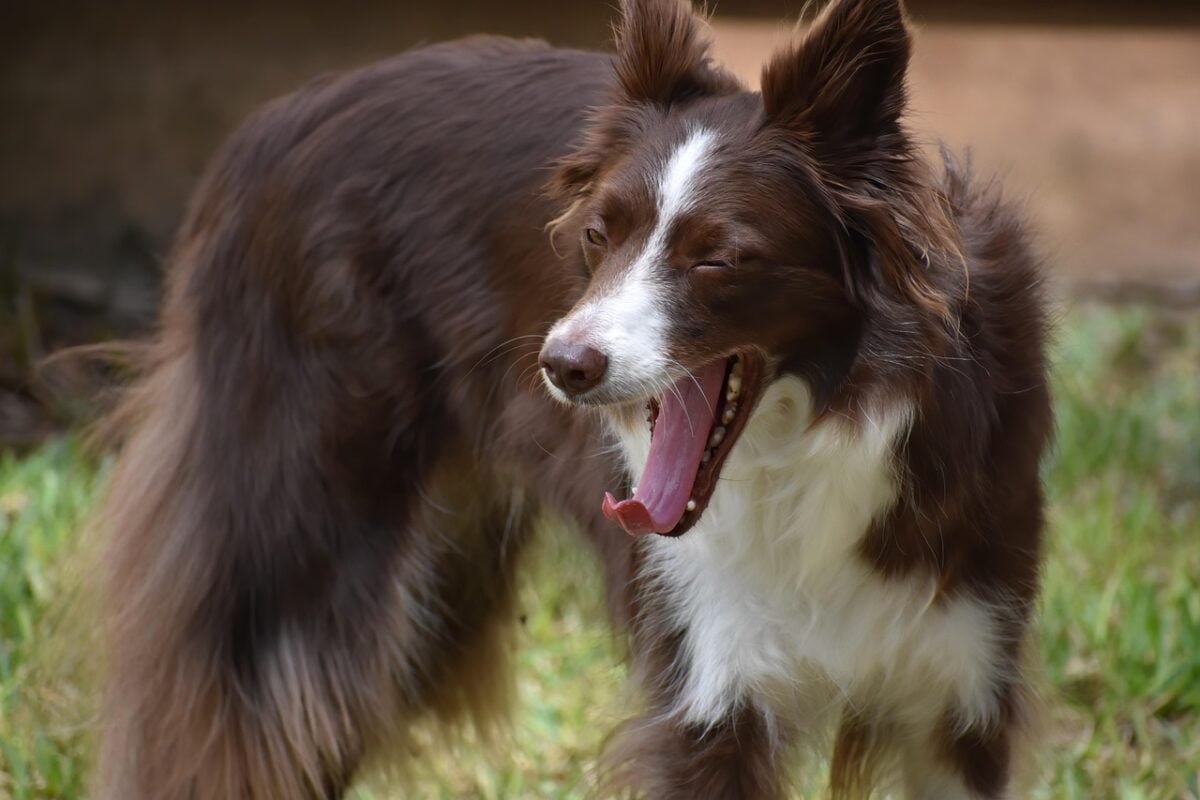
You settle onto the couch after a long day, let out a deep yawn, and glance over to see your dog mirroring the motion almost immediately. It feels like more than coincidence, especially when the same thing rarely happens around visitors or strangers. This everyday moment points to something researchers have been exploring for years in the world of animal behavior.
The idea that dogs respond to human yawns carries a quiet intrigue, hinting at layers of connection that go beyond simple training or routine. Studies in zoology have started to map out why this happens and why the bond with an owner seems to amplify it.
What Makes Yawning Contagious in the First Place
🔥 Would you like to save this?
We'll email this post to you, so you can come back to it later!
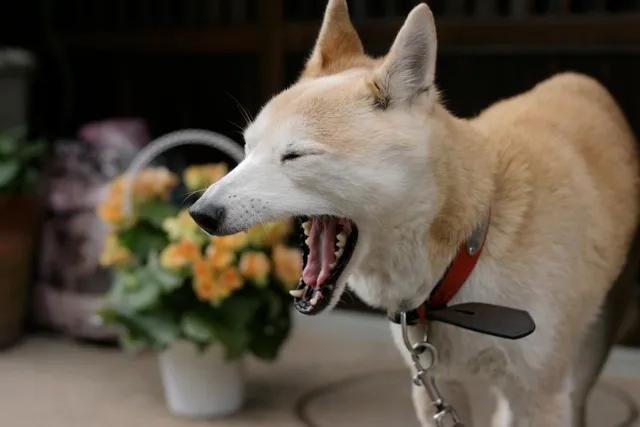
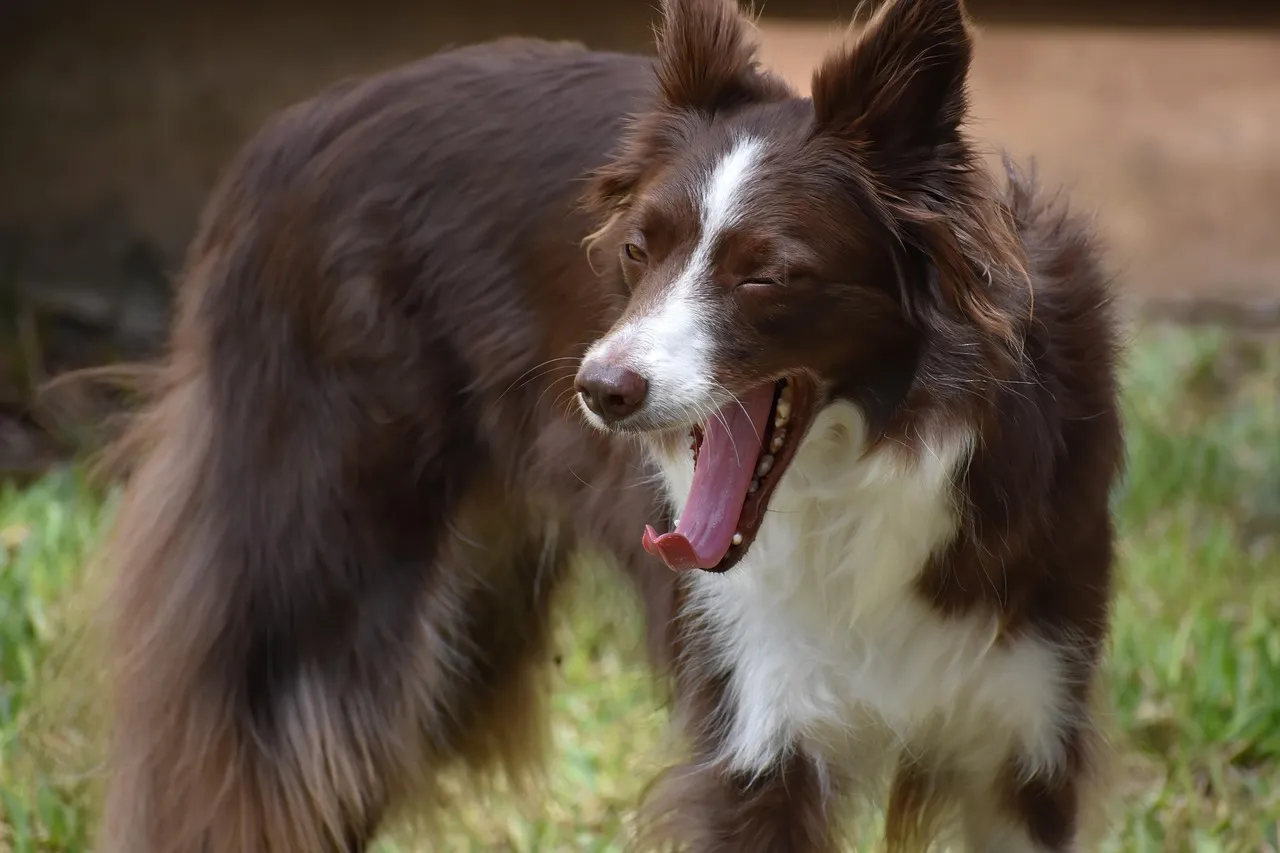
Yawning itself serves several basic functions across mammals, from regulating brain temperature to signaling shifts in alertness. When one individual yawns and another follows suit shortly after, the response is called contagious yawning. This pattern shows up in humans, some primates, and now documented cases with dogs.
Researchers trace the mechanism to a mix of visual cues and social awareness rather than any single trigger. The sight of an open mouth paired with the sound or stretch often sets it off. In controlled settings, dogs exposed to these signals yawn at rates far higher than when they see neutral mouth movements instead.
Early Experiments That Spotted the Pattern in Dogs

🔥 Would you like to save this?
We'll email this post to you, so you can come back to it later!
One foundational study from 2008 placed dogs in front of a person performing either real yawns or control actions like opening the mouth without the full yawn sequence. Twenty one out of twenty nine dogs yawned during the real yawns, while none responded to the controls. That clear difference marked the first solid evidence of cross species yawn contagion.
Follow up work refined the setup by varying the person involved and tracking timing. Dogs showed the response within a short window after seeing the yawn, much like the pattern observed in people. These early trials established that the behavior exists outside primates and opened the door to questions about its social side.
The Role of Familiarity in Triggering the Response

🔥 Would you like to save this?
We'll email this post to you, so you can come back to it later!
A 2013 study took the next step by comparing how dogs reacted to yawns from their owners versus an unfamiliar experimenter. The dogs yawned significantly more often when the familiar person yawned. This familiarity effect stood out even though the control mouth movements produced far fewer responses overall.
The pattern suggests the strength of the social tie influences how readily the yawn transfers. Dogs with closer daily bonds appear more attuned to their owner’s subtle signals. Later analyses have sometimes found weaker or absent familiarity differences, yet the original findings remain a key reference point for the owner advantage.
Ruling Out Stress as the Main Driver
🔥 Would you like to save this?
We'll email this post to you, so you can come back to it later!
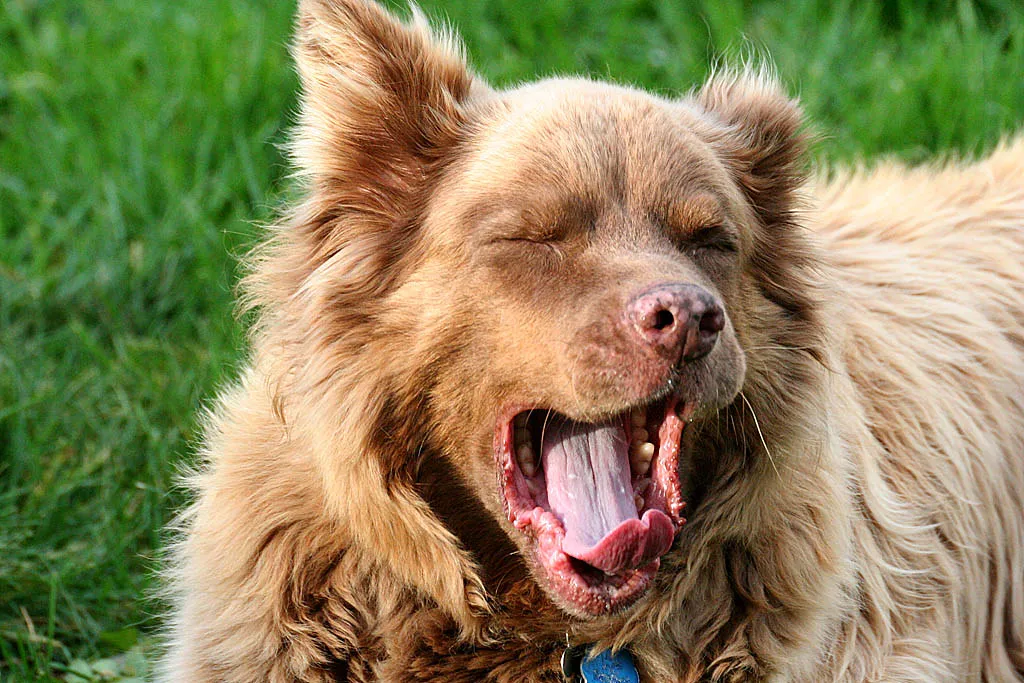
Some wondered whether the yawns simply reflected mild tension from being watched or tested. Heart rate monitoring during the 2013 trials showed no meaningful changes across conditions. That stability pointed away from a stress explanation and toward something more tied to social context.
Additional checks in shelter dogs revealed that arousal levels could play a part in certain environments, but the owner specific boost held in home settings. The absence of physiological spikes helped researchers separate contagious yawning from a simple distress signal. It left room for interpretations centered on emotional attunement instead.
How This Fits Into Broader Animal Social Behavior
🔥 Would you like to save this?
We'll email this post to you, so you can come back to it later!
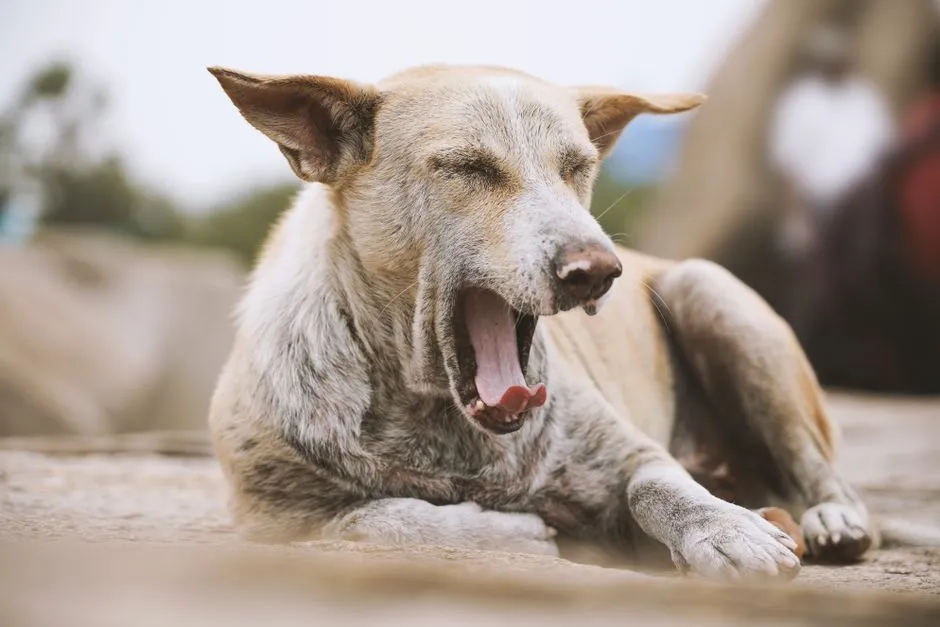
Contagious yawning appears in other highly social species, including chimpanzees and even African painted dogs. In those groups the behavior often tracks with proximity and group cohesion. Dogs extend the pattern across species lines, which highlights how domestication may have sharpened their sensitivity to human cues.
The response likely supports coordination during shared activities like rest or play. When one yawns and others follow, it can help align energy levels within a social unit. For dogs and people, this cross species version may strengthen the daily rhythm of life together.
Implications for Understanding Dog Human Connections
🔥 Would you like to save this?
We'll email this post to you, so you can come back to it later!
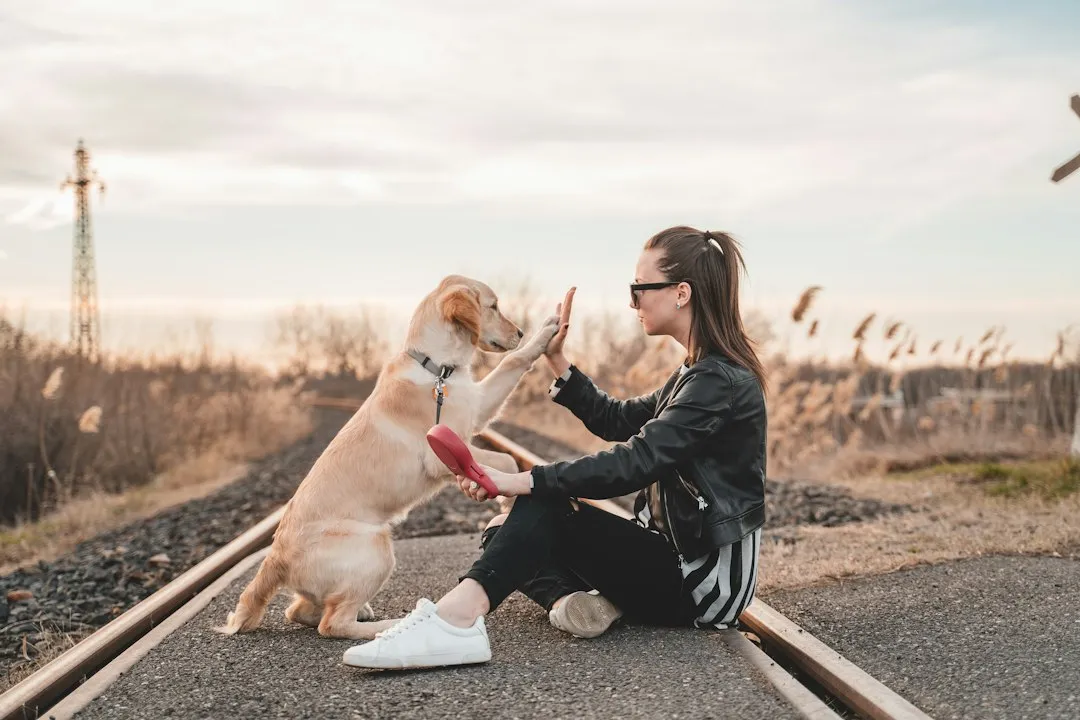
The owner preference in yawn contagion adds one more piece to the picture of how dogs read human emotions and states. It aligns with other documented abilities, such as following gaze or responding to tone of voice. Together these traits suggest dogs have developed a fine tuned radar for the people they live with most closely.
Owners often report noticing these small synchronies without realizing they form part of a larger pattern. The research gives a scientific frame to those observations. It also reminds us that the bond works in both directions, with dogs picking up on signals we might overlook.
Observing It in Everyday Life
🔥 Would you like to save this?
We'll email this post to you, so you can come back to it later!
Paying attention during quiet moments at home can reveal the pattern without any special setup. A yawn after dinner or during a relaxed evening often spreads to the dog nearby. Keeping track of whether visitors trigger the same response can highlight the difference in familiarity.
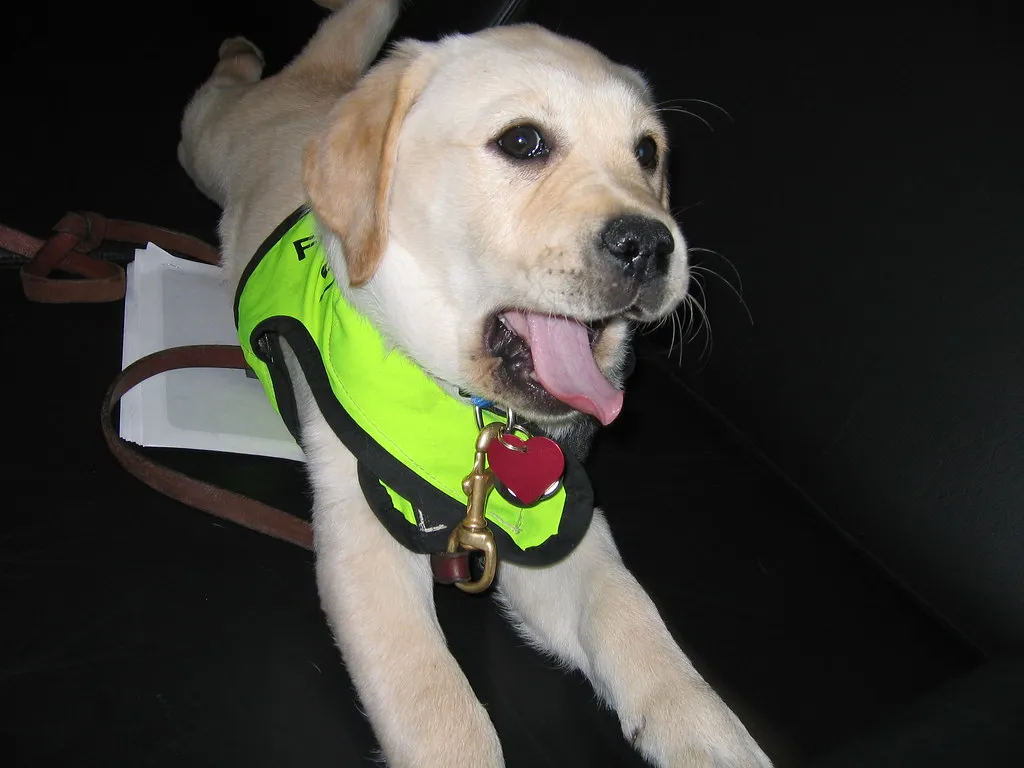
Age and individual temperament play roles too, with some dogs showing the behavior more readily than others. The effect tends to appear more consistently in adult dogs rather than very young puppies. Simple awareness turns these small events into windows on the relationship.
Reflecting on the Subtle Ties That Bind
🔥 Would you like to save this?
We'll email this post to you, so you can come back to it later!
The evidence for dogs catching human yawns, especially from their owners, paints a picture of quiet attunement rather than dramatic revelation. It fits into a wider story of how long shared lives shape small behaviors on both sides. While not every study finds the same strength of effect, the core observation holds enough weight to change how we notice these moments.
In the end, it underscores that the connection between dogs and people runs deeper than commands or treats. These tiny echoes of each other’s states add texture to daily life together. Paying attention to them can make the ordinary feel a little more shared.

- 12 Surprising Facts About North American Mountain Lions You Never Knew - November 5, 2026
- Wild Salmon Populations Are Rebounding in the Pacific Northwest, A Sign of Healthier Rivers - November 5, 2026
- 8 Fascinating Facts About Owls You Never Knew - November 5, 2026