


America’s national parks serve as sanctuaries for some of the most diverse and remarkable wildlife on the planet. These protected landscapes not only preserve breathtaking scenery but also provide critical habitat for countless species that captivate visitors from around the world. From the icy realms of Alaska to the subtropical wetlands of Florida, each park offers unique opportunities to witness animals in their natural environments. Whether you’re an avid wildlife photographer, a nature enthusiast, or simply seeking memorable encounters with America’s iconic fauna, these 17 national parks stand out for their extraordinary wildlife viewing opportunities that often become the highlight of any visit.
Yellowstone National Park America’s Wildlife Sanctuary

As America’s first national park, Yellowstone remains unparalleled in its wildlife diversity and viewing opportunities. The park’s approximately 2.2 million acres span across Wyoming, Montana, and Idaho, harboring the largest concentration of mammals in the lower 48 states. Visitors flock to Lamar Valley, often called “America’s Serengeti,” where wolf packs, grizzly bears, and massive herds of bison and elk roam freely across vast landscapes. Established in 1872, Yellowstone protects roughly 5,000 bison—the oldest and largest public herd in the United States—alongside nearly 100 wolves and around 700 grizzly bears in the greater Yellowstone ecosystem. Dawn and dusk provide optimal viewing times when animals are most active, with patient observers often rewarded with unforgettable scenes of predator-prey interactions that showcase nature’s raw drama.
Grand Teton National Park Where Megafauna Roams Against Dramatic Backdrops
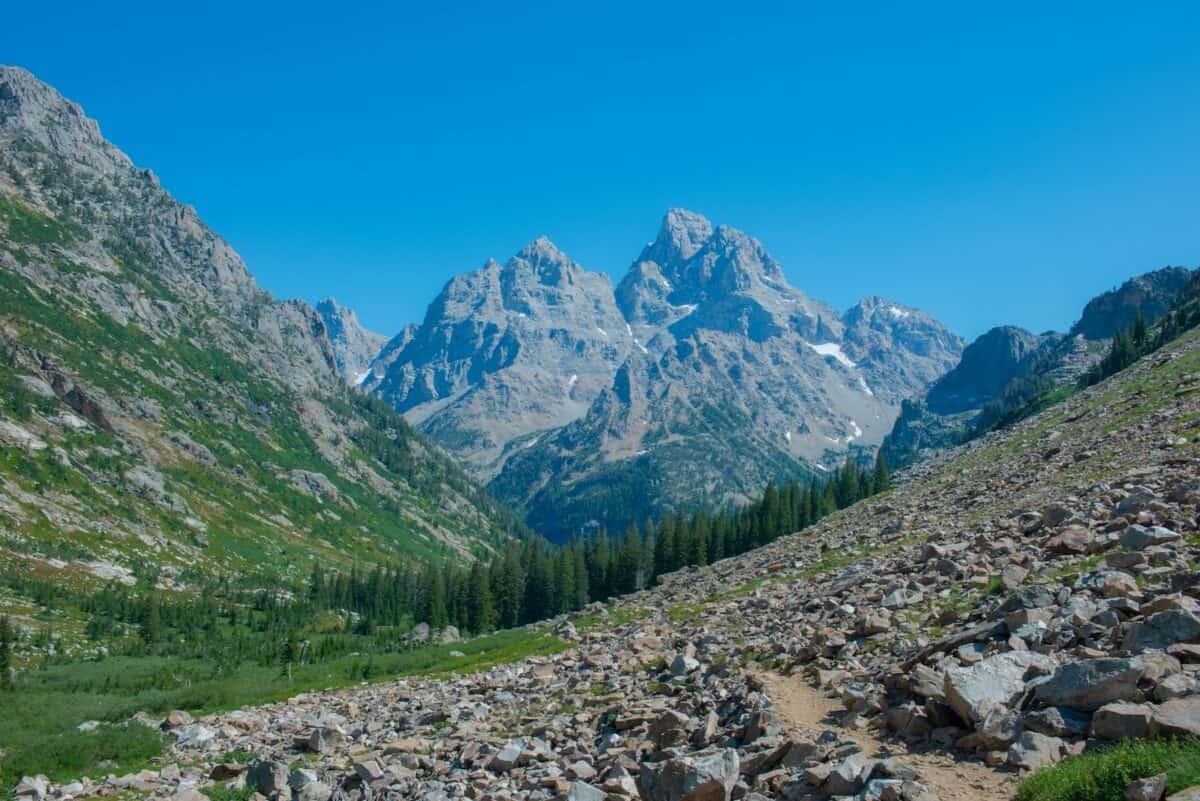
Just south of Yellowstone, Grand Teton National Park offers some of the most photogenic wildlife viewing in America. The jagged Teton Range creates a stunning backdrop for observing the park’s impressive array of large mammals. During fall, visitors gather at dawn along Moose-Wilson Road to witness massive bull moose with enormous antlers displaying during the rut. The park hosts approximately 800 elk that winter in the National Elk Refuge just outside park boundaries, while spring brings opportunities to spot black and grizzly bear mothers with cubs foraging in meadows. Patient wildlife enthusiasts exploring Willow Flats and Oxbow Bend at sunrise may be rewarded with sightings of river otters, beaver, and perhaps even the elusive wolverine. The park’s proximity to Yellowstone creates a connected ecosystem that allows animals to move freely between these protected lands, enhancing the diversity of wildlife encounters.
Denali National Park Alaska’s Wildlife Wilderness

In the heart of Alaska, Denali National Park and Preserve encompasses six million acres of untamed wilderness where wildlife thrives in a largely intact ecosystem. The park’s limited road access—visitors must use shuttle buses beyond mile 15—helps maintain the pristine habitat where approximately 300-350 grizzly bears, 2,000 Dall sheep, and 1,800 moose roam freely. Denali is one of the few places in North America where visitors can spot all five species of Alaska’s charismatic megafauna: grizzly bears, moose, caribou, wolves, and Dall sheep, often referred to as “The Big Five.” The alpine tundra provides excellent visibility for spotting wildlife against the backdrop of North America’s tallest peak. Summer visitors might witness caribou migrations, while keen-eyed observers may spot gyrfalcons, golden eagles, or even the elusive lynx. The park’s vast undeveloped landscape allows animals to maintain natural behaviors largely unaffected by human interference.
Everglades National Park Subtropical Wildlife Haven

As the largest subtropical wilderness in the United States, Everglades National Park protects 1.5 million acres of wetlands that support an astonishing diversity of wildlife. This unique ecosystem harbors more than 360 species of birds, 40 species of mammals, and 50 species of reptiles. The park’s signature species include the endangered Florida panther (fewer than 200 remain in the wild), the American alligator, and the American crocodile—making it the only place in the world where alligators and crocodiles coexist. During the dry season (December through April), wildlife concentrates around remaining water sources, creating spectacular viewing opportunities at locations like Anhinga Trail and Shark Valley. Visitors exploring by canoe or kayak may encounter West Indian manatees, river otters, and numerous wading birds like roseate spoonbills, wood storks, and great blue herons. The park’s designation as a UNESCO World Heritage Site, International Biosphere Reserve, and Wetland of International Importance underscores its global significance as a wildlife sanctuary.
Olympic National Park Three Ecosystems, Countless Wildlife Encounters
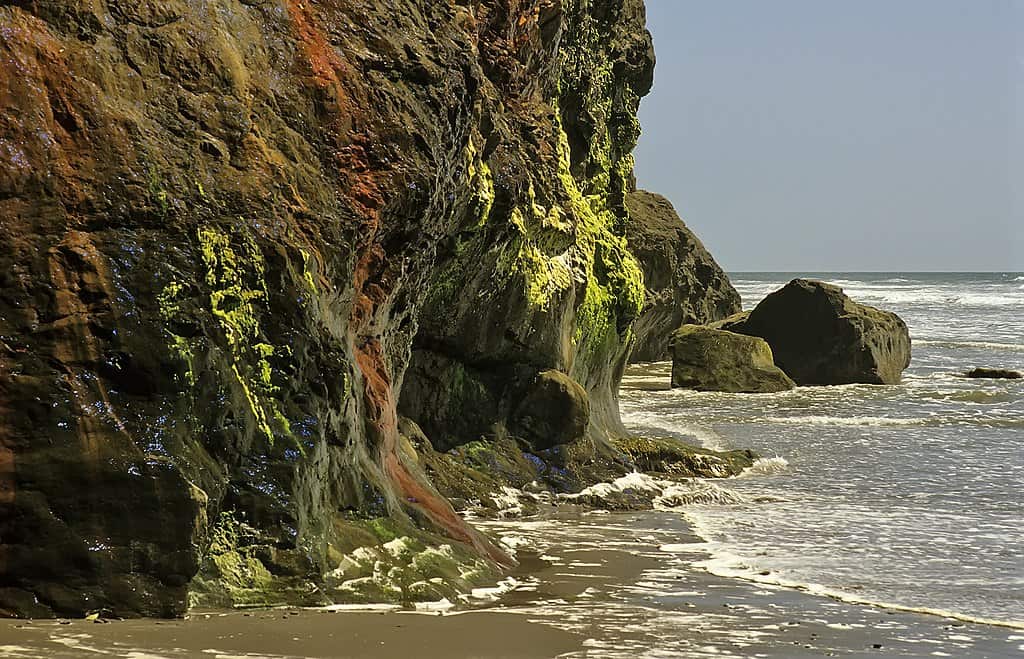
Olympic National Park stands unique among America’s national parks for encompassing three distinct ecosystems: temperate rainforest, alpine mountains, and rugged coastline. This diversity creates habitat for an exceptional range of wildlife. The park’s 70+ miles of protected coastline offer opportunities to observe marine mammals, including harbor seals, sea lions, and migrating gray whales from April through May. Tide pools teem with colorful sea stars, anemones, and other intertidal creatures. In the Hoh and Quinault Rainforests, visitors might encounter Roosevelt elk—the largest subspecies of elk in North America—alongside black bears and over 300 species of birds. The park also protects several endemic species found nowhere else on Earth, including the Olympic marmot, Olympic torrent salamander, and Cope’s giant salamander. During salmon spawning season, visitors can witness the remarkable sight of these fish returning to their natal streams, often accompanied by opportunistic predators.
Katmai National Park Brown Bear Paradise

Few wildlife experiences rival the heart-pounding thrill of watching massive brown bears fishing for salmon at Brooks Falls in Katmai National Park. This remote Alaskan wilderness protects one of the world’s largest populations of brown bears, with approximately 2,200 bears roaming its 4 million acres. During the peak salmon run in July, visitors can observe dozens of bears simultaneously fishing at Brooks Falls, where the bears have developed various fishing techniques—some wade into the rushing waters to catch leaping salmon, while others snorkel with just their eyes above water. The park’s protected status and limited accessibility have allowed these bears to become somewhat habituated to human observers, creating unparalleled viewing opportunities from designated platforms. Beyond bears, the park shelters moose, wolves, wolverines, and over 150 species of birds, including bald eagles that also feast on the salmon bounty. The Valley of Ten Thousand Smokes, formed by a massive volcanic eruption in 1912, provides a dramatic backdrop to this wildlife spectacle.
Theodore Roosevelt National Park Dakota Badlands Wildlife
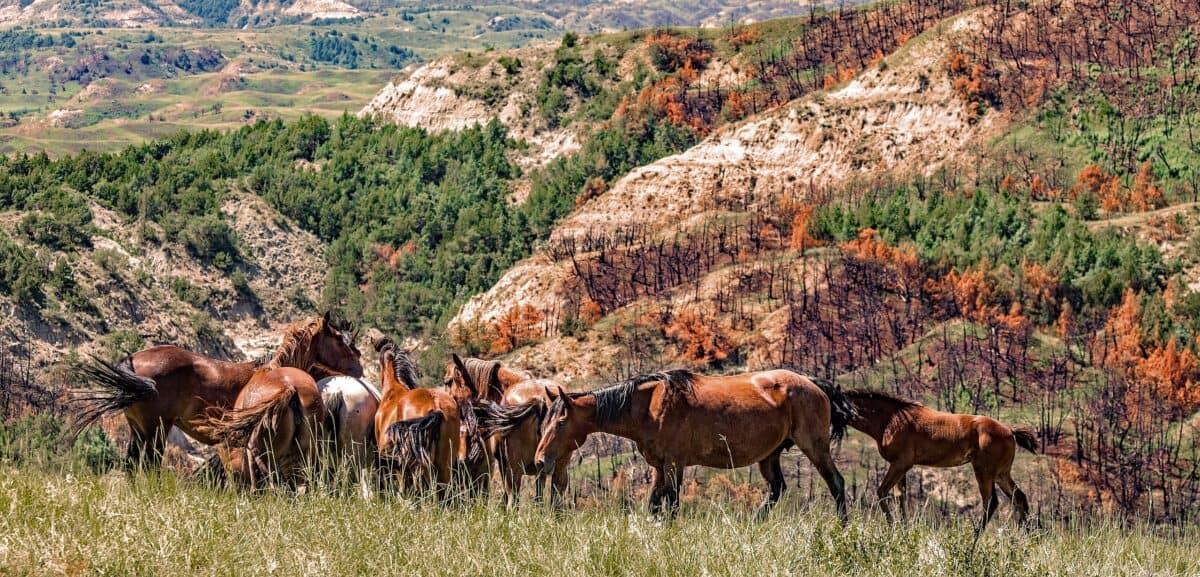
Named for the conservation-minded president who once ranched in these rugged badlands, Theodore Roosevelt National Park protects a unique landscape where wildlife thrives amid colorful buttes and canyons. The park’s three separate units in western North Dakota harbor approximately 600 free-roaming bison—descendants of animals reintroduced in the 1950s after the species was nearly exterminated. Visitors driving the park’s scenic loops frequently encounter these massive mammals alongside bands of wild horses, another iconic species whose presence connects to the region’s frontier history. The park maintains about 100-200 wild horses, managing them as a demonstration herd that represents the historic importance of horses to Plains Indians and early European settlers. Prairie dog towns dot the landscape, creating important habitat for associated species like burrowing owls and swift foxes. Lucky visitors might spot pronghorn—North America’s fastest land mammal—capable of sustained speeds of 55 mph, or catch glimpses of mule deer, white-tailed deer, and coyotes among the juniper-studded slopes.
Glacier National Park Crown of the Continent Wildlife

Known as the “Crown of the Continent,” Glacier National Park harbors one of the most intact ecosystems in the temperate world, supporting an impressive diversity of wildlife across its million acres. The park provides crucial habitat for approximately 300 grizzly bears—one of the densest populations in the lower 48 states—alongside healthy populations of black bears, wolves, mountain lions, and lynx. Mountain goats and bighorn sheep navigate the park’s precipitous terrain with remarkable agility, often visible along the famous Going-to-the-Sun Road. Glacier’s abundant waterways support river otters, beavers, and numerous fish species, while its skies host over 260 species of birds, including golden eagles and peregrine falcons. The park’s border with Canada’s Waterton Lakes National Park forms an International Peace Park and Biosphere Reserve, creating a vital international wildlife corridor that allows species to move freely across political boundaries. Climate change threatens this fragile ecosystem, with receding glaciers impacting the cold-water streams that support native bull trout and other temperature-sensitive species.
Voyageurs National Park Northern Water Wilderness
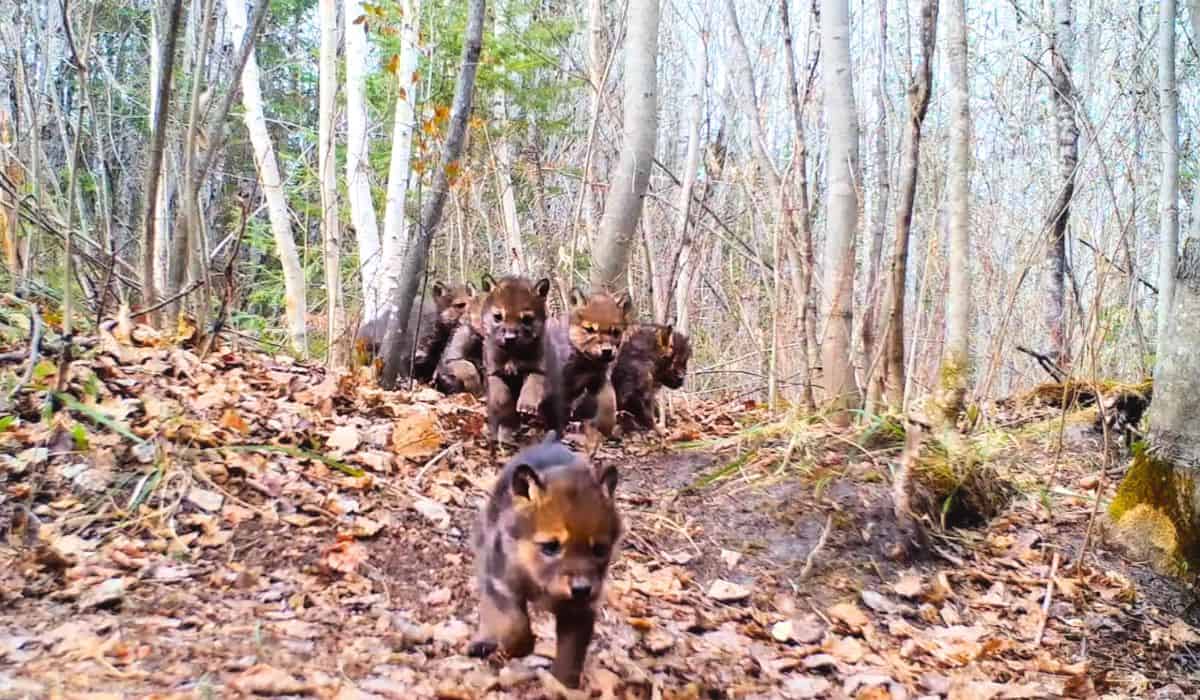
In northern Minnesota, Voyageurs National Park protects a labyrinth of interconnected waterways that serve as crucial habitat for both terrestrial and aquatic wildlife. This water-based park consists of 40% water and is only fully accessible by boat, creating pristine conditions for wildlife observation. The park’s numerous islands and shorelines provide essential habitat for one of the healthiest populations of gray wolves in the lower 48 states, with several packs maintaining territories within park boundaries. Moose can often be spotted feeding on aquatic vegetation in the park’s bays and inlets, while black bears forage along shorelines. Voyageurs also serves as critical breeding habitat for the bald eagle, with approximately 40 nesting pairs producing eaglets each year. During winter, the frozen lakes create unique opportunities to observe river otters sliding across the ice, or even catch a glimpse of the elusive Canada lynx. The park’s remote location and dark skies have earned it International Dark Sky Park designation, allowing visitors to experience natural darkness that benefits nocturnal wildlife and creates opportunities for unforgettable night wildlife viewing.
Great Smoky Mountains National Park Biodiversity Hotspot

As America’s most visited national park, Great Smoky Mountains harbors an astonishing diversity of life forms that earn it the designation as a UNESCO World Heritage Site. The park protects over 19,000 documented species, and scientists believe an additional 80,000-100,000 species may yet be discovered within its boundaries. This exceptional biodiversity includes approximately 1,500 black bears—about two bears per square mile—making bear sightings relatively common along trails and roadways. Cades Cove and Cataloochee Valley preserve historic settlements where reintroduced elk now graze in meadows, particularly active at dawn and dusk. The park serves as salamander capital of the world, with 30 different species including the striking red-cheeked salamander found nowhere else on Earth. Spring brings an explosion of wildflowers and breeding songbirds, while fall’s spectacular foliage attracts white-tailed deer, wild turkey, and other wildlife to feast on abundant nuts and berries. The park’s 2,900 miles of streams support one of the last wild trout habitats in the eastern United States, harboring native brook trout that attract both fishermen and river otters.
Biscayne National Park Underwater Wildlife Spectacle
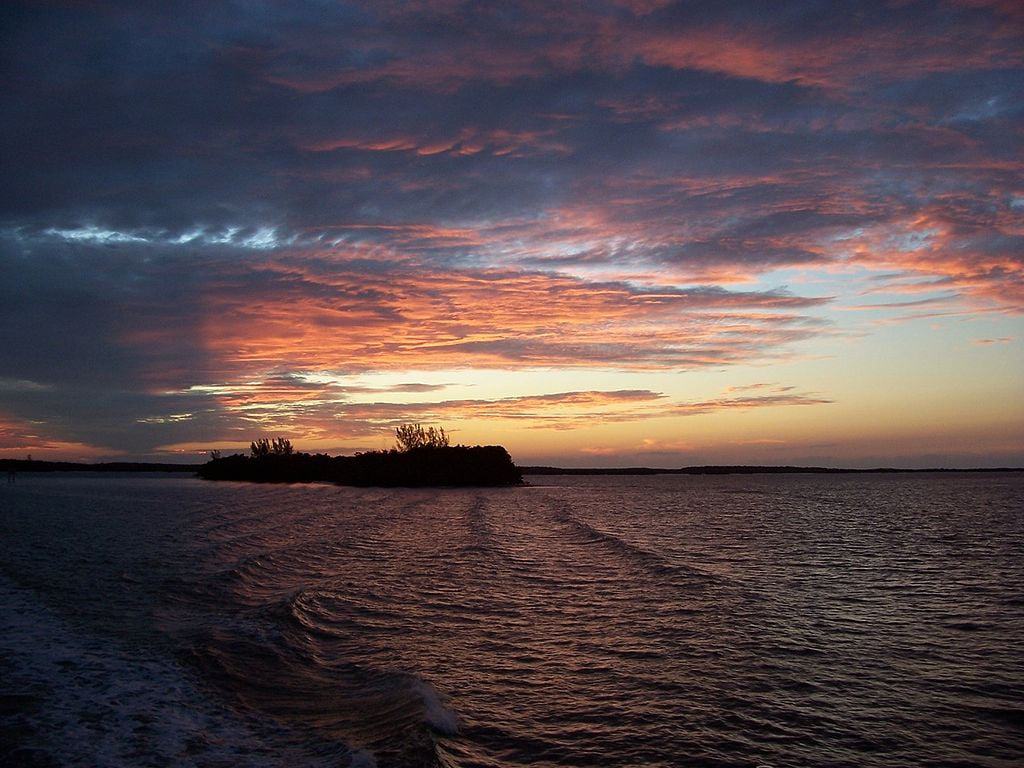
Just minutes from downtown Miami, Biscayne National Park protects a remarkable underwater world where 95% of the park lies beneath the surface of Biscayne Bay. This marine sanctuary encompasses the northernmost section of the Florida Reef—the third-largest coral reef system in the world—providing critical habitat for over 600 species of native fish, 40 species of coral, and numerous other marine organisms. Visitors snorkeling or diving in the park’s protected waters might encounter spotted eagle rays, nurse sharks, parrotfish, and the occasional sea turtle. The park’s mangrove-fringed shorelines serve as nurseries for countless marine species, including commercially important fish and crustaceans. Above water, the park’s islands provide nesting grounds for numerous bird species, including magnificent frigatebirds with their impressive seven-foot wingspans. Biscayne’s protected status becomes increasingly vital as coral reefs face worldwide threats from climate change, ocean acidification, and pollution. The park’s accessibility makes it an unparalleled destination for introducing visitors to marine wildlife conservation challenges.
Channel Islands National Park California’s Galapagos

Often called “North America’s Galapagos,” Channel Islands National Park protects five islands off the coast of southern California that harbor remarkable examples of evolutionary adaptation. The islands’ isolation has fostered the development of 145 endemic species found nowhere else on Earth, including the island fox—one of the smallest canids in the world, weighing just 4-5 pounds. This diminutive fox represents one of the most successful endangered species recovery efforts, rebounding from near extinction in the early 2000s to stable populations today. The nutrient-rich waters surrounding the islands attract an impressive diversity of marine mammals, including blue whales—the largest animals ever to exist on Earth—that feed in the area during summer months. Visitors can observe massive colonies of California sea lions and harbor seals, while the islands provide crucial nesting habitat for seabirds like the Scripp’s murrelet. Exploring the park’s kelp forests—among the most productive ecosystems on the planet—reveals a kaleidoscope of colorful marine life, including the bright orange garibaldi (California’s state fish), sea stars, and playful sea otters that were reintroduced after being hunted to near extinction.
Rocky Mountain National Park Alpine Wildlife Encounters
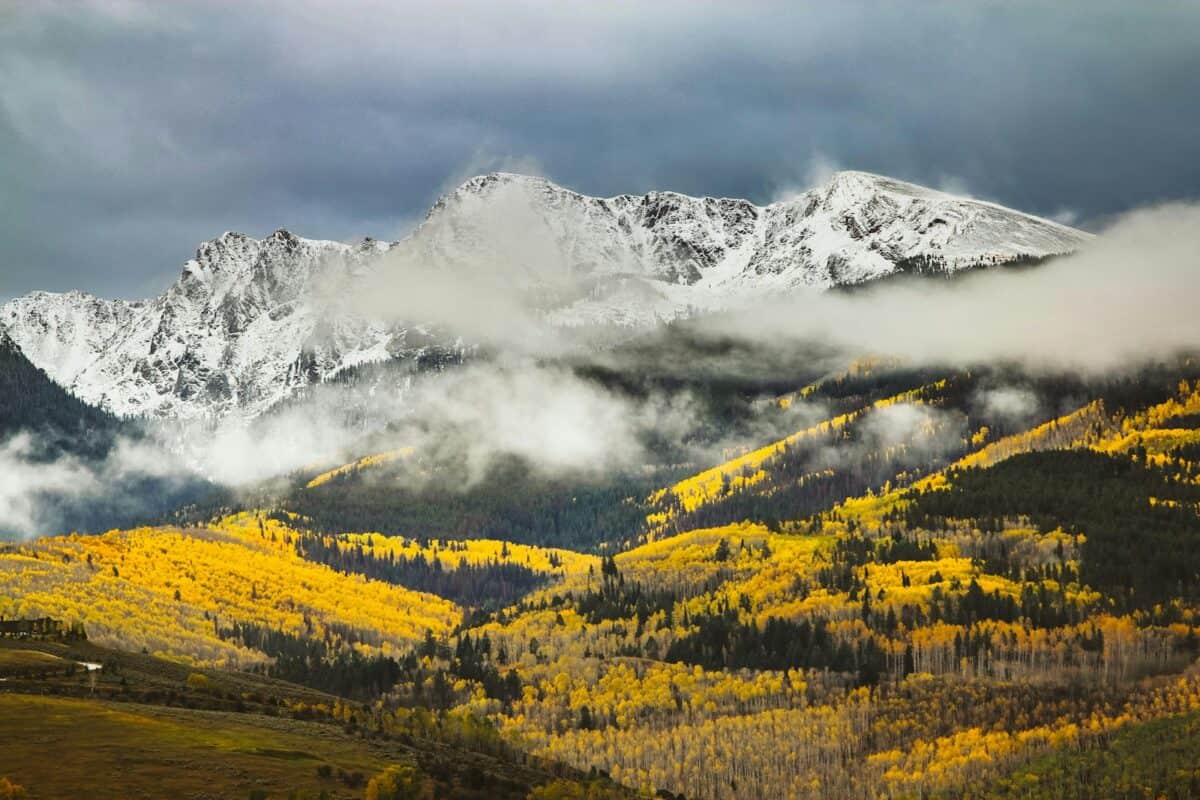
Rising above 12,000 feet in Colorado’s Front Range, Rocky Mountain National Park preserves spectacular mountain ecosystems where wildlife adapts to extreme environmental conditions. The park’s diverse elevation gradient supports different habitat zones, from montane forests to the alpine tundra above treeline, each harboring distinct wildlife communities. Fall visitors gather at Moraine Park and Upper Beaver Meadows to witness the spectacular elk rut, when dominant bulls bugle and clash antlers to establish breeding rights over harems of females. The park maintains a healthy population of approximately 600 elk within its boundaries, with thousands more using park lands seasonally. Trail Ridge Road—the highest continuous paved road in the United States—provides access to alpine tundra where visitors might spot yellow-bellied marmots, pikas gathering “hay” for winter, and bighorn sheep navigating precipitous terrain. The park’s subalpine lakes support beaver colonies whose dam-building activities create wetland habitats beneficial to numerous other species. Though rarely seen, mountain lions, black bears, and moose also inhabit the park, with moose sightings becoming increasingly common in riparian areas on the park’s west side.
Isle Royale National Park Isolated Island Ecosystem

Located in the northwestern corner of Lake Superior, Isle Royale National Park is renowned for hosting the longest-running predator-prey study in the world, focusing on the relationship between wolves and moose. This isolated island ecosystem, accessible only by boat or seaplane, creates a natural laboratory where these iconic species interact with minimal human interference. The wolf population, which nearly disappeared before being supplemented with introduced wolves in 2018, plays a crucial role in regulating the island’s approximately 1,800 moose. Without natural predators, moose can overgraze vegetation, damaging the island’s forest ecosystem. The 45-mile-long island and surrounding waters provide habitat for beavers, red foxes, river otters, and numerous bird species, including nesting bald eagles. The cold, clear waters of Lake Superior surrounding the island support populations of lake trout, northern pike, and the occasional visiting common loon. The park’s wilderness designation ensures minimal development, preserving natural conditions for wildlife to thrive. With one of the lowest visitation rates in the national park system (approximately 25,000 annual visitors), Isle Royale offers an uncommonly solitary wildlife viewing experience.
Conclusion:

From Alaska’s remote tundra to Florida’s steamy wetlands, America’s national parks protect an astonishing range of ecosystems where wildlife thrives—often in ways that are increasingly rare elsewhere in the world. These 17 parks represent the best of what the U.S. has to offer when it comes to observing animals in their natural habitats, whether it’s witnessing wolves hunt in Yellowstone, watching bears fish for salmon in Katmai, or spotting manatees glide through the waters of the Everglades. Each park tells a story of resilience, adaptation, and the delicate balance between preservation and access. For nature lovers, wildlife photographers, and casual visitors alike, these parks serve as living classrooms and unforgettable theaters where the wild still takes center stage. With each visit, we are reminded of the importance of conserving these spaces—not just for the animals that live there, but for future generations eager to experience the same awe and wonder.

As a little kid, I fell in love with nature, wildlife, and animals. Living in the USA, South Africa, Italy, China and Germany gave me the opportunity to discover the world's Wildlife. My favorite animals are Mountain Gorillas, Siberian Tigers, and Great White Sharks.
I'm a certified PADI Open Water Diver, went to Everest Base Camp and Trekked Gorillas in Uganda. I hold a Master of Science in Economics and Finance.
Please send any feedback to feedback@animalsaroundtheglobe.com
- The 10 Rarest Dog Breeds Making a Comeback in America - July 19, 2026
- 13 Creatures That Survived Mass Extinctions - July 19, 2026
- 12 Pets That Are Perfect for Seniors - July 19, 2026