


Exploring the realm of deadly animals can be as fascinating as it is terrifying. These creatures possess unique characteristics, abilities, and behaviors that set them apart in the animal kingdom. While some of these animals appear unassuming, their lethal potential reveals nature’s diversity and adaptability. This article delves into the surprising facts about the world’s deadliest creatures, uncovering the intricacies and curiosities that surround them.
25. Deadliest Creature in the World: The Mosquito

The mosquito might seem like an inconsequential pest, but this tiny insect is responsible for more human deaths than any other animal. Through the transmission of diseases like malaria, dengue fever, and Zika virus, mosquitoes claim nearly 725,000 lives annually. Their global presence and rapid breeding make them a formidable adversary in public health.
24. The Ocean’s Silent Hunter: Box Jellyfish

This ethereal sea creature is as beautiful as it is deadly. The box jellyfish, found primarily in the Indo-Pacific region, possesses venomous tentacles that can cause heart failure, paralysis, and death in minutes. Their transparency in water makes them nearly invisible, adding to their mysterious and dangerous nature.
23. The Mighty and Formidable Hippopotamus

Despite their herbivorous diet and seemingly docile appearance, hippos are highly territorial and aggressive. Responsible for more African fatalities than lions, these massive mammals can crush boats with their powerful jaws and run up to 20 miles per hour on land.
22. Saltwater Crocodile: Nature’s Perfect Predator

The saltwater crocodile, the largest living reptile, is a master of ambush. Found in Southeast Asia and northern Australia, these formidable creatures are known for their explosive speed and power, capable of subduing prey with their mighty jaws and aggressive nature.
21. The Venomous Fangs of the Black Mamba
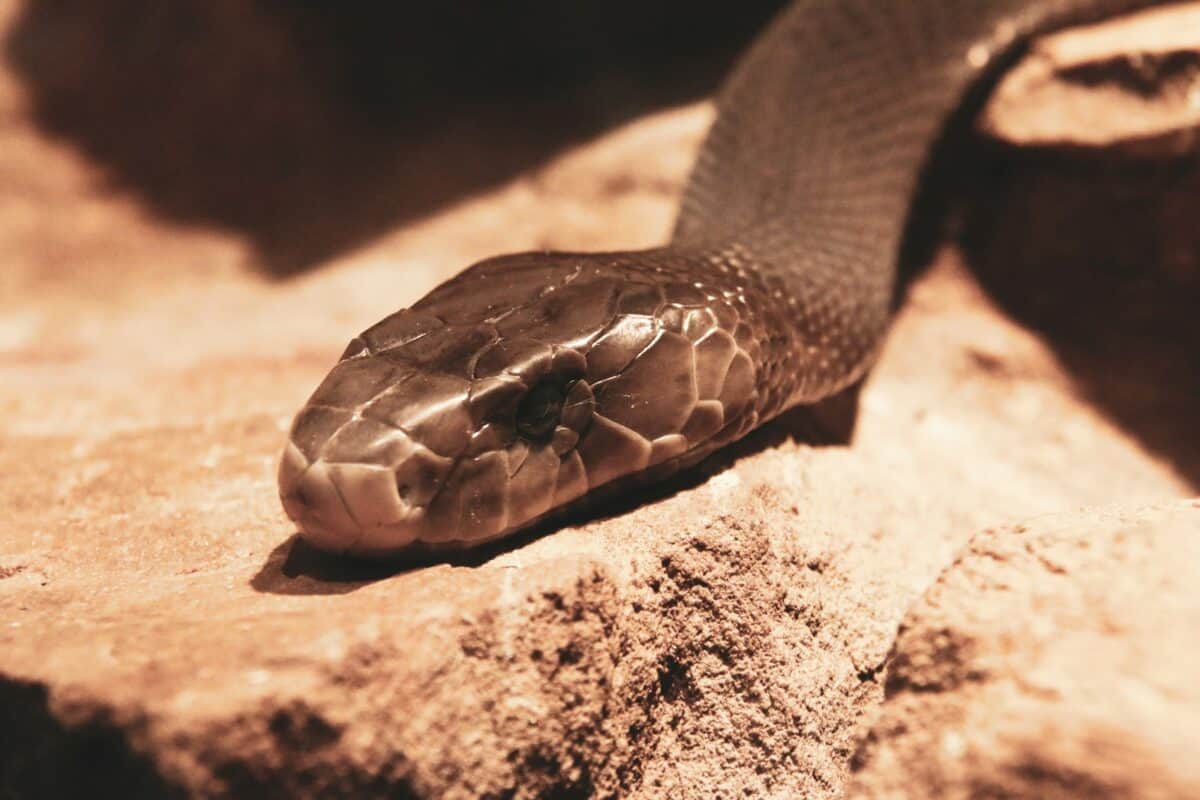
Renowned for being one of the world’s most venomous snakes, the black mamba is also one of the fastest, capable of slithering at speeds up to 12 miles per hour. Its potent venom can kill a human in as little as 20 minutes, showcasing why its reputation remains formidable.
20. The Deceptive Blue-Ringed Octopus

Despite its small size and mesmerizing appearance, the blue-ringed octopus wields venom potent enough to kill 26 adult humans within minutes. Found in the waters of the Pacific Ocean, its vibrant blue rings are a warning sign of its deadly capabilities.
19. The Stealth and Strength of the African Lion

Known as the king of the jungle, the African lion combines stealth, strength, and a highly social structure to dominate its territory. By hunting in prides, they can take down large prey and defend against other predators, solidifying their status as top-tier carnivores.
18. The Territorial Aggression of the Cape Buffalo

The Cape buffalo, also known as the African buffalo, is notoriously unpredictable and aggressive. Responsible for numerous attacks on hunters and tourists, these animals defend themselves fiercely and are considered one of Africa’s most dangerous beasts.
17. The Lethal Precision of the King Cobra
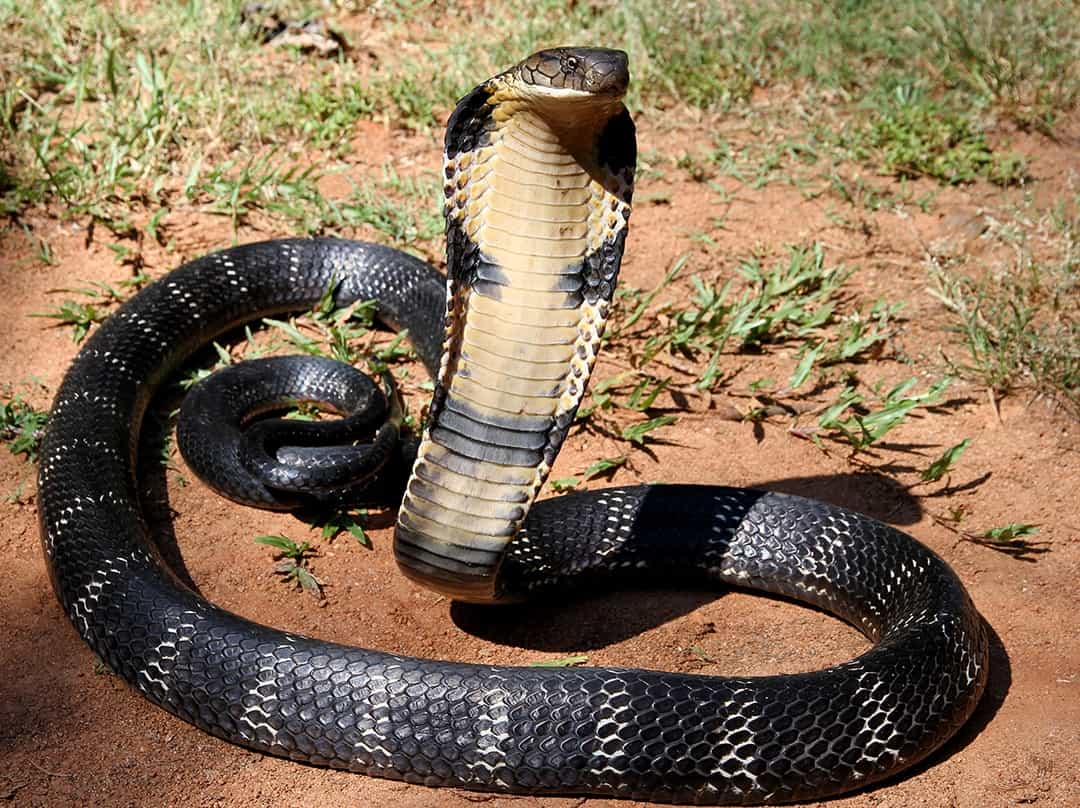
The king cobra, native to forests from India to Southeast Asia, is the world’s longest venomous snake. Its venom is not only highly toxic but also can be delivered in large quantities, making it capable of killing an elephant in just a few hours.
16. The Surprising Threat of the Cone Snail

This beautiful marine snail, found in tropical and subtropical seas, harbors a surprisingly toxic venom. Just one drop can prove fatal to humans, as its conotoxins cause paralysis and, in some cases, death. Its intricate shell belies the dangerous creature within.
15. The Savage Power of the Grizzly Bear
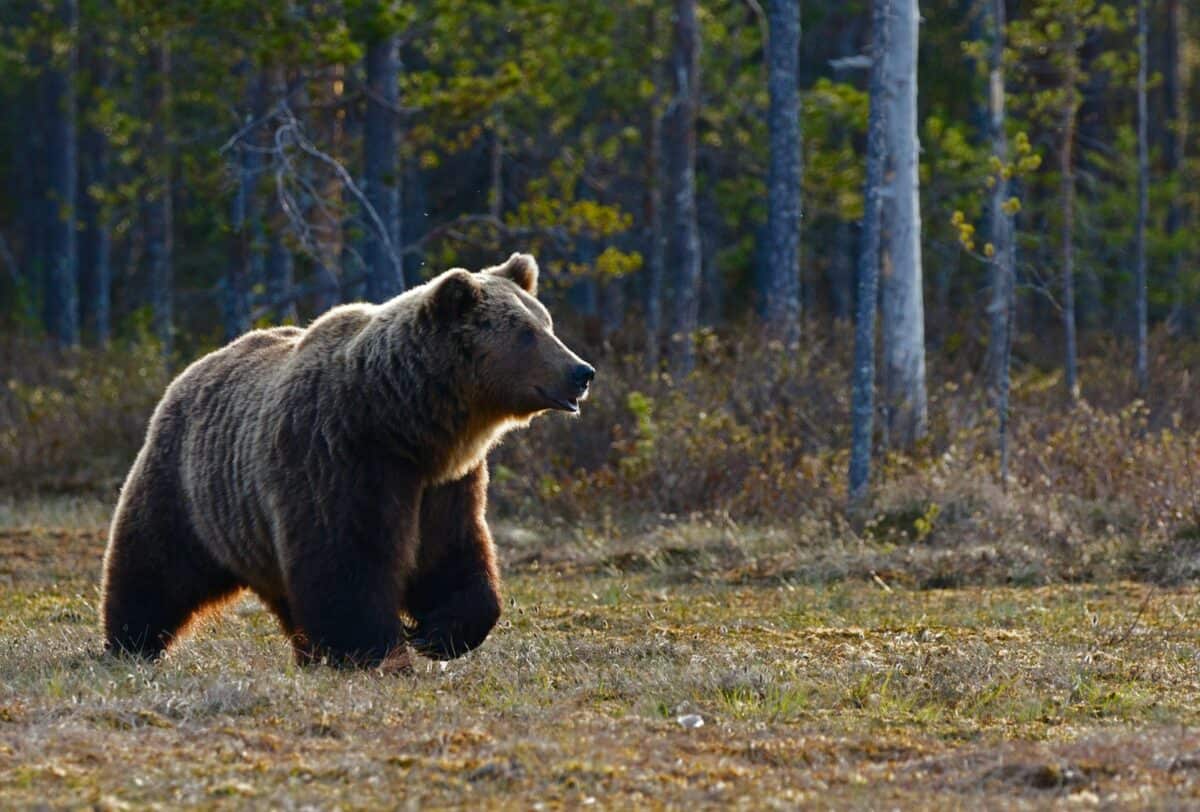
Grizzly bears are apex predators with powerful muscle mass, making them formidable adversaries. They can weigh up to 700 pounds and reach speeds of 30 miles per hour, using their size and strength to dominate their environment in North America.
14. The Silent Strike of the Harpy Eagle
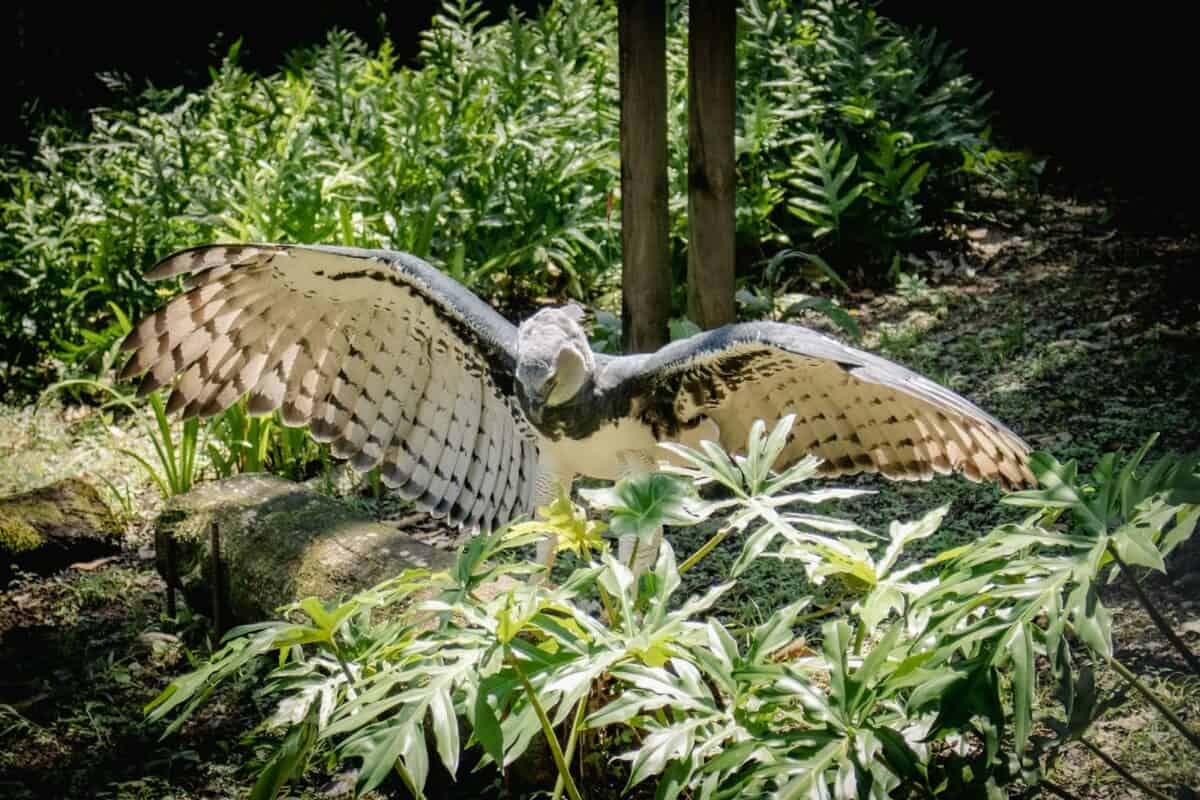
Residing in the canopies of Central and South America, the harpy eagle is the world’s most powerful predatory bird. With talons larger than a grizzly bear’s claws, it uses extreme stealth and immense strength to target and snatch up large monkeys and sloths.
13. The Speed and Cunning of the Great White Shark

Known for their role in popular media, great white sharks are formidable hunters of the ocean, capable of reaching speeds of up to 35 miles per hour as they ambush their prey. Equipped with serrated teeth and immense power, they reign as oceanic apex predators.
12. The Patient Pursuit of the Brazilian Wandering Spider
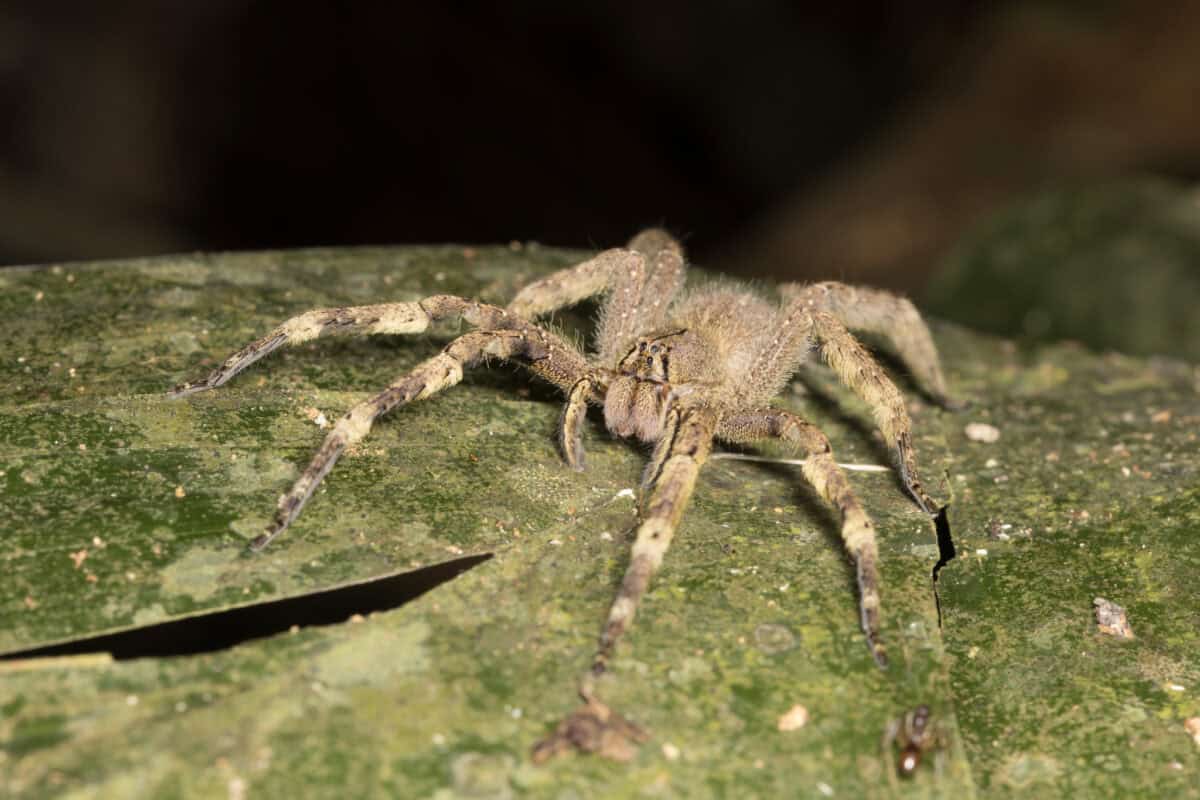
The Brazilian wandering spider, found in Central and South America, holds a place in the Guinness Book of World Records for having the most potent venom of any spider. Their aggressive nature and toxic bite have earned them a deadly reputation.
11. The Giant Hunter: The Golden Eagle

This bird of prey is the largest in North America and exhibits stunning agility and speed. The golden eagle is known for its impressive hunting prowess, diving at speeds over 200 miles per hour to snatch up prey with its powerful talons.
10. The Resilience of the Komodo Dragon
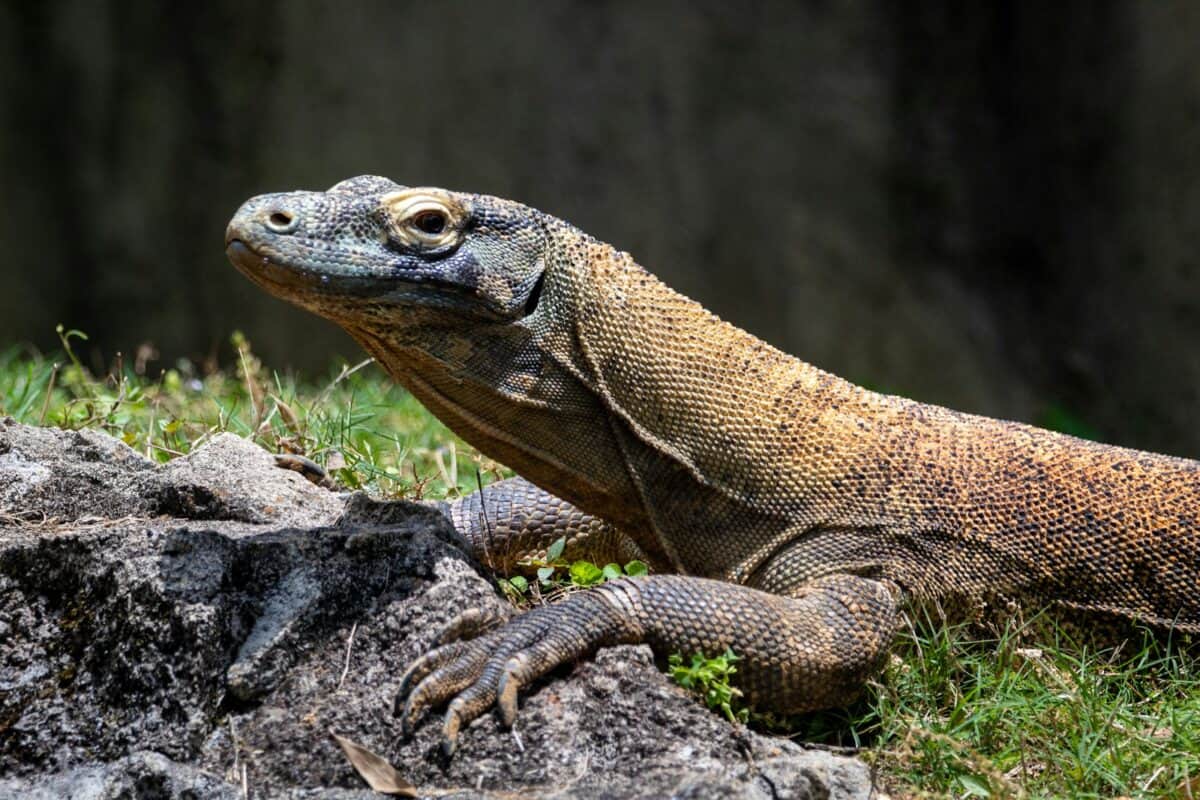
Komodo dragons are the largest living lizards, with armored bodies and strong muscles capable of overcoming full-sized deer. Their mouths contain virulent bacteria, efficiently weakening prey with a singular, bone-crushing bite.
9. The Aggressive Nature of the Tasmanian Devil

Although small in size, the Tasmanian devil has a notorious temper and powerful jaws. Found only on Tasmania, these marsupials have an infectious personality but can become quite territorial when competing for food.
8. The Ferocity of the African Elephant

African elephants are the largest land animals with extraordinary strength and intelligence. Despite their generally gentle demeanor, when threatened or disturbed, they can exhibit explosive aggression, capable of causing significant destruction.
7. The Toxins of the Poison Dart Frog
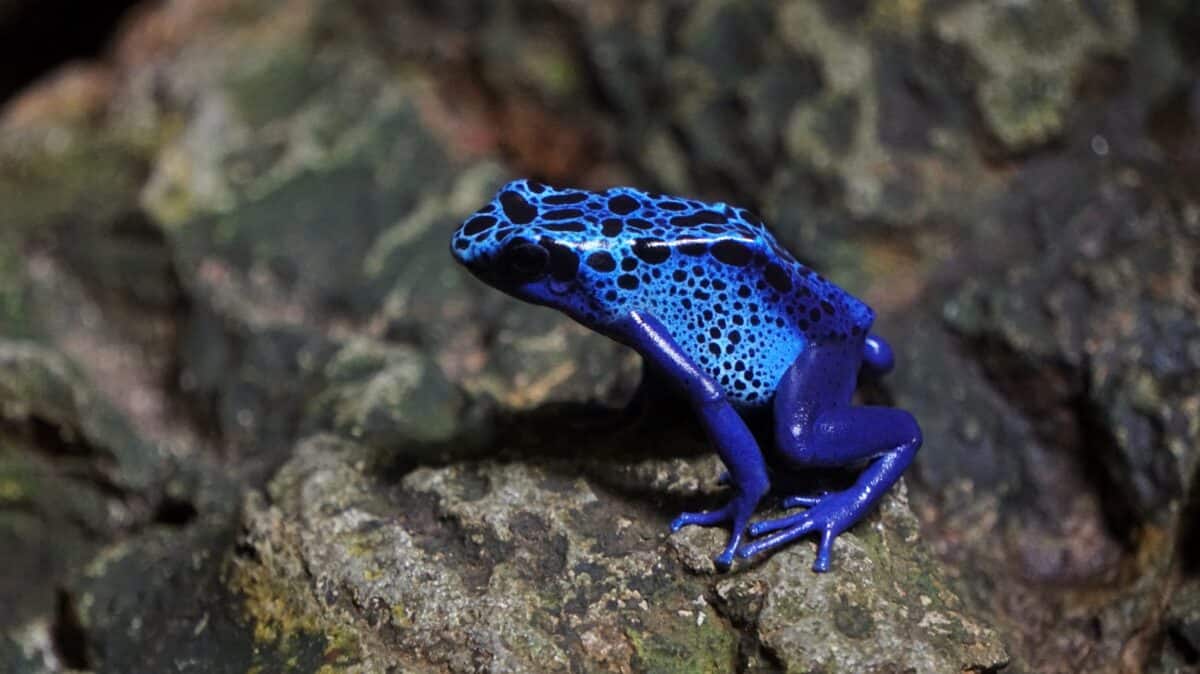
These vibrantly colored amphibians excrete toxic alkaloids through their skin as a formidable defense mechanism. Found in Central and South America, their vivid colors serve as a warning to potential predators.
6. The Powerful Swimmer: The Bull Shark

Known for their ability to move between salt and freshwater, bull sharks are highly aggressive and territorial. Responsible for the most shark attacks in history, they often inhabit shallow coastal waters where human interactions occur.
5. The Lurking Danger of the Inland Taipan

The inland taipan, also known as the “fierce snake,” possesses the most toxic venom of any snake. Found in Australia’s arid regions, their venom is 50 times more toxic than the common cobra, yet they are rarely encountered by humans.
4. The Elusive and Dangerous Leopard
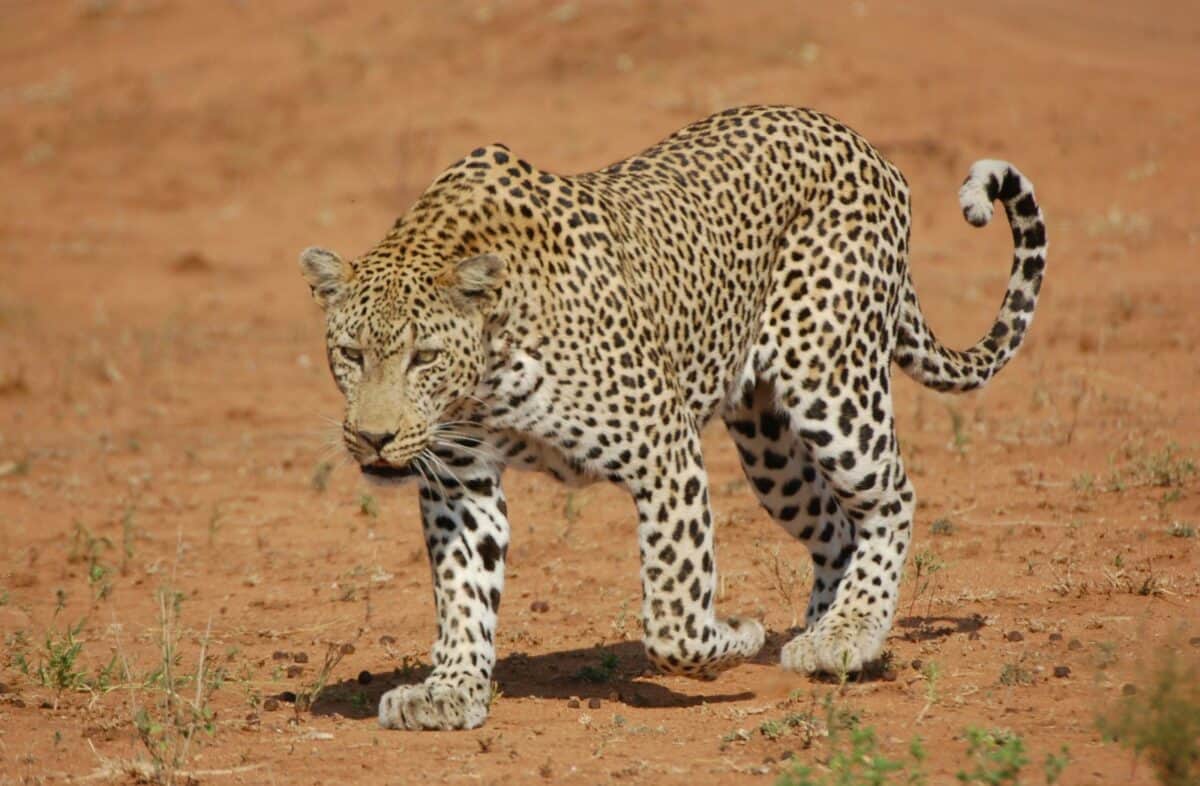
The leopard is one of the most adaptable big cats, preferring stealth and camouflage to ingeniously hunt its prey across Africa and Eurasia. Their solitary nature and powerful build allow them to traverse and reign over vast, varied territories.
3. The Ultimate Adaptive Predator: The Orca
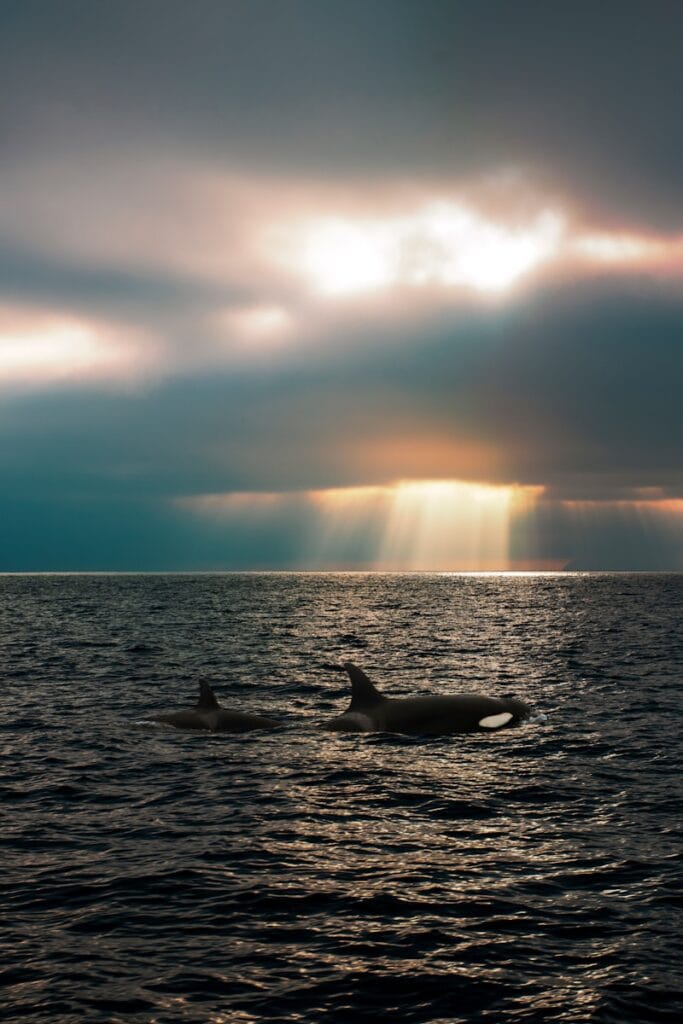
The orca, or killer whale, is an apex marine predator with a diet that includes fish, seals, and even whales. Their sophisticated hunting techniques and social structures reveal complex intelligence and deadly efficiency.
2. The Hidden Predator: The Boomslang

This shy snake, native to sub-Saharan Africa, hones a potent venom that causes hemorrhaging in its prey. Despite being generally evasive, encounters with unsuspecting humans have established its notoriety as a lurking threat.
1. The Swift Strike of the Stonefish

The stonefish, residing in the coastal regions of the Indo-Pacific, is deemed the most venomous fish in the world. Its venomous spines deliver an extremely painful and potentially fatal sting to anyone who inadvertently steps on its camouflaged skin.
In summary, the animal kingdom is filled with fascinating creatures that possess incredible and often lethal capabilities. These deadly animals not only showcase the diversity of life on Earth but also highlight the delicate balance between survival and danger in nature. Understanding these creatures helps us appreciate their roles in ecosystems and underscores the importance of respecting wildlife in all its forms. Whether lurking in the ocean depths or blending into the savannah, the world’s deadliest animals remind us of nature’s formidable power.

- Owls and Other Forest Dwellers of the Cascades - July 19, 2026
- What Happens When a Python Eats Something Too Big? - July 19, 2026
- Baby Koalas Hug Their Moms for Safety and Comfort - July 19, 2026