

Every once in a while, you come across an animal so perfectly tuned to its environment that it seems almost unreal. Jaguars are one of those creatures. These apex predators don’t just survive in some of the harshest terrains on the planet – they thrive there, moving effortlessly through dense rainforests, murky rivers, and open wetlands.
What makes them so exceptional? It’s the incredible combination of physical and behavioral adaptations that transform them into genuine masters of both land and water. Let’s dive into what makes these spotted cats such formidable hunters and survivors.
Powerful Bite Force That Crushes Through Skulls
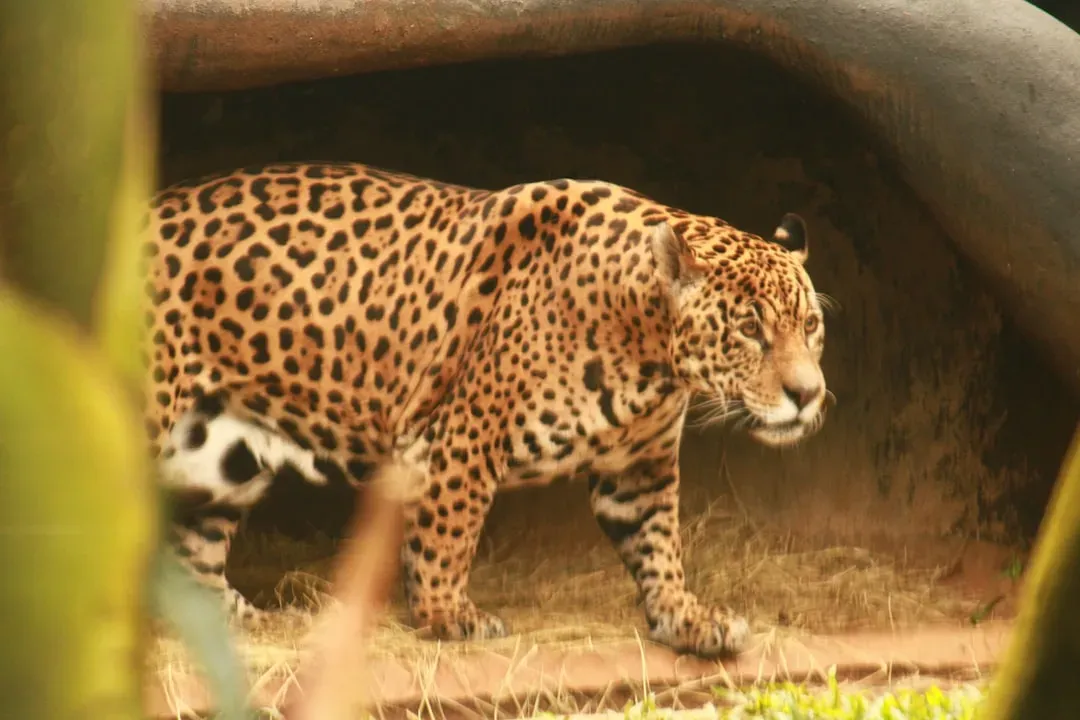
Jaguars possess the most powerful bite force of any big cat relative to their size, allowing them to pierce the carapaces of turtles and tortoises, and even bite directly through the skull of mammalian prey between the ears to deliver a fatal blow to the brain. With a bite force of around 1,500 PSI, jaguars have the strongest jaws among big cats in proportion to body size.
This extraordinary adaptation is more than just raw power. Research reveals that while a jaguar’s bite force is only three-quarters as strong as a tiger’s in absolute terms, given that jaguars are considerably smaller, relatively speaking their bite is stronger. Their jaws are slightly shorter than other big cats, which grants them more leverage, and their jaw muscles are structured differently – adaptations totally worth it for the jaguar, who can bite right through the skull of their prey.
Unlike most big cats that aim for the throat to suffocate prey, jaguars go for instant incapacitation. They bite mammalian prey directly through the skull between the ears, breaking through the zygomatic arch and mandible, penetrating the brain, often through the ears. Since a jaguar’s bite is strong enough to pierce bony structures, they don’t have to draw things out so long, killing or at least incapacitating their target immediately, which is crucial when facing dangerous prey like anacondas or social animals like peccaries.
Think about it – this adaptation means jaguars can exploit prey other predators simply can’t handle. Armored caimans, thick-shelled turtles, even the skull of a full-grown capybara – all become accessible meals thanks to this devastating bite.
Exceptional Swimming Prowess
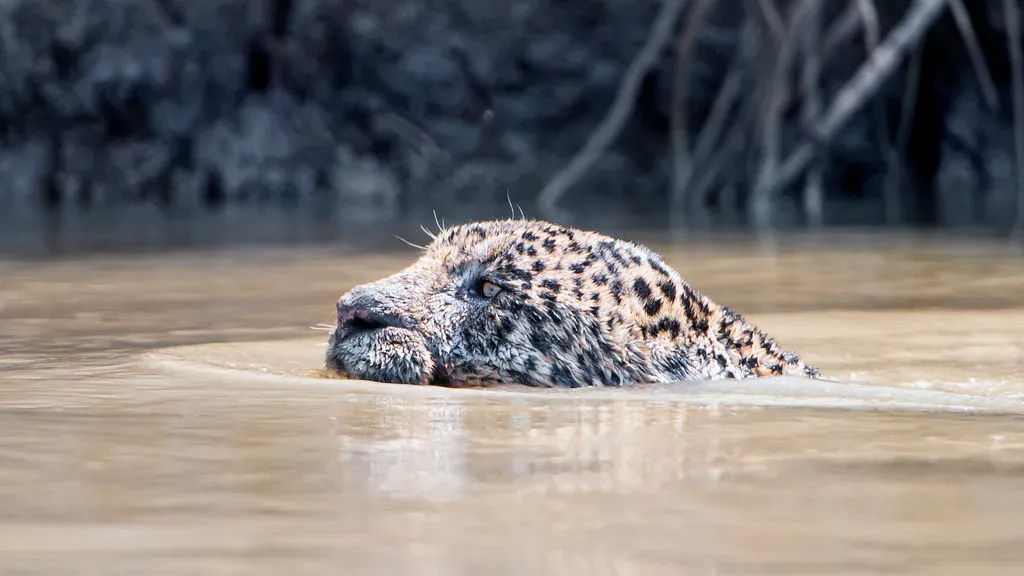
Jaguars are good swimmers and play and hunt in the water, possibly more than tigers. Unlike many domestic cats, jaguars don’t avoid water – they have adapted to living in wet environments, and can be found swimming in lakes, rivers and wetlands, known to cross large rivers.
Jaguars possess several physical adaptations for swimming, including robust, muscular bodies, powerful limbs, and strong tails that provide propulsion and control in watery habitats, with their compact and muscular build providing an advantage in aquatic settings and slight webbing between their toes increasing surface area for pushing against water. They can swim considerable distances, covering several kilometers when crossing rivers or wetlands, with typical swimming speeds ranging from 3 to 4 miles per hour.
Here’s the thing – water isn’t just something jaguars tolerate. Water serves as their hunting ground, but jaguars also use it to cool off, escape threats, and expand their territory. Some jaguars have been seen crossing expansive waterways, including the Panama Canal, proving their ability to navigate challenging landscapes.
Their relationship with water goes deeper than most realize. They are deep divers as well, often diving to the bed of water bodies like rivers and lakes to kill prey, with very sharp focus that lets them see easily underwater without creating physical disturbance to their eyes, and they can even eat small prey like river turtles or fish underwater. That’s a level of aquatic adaptation you rarely see in big cats.
Muscular Build Designed For Power
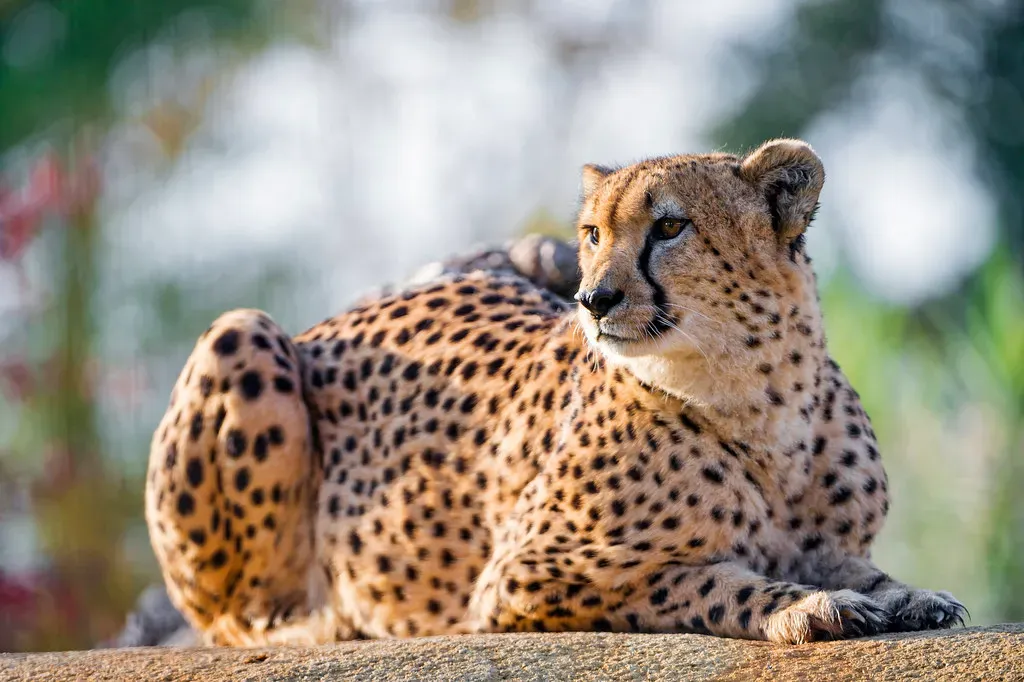
Jaguars are powerfully built, with large, square jaws and prominent cheeks, lean bodies and muscular limbs, built for power, not speed, although they can run briefly. The bone structure of jaguars is robust, with a notably muscular and stocky build, featuring skulls with a more rounded shape and large, powerful jaws, with extremely powerful muscle groups especially around the shoulders and neck, essential for ambushing and subduing prey and generating a formidable bite force.
This isn’t just about looking impressive. In addition to powerful jaws, jaguars have strong muscles that allow them to lift 700 pounds or more. A jaguar was observed dragging a 34 kg sea turtle 91.5 meters into the cover of a forest. Jaguars not only have the strength to kill tapirs weighing between 500 and 800 pounds, but they can actually drag them around and even lift their carcasses up a tree, meaning jaguars can lift at least 700-800 pounds over their heads.
Honestly, the sheer strength-to-size ratio is mind-blowing. Jaguars are equal to leopards in height and length, but are much more powerfully built, with their exceptional size and strength helping them thrive as top predators in their ecosystems. It’s this combination of compact power that allows them to dominate both terrestrial and aquatic environments.
Rosette Camouflage Patterns
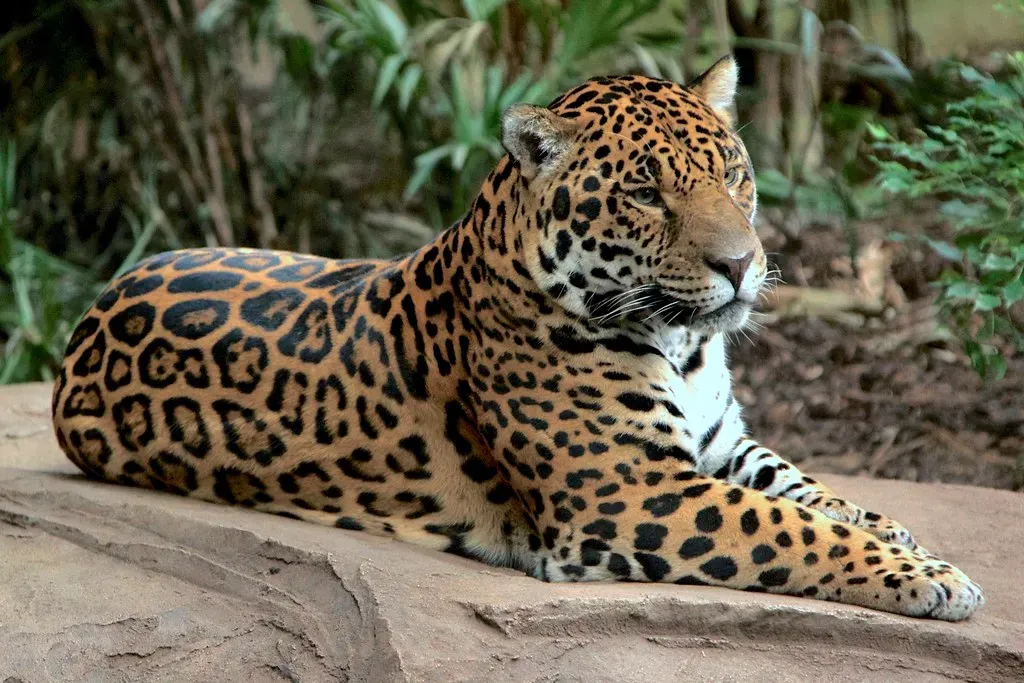
The jaguar’s distinctively marked coat features pale yellow to tan colored fur covered by spots that transition to rosettes on the sides. The spots, known as rosettes, of jaguars are distinguished by a black, interrupted outer ring; the background coat color lies at the center of each spot, which may also contain one or more solid black dots.
The jaguar’s distinctive coat pattern provides excellent camouflage in the dappled light of the forest understory, with their rosette markings breaking up their outline, making them difficult to spot against the dense vegetation of their rainforest habitats, helping jaguars remain undetected by both prey and potential competitors. These rosettes help jaguars blend seamlessly into their natural habitats with dappled sunlight filtering through trees, with the intricate pattern of black-bordered spots mimicking the shadows and light found in the forest, making it much harder for prey to spot them, essential to their ambush hunting strategy.
What’s truly fascinating is the variation. Jaguars in the dense rainforests of the Amazon tend to have more complex, tighter rosette patterns offering better camouflage in thick vegetation, while jaguars in drier, more open areas might have larger, sparser spots to blend with their surroundings, helping jaguars survive in a wide range of environments. Melanistic jaguars, also known as black panthers, occur at higher densities in tropical rainforest and are more active during the daytime, suggesting that melanism provides camouflage in dense vegetation with high illumination.
Large Paws For Multi-Terrain Mobility
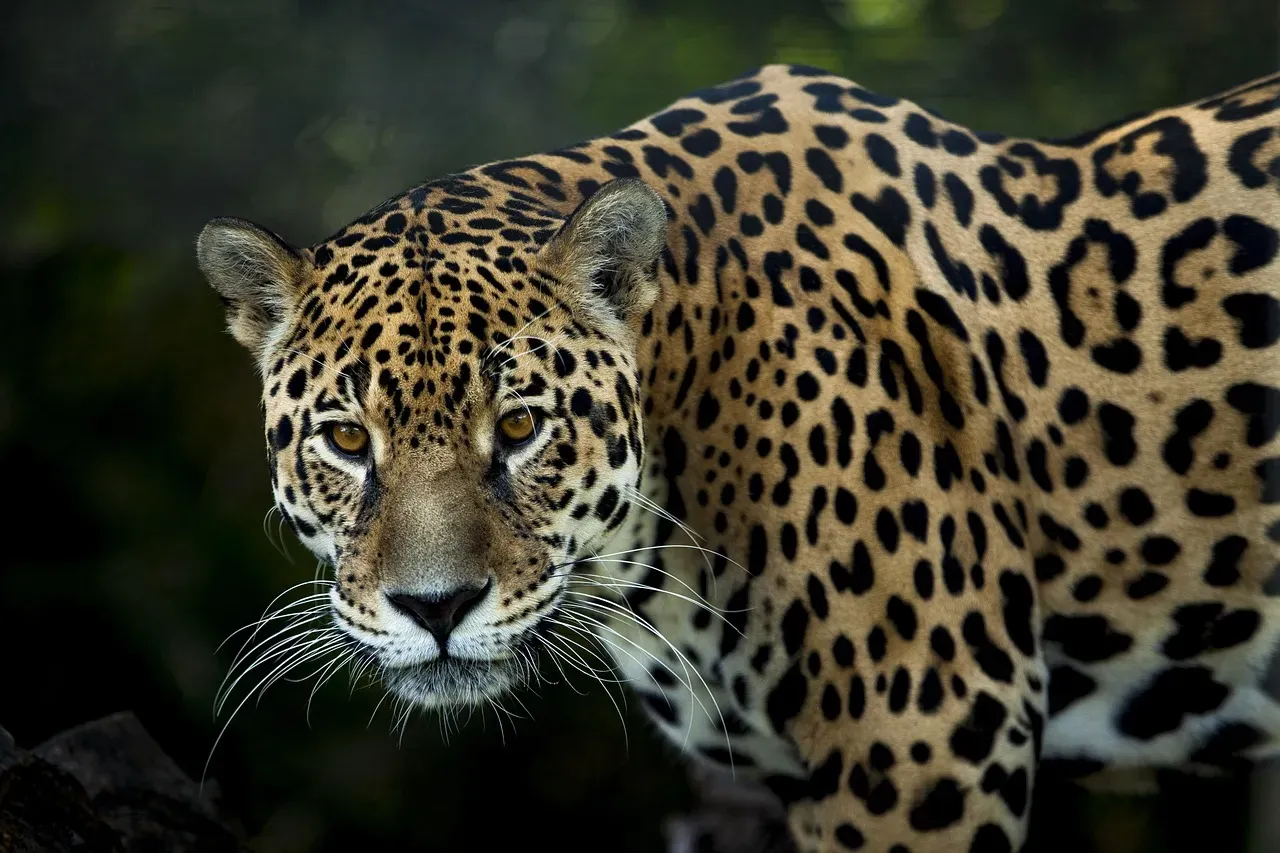
Jaguars are adapted for life in the tropical rainforest, with muscular limbs and large paws to climb trees, pad along the forest floor, and even swim in rivers and streams. They have large paws, which help them swim and climb easily.
The paw structure might seem like a small detail, yet it’s crucial for their versatility. Those large paws distribute weight effectively when moving through soft, muddy terrain or riverbanks. They provide the grip necessary for climbing trees to rest or ambush prey from above. In water, they function like paddles, helping jaguars propel themselves efficiently through rivers and wetlands.
Slight webbing between their toes increases surface area for pushing against water, aiding their swimming efficiency. This subtle adaptation showcases how evolution fine-tunes predators for their specific ecological niches. The same paws that allow silent stalking on forest floors transform into effective swimming tools when needed.
Think about the environments jaguars navigate daily – from flooded forests to rocky riverbanks to dense jungle canopies. Those large, versatile paws are fundamental to accessing all these different terrains without compromise.
Superior Night Vision Capabilities
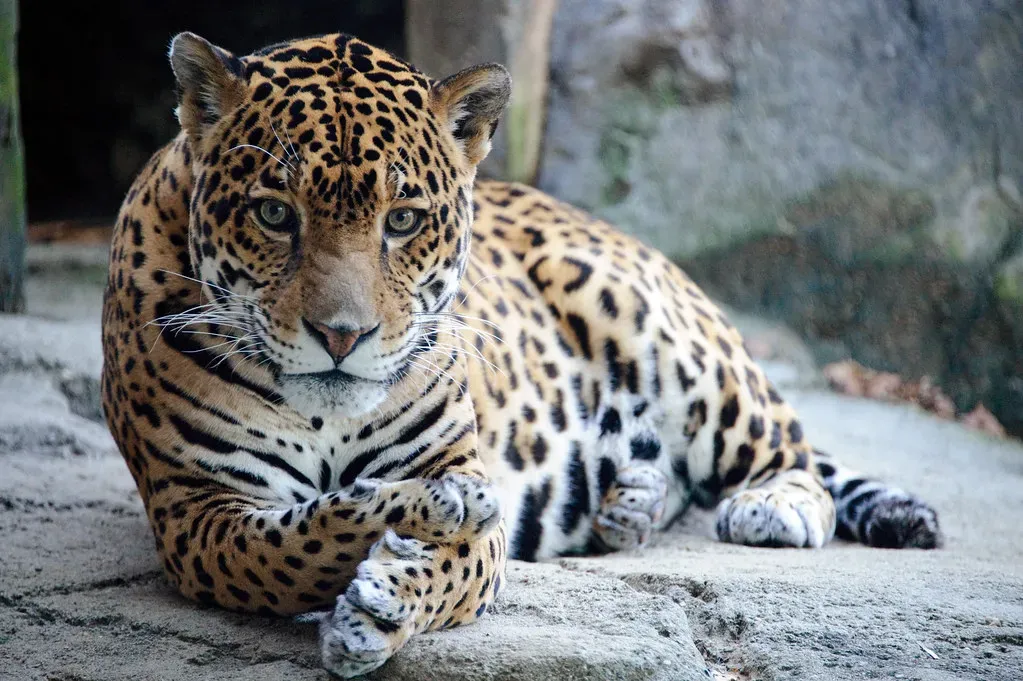
Like many cats, they have an eye adaptation that allows them to mirror light back into their retinas, giving them amazing night vision. Big cats like jaguars have the best 3-D vision of all carnivores, which helps them gauge distances when jumping.
This adaptation transforms jaguars into formidable hunters regardless of time. The jaguar is mostly active at night and during twilight, however, jaguars living in densely forested regions of the Amazon rainforest and the Pantanal are largely active by day, whereas jaguars in the Atlantic Forest are primarily active by night, with the activity pattern of the jaguar coinciding with the activity of its main prey species.
The ability to see in near-darkness gives jaguars an enormous hunting advantage. Many of their prey species are active during dawn and dusk, exactly when jaguars’ visual adaptations shine. They rely on their keen senses, particularly their acute hearing and vision, to detect prey from a distance.
It’s worth noting that this isn’t just about seeing in the dark – it’s about precision. When you’re biting through a skull, you need to know exactly where to strike. That exceptional 3D vision allows jaguars to judge distances perfectly, whether leaping onto prey from a tree branch or lunging from ambush on the forest floor.
Tree Climbing Agility
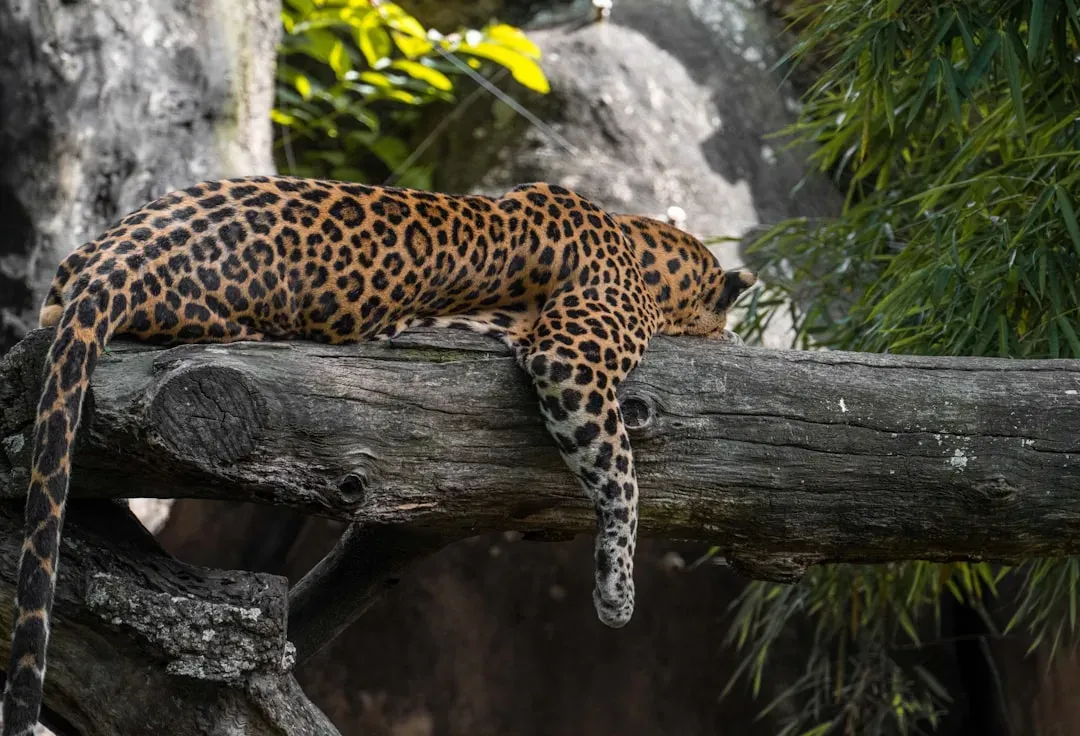
Yes, jaguars climb trees and they are very good at it, and although jaguars spend most of their time on the ground, they climb trees to hunt or sleep, with it not being uncommon to see these apex predators climbing and creeping on the lower branches of a tree while waiting for their prey. Jaguars possess exceptionally robust forelimbs and strong shoulder muscles providing power for hauling their body weight upwards, very strong hind limbs providing explosive thrust, sharp curved retractable claws acting as natural grappling hooks providing superior grip on tree bark, and a relatively long muscular tail serving as a crucial counterbalance aiding in stability and agility.
Jaguars climb trees for several critical reasons: using trees as vantage points to ambush prey from above, caching large kills in trees to protect them from scavengers, elevated positions offering safe comfortable spots for resting providing protection and allowing them to survey their territory, climbing to escape larger or more numerous threats, and climbing allowing jaguars to move above water levels during seasonal floods.
Let’s be real – when you think of tree-climbing big cats, leopards usually come to mind first. Yet jaguars are surprisingly capable climbers. Jaguars are considered good climbers, possessing the strength and agility to ascend trees effectively for hunting, resting, and escaping danger. The height a jaguar can climb varies, but they have been observed climbing to considerable heights, reaching the upper canopy of rainforest trees.
Adaptable Hunting Techniques
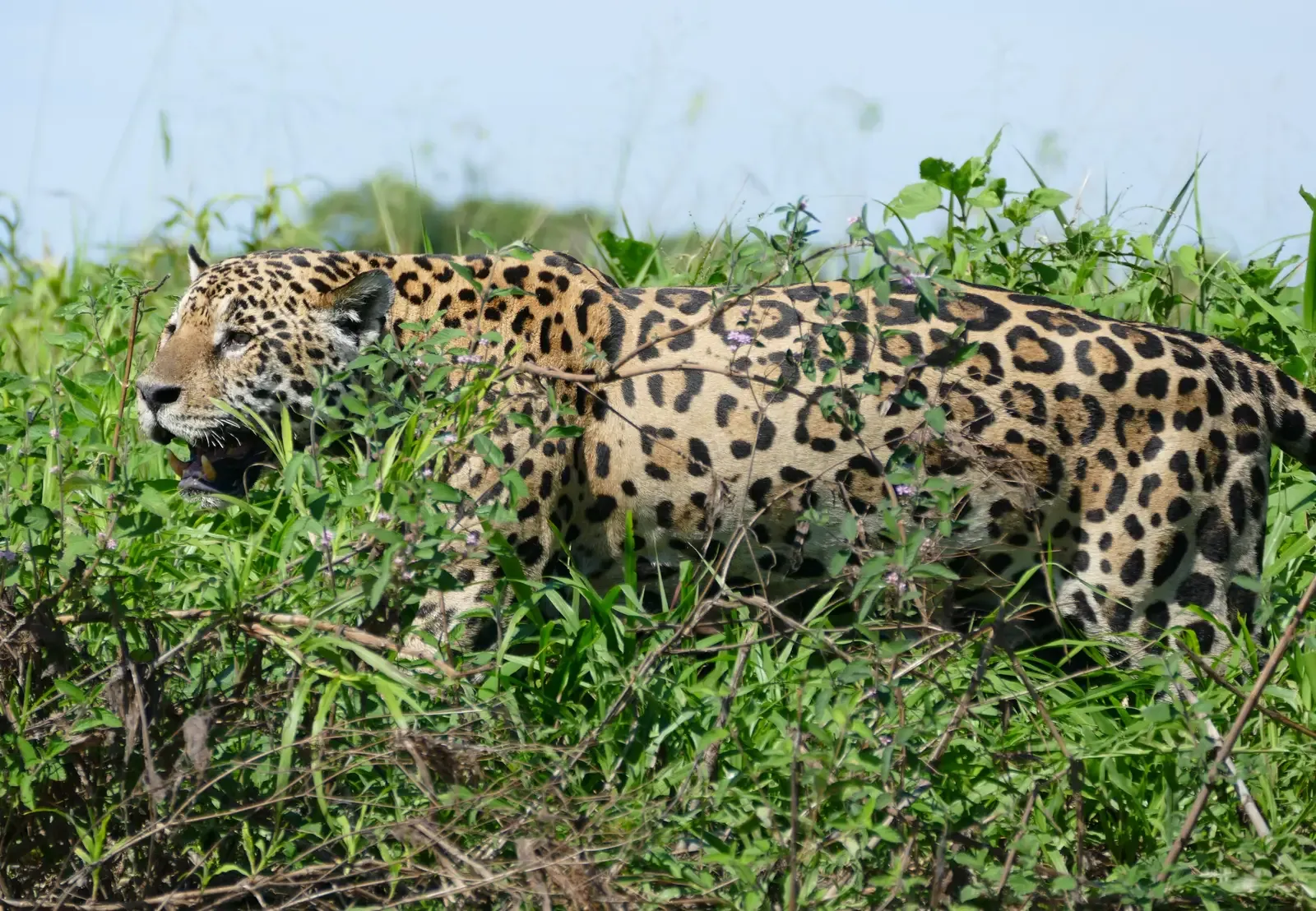
Jaguars are renowned for their stealth and patience, waiting patiently when they spot prey until it comes within striking distance, with their coats making it easy to blend seamlessly in dense vegetation or along riverbanks so prey won’t notice them until the moment they pounce. Their hunting strategy includes stealth and patience, waiting patiently until prey comes within striking distance, with their coats allowing them to blend seamlessly in dense vegetation or along riverbanks.
Jaguar hunting habits differ from other big cats because they take full advantage of their environment, ambushing prey by waiting near riverbanks, watching for unsuspecting prey species like capybaras, caimans, and even anacondas. Jaguars have been observed sitting quietly at the water’s edge, occasionally tapping the surface with their tail to attract fish. These apex predators go “fishing” with their tails, waving them above the surface of a river or dipping them in to attract prey.
What’s impressive is their versatility. Jaguars are known to prey on more than 85 species, including peccaries, deer, tapirs, cattle, and capybaras. Not confined to hunting on land, jaguars are adept at snatching fish, turtles and young caiman from the water. Video footage showed jaguars swimming, hunting for aquatic animals, and eating fish, with more than half of jaguar scat sampled having fish remains, meaning these jaguars have the most fish-dependent diet of any big cat ever recorded.
The intelligence behind these hunting strategies is remarkable. Rather than relying on a single technique, jaguars assess their environment and prey, then choose the most effective approach – whether that’s a terrestrial ambush, an aquatic strike, or even using their tail as a lure.
Solitary Territorial Behavior
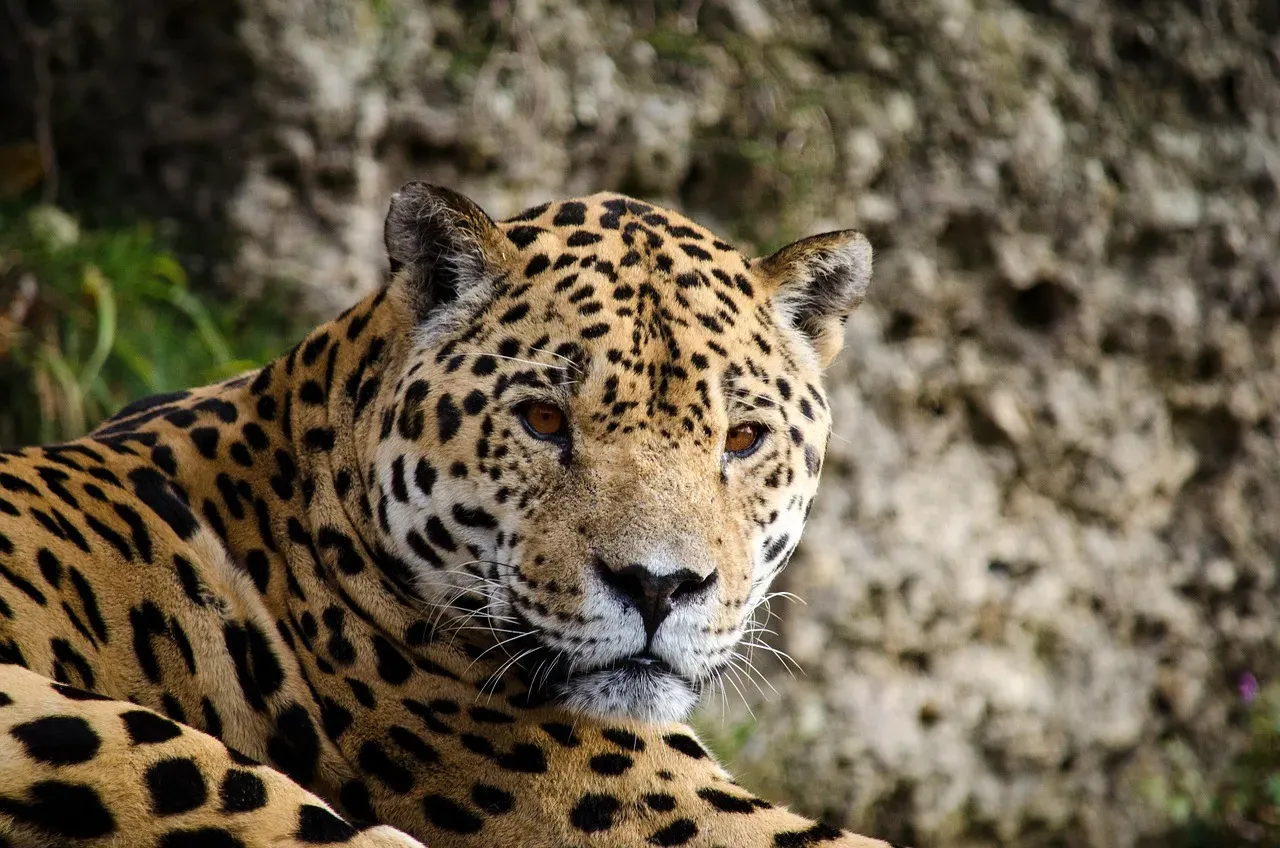
Jaguars are solitary with the exception of mating season, when males travel with females in estrus. Jaguars have home ranges of approximately 25 to 38 square km for females, and up to double that for males, with adult male home ranges typically encompassing two to three female home ranges.
Solitary by nature, jaguars usually avoid each other, leaving claw marks and scent marks with their urine and feces as they roam their territory to let other jaguars know the area is “taken”. This territorial behavior isn’t just about aggression – it’s a survival adaptation that ensures sufficient prey resources and reduces competition.
The solitary lifestyle allows jaguars to be incredibly efficient hunters. They don’t need to share kills or coordinate with a group. Every ounce of energy spent hunting directly benefits the individual. Jaguars can regularly travel over six miles per day in search of food, and they’re solitary animals, marking their territory and only getting together with others to mate.
This independence also contributes to their success across diverse habitats. A solitary predator can more easily adapt to local conditions, adjusting hunting strategies and territorial ranges based on prey availability and environmental factors without needing to maintain complex social structures.
Diverse Habitat Flexibility
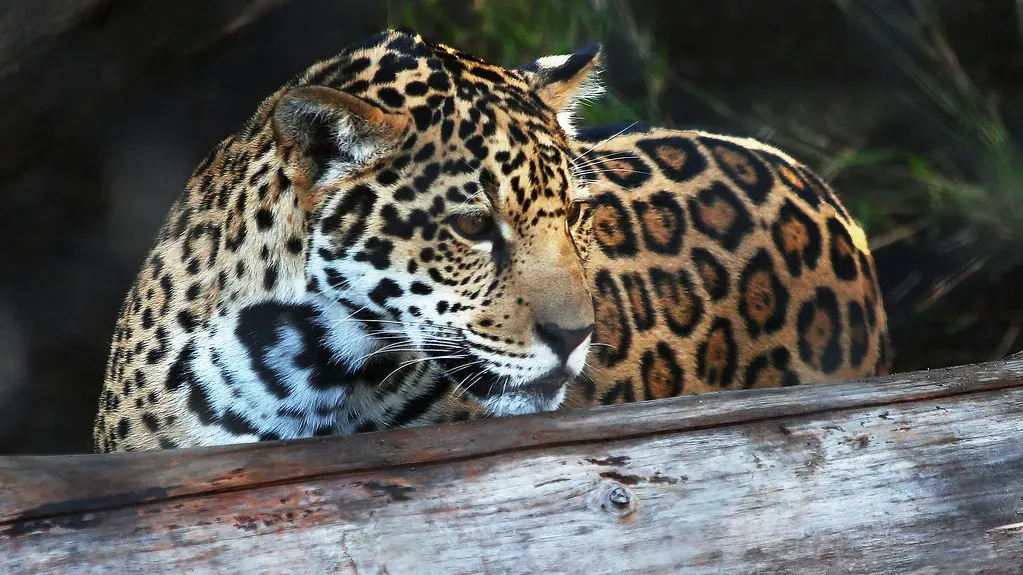
The jaguar prefers dense forest and typically inhabits dry deciduous forests, tropical and subtropical moist broadleaf forests, rainforests and cloud forests in Central and South America, open seasonally flooded wetlands, dry grassland and historically also oak forests in the United States, recorded at elevations up to 3,800 m but avoiding montane forests, favoring riverine habitat and swamps with dense vegetation cover.
Jaguars can be found in a variety of habitats – including mangrove swamps, lowland tropical moist forests, cloud forests, grasslands, and wetlands. Jaguars require three habitat characteristics to support healthy populations: a water supply, dense cover, and sufficient prey.
This flexibility is absolutely crucial for survival in 2026. Jaguar survival skills make them more adaptable to changes in their environment, and as climate change and deforestation affect natural habitats, jaguars can still navigate through flooded forests, swamps, and rivers to find food and shelter.
The ability to thrive in such varied environments – from dense rainforest to open wetlands, from sea level to mountain elevations – demonstrates how adaptable jaguars truly are. Unlike specialists that depend on one specific ecosystem, jaguars can adjust their behavior, hunting techniques, and prey preferences based on what’s available. That versatility might be their greatest adaptation of all, especially as their habitats continue to face pressure from human activities.
Conclusion
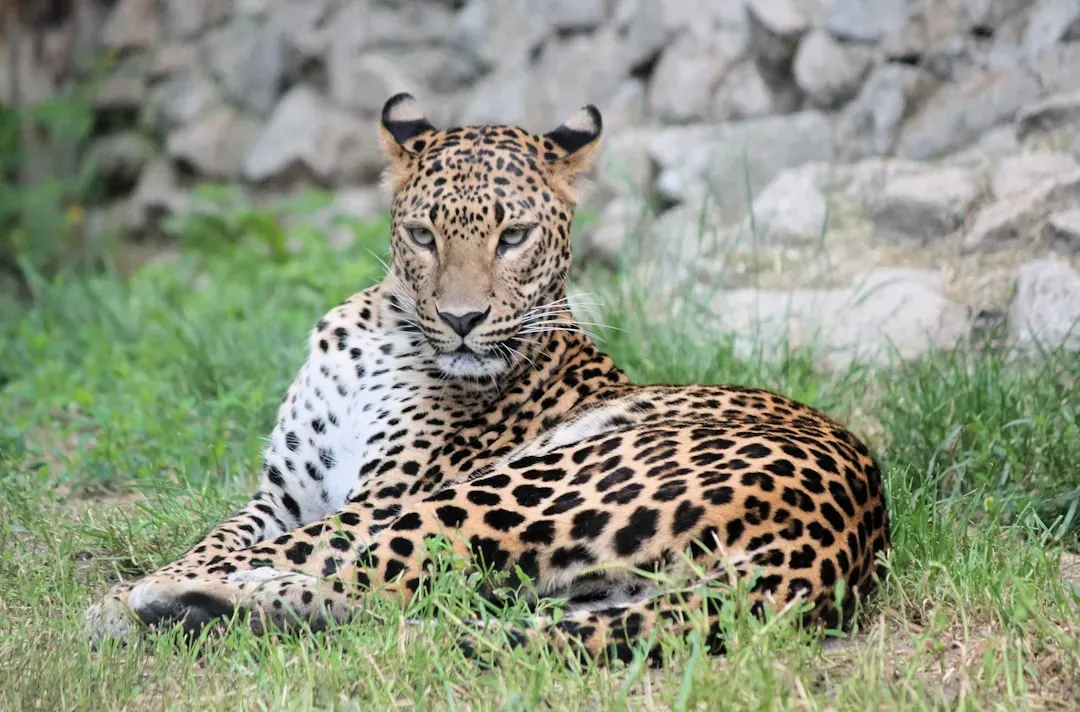
Jaguars represent something extraordinary in the animal kingdom – predators so perfectly adapted to their environments that they dominate both land and water. From their bone-crushing bite force to their exceptional swimming abilities, from their stealthy camouflage to their tree-climbing agility, every aspect of their biology serves a specific purpose in survival.
These adaptations didn’t appear overnight. They’re the result of countless generations of evolution, fine-tuning these magnificent cats into apex predators capable of thriving in some of the planet’s most challenging habitats. Whether stalking prey through dense jungle undergrowth, diving into murky rivers to catch caimans, or climbing high into the canopy to rest, jaguars demonstrate what it truly means to master an environment.
As we face growing conservation challenges, understanding these adaptations becomes even more important. Protecting jaguars means protecting the diverse ecosystems they inhabit – the rivers, forests, and wetlands that sustain not just these incredible predators, but countless other species as well.
What do you think is the most impressive jaguar adaptation? Share your thoughts in the comments below.

- The Ancient Secrets of Yellowstone’s Wild Animals Revealed - August 6, 2026
- Are Some Common Pet Behaviors Actually Signs of Undiagnosed Stress? - August 6, 2026
- 8 US States With the Most Horseshoe Crab Spawning Beaches - August 6, 2026