
There’s something otherworldly about the Amazon rainforest. It feels less like a place on Earth and more like a portal to another dimension where nature runs wild. Rivers stretch endlessly, trees tower to impossible heights, and somewhere beneath that dense green canopy lives a cast of creatures that seem too fantastic to be real.
Yet they are real, every vibrant feather and haunting call. Let’s dive in.
The Pink River Dolphin
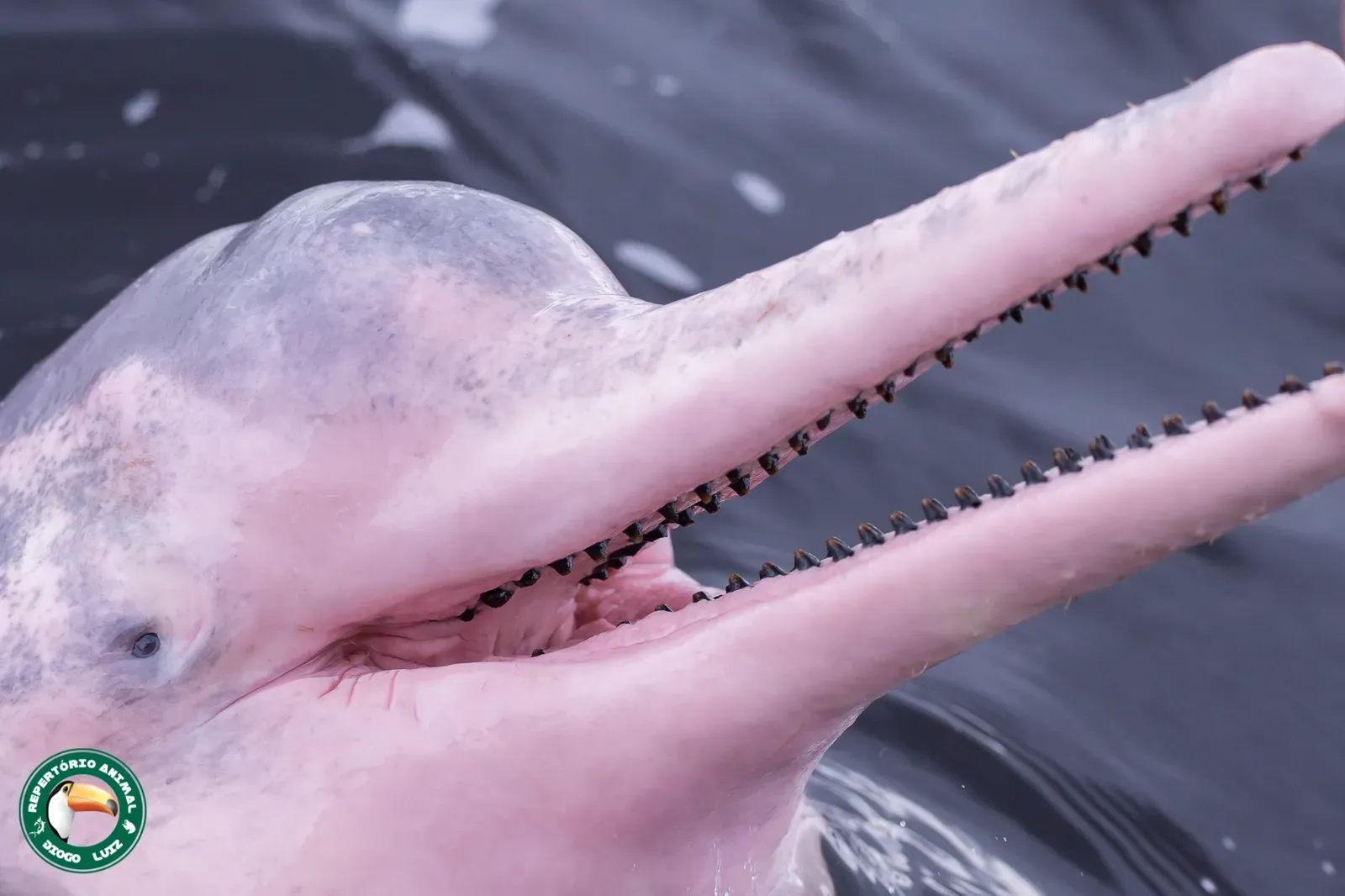
The Amazon river dolphin is known for its unique pink colour, which becomes more vibrant with age, especially in males. Can you imagine swimming alongside a creature that looks like it emerged from folklore? They are born gray and get their pink hue later on, with males being more pink than females.
The pink river dolphin, also known as the boto, lives only in freshwater and is found throughout much of the Amazon and Orinoco river basins in Bolivia, Brazil, Colombia, Ecuador, Guyana, Peru, and Venezuela. What makes them especially remarkable is their intelligence. They have the largest brains among freshwater dolphin species, estimated to have 40% more brain capacity than humans.
Adapted to life in the flooded forests of the Amazon, they have flexible necks that allow them to navigate through submerged trees with ease. Pink river dolphins eat over 53 species of fish, including piranhas. Think about that for a second. A creature graceful enough to navigate flooded forests yet fierce enough to munch on piranhas.
The Jaguar
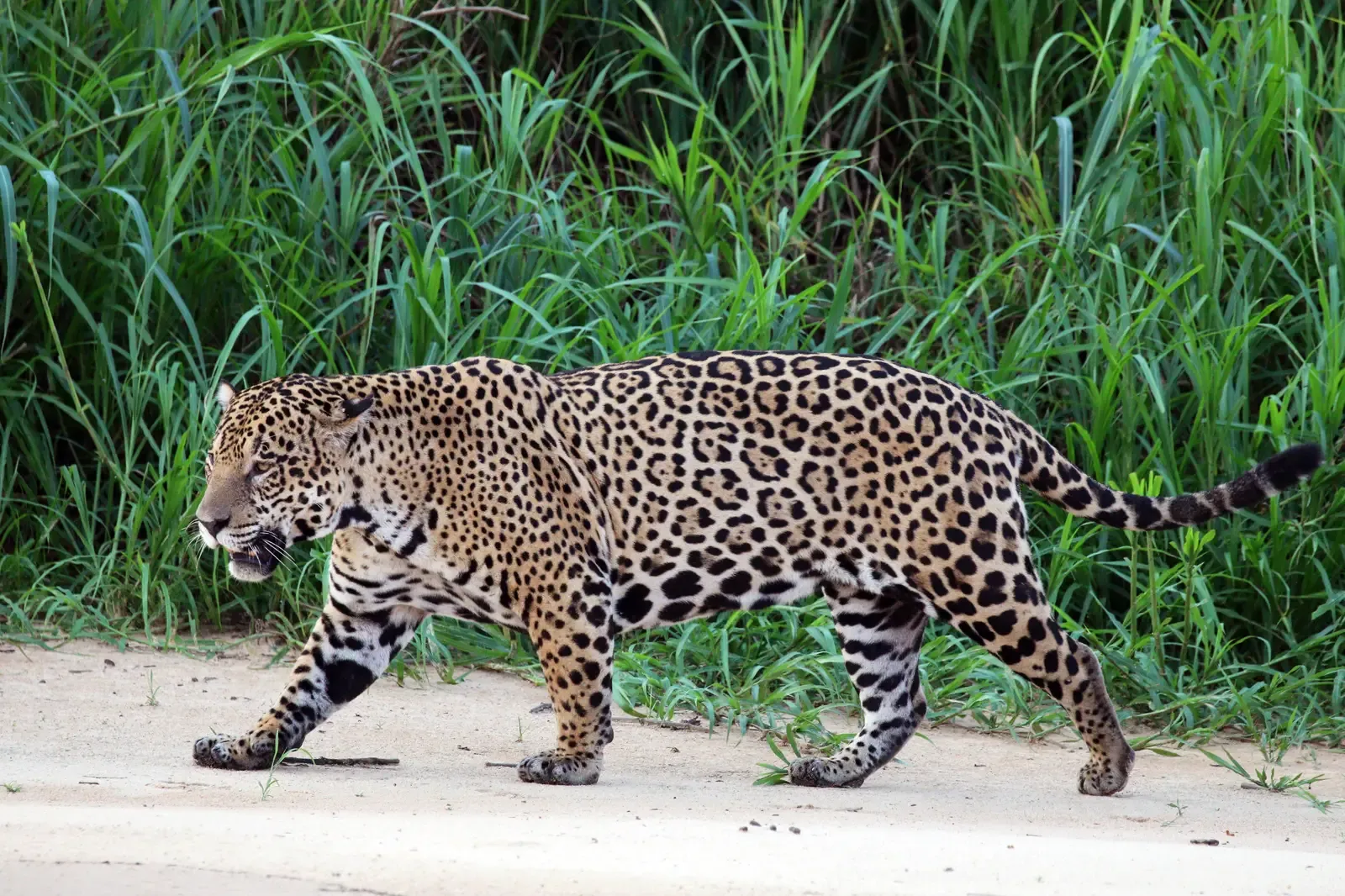
If there’s a king of the Amazon, it’s this spotted predator. Jaguars are known for their impressive hunting abilities and weigh a hefty 56-96 kg (120-200+ lbs), making them the biggest felines living in the Western Hemisphere and the third largest cat species on Earth.
This Amazonian apex predator possesses an unusually large head and a stunning coat marked with dark rosettes and spots, and their incredibly strong jaws enable them to bite through both a caiman’s skull and a turtle’s shell. Honestly, that’s the stuff of nightmares if you’re on the wrong side of the food chain. The jaguar’s prey ranges in weight from 1 to 130 kg, with capybara and giant anteater being the most selected.
It is adept at swimming and is largely a solitary, opportunistic, stalk-and-ambush apex predator. Unlike most big cats, jaguars aren’t afraid of water. They are listed as Near Threatened on the IUCN Red List, as the jaguar population has probably declined by 20–25% since the mid-1990s.
The Three-Toed Sloth
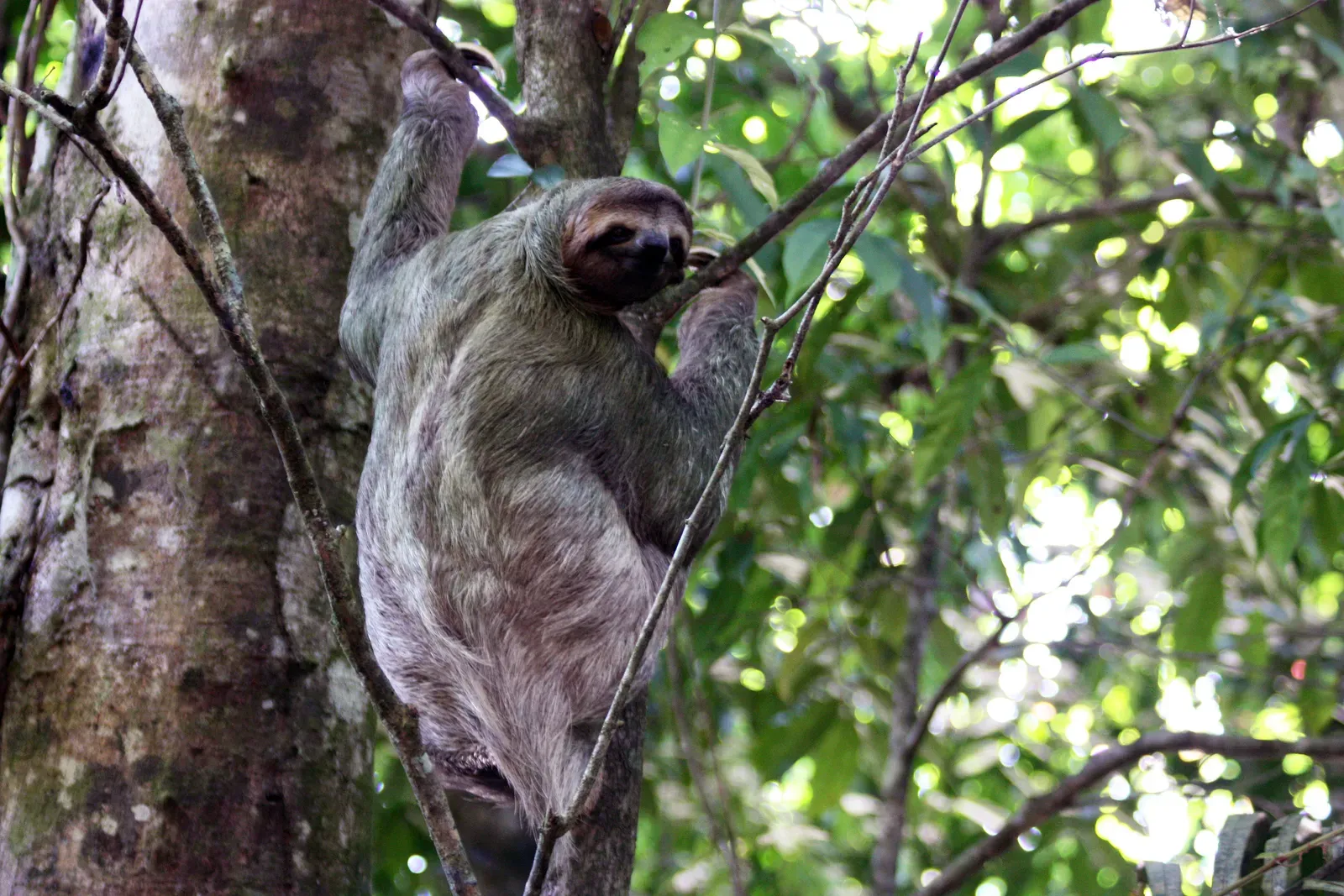
The sloth is known for its slowness, moving at a maximum speed of about 0.24 km/h and sleeping about 20 hours a day. It’s hard to say for sure, but it seems like sloths have truly mastered the art of doing absolutely nothing. Sloths are known as perezosos locally, meaning “lazy” in Spanish, and both the two-toed and three-toed sloths live in the Amazon.
These gentle tree dwellers have evolved an entire ecosystem on their backs. They carry whole ecosystems in their fur including algae and insects, and they’re major players in seed dispersal which keeps forests lush and alive. Sloth fur has specialized grooves along the shaft of each hair and microcracks which help to trap moisture and promote the growth of algae and fungi, eventually turning the sloth green, a perfect disguise for blending in with the canopy.
Despite their sluggish reputation, sloths are survivors. They’ve been around for millions of years, perfecting their low-energy lifestyle in a jungle where everything else seems to be in a perpetual rush.
The Capybara
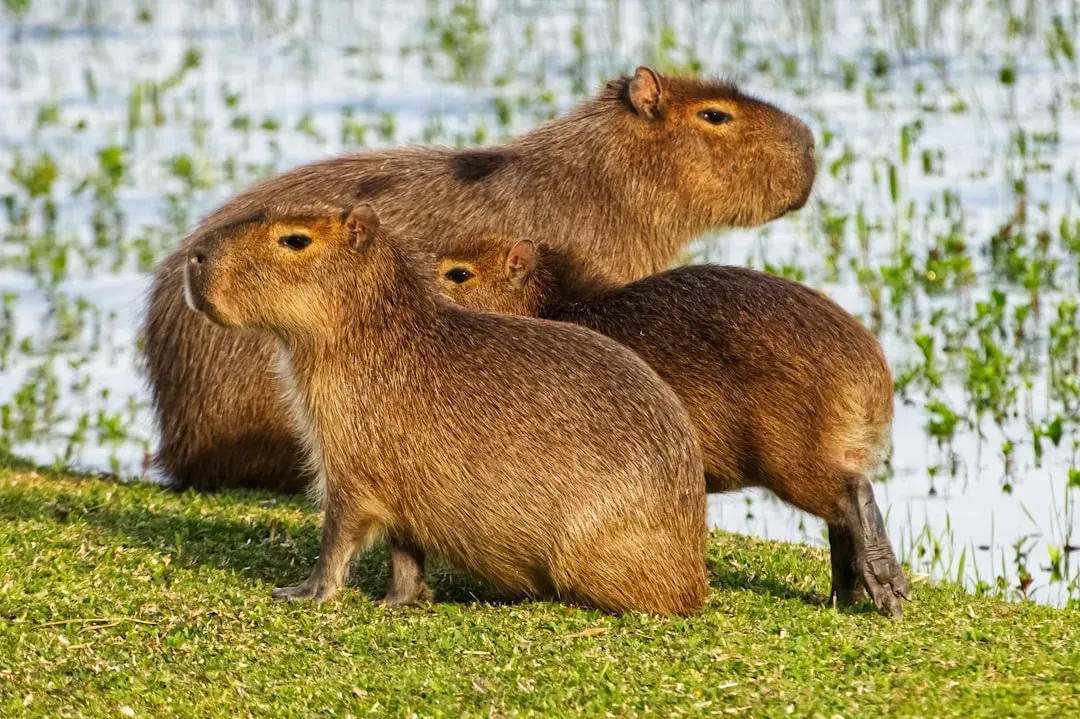
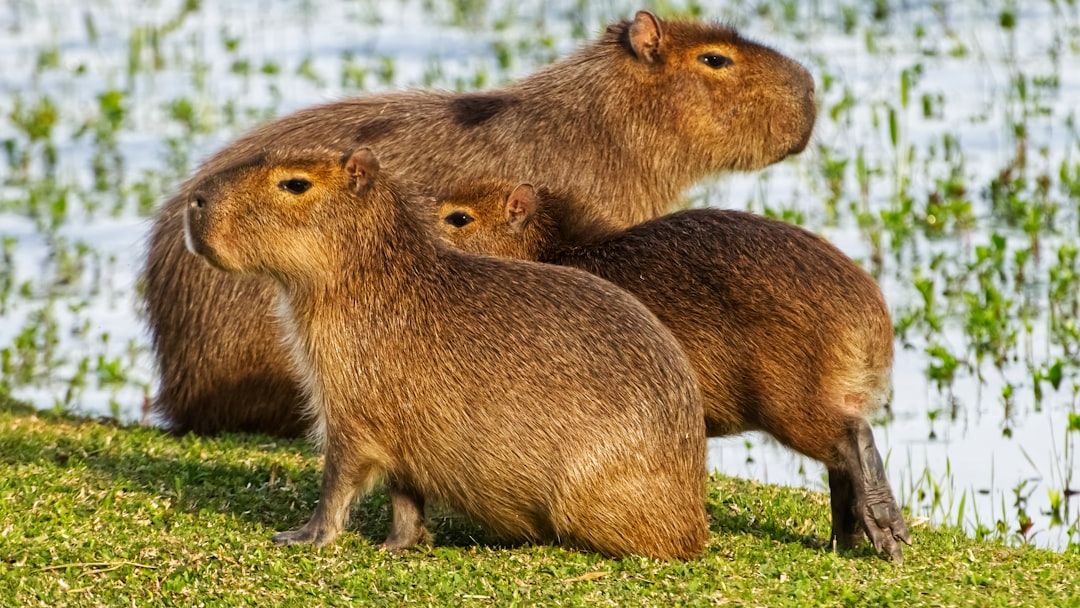
Picture the world’s largest rodent lounging by a riverbank like it owns the place. Capybaras are the largest rodents on earth, weighing more than 100 lbs (45 kg) and growing to be 4 feet (1.2 m) long and 2 feet (0.6 m) tall. They have partially webbed feet which help to propel them through water, and like a hippopotamus, their eyes, nose, and ears are located on the top of their heads.
They are highly social and can be found in groups as large as one hundred individuals, but usually live in groups of 10–20. Using their webbed feet to swim, capybaras spend hot days immersed in shallow water or wallowing in mud before venturing out to graze in the evening. They’re basically the chillest animals in the Amazon, but that doesn’t mean life is easy.
The primary predator of an adult capybara is the jaguar, but humans also hunt them for their meat and fur. When threatened, capybaras will jump into the water and hide beneath the surface, holding their breath for almost five minutes.
The Harpy Eagle
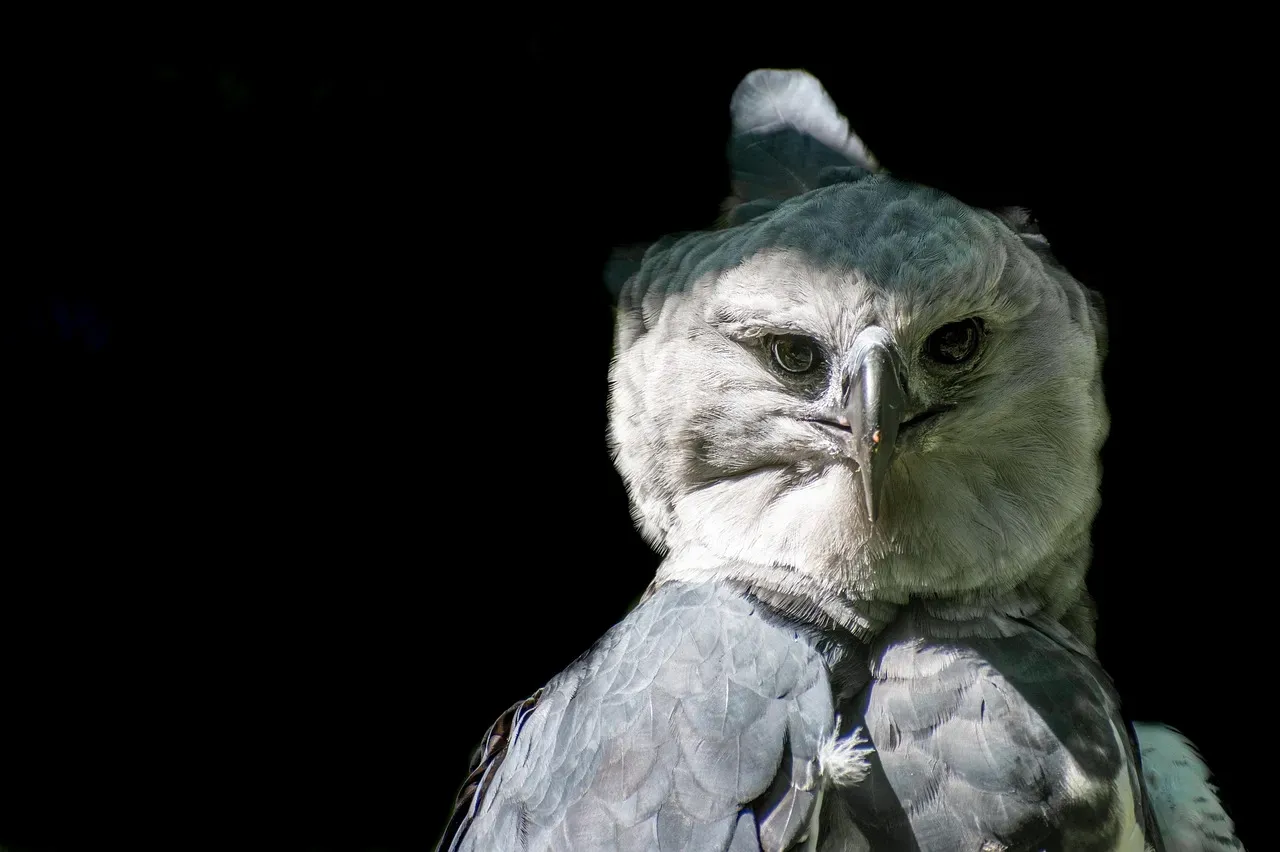
The Harpy eagle is one of the largest eagles in the world and easily the largest and most dominant raptor in the Amazon rainforest, with a wingspan of 69 to 88 inches, the largest talons of any living eagle, and the ability to lift prey equal to their body weight. That’s terrifying and magnificent all at once.
It uses these tools to hunt a wide array of animals, including sloths, monkeys, porcupines, squirrels, anteaters, iguanas, snakes, and other birds such as the macaw. The intense eyes and sharp beak are key features of the harpy eagle, and a top predator in the jungle, the harpy eagle soaring through the Amazonian sky is a phenomenal sight.
The harpy eagle is such a powerful symbol in South American culture that it appears on the coats of arms of several countries. Harpy eagles have a vast territory, spanning from Mexico down to Argentina, but their numbers are on the decline, and they are listed as Near Threatened. Seeing one in the wild is a rare privilege these days.
The Scarlet Macaw
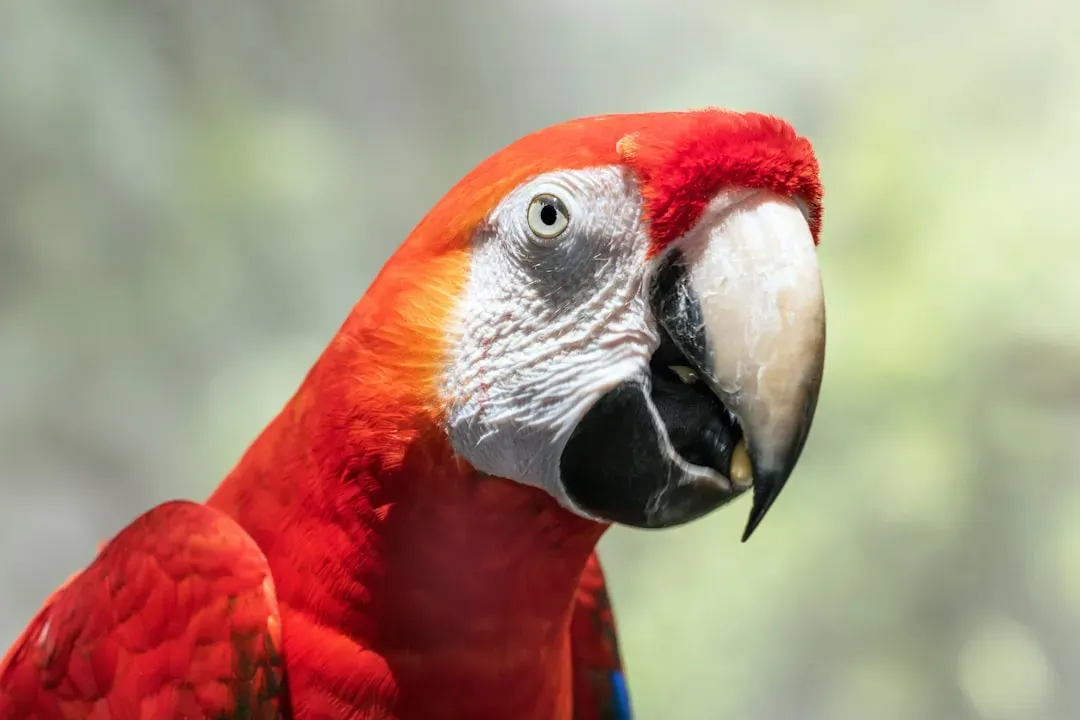
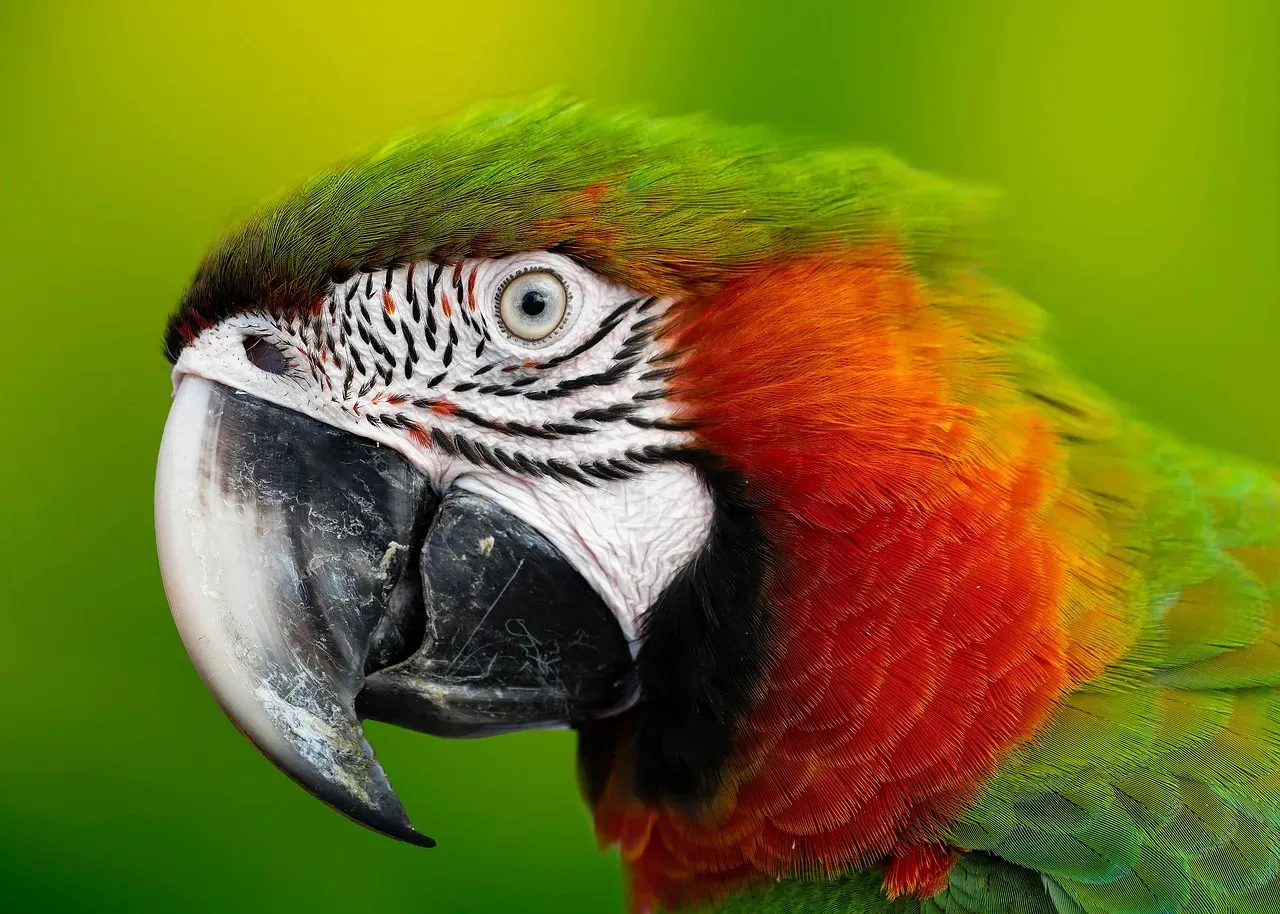
If the Amazon had a poster child, it might just be this bird. The scarlet macaw is a large, brightly coloured parrot native to the rainforests of Central and South America, growing up to 84 centimetres long and known for its striking red, blue, and yellow feathers. They’re not just pretty faces, though.
These intelligent birds form monogamous pairs, nesting in tree cavities and caring for their young through mutual preening. It is common for macaws to gather at clay licks in search of salt, which allows many visitors to Puerto Maldonado the chance to see these majestic birds in the wild.
They can eat toxic fruits, likely neutralising toxins by consuming clay. That’s evolution working overtime. Although classified as least concern, the Scarlet Macaw faces threats from illegal trade and habitat destruction in certain regions, so ongoing monitoring is essential.
The Poison Dart Frog
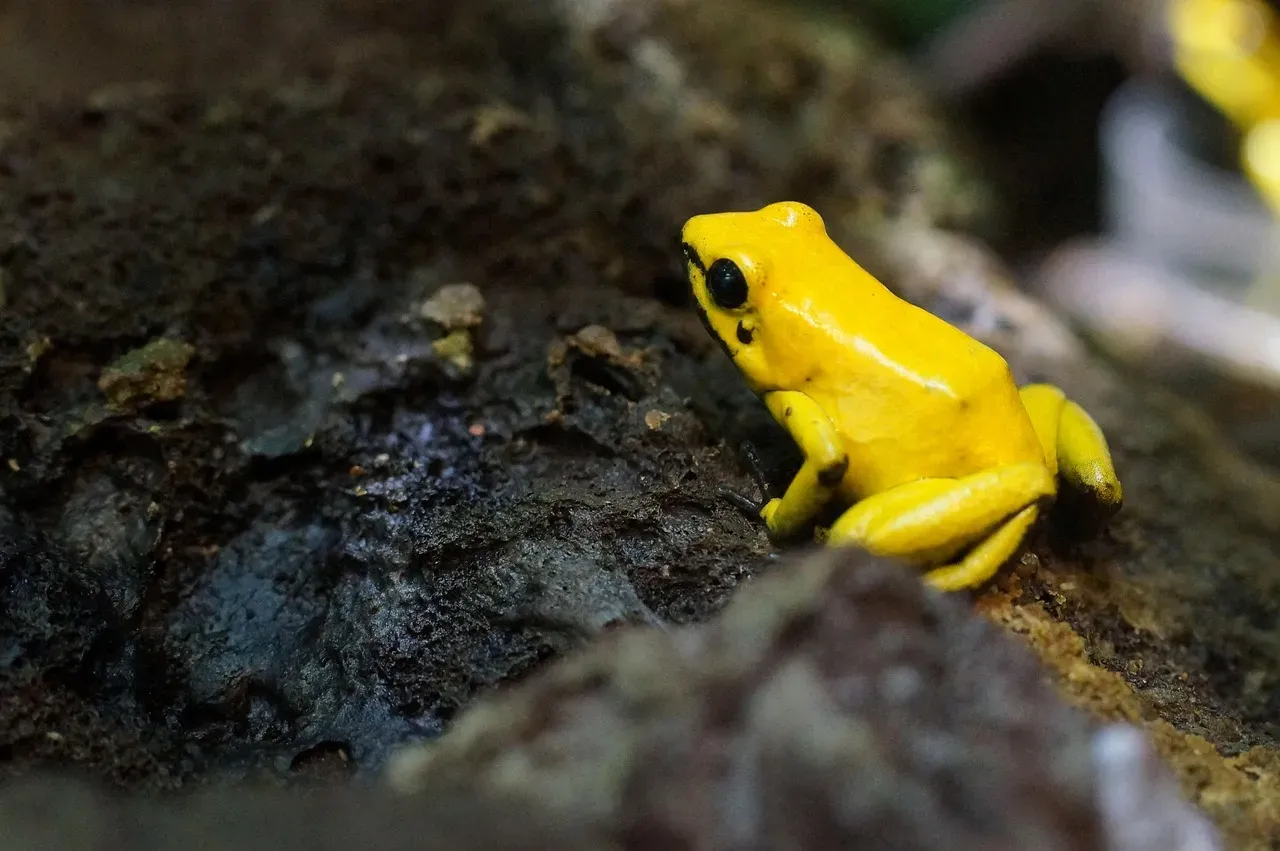
Poison dart frogs are one of the planet’s most brightly colored animals and depending on the species, they can be yellow, copper, gold, red, blue, green, black or a combination of those colors. This bright coloration is correlated with the toxicity of the species, making them aposematic.
The golden poison dart frog, for example, contains enough poison to kill 10 adult men. That’s a wild amount of defense mechanism packed into something roughly the size of your thumb. Indigenous cultures, such as the Chocó people of Colombia, have used these frogs’ poison for centuries to coat the tip of their blow darts before hunting.
Poison dart frogs are insectivores, preferring to eat ants and other small insects among the leaf litter of the forest floor, and it is believed that the toxins in their bodies may be related to the type and amount of insects they consume. Poison dart frogs are endemic to humid, tropical environments of Central and South America. Let’s be real, these tiny amphibians have mastered survival in a jungle teeming with predators.
The Giant Anteater
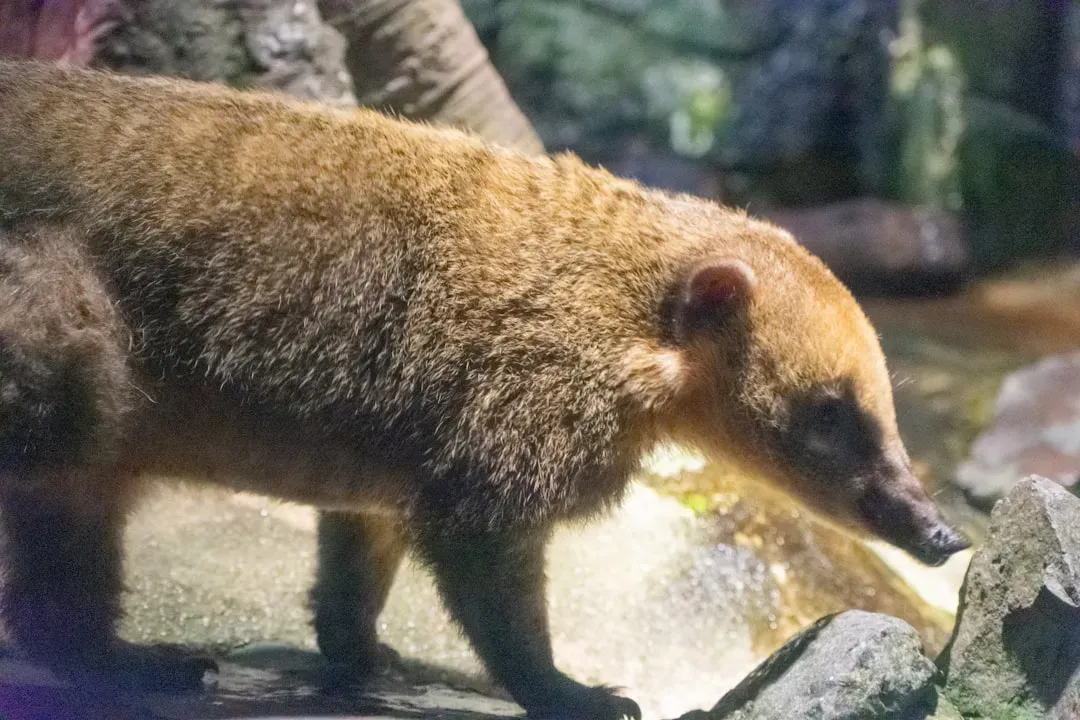
While the giant anteater is rarely encountered in the Amazonian lowlands, the smaller and more arboreal tamanduas are more commonly encountered, surviving on a diet of ants and termites as solitary animals that are mostly nocturnal. Still, when you do spot a giant anteater, you won’t forget it.
Collared anteaters have tongues that can be up to forty centimeters long. Their entire body is designed for one thing: slurping up thousands of insects daily. They have the ability to climb trees and look for termites or ants near streams and rivers in humid and dry forests, tropical rainforests, jungles, savannahs, and mountains.
These strange-looking mammals shuffle along the forest floor, digging into termite mounds with their powerful claws. Their long snouts and even longer tongues make quick work of insect colonies. Honestly, they look like creatures designed by a committee that couldn’t quite agree on the final blueprint, yet somehow they work perfectly in their environment.
The Black Caiman
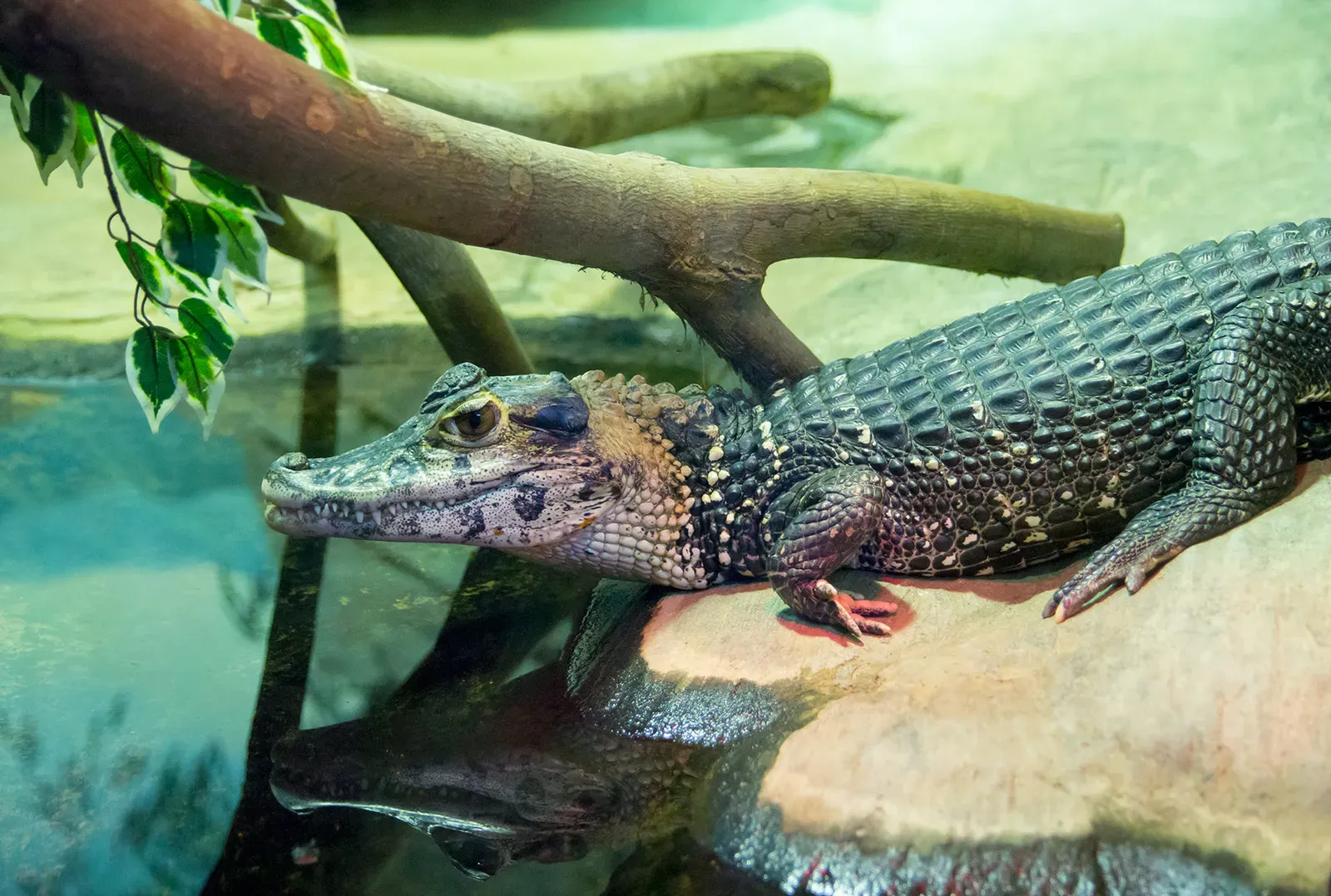
The Black caiman is the largest animal in the Amazon Basin. Imagine a creature that can grow up to 16 feet long, lurking beneath murky water, waiting. These are the apex predators of Amazonian waterways, feared by nearly everything that swims or wades.
Black caimans are relatives of alligators and crocodiles, perfectly adapted to life in slow-moving rivers and flooded forests. Their dark coloration helps them blend into the shadows of the water, making them almost invisible until it’s too late for their prey. They feed on fish, birds, turtles, and even capybaras or deer that venture too close to the water’s edge.
Here’s the thing: black caimans were once hunted nearly to extinction for their valuable skins. Conservation efforts have helped their numbers rebound in certain protected areas, but they remain vulnerable. Seeing one in the wild is both thrilling and a reminder of how fragile the balance is in this ecosystem.
The Anaconda
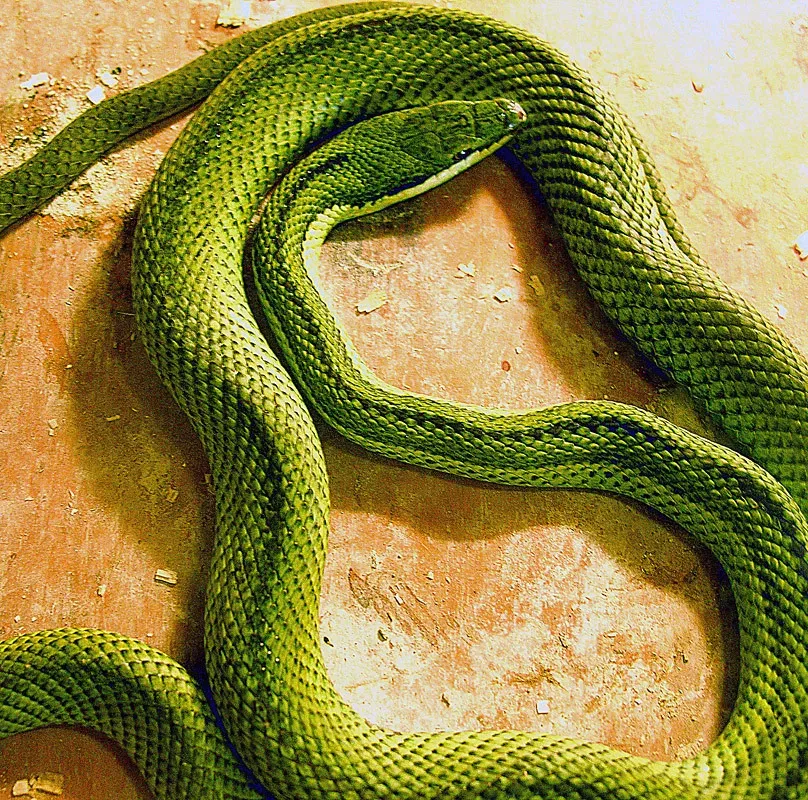
The giant snake known as the anaconda is renowned as one of Earth’s largest, reaching nearly 30 feet and weighing over 550 pounds. These aren’t venomous snakes. They don’t need to be. These formidable creatures are exceptional swimmers, capable of remaining submerged underwater for up to 10 minutes, and are typically found near sources of water where they stealthily pursue their prey.
The green anaconda is a constrictor, meaning it wraps its massive body around prey and squeezes until the victim can no longer breathe. It’s a slow, methodical predator that relies on patience and power rather than speed. They eat capybaras, caimans, fish, birds, and occasionally even jaguars.
Despite their fearsome reputation, anacondas are generally shy around humans and prefer to avoid confrontation. Still, encountering one coiled up in a river or draped across a branch is the kind of moment that makes your heart skip several beats. The natural habitats of anacondas primarily include regions such as Brazil, Peru, and Colombia.
Conclusion
The Amazon isn’t just a rainforest. It’s a living, breathing symphony of life where every creature plays a vital role in keeping the ecosystem balanced. From the slow-moving sloth to the lightning-fast jaguar, from the impossibly pink dolphin to the venomous dart frog, each animal has carved out its niche over millions of years of evolution.
These ten animals are only a tiny glimpse into the staggering diversity hidden beneath the rainforest canopy. The Amazon hosts approximately 10% of all known species worldwide, encompassing 40,000 plant species, around 3,000 freshwater fish species, and over 370 reptile species. What truly strikes me is how interconnected everything is. The sloth depends on the trees, the trees depend on the soil, the soil depends on decomposing matter from animals, and the cycle continues endlessly.
Protecting the Amazon means protecting all these incredible creatures and the delicate web that connects them. Deforestation, climate change, and habitat destruction threaten not just individual species but the entire system. So what do you think? Did any of these animals surprise you?
