
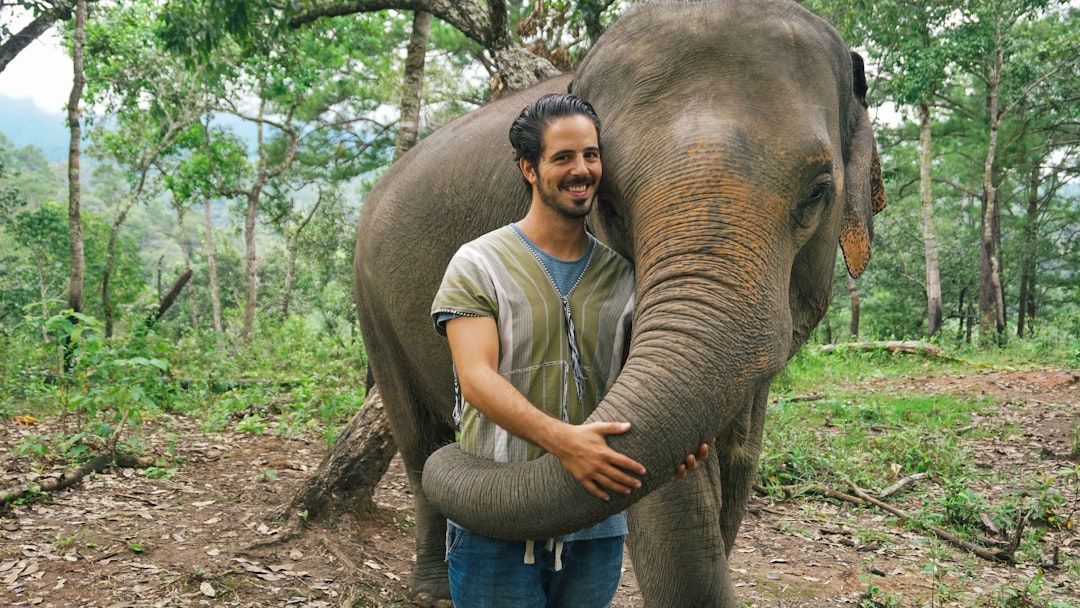
You’ve probably heard the warning a hundred times: wild animals are wild, keep your distance, never assume they like you. Most of the time, that advice will keep you alive. But there’s a strange exception hiding in plain sight – animals with genuinely fearsome reputations that, given enough calm and consistency, quietly decide one specific human isn’t a threat at all.
This isn’t about taming or domestication. It’s something slower and stranger: a wild creature choosing closeness on its own terms, after watching a person long enough to be sure. Some of the animals on this list will surprise you simply because of how dangerous they’re supposed to be – and how far they’ll go once that fear finally lifts.
#1 – Manatees: The Sea Cows Who Ask for Belly Rubs
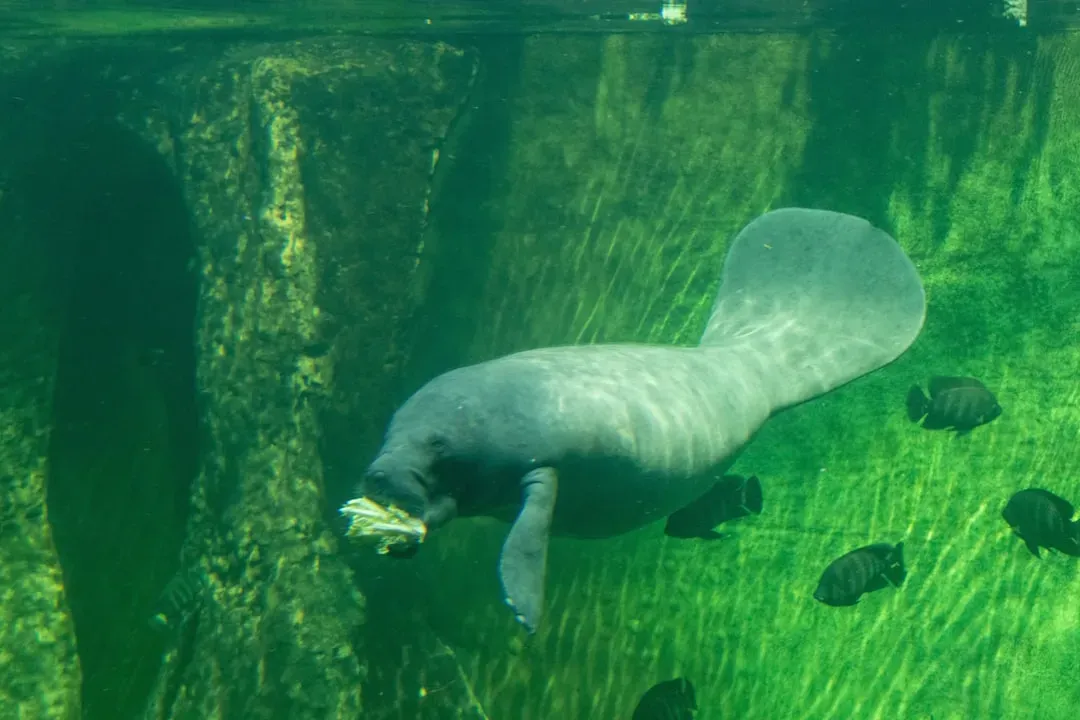
Most people picture manatees as slow, indifferent lumps drifting through murky water. In reality, manatees often swim straight toward divers and boaters, angling for contact once they’ve learned a person means them no harm.
These gentle giants have almost no natural predators, so they never built the sharp fight-or-flight instincts other animals rely on. In Florida’s springs, the same individuals return year after year to the exact spots where snorkelers once floated quietly nearby. They investigate strangers with their whisker-covered snouts, and regulars have documented manatees rolling over, unprompted, for a belly rub from someone they recognize.
#2 – Dolphins: The Pod That Escorts Boats for Miles
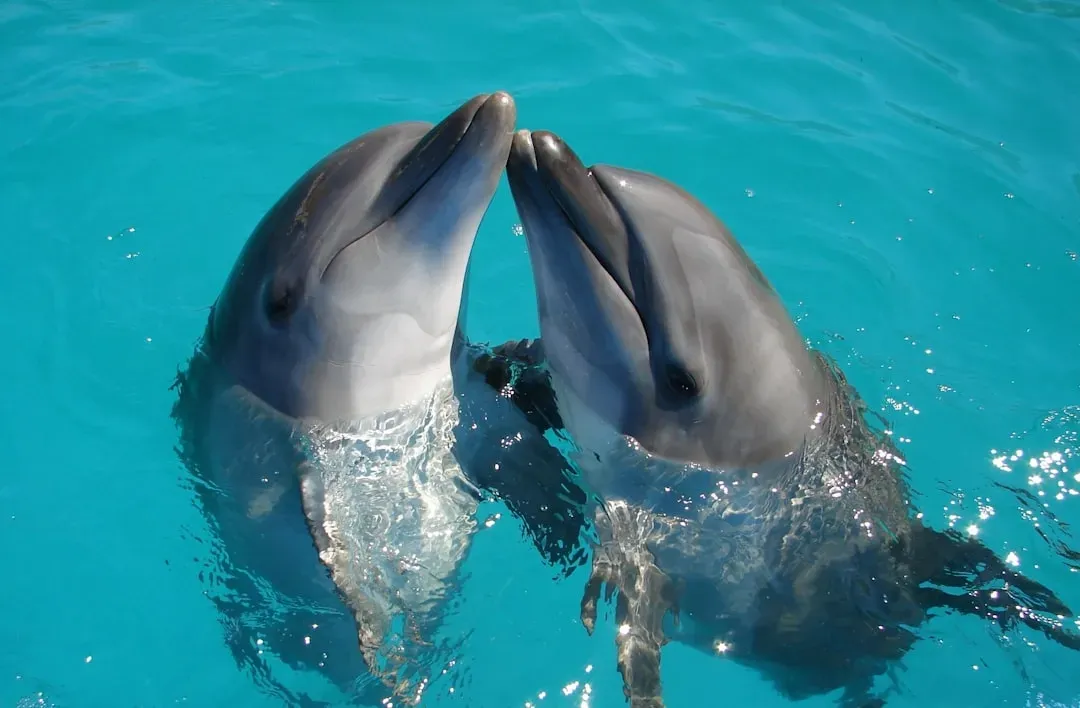
Dolphins get filed under “playful entertainers,” but wild pods have been known to escort fishing boats for miles and let swimmers join in on a hunt once real trust is built. This isn’t performance. It’s a relationship.
In Shark Bay, Australia, bottlenose pods maintain relationships with specific fishing families that stretch across generations, accepting handouts and even signaling where to cast a net. Researchers have found dolphins remember individual humans across entire seasons, slowing down, vocalizing softly, or presenting objects – but only for people who’ve earned it through repeated, non-threatening meetings.
#3 – Elephants: The Herd That Remembers Your Voice for Years
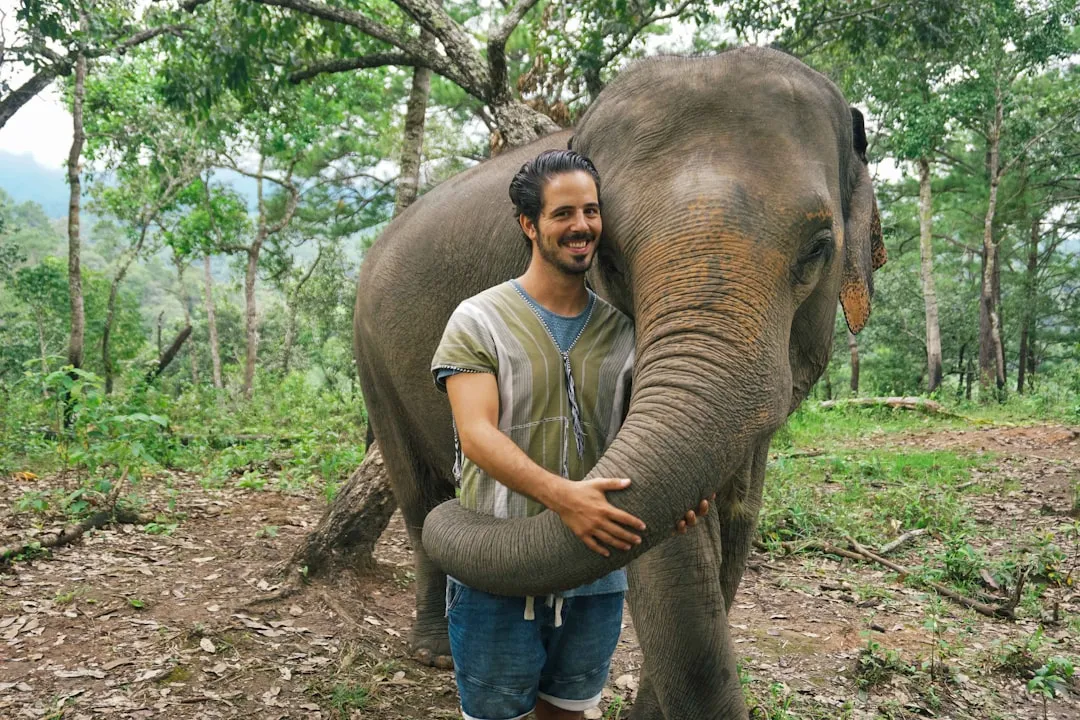
Elephants carry a reputation for raw power and sudden rage. What doesn’t fit that image is how they form lifelong bonds with certain keepers, sometimes stepping in to shield a familiar human from an outside threat.
In sanctuaries across Africa and Asia, elephants recognize specific voices and scents from years earlier. They’ll greet a trusted person with low rumbles and gentle trunk caresses while staying guarded around a total stranger standing right beside them. During droughts, researchers have watched entire matriarch-led herds move closer to known humans, almost folding them into the family unit.
Fast Facts
- Bull African elephants can weigh up to 14,000 pounds and stand nearly 13 feet tall at the shoulder.
- A single trunk contains an estimated 40,000+ individual muscles – more than an entire human body.
- Elephant pregnancies last about 22 months, the longest gestation of any land mammal.
- Wild elephants can live 60 to 70 years, giving bonds with keepers decades to deepen.
#4 – Capybaras: The Rodents Who Nap in Your Lap
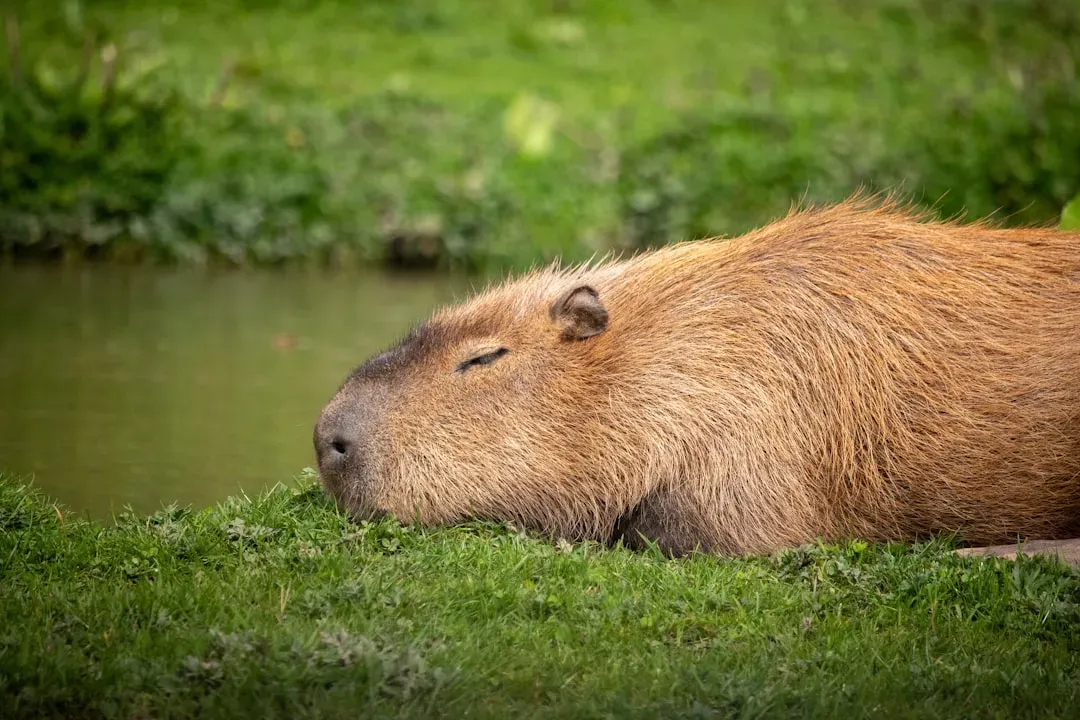
Capybaras look like oversized rodents that should bolt at the first sign of a person. Instead, in habituated areas, they’ll casually share space with humans and other species without a hint of aggression.
Native to South American wetlands, these deeply social animals extend their herd’s easygoing culture to people who show up calmly and often. In tourist areas, locals who feed them regularly get full access to grooming sessions and group naps – the same lazy affection capybaras show each other, just with an extra set of legs added to the pile.
#5 – Giraffes: The Towering Skeptics Who Learn Your Footsteps
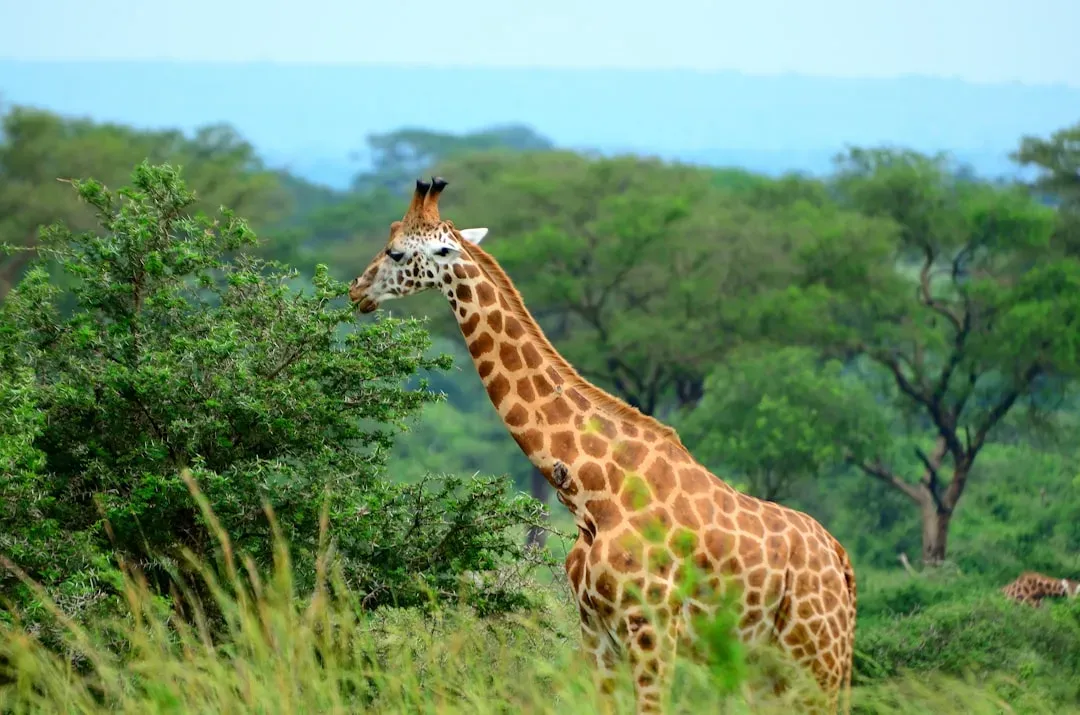
Giraffes seem far too tall and jumpy for a close encounter. Yet in low-poaching reserves, they’ll lower that enormous head and accept food from the same person, over and over, once the pattern feels safe.
In parts of Kenya and Tanzania, giraffes approach vehicles and feeding stations run by consistent rangers, and their body language visibly relaxes after months of predictable, non-chasing behavior. Their height gives them an early-warning view of everything around them – which means they’re quick to notice exactly which humans move slowly and speak softly, and which ones don’t.
#6 – Penguins: The Colony That Waddles Past Your Legs
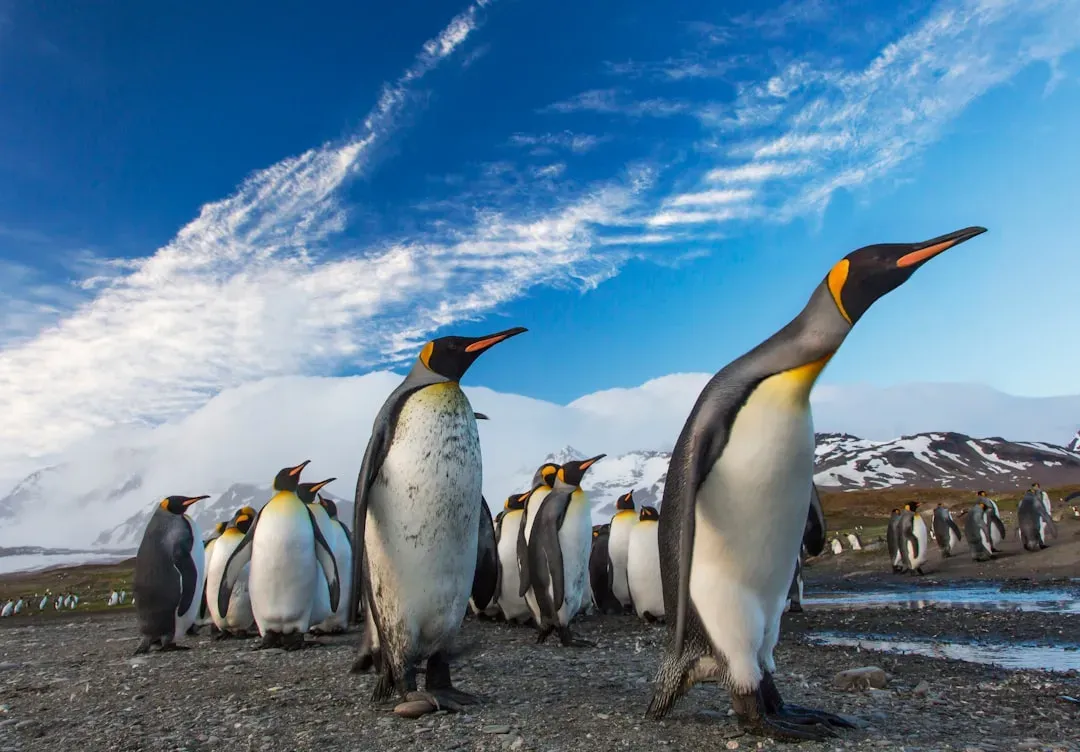
Penguins look clumsy and exposed on land, like they should treat every human as a land predator. But certain colonies let researchers and tourists walk right through them, unbothered, once the routine becomes familiar.
African and Magellanic penguins in protected coastal zones waddle past the same staff daily, occasionally brushing against a leg or settling in nearby during nesting season. With few real land threats in these protected spots, they simply stop wasting energy fleeing a shape they’ve seen a hundred times before – and monitoring shows the same individuals returning to nest near observation blinds year after year.
#7 – Whale Sharks: The Gentle Giants With a Scary Name
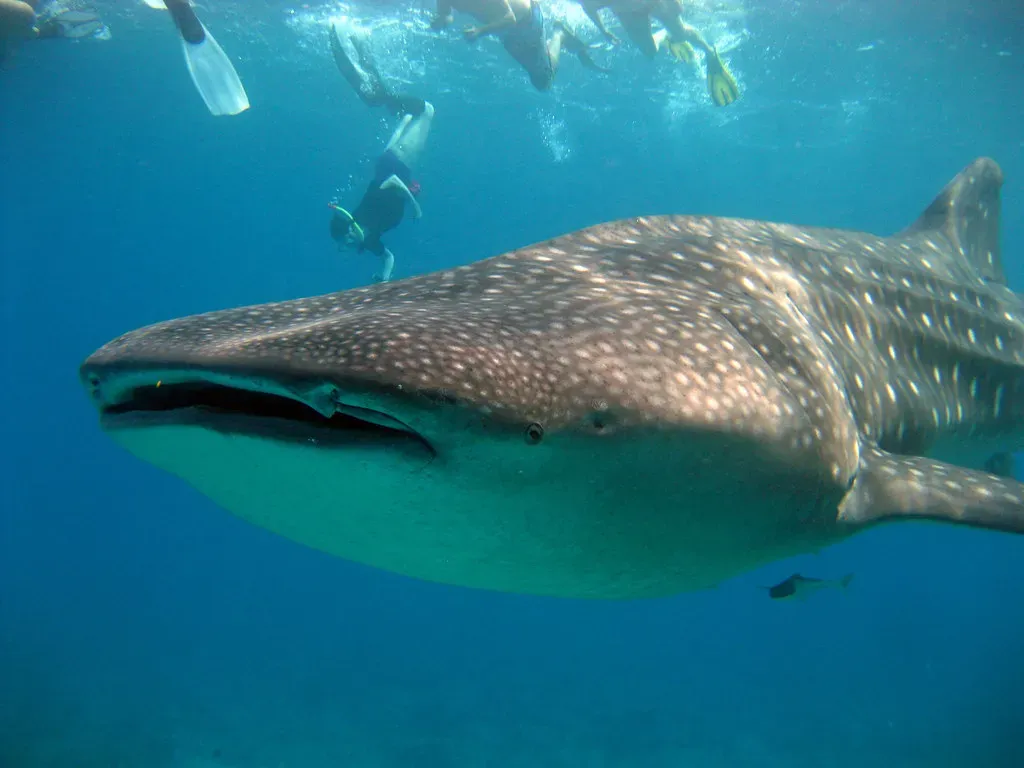
Whale sharks dwarf almost everything else in the ocean and carry a name built for fear. In reality, these filter feeders glide alongside snorkelers for long stretches in feeding grounds where boats follow strict no-touch rules.
They return to the same tropical sites every year and show zero interest in harming anyone who keeps a respectful distance. Their sheer size seems to breed confidence rather than aggression, and tourism data shows they tolerate groups better when operators avoid sudden movements – closer, calmer passes are the reward for patience, not persistence.
At a Glance
- Whale sharks are the largest fish on Earth, growing up to 40 feet long.
- Despite the name and size, they’re true fish, not whales, and pose no predatory threat to people.
- Their diet is almost entirely plankton and small fish, filtered through enormous, harmless mouths.
- Some individuals are believed to live well beyond a century, giving guides years to build familiarity with returning sharks.
#8 – Gorillas: The Silverback Who Lets You Sit in Silence
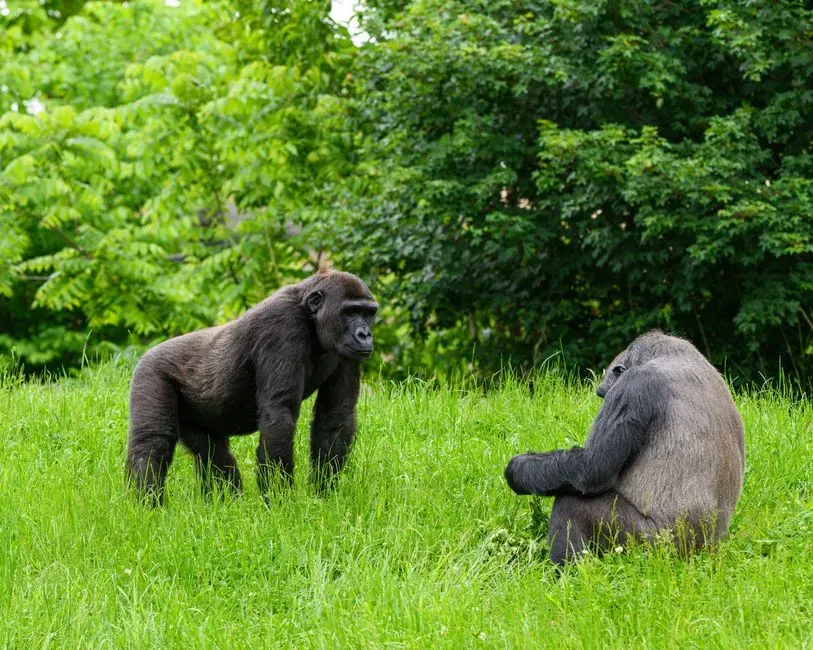
Gorillas project raw muscle and territorial fury, the kind of animal you’re taught to never approach. And yet habituated groups have let specific researchers into their daily routines after years of quiet, patient observation.
Dian Fossey’s fieldwork, and the studies that followed it, show silverbacks resting near humans they’ve come to associate with non-interference – no dominance display, no threat posture, just shared stillness. That trust stays fragile and painfully specific; it belongs only to people who never once tried to assert control.
When you realize the value of all life, you dwell less on what is past and concentrate more on the preservation of the future.
Dian Fossey
#9 – Cheetahs: The Fastest Animal Alive, Turned Into a Lap Cat
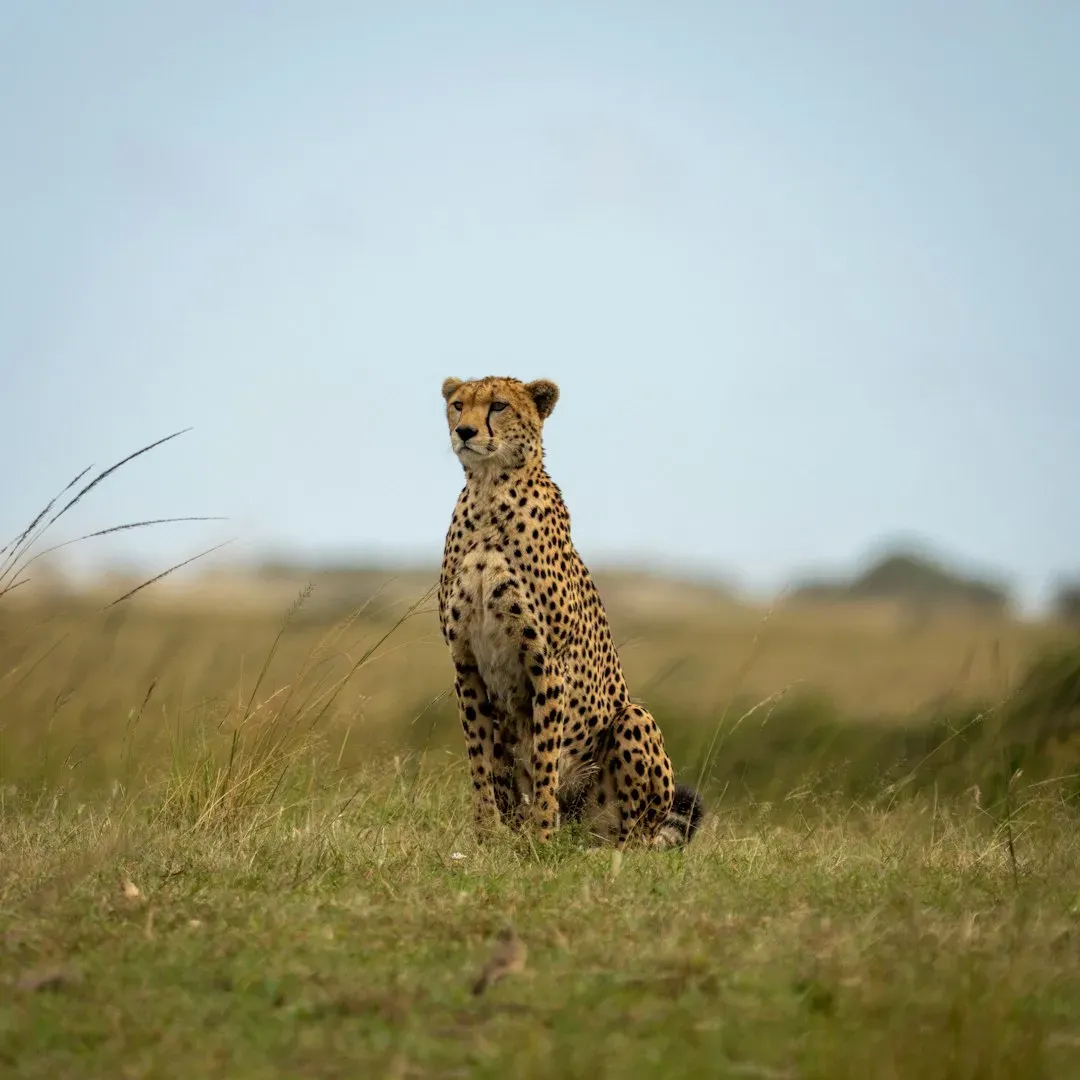
Cheetahs earn their reputation as the fastest, twitchiest predators on land. Somehow, hand-raised or long-observed individuals in reserves end up displaying calm, almost house-cat affection toward the people they trust.
In controlled wild settings, cheetahs that link specific humans to food and safety will rub against legs or lie down nearby instead of bolting. Their baseline aggression runs lower than other big cats to begin with, which makes the shift feel even more striking – and experts note it happens fastest when people avoid direct eye contact and sudden movement early on.
Quick Compare
- Cheetah top speed: roughly 60-70 mph in short bursts.
- Lion top speed: around 50 mph, but only over short distances.
- Greyhound, the fastest dog breed: about 45 mph.
- Fastest recorded human sprint speed: roughly 28 mph.
#10 – Sloths: The Slowest Animal in the Canopy Lets You Get Inches Away
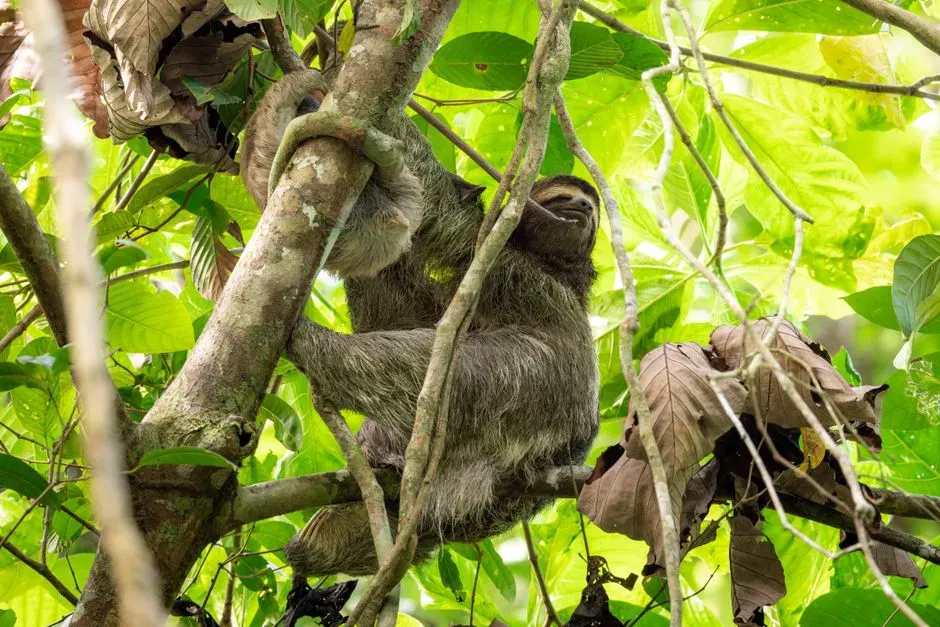
Sloths move so slowly they seem built to be prey, defenseless against anything that wanders close. But they stay remarkably tolerant of careful human presence in their own canopy homes once they’ve learned nothing bad follows.
In Costa Rican and Brazilian reserves, three-toed sloths allow researchers to observe from mere inches away while grooming or resting, without ever bothering to climb higher. Their famously low metabolism means conserving energy beats fleeing every non-threat, and repeated calm visits build a pattern where the sloth simply stays put.
#11 – Orangutans: The Solitary Ape Who Seeks Out Company
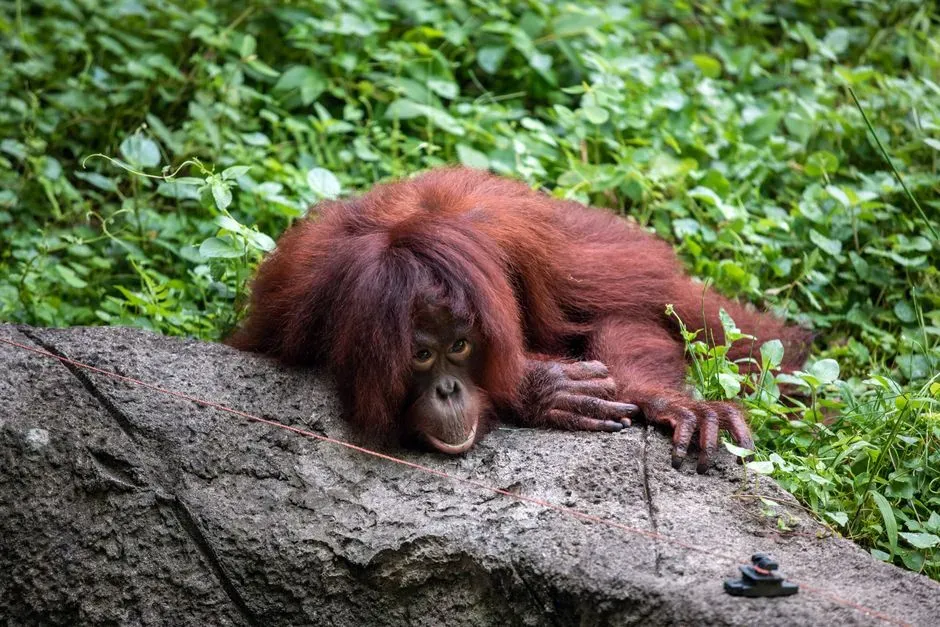
Orangutans live mostly alone, high in the trees, wired to avoid anything on the ground. That makes it even stranger that rehabilitated or long-studied individuals actively seek out familiar humans for play or grooming.
In Borneo and Sumatra sanctuaries, orangutans remember specific caregivers across long absences and initiate contact themselves – a gentle touch, a shared tool, a quiet moment of proximity. Their intelligence lets them test boundaries first, then settle into a relaxed routine with anyone who consistently respects their pace, which is a remarkable shift for a species built for solitude.
Worth Knowing
- Orangutans share about 97% of their DNA with humans, among the highest of any great ape.
- The name “orangutan” translates to “person of the forest” in Malay.
- They’re one of the few great apes regularly observed using tools in the wild, from leaf umbrellas to stick probes.
- Rehabilitation at sanctuaries can take years before an orangutan is ready for release, giving caregivers time to build lasting recognition.
#12 – Stingrays: The “Dangerous” Fish That Glide Over Open Hands
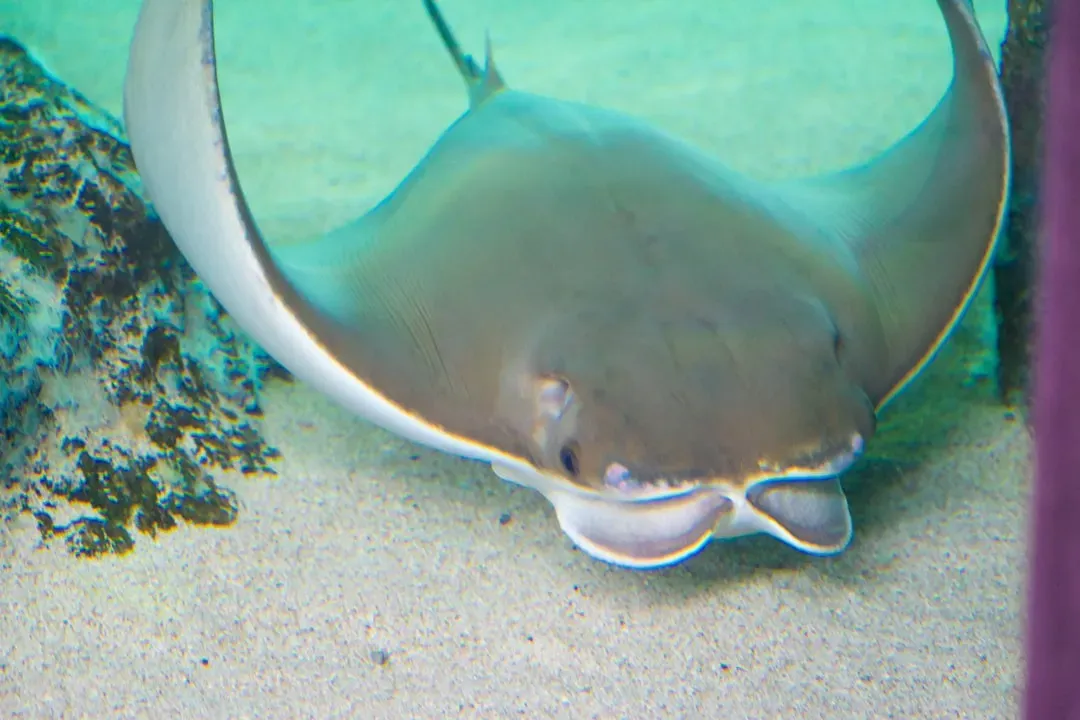
Stingrays carry a scary reputation thanks to their barbs, the kind of animal most people assume you should never touch. At designated interaction sites, though, they glide right over open hands and accept food from the same visitors again and again without incident.
In places like the Cayman Islands, southern stingrays learn daily feeding schedules and approach familiar boats or waders with loose, relaxed wing movements. Their bottom-dwelling lifestyle keeps them out of most conflicts to begin with, so the trust they extend to predictable, respectful humans is site-specific – but real, and repeatable, every single day the pattern holds.
The Bottom Line
None of this happens by accident. Every animal on this list needed the same thing: repeated, low-stress proof that a human wasn’t a predator. That’s not magic, and it’s definitely not domestication – it’s just patience, stacked over months or years, until fear finally loses the argument.
Here’s the opinion part: the most fearsome-sounding animals on this list – elephants, gorillas, cheetahs, whale sharks – are also the ones whose trust took the longest to earn, and that’s exactly the point. Real trust with a wild animal is never instant, and anyone selling you an instant version, a cage-side selfie, a forced encounter, a viral clip promising the same magic on demand, is skipping the part that actually matters. The gentleness is real. It’s just never for sale.

- The Pet Your Zodiac Sign Would Rescue Without Hesitation - August 16, 2026
- 7 US States Where Mountain Lions Are Closer Than You Think - August 16, 2026
- 10 US States With the Highest Black Bear Populations - August 16, 2026