
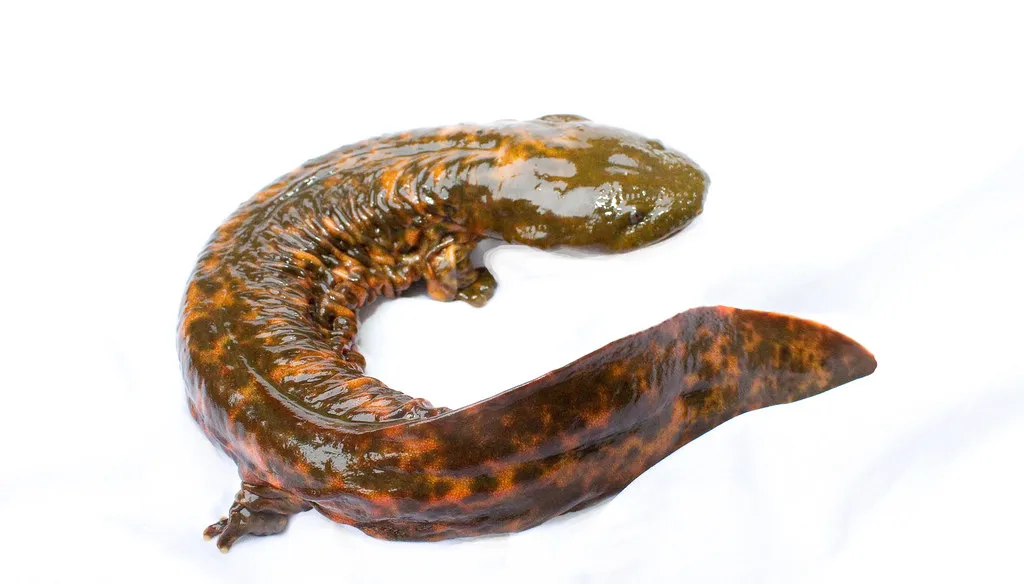
Imagine a creature lurking beneath the rocks of America’s clear, fast-flowing streams – a giant salamander with a name as intriguing as its appearance: the hellbender. This elusive amphibian holds secrets that are as fascinating as they are surprising. Let’s dive into the world of the hellbender and uncover ten amazing facts about this remarkable species.
The Largest Salamander in North America
🔥 Would you like to save this?
We'll email this post to you, so you can come back to it later!
Hellbenders are the undisputed giants of North American salamanders, reaching lengths of up to 29 inches and weighing as much as 5 pounds. Their impressive size is rivaled only by their distant relatives in Asia, making them a true marvel of the amphibian world.
Their substantial size isn’t just for show; it plays a crucial role in their ecosystem. As apex predators in their aquatic habitats, hellbenders help control populations of crayfish and other invertebrates, maintaining a delicate balance in their environment.
Masters of Underwater Breathing
🔥 Would you like to save this?
We'll email this post to you, so you can come back to it later!
Unlike many amphibians, hellbenders have a unique method of respiration. They absorb oxygen directly through their skin, thanks to the numerous folds along their bodies that increase surface area. This adaptation allows them to thrive in well-oxygenated, fast-flowing streams.
Their reliance on cutaneous respiration makes them highly sensitive to water quality. Pollution and sedimentation can severely impact their ability to breathe, highlighting the importance of clean waterways for their survival.
Ancient Lineage with Minimal Change
🔥 Would you like to save this?
We'll email this post to you, so you can come back to it later!
Hellbenders belong to a lineage that has remained relatively unchanged for over 150 million years. This “living fossil” status offers scientists a glimpse into prehistoric life and the evolutionary history of amphibians.
Their enduring design speaks to the effectiveness of their adaptations, allowing them to survive through countless environmental changes and challenges over the millennia.
Unique Parental Roles
🔥 Would you like to save this?
We'll email this post to you, so you can come back to it later!
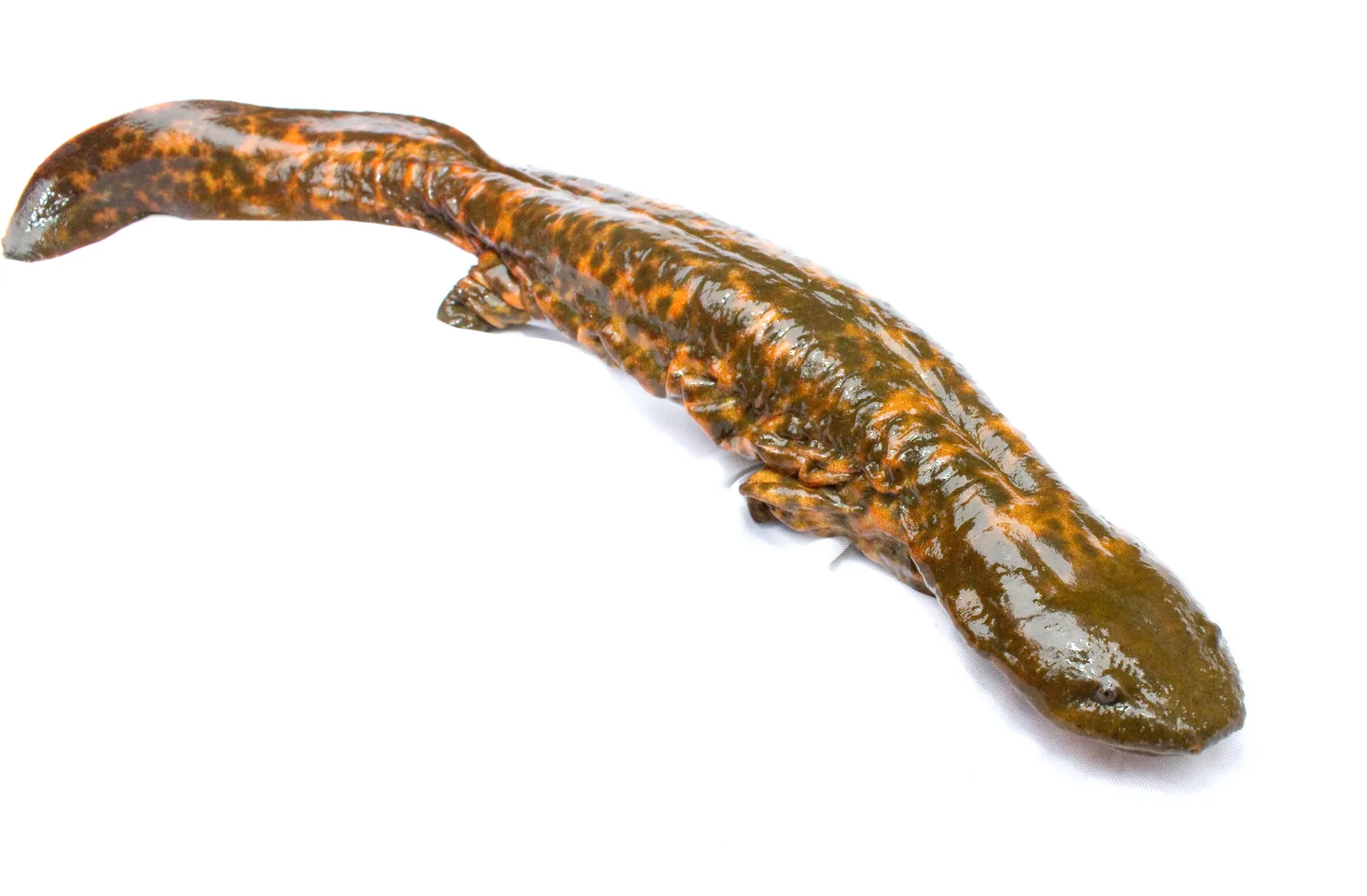
In the world of hellbenders, it’s the males who take on the role of caregiver. After a female lays her eggs in a nest under a rock, the male fertilizes them externally and then guards the nest, ensuring the eggs are protected until they hatch.
This level of paternal care is relatively rare among amphibians and underscores the unique behaviors that have evolved in hellbenders to ensure the survival of their offspring.
Nicknames Reflecting Their Peculiar Appearance
🔥 Would you like to save this?
We'll email this post to you, so you can come back to it later!
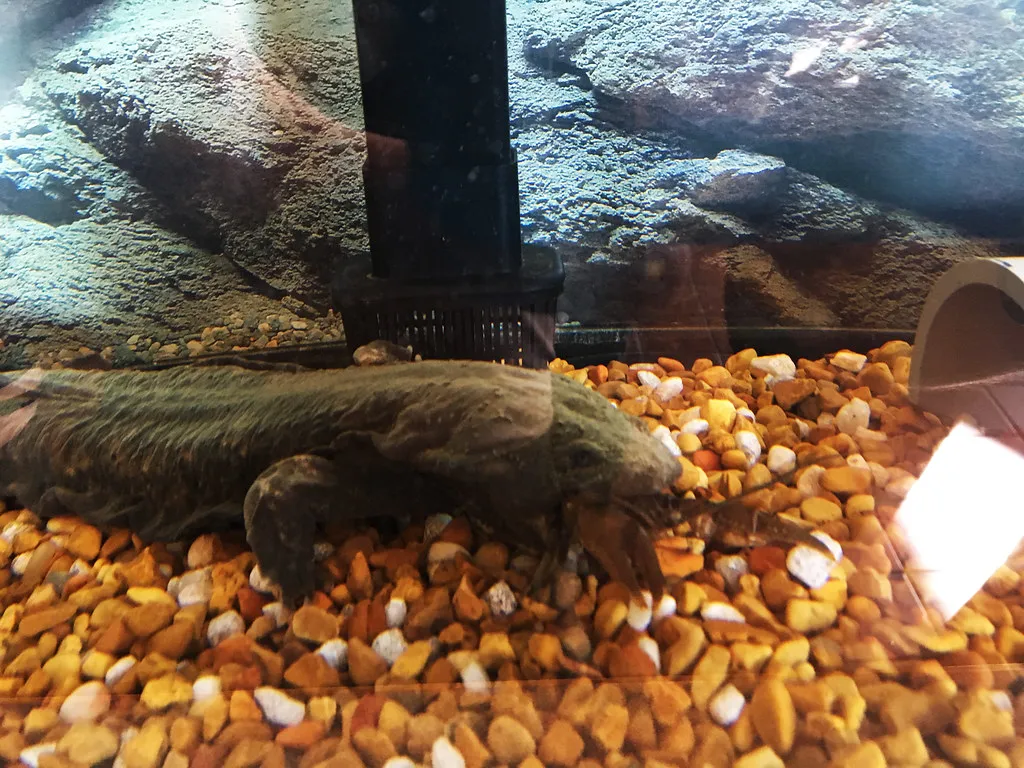
Hellbenders have garnered a variety of colorful nicknames, including “snot otter,” “lasagna lizard,” and “devil dog.” These monikers often reference their slimy skin and unusual, wrinkled appearance, which can be off-putting to some but are perfectly suited to their aquatic lifestyle.
These names not only highlight the hellbender’s distinctive look but also reflect the cultural perceptions and folklore surrounding this enigmatic creature.
Strict Habitat Requirements

🔥 Would you like to save this?
We'll email this post to you, so you can come back to it later!
Hellbenders are highly specialized in their habitat needs, requiring clean, cool, and fast-flowing streams with abundant large rocks for shelter. This specificity makes them excellent indicators of environmental health, as their presence signals a pristine aquatic ecosystem.
Unfortunately, this specialization also makes them vulnerable to habitat degradation. Activities like dam construction, deforestation, and pollution can have devastating effects on their populations.
Longevity in the Wild
🔥 Would you like to save this?
We'll email this post to you, so you can come back to it later!
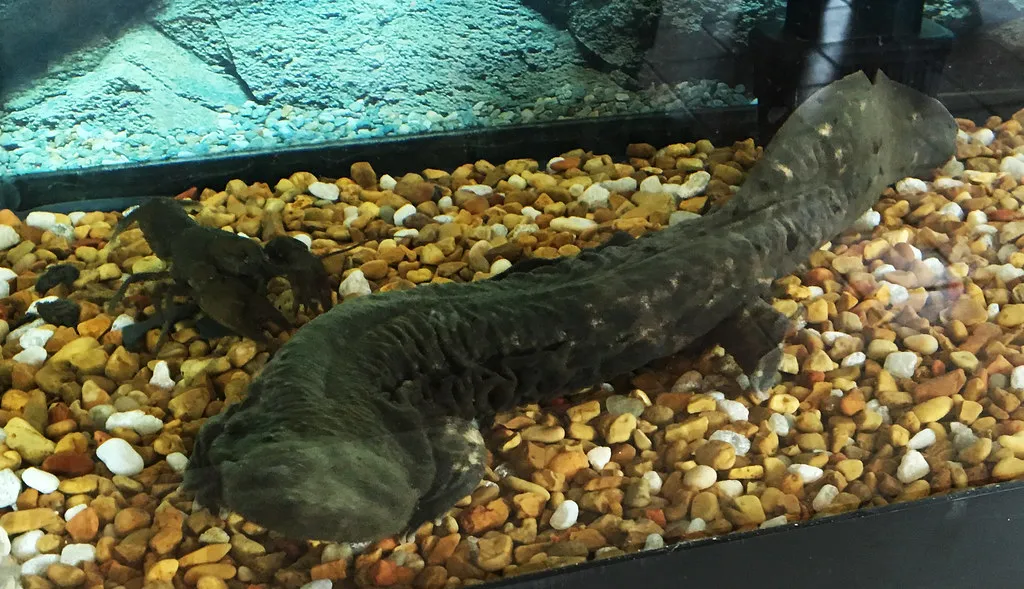
These salamanders are not just large; they also boast impressive lifespans. Hellbenders can live up to 30 years in the wild, with some individuals in captivity reaching even greater ages. This longevity allows them to play a consistent role in their ecosystems over many decades.
Their extended lifespans, however, mean that population recovery can be slow if numbers decline, emphasizing the need for proactive conservation efforts.
Declining Populations and Conservation Efforts
🔥 Would you like to save this?
We'll email this post to you, so you can come back to it later!
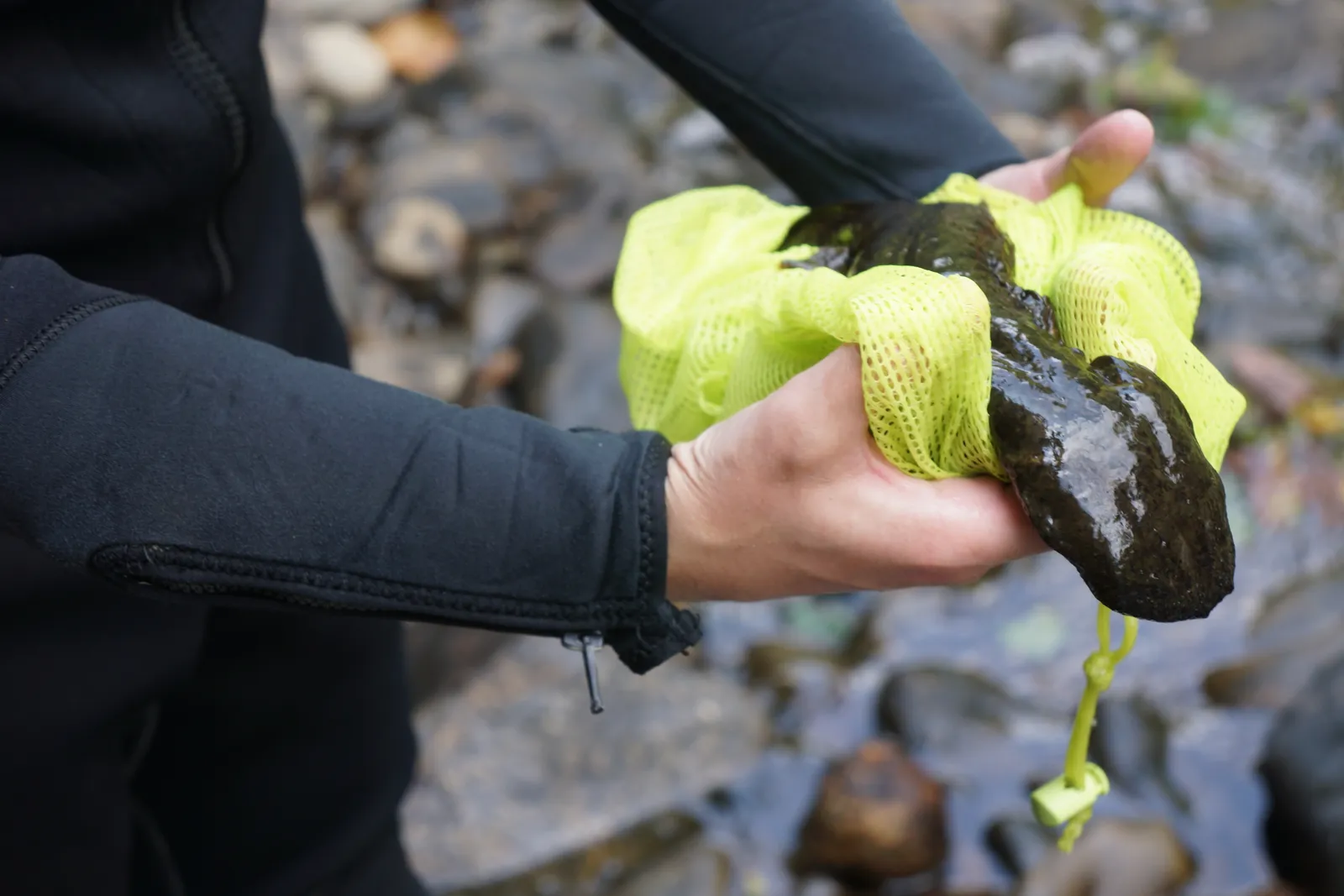
Despite their resilience, hellbender populations have been declining due to habitat destruction, pollution, and disease. Conservation programs are underway to protect these unique creatures, including habitat restoration and captive breeding initiatives.
Public education campaigns aim to dispel myths about hellbenders and promote their importance in freshwater ecosystems, fostering a greater appreciation and support for their conservation.
Misunderstood Creatures
🔥 Would you like to save this?
We'll email this post to you, so you can come back to it later!
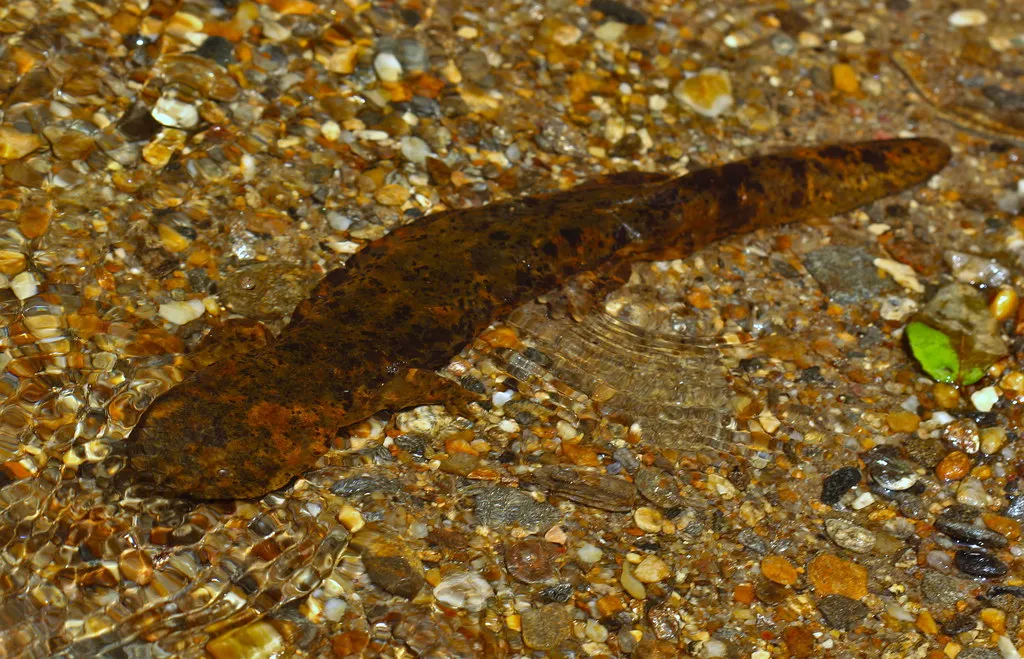
Hellbenders have often been misunderstood and feared, with myths suggesting they are venomous or harmful to fish populations. In reality, they are harmless to humans and play a vital role in controlling crayfish populations, benefiting the overall health of their aquatic habitats.
Educating the public about the true nature of hellbenders is crucial in reducing unwarranted fears and promoting coexistence with these fascinating amphibians.
Indicators of Environmental Health
🔥 Would you like to save this?
We'll email this post to you, so you can come back to it later!
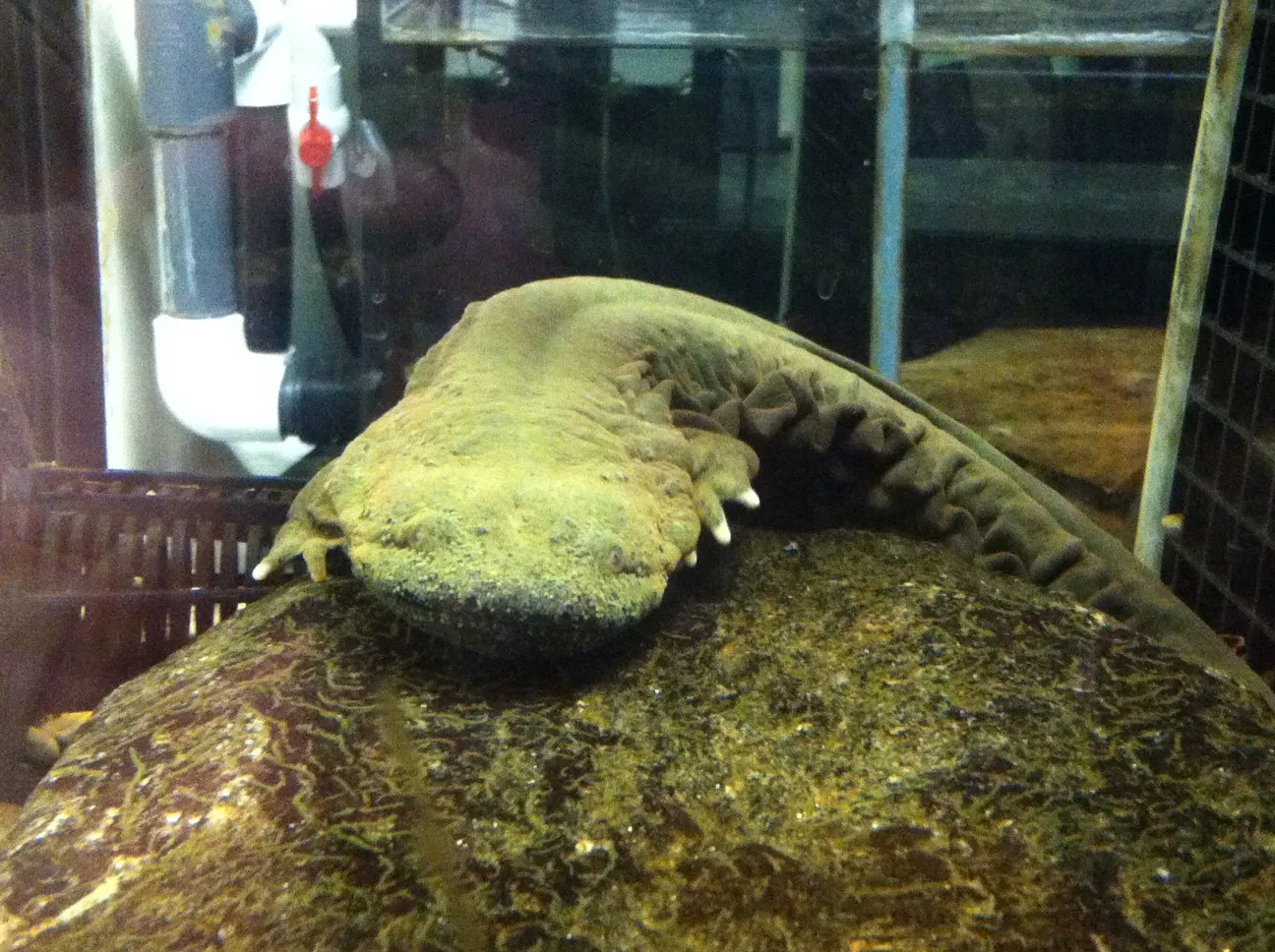
As sensitive creatures, hellbenders serve as bioindicators, meaning their presence or absence can reveal much about the health of freshwater ecosystems. Declining populations often signal environmental issues that may also affect other species, including humans.
Protecting hellbenders and their habitats not only preserves a unique species but also ensures the overall health and sustainability of freshwater environments for all who depend on them.
In conclusion, the hellbender is a remarkable and vital part of America’s natural heritage. Their unique adaptations, ancient lineage, and role in the ecosystem make them a species worth protecting. By understanding and appreciating these giant salamanders, we can take steps to ensure they continue to thrive in our rivers and streams. After all, isn’t it our responsibility to safeguard such extraordinary creatures for future generations?

- 7 Everyday Habits That Can Make Your Senior Dog Happier - November 5, 2026
- 10 Enigmatic Structures That Continue to Puzzle Scientists Today - November 5, 2026
- 10 Strange Ruins in the Americas That Challenge What We Know About Early History - November 5, 2026