
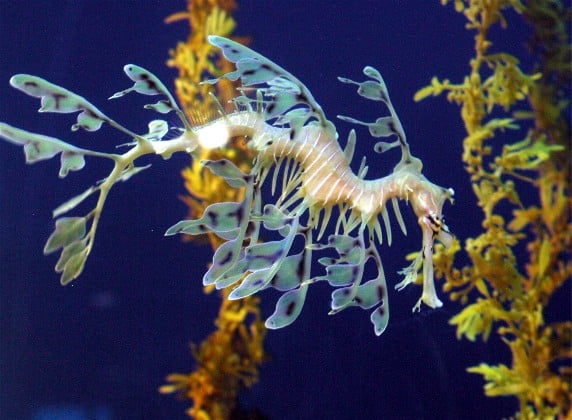
Sea dragons are among the ocean’s most mesmerizing inhabitants, their delicate, leaf-like appendages and ethereal movements making them appear almost otherworldly. These captivating creatures, closely related to seahorses, are native to the coastal waters of southern and western Australia. Their unique appearances and behaviors have fascinated marine enthusiasts and scientists alike. Let’s dive into 11 fascinating facts about sea dragons that highlight their extraordinary nature.
Masters of Camouflage
🔥 Would you like to save this?
We'll email this post to you, so you can come back to it later!
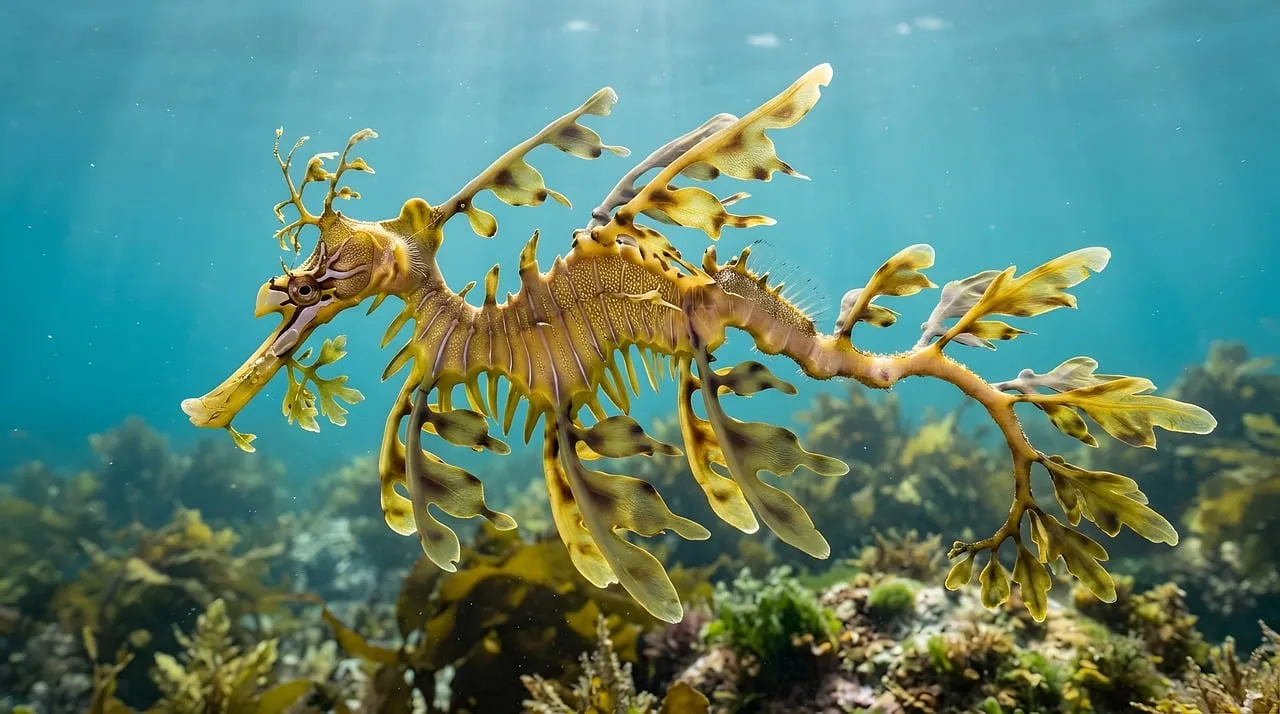
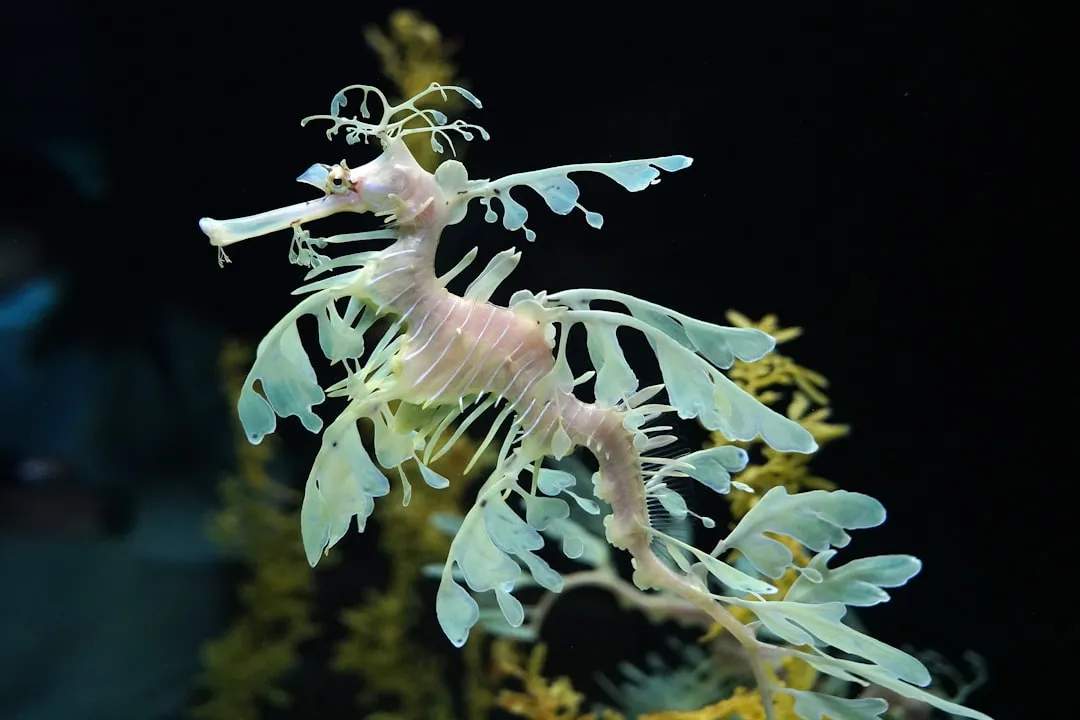
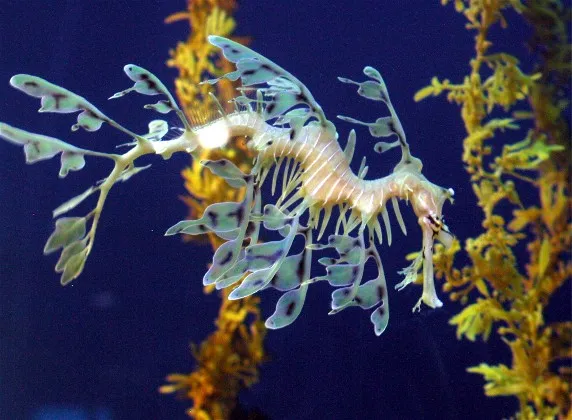
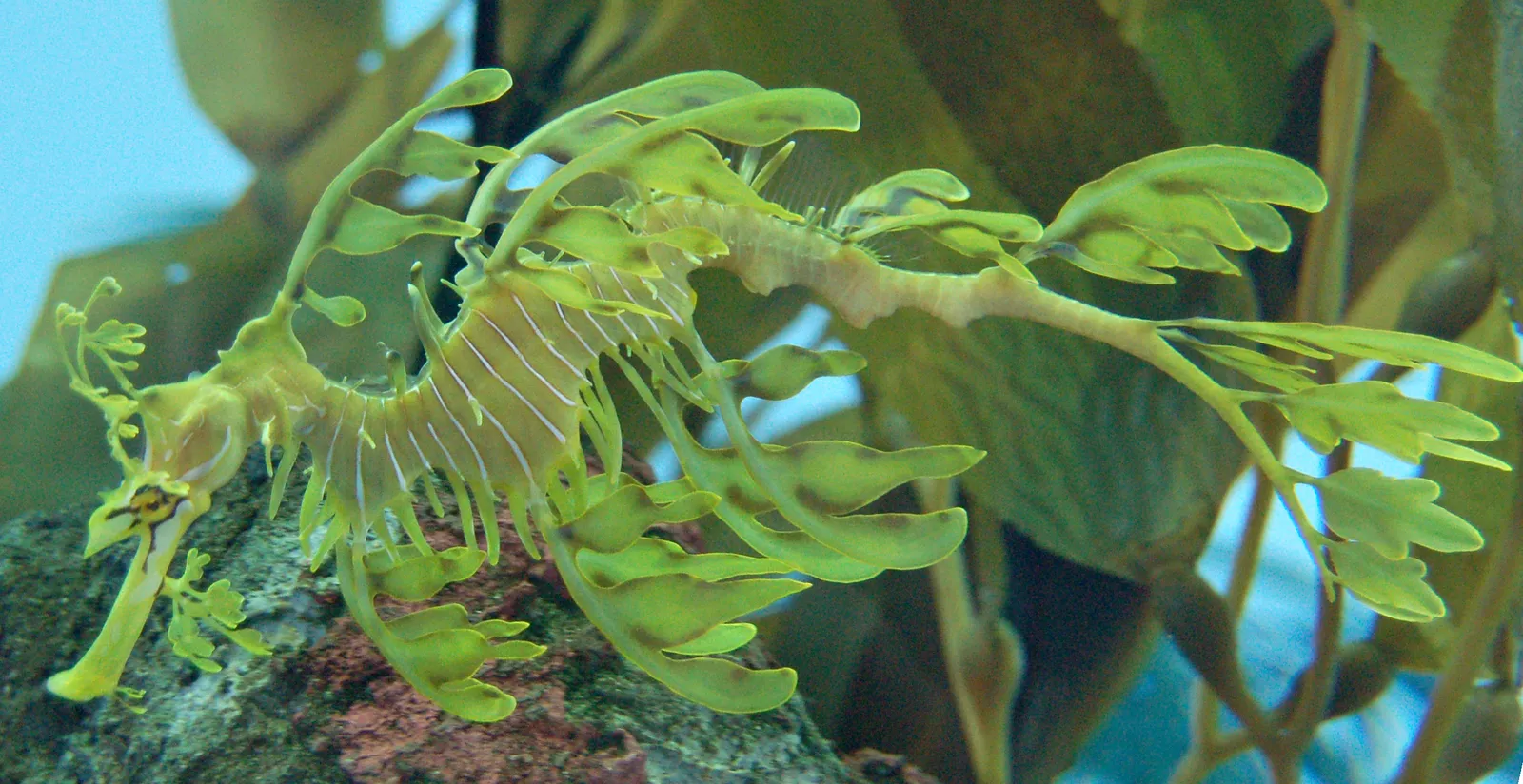
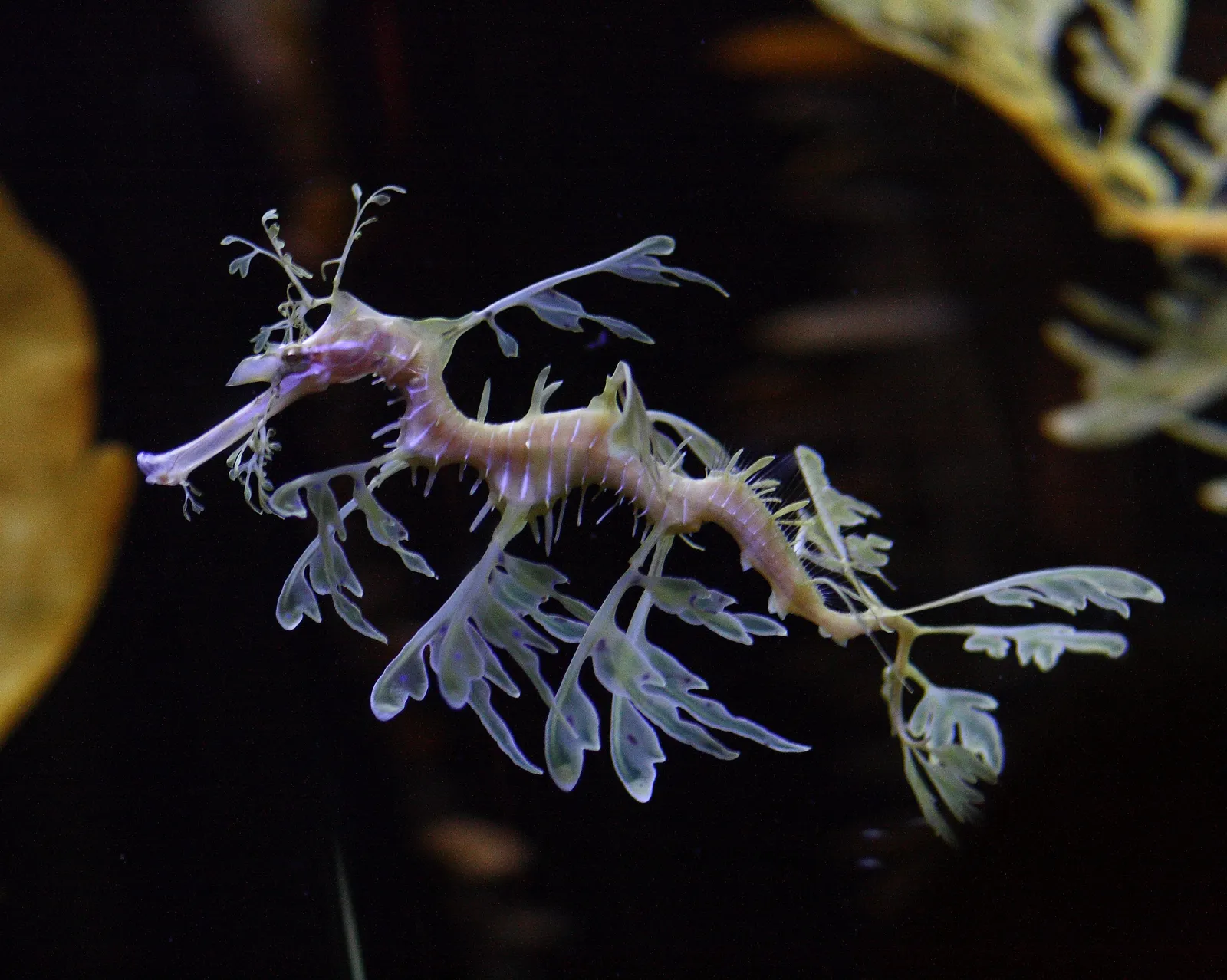
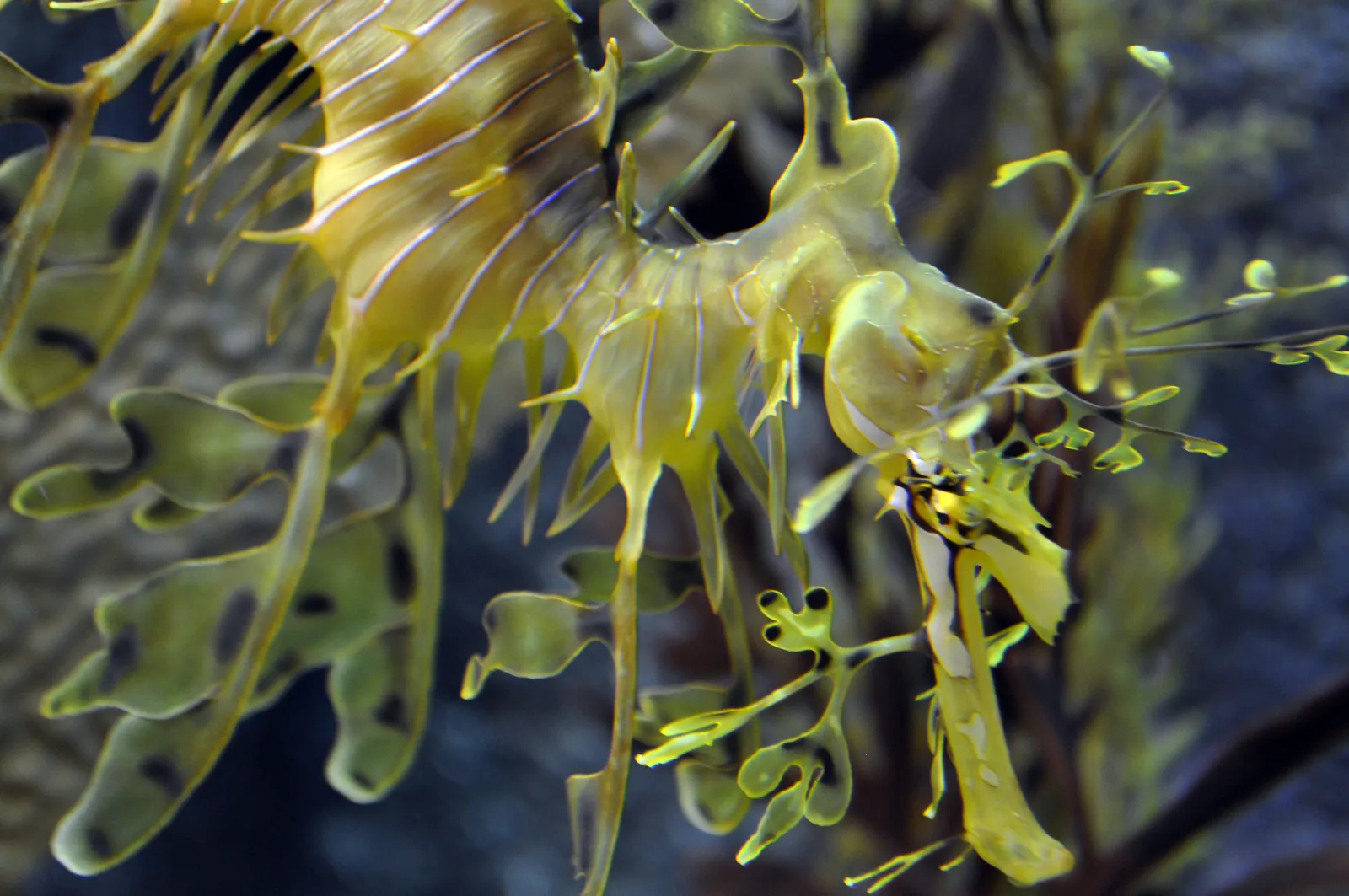
Sea dragons are unparalleled in their ability to blend seamlessly into their surroundings. Their bodies are adorned with leaf-like appendages that mimic the seaweed and kelp among which they dwell. This natural disguise not only protects them from predators but also allows them to ambush unsuspecting prey. The leafy sea dragon, in particular, is so adept at this that spotting one in the wild is a rare and delightful challenge.
Unique Modes of Movement
🔥 Would you like to save this?
We'll email this post to you, so you can come back to it later!
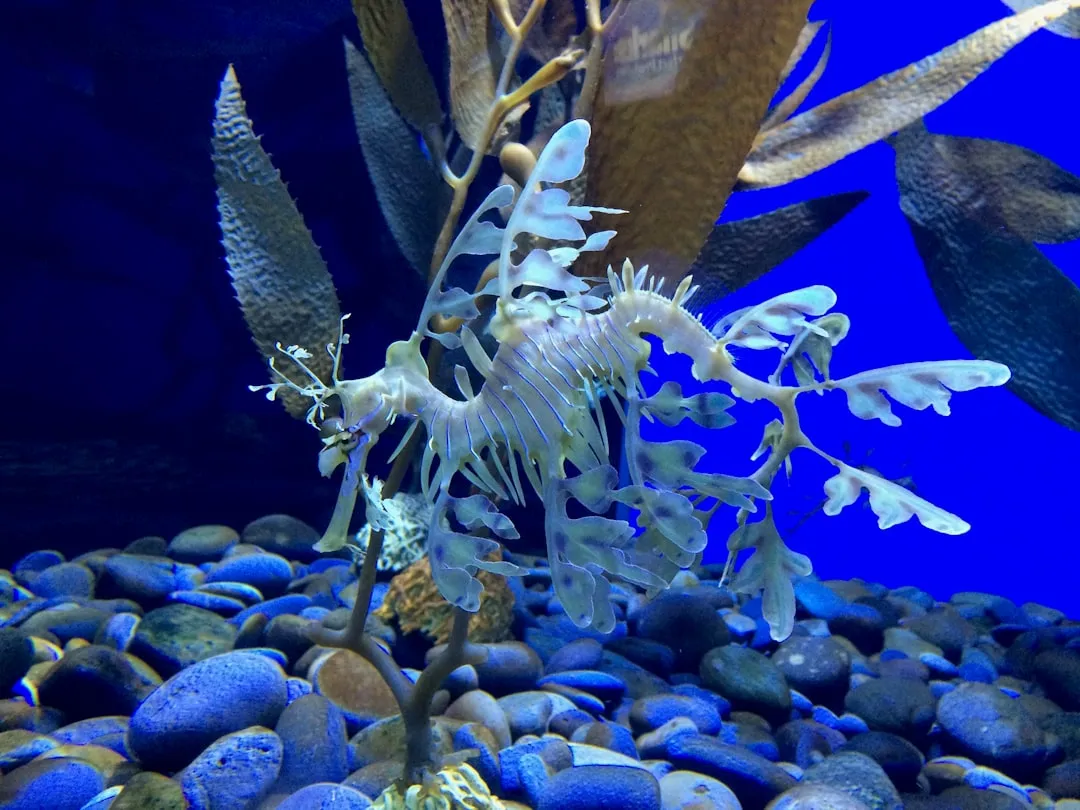
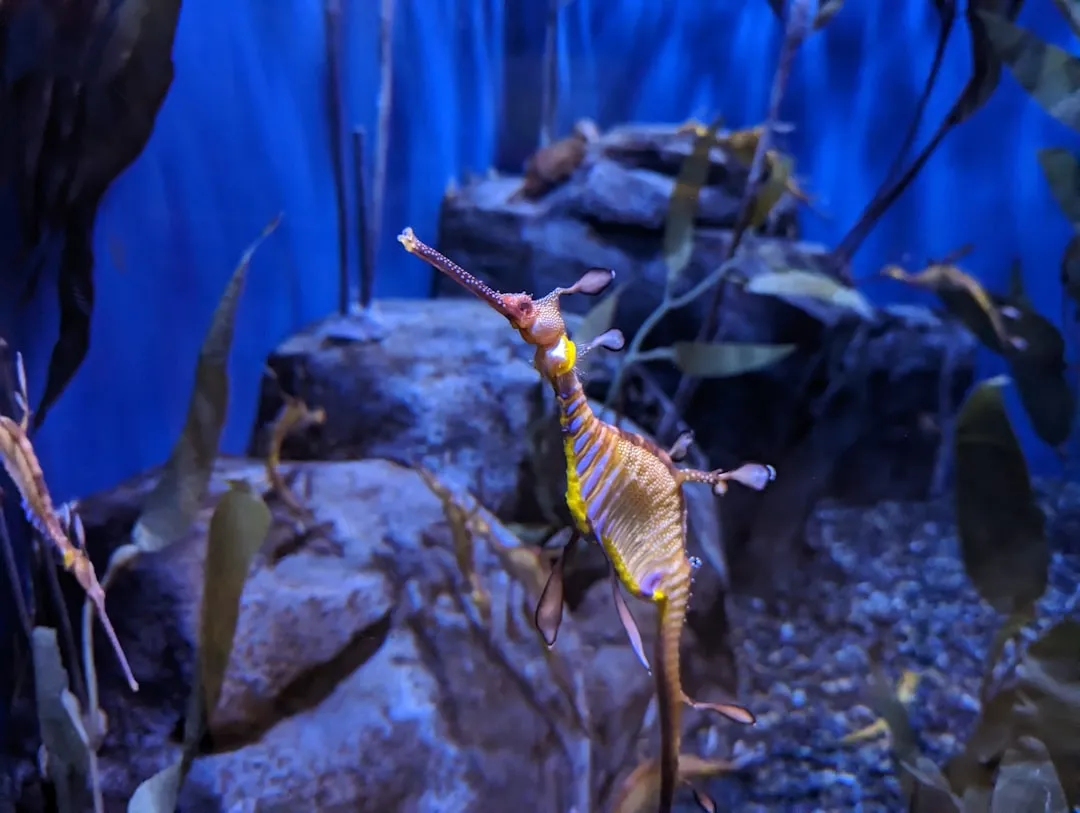
Unlike many marine creatures, sea dragons lack a tail fin. Instead, they rely on small, nearly transparent pectoral and dorsal fins to navigate the waters. These fins undulate rapidly, propelling the sea dragon forward with a gentle, gliding motion. This method of movement, combined with their camouflage, makes them appear as drifting pieces of seaweed, further enhancing their elusive nature.
Male Pregnancy: A Rare Phenomenon
🔥 Would you like to save this?
We'll email this post to you, so you can come back to it later!
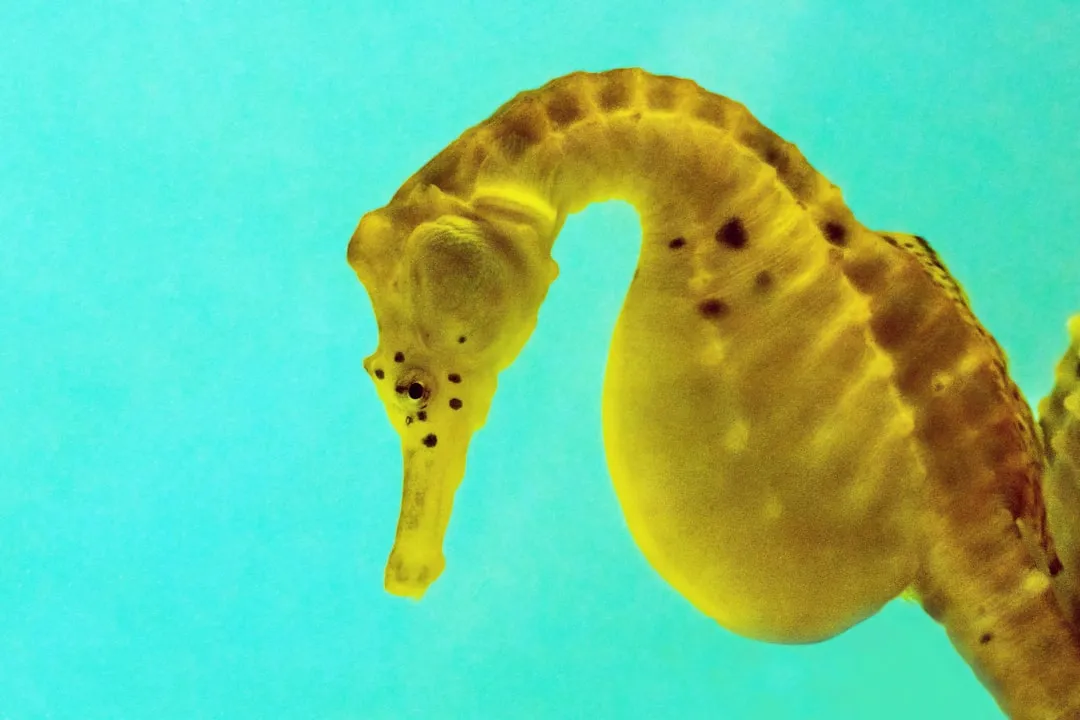
In the world of sea dragons, it’s the males that take on the role of childbearing. During mating, the female deposits her eggs onto a specialized brood patch located on the underside of the male’s tail. This patch provides oxygen and protection to the developing embryos. After about four to six weeks, the male releases the fully formed juvenile sea dragons into the ocean, ready to fend for themselves.
Dietary Habits: Suction Feeders
🔥 Would you like to save this?
We'll email this post to you, so you can come back to it later!
Sea dragons are carnivorous, feeding primarily on small crustaceans like mysid shrimp. Lacking teeth, they employ a method known as suction feeding. By creating a rapid intake of water, they draw their prey directly into their elongated snouts. This efficient feeding strategy allows them to consume thousands of tiny prey items each day, sustaining their energy needs.
Limited Range: Australian Natives
🔥 Would you like to save this?
We'll email this post to you, so you can come back to it later!
These enchanting creatures are endemic to the coastal waters of southern and western Australia. They inhabit temperate reefs, seagrass meadows, and areas rich in seaweed, where their camouflage is most effective. Their limited distribution makes them particularly vulnerable to environmental changes and habitat destruction.
Conservation Status: Near Threatened
🔥 Would you like to save this?
We'll email this post to you, so you can come back to it later!
Due to their specialized habitats and unique biology, sea dragons face several threats. Habitat degradation, pollution, and illegal collection for the aquarium trade have led to a decline in their populations. As a result, they are listed as “Near Threatened” on the IUCN Red List, highlighting the need for conservation efforts to protect these remarkable creatures.
Distinct Species: Leafy and Weedy
🔥 Would you like to save this?
We'll email this post to you, so you can come back to it later!
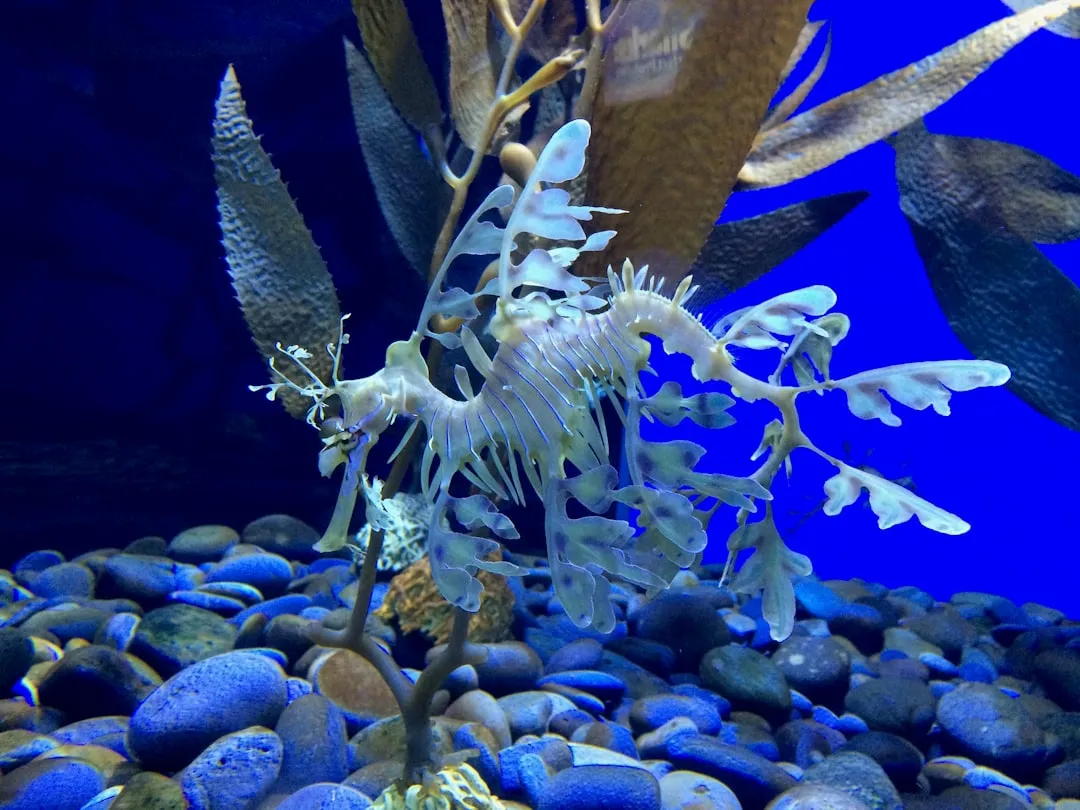
There are two primary species of sea dragons: the leafy sea dragon (Phycodurus eques) and the weedy, or common, sea dragon (Phyllopteryx taeniolatus). The leafy sea dragon is adorned with elaborate leaf-like appendages, while the weedy sea dragon has fewer appendages and a more streamlined appearance. Both species share similar behaviors but can be distinguished by their unique physical characteristics.
Slow Growth and Longevity
🔥 Would you like to save this?
We'll email this post to you, so you can come back to it later!
Sea dragons have a relatively slow growth rate, reaching their full size of about 13.8 inches over several years. In the wild, their lifespan is not well-documented, but in captivity, they have been known to live up to seven years. This slow growth and limited lifespan make their populations particularly susceptible to external pressures.
Non-Prehensile Tails
🔥 Would you like to save this?
We'll email this post to you, so you can come back to it later!
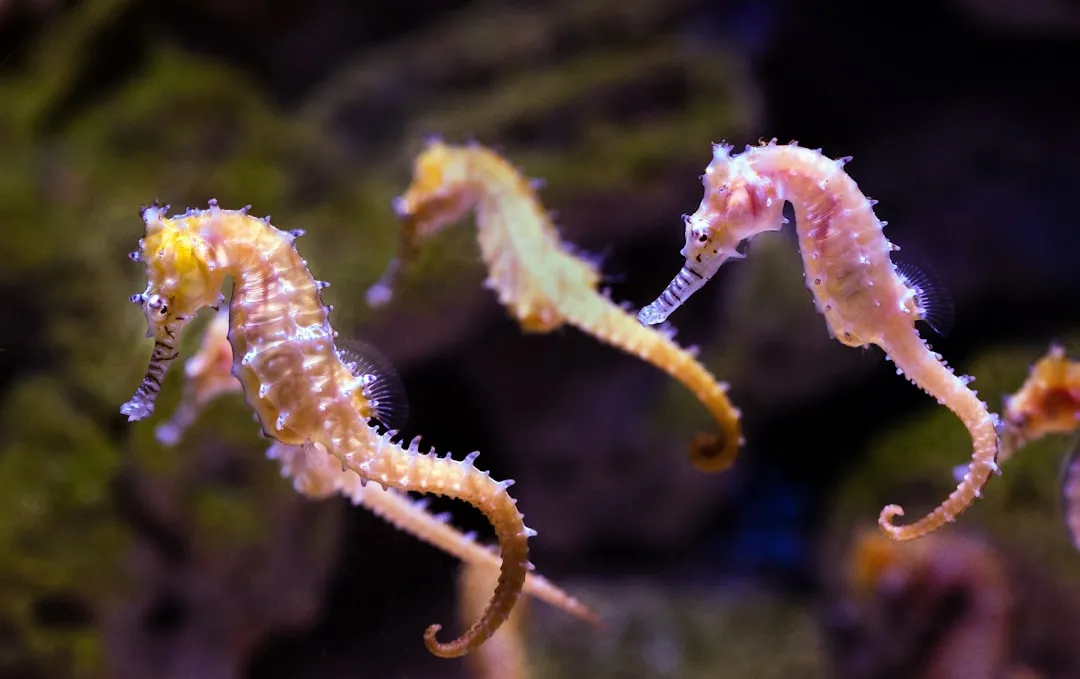
Unlike their seahorse relatives, sea dragons do not possess prehensile tails. This means they cannot grasp onto objects or anchor themselves in place. Instead, they rely on their camouflage and gentle movements to remain undetected, drifting with the currents in their underwater habitats.
Breeding Challenges
🔥 Would you like to save this?
We'll email this post to you, so you can come back to it later!
Breeding sea dragons in captivity has proven to be a significant challenge. Their specific environmental needs, combined with their complex mating behaviors, make successful reproduction rare outside their natural habitats. This difficulty underscores the importance of protecting their natural environments to ensure their survival.
Symbolic Significance
🔥 Would you like to save this?
We'll email this post to you, so you can come back to it later!
The leafy sea dragon holds cultural significance in Australia, serving as the marine emblem of South Australia. This designation reflects the country’s recognition of the sea dragon’s unique beauty and the importance of preserving its natural heritage.
In conclusion, sea dragons are a testament to the wonders of marine evolution, showcasing a blend of beauty, mystery, and ecological significance. Their delicate forms and intricate behaviors remind us of the delicate balance within ocean ecosystems. Protecting these enchanting creatures is not just about preserving a species; it’s about maintaining the rich tapestry of life that thrives beneath the waves. After all, if such fantastical beings can exist in our oceans, what other marvels might we yet discover?

- 7 Everyday Habits That Can Make Your Senior Dog Happier - November 5, 2026
- 10 Enigmatic Structures That Continue to Puzzle Scientists Today - November 5, 2026
- 10 Strange Ruins in the Americas That Challenge What We Know About Early History - November 5, 2026