
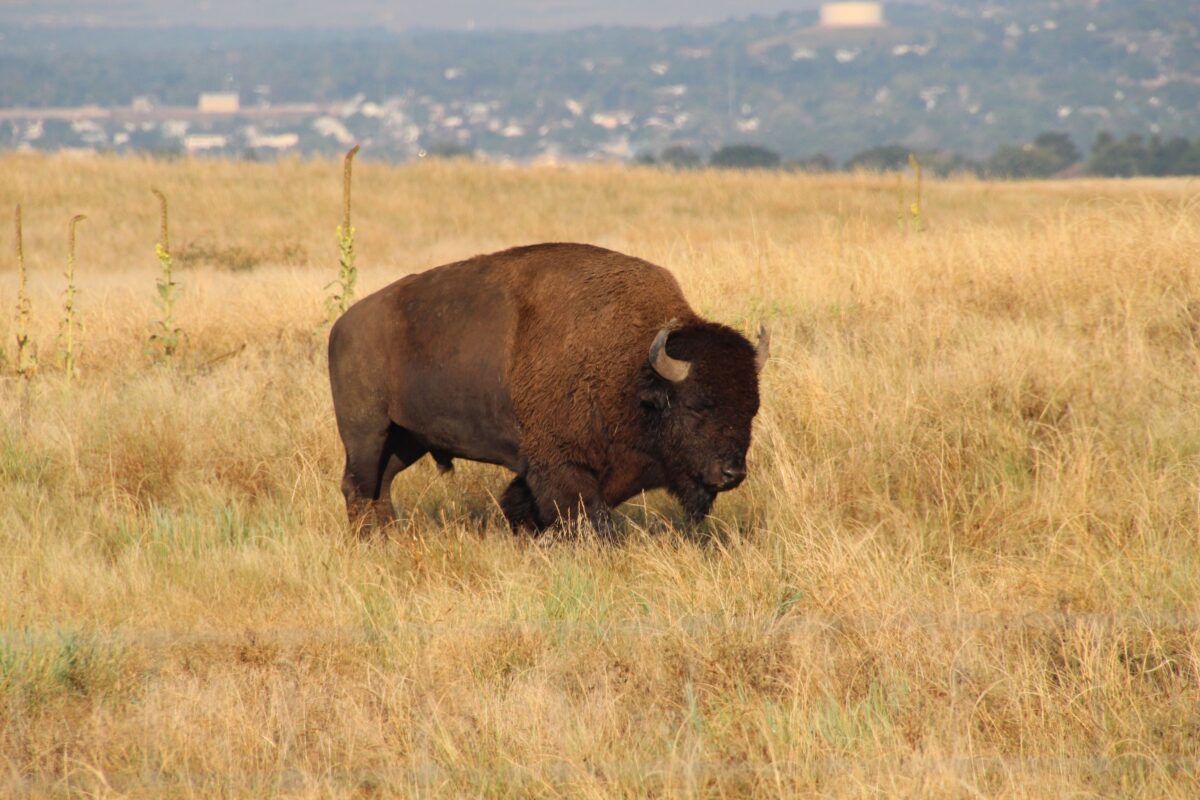
Most people who spot a bison herd from a car window see the same thing: big, shaggy animals standing around, occasionally chewing. It looks like nothing much is happening. Yet underneath that slow, unbothered exterior, bison are running one of the most sophisticated maintenance operations in North American ecology, and grasslands that lose them start falling apart in ways that take decades to notice and even longer to fix.
Grazing Patterns That Keep The Grass Renewing Itself
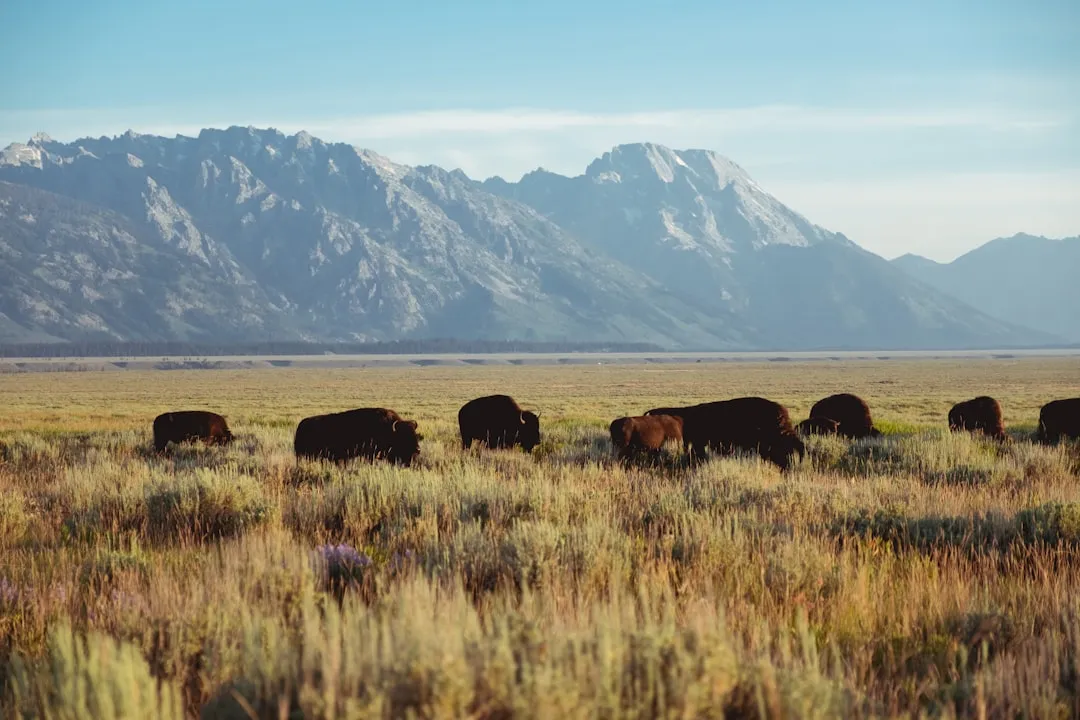
Bison do not eat evenly across a landscape. They move in loose, shifting patterns, hammering some patches hard and leaving others alone for months, which sounds messy but turns out to be exactly what grasses need to stay vigorous. Grasslands grazed by bison can promote greater biodiversity in both plant and animal communities. That uneven pressure keeps any single grass species from taking over and crowding out everything else.
There is also a subtler effect happening below the surface. As bison graze, their vigorous munching spurs the growth of new, nutritious plant shoots, sending roots deeper into the soil, which promotes carbon sequestration. Deeper roots mean better drought resistance, and that single trait has become increasingly important as prairie regions face longer dry spells. It is not an exaggeration to say a grazing bison is quietly building the plant’s root system every time it takes a bite.
Wallowing: The Muddy Ritual That Builds Habitat
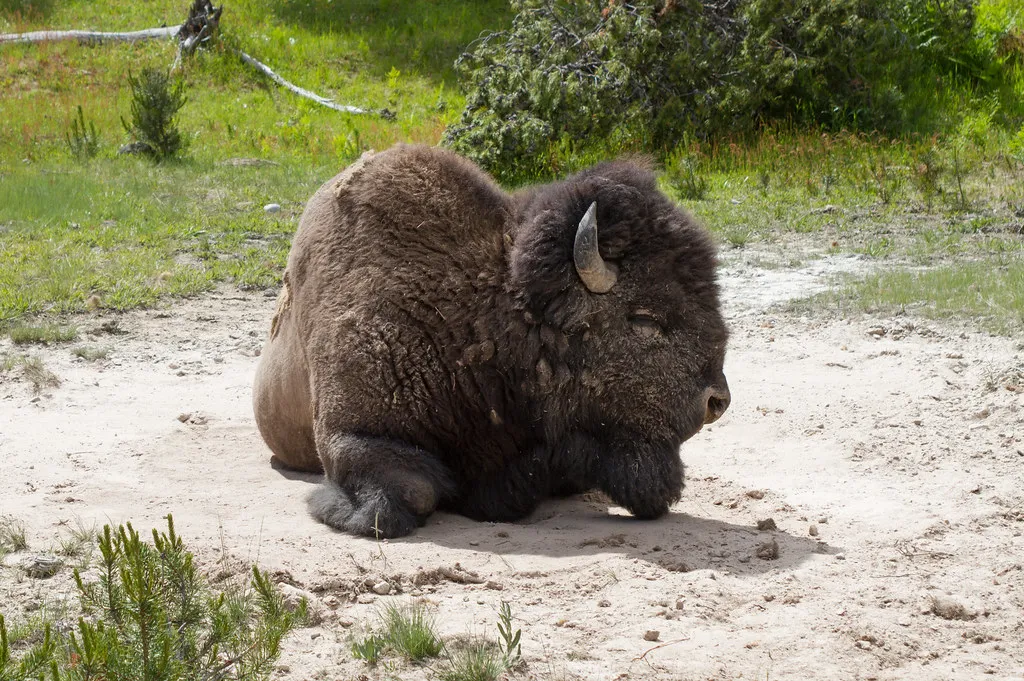
Bison wallowing looks almost comical, a two thousand pound animal flopping onto its side and grinding around in the dirt. This unique behavior, where bison roll, often in the same spot multiple times, in soil, enables bison to achieve various goals, such as shedding excess hair, regulating body temperature, scratching, and repelling bothersome insects. What starts as personal hygiene ends up reshaping the land around it.
The depressions left behind, known as wallows, become tiny ecosystems of their own. Their wallows, shallow depressions created by rolling in the dirt, provide critical water sources and habitat for many insects, amphibians, and even small mammals. Remarkably, these features can outlast the herds that made them. These favored wallow pits are still present and visible in prairies that haven’t seen bison in over a century and are still used by other animal species. A single afternoon of rolling in the dirt, in other words, can leave a mark that outlives generations of the animal that made it.
Hooves That Till, Plant, And Reshape The Soil
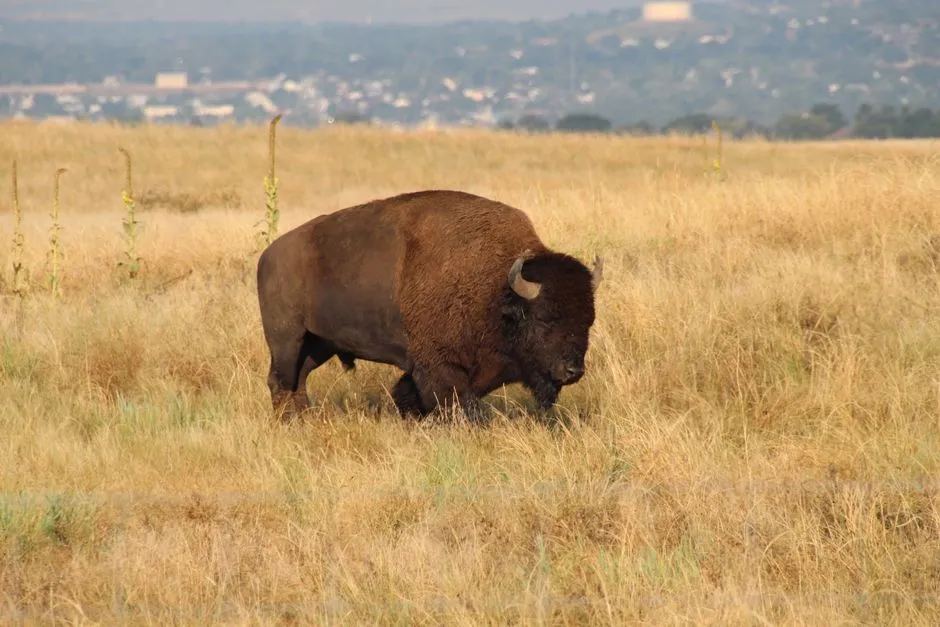
A bison’s hoof is not just a walking tool, it is closer to a piece of farm equipment. Every step breaks up compacted soil, mixes organic matter, and creates small pockets where moisture can collect. By grazing and wallowing, bison break the soil’s surface to allow rainfall to be absorbed. On a landscape that can go weeks without rain, that absorption matters enormously.
Hoof action also does something that looks accidental but is not: it plants seeds. Their hooves and wallows disturb the soil, which help seeds take root by pressing them into the soil. A grass seed sitting exposed on the surface is an easy meal for a bird or an insect, but one pressed a few millimeters into loosened earth by a passing hoof has a real shot at germinating. It is a small, repetitive act, performed thousands of times a day across a herd, that adds up to a landscape-scale planting service no human crew could replicate.
Dung And Urine: Nature’s Fertilizer Delivery System
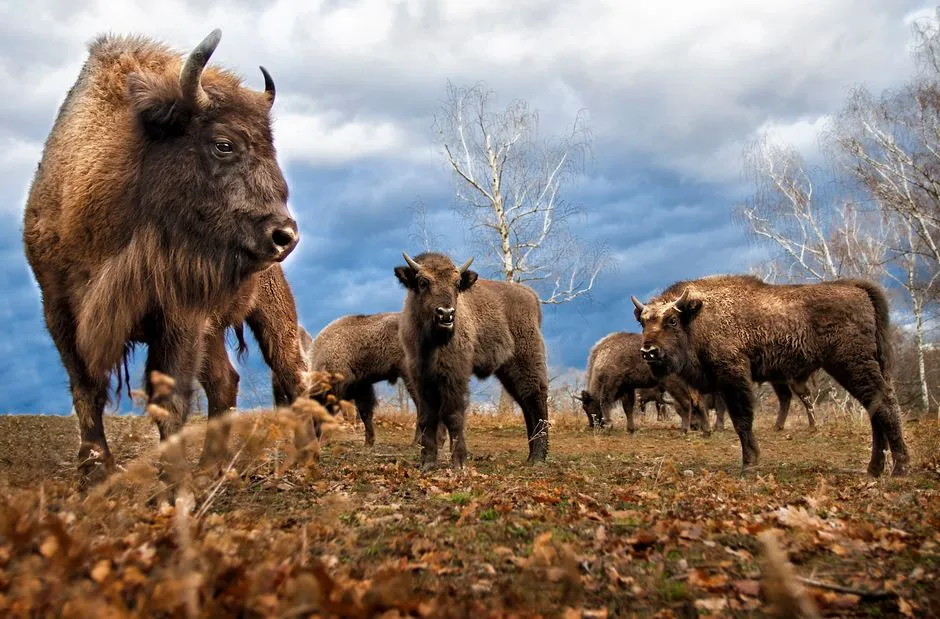
A bison does not just eat grass, it recycles it. Moving across the prairie, bison supply nutrients to the soil through their dung and urine, which are rich in nitrogen, a vital component for plant growth, and disperse seeds that continue to populate the ecosystem. That nitrogen boost shows up in measurable ways.
Research has found that areas with bison dung deposits exhibit thirty to forty percent higher soil microbial activity and enhanced soil carbon storage compared to unfertilized prairie, roughly a third to two-fifths more life happening underground than in untouched patches. None of this would matter without decomposers finishing the job. Dung beetles and other decomposers rely on bison waste, breaking it down and incorporating it into the soil profile. Bison, in effect, run their own fertilizer plant, staffed by insects, and the whole operation runs on nothing but grass and gravity.
Seed Couriers: Fur And Digestion At Work
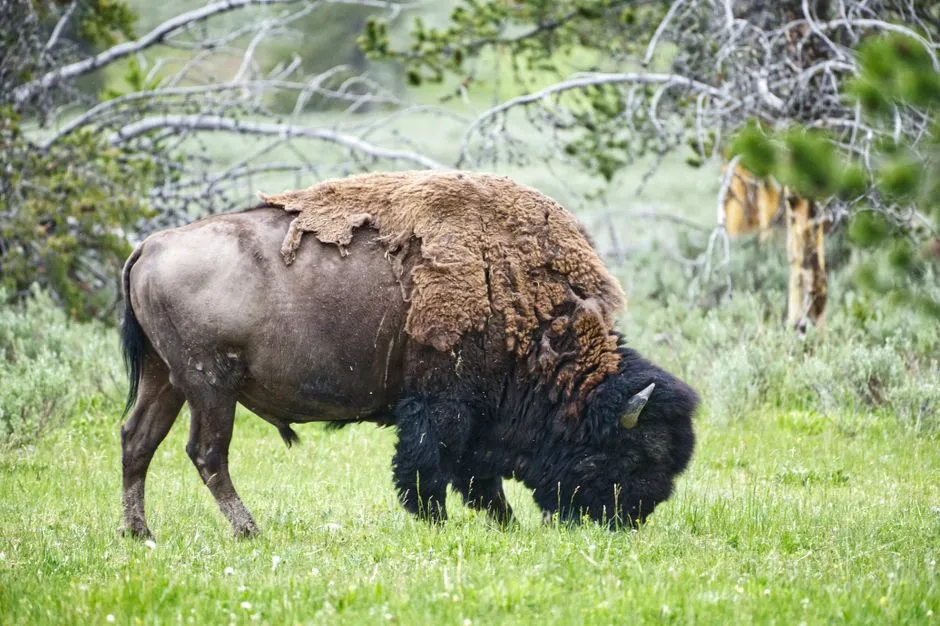
Bison fur is thick, curly, and apparently excellent at catching hitchhikers. Seeds get caught in their fur and are distributed throughout the prairies where they roam. Some plants have even taken advantage of this over evolutionary time. Some prairie plants even evolved specialized seed structures that adhere more effectively to bison fur.
The results of this fur-based delivery system show up faster than you might expect. In areas where bison have been reintroduced, plant communities often show increased diversity within three to five years, partly due to this seed dispersal function. Digestion adds a second delivery route entirely. The dung also contains partially digested plant seeds, helping disperse vegetation across the prairie. Between fur and digestion, a single bison can seed a stretch of prairie miles from where it originally picked up the plant.
Partners In Fire: How Bison And Burns Build A Patchwork Prairie
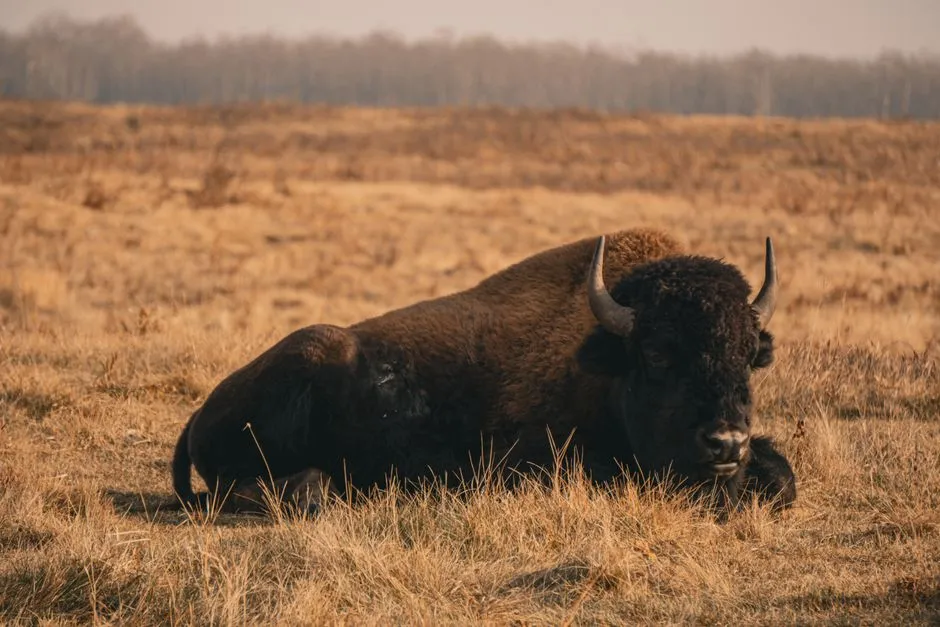
Fire and bison did not evolve separately on the American prairie, they evolved together, and the relationship is closer than most people realize. One of the most remarkable aspects of bison behavior is their attraction to recently burned areas of prairie, and unlike cattle, which tend to avoid freshly burned patches, bison actively seek them out. Research at a well studied Kansas prairie site found that bison spend up to thirty one percent more time grazing in burned areas compared to unburned sections, nearly a third more time drawn to the char than to untouched ground.
This preference creates a shifting patchwork rather than one uniform field of grass. Their selective and patchy grazing habits result in a mosaic of vegetation heights and densities, some areas are grazed short while others remain tall and dense, and this structural diversity is critical for wildlife that depend on different vegetation characteristics. Different birds need different heights of grass, and this mosaic delivers both. Some grassland birds like Henslow’s sparrows require tall, dense grass for nesting, while others such as upland sandpipers prefer shorter vegetation for foraging. Without the fire and grazing dance, that variety simply would not exist.
From Carcass To Community: Feeding Predators, Scavengers, And Soil
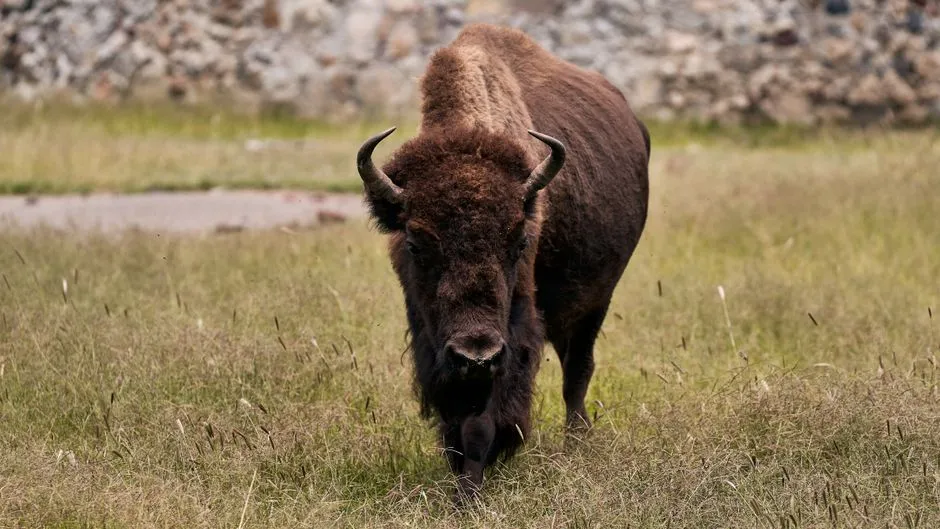
Even in death, a bison keeps the ecosystem running. Historically, predators tracked herds closely rather than picking targets at random. Gray wolves, grizzly bears, and mountain lions followed bison herds, preying primarily on vulnerable calves, older individuals, or injured animals, and this predation helped maintain healthy bison populations by removing genetically weaker individuals. That kind of selective pressure kept herds fitter over generations, which is easy to overlook when thinking about predators purely as a threat.
What predators leave behind matters just as much as the hunt itself. After successful hunts, these apex predators would leave behind carcasses that supported a diverse community of scavengers. The National Park Service has documented the same pattern in modern Yellowstone herds, noting that bison provide food for many predators, scavengers, and decomposers, and their carcasses deposit nutrients into the soil that create fertile patches for plant growth. A dead bison, oddly enough, becomes one of the richest patches of soil on the entire prairie, feeding a chain of life that stretches from wolves down to fungi.
I will be honest about where I land on all this: bison are not just another grazing animal that happens to live on grasslands, they are closer to the operating system the grassland runs on. Cattle can eat grass too, but they do not wallow the same way, they avoid burned patches instead of seeking them out, and they lack the sheer scale of movement that spreads seeds and nutrients across such wide distances. Restoring bison to more of their historic range is not sentimental conservation, it is closer to reinstalling a piece of infrastructure that the prairie spent thousands of years building itself around, and the sooner more of these landscapes get that piece back, the better their odds of surviving what comes next.

- Could Rising Ocean Temperatures Create Super Hurricanes? - July 13, 2026
- These Majestic Birds Are Soaring to Unprecedented Heights Across the US - July 13, 2026
- 12 Amazing Things Only Dog Owners Truly Understand - July 13, 2026