


Australia is a land of mystique and wonder, filled with creatures that have intrigued scientists for centuries. Among its inhabitants are ancient species that seem to challenge the norms of evolution, appearing to remain unchanged despite the relentless march of time. These species provide a window into the distant past and offer insights into the resilience and adaptability of life on Earth. Today, we journey through the wild landscapes of this extraordinary continent to discover the fascinating stories of these evolutionary enigmas.
Tales from the Land Down Under

Australia’s isolation from the rest of the world has resulted in a unique environment where time appears to stand still. Many species here are living fossils, having persisted for millions of years while maintaining their primitive characteristics. This makes Australia an invaluable natural laboratory for evolutionary studies.
1. The Mysterious Platypus
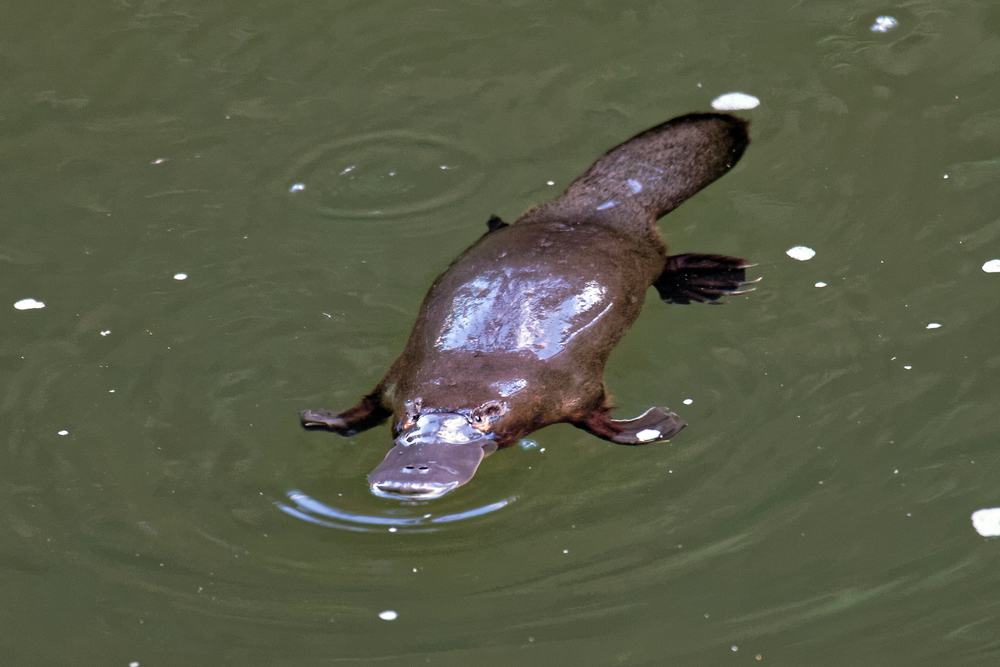
The platypus is among Australia’s most peculiar creatures, and you’ll be hard-pressed to find anything quite like it elsewhere. This egg-laying mammal boasts the bill of a duck, the tail of a beaver, and webbed feet, making it an anomaly in the animal kingdom. Despite its odd appearance, the platypus has remained relatively unchanged for millions of years, providing researchers with rich insights into mammalian evolution.
2. The Ancient Echidna
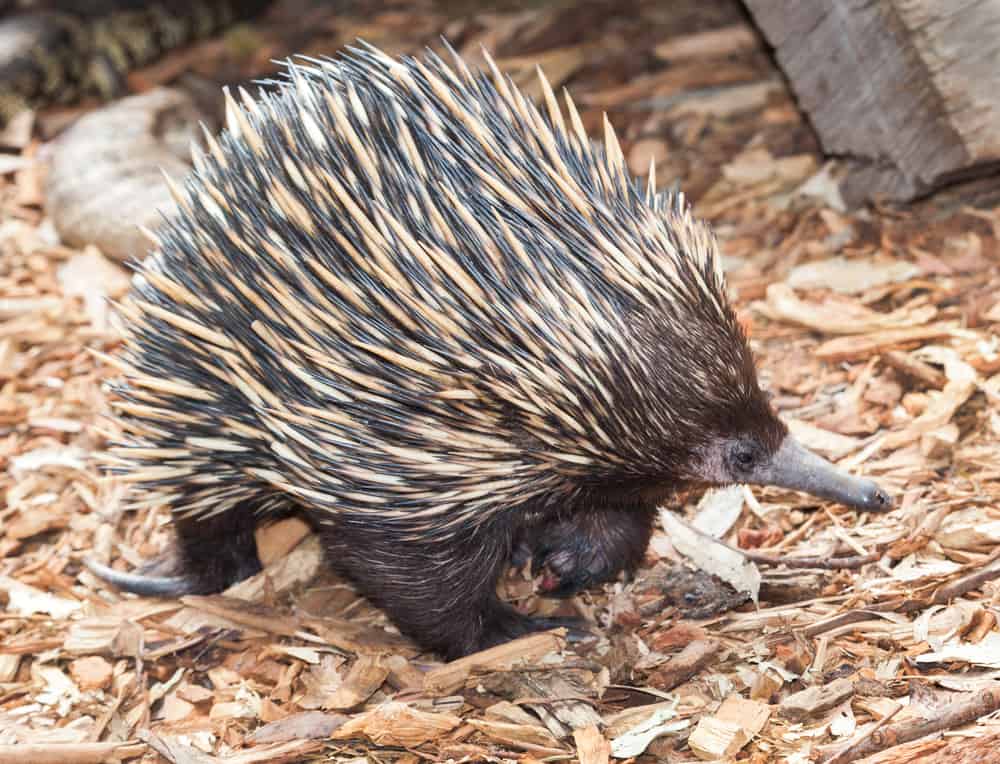
Often mentioned in the same breath as the platypus, the echidna also harks back to a bygone era. These spiny mammals are part of the monotreme family, meaning they lay eggs instead of giving birth to live young. Their primitive reproductive methods are a testament to their ancient origins, aligning them closely with early mammalian ancestors.
3. Living Fossils: The Lungfish

Lungfish have earned their title as living fossils due to their negligible evolutionary changes over millions of years. Possessing a unique respiratory system, they are able to breathe air using lungs as well as absorb oxygen through their gills, making them perfect examples of evolutionary ingenuity. Researchers study these fish to understand the transition from water to land-dwelling creatures.
4. The Resilient Wollemi Pine

While not a creature, the Wollemi Pine is worth mentioning for its ability to defy evolutionary expectations. Thought to have been extinct for millions of years, this tree species was rediscovered in 1994. Its discovery offered a rare glimpse into ancient flora and how some species can remain unaffected by evolutionary pressures over long periods.
5. Crocodiles: Time Travelers
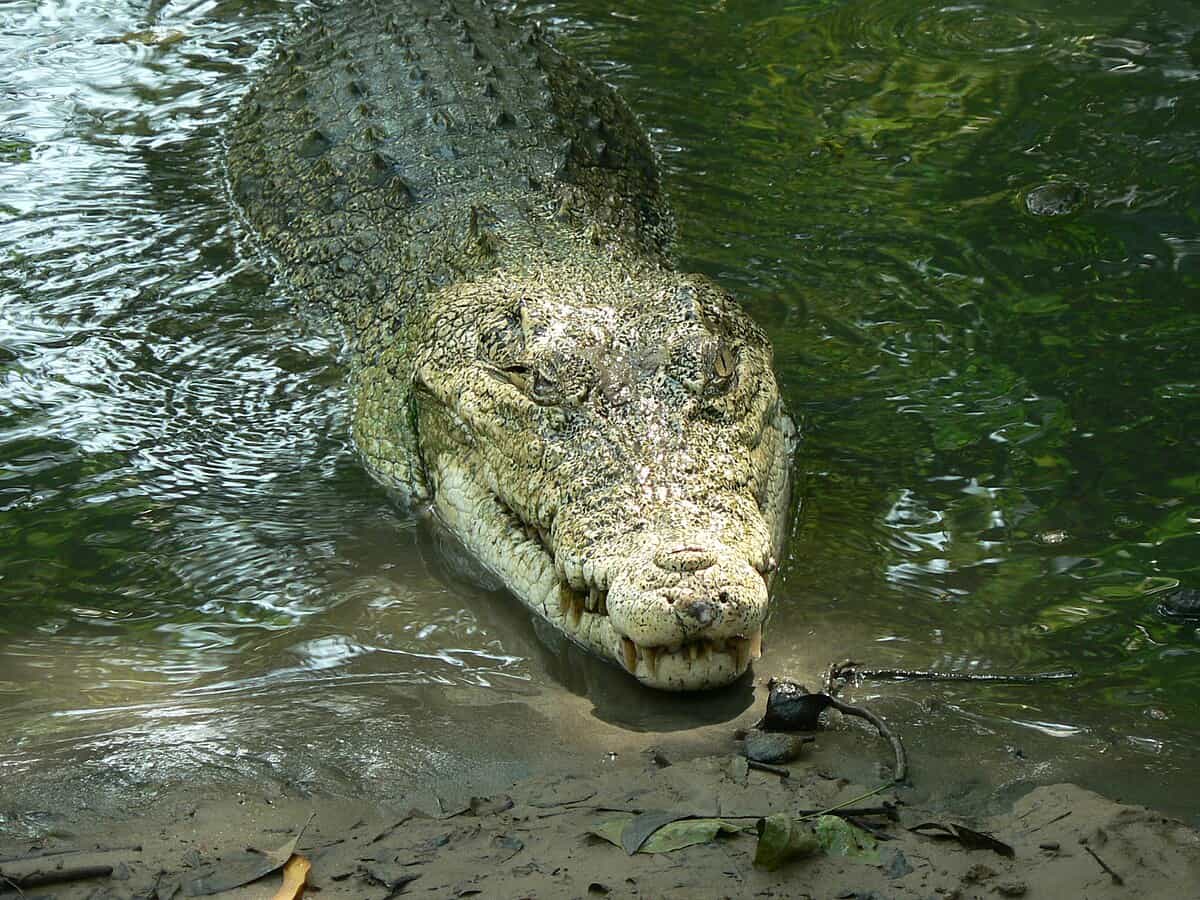
Crocodiles have roamed the Earth since the time of dinosaurs, making them another living testament to evolutionary endurance. Their rigid body structure and innate hunting skills have allowed them to adapt and survive for over 200 million years, thriving even as countless other species have come and gone.
6. The Secrets of the Goblin Shark
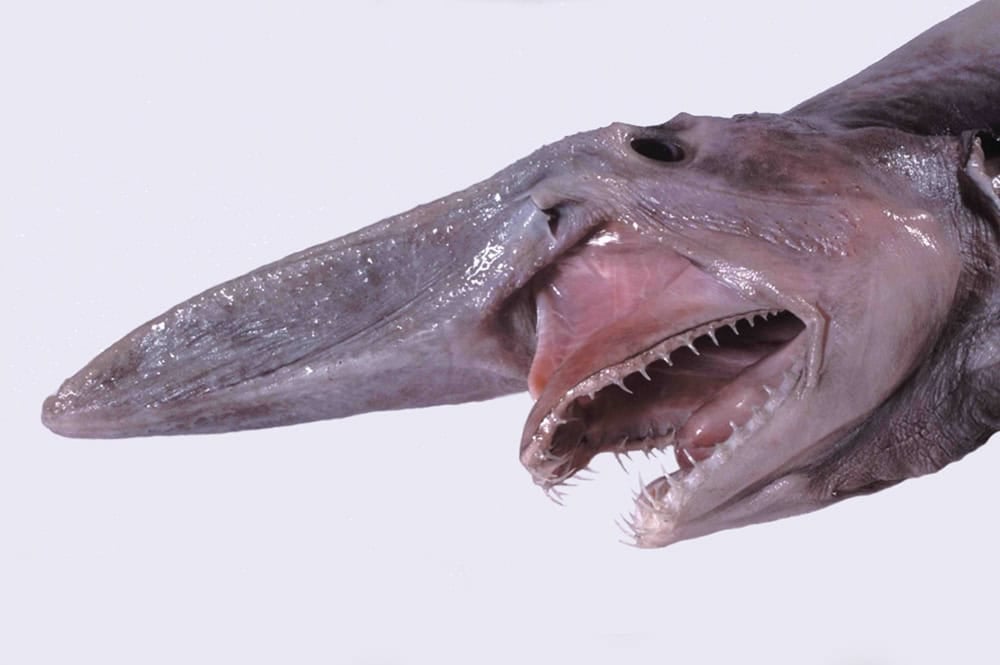
The goblin shark is a rare and elusive creature from the depths of the ocean. With its distinctive elongated snout and peculiar jaw that can extend forward to snatch prey, this shark is an ancient species that has changed little since it first appeared millions of years ago. Its adaptations highlight the diversity in marine evolutionary paths.
7. The Remarkable Velvet Worms

These soft-bodied creatures may look like simple worms, but velvet worms have a lineage that dates back to the Cambrian period. Known for their unique hunting technique—spraying a sticky slime to ensnare their prey—velvet worms have altered little over time, providing insights into the evolution of predatory behaviors.
8. Shrewd Survival: The Cassowary
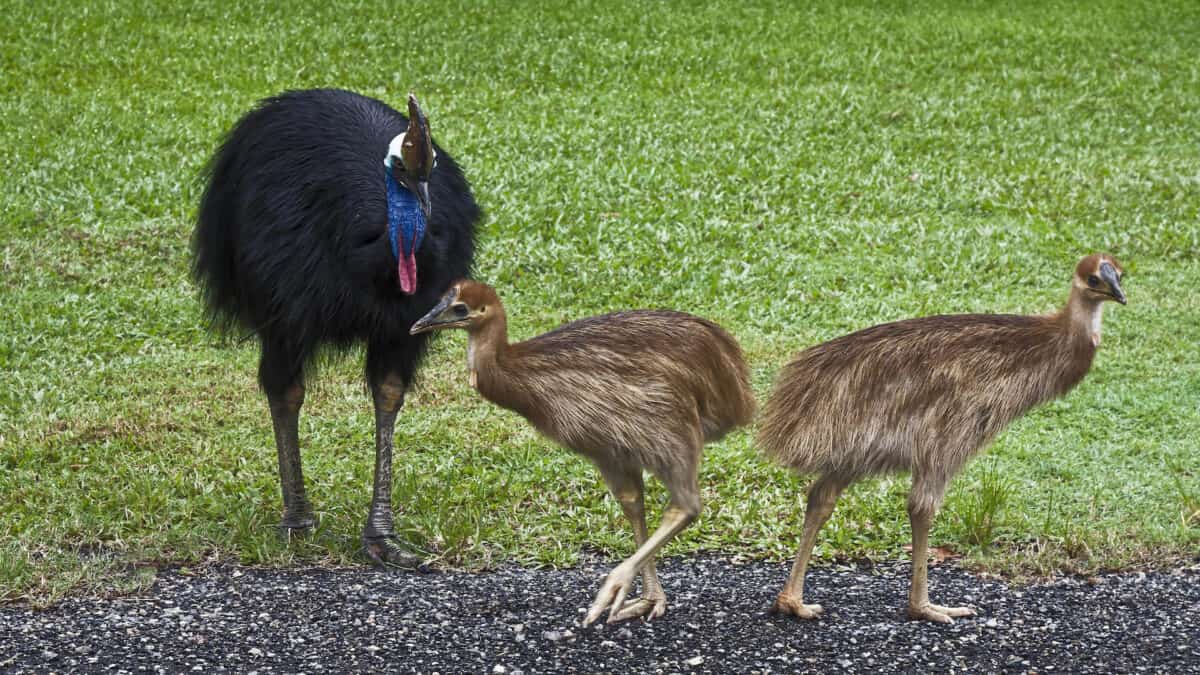
The cassowary, a large flightless bird, is the closest living relative to the ancient dinosaur lineage. With its formidable stature and vibrant casque, this bird resembles the prehistoric creatures of old. Despite environmental changes, cassowaries have maintained much of their original structure, showcasing the adaptability of avian species.
9. The Resilient Quokka

Known for its friendly demeanor and cheerful appearance, the quokka is a small marsupial that has captured the curiosity of many. Although they have not changed drastically over time, their ability to adapt to fluctuating environmental conditions highlights an evolutionary resilience common among Australia’s native species.
10. The Unchanging Nautilus
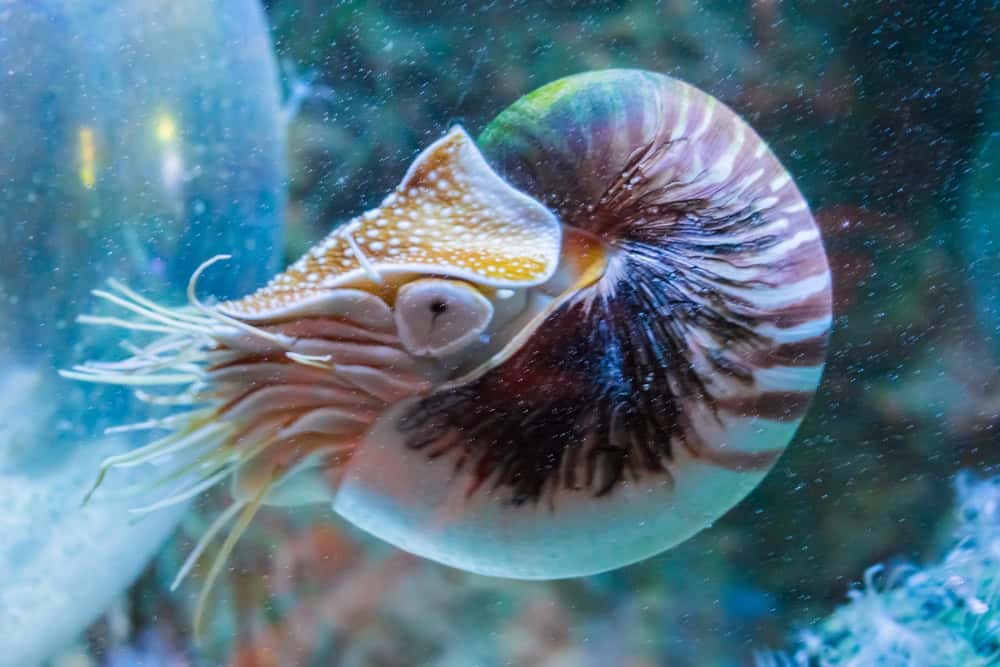
Nautiluses are cephalopods, part of a lineage dating back 500 million years. Their iconic shell and floating abilities have remained unchanged, offering a blueprint for ancient marine life. These creatures exemplify how some species manage to perfect their design so completely that substantial evolution becomes unnecessary.
Conclusion: Time Capsules of Evolution

Exploring Australia’s unique fauna and flora reveals an incredible world where evolution’s rules appear to bend. These ancient creatures and plants not only enhance our understanding of the forces that shape life on Earth but also highlight the intricate and diverse pathways evolution can take. As we continue to study these living relics, they remind us of the delicate balance required for life to persist and adapt in a constantly changing world.

From exploring the marine wonders in the Azores and witnessing the vast savannas of Kenya, to delving deep into the rich biodiversity of South Africa and traversing iconic landscapes in Australia and the US like Yellowstone, Chris's experiences are vast.
With a penchant for diving alongside sharks, the ocean holds a special place in his heart.
Through his academic insights, he champions wildlife conservation, striving with 'Animals Around The Globe' to cultivate a profound connection between humans and animals, enhancing our mutual appreciation.
Connect with him at Feedback@animalsaroundtheglobe.com.
- The Most Isolated Animal Population in the United States - August 12, 2026
- 14 Toys That Actually Make Cats Smarter - August 12, 2026
- What Crows and Vultures Are Doing for Your Local Ecosystem - August 12, 2026