
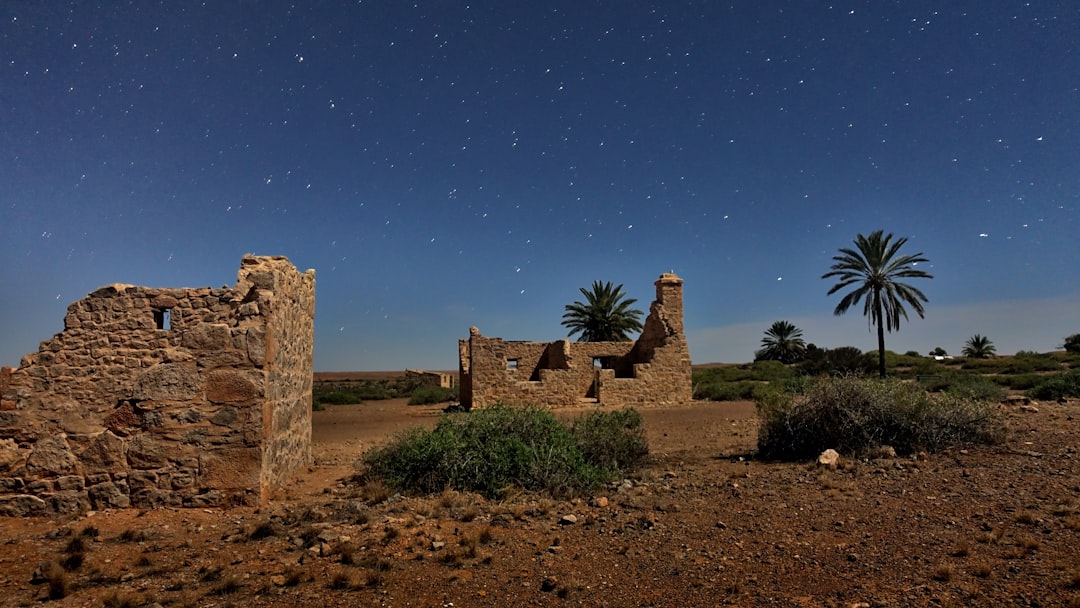
Think about standing in the middle of an ancient city, thousands of years old, where every single building seems to point somewhere specific. You look up at night and realize the entire urban layout is basically a map of the heavens above. Sounds crazy, right? This wasn’t just happening in one place. All around the world, completely separate cultures were designing their cities and monuments to mirror what they saw in the sky.
Why would ancient people go through so much trouble? They didn’t have computers or satellites. They had to drag massive stones across deserts and jungles, perform complex mathematical calculations with primitive tools, and somehow figure out celestial patterns that would remain accurate for centuries. The precision is honestly unsettling when you think about it. These weren’t random choices or lucky accidents.
The Ancient Egyptians and Their Cosmic Pyramids

The stars of Orion were associated with Osiris, the god of rebirth and afterlife by the ancient Egyptians. Depending on how you draw the Orion’s Belt, it is clearly visible that Giza’s Pyramids align with the three stars. Walking around Giza today, you can still see this connection if you know what to look for.
In the 1960s, a group of Egyptologists suggested that these were actually star shafts, built to point toward important stars and constellations. Two researchers, Virginia Trimble and Alexander Badawy, found that one of the shafts seems to aim in the general direction of where the north star would’ve been when the pyramids were constructed. The other shaft, generally, points toward Orion’s Belt. These shafts weren’t just architectural features. They served a deeper purpose, possibly as pathways for the pharaoh’s soul to reach the afterlife. The Great Pyramid of Giza is precisely oriented to the cardinal points, and its shafts align with specific stars, hinting at symbolic and religious meanings.
The Maya and Their Intricate Celestial Calendar
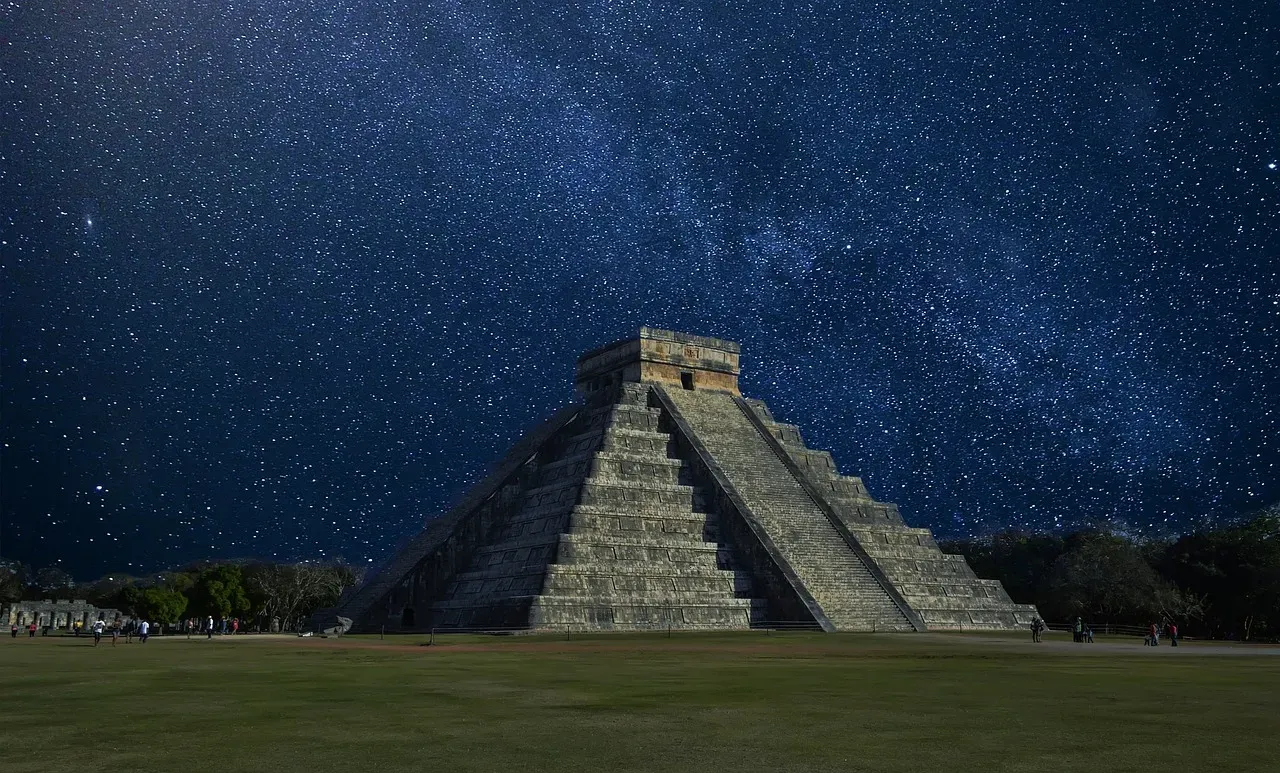
The Maya took astronomical observation to another level entirely. City planning and alignment was often arranged in line with astronomical paths and events. The Maya also believed that the will and actions of gods could be interpreted in the alignment of the planets and stars. Their entire civilization revolved around the movement of celestial bodies.
Tikal, one of the largest Mayan cities, features temples that are aligned with significant celestial events. For example, Temple I aligns with the rising sun during the summer solstice, showcasing the Maya’s sophisticated understanding of solar movements. Even more impressive, El Castillo is famous for its architectural and astronomical significance. During the equinox, the shadows cast on the pyramid create the illusion of a serpent slithering down the steps, symbolizing the return of Kukulcan, the feathered serpent deity. That’s not just building a structure. That’s engineering a theatrical performance using the sun itself.
Maya cities were carefully designed to align with celestial events, and certain architectural complexes functioned as observatories. Among the most intriguing are the so-called Group E formations, found in numerous Maya sites, including Uaxactún. These structures comprise a pyramid on the west side and three smaller temples aligned north to south. During the equinoxes, the sun rises directly over the central temple, aligning with the outer structures on the solstices. This arrangement allowed the Maya to mark the solar year with precision, integrating astronomy into sacred architecture.
Teotihuacan and the Journey to the Stars
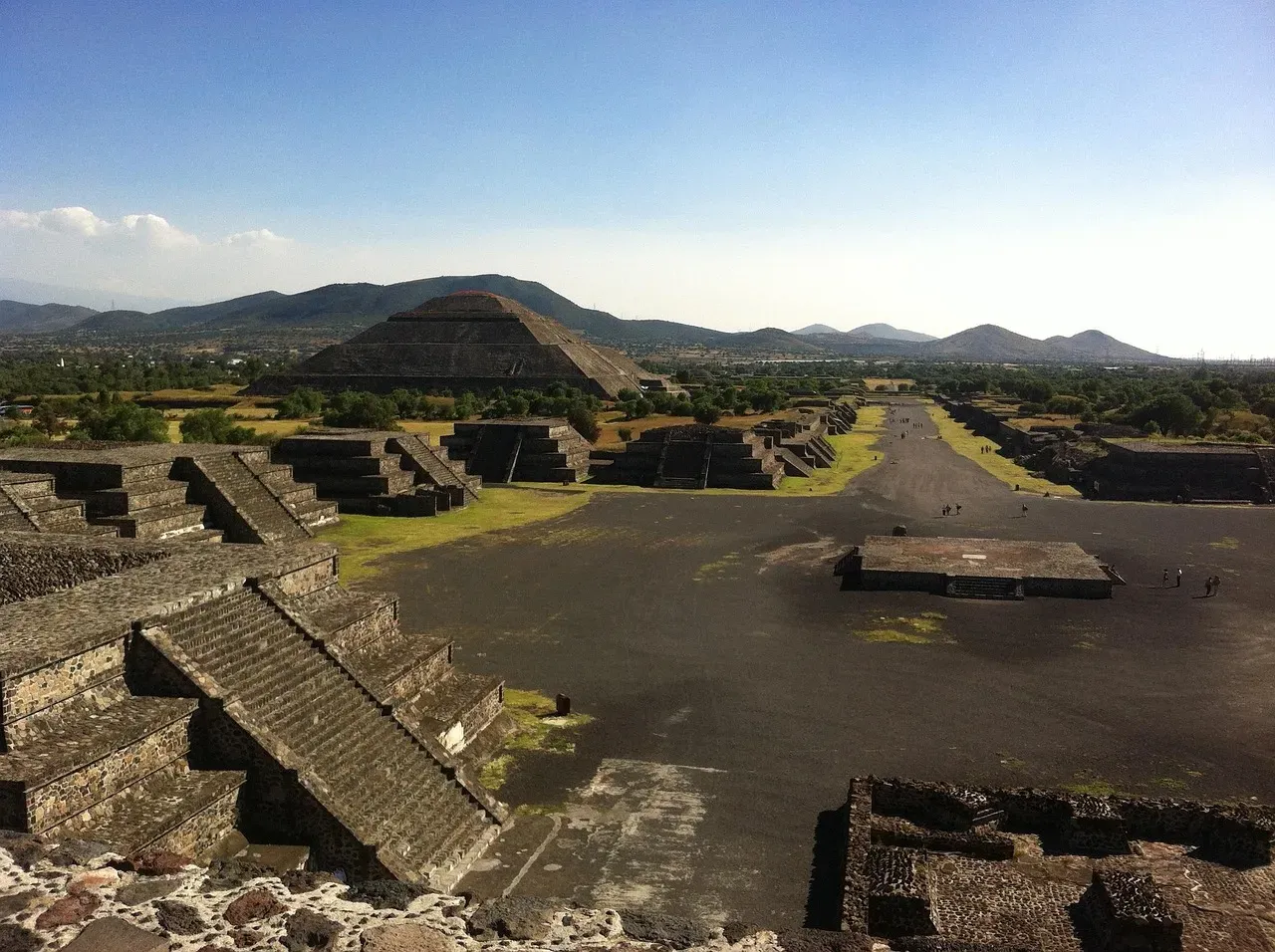
Albeit being located on the other side of the world and built millennia later than the Pyramids of Giza, several of the ancient monuments in Teotihuacan, an ancient city in Mexico, also resemble the same alignment to Orion’s Belt. This massive city in Mexico has puzzled researchers for decades. Nobody even knows who built it.
The layout of this ancient metropolis wasn’t haphazard. Every major structure seems positioned with celestial events in mind. The Avenue of the Dead, the main thoroughfare, runs slightly off from true north, likely to align with specific stellar risings. The Pyramid of the Sun and Pyramid of the Moon dominate the skyline, their placements deliberate and connected to astronomical observations. Some researchers believe the entire city was meant to be a physical representation of the cosmos.
Angkor Wat’s Connection to Draco

Using computer simulations, it has been shown that the ground plan of the Angkor complex – the terrestrial placement of its principal temples – mirrors the stars in the constellation of Draco at the time of the spring equinox in 10,500 BC. That date is thousands of years before the temples were actually constructed, which raises all kinds of questions.
Angkor Wat’s precise orientation and alignment with celestial bodies are evidence of the temple’s astronomical significance. The temple is oriented to the west, a direction associated with the Hindu god Vishnu, to whom the temple was originally dedicated. This alignment has a critical astronomical implication: during the spring and autumn equinoxes, the sun rises directly above the temple’s central tower, casting a symmetrical shadow on the ground below. Constructed during the later part of the 12th century by Jayavarman VII, Ta Prohm is the terrestrial counterpart of the star Eta Draconis, the Draco constellation.
Ancient Chinese Cities and the Mandate of Heaven

Present day Beijing developed on the urban layout of the Ming capital, founded in 1420 over the former city of Dadu, the Yuan dynasty capital. The planning of Ming Beijing aimed at conveying a key political message, namely that the ruling dynasty was in charge of the Mandate of Heaven, so that Beijing was the true cosmic centre of the world. The whole city was basically a political statement written in stone and aligned with the cosmos.
In Beijing, the Imperial City is aligned with the cardinal directions, with the northernmost sections reserved for the emperor, mirroring the ancient view of the celestial sphere, where the innermost stars near the north celestial pole were associated with important bureaus of the empire. Chinese urban planning integrated astronomy with feng shui, the traditional doctrine of landscape and cosmic harmony. Until the invention of the magnetic compass, feng shui relied on astronomy to find correlations between humans and the universe. The emperor’s power wasn’t just political. It was cosmological.
Stonehenge and Britain’s Solar Marker
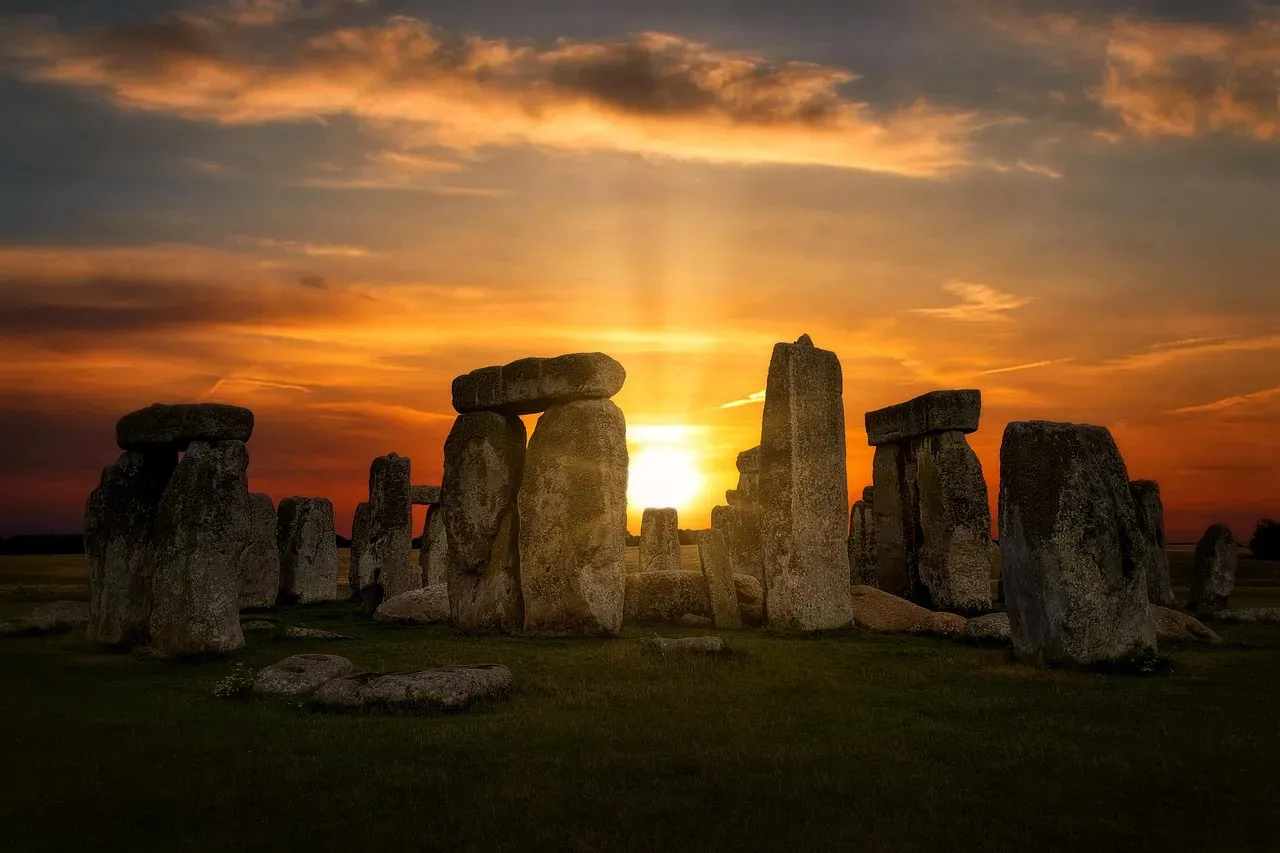
Stonehenge might be one of the most famous astronomical monuments on Earth. The earliest recorded evidence of astronomical practices dates back to the Neolithic era, with structures like Stonehenge in England aligning with solstices, hinting at ritualistic and calendrical purposes. Standing among those massive stones during the summer solstice is supposed to be an incredible experience.
The placement of the stones creates sightlines that mark the longest and shortest days of the year with remarkable accuracy. We’re talking about people who lived more than four thousand years ago figuring out how to track the sun’s movement across the seasons. Astonishingly, we had to wait until the 1960’s before any serious study of celestial alignment was undertaken at Stonehenge (which we now know can be used to predict eclipses), one of the most famous megalithic sites in the world. Because of this lack of interest in connecting the dots, so to speak, important clues that resided in temple alignments with solstices, equinoxes, and other celestial phenomena were completely missed and went undiscovered for centuries.
The Mesopotamians and Zodiac Origins
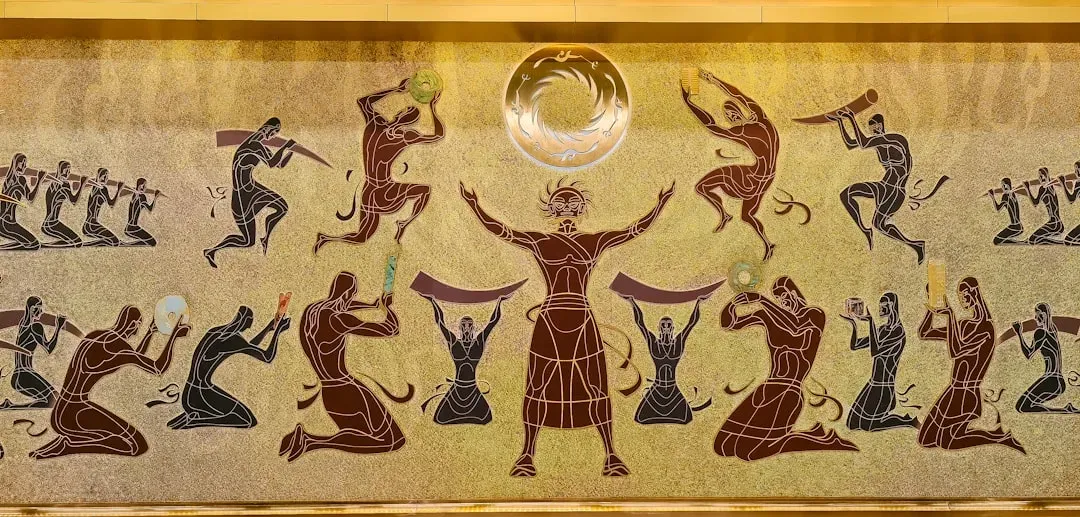
Regarded as the birthplace of astronomy, ancient Mesopotamia – the area around the Tigris and Euphrates rivers in modern-day Iraq and parts of Iran, Syria, and Turkey – witnessed the development of remarkably advanced astronomical systems. The Sumerians, Babylonians, and Assyrians established the zodiac system, tracked planetary movements, and recorded eclipses and other celestial events on clay tablets. Think about that for a moment. Clay tablets.
They didn’t have digital cameras or telescopes. They had their eyes and incredible patience. The zodiac we still use today came from these ancient observers who spent night after night watching the sky and recording patterns. Their cities were oriented to reflect these celestial divisions. Many of the cuneiform tablets of Mesopotamia and hieroglyphs of Egypt make reference to the sun, stars, or planetary positions. Also, a number of ancient structures in many parts of the world are aligned with, or directly oriented toward, the cardinal points (East, North, South, and West) or celestial objects.
The Inca and Their Solar Temples
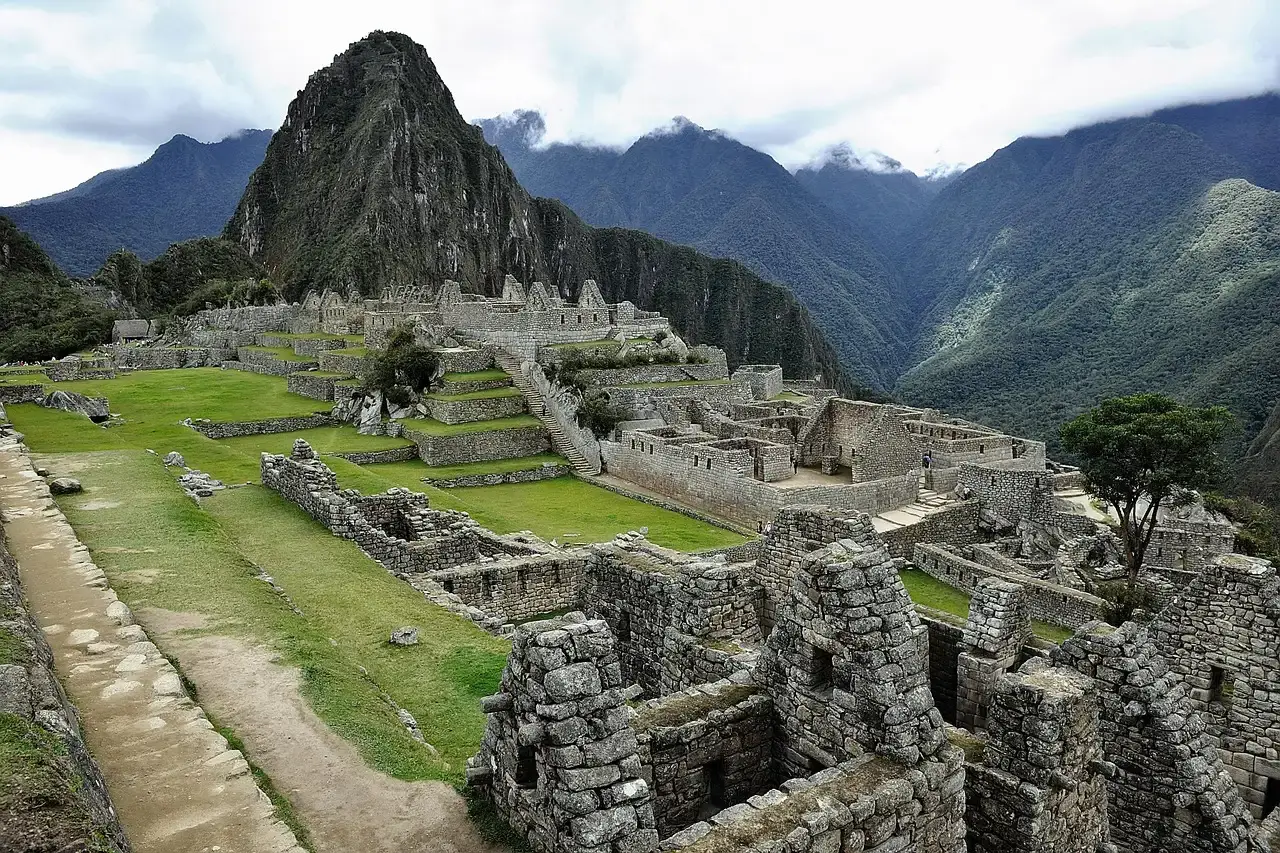
The Incas also aligned their buildings with astronomical events. For example, the Coricancha in Cuzco was aligned with the sun, and it was also aligned with the Southern Cross constellation. The Incas believed that the sun was a god, and they aligned their temples with this star in order to bring themselves closer to the gods. The entire city of Cuzco was laid out as a cosmological diagram.
Other great indigenous cities of the Americas also used the pristine order evident in the sky to establish social order on earth. The ceque system in Cuzco consisted of imaginary lines radiating from the Coricancha temple, connecting various sacred sites. These lines had astronomical significance, marking horizons where celestial bodies rose or set. The Inca didn’t just build temples. They built an entire sacred geography that mirrored the heavens.
Nabta Playa and Africa’s Ancient Star Circle

Long before the pyramids were constructed in Egypt, ancient people there built elaborate structures aligned to the sun and stars. The standing megaliths and ring of stones were erected from 6.700 to 7,000 years ago in the southern Sahara desert. This site predates Stonehenge by roughly a thousand years.
They are the oldest dated astronomical alignment discovered so far and bear a striking resemblance to Stonehenge and other megalithic sites constructed a millennium later in England, Brittany, and Europe. Researchers discovered that the stones align with cardinal directions and the summer solstice as it would have appeared thousands of years ago. The organization of the megaliths suggests a symbolic geometry that integrated death, water, and the sun. These weren’t simple nomads. They were astronomers.
Cahokia and North America’s Cosmic Mounds
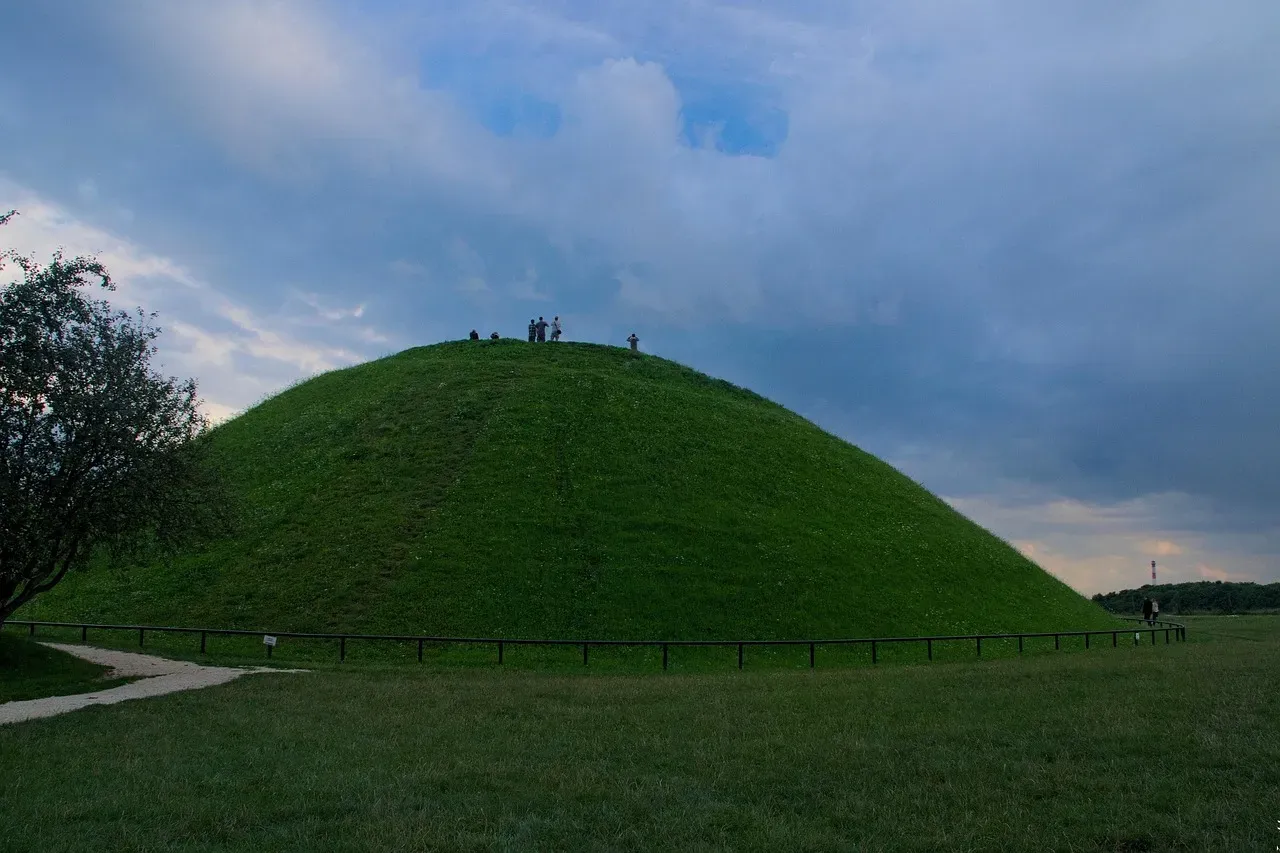
For example, the same general kind of sky symmetry found in Cuzco is apparent at Cahokia, located near where the Mississippi and Missouri Rivers join. Built one thousand years ago, Cahokia was truly a significant economic and political center of great proportions: it controlled the distribution of maize and exotic trade items over a very wide area. Though no chroniclers ever wrote about it and no indigenous writing system survives it, its axis of orientation is cardinal, and mound alignments imply that the sun was a major object of attention.
This North American city has been largely forgotten by popular history, which is a shame. The earthen mounds were carefully positioned to track solar and lunar cycles. Archaeologists have identified a wooden circle nicknamed “Woodhenge” that functioned as a solar calendar, marking equinoxes and solstices. The people of Cahokia understood the sky just as well as their contemporaries in Mexico and South America.
Conclusion
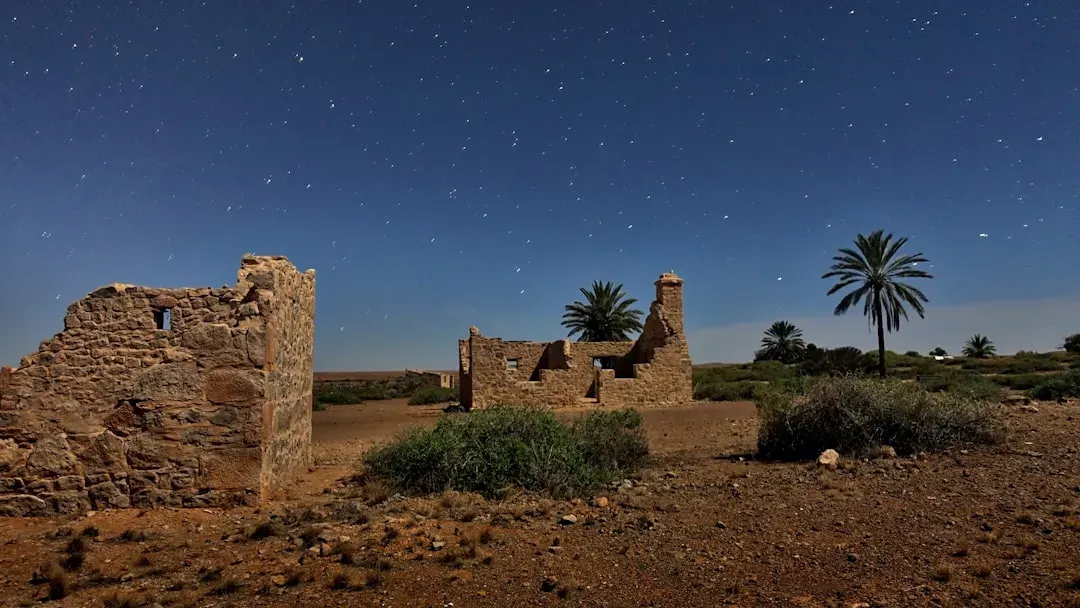
Looking at all these civilizations together, a pattern emerges that’s hard to ignore. From the deserts of Egypt to the jungles of Cambodia, from the plains of North America to the mountains of Peru, ancient people were obsessed with connecting their earthly cities to the cosmos above. They invested enormous resources and centuries of accumulated knowledge into creating these alignments.
What’s really striking is how universal this impulse was. These cultures had no contact with each other, yet they all independently decided that their most important structures needed to reflect the heavens. Maybe it was about religion, power, agriculture, or something else we can’t fully understand from our modern perspective. Whatever the reason, they succeeded in building monuments that still speak to us across thousands of years, asking us to look up and wonder what they saw in those same stars. Did this surprise you as much as it did me?
