


Across the globe, discoveries of ancient creatures preserved in ice have provided modern science with a window into the distant past. These findings are not only captivating but offer invaluable insights into ecosystems that existed tens of thousands of years ago. As technology and climate change affect our planet, more of these time capsules are expected to be found, further enriching our understanding of prehistoric life.
Siberian Woolly Mammoths: Ice Age Giants

🔥 Would you like to save this?
We'll email this post to you, so you can come back to it later!
The woolly mammoth has become the poster child for ice-preserved creatures. Some of the most well-preserved specimens have been found in Siberia, with their hair, skin, and even internal organs largely intact. Scientists have been able to extract DNA, providing a wealth of information on how these giants lived and what contributed to their eventual extinction.
The Ice Maiden: A Human Time Capsule

🔥 Would you like to save this?
We'll email this post to you, so you can come back to it later!
The discovery of the Ice Maiden, a mummy found in the Siberian permafrost, opened a new chapter in archaeology. This ancient woman, preserved for over 2,500 years, has provided invaluable insights into ancient human societies, including their rituals, diet, and clothing, thanks to the remarkable preservation of her body and belongings.
The Permafrost Bison: Grazers of the Pleistocene

🔥 Would you like to save this?
We'll email this post to you, so you can come back to it later!
North America has revealed some stunningly preserved bison from the ice. These Pleistocene herbivores provide a glimpse into the fauna that roamed alongside mammoths and saber-toothed cats. Their remains have helped scientists understand more about the environments of ancient North America and the challenges faced by these species.
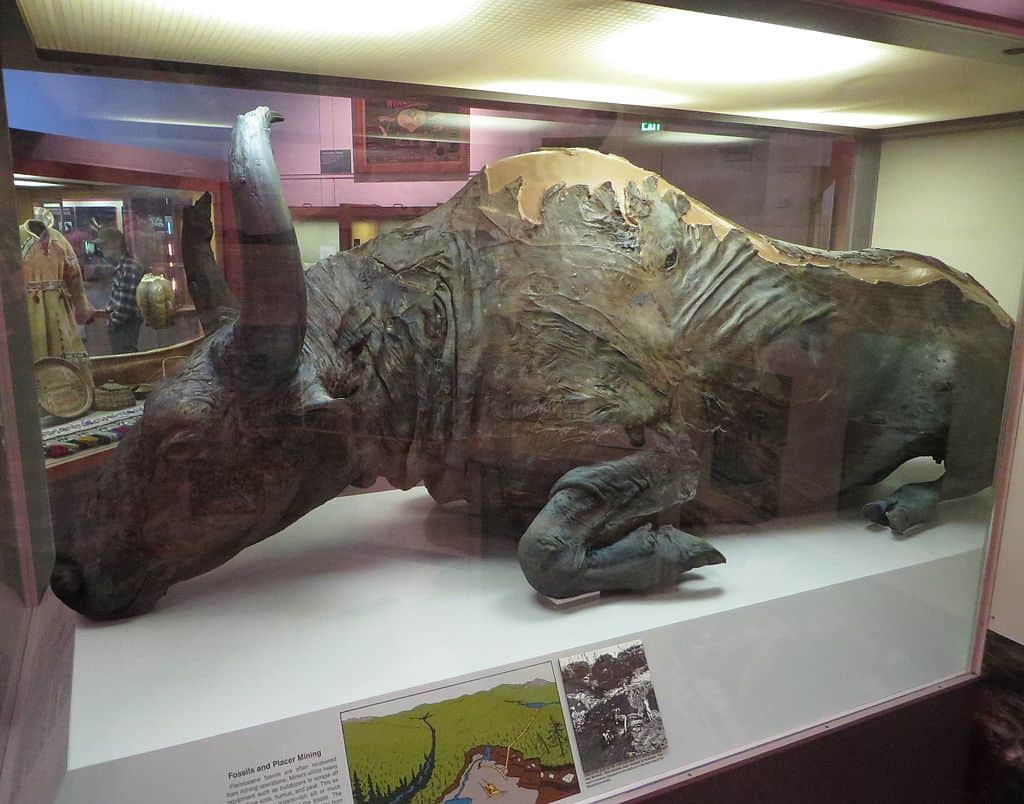
Discovered in the Yukon: The Steppe Bison
🔥 Would you like to save this?
We'll email this post to you, so you can come back to it later!
A remarkable find in Yukon, Canada, the Blue Babe bison was named for the bluish sheen its skin had due to mineralization. Dating back over 36,000 years, the specimen had intact muscles and features, offering a tantalizing look at the species’ anatomy and health at the time it was frozen.
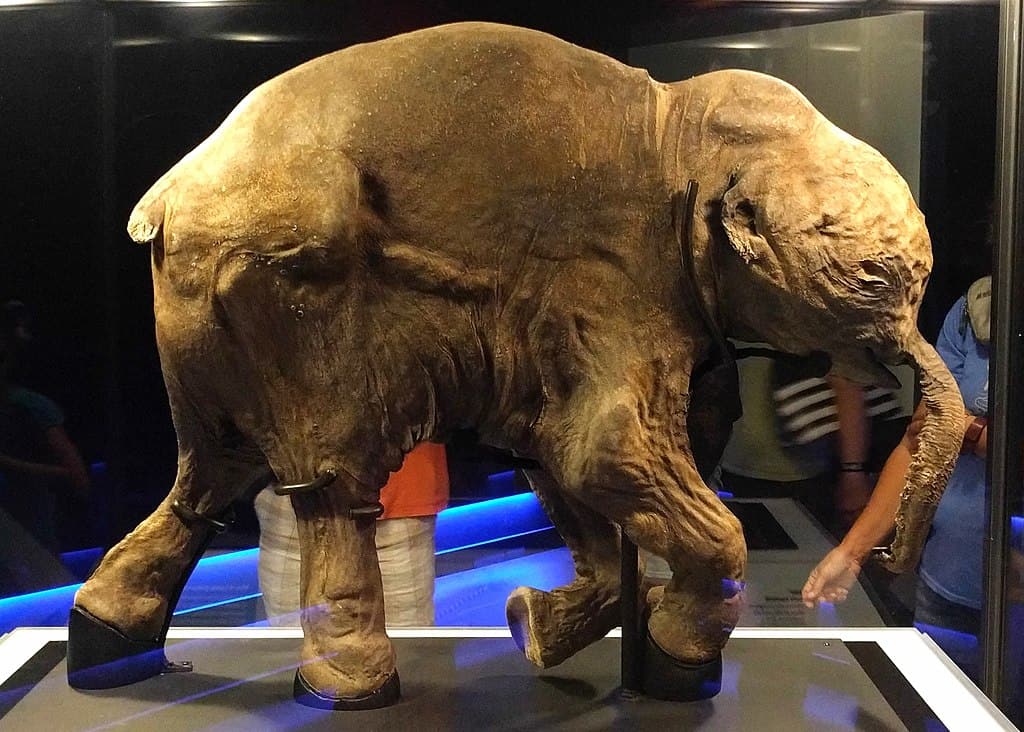
The Lyuba Baby Mammoth: A Glimpse of Prehistoric Youth
🔥 Would you like to save this?
We'll email this post to you, so you can come back to it later!
Lyuba, a baby woolly mammoth discovered in Siberia, represents one of the most complete specimens of its kind. As an infant mammoth, Lyuba has provided invaluable data on early mammoth development and the diverse challenges they faced from an early age. Preserved in pristine condition, the specimen shows skin, hair, and even evidence of the last meals consumed.
Yuka the Mammoth: Insights into Ice Age Predator-Prey Dynamics

🔥 Would you like to save this?
We'll email this post to you, so you can come back to it later!
The discovery of Yuka, a juvenile mammoth, in Siberia stands out not just for its preservation but also for the clues it offers about ancient predator relationships. Some injuries suggest interactions with large predators or humans, providing a unique viewpoint into the ecosystems and survival strategies of Ice Age fauna.
The Extinct Cave Lions: Majestic Predators Frozen in Time

🔥 Would you like to save this?
We'll email this post to you, so you can come back to it later!
Incredible discoveries of cave lion cubs in Siberian permafrost have provided direct insight into these fearsome predators that roamed the Ice Age world. With intact pelts and internal organs, these cubs have contributed substantially to understanding their development, behavior, and potential causes of extinction.
The Mysterious Mummies of the Andes: Frozen in Height

🔥 Would you like to save this?
We'll email this post to you, so you can come back to it later!
The Andes Mountains have yielded well-preserved human mummies, offering a fascinating glimpse into the Incan civilization. Frozen at high altitudes, these mummies have sparked significant interest in their cultural and religious significance, as well as the remarkable preservation conditions afforded by their icy resting places.
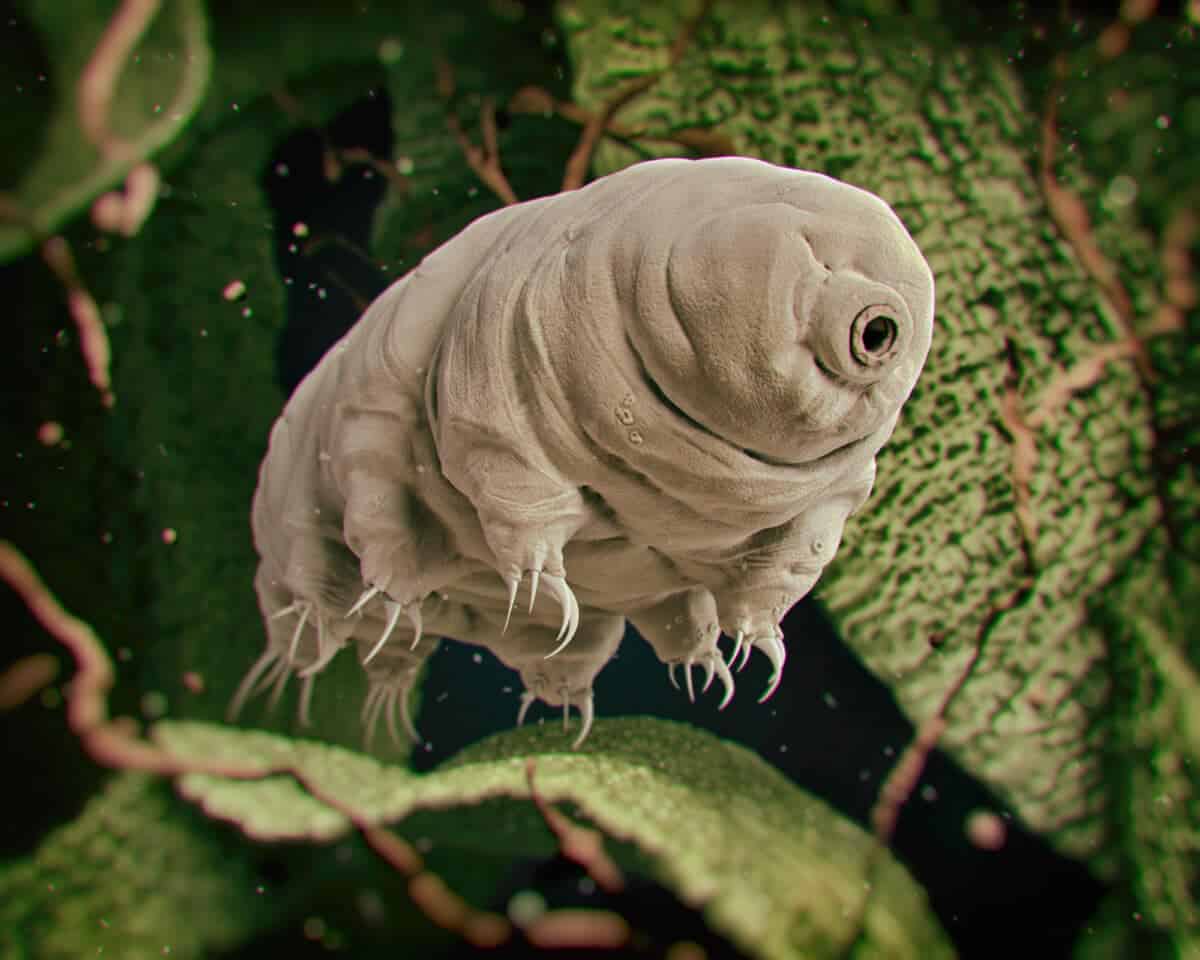
The Tardigrade: Tiny but Terribly Resilient
🔥 Would you like to save this?
We'll email this post to you, so you can come back to it later!
While not a large creature like the mammoths or bison, the discovery of preserved tardigrades in Siberian ice has intrigued scientists due to their remarkable resilience. These almost microscopic animals, known for surviving extreme conditions, were found intact, providing insights into their biology and survival mechanisms that span across eras.
Beyond the Ice: Revelations and Future Discoveries

🔥 Would you like to save this?
We'll email this post to you, so you can come back to it later!
As climate change continues to shift ice caps and melt permafrost, the chances of discovering ancient life grow. Each find not only adds to our historical and biological knowledge but also raises questions about the interaction of past ecosystems. These frozen time capsules not only deepen our understanding of extinction and survival but highlight the ongoing influence of the natural world on life’s complexity.

From exploring the marine wonders in the Azores and witnessing the vast savannas of Kenya, to delving deep into the rich biodiversity of South Africa and traversing iconic landscapes in Australia and the US like Yellowstone, Chris's experiences are vast.
With a penchant for diving alongside sharks, the ocean holds a special place in his heart.
Through his academic insights, he champions wildlife conservation, striving with 'Animals Around The Globe' to cultivate a profound connection between humans and animals, enhancing our mutual appreciation.
Connect with him at Feedback@animalsaroundtheglobe.com.
- 15 Wild Animals You Might Spot in U.S. National Parks - November 5, 2026
- Top 10 Animals and Wildlife in Hawaii - November 4, 2026
- Top 10 Animal Encounters in Europe - November 3, 2026