
Imagine standing before a structure that defies what you thought was possible. Stone lifted thousands of years ago without cranes. Pillars suspended in midair. Entire temples carved from a single rock face. India is home to some of the most perplexing architectural feats the world has ever seen, and even today, experts are left scratching their heads trying to figure out how ancient builders achieved such astonishing precision.
These aren’t just old buildings. They’re mysteries carved in stone, whispers from a civilization whose knowledge we’re only beginning to fathom. Let’s be real, when you walk into these temples, you don’t just admire craftsmanship. You feel something deeper. Something that makes you question everything you know about history, engineering, and human capability.
Brihadeeswarar Temple, Thanjavur – The Shadow That Vanished
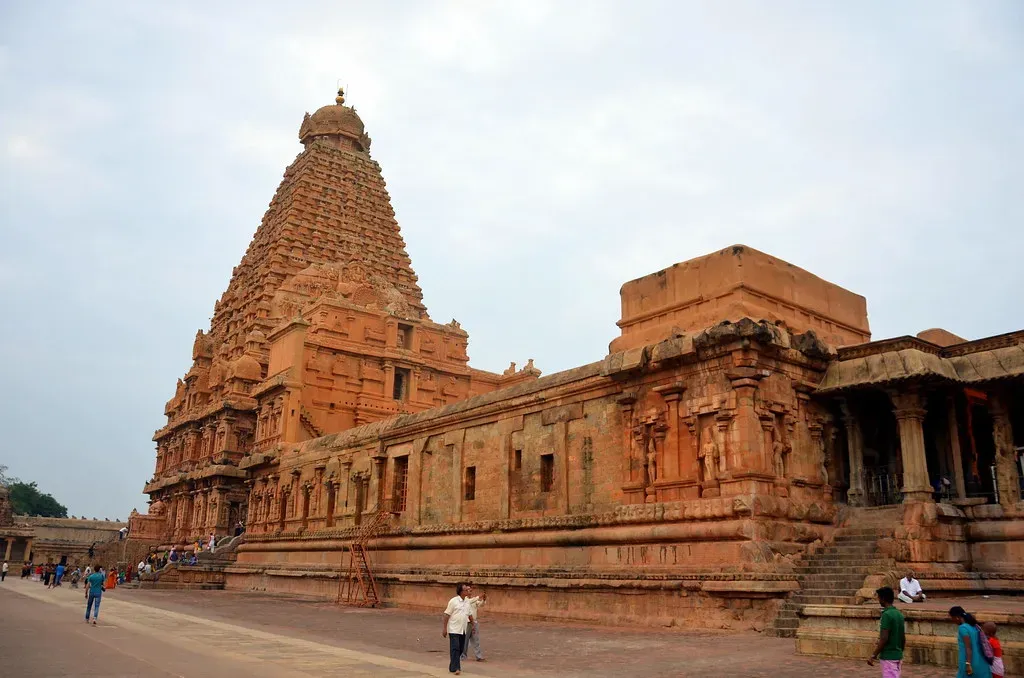
This towering marvel rises over 200 feet into the Tamil Nadu sky, crowned by a massive 80-ton granite cupola perched on top. Here’s the thing that nobody can quite explain – at noon, the temple’s shadow seems to completely vanish. The vimana is designed to cast no shadow at noon during the equinoxes, showcasing the precision of ancient Tamil astronomy and architectural planning.
Engineers had to devise a way to lift this massive stone to the top of the tower without modern equipment, believed to have used a specially constructed nearly four-mile-long ramp. The temple was constructed under the patronage of the Chola emperor Rajaraja I between 1003 and 1010 CE. Think about that. Over a thousand years ago. The granite blocks are precisely cut and fitted together using an interlocking system without the use of mortar, demonstrating the advanced engineering knowledge of the era.
Kailasa Temple, Ellora – Carved From the Sky Down
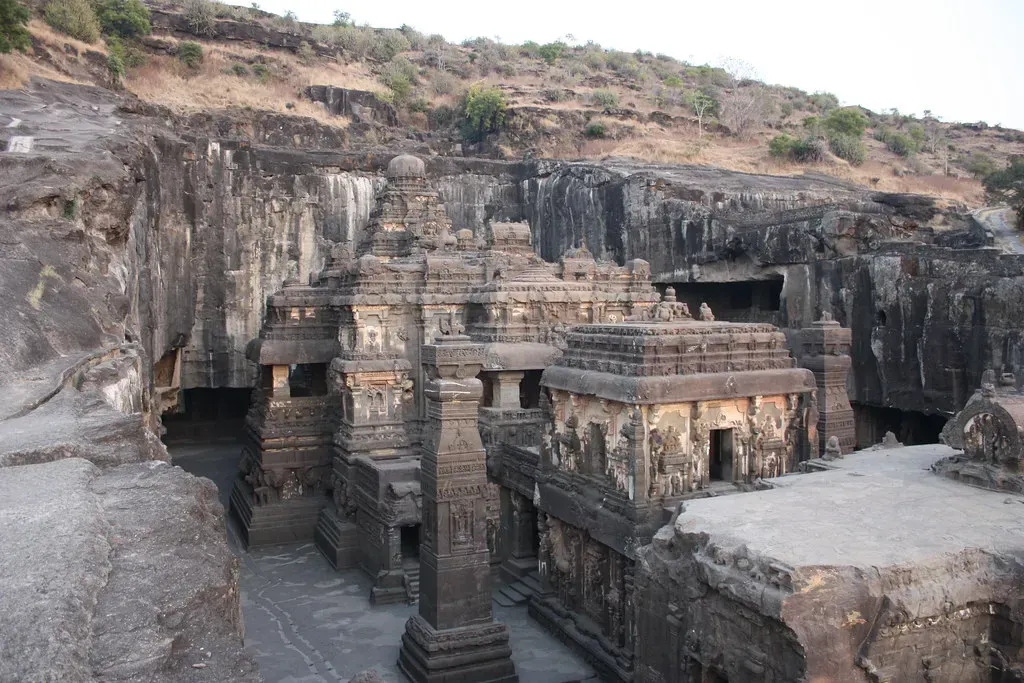
The Kailasa temple is the largest of the rock-cut Hindu temples at the Ellora Caves and is considered one of the most remarkable cave temples in the world because of its size, architecture, and sculptural treatment. But here’s where it gets wild – the temple is notable for its vertical excavation, with carvers starting at the top of the original rock and excavating downward.
The construction required the removal of 400,000 tons of volcanic rock, and historians agree it was built in fewer than 18 years using simple tools like hammers and cutters. Honestly, I know it sounds crazy, but imagine the planning required. The entire temple was carved from a single rock without any joints, making it a true monolithic structure, with over 400,000 tons of rock removed during construction. One mistake, one miscalculation, and years of work would be ruined. This massive temple structure is believed to have been carved out of a single rock.
Konark Sun Temple, Odisha – The Wheels That Tell Time
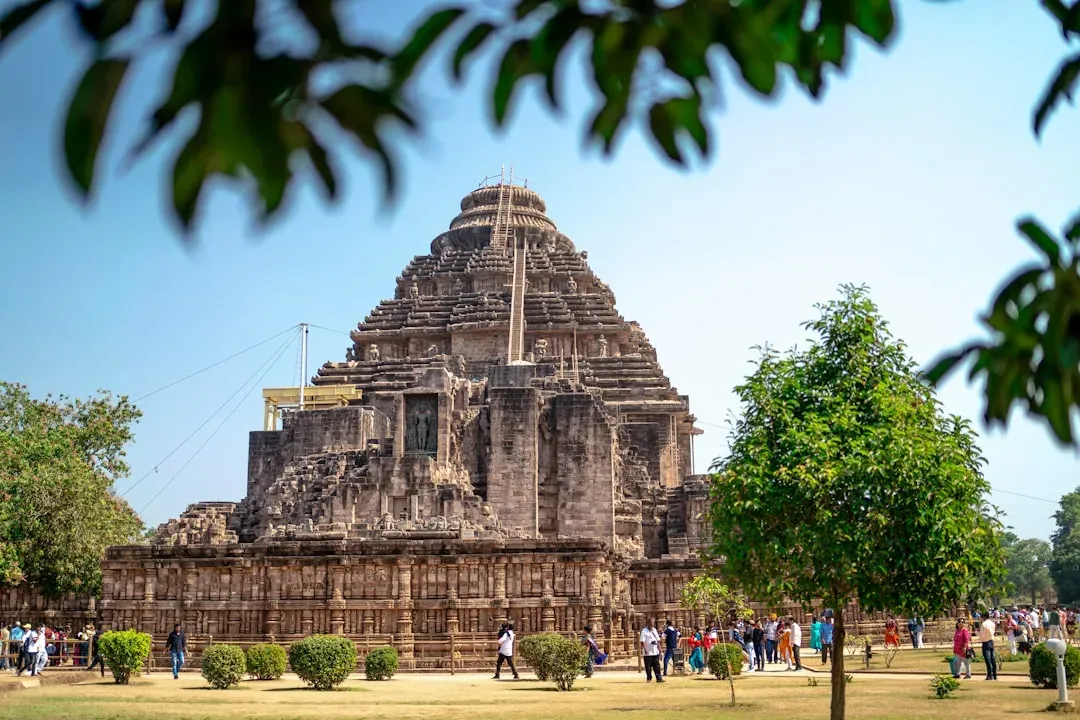
The temple was designed in the shape of a huge chariot drawn by seven mighty horses on 12 pairs (24 wheels total) of gorgeously decorated wheels at its base. The truly mind-blowing part? The wheels were crafted with incredible precision, and their intricate design allowed sunlight to pass through and cast shadows that could be used to determine the exact time.
Each of the 12 pairs corresponds to an hour of the day, with the spokes casting shadows that act as a sundial, accurate to within minutes. Wider spokes denote three-hour intervals, thinner spokes represent one-and-a-half-hour periods, and beads between spokes mark three-minute increments. The temple was built in 1250 CE by King Narasimhadeva I of the Eastern Ganga dynasty. Historical texts claim the temple’s main idol floated mid-air due to strategically placed lodestones, and modern studies suggest iron-rich sandstone may have caused compass distortions.
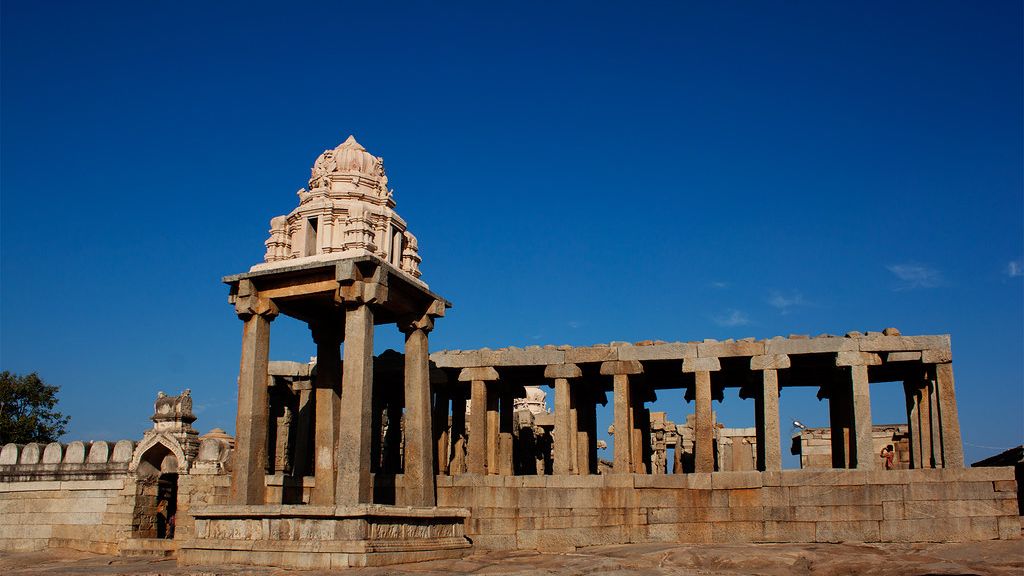
Lepakshi Temple, Andhra Pradesh – The Pillar That Floats
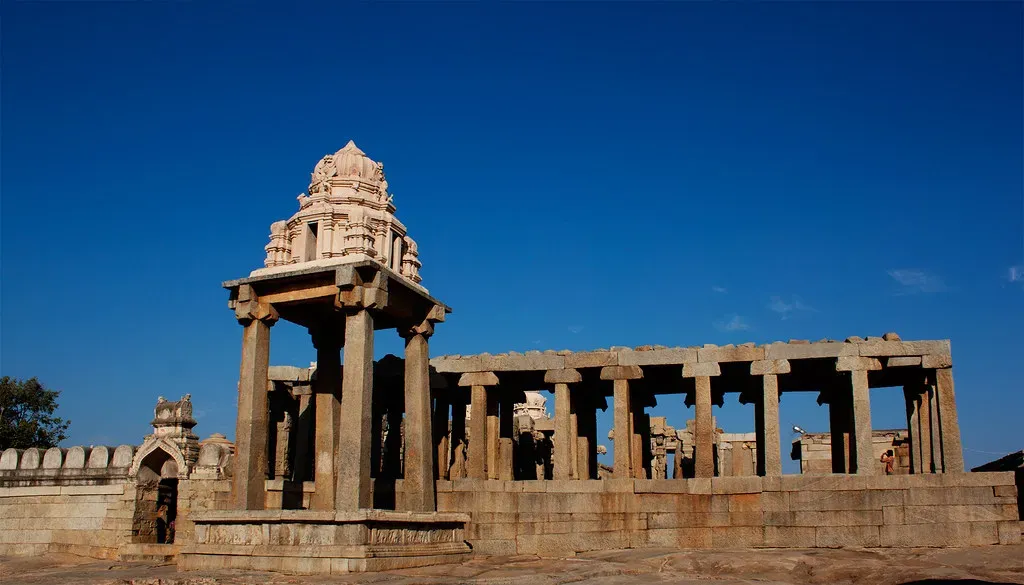
The Veerbhadra Temple is renowned for its architectural wonders dating back to the 16th century, and among its fascinating features, the temple houses a hanging pillar that seems to defy the laws of gravity, with visitors able to slide a piece of cloth underneath it. Among the temple’s 70 pillars, this one stands out because it is hanging without touching the ground, and many visitors cannot resist passing a piece of cloth or paper beneath the bottom to confirm its authenticity.
A British engineer during colonial times attempted to uncover the secret of this marvel and in his curiosity tried to move the pillar, inadvertently causing a slight misalignment in the entire structure. This only deepened the mystery. Some suggest that the pillar was intentionally constructed this way to demonstrate the builders’ advanced architectural skills and the stability of the temple despite the levitating pillar. The gap is small but real. You can test it yourself.
Ajanta Caves, Maharashtra – The Horseshoe of Wonder
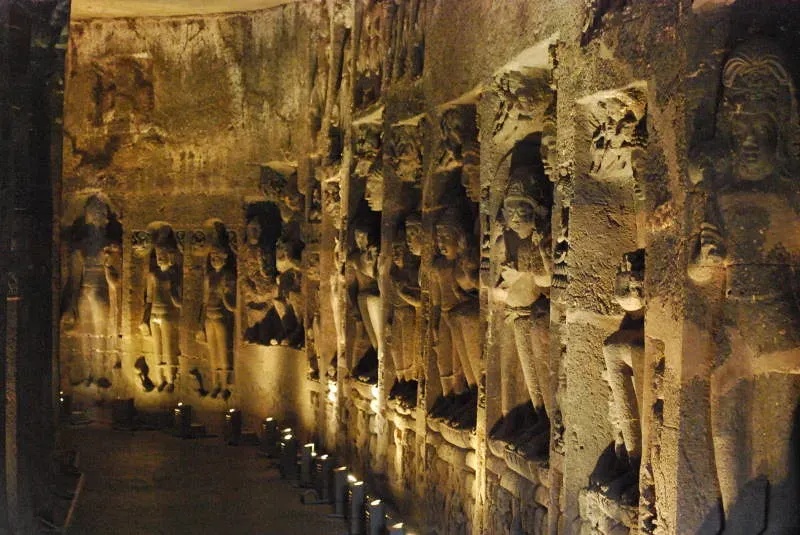
The Ajanta Caves, dating back to the 2nd century BCE, are a collection of 29 rock-cut cave monuments renowned for their stunning murals and intricate sculptures, meticulously carved into a horseshoe-shaped cliff. These aren’t simple caves. They’re entire monasteries hollowed out from solid rock.
The precision involved is staggering. The attention to detail in both form and function underscores the advanced knowledge of the engineers and artisans who created these spaces. Each cave had to accommodate living quarters, meditation halls, and worship spaces. The engineering involved in creating proper ventilation, drainage, and structural support without modern tools remains unexplained. The precision, intricacy and exquisiteness of the craft leaves us awe-struck and wondering at the knowledge and skill of the people back in the day, with these ancient architectural wonders carrying deep within them ancient advanced scientific knowledge.
Vidyashankara Temple, Sringeri – The Solar Calendar in Stone
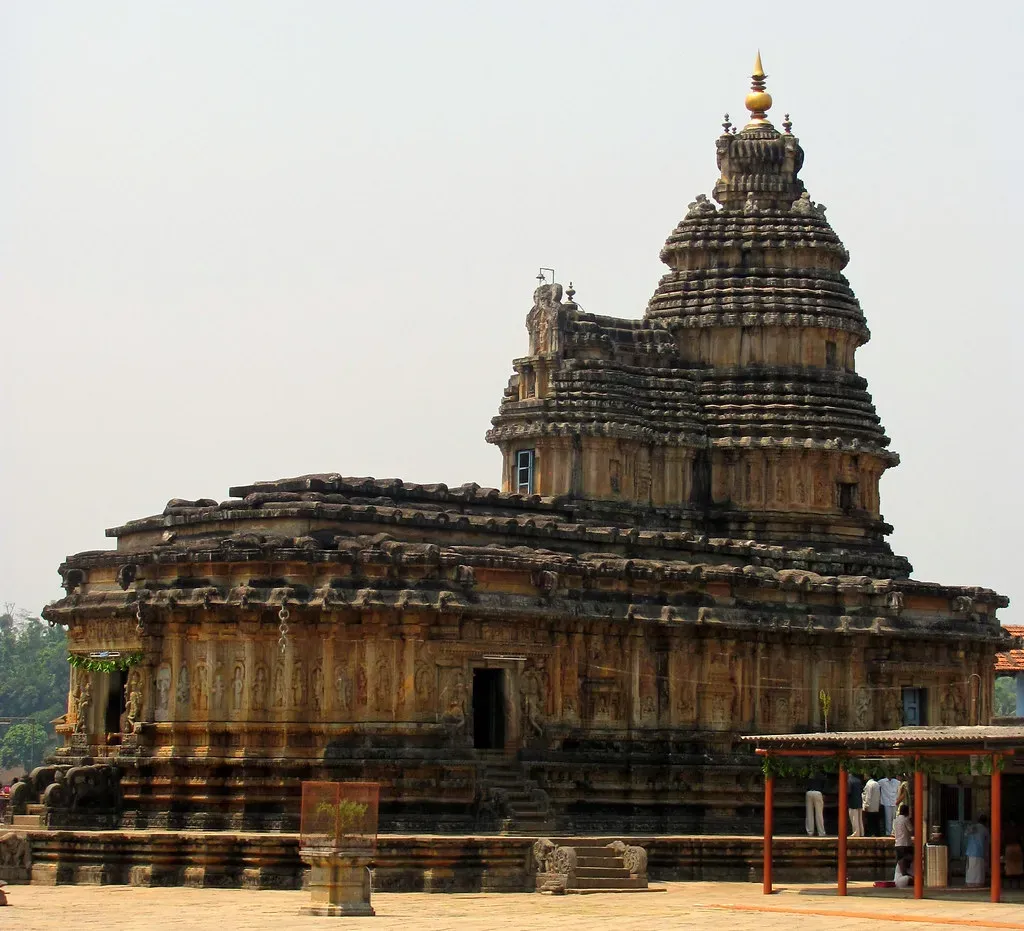
This unique temple stands on 12 pillars aligned with the movement of the sun through varied zodiac signs throughout the year, and whichever zodiac the sun is in, the first rays of sun fall on that pillar, with the zodiac signs duly carved on each pillar. This isn’t luck. This is astronomical precision translated into architecture.
The builders didn’t just create a temple. They created a functioning solar calendar. Each morning, as the sun rises, it illuminates a specific pillar corresponding to the zodiac position. The alignment had to be calculated with extreme accuracy. It’s hard to say for sure, but the mathematical knowledge required must have been extraordinary. Nobody has satisfactorily explained how ancient architects achieved such pinpoint celestial alignment without modern instruments.
Hoysaleswara Temple, Halebidu – The Lathe-Turned Pillars

The Hoysaleswara temple is a 12th-century Hindu temple dedicated to Shiva located in Halebidu, Karnataka, sponsored by King Vishnuvardhana of the Hoysala Empire, with pillars that present a unique spectacle of ancient Indian engineering precision, skill and advancement. The pillars look like they were turned on a lathe. Perfectly circular. Symmetrical. Polished to a shine.
The problem? Lathes of that sophistication didn’t exist in the 12th century. At least not according to conventional history. The pillars suggest a level of mechanical technology that historians struggle to explain. Some of the columns are so intricate, with such perfect curves and identical dimensions, that replicating them even today would require advanced machinery. Yet here they stand, carved from solid stone nearly a millennium ago.
Iron Pillar of Delhi – The Rust-Free Mystery
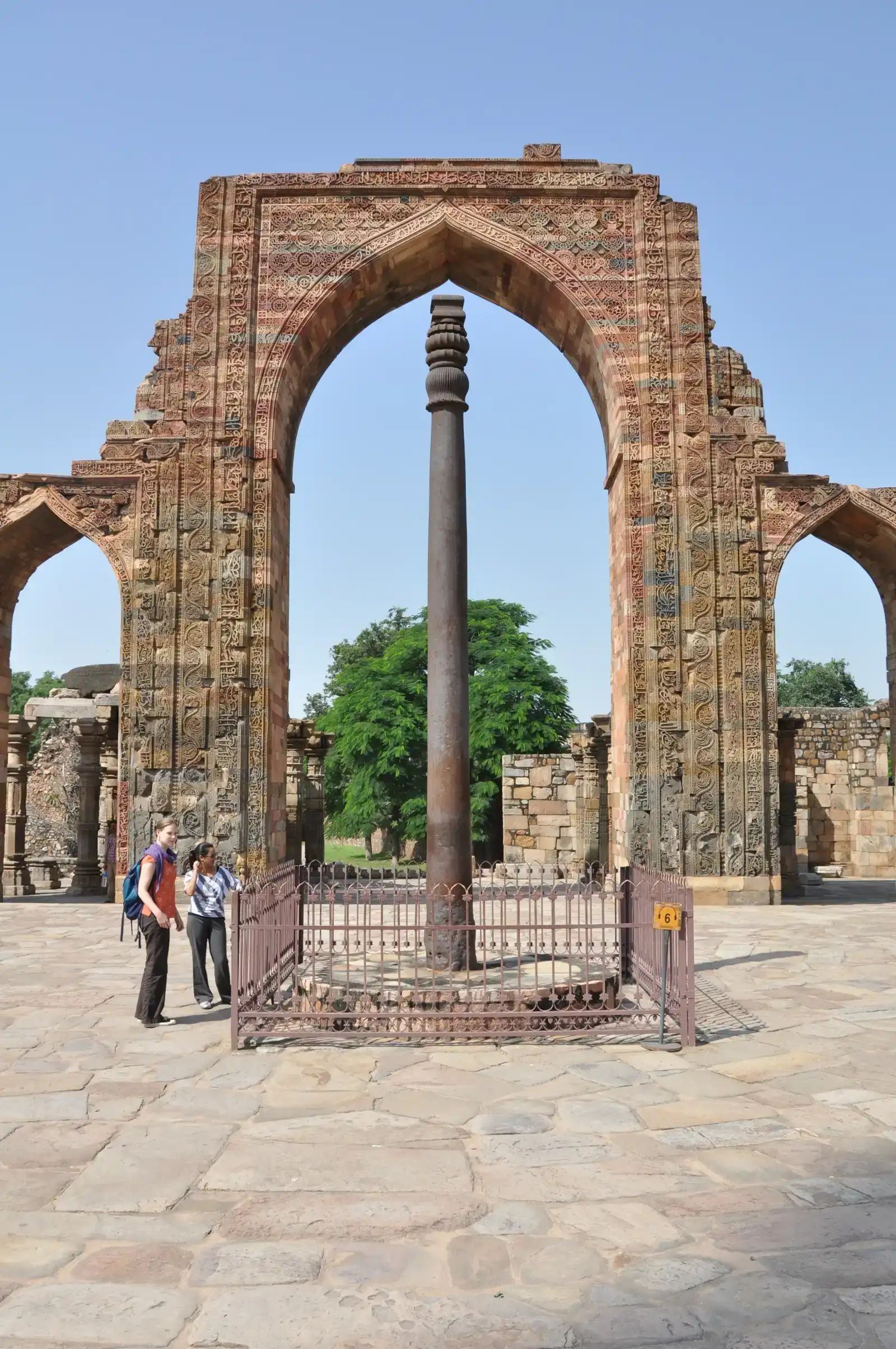
Standing tall in the Qutub Minar complex in Delhi, the Iron Pillar is an engineering wonder from the Gupta period (circa 375-413 CE), weighing over six tons and standing at a height of 23 feet, and has withstood the ravages of time for over 1600 years without rusting. Let that sink in. Over sixteen centuries without rust.
This pillar is a testament to the advanced metallurgical knowledge of ancient Indian engineers, and the composition primarily made of wrought iron with traces of phosphorus and the techniques used in its construction have puzzled scientists and engineers alike, with the corrosion-resistant properties attributed to the formation of a passive protective film on its surface. Modern metallurgists still debate exactly how this was achieved. The level of purity in the iron and the protective coating suggest metallurgical processes far ahead of their time.
Meenakshi Amman Temple, Madurai – The Acoustic Pillars
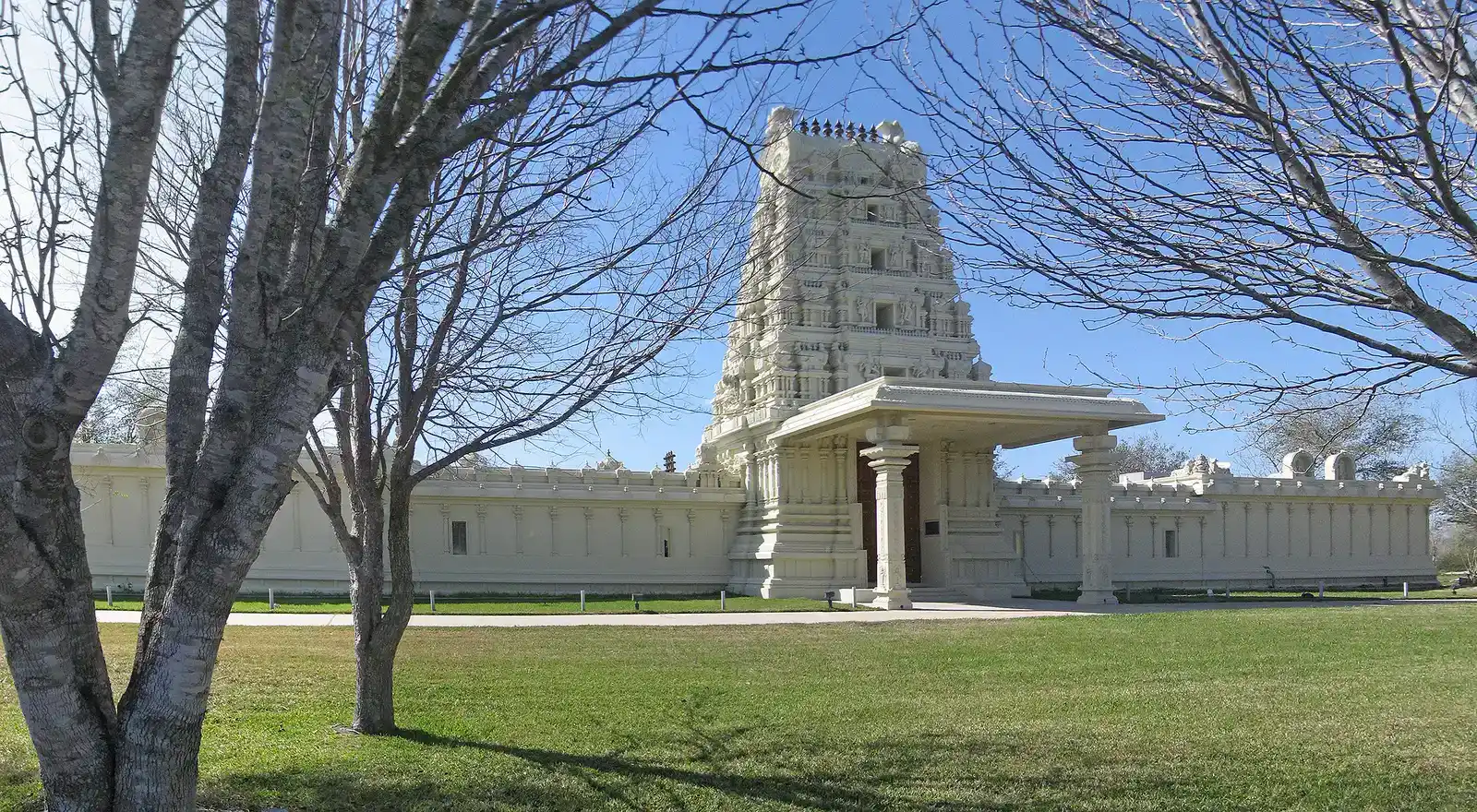
The Meenakshi Amman Temple in Madurai, Tamil Nadu is a heritage site and important landmark, among the list of the most gigantic temples in India with twelve enormous gates known as Gopurams. But the real magic lies inside. The temple halls are lavishly adorned with beautiful sculptures, designs, and carvings and are unique from each other.
Certain pillars in the temple produce musical notes when struck gently. Each pillar emits a different tone, creating a scale. These aren’t hollow pipes or instruments. They’re solid stone carved to produce specific frequencies. The acoustic engineering required to achieve this is baffling. How did ancient craftsmen understand sound waves well enough to carve stone pillars that function as musical instruments? Nobody’s provided a complete answer.
Ranakpur Jain Temple, Rajasthan – The Temple of 1,444 Unique Pillars
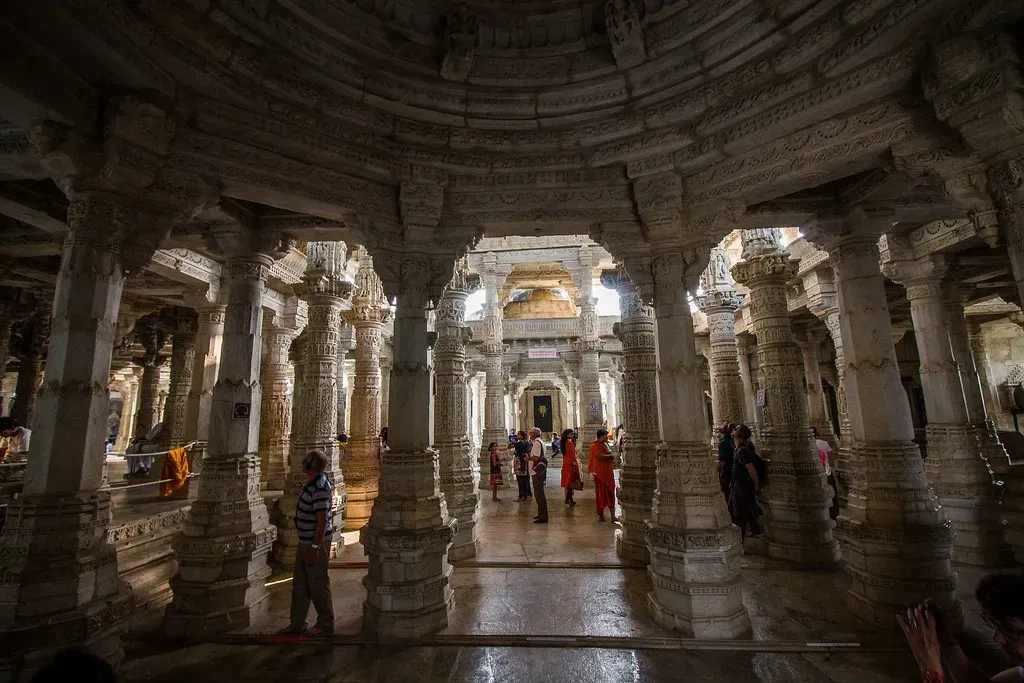
This 15th-century marvel contains exactly 1,444 marble pillars. Not one is identical to another. Each pillar is carved with intricate, unique designs, and remarkably, none of them obstruct the view of the main idol from any point in the temple. The mathematical planning alone is staggering.
The pillars change color throughout the day as sunlight moves through the temple. Some believe this was intentional, designed to create a constantly shifting spiritual atmosphere. The precision cutting of marble, the structural calculations to support the entire weight, and the artistic vision required to make every single pillar unique while maintaining structural integrity – it’s an engineering puzzle that continues to fascinate architects. The temple stands as proof that ancient builders possessed spatial geometry skills we’re only beginning to appreciate.
Conclusion: What Did They Know That We Don’t?

Walking through these temples, you can’t help but feel humbled. These structures weren’t just built – they were conceived with a depth of knowledge that challenges our understanding of history. Thousand years back, when these temples were built, there were no established design principles, testing methods, software, calculators, and spreadsheets, yet the end results exhibited by these temples are fabulous, making these structures truly structural engineering marvels.
The more we study these ancient Indian temples, the more questions arise. Were there construction techniques lost to time? Did ancient engineers possess mathematical and scientific knowledge we’ve underestimated? Or is there something even more mysterious at play? One thing is certain – these temples stand as silent witnesses to a civilization whose capabilities we’re only beginning to comprehend.
What do you think about these incredible structures? Have you visited any of them? Share your thoughts in the comments.

- 14 Quiet Signs Your Dog Knows Its Time Is Near and Wants You Close - July 22, 2026
- 10 Falcon Facts That Will Blow Your Mind - July 22, 2026
- 5 Incredible Migratory Journeys Animals Make Every Year - July 22, 2026