

The Epic Voyage of the Arctic Tern
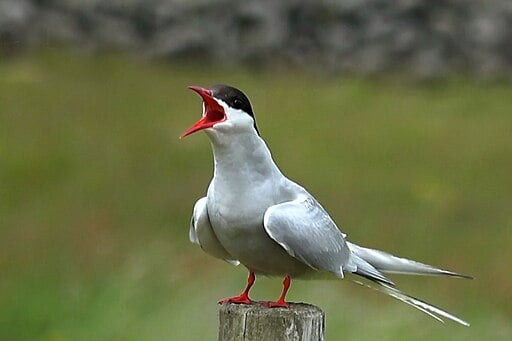
The Arctic Tern, a small seabird known for its slender white body and long tail feathers, embarks on an astonishing migratory journey that spans from the Arctic to the Antarctic and back each year. This incredible round trip, covering approximately 44,000 miles, earns the Arctic Tern the title of the longest-distance migratory animal on Earth. The birds travel in search of continuous daylight, maximizing their feeding time and enhancing their reproduction success. From their breeding grounds in the Arctic, these determined travelers navigate over oceans and continents, relying on wind patterns and their excellent flight efficiency. Their journey is not only a testament to the resilience of the species but also highlights critical phenomena such as global wind systems and the interconnectedness of ecosystems worldwide.
The Monarch Butterfly’s Long-Distance Adventure

The Monarch Butterfly, a symbol of transformation and change, undertakes a different kind of epic journey. Unlike any other butterfly, Monarchs fly thousands of miles from North America to central Mexico each autumn. This long-distance migration, which spans several generations, is a remarkable natural wonder. Starting in the northern United States and southern Canada, the Monarchs head south, guided by an innate sense of direction. They arrive in Mexico’s Oyamel fir forests where they hibernate during the winter months before beginning the journey back north in the spring. It takes several generations of butterflies to complete the round trip, with each generation passing on the instinct to migrate. The Monarch’s journey is not only a biological spectacle but also an ecological marvel, illustrating the power of genetic memory and adaptation.
The Great Wildebeest Migration

The Great Wildebeest Migration is one of the most spectacular wildlife events on the planet. Spanning across Tanzania and Kenya, this journey involves over 1.5 million wildebeests, accompanied by zebras and various antelope species, traveling in a clockwise loop each year. The animals are driven by the search for water and fresh grazing pastures, following the rainfall patterns within the Serengeti and Masai Mara ecosystems. This impressive migration, covering approximately 1,200 miles, is fraught with danger, from river crossings teeming with crocodiles to predators lurking in the savannas. The Great Wildebeest Migration is not only a visual spectacle but also a vital ecological process, contributing to nutrient cycling and supporting a diverse array of predators in the region.
The Humpback Whale’s Oceanic Journey
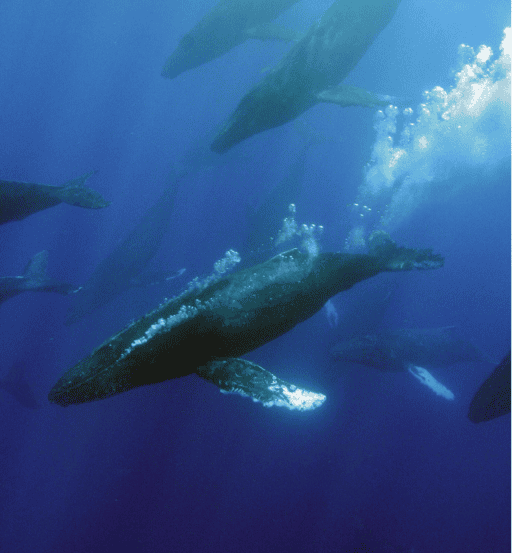
The Humpback Whale, known for its enchanting songs and acrobatic breaches, embarks on a lengthy migration from polar feeding grounds to tropical breeding grounds each year. Covering distances that can exceed 5,000 miles each way, these marine mammals undertake one of the longest migrations of any mammal. In the summer, Humpbacks feast in nutrient-rich polar waters, building up their energy reserves. Come winter, they head towards warmer tropical waters where they give birth and mate. The journey is critical for their life cycle, as the warm waters provide a safer environment for calves to be born and develop without the threat of cold temperatures and orcas. This migratory pattern exemplifies the complexity of marine life and raises awareness about the need to protect migratory pathways and breeding grounds.
The Red Crab’s Christmas Island Pilgrimage
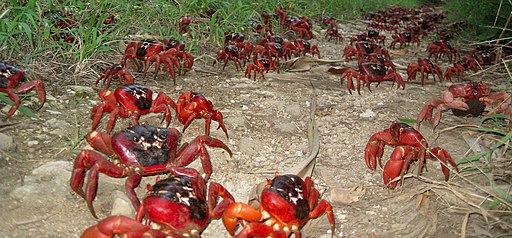
Each year, millions of red crabs make their way across Christmas Island in a mass migration from the forest to the coastline. This extraordinary event is timed with the onset of the rainy season and the lunar cycle. The crabs, native to the small Australian territory in the Indian Ocean, journey to the sea to breed and spawn. Despite the numerous obstacles, including human infrastructure and natural predators, their determination drives them to complete their vital reproductive ritual. For a brief period, roads and pathways are swarmed with reddish crabs, creating a magnificent natural spectacle. This annual pilgrimage is a crucial ecological process, aiding in the island’s forest regeneration and supporting a uniquely balanced ecosystem.

- 14 Quiet Signs Your Dog Knows Its Time Is Near and Wants You Close - July 22, 2026
- 10 Falcon Facts That Will Blow Your Mind - July 22, 2026
- 5 Incredible Migratory Journeys Animals Make Every Year - July 22, 2026
Leave a comment
You must be logged in to post a comment.