
Most people assume “survival of the fittest” is ancient history – something that belongs to dinosaurs, ice ages, and cavemen banging rocks together. But here’s the twist: those same brutal, battle-tested survival tricks are still running right now, in your backyard, your local pond, and maybe even inside your walls. Nothing died out. Nothing got soft.
While we’re busy trusting GPS apps and smart locks, animals are quietly executing survival programs so old they predate most mammals – programs so effective that modern militaries and engineers have literally copied them. Some of these tricks are strange enough to sound made up. Others are so ruthless they’d probably be illegal if a person tried them on purpose. Here’s what’s actually happening in the wild every single day, starting with a trick so extreme it looks like death itself.
#10 – Freezing Solid And Coming Back To Life
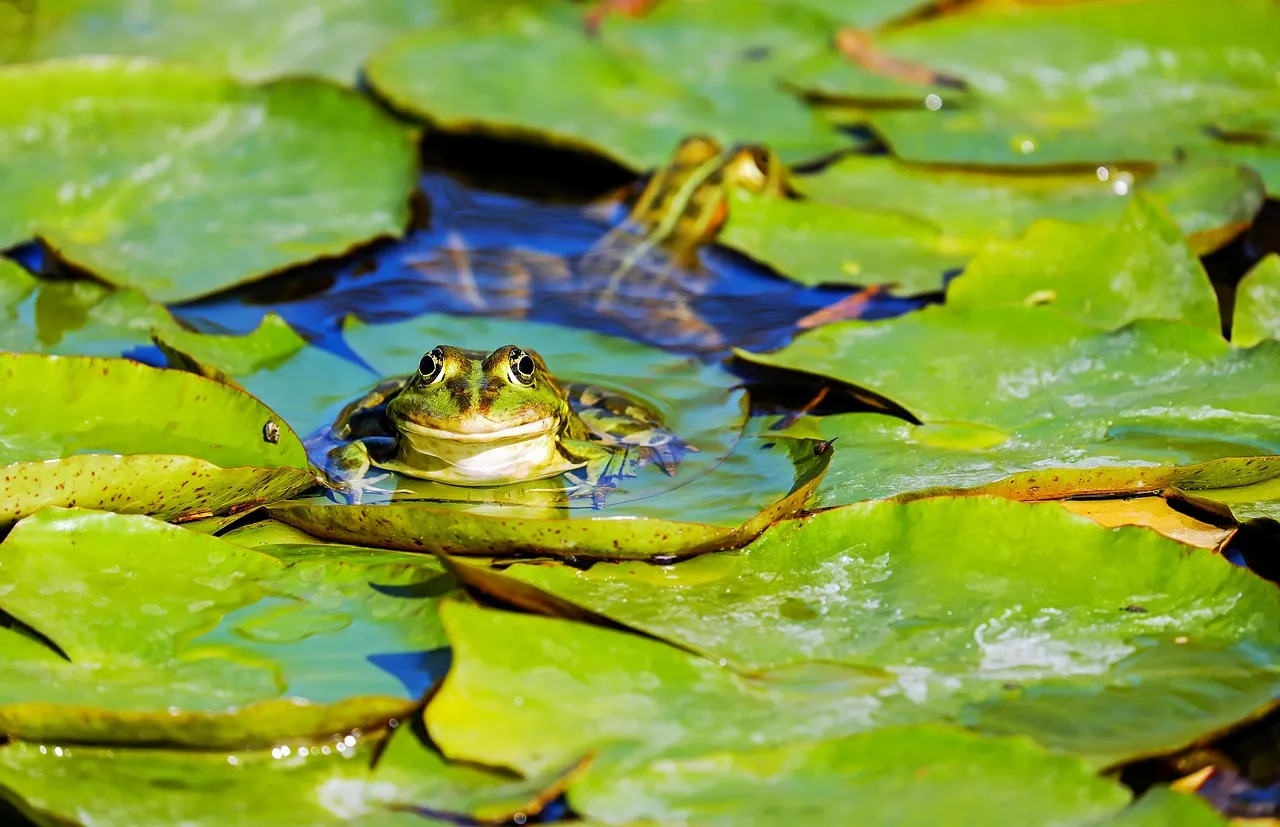
Some animals don’t just “tolerate” winter – they basically die and reboot later. Wood frogs in North America freeze completely solid. Heart stopped, lungs still, ice crystals forming under the skin. Then spring comes, they thaw out, and they hop away like nothing happened.
Up to 70% of their body water can turn to ice without killing them. They flood their cells with glucose, which acts like natural antifreeze and keeps ice from shredding their organs. Insects, certain turtles, and even microscopic tardigrades pull off similar freeze-tolerance tricks. While humans panic over a power outage, these animals are already on pause, waiting out the worst of it.
Fast Facts
- Up to 65-70% of a wood frog’s body water can turn to ice each winter
- Heartbeat, breathing, and blood flow fully stop while the frog is frozen
- Some individuals stay frozen for months, then thaw and hop away within hours
- Blood glucose can spike dramatically to work as a natural antifreeze
#9 – Playing Dead So Convincingly Predators Give Up
Most people know “playing dead” as a goofy possum meme, but in the wild it’s a genuinely dark survival hack called tonic immobility. Opossums collapse, drool, emit a foul rotting smell, and even soil themselves to sell the act. It works because this reflex isn’t a choice – it triggers automatically under extreme fear, like a circuit breaker for terror.
Some predators are so disgusted by the performance that they simply walk away. Snakes, certain birds, and many insects fake death too. Ground-nesting birds will flip over with limp wings and half-shut eyes, looking like they’ve already lost the fight. It’s a risky bet, but statistically it works often enough that evolution kept betting on it for millions of years.
#8 – Using Fake Eyes And Fake Injuries To Redirect Attacks
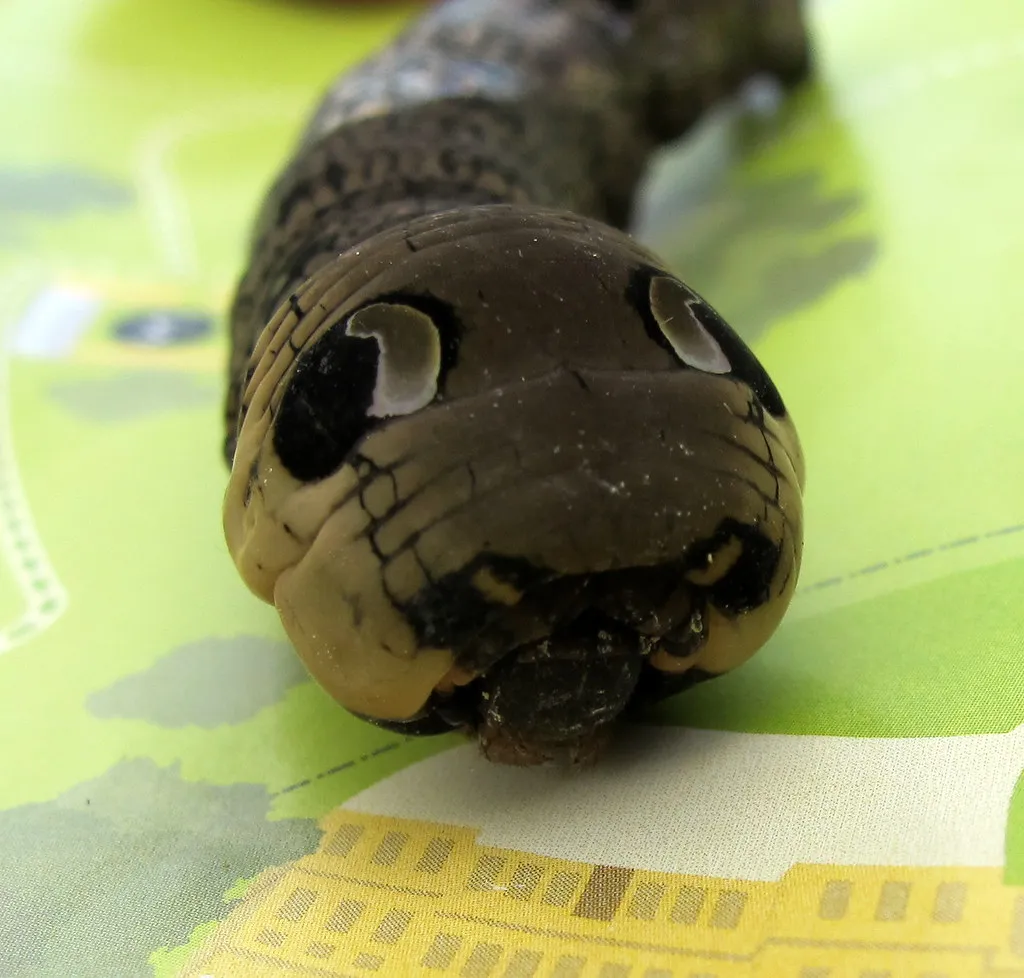
In a world of claws and teeth, misdirection is ancient and priceless. Many fish and lizards grow fake eyespots near their tails that look startlingly like real eyes. Predators lunge for the “head” and end up with a mouthful of tail instead of a fatal strike. Some caterpillars go further, inflating part of their body to mimic a snake’s head, complete with eye-like markings.
Birds use deception socially instead of physically. Plovers will fake a broken wing, flapping helplessly and dragging themselves away from the nest to lure a predator off course. Once the threat is far enough away, the bird suddenly “heals” and flies off. It isn’t cute – it’s a calculated gamble where the parent risks its own life to protect the next generation.
#7 – Turning Invisible With Camouflage That Never Fails
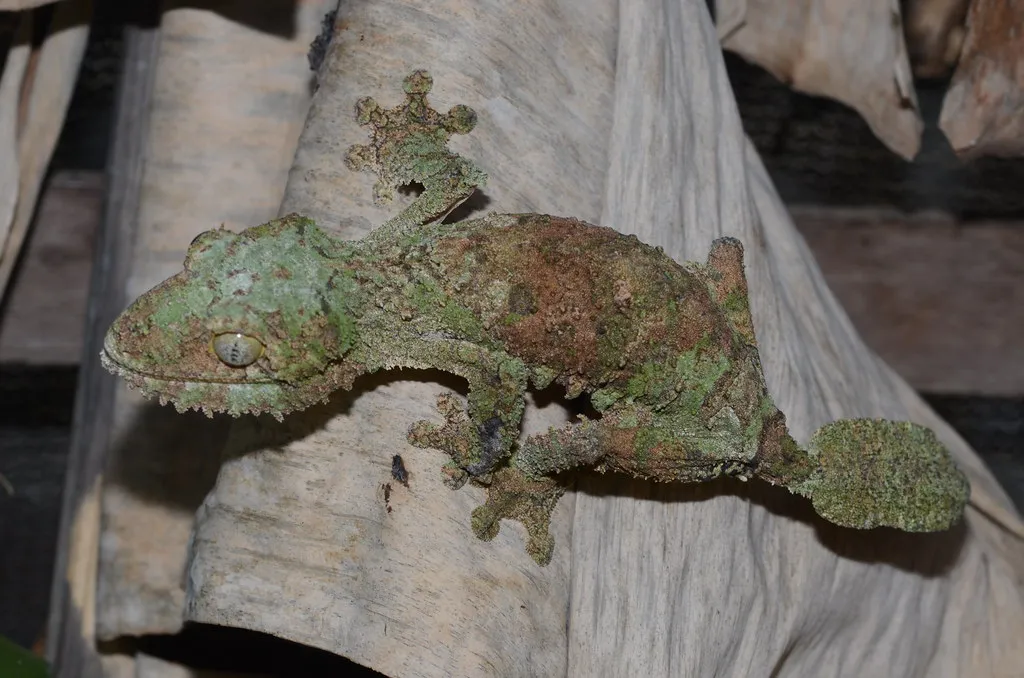
Camouflage isn’t a modern military invention. Animals built it first, and they’re still better at it. Owls blend so seamlessly with tree bark that you can stare directly at one and never see it. Leaf-tailed geckos in Madagascar look exactly like a dead, decaying leaf, right down to fake “bite marks” on the tail.
For some species, camouflage even changes with the seasons. Arctic hares and weasels turn white in winter and brown again in summer, syncing perfectly with snow and soil. Cephalopods like octopuses and cuttlefish can shift color and texture in a heartbeat using specialized skin cells – an ancient trick that still outperforms our best stealth technology.
Quick Compare
- Owls: match bark patterns and freeze in place
- Leaf-tailed geckos: mimic dead leaves down to fake bite marks
- Arctic hares: swap coat color as the seasons change
- Cuttlefish and octopuses: shift color and texture in seconds
#6 – Forming Mobs To Wear Predators Down
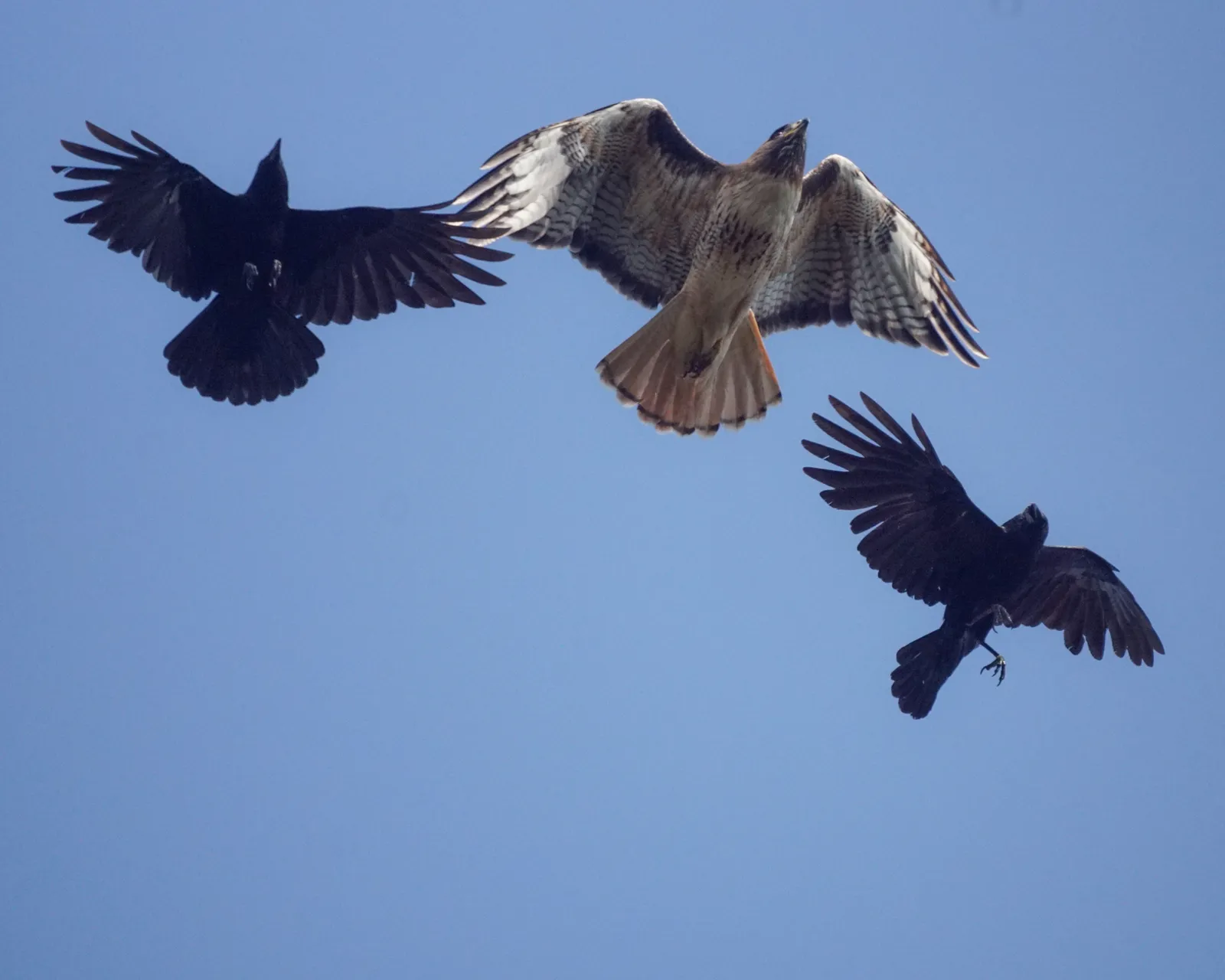
A single hawk or fox looks unstoppable, until a dozen smaller animals decide otherwise. Many birds use a strategy called mobbing, where small species gang up on a much bigger predator, dive-bombing, screaming, and pecking until it finally gives up and leaves. Crows have been documented harassing hawks, owls, and even eagles relentlessly for hours.
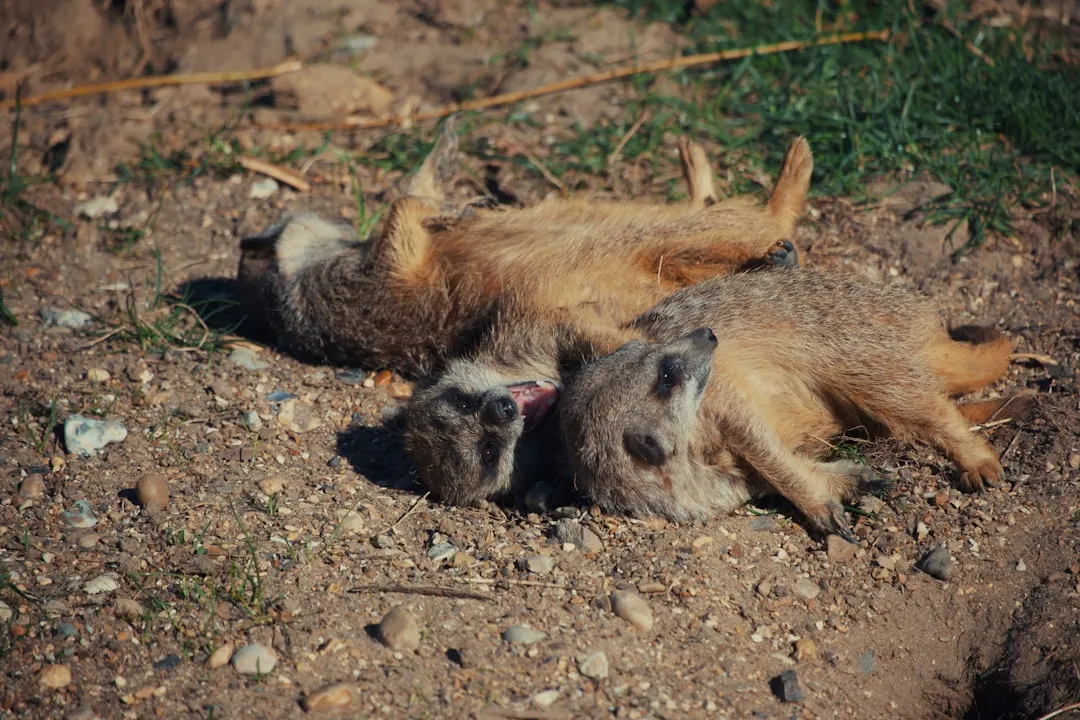
Meerkats, prairie dogs, and even dolphins will collectively confront threats the same way. It’s not about winning a one-on-one fight; it’s about making the predator’s cost too high to bother. Some researchers argue mobbing wastes energy the animals could spend elsewhere, but the behavior has survived for a very simple reason: it keeps working.
Worth Knowing
- Crows can mob a hawk or owl for hours, taking turns diving at it
- Alarm calls often recruit nearby birds who weren’t part of the original chase
- Meerkats and prairie dogs use distinct calls to trigger group defense
- The goal is annoyance, not combat – actual injuries to the predator are rare
#5 – Wearing Bright Colors As A Built-In Warning Label
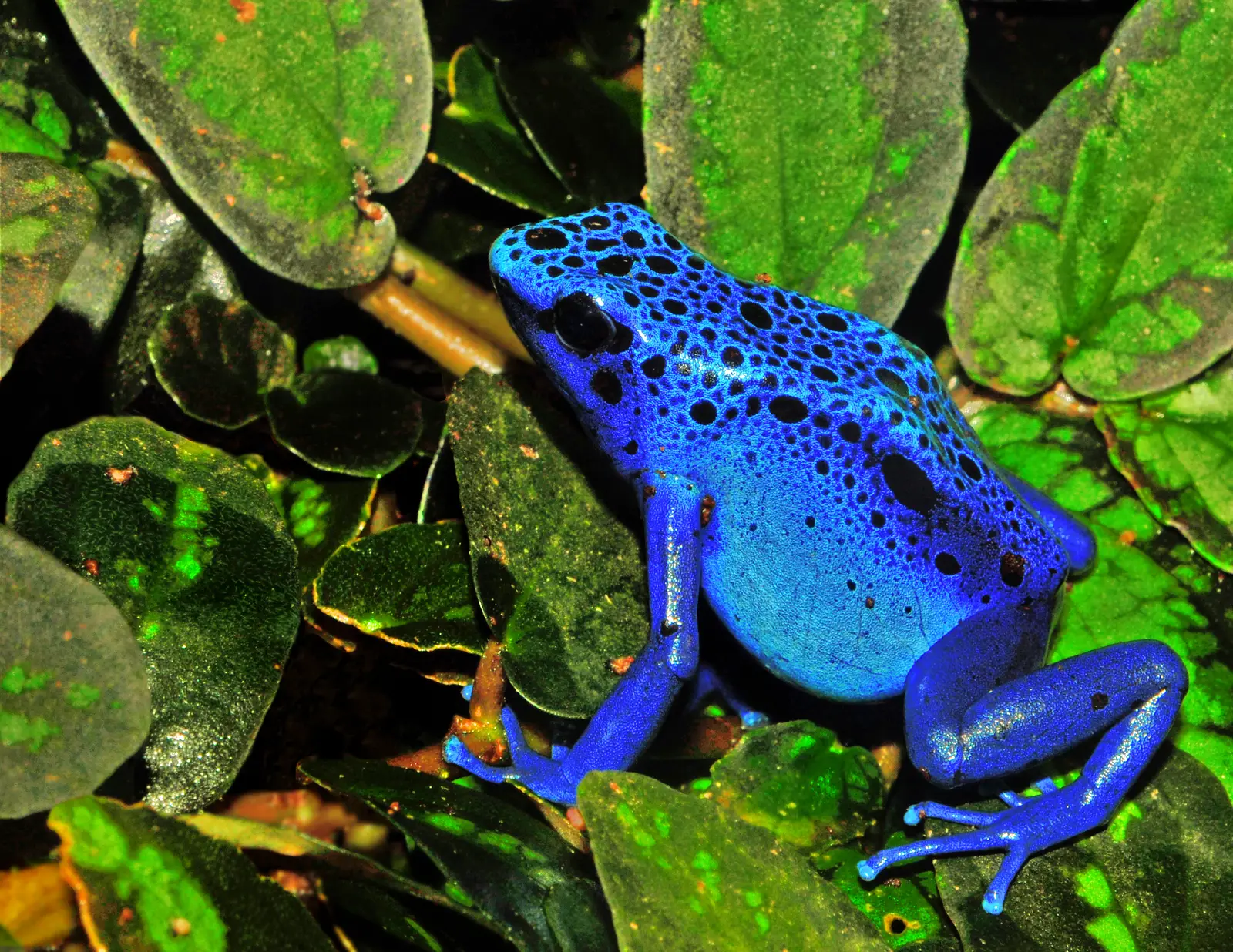
In nature, subtlety can get you killed. That’s why some animals do the opposite – they scream “dangerous” with their own bodies. This is called aposematism, and it’s essentially a built-in hazard sign. Poison dart frogs, monarch butterflies, and many wasps wear high-visibility colors that predators learn to fear fast.
The chemistry behind it runs deep. Many species store toxins straight from their diet, turning plants and prey into body armor. Monarch caterpillars gorge on toxic milkweed, and the poison stays with them into adulthood. Predators that ignore the warning usually only make that mistake once – and next time, they remember the colors instead.
#4 – Building Fortresses, Tunnels, And Booby-Trapped Homes
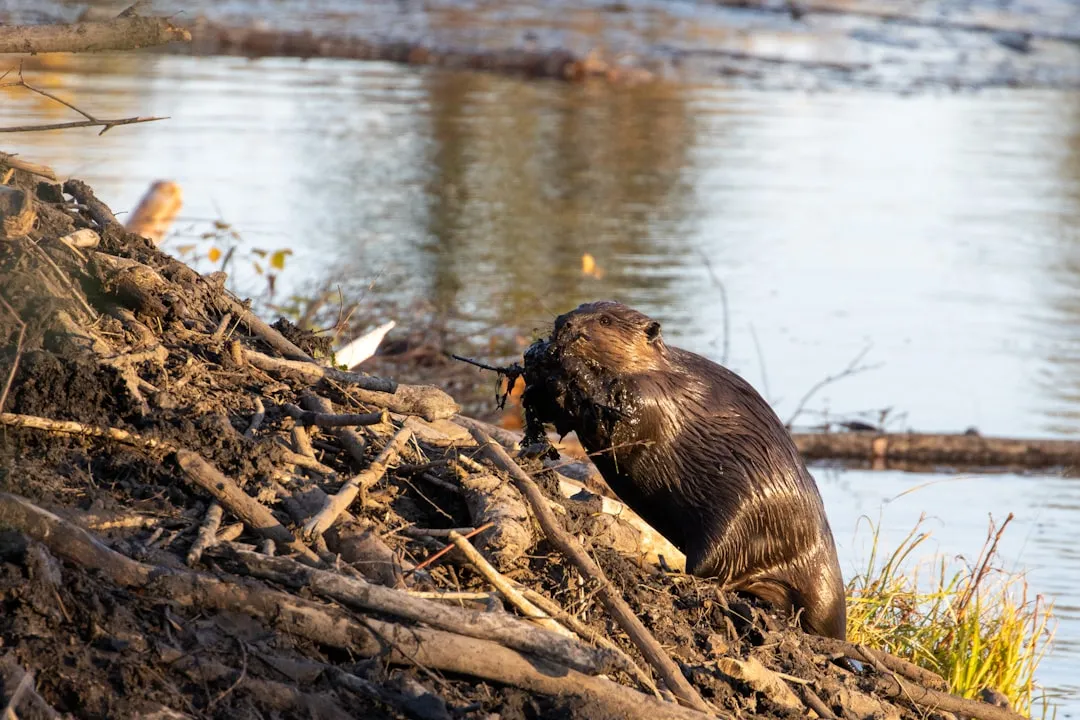
Beavers aren’t just cute dam builders – they’re ancient civil engineers. Their dams flood entire areas, turning fast-moving streams into deep ponds that keep land predators out. Inside, their lodges have underwater entrances, creating a safe room that only swimmers can reach. This single strategy has reshaped whole ecosystems for thousands of years, and it still works exactly as designed.
Termites, ants, and some rodent species run a similar playbook underground. Complex tunnel systems let colonies:
- Escape in multiple directions if attacked
- Control temperature and humidity like a natural HVAC system
Some spiders take it further, building webs that double as motion sensors, detecting the faintest vibration before danger even arrives. While humans brag about “smart homes,” these animals have lived in engineered, defense-ready structures since long before blueprints existed.
#3 – Living In Tight-Knit Clans With Strict Roles
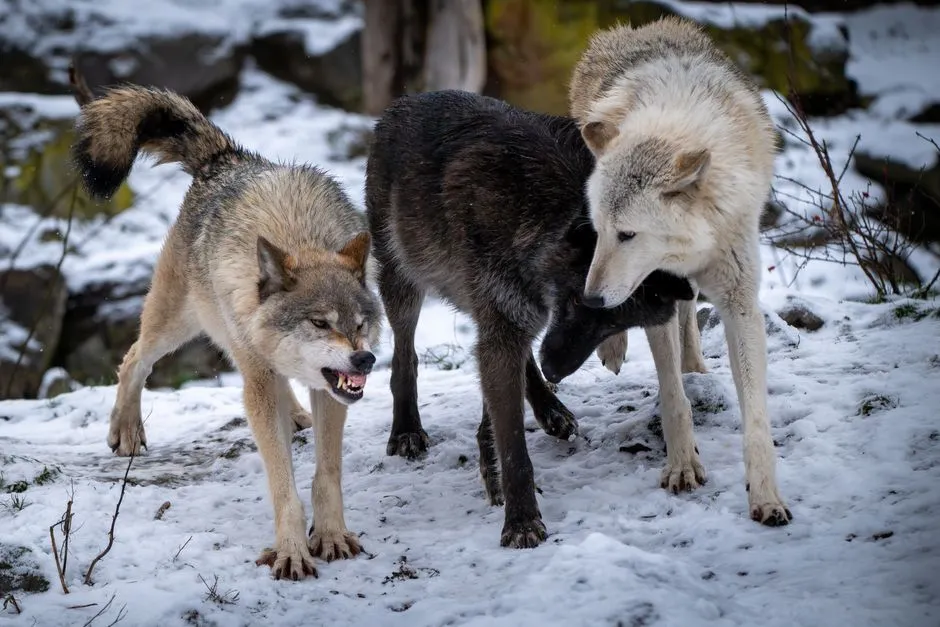
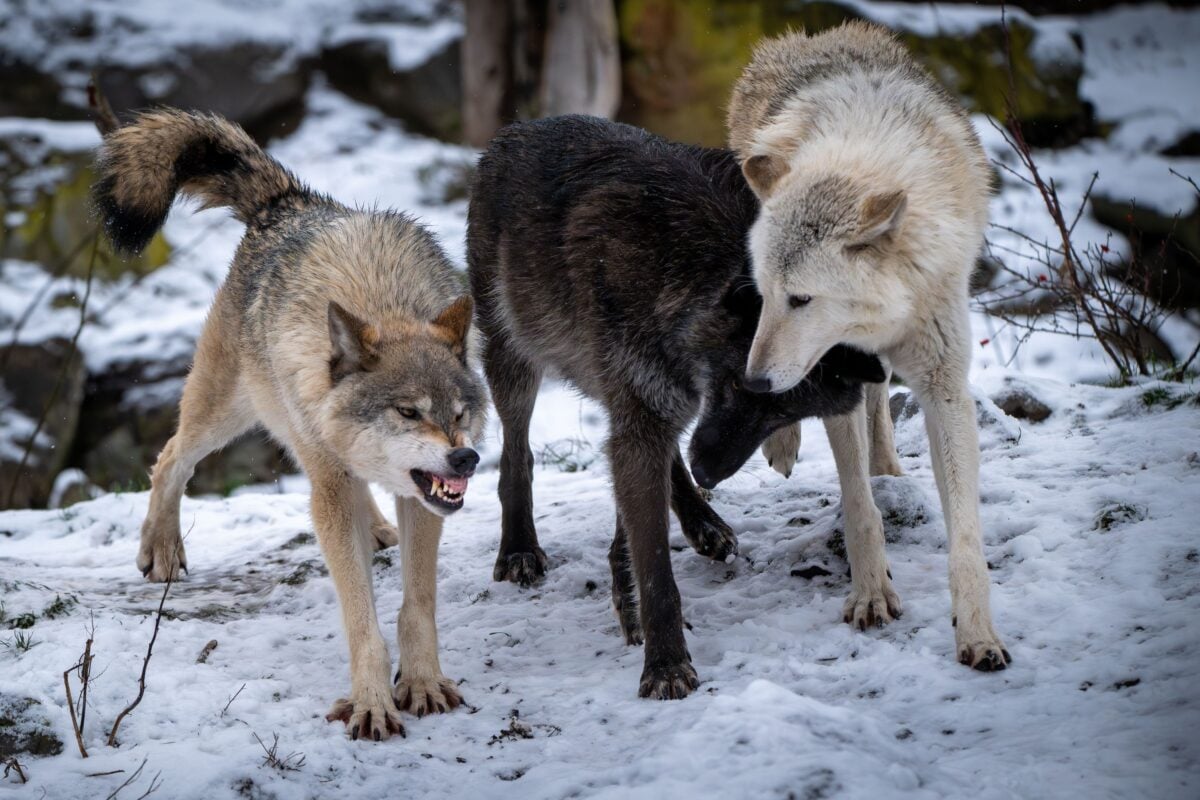
Everyone loves to romanticize the “lone wolf,” but real wolves survive by doing the opposite. They live in complex pack structures with an alpha breeding pair, subordinate adults, and helpers who assist with hunting and pup care. A coordinated pack can take down prey five to ten times heavier than any single wolf could handle alone.
Ants, bees, naked mole-rats, and meerkats all run similar caste systems with clearly defined jobs:
- Foragers risk their lives for food
- Guards watch for threats
- Queens or breeders keep the genes flowing
Is it fair by human standards? Not really. But evolution was never grading for fairness – only for what works. And highly organized, role-based cooperation has worked brutally well for millions of years.
#2 – Migrating Thousands Of Miles Using An Ancient Internal Map
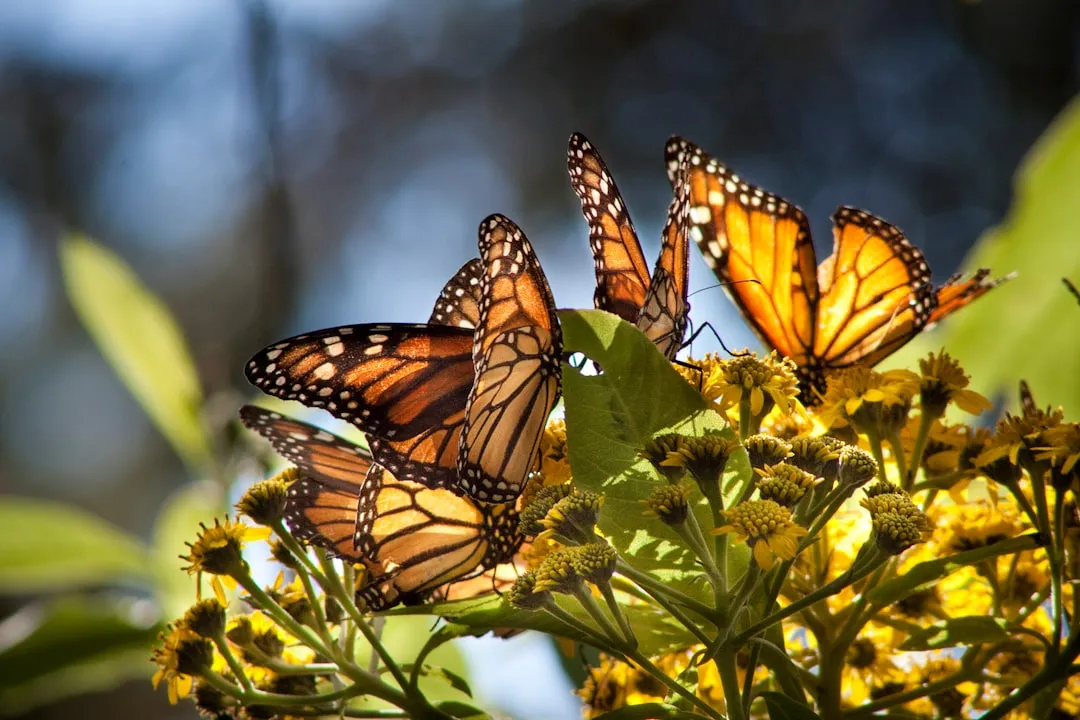
Most people underestimate how extreme migration really is. Arctic terns fly from the Arctic to Antarctica and back every single year – tens of thousands of miles on wingpower alone. Monarch butterflies migrate across multiple generations, with great-grandchildren finishing a journey their ancestors started and somehow landing in the exact same Mexican forests.
Scientists believe these animals navigate using the sun, the stars, Earth’s magnetic field, and even smell, layered together into a built-in compass system. Wildebeest track seasonal rains, sea turtles return to the beaches where they hatched, and gray whales retrace ancient ocean routes between feeding and breeding grounds. When climate change scrambles these signals, migrations start to break down – proof of just how old, and how fragile, these internal maps really are.
At a Glance
- Arctic terns fly a round trip of roughly 44,000-59,000 miles every year between the Arctic and Antarctic
- Over a 30-year lifespan, that adds up to nearly 1.5 million miles – about three trips to the moon
- Monarch migration is a relay – no single butterfly completes the whole round trip
- Sea turtles can return to nest on the very beach where they hatched decades earlier
Nothing in biology makes sense except in the light of evolution.
Theodosius Dobzhansky
#1 – Sacrificing Their Own Body Parts To Escape Alive
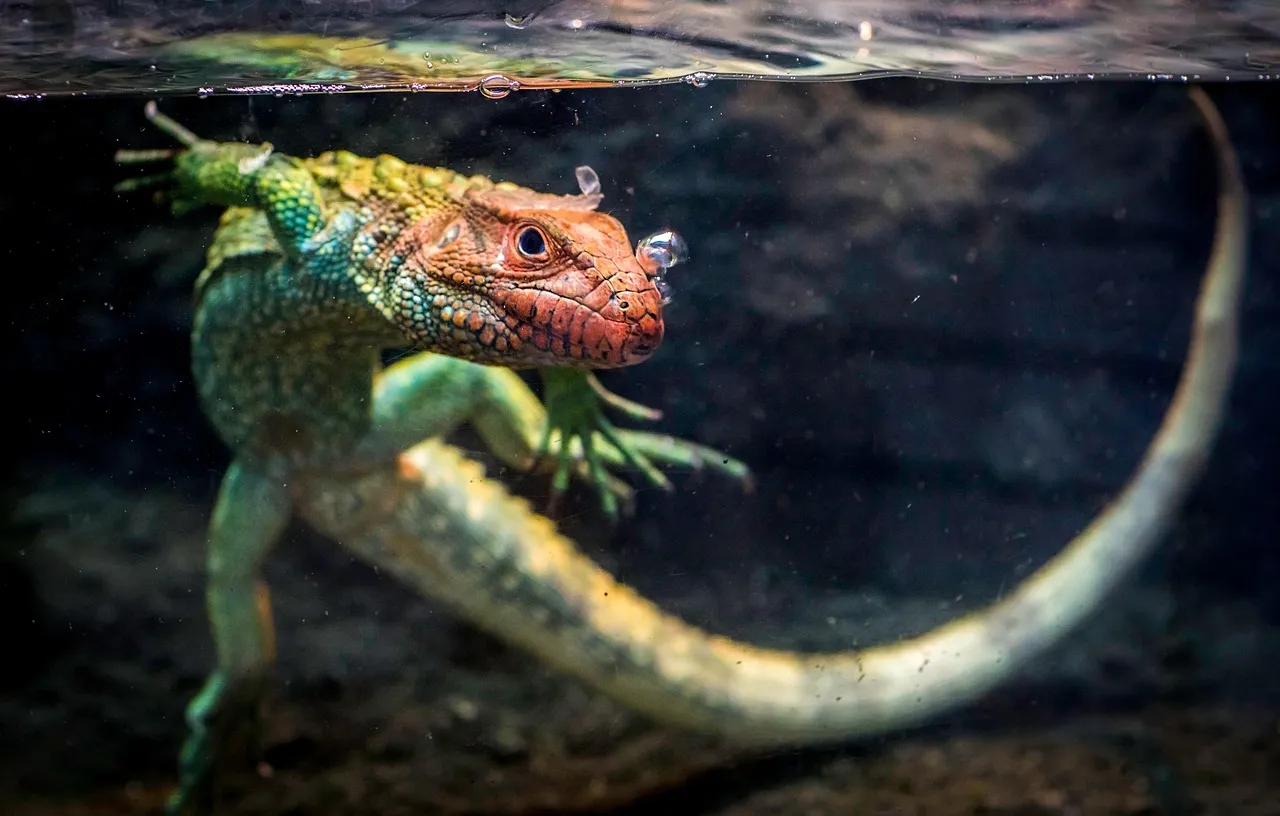
If you think “take one for the team” sounds extreme, some animals take it literally – they drop pieces of their own body and run. Many lizards will snap off their own tails the instant a predator grabs them. The detached tail keeps wriggling on its own, distracting the attacker while the lizard bolts to safety.
Some species can pull this off multiple times, regrowing a shorter, less perfect tail with each round. Spiders will abandon a leg to escape a web or a predator’s grip, and crabs, starfish, and certain insects can do the same with their limbs. It’s an ancient, ruthless calculation: lose a piece to save the whole animal. Uncomfortable as it looks, “alive and damaged” beats “perfect and eaten” every single time.
The Bottom Line
Zoom out far enough and a harsh pattern appears: the wild doesn’t reward fairness, beauty, or even raw strength. It rewards whatever keeps an animal alive long enough to reproduce, no matter how ugly, risky, or counterintuitive that looks to us. Freezing solid, faking death, mobbing bigger predators, dropping body parts – these aren’t quirks. They’re ancient, brutally efficient programs that have survived every environmental curveball for millions of years.
The uncomfortable truth is that humans like to think we’ve moved past all of this, but we’re still running softer versions of the same playbook – fortresses, social clans, warning signs, mass migrations. We just built ours out of concrete, uniforms, and airline tickets instead of scales and instinct. So which of these strategies do you think we secretly rely on the most, and did we skip an ancient trick that deserved the #1 spot?

- 10 Ancient Survival Strategies Animals Still Use Every Day - August 4, 2026
- 6 Things Never to Do When A Shark Approaches You - August 3, 2026
- 8 Astounding Animal Migrations That Defy All Scientific Explanation - August 3, 2026