
There are many animals who arew fire proof and have been a part of Earth’s landscapes for hundreds of millions of years. While most creatures flee from flames, a select group of animals has evolved remarkable adaptations that allow them to face head-on. These species have developed stunning strategies to survive, and in some cases even exploit, the destructive power of wilds. From heat-seeking beetles to -spreading birds, nature has produced some truly unexpected masters of flame.
Their methods vary wildly. Some use sophisticated biological sensors to detect blazes from miles away. Others enter states of deep hibernation to wait out the scorching heat. Still others have learned to weaponize itself.
Ready to meet the world’s most fearless survivors? Let’s dive in.
1. Black Beetle (Melanophila acuminata)
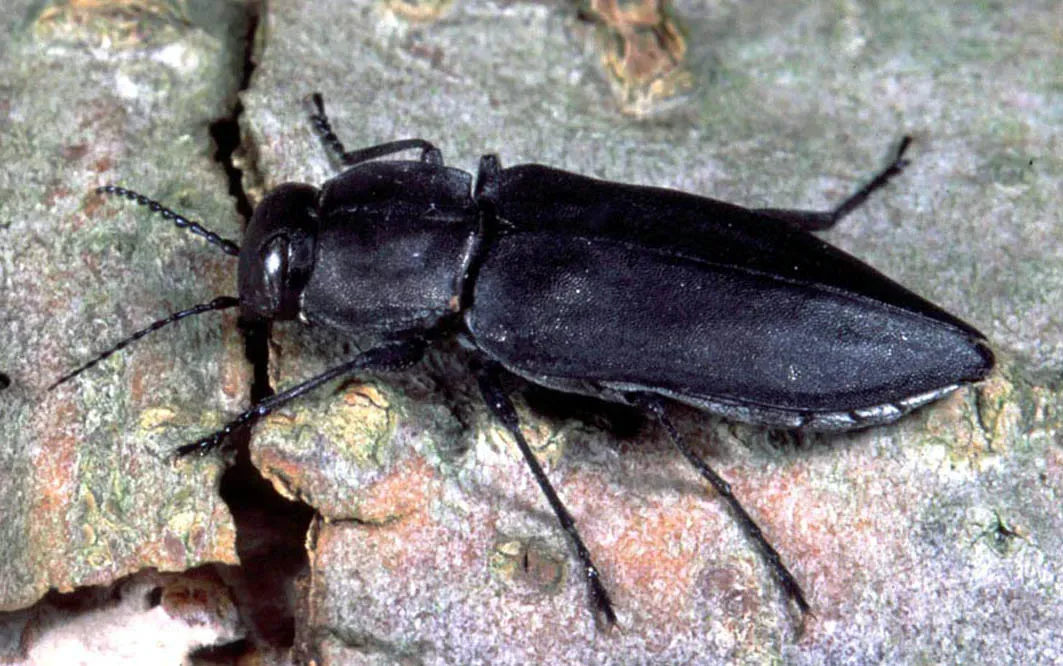
Imagine a creature so obsessed with that it can travel over 60 kilometres to find it. The black beetle doesn’t just tolerate flames; it actively hunts them down. They swarm freshly burned conifer trees, which they find using sensors on their thorax.
These beetles possess what scientists call photomechanic infrared receptors. Each pit below their middle pair of legs is only as wide as a few human hairs, and consists of 70 dome-shaped sensors. When infrared radiation hits these sensors, liquid inside them expands, triggering nerve cells that alert the beetle to .
Their motivation? Reproduction. They can only lay their eggs in freshly burnt trees, whose defences have been scorched away. The charred wood provides the perfect nursery for their larvae, which feast on the weakened timber.
Here’s the thing: these beetles aren’t picky about their heat sources. Forest s will obviously do, but so will industrial plants, kilns, burning oil barrels, vats of hot sugar syrup, and even cigarette-puffing sports fans. In the 1940s, beetles even swarmed football stadiums in Berkeley when cigarette smoke filled the air.
The species often arrives en masse while a wild is still burning and has been observed running over surfaces that are too hot to touch. That’s commitment to a lifestyle.
2. Australian hawks (Black Kites, Whistling Kites, Brown Falcons)
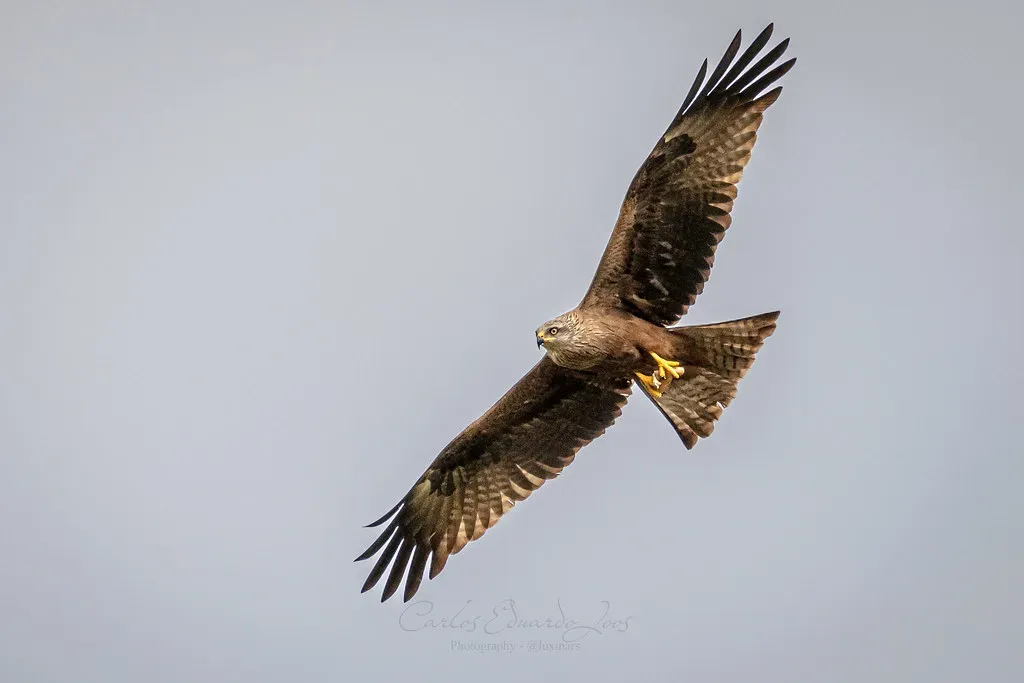
Perhaps no relationship is more jaw-dropping than that of Australia’s so-called hawks. Raptor species in northern Australian savannas really do spread to smoke out prey. We’re talking about birds that deliberately carry burning sticks to start new s.
Black kites, whistling kites and brown falcons congregate around savanna s, descend to seize burning sticks and transport them in their beaks or talons, either individually or in small cooperative groups. After dropping the sticks in other areas and setting the ground ablaze, these specialists swoop closer and grab grasshoppers and other invertebrates in midair.
Indigenous Australian communities have known about this behavior for generations. Observations by fighters and aboriginal people suggest that the birds seed new s by picking up burning sticks in their talons or beak and transporting them to other areas. It has even been suggested that aboriginal Australians learned these techniques by watching the hawks.
The behavior appears coordinated, like a pack hunt. Multiple birds working together can flush out hundreds of prey animals from unburned vegetation. Let’s be real: weaponizing to hunt is one of the most sophisticated tool-using behaviors ever documented in birds. Accounts of multiple witnesses suggest this behaviour is not a fluke.
Some scientists initially dismissed these accounts as accidental. Yet the evidence keeps mounting that these birds know exactly what they’re doing.
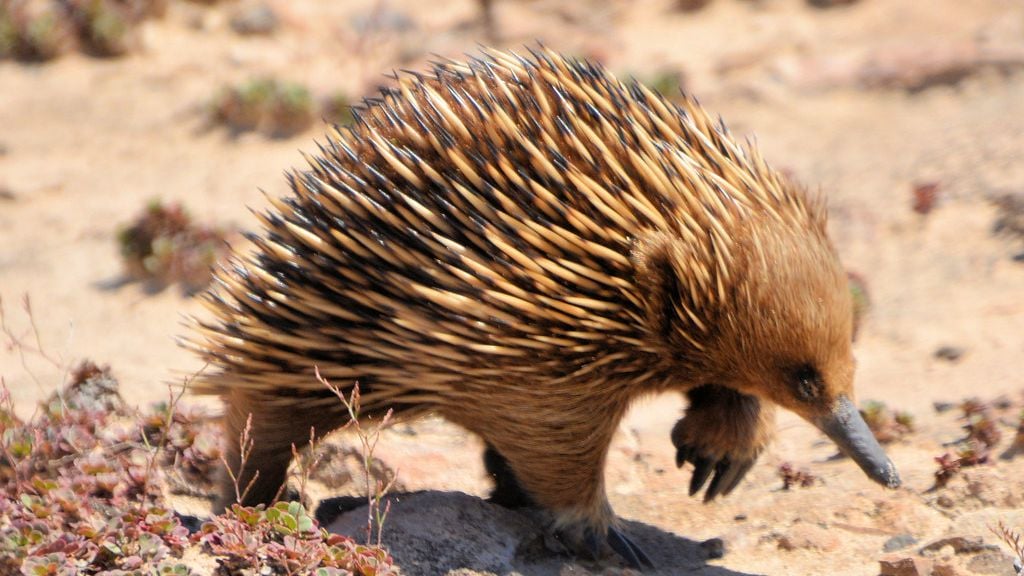
3. Short-Beaked Echidna
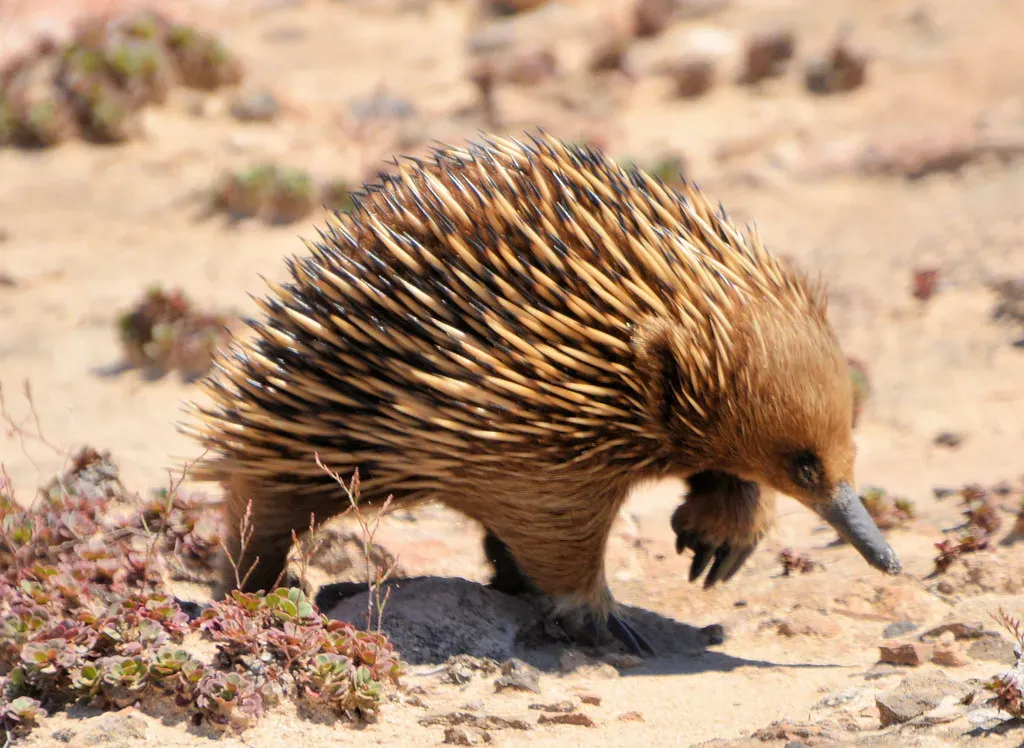
The spiny echidna looks like it wandered out of prehistory. After a catastrophic blaze in Warrumbungle National Park in eastern Australia, it was noticed that the population of echidnas was unchanged from the numbers before the . How did they pull off this survival miracle?
The answer shocked researchers. Far from running from the flames, the animals found a safe haven and went to sleep. Their body temperature dropped and they entered a state of hibernation called torpor. Their low temperature made them slightly -retardant.
Their strategy is brutally simple but effective. When approaches, echidnas burrow into hollow logs or underground shelters. There, they enter torpor, dropping their body temperature dramatically. In this state, its body temperature can drop as low as 14°C.
Rather than risk starvation, the clever echidnas stayed in their Sleeping Beauty state until the burnt vegetation regenerated and provided food again. They can remain torpid for days or even weeks, outlasting both the and its immediate aftermath when food is scarce.
Four of five echidnas at the site survived the burn during controlled experiments. Their thick spines provide some protection, though sometimes these spines melt when heat is too intense. Even then, many echidnas survive and continue living normally.
4. Smoke Flies (Microsania Species)
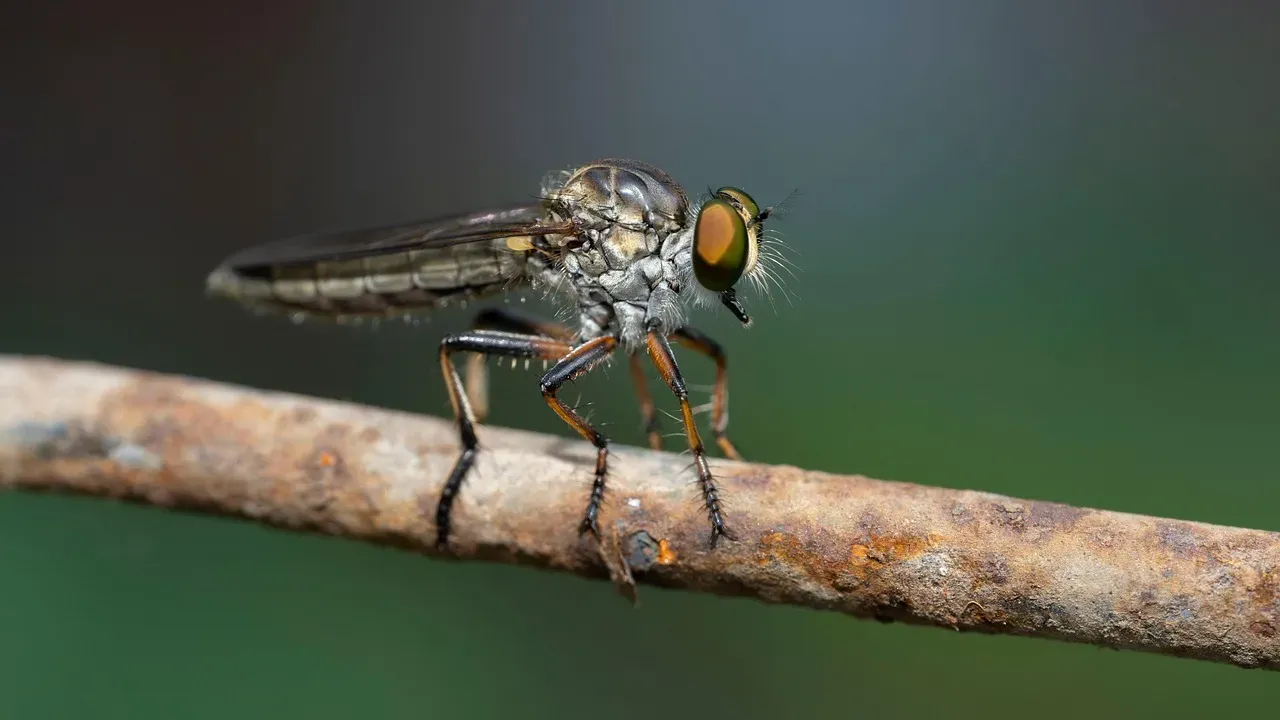
Smoke flies are tiny insects, just a couple of millimetres long, and were thought to be vanishingly rare until they were observed swarming in a plume of smoke. These minuscule creatures have one of the strangest life cycles in the insect world.
Flies of the genus Microsania are some of the most numerous and well-described pyrophilic insects. Pyrophilic means -loving, and that’s putting it mildly. These flies are specifically adapted to colonize burned areas immediately after passes through.
What makes pyrophilous insects remarkable is their rarity. Of the over 1 million known insect species, only 0.005% are known to have a pyrophilous lifestyle. These include at least 30 species of beetles, 10 species of flies, 8 species of true bugs, and 1 species of moth.
Peak abundance may occur in the first one to two days of a , while it is still active, with numbers rapidly decreasing after a is extinguished. They arrive en masse during the blaze itself, reproduce quickly, then vanish.
Their attraction to smoke is so powerful that they appear seemingly out of nowhere when s ignite. Before scientists understood their dependence, smoke flies were considered incredibly rare because they’re almost never found outside burn zones.
5. Sericoda Ground Beetles
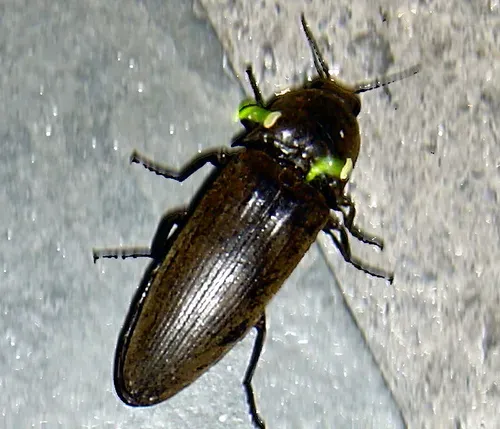
A ground beetle called Sericoda obsoleta descended from the smoke-filled sky in huge numbers during a wild in Canada and crawled into fighters’ clothing. Imagine battling a wild and being swarmed by beetles actively seeking the flames you’re trying to extinguish.
These beetles belong to a fascinating group of pyrophilous insects that have evolved specialized adaptations for . Like their beetle cousins, they possess organs sensitive to smoke and potentially infrared radiation.
Specialized olfactory organs sensitive to smoke and burnt plant volatiles guide adult insects to active wild sites. These chemical sensors are incredibly sensitive, allowing the beetles to detect s from considerable distances.
The beetles arrive during active burning events because that’s when conditions are optimal for their reproduction. Weakened, burned vegetation provides ideal habitat for their larvae. Competition from other insects is minimal in the immediate post- landscape.
Their bodies show physical adaptations for heat tolerance, though they’re not as extreme as some beetle species. Still, their willingness to arrive while smoke is thick and s are active demonstrates impressive heat resistance.
6. Little Ash Beetle (Acanthocnemus nigricans)
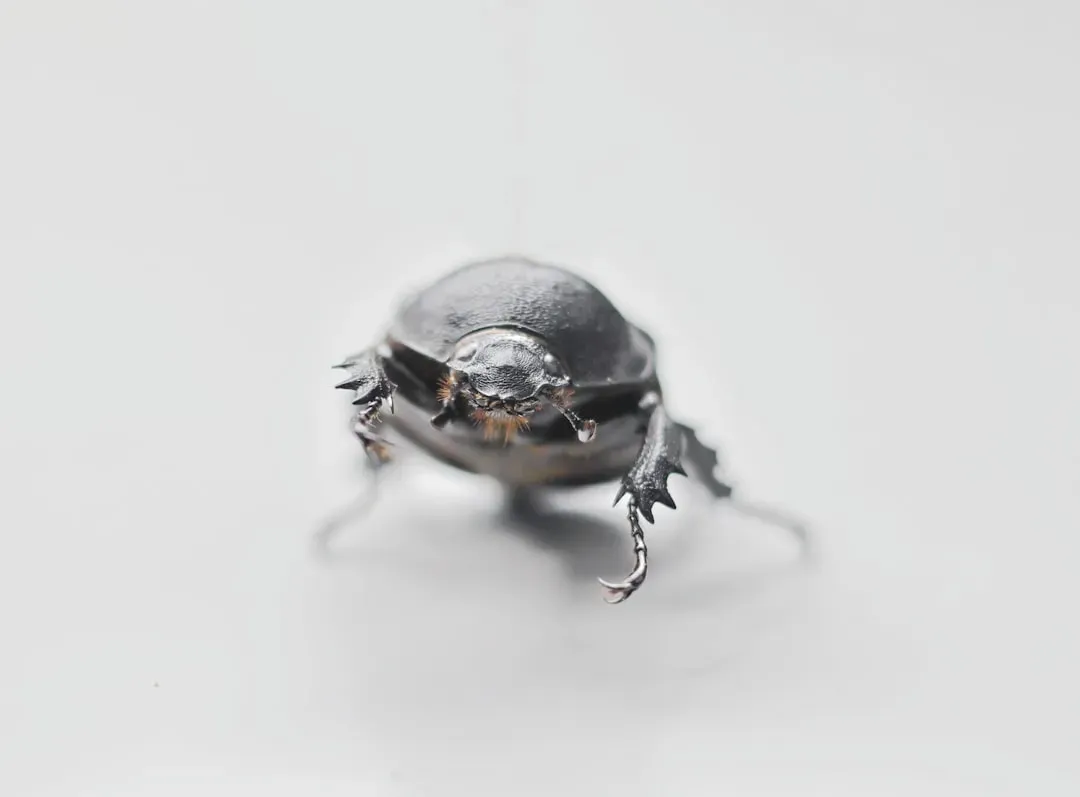
Australia is home to another remarkable specialist. The “little ash beetle” Acanthocnemus nigricans is only 4 mm long and highly attracted by hot ashes. Little is known about its biology. Similarly, Acanthocnemus also depends on s for its reproduction and is equipped with a pair of sophisticated prothoracic IR receptors.
Despite its tiny size, this beetle has evolved infrared sensing capabilities independently from other beetles. The convergent evolution of heat-sensing organs in multiple unrelated beetle families suggests these adaptations provide enormous survival advantages.
The IR receptors are housed in extra-antennal sensory organs, which can be found on the thorax or on the abdomen. In Acanthocnemus, these sensors are located on the prothorax, the first segment behind the head.
What little research exists on this species reveals it shares the same basic lifestyle as other pyrophilous beetles. It colonizes freshly burned areas, reproduces in the charred wood, then disappears. Its larvae develop in the ash and burned timber.
The beetle’s small size might actually be an advantage in environments. It can more easily find refuge in tiny crevices and cracks that provide insulation from extreme heat. Its rapid life cycle allows quick reproduction before conditions change.
7. Flat Bugs (Aradus Species)
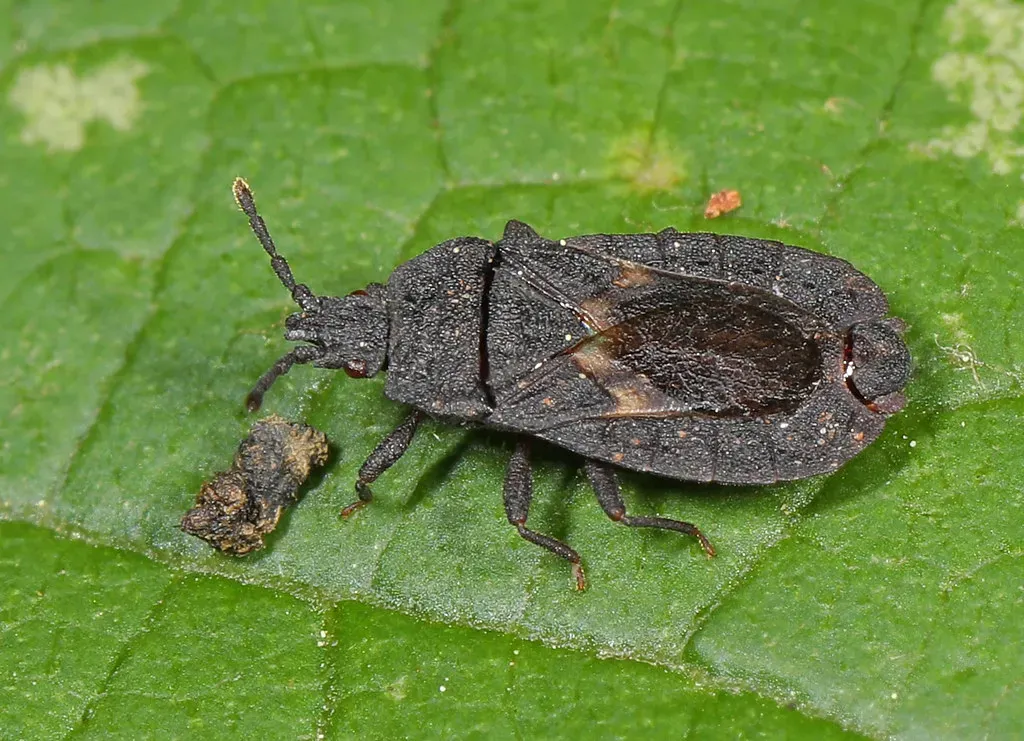
IR receptors have also been discovered in a few pyrophilous members of the flat bug genus Aradus. With respect to morphology and function, the IR receptors of Aradus bugs are very similar to those described for Melanophila beetles.
Here’s what’s fascinating: these bugs evolved infrared sensing completely independently from beetles. They’re not even closely related, yet they developed nearly identical heat-detection systems. That’s convergent evolution at its finest.
In Aradus bugs about a dozen IR receptors are interspersed between mechanosensory bristles on the first thoracic segment. Unlike Melanophila beetles which have sensors packed in pits, Aradus bugs have theirs scattered across their thorax surface.
These bugs are attracted to s for the same reason as beetles: reproduction. Burned wood provides ideal conditions for their offspring. The weakened trees are easier to penetrate, and the post- environment has reduced competition and predation.
Beetles of the genus Melanophila and certain flat bugs of the genus Aradus actually approach forest s. For the detection of s and of hot surfaces the pyrophilous species of both genera have developed infrared receptors. Both groups are active seekers rather than accidental survivors.
8. Sahara Silver Ant (Cataglyphis bombycina)
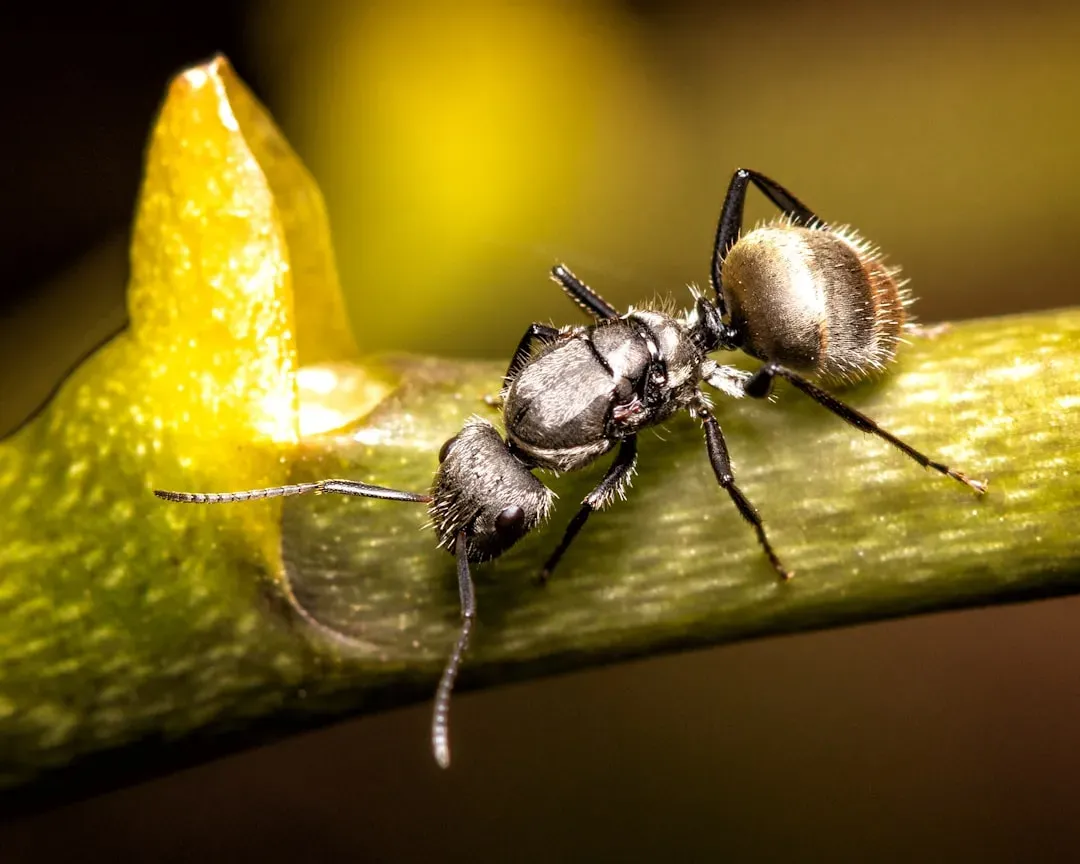
The Sahara silver ant operates in conditions that would kill most creatures within minutes. It lives in the Sahara Desert and forages at a body temperature well above 50°C with surface temperatures of up to 70°C. In laboratory tests, the critical thermal maxima were measured at 53.6°C for C. bombycina.
These ants have one of the most specialized ecological niches on Earth. As other desert ants retreat to underground burrows at surface temperatures of 35 to 45°C, C. bombycina is only starting its foraging activity. They forage during the hottest part of the day when lizard predators must shelter.
The foraging activity of C. bombycina is compressed to a width of just 7°C. They will forage until their body temperature reaches the CTM, at which time they must seek refuge. Failure to find respite from the heat in critical seconds will result in becoming a heat casualty themselves.
Their bodies show multiple heat adaptations. Prism-shaped hairs covering the body of workers reflect solar radiation through total internal reflection, which limits heat absorption when the workers are exposed to sunlight. These specialized hairs act like tiny mirrors.
They’re also incredibly fast, minimizing sun exposure. Their long legs elevate them above the scorching sand surface where temperatures are slightly cooler. When necessary, they pause on vegetation stalks to offload excess heat before continuing their frantic scavenging runs.
9. Red Imported Ant (Solenopsis invicta)
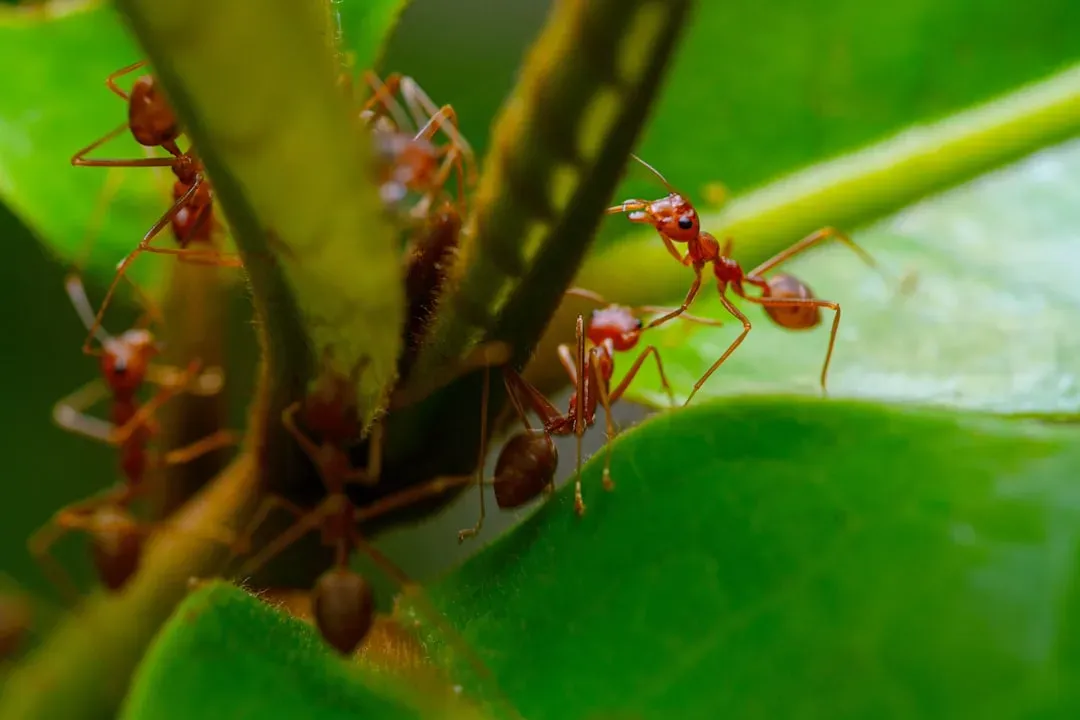
The name ” ant” is appropriate in more ways than one. Workers of S. invicta previously exposed to high temperatures can survive at higher temperatures than others. These ants demonstrate remarkable thermal plasticity.
The invasive ant, Solenopsis invicta, was among the thermally plastic species when researchers tested heat tolerance across seasons. The ants could adjust their heat resistance depending on environmental conditions they experienced.
ants show what scientists call rapid heat hardening. ants could improve their heat tolerance after rapid heat hardening, and exposure to 36°C for 1 hour was the optimum condition for building resistance. Pre-exposure to moderate heat helps them survive extreme temperatures later.
Their thermal adaptability is one reason they’ve become such successful invaders. Thermal tolerance and desiccation resistance, when combined with thermal plasticity, could be important for the global success of nonnative ants in novel climates.
Honestly, their ability to acclimate to temperature extremes makes them formidable survivors. They can adjust their physiology within hours or days to match changing conditions. This flexibility allows colonies to thrive in environments ranging from tropical to temperate zones. While they don’t seek like pyrophilous beetles, their heat resistance helps them survive periodic blazes that sweep through their territory.
10. Eastern Red Bat
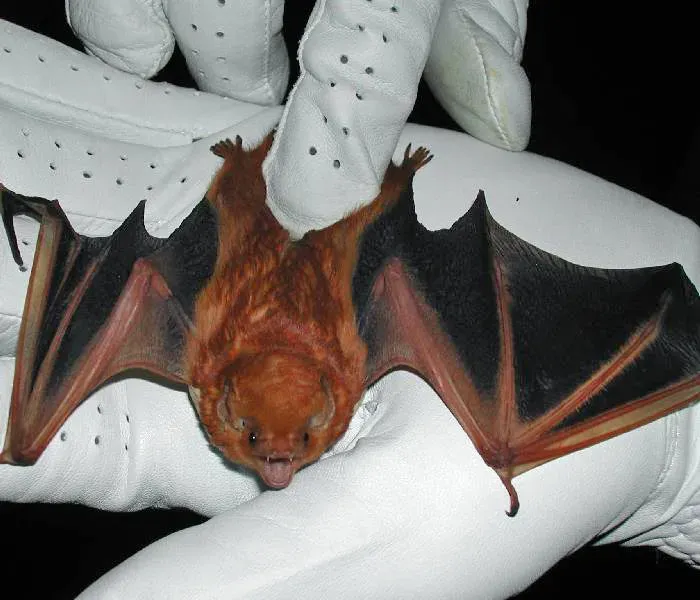
Bats might seem like unlikely survivors, yet one species has evolved a remarkable response. Eastern red bats live in forests and may be subject to multiple forest s within a lifetime. They have evolved to rouse from their hibernation-like torpor state when exposed to smoke.
This smoke-sensing ability is crucial for their survival. During torpor, bats are essentially unconscious, with dramatically reduced body temperature and metabolism. Without the ability to detect smoke and wake up, they would simply burn in their roosts.
The mechanism appears to be olfactory: specialized receptors detect smoke chemicals in the air. This triggers an emergency arousal response that brings the bats out of torpor quickly enough to fly away from approaching flames.
Wild animals have been evolving alongside s for over 400 million years, and many species have evolved to respond to the threat it brings by detecting and reacting to smoke on the wind. These species rely on smoke as an early warning system.
For forest-dwelling bats, this adaptation is essential. They roost in tree cavities and under bark where s can trap them. The ability to wake and escape in time means the difference between survival and death.
Their response system is finely tuned. It needs to be sensitive enough to wake them before arrives, yet not so sensitive that every camp or distant blaze interrupts their energy-saving torpor unnecessarily.
Conclusion
The natural world’s relationship with is far more complex than simple flight or death. These ten species demonstrate evolution’s creativity in the face of one of nature’s most destructive forces. From beetles with infrared vision to birds that spread flames intentionally, life has found extraordinary ways not just to survive , but to exploit it.
The intensity and frequency of modern wilds is pushing these coping skills to their limits as climate change creates more extreme conditions. Understanding how these remarkable creatures interact with becomes increasingly important as we enter what some scientists call the Pyrocene, an age defined by unprecedented wilds. These animals hold secrets about adaptation that could inform everything from fighting strategies to understanding how life persisted through Earth’s ancient conflagrations.
Which of these -adapted animals surprised you the most? The tool-using birds or the heat-sensing beetles?

- 6 Exotic Bird Species You Can Spot in U.S. National Parks - July 19, 2026
- 11 Iconic American Birds Facing New Challenges and How You Can Help - July 19, 2026
- 10 Friendliest Animals in the World - July 19, 2026