
There’s something quietly unsettling about walking outside on a summer morning and noticing that the air is less noisy than it used to be. Fewer birds. Fewer calls. It’s easy to dismiss it as a seasonal thing, but the science tells a different story.
The 2025 U.S. State of the Birds report, produced by a coalition of leading science and conservation organizations including American Bird Conservancy, Cornell Lab of Ornithology, Ducks Unlimited, and the National Audubon Society, reveals continued widespread declines in American bird populations across all mainland and marine habitats, with 229 species requiring urgent conservation action.
Key findings show that more than one-third of U.S. bird species are of high or moderate conservation concern, including 112 Tipping Point species that have lost more than half of their populations in the last 50 years. These aren’t just statistics. They represent birds that many Americans have grown up watching from their back porches, park benches, and kitchen windows. Here are eleven of them, what they’re facing right now, and what any of us can actually do about it.
1. The Bald Eagle: America’s Symbol Under Subtle Pressure
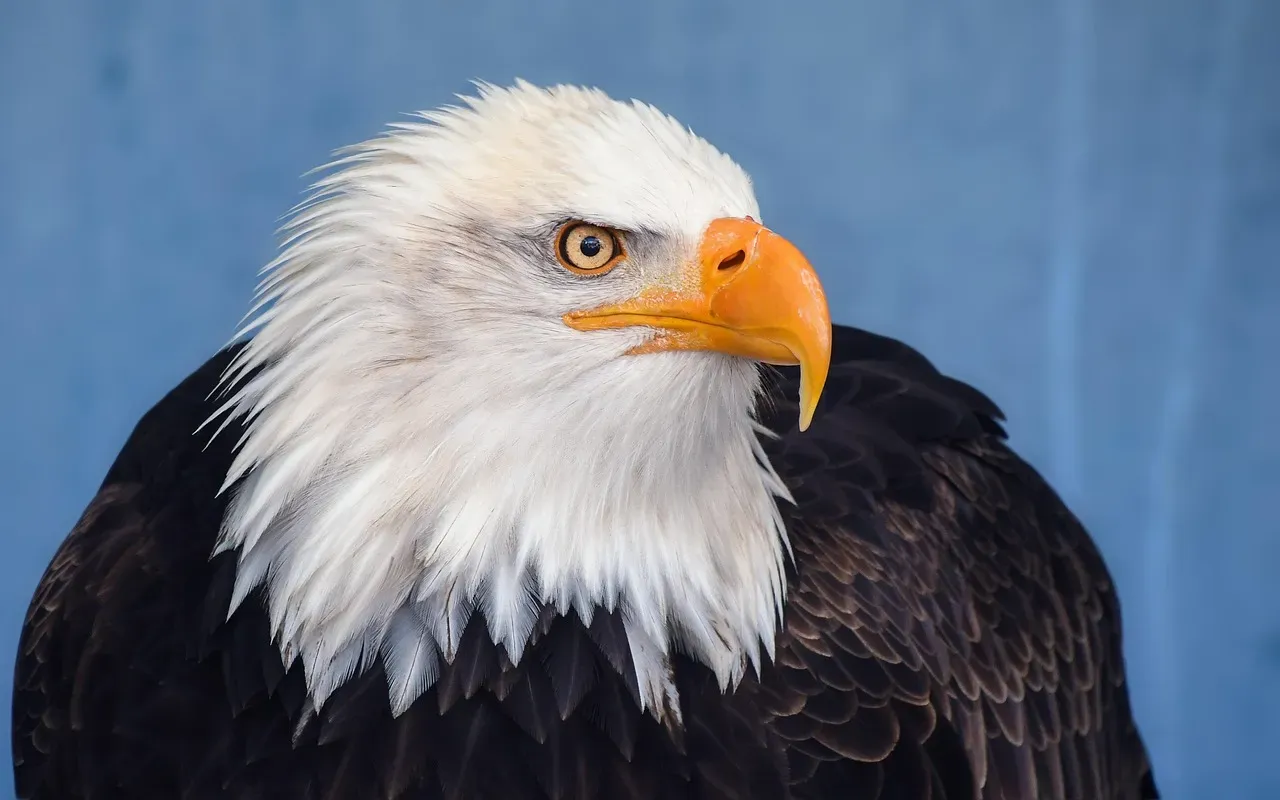
The bald eagle is perhaps the greatest conservation comeback story in American history. The ban on the harmful pesticide DDT in 1972 led to major comebacks for the Bald Eagle, Osprey, and other birds. Its rebound from near-extinction is genuinely remarkable and stands as proof that policy intervention works.
The bald eagle, once nearly wiped out by the pesticide DDT, has rebounded thanks to concerted efforts, and in December, the species even gained bipartisan recognition as the official U.S. bird. Still, the broader regulatory environment that helped eagles recover is now under strain.
Current bills and rulemakings propose weakening the Endangered Species Act, the National Environmental Policy Act, the Roadless Area Conservation Rule, the Northwest Forest Plan, and the Greater Sage-Grouse national conservation strategy, all at the same time. Eagles benefit from many of these protections indirectly, and eroding them could quietly unravel decades of progress.
You can help by supporting organizations that defend the Migratory Bird Treaty Act and by contacting your elected representatives to express that bird protections matter to you. Even a single message carries weight.
2. The Whooping Crane: Racing Against Extinction’s Edge
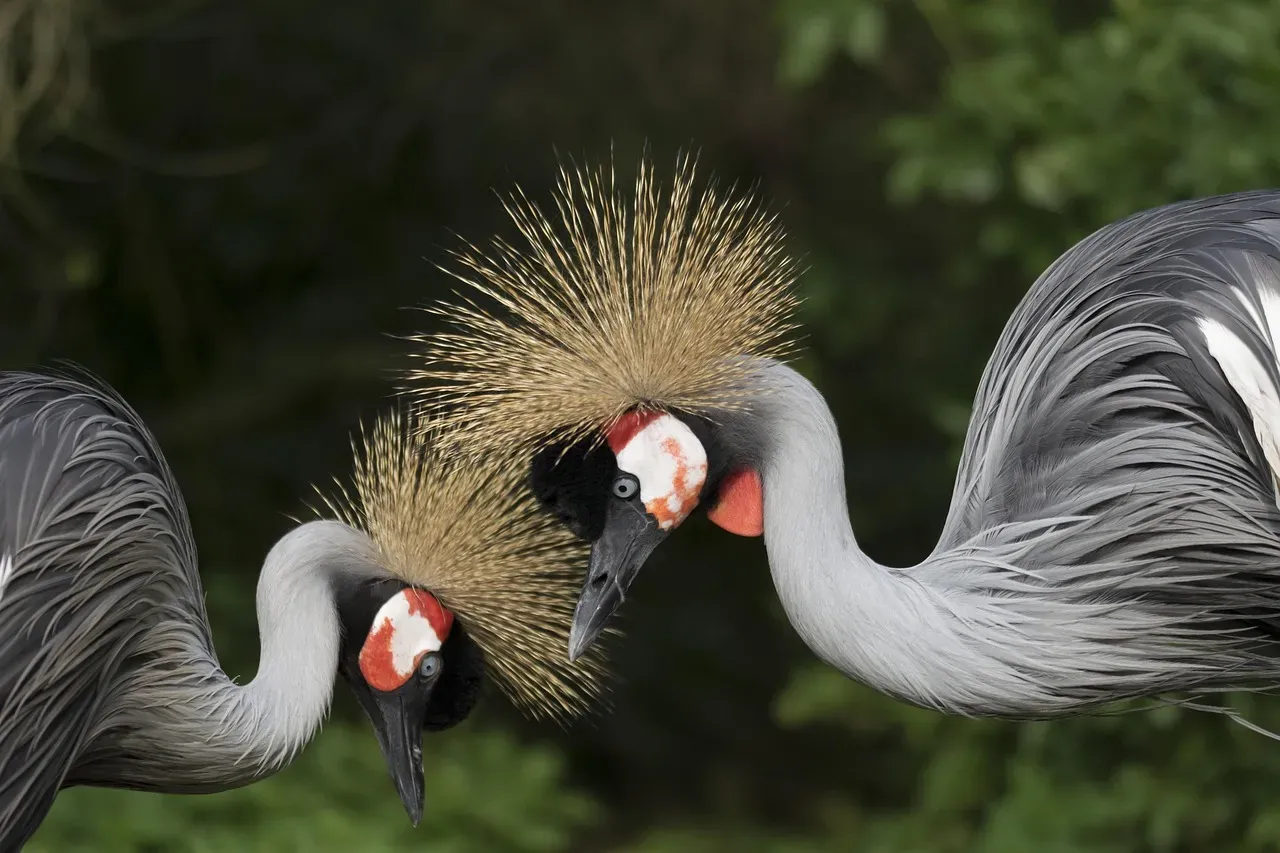
The whooping crane is one of the rarest birds on the continent, and its story is one of careful, sometimes agonizing, conservation work. Cranes rely on open grasslands such as prairies, pastures, and marshes, and the main threats to cranes are habitat loss and degradation. Cranes also die from car collisions and flying into power lines.
The Canadian Wildlife Service and the U.S. Fish and Wildlife Service are involved in recovery efforts under a 1990 Memorandum of Understanding on the Conservation of the Whooping Crane Related to Coordinated Management Activities. Sustained cross-border collaboration remains vital to this bird’s survival.
The whooping crane is also a tipping point species, meaning its population losses have been severe over half a century. Private lands programs and conservation partnerships such as conservation ranching, coastal restoration, forest renewal, and seabird translocation show how concerted efforts and strategic investments can recover bird populations. Supporting wetland conservation funds directly benefits this species’ wintering habitat. Donating to whooping crane recovery programs or simply raising awareness in your community helps keep momentum going.
3. The Peregrine Falcon: Urban Survivor with New Headwinds
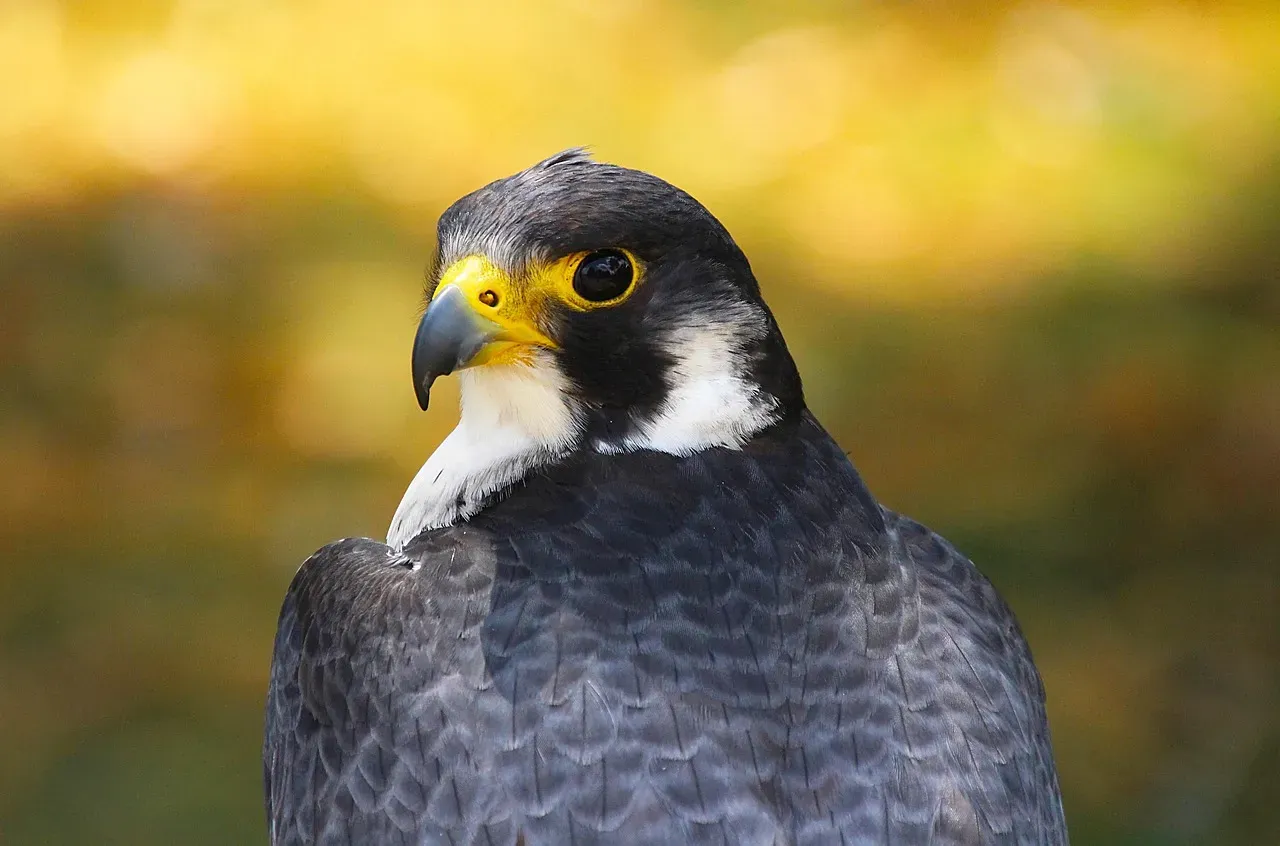
Peregrine falcons have made a genuinely dramatic recovery after DDT nearly erased them from North America. Today they nest on city skyscrapers and suspension bridges, which feels like a win. In North America, 70 percent of birds are migratory, including some of the most iconic species such as the bald eagle, the northern cardinal, the peregrine falcon, and the American flamingo, among many others.
Yet migratory species like the peregrine are now exposed to a weakening legal safety net. In April 2025, the administration reinstated its 2017 legal opinion removing protections against the killing or harm of migratory birds that results from, but is not the purpose of, human activity. This essentially reduces accountability for industries whose operations accidentally kill birds.
It essentially gives a free pass to industries for the accidental, but very real, killing of these birds, likely resulting in the additional deaths of thousands or tens of thousands of birds. You can help by urging your senators and representatives to support legislation that restores full Migratory Bird Treaty Act protections. In 2025, more than 25,000 people sent close to 200,000 messages using ABC’s Action Alerts to encourage legislators and other decision-makers to support policies that benefit birds and their habitats.
4. The Allen’s Hummingbird: A Backyard Favorite Slipping Away
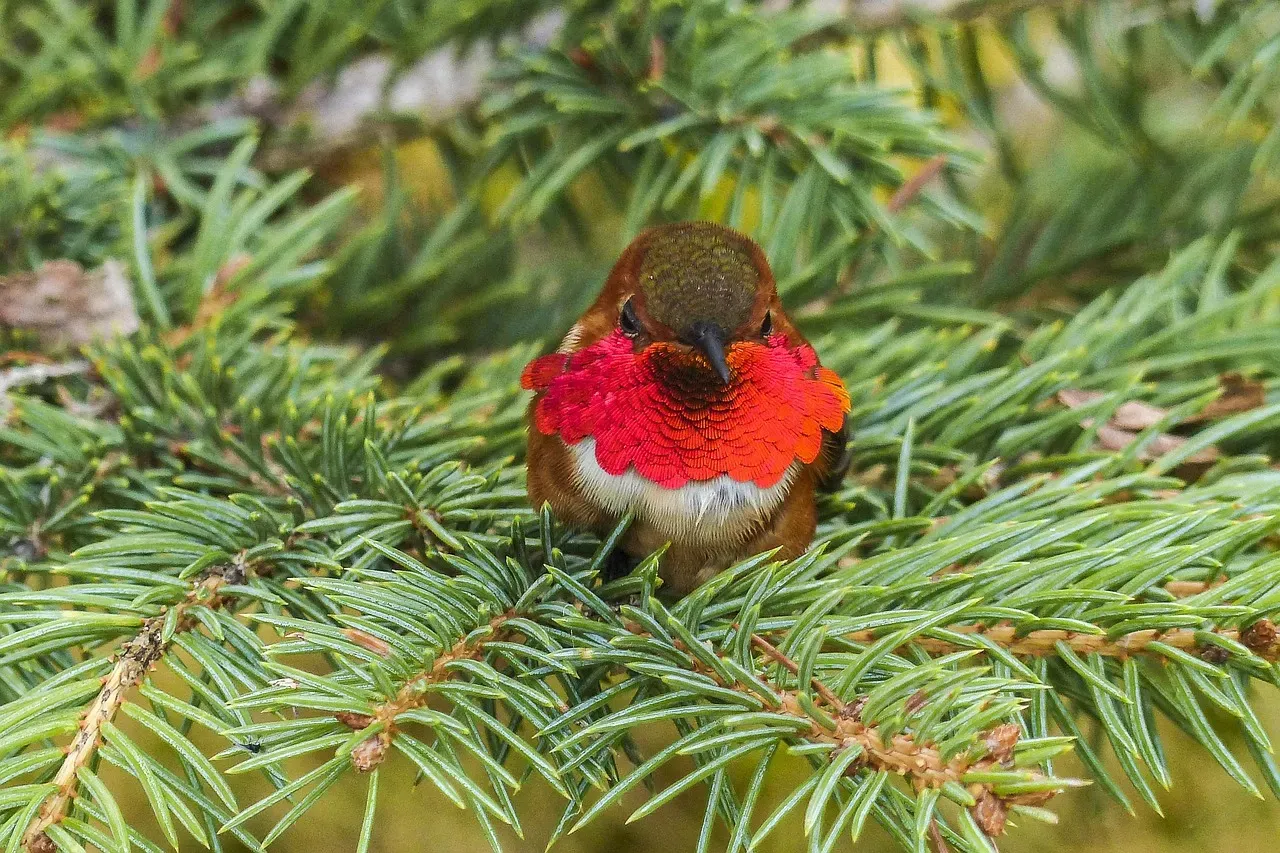
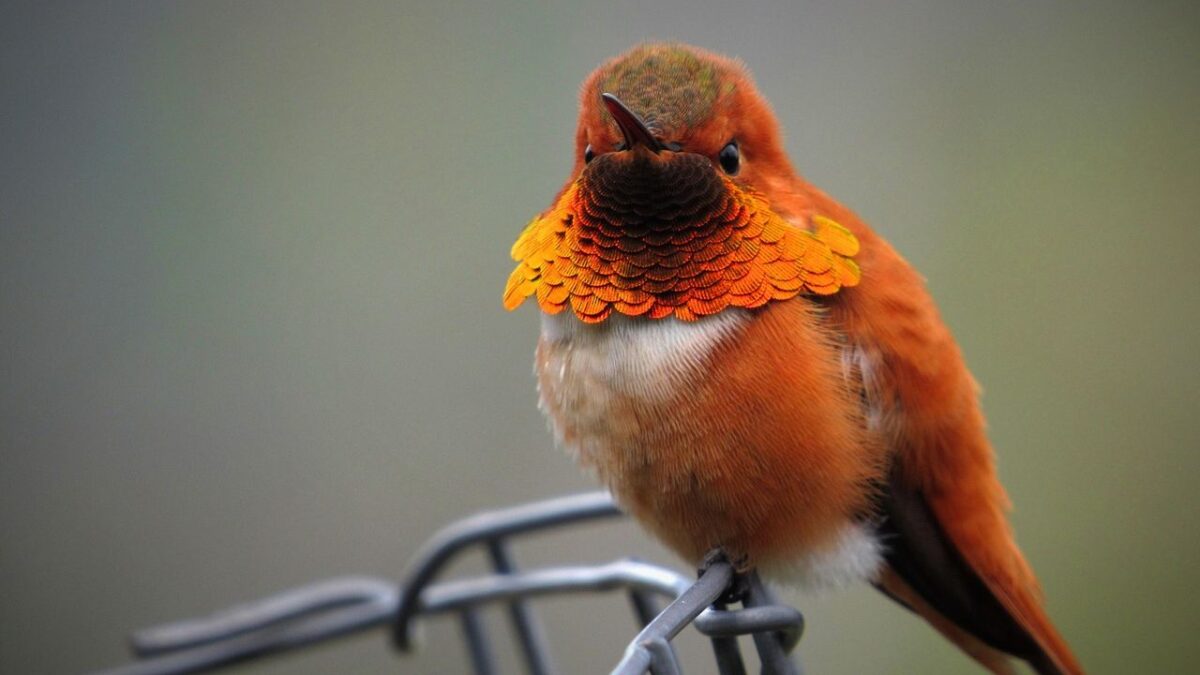
If you live along the California coast or have set out sugar-water feeders in the western U.S., you may have seen an Allen’s hummingbird. It’s a flash of copper and green that seems almost too vivid to be real. The trouble is, fewer people are seeing them.
Their populations decreased by roughly four-fifths between 1968 and 2019. Overall threats to hummingbirds like the Allen’s and Rufous include collisions with buildings, predation from outdoor cats, and deforestation or shrinking habitats.
The Allen’s Hummingbird is among the 42 Red-Alert species facing perilously low populations, alongside the Tricolored Blackbird and Saltmarsh Sparrow, birds that are at risk without immediate intervention. Keeping outdoor cats indoors, applying bird-safe window film, and planting native flowering plants that support pollinators are all practical steps any homeowner can take.
5. The Rufous Hummingbird: A Long Migrant in Trouble
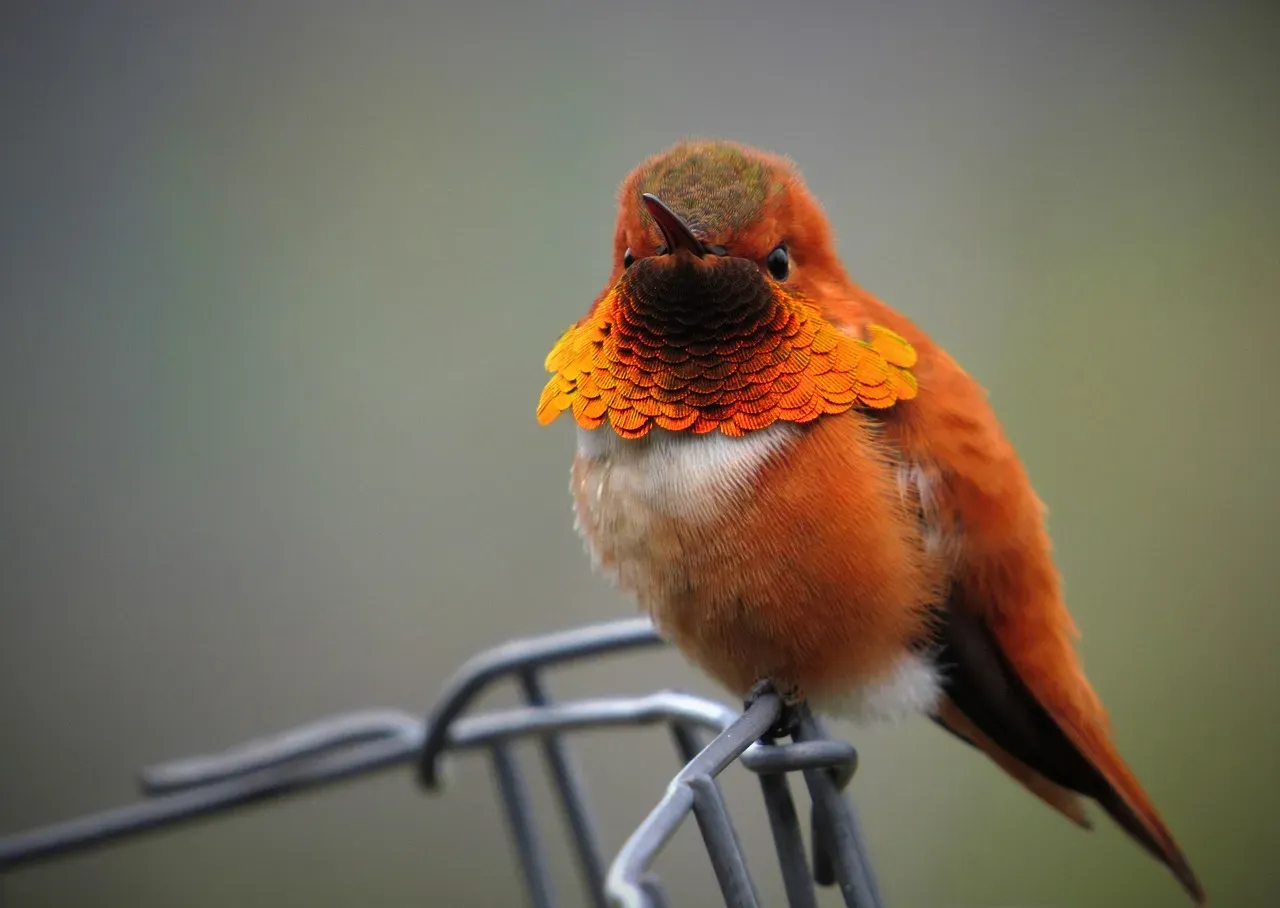
The rufous hummingbird makes one of the longest migrations of any hummingbird in the world, traveling from wintering grounds in Mexico all the way to breeding territories in the Pacific Northwest and into Alaska. That journey has become considerably more dangerous.
Rufous hummingbirds are suffering from habitat loss in all three nations they inhabit, due to wildfires, human activities including cat predation and window collisions, and climate change. The species is listed as an Orange Alert bird in the 2025 State of the Birds report, meaning it’s showing long-term population losses with accelerating recent declines.
New research shows that the bulk of losses among American birds are coming from the most common birds, such as Rufous Hummingbirds that flit around home feeders and Barn Swallows that swoop over farm fields. Planting native nectar sources along migration routes, keeping feeders clean and filled during migration windows, and supporting wildfire-resilient forest policies all make a real difference for this species.
6. The Florida Scrub-Jay: A Bird With Nowhere Else to Go
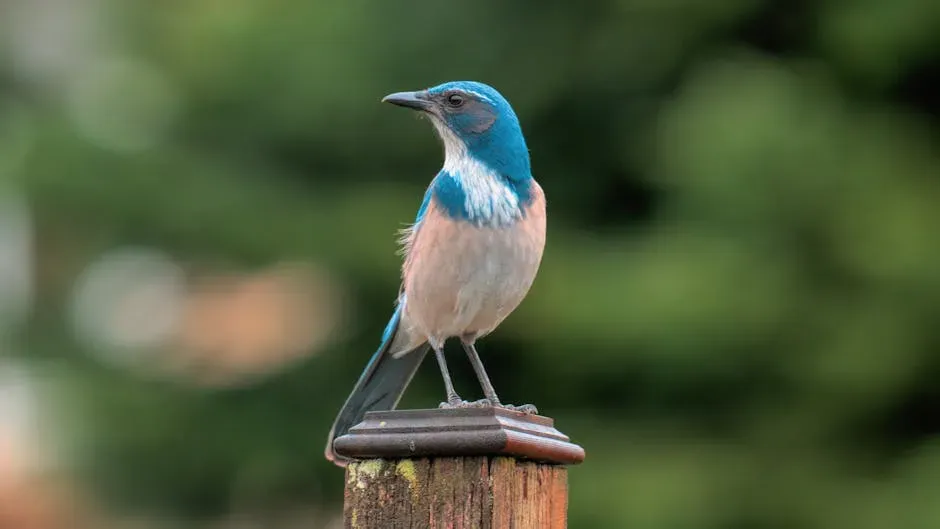
The Florida scrub-jay holds a distinction no other American bird can claim. Recognized in 1995 as a distinct species from the scrub-jays in the western U.S., it is the only bird species whose entire range is restricted to Florida. That makes any habitat loss anywhere in the state a direct threat to the species as a whole.
The greatest threats to the Florida scrub-jay are the loss and fragmentation of the bird’s preferred scrub habitat. A large portion of scrub natural communities has been converted to agriculture and other land uses, which has contributed to the fragmentation of their habitats and isolation of their populations.
The American Bird Conservancy worked hard in 2025 to ensure federal agencies and programs continued to support bird conservation, opposing a proposal to weaken the Endangered Species Act and joining a lawsuit to protect the Endangered Florida Scrub-Jay, the outcome of which will have implications for the Act as a whole. Supporting scrub habitat restoration through Florida conservation land trusts and participating in community science programs like eBird helps researchers track this bird’s remaining populations.
7. The Chimney Swift: Vanishing Above Our Rooftops
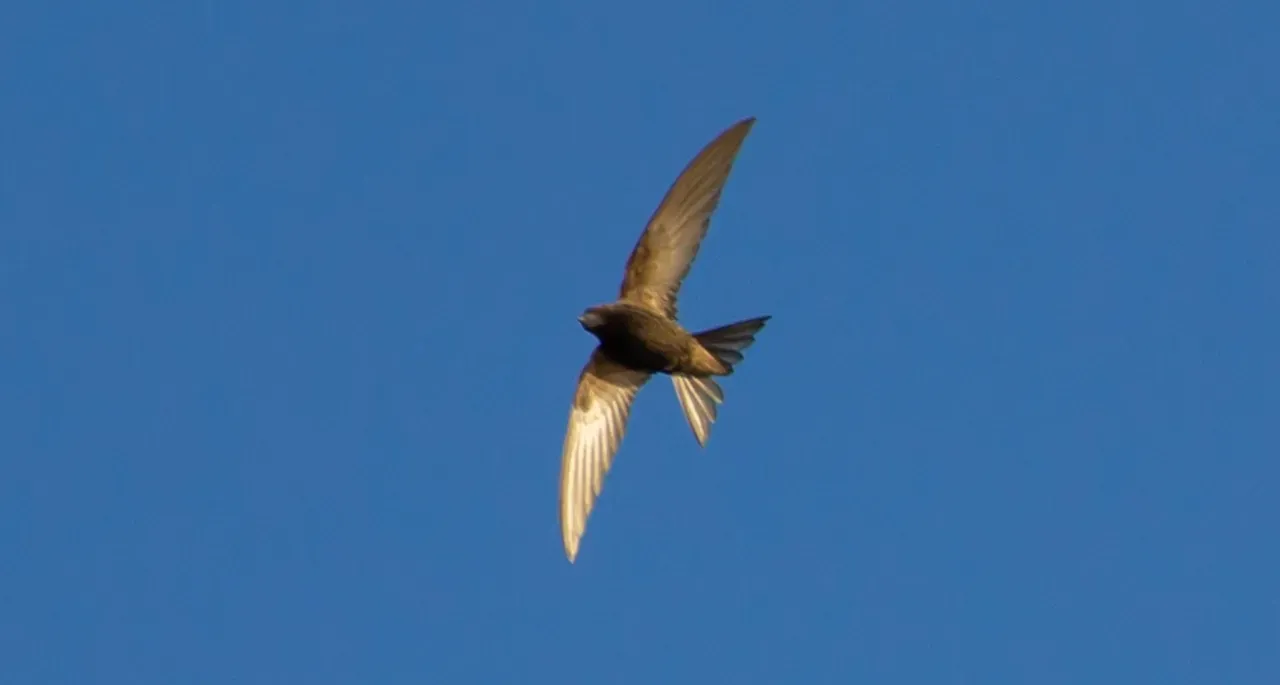
Chimney swifts are the birds that slice through the sky above downtown streets in darting, erratic arcs. They’re delightful to watch, and they consume enormous quantities of flying insects each day. Their decline is therefore a loss to both visual pleasure and natural pest control.
Chimney swifts are often seen swerving and swooping to feed on airborne insects above rooftops and chimney stacks in urban areas. Swift populations are in steep decline throughout most of their range, with the biggest losses around cities in the Upper Midwest, Gulf Coast, and southeastern Piedmont regions.
The primary reason is straightforward: modern chimneys are being capped or replaced with metal flues that swifts can’t nest in. You can help by building or installing a chimney swift tower in your yard or community, keeping old chimneys uncapped during nesting season, and reducing pesticide use that depletes the insect populations these birds depend on entirely.
8. The Saltmarsh Sparrow: Running Out of Time and Tide
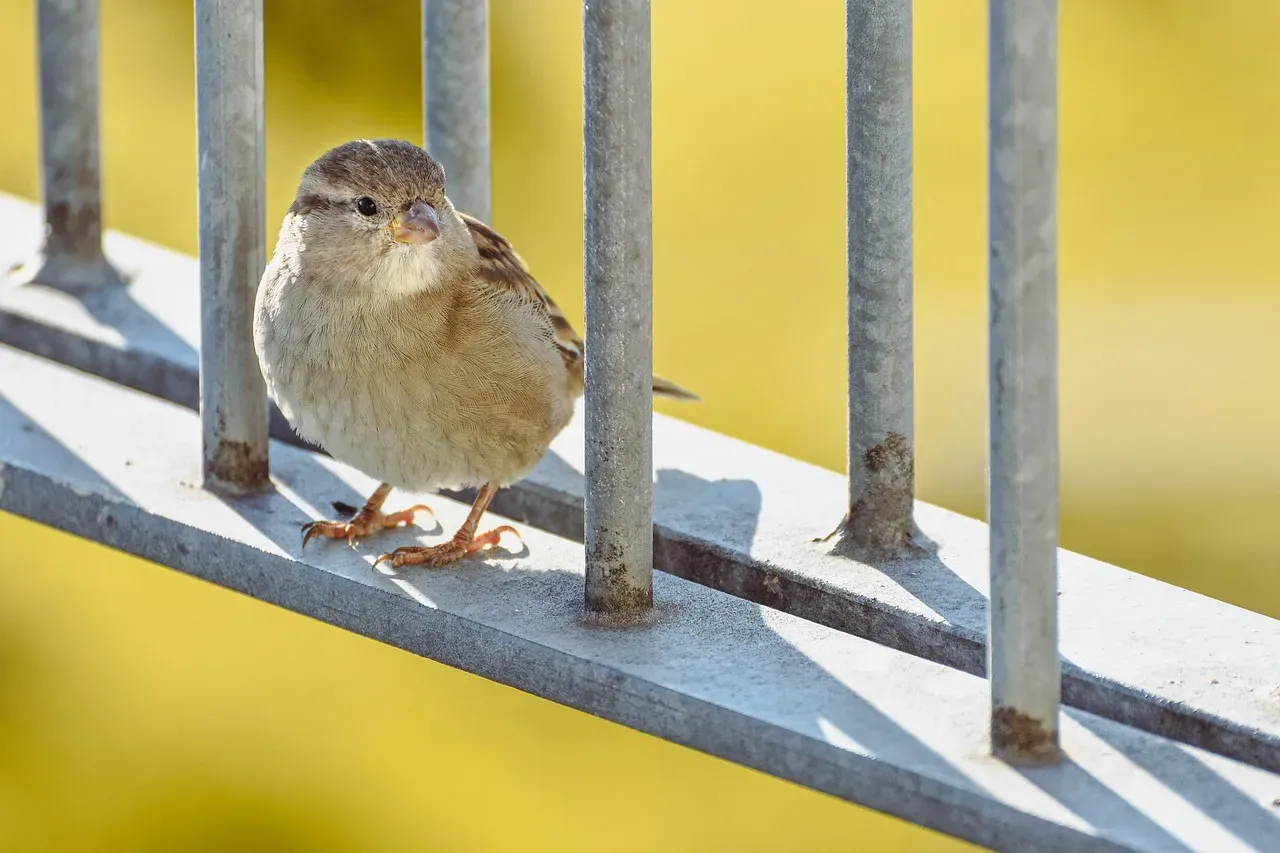
The saltmarsh sparrow is a small, streaky brown bird that lives exclusively in the tidal marshes of the Atlantic coast. It’s a specialist in the truest sense, and that specificity is now its greatest vulnerability. Rising sea levels directly flood the nests it builds at the base of marsh grasses.
The Saltmarsh Sparrow is among the 42 Red-Alert species facing perilously low populations, classified as a bird at risk without immediate intervention. Long-suffering shorebirds and marsh-dependent birds have continued to see declines, facing threats from rising and warming seas on top of coastal habitat losses across their expansive ranges.
Coastal restoration is one of the most effective tools for this species. Private lands programs and conservation partnerships such as conservation ranching, coastal restoration, forest renewal, and seabird translocation show how concerted efforts and strategic investments can recover bird populations. Supporting organizations working on salt marsh restoration and opposing coastal development that destroys marsh habitat are meaningful actions for anyone living in or near Atlantic coastal states.
9. The Western Meadowlark: Voice of the Grasslands Going Quiet
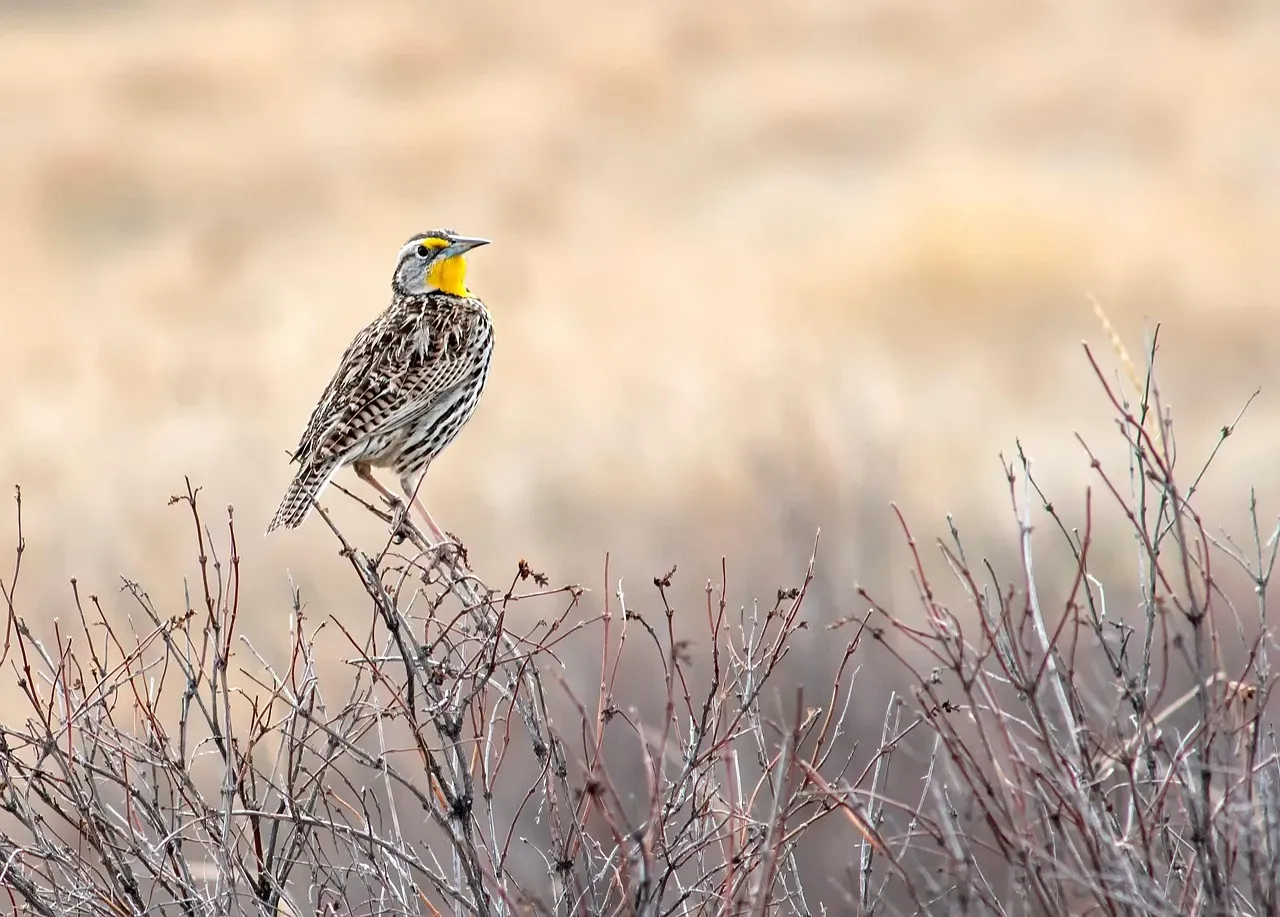
Few sounds in the American countryside feel more elemental than the liquid, bubbling song of a western meadowlark rising from an open field. It’s a sound that has defined the Great Plains and the rural West for generations. That song is becoming less common.
The population of grassland birds in the U.S. has dropped by roughly two-fifths since 1970, as row-crop production, drought, and habitat loss take their toll. Despite efforts to preserve or restore prairie habitat, the Great Plains region is losing one to two million acres of grasslands each year, threatening species like the Mountain Plover and others that share the meadowlark’s habitat.
The American Bird Conservancy and partners across the Northern Great Plains improved nearly 100,000 acres of vitally important grassland habitat in 2025, bringing the all-time total in the region to 600,000 acres. The work benefits the Long-billed Curlew, Chestnut-collared Longspur, Western Meadowlark, and other declining grassland birds. Supporting conservation ranching programs and advocating for grassland protection policies are practical ways to help this bird recover.
10. The Tricolored Blackbird: A Flock Species in Free Fall
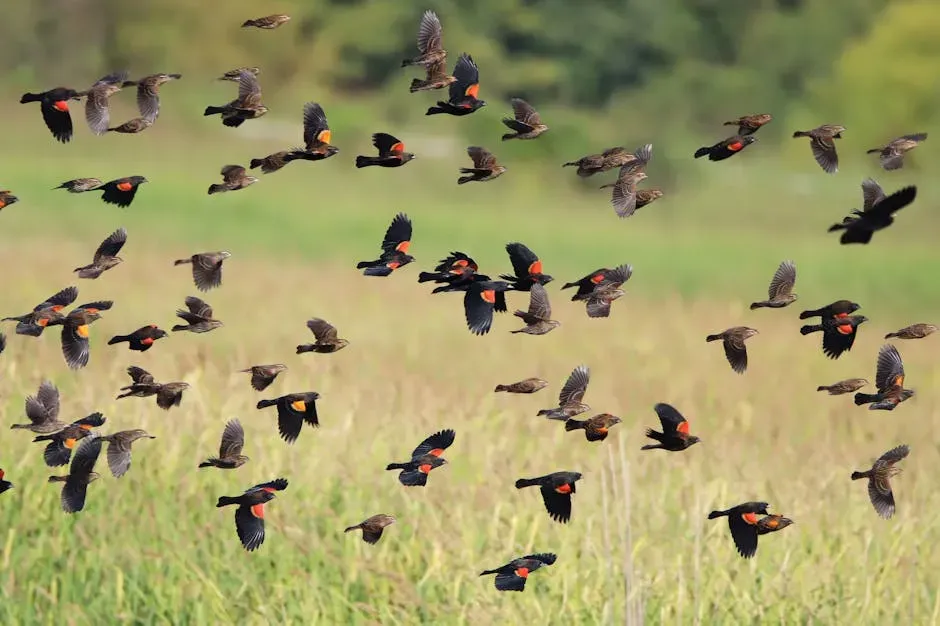
The tricolored blackbird is a colonial nester, meaning it breeds in massive flocks, sometimes in the hundreds of thousands, making it one of the most visually spectacular birds in California. Unfortunately, colonial nesting makes an entire generation vulnerable in a single location.
The Tricolored Blackbird is listed among the 42 Red-Alert species facing perilously low populations that are at risk without immediate intervention. Agricultural conversion of the wetland and grassland habitats where these birds nest has been central to their decline. A single bad season at one major nesting colony can eliminate the breeding output of thousands of birds at once.
Farmers and landowners in California have a unique opportunity to help by working with conservation groups to delay harvests near active colonies during nesting season. Public interest in birds and the economic benefits from birding are at unprecedented levels, as is the information available about the status of each and every one of our bird species. That growing awareness translates into real political and financial support for programs that help species like the tricolored blackbird survive.
11. The Red Knot: A Long-Distance Traveler Losing Its Fuel Stops
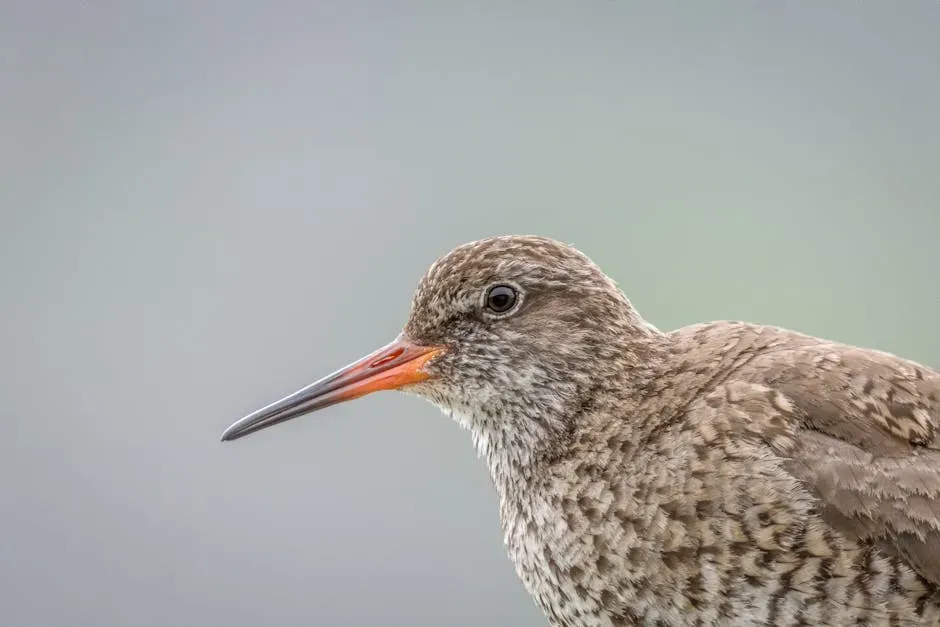
The red knot is among the most extraordinary migrants on earth, traveling between the Arctic and South America each year in a journey that depends on a precise chain of stopover sites. Break one link in that chain, and the whole journey fails. That’s exactly what’s been happening.
In November 2025, the American Bird Conservancy celebrated a victory for the federally threatened Red Knot when the federal government advanced plans to replace medical testing on horseshoe crabs with synthetic methods. The move will help spare the ancient creatures from harvesting, leaving more crabs to lay eggs that fuel epic shorebird migrations. Horseshoe crab eggs are the red knot’s critical fuel source during its spring stopover on Delaware Bay.
This win shows that targeted advocacy genuinely works. You can support the red knot by backing horseshoe crab conservation, reducing beach disturbance at key shorebird stopover sites during migration season, and supporting the North American Wetlands Conservation Act, which funds the coastal habitats these birds need. The North American Wetlands Conservation Act is a recently reauthorized federal program that funds the conservation of critical wetland habitats used by millions of waterfowl and migratory birds.
What You Can Do: The Bigger Picture
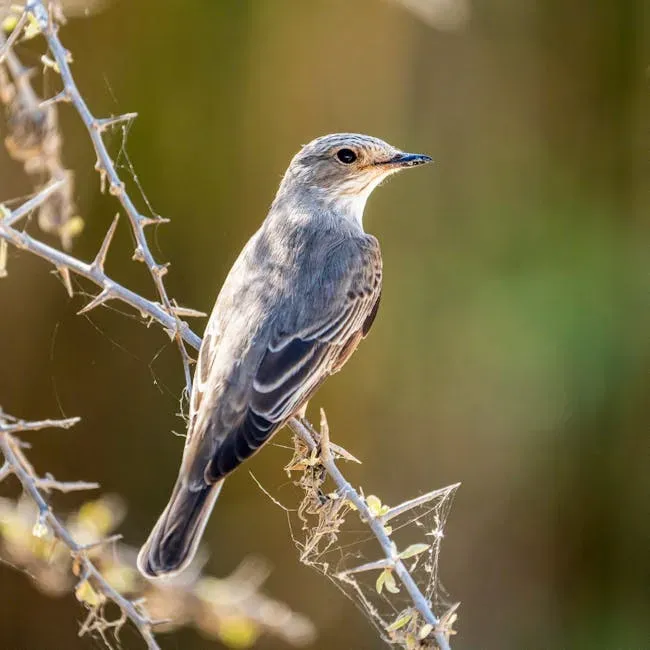
The 2025 State of the Birds report also highlights the economic significance and well-being benefits of birdwatching as additional reasons to support conservation efforts. Supporting bird conservation can boost the U.S. economy, and with nearly 100 million Americans engaged in birding activities, their contributions to local and state economies are substantial.
The report highlights the economic significance of birdwatching and notes that birds and nature are vital for Americans’ mental health, citing research indicating that encounters with birds have proven beneficial for human well-being, including reducing stress, anxiety, and depressive symptoms. These aren’t trivial side benefits. They’re reasons why bird conservation resonates across communities and political divides.
Despite ample evidence that conservation can work, the status quo approach is not turning bird populations around. What’s needed now is policy that implements proven conservation measures that help birds, habitats, and people. Whether that means planting native plants, keeping cats indoors, writing to your representative, or simply joining a local Audubon chapter, every action adds up.
Conclusion
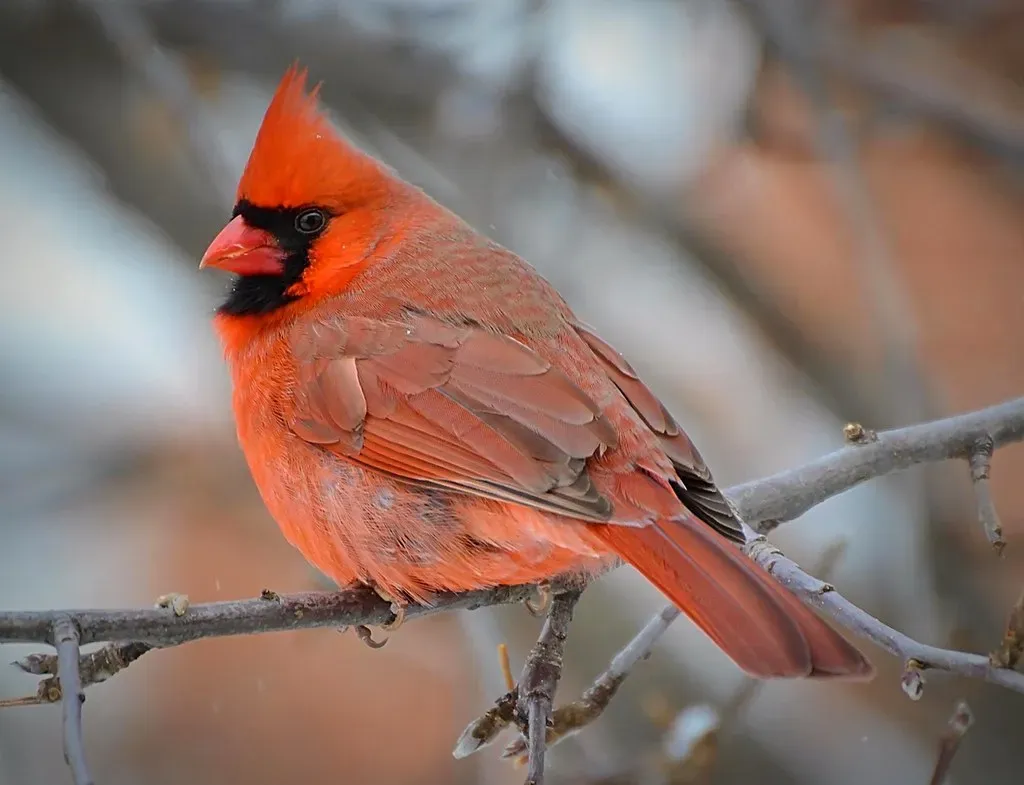
The birds covered here aren’t obscure museum specimens. They’re the bald eagle on the national seal, the hummingbird at your feeder, the swift overhead on a summer evening. A recent study found that roughly three-quarters of North American bird species are declining. That’s a sweeping shift happening in plain sight, mostly unnoticed.
The report’s authors say that, taken together, this year’s findings drive home that conservation efforts do make a difference for birds, but that much more action is needed. The science is clear on what works. The harder part is translating that knowledge into sustained commitment.
The good news is that birds have recovered before, when people decided they mattered enough to act. The question of whether that happens again is, in large part, up to the people who still notice the quiet on a summer morning and find it troubling.

- 6 Exotic Bird Species You Can Spot in U.S. National Parks - July 19, 2026
- 11 Iconic American Birds Facing New Challenges and How You Can Help - July 19, 2026
- 10 Friendliest Animals in the World - July 19, 2026