


The world of nature is rich with inspiration, offering mankind a vast repository of innovative solutions honed over millions of years. As technology advances, it frequently turns to the animal kingdom to solve complex problems, drawing upon natural adaptations that have stood the test of time. In this article, we’ll explore ten remarkable animals whose unique traits have inspired groundbreaking modern technologies, shedding light on the fascinating field of biomimicry—where nature’s designs inspire novel human inventions.
Shark Skin Revolutionizing Surface Design
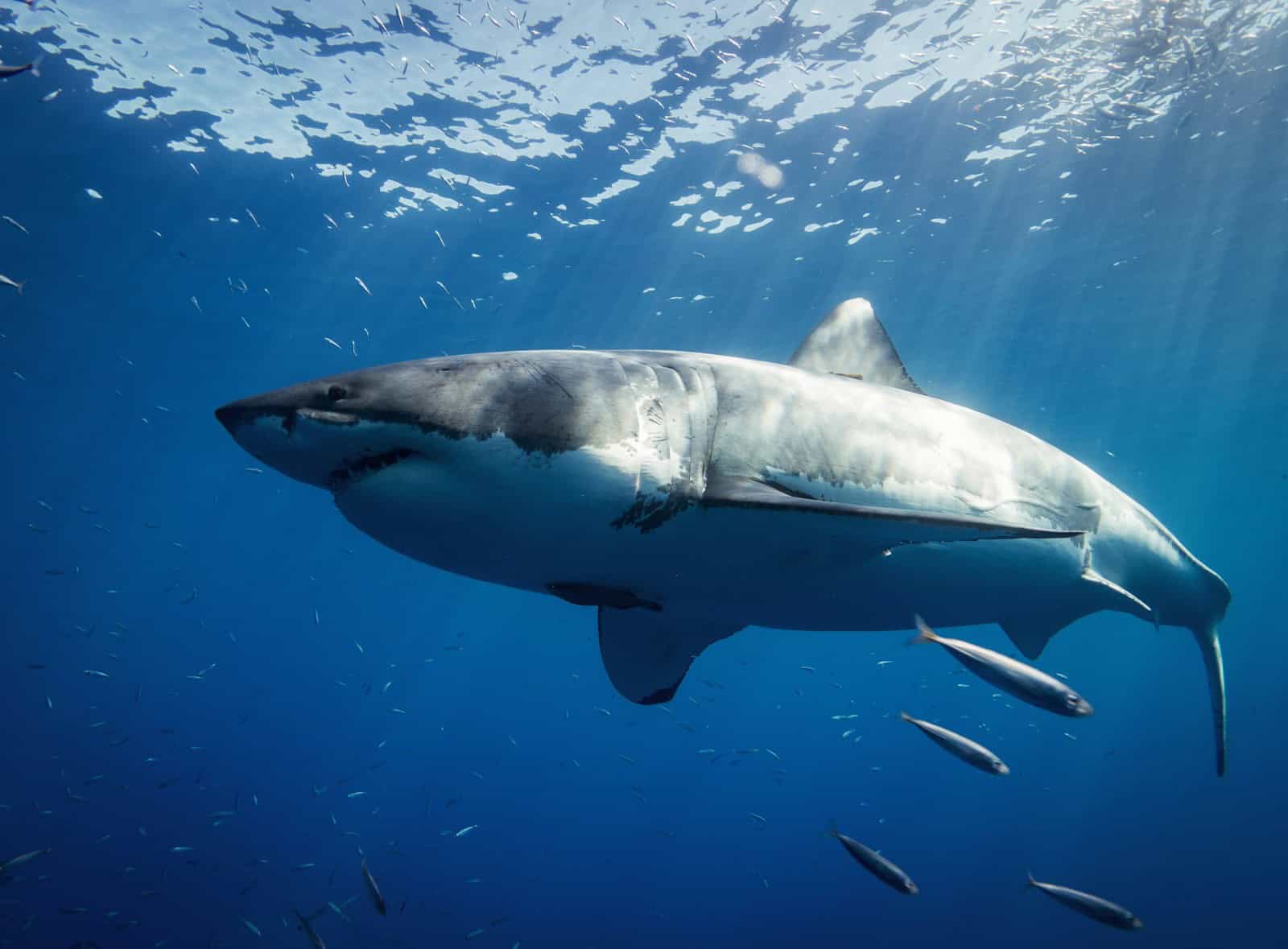
Sharks boast a unique dermal structure with tiny, tooth-like scales known as dermal denticles. These scales reduce drag and prevent microorganism buildup. Engineers have replicated this texture to create sharkskin-inspired coatings for ships and aircraft, enhancing speed and efficiency by reducing drag and minimizing the accumulation of biofouling organisms.
Gecko Feet Mastering Adhesion

Geckos can effortlessly scale walls and ceilings thanks to the millions of tiny hairs on their feet, which utilize van der Waals forces for adhesion. This remarkable ability has inspired the development of gecko tape—a dry adhesive that mimics gecko feet, enabling a range of applications from robotics to new climbing gear.
Kingfisher Beak Shaping High-Speed Trains
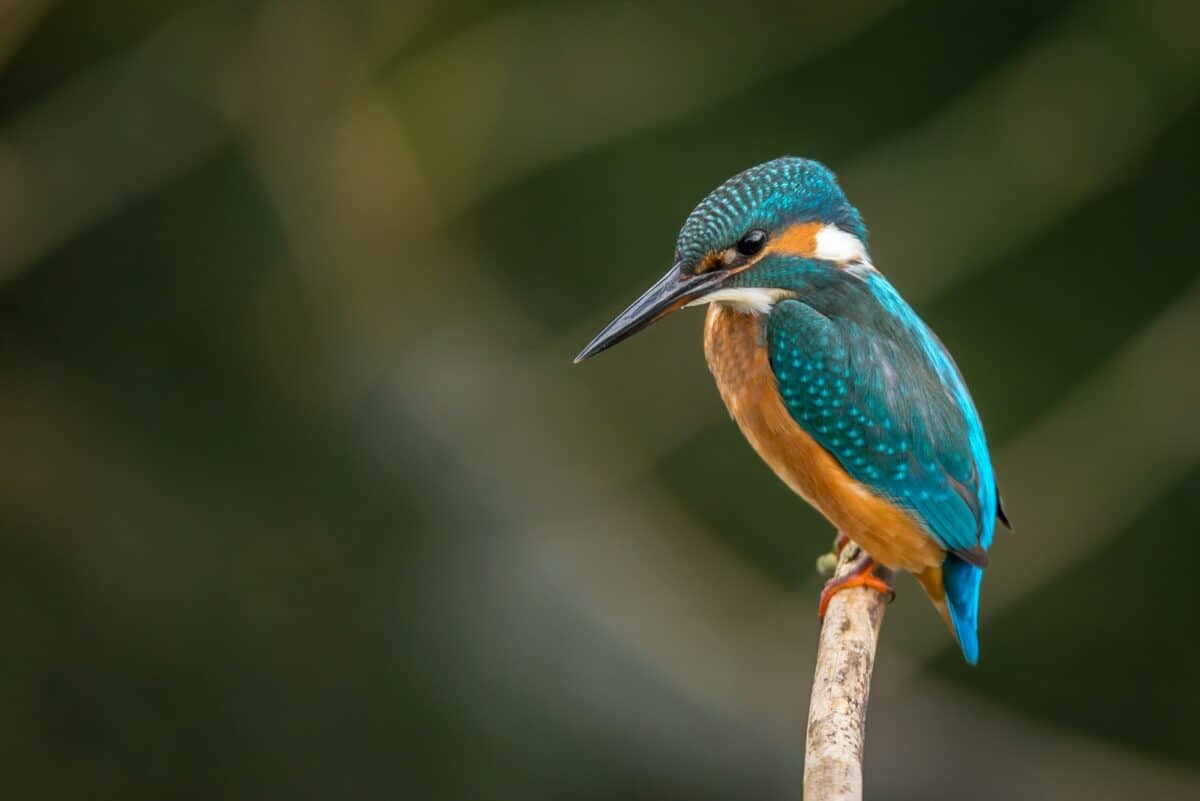
The kingfisher’s beak is perfectly shaped for diving into the water with minimal splash. This design inspired engineers to redesign the noses of high-speed trains. The result was not only an aesthetic improvement but also drastically reduced noise and energy consumption, as trains now cut smoothly through wind resistance.
Lotus Leaf Self-Cleaning Materials

Lotus leaves remain pristinely clean despite being born in muddy waters, thanks to their unique micro-textured surfaces that repel water and dirt. This hydrophobic feature has been adapted into self-cleaning surfaces and paints, keeping everything from windows to textiles free of grime.
Burdock Burrs The Birth of Velcro

The invention of Velcro was inspired by burdock burrs, which have tiny hooks that cling to clothing and animal fur. This natural hook-and-loop mechanism led to the creation of a fastening system now ubiquitous in shoes, clothing, and even space suits.
Fireflies Enhancing LED Lighting

Fireflies produce light with nearly no heat, a process termed bioluminescence. Researchers studying the unique pattern of scales on a firefly’s abdomen have optimized LED efficiency, resulting in brighter lights with lower energy consumption, borrowing nature’s ingenuity for sustainable illumination.
Owl Flight Silent Aerodynamics

Owls are adept nocturnal hunters, partly due to their silent flight. The serrated edges of owl feathers diffuse sound, which has intrigued engineers developing quieter wind turbines and aircraft, making mechanics quieter by mimicking these natural sound-dampening techniques.
Boxfish Designing Aerodynamic Bodies
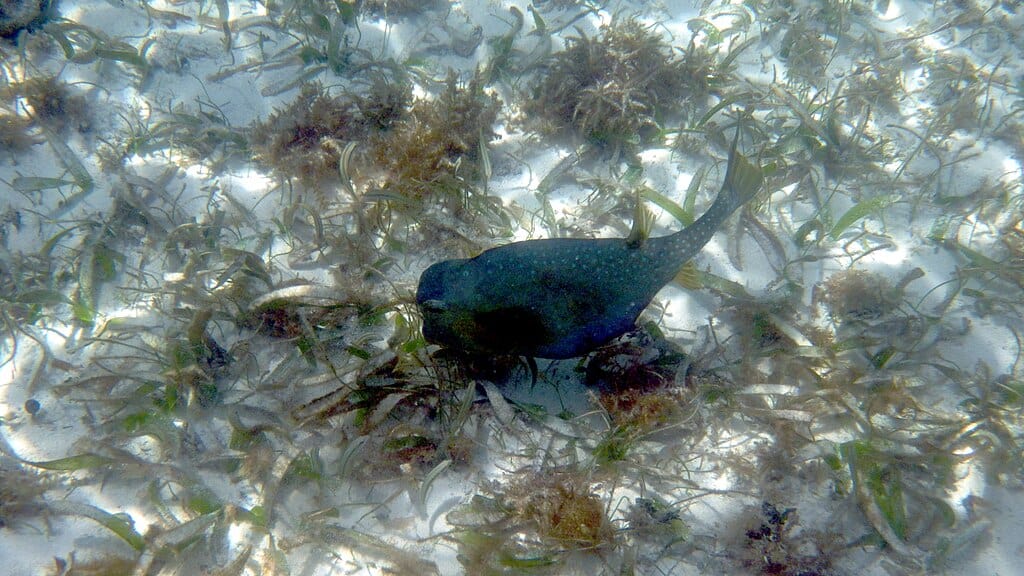
The boxfish, with its unique, boxy yet streamlined shape, inspired the design of more aerodynamic and fuel-efficient cars. Mercedes-Benz notably utilized the boxfish’s shape to influence their concept cars, melding style with practical design efficiencies.
Bats Pioneering Echolocation Devices

Bats navigate and hunt using echolocation, emitting ultrasonic waves to understand their surroundings. This biological sonar has directly influenced the development of modern sonar and radar technologies, aiding everything from naval technology to accessibility tools for the visually impaired.
Termite Mounds Advancing Sustainable Architecture

Termite mounds are feats of natural engineering, maintaining stable internal climates despite external temperature fluctuations. This passive cooling blueprint has inspired architects to create advanced building designs that require minimal energy input to regulate temperature, heralding a new era of sustainable architecture.
Summary: Nature’s Infinite Blueprint

From the small burdock burr to the mighty shark, the animal kingdom offers a treasure trove of evolutionary designs that hold vast potential for human use. By emulating nature’s time-crafted ingenuity, modern technology not only enhances its creations but also moves towards sustainable, energy-efficient solutions. As biomimicry continues to unlock nature’s secrets, the possibilities for innovation remain endless—demonstrating that sometimes, the best solutions have already been invented by Mother Nature herself.

As a little kid, I fell in love with nature, wildlife, and animals. Living in the USA, South Africa, Italy, China and Germany gave me the opportunity to discover the world's Wildlife. My favorite animals are Mountain Gorillas, Siberian Tigers, and Great White Sharks.
I'm a certified PADI Open Water Diver, went to Everest Base Camp and Trekked Gorillas in Uganda. I hold a Master of Science in Economics and Finance.
Please send any feedback to feedback@animalsaroundtheglobe.com
- 10 Dogs That Love to Run And 3 That Prefer the Couch - July 21, 2026
- 15 Spider Adaptations That Defy Logic - July 21, 2026
- 13 Cat Breeds That Get Along with Dogs - July 20, 2026