
Most people secretly worry their dog only sticks around for the kibble. Cute face, sure, but deep down – is it really just a walking stomach with a wagging tail?
Here’s the twist: behaviorists say that fear is almost backwards. Food is a tiny, forgettable slice of what a dog actually needs from you. The real proof of love is hiding in a dozen small habits you’ve probably brushed off as “just dog stuff” – habits that are closer to love letters written in fur than anything transactional. If you’ve ever wondered whether your dog would choose you over a steak, keep reading. What’s coming is stranger, sweeter, and more scientifically backed than you’d expect.
#14 – They Choose You Over Chaos
Watch what happens when your dog is mid-chaos – sprinting, sniffing, fully lost in the moment – and something makes them stop and find you. That pause is data. Dogs who adore their person will leave a genuinely thrilling distraction just to check in, whether that’s abandoning a squirrel chase to make eye contact or breaking off a sniff-fest the second they hear your voice.
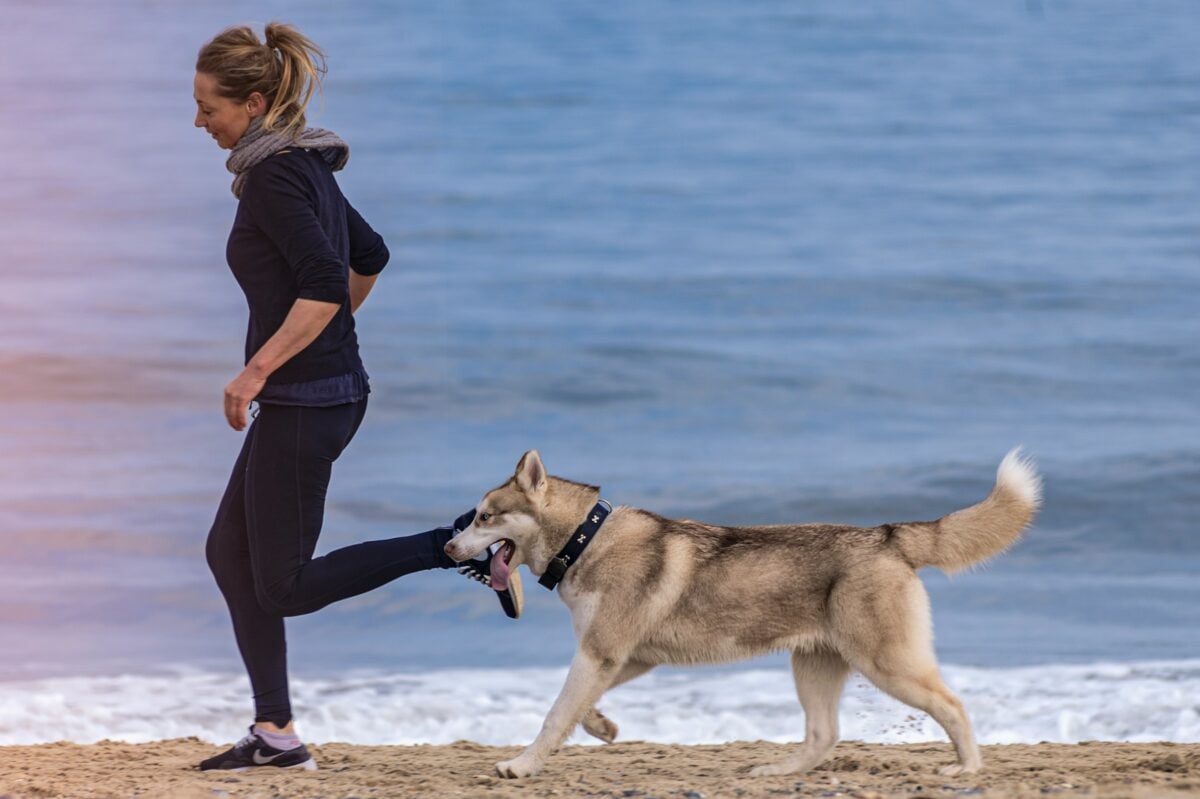
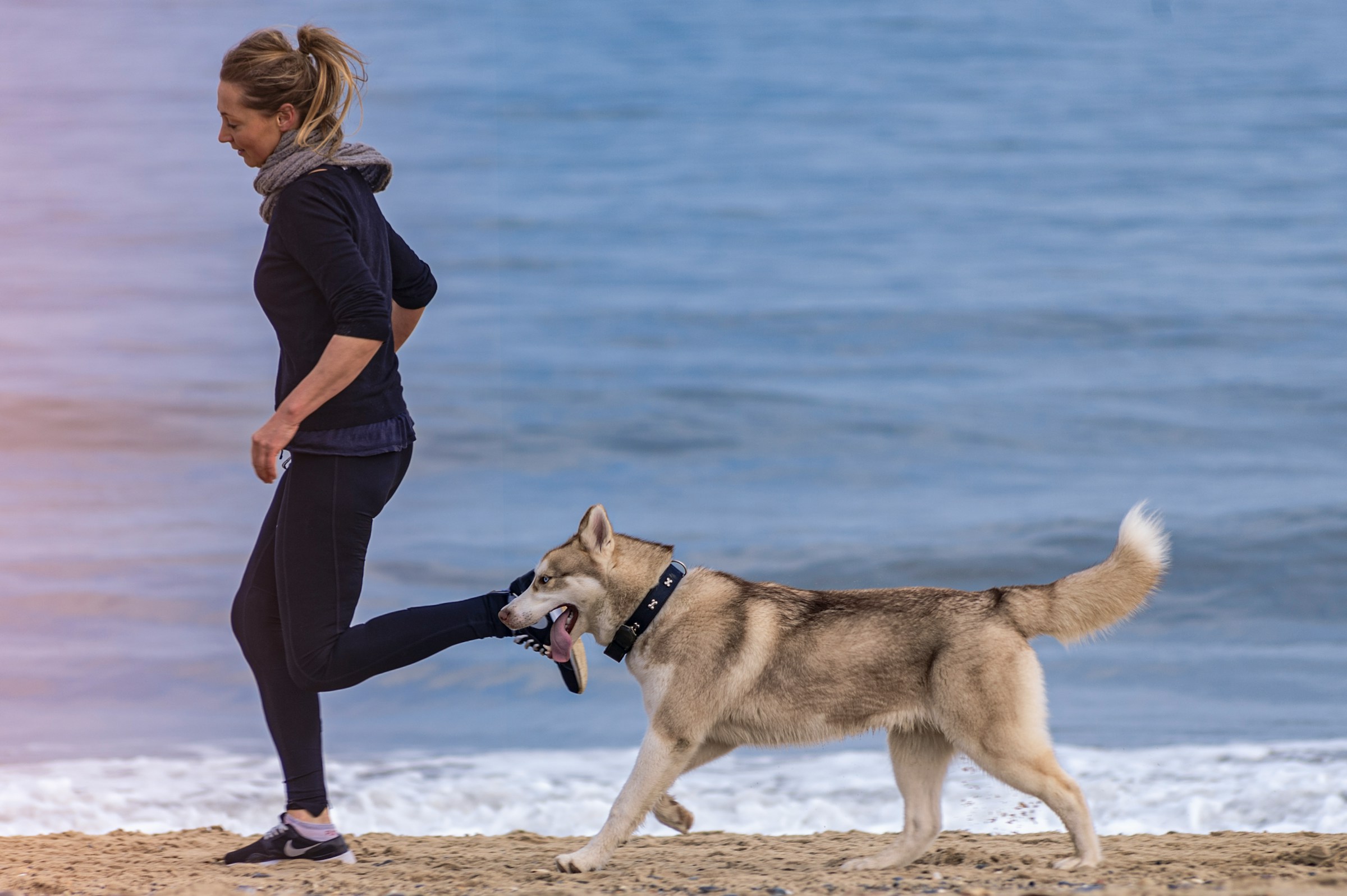
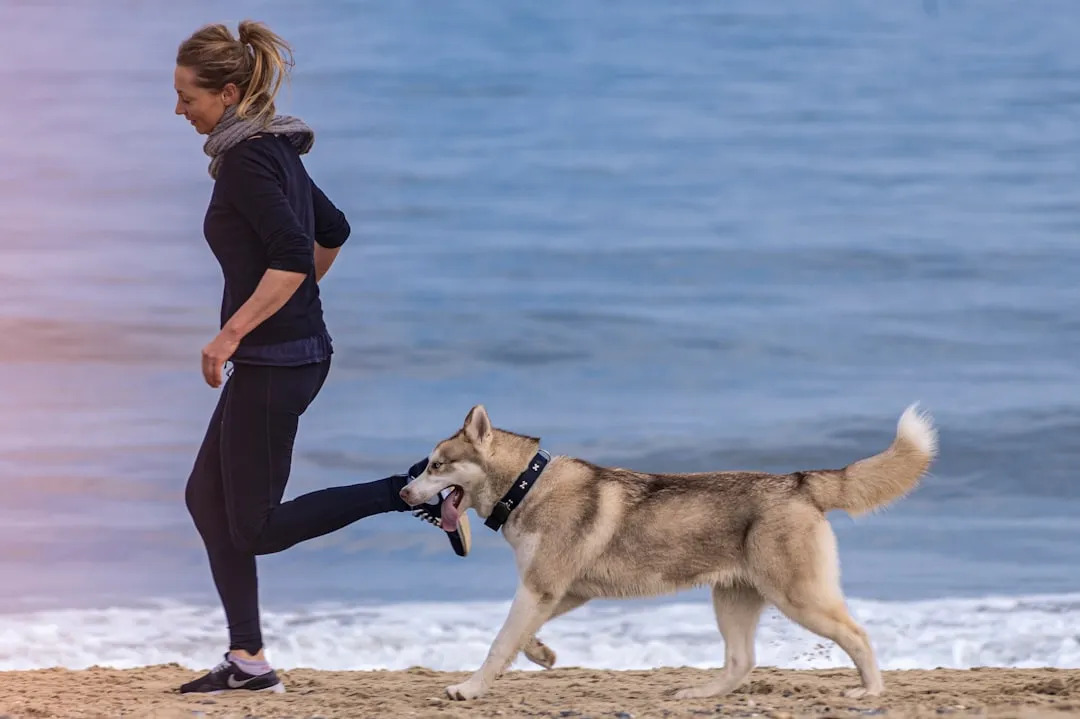
Even off leash, a bonded dog keeps a kind of mental Wi-Fi running in the background, constantly pinging your location and reading your tone. You’ll notice it most in overstimulating places – dog parks, pet stores, crowded sidewalks – where some dogs will literally brush your leg as they walk, circling back like a furry satellite. They’re not anxious. They’re anchored. In a world that smells like ten million things at once, you’re the one fixed point that matters.
#13 – They Track You From Room to Room
Most people call it “velcro dog” behavior. Experts call it attachment. If your dog shadows you from the bedroom to the bathroom to the laundry room, they’re not bored – they’re choosing proximity to you as their default setting, the same way social animals stay close to the one member of the group they trust most.
It’s not always separation anxiety. Often it’s just preference. Ask yourself:
- Do they get up every time you stand, even if they were curled up comfortably?
- Do they position themselves so they can always hear or see you move?
That silent decision – if you go, I go – is emotional, not transactional. There’s no treat in the bathroom, no toy in the hallway. Just you. Some trainers grumble about the clinginess, but the honest truth is simpler: your dog doesn’t want to miss a single episode of you.
#12 – Their Tail Isn’t Just Wagging, It’s Lopsided
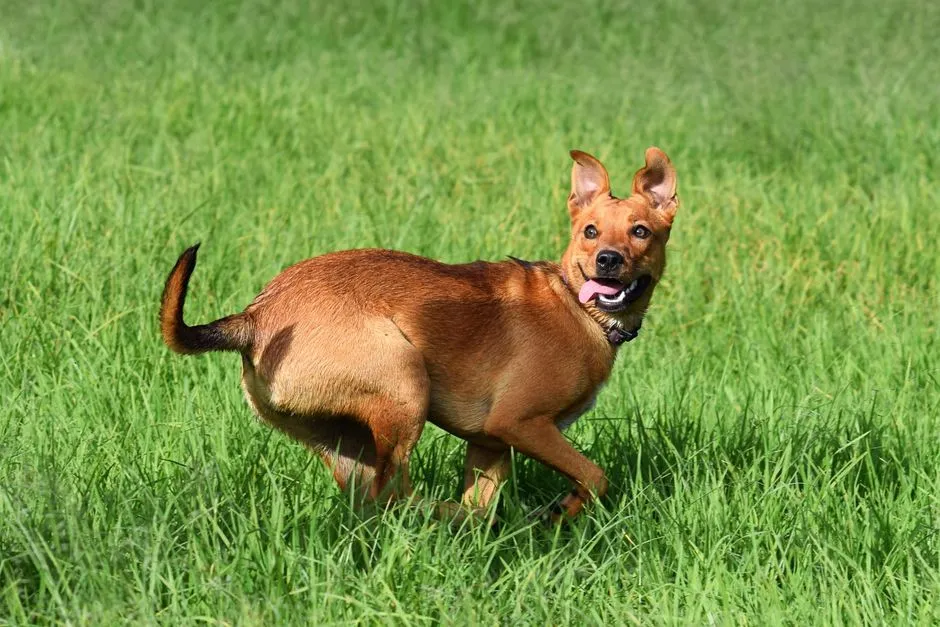
Everyone knows “tail wag equals happy,” but that’s lazy shorthand. Researchers have found dogs tend to wag more to the right side of their body when they see someone or something they genuinely love – a subtle asymmetry that suggests their brain is processing you as an emotionally loaded, positive figure, not just the source of dinner.
Once you know to look for it, you can’t unsee it. Compare the wag when you walk in the door versus when a stranger does. Watch what happens when you say their name softly instead of neutrally. If the wag gets broader, looser, almost full-body, that’s affection leaking out of every muscle. The food bowl earns a wag. You get the whole dog.
Fast Facts
- Right-side-dominant tail wags are linked to positive, approach-based emotions.
- Left-leaning wags tend to show up during caution or withdrawal.
- Whole-body wagging, not just the tail, signals the deepest excitement.
- Dogs are believed to read each other’s tail direction too, not just ours.
#11 – They Relax Deeper When You’re Nearby
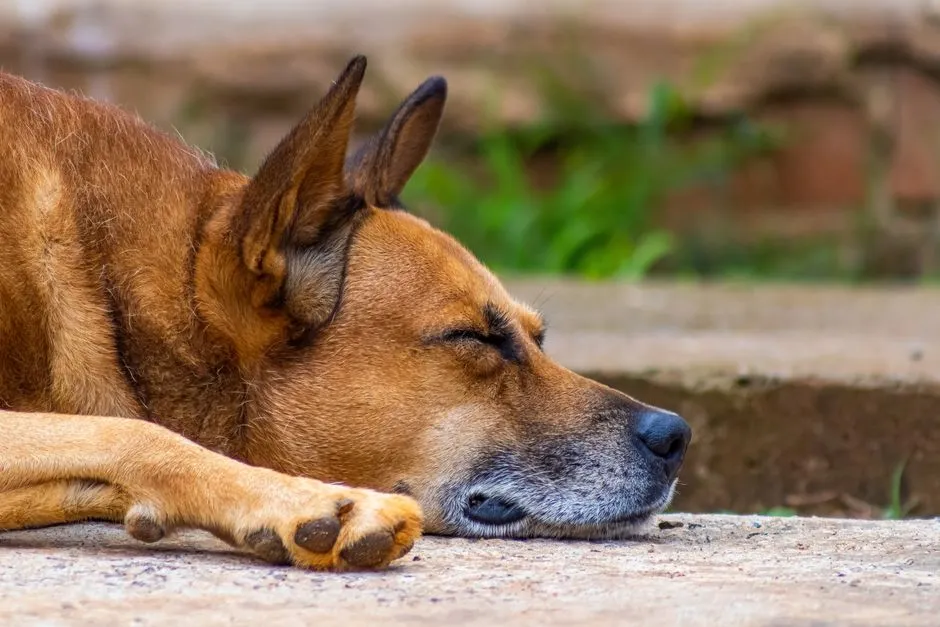
A dog who truly loves you doesn’t just light up around you – they power down around you. That heavy, twitchy-paw, dead-to-the-world sleep on your couch isn’t laziness. In the wild, sleeping that hard is a risk; someone has to stay alert. When your dog switches off their own instincts and naps like a brick beside you, they’re betting their safety entirely on your presence.
Look at the details. Do they stretch out belly-up instead of curling into a tight, defensive ball? Do they sigh and melt into the floor the moment you settle in for the night? Food gets excitement. You get vulnerability – and that’s the harder thing to fake.
#10 – They Seek Comfort From You When They’re Scared
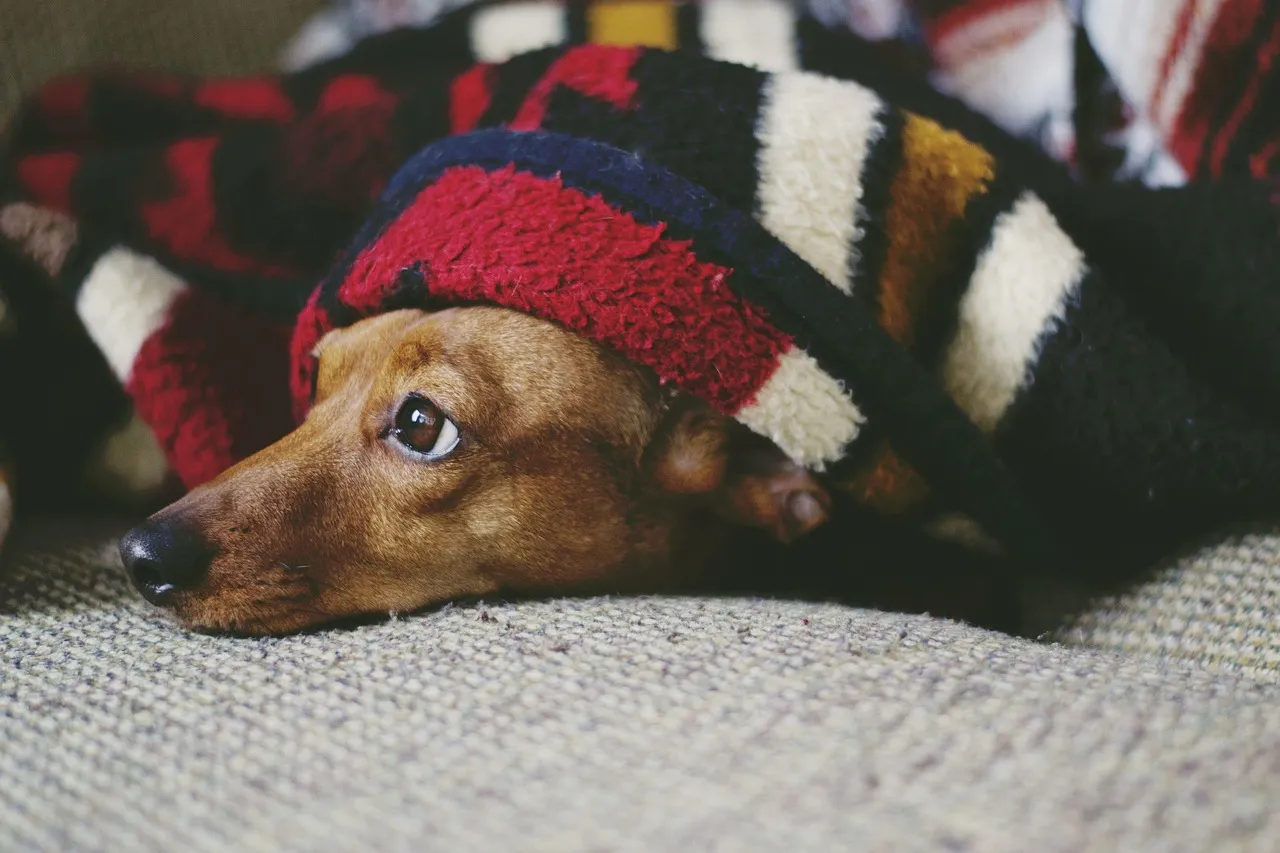
This one is brutally simple. When something spooks them – thunder, fireworks, a pan crashing to the floor – where do they go? If your dog beelines for you, tries to climb into your lap, or uses your body like a shield, that’s attachment talking, not appetite.
You’ll catch it in small moments too: leaning into your legs in the vet’s waiting room, moving closer to wherever you’re standing when a strange noise hits outside. People love to call this “clingy,” but think it through – dogs don’t rationalize fear, they just run toward whatever consistently equals safety. If they’re choosing your arms over the closet, that’s survival instinct wiring you in as protection.
#9 – They Greet You Like You’ve Been Gone a Year
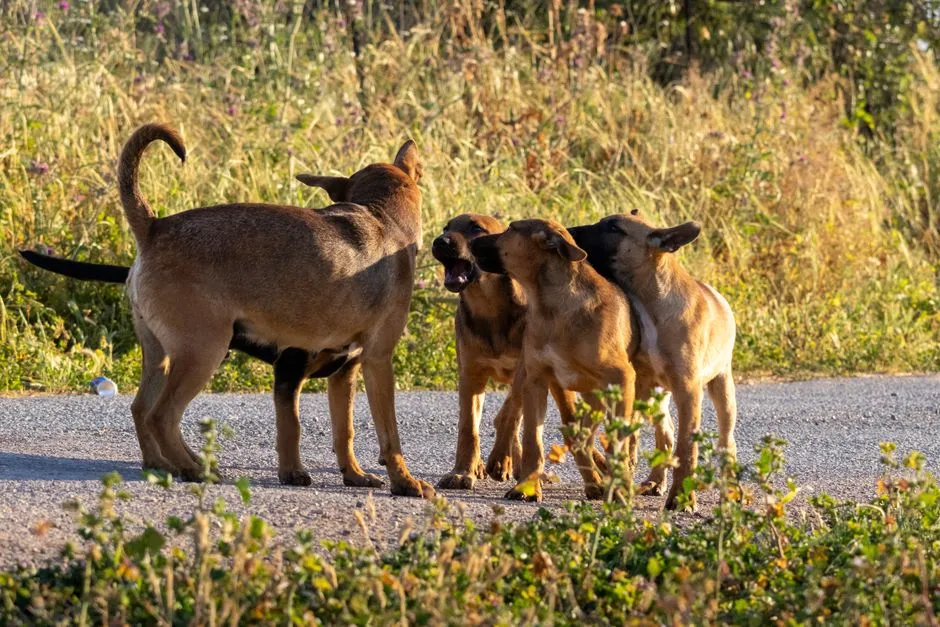
Most people underestimate how revealing a greeting really is. A dog bonded to you will often respond to your return with a predictable cocktail of excitement, relief, and ritual – the zoomies, the happy whines, the frantic “I must bring you a toy right now” sprint. These are reunion ceremonies, and here’s the key detail: they happen even when you didn’t bring food.
Compare your hello to the one they give other family members, or the dog walker, or the sitter. Behaviorists call part of this the “secure base effect” – your dog explores, naps, and lives their day just fine without you, but your return flips a switch nothing else touches. If your arrival is clearly the highlight of their day, you’re not the can opener. You’re the plot twist they’ve been waiting for.
#8 – They Match Your Mood Without Being Asked
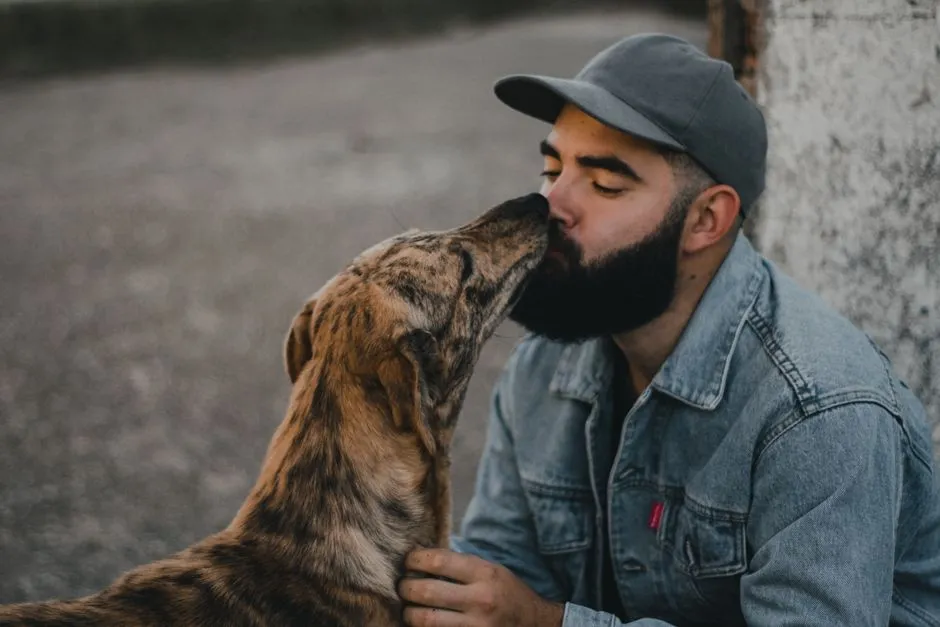
Trainers call this social referencing. Everyone else calls it spooky. If your dog tunes into your emotional state and adjusts their own behavior accordingly, that’s a serious sign you’re more than a resource – you’re their social partner. When you’re sad, they get quieter and lie closer. When you’re excited, they amp up without knowing why.
This goes beyond simple conditioning. Some dogs visibly calm down when you’re sick, even without a word exchanged. Others stare intently at your face during tension or an argument in the room. This empathy isn’t evenly distributed across every human a dog meets – if yours is basically a furry emotional mirror, it’s because your feelings genuinely shape their world.
#7 – They Offer You Their Most Precious Thing
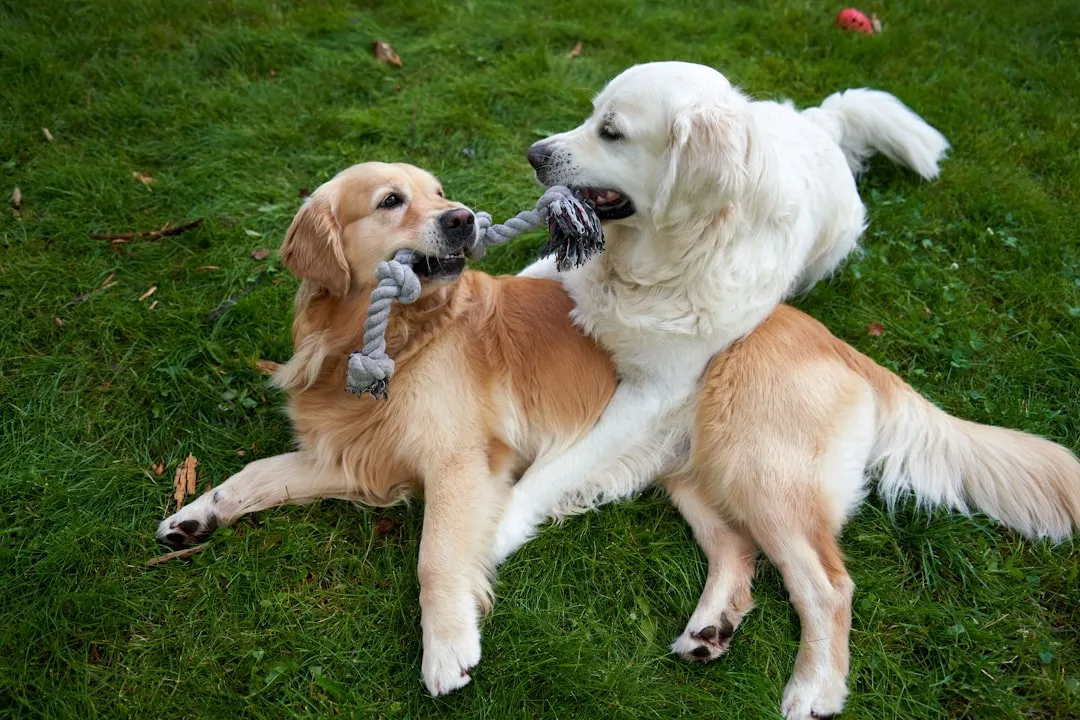
Food is basic survival. Toys, bones, and that one stolen sock, though? Those are status symbols in dog culture. When your dog proudly hauls over a favorite toy and drops it in your lap, inviting you into their game with a prized possession, they’re doing something surprisingly generous: sharing.
Watch for the pattern. Do they keep bringing you the same beloved toy? Do they nudge it toward you, then back away, clearly waiting for you to engage? Fetch burns energy, sure, but repeatedly choosing you as the co-star of their joy says something bigger – the food bowl is you taking care of them, but the toy invitation is them trying to include you in theirs.
Worth Knowing
- Resource guarding is common around food but rare with favorite toys shared with a trusted owner.
- Dogs that initiate toy-sharing are often displaying confidence, not insecurity.
- Repeated “gifting” behavior shows up more in dogs with secure attachment styles.
#6 – They Listen to You When It’s Inconvenient
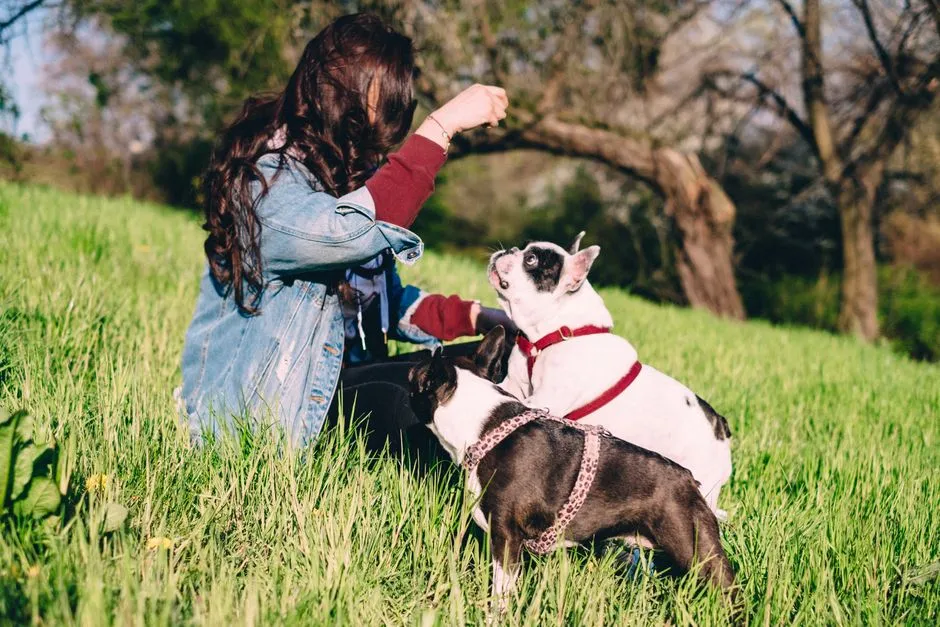
Any dog will sit for a treat. That’s entry-level. What separates a truly bonded dog is what happens when your request collides head-on with something they desperately want. If your dog can break away from a full-body thrill because you asked, that’s not obedience – that’s choosing you over their own impulses.
Try the real-life tests: calling them off a squirrel mid-chase, or asking for “leave it” when they’ve just found a mystery treasure on the sidewalk. If they hesitate but still turn toward you, that’s trust in action – they’ve learned staying connected to you matters more, long-term, than winning that one moment. It’s not perfect every time; they’re still animals. But the consistent willingness to redirect for you means your voice is their compass, not just their food signal.
#5 – They Check In With You, Even Off Leash
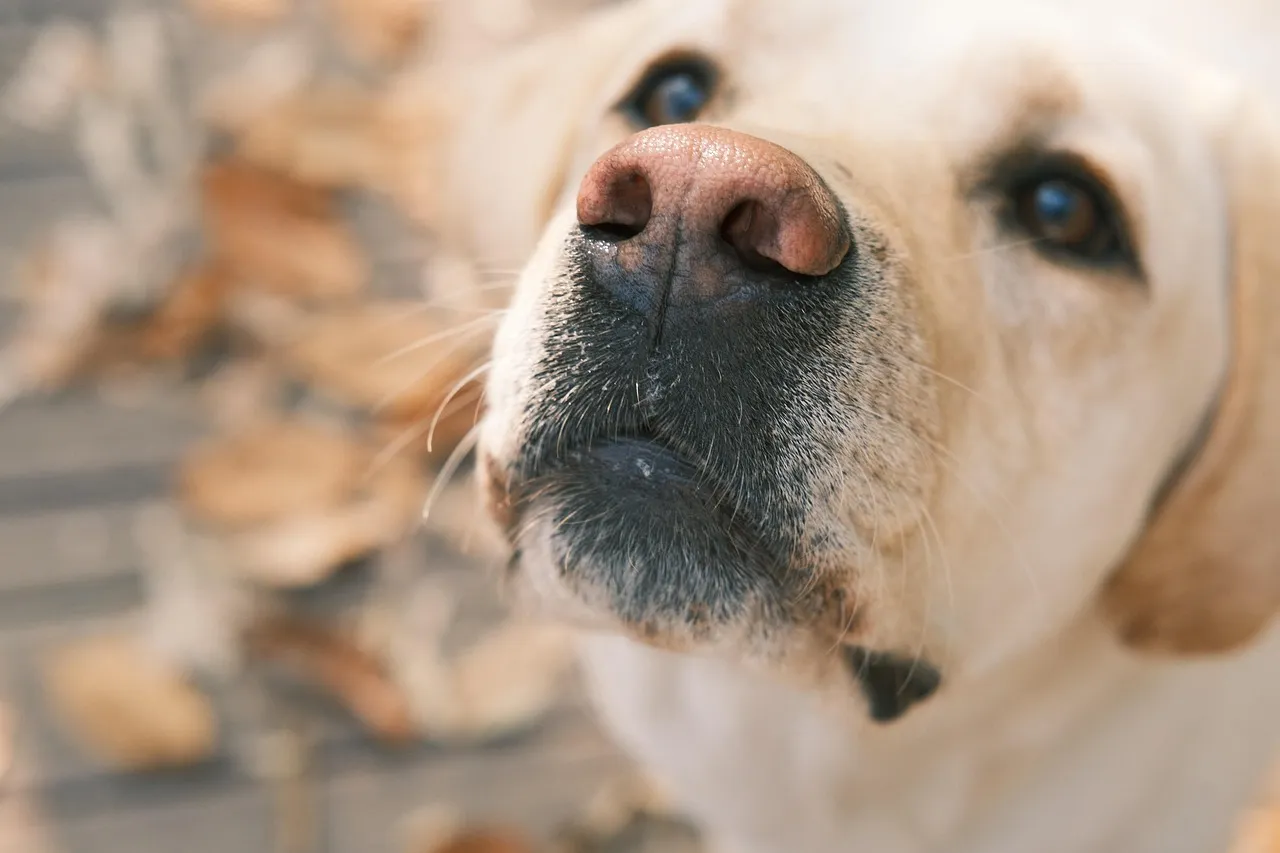
Here’s a behavior most people miss entirely: the spontaneous check-in. On walks, hikes, or in your own yard, a dog who sees you as their world will regularly glance back or arc their path to relocate you, even when you never called them. It’s like they’re running life in split-screen – one eye exploring, one eye tracking you.
Watch for the brief eye contact before they return to sniffing, or the way their path naturally curves to stay within a certain radius of you. This isn’t fear of losing a food source – confident, well-fed dogs do this constantly, because you’re the center of their social universe. For a lot of behaviorists, this invisible leash is one of the clearest signs of a secure bond.
#4 – They Lean On You… Literally
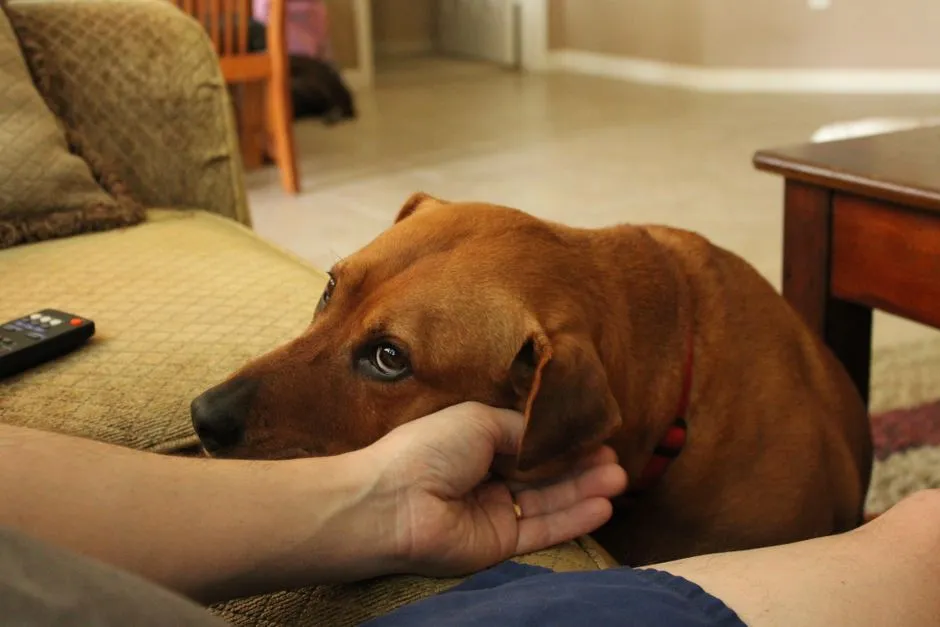
Leaning is one of the most underrated love behaviors in the entire dog vocabulary. When a dog puts real weight against you and just stays there, they’re using your body for grounding. In dog terms, you don’t press your full side against someone you don’t trust completely.
Notice the context: do they lean while you’re chatting, waiting in line, or just standing still doing nothing interesting at all? Do they press into your hip instead of standing perfectly capable on their own four legs? Some dogs and breeds are naturally more tactile, sure – but the core truth holds. They could stand anywhere in the room. They choose to fuse their gravity with yours.
Quick Compare
- Bonded dog: Leans into you unprompted, even when nothing is happening.
- Unfamiliar dog: Keeps a polite buffer of space, even when friendly.
- Bonded dog: Muscles relax the longer the contact continues.
- Unfamiliar dog: Stays alert and ready to step back.
#3 – They Seek You Out When They’re Sick or Old
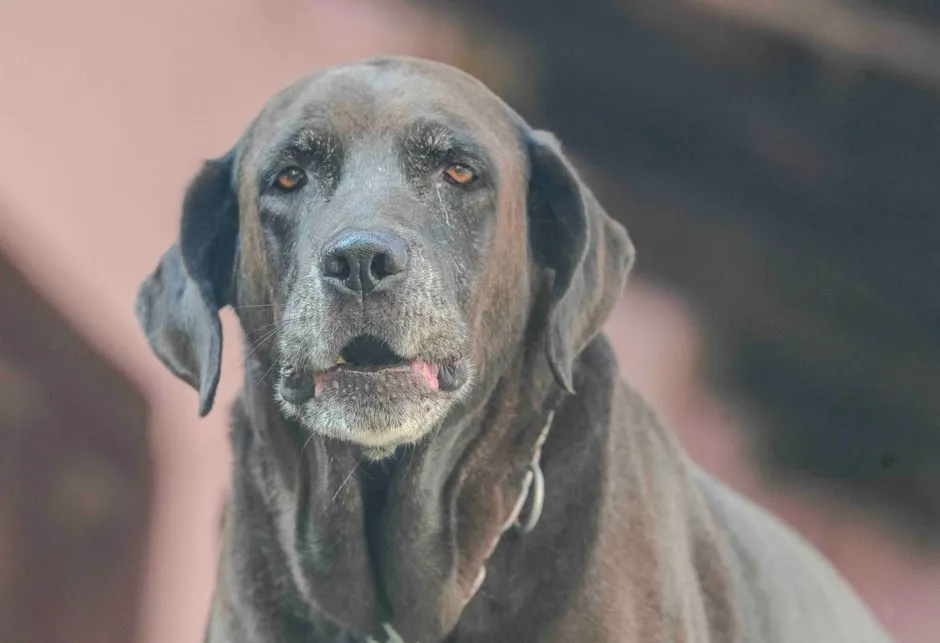
When dogs feel unwell, instinct usually pulls them toward quiet, hidden spaces – not people. So when your dog breaks that instinct and deliberately chooses to be near you while in pain or aging, that speaks volumes. They’re not thinking about treats in that moment. They’re thinking about comfort, familiarity, and the one presence that makes the scary stuff bearable.
Watch what happens during recovery from surgery, or as mobility starts to fade with age. If they drag themselves to whatever room you’re in, or insist on lying somewhere they can keep you in view, that’s raw attachment with no filter. Dogs are famously stoic about discomfort – the fact that they override that stoicism just to be near you means you’re not “the feeder.” You’re who they want beside them when life feels fragile.
#2 – They Smell You Like You’re a Favorite Scent, Not Just a Clue
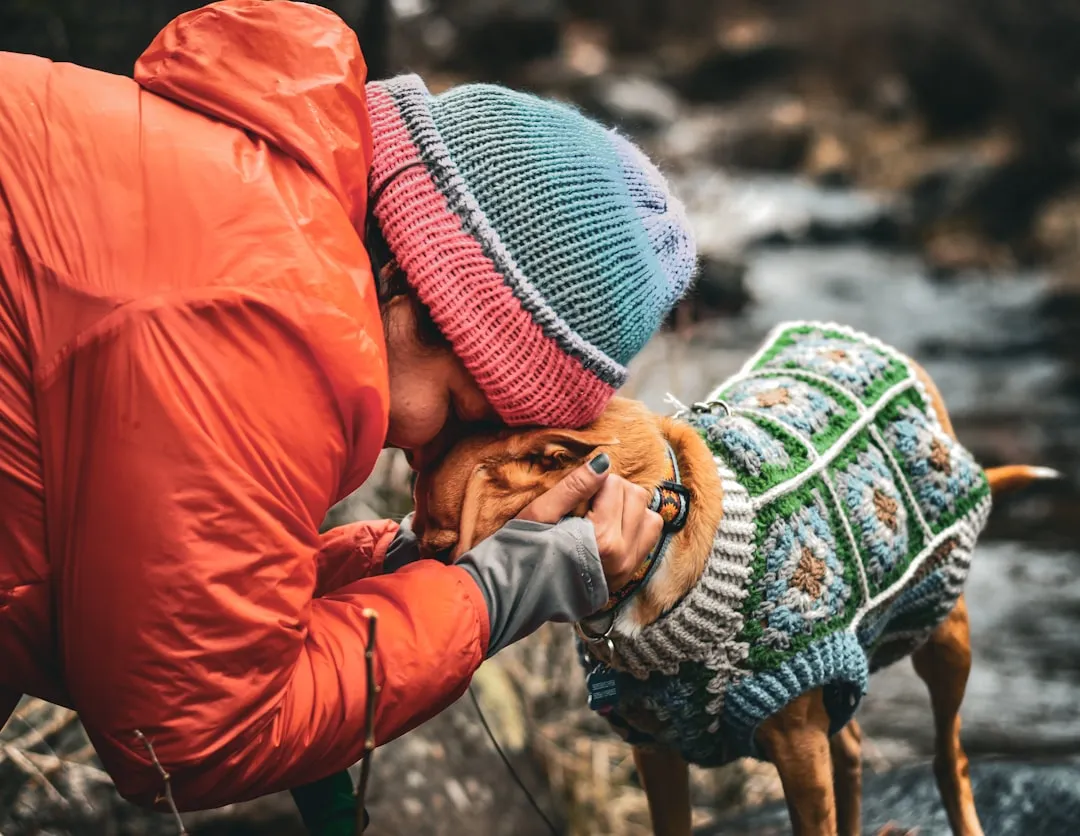
Dogs live through their noses, and food has a powerful scent profile – but so do you. Many dogs will linger over their owner’s clothes, pillows, or shoes not to chew them, but simply to inhale. That long, satisfied sniff isn’t plotting the next meal; it’s soaking in something calming. Shelter research has even shown dogs settling faster when given access to items that smell like their specific person.
Look for the telltale signs: curling up on your side of the bed the moment you’re gone, or stealing laundry only to sleep on it rather than shred it. That’s your scent acting as emotional Velcro, keeping them tethered to you psychologically even when you’re not physically there. Food scent makes them hungry. Your scent makes them feel home.
Dogs are not our whole life, but they make our lives whole.
Roger Caras
#1 – They’re Themselves With You – and Weird With Everyone Else
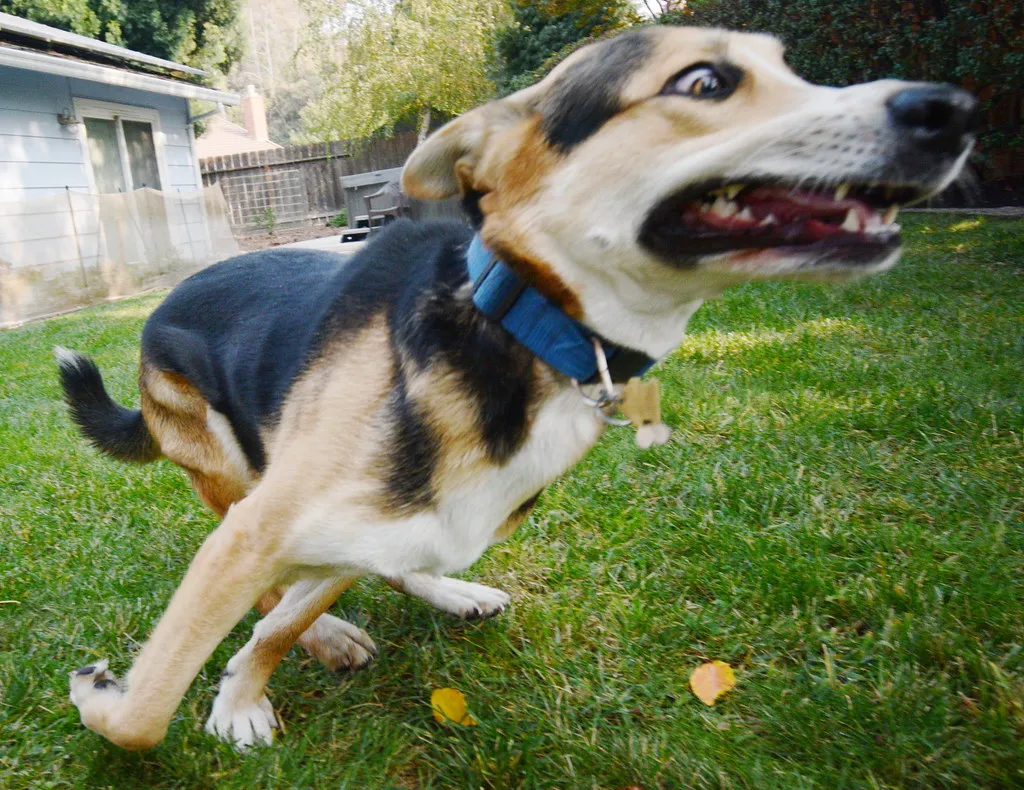
Here’s the real litmus test, and some people won’t love hearing it: a dog who’s deeply attached to you often runs a “two-version” personality. There’s the public version – polite, cautious, sometimes even aloof around strangers. And then there’s the private version reserved just for you: the goofy zoomies, the belly-up wiggles, the completely unfiltered joy.
Look at the contrast for yourself. They might ignore a stranger walking through the door, then explode the second it’s you. They might tolerate a pat from a guest but actively seek out physical contact from you specifically. We tend to romanticize the friendly, social-butterfly dog, but selective affection is actually stronger proof of a deep bond. If your dog has a whole side of themselves that only you ever see, that’s not antisocial behavior – that’s them handing you the keys to their inner circle.
Why It Stands Out
- Selective affection shows a dog can tell familiar people from strangers – a sign of real social memory.
- Public reserve paired with private goofiness mirrors how people act differently with close friends versus acquaintances.
- Behaviorists view this “two-version” personality as one of the clearest markers of a secure bond.
The Bottom Line
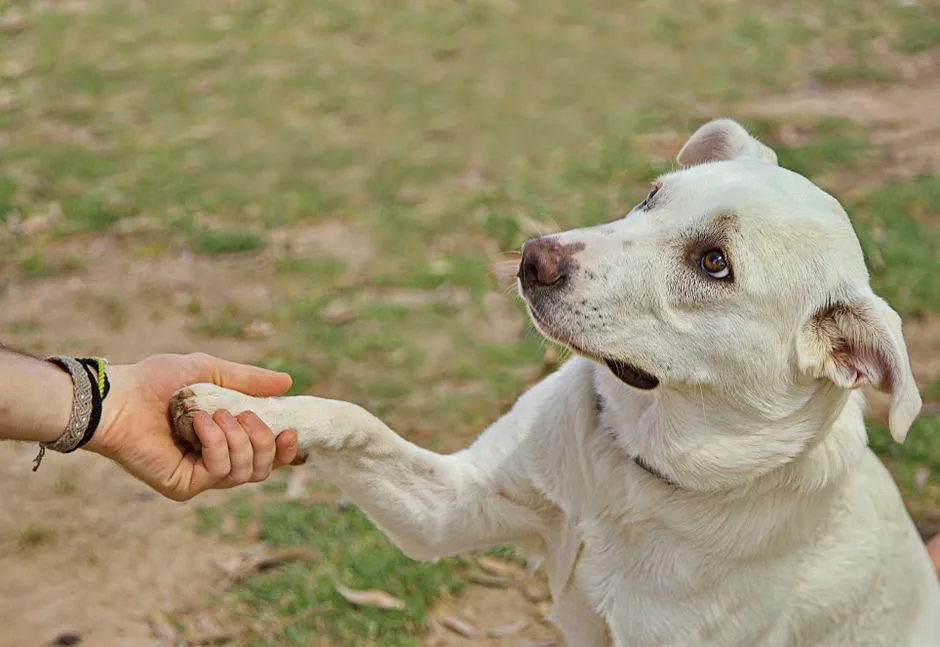
The uncomfortable truth for some people is this: filling a bowl doesn’t automatically buy a dog’s devotion. Food is survival. Love is everything else they do around you – shadowing you room to room, sacrificing fun the second you call, leaning into your leg for no reason, dragging their tired body to wherever you are, saving their realest, weirdest self for your eyes only.
Those aren’t bribes. They’re choices, made over and over, with nothing in it for them except you. If you recognized even a handful of these signs, your dog isn’t counting down the minutes until dinner – you’re their anchor, their safe place, their favorite story on repeat. Some people will still insist dogs just love whoever feeds them. That’s a comforting myth for people who’ve never actually been chosen. So, what do you see when you look at your own dog: pure stomach, or something a lot deeper?
