
Imagine being able to drop your arm, tear off your skin, or even dissolve your own bones just to make it through the day. In the wild, survival is brutal, and some animals take body horror to a level that would put any horror movie to shame. These creatures literally sacrifice pieces of themselves to escape predators, heal faster, or outsmart the environment.
What sounds shocking at first is actually a masterpiece of evolution: self-amputation, skin shedding, exploding organs, and even bone-based weapons. Once you see what some animals do just to live another day, you may never look at that calm lizard on the wall or that cute little salamander the same way again.
1. Lizards That Drop Their Tails Like Decoys
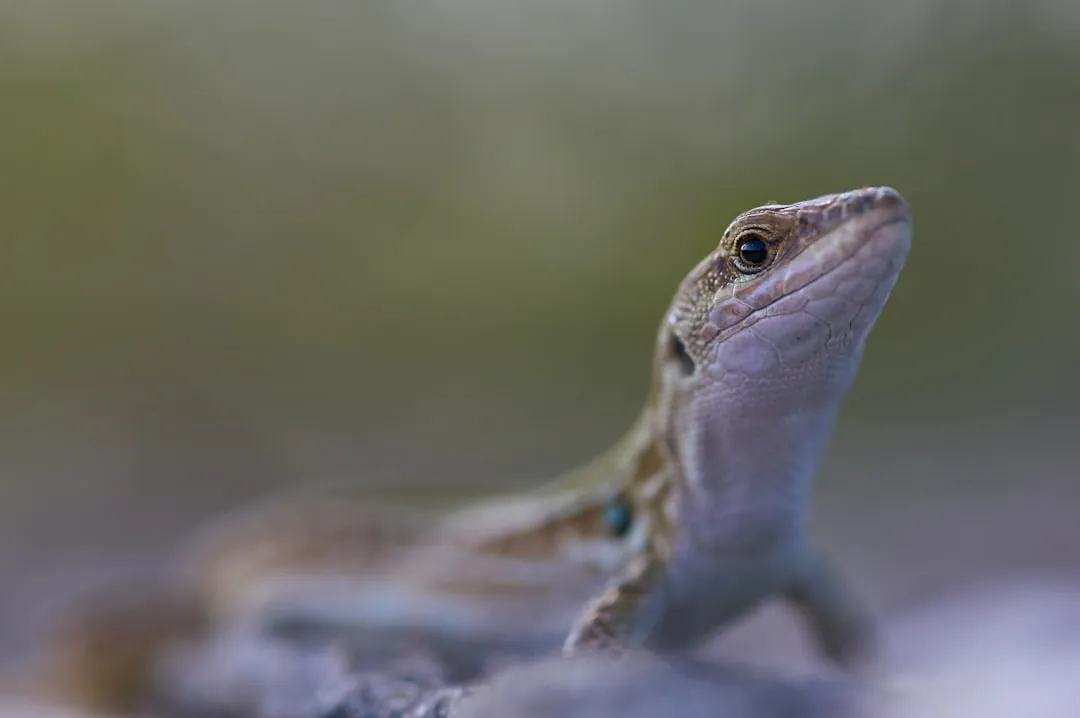
Many lizards have a wild emergency escape trick: they simply let their tail fall off. When a predator grabs them, the tail can break away at special fracture zones in the vertebrae, wriggle on the ground, and distract the attacker while the lizard sprints for its life. It looks gruesome, but for the lizard it is a calculated trade: lose a tail, keep your life.
The cost is real, though. Regrowing a tail takes a lot of energy, and the new one is usually made of cartilage instead of proper bone and often looks shorter or less perfect. Some species also move more slowly or lose social status without a full tail, so this is very much a last-resort strategy, not something they do casually.
2. Octopus Arms That Keep Fighting After They’re Gone
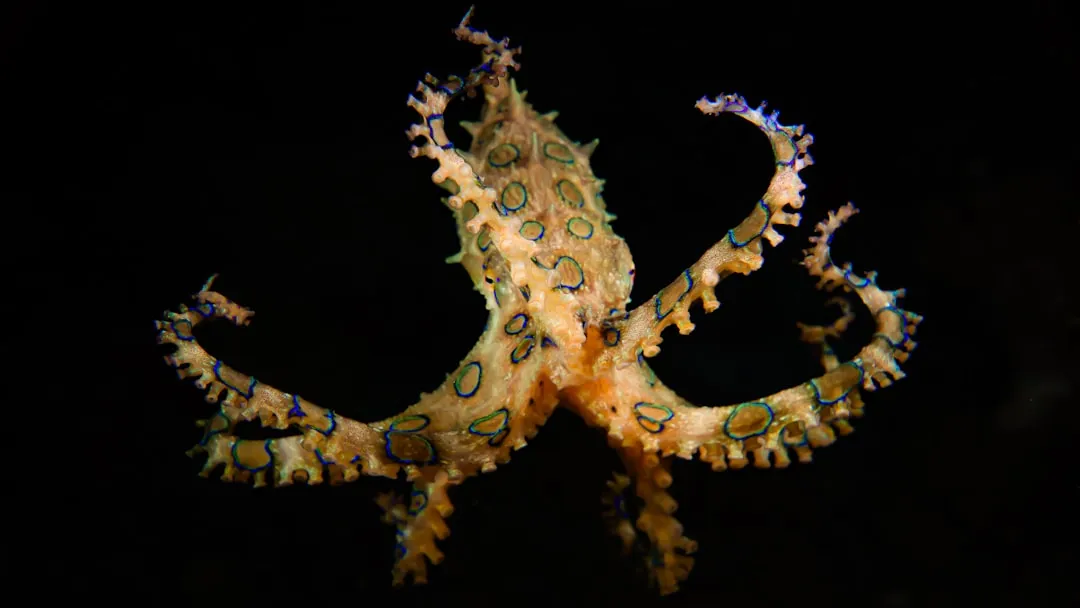
Certain octopus species can detach an arm when threatened, leaving a still-moving limb behind to confuse predators. The detached arm continues to wriggle, change color, and react to touch because the arm’s nerves can operate semi-independently from the main brain. While the predator focuses on the twitching snack, the octopus jets away in a cloud of ink.
Like tail loss in lizards, dropping an arm is expensive. An octopus needs those arms to hunt, explore, and even taste the world, since their suckers contain sensory cells. Regrowing a full, functional arm takes significant time and resources, so this is a dramatic sacrifice – basically an emergency eject button built into their own body.
3. Starfish That Regrow Entire Bodies From A Single Arm
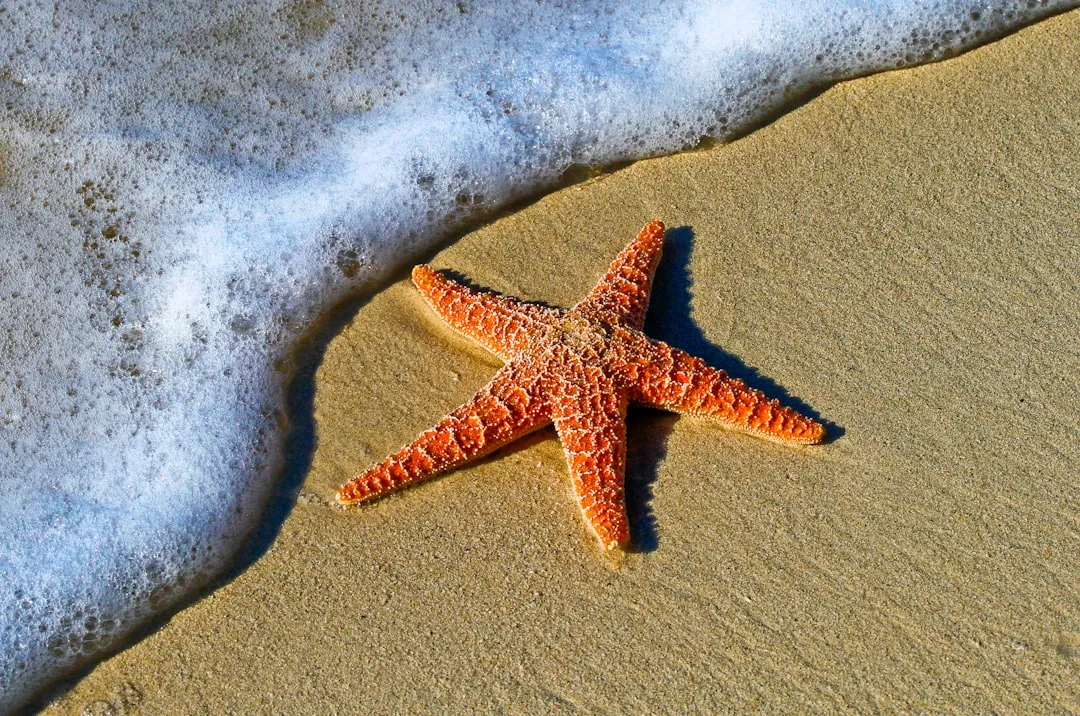
Sea stars (starfish) take regenerative sacrifice to a mind-blowing level. Many species can intentionally shed one or more arms to escape a predator’s grasp, leaving the attacker with a writhing limb while the rest of the body drifts or crawls away. As long as the central disc is intact, the starfish can slowly regrow lost arms over weeks or months.
Some starfish are even able, under the right conditions, to grow an entire new animal from just a single arm with a bit of central tissue attached. It is as if you could lose your arm and the arm itself eventually built an entire new you. Evolution has basically turned their body into a modular kit that can be broken apart and rebuilt when survival demands it.
4. Salamanders And Axolotls That Sacrifice Limbs For Perfect Regrowth
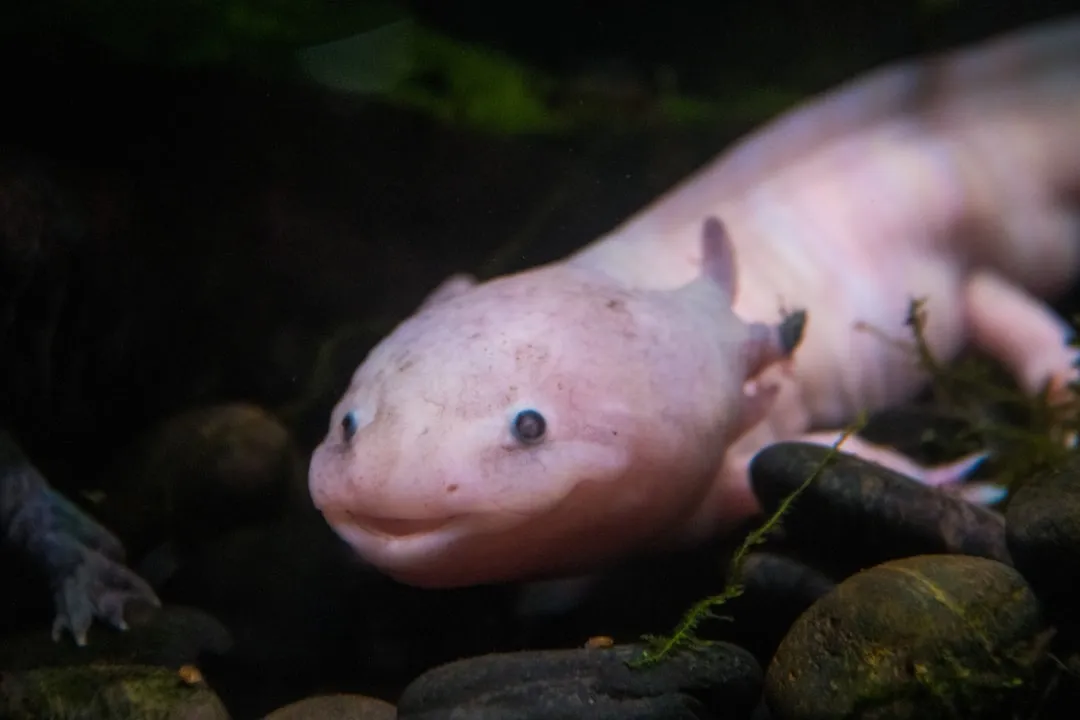
Salamanders, especially axolotls, are the poster children of regeneration. When attacked, they can lose limbs, tails, and even parts of their jaws or spinal cord, surviving horrific injuries that would permanently cripple most animals. Over time, they rebuild these lost parts almost perfectly, with bones, muscles, nerves, and skin all returning in proper order.
What they sacrifice is not just tissue in the moment, but also energy and time during regrowth. While a limb is regenerating, the salamander may be slower, more vulnerable, or less successful at finding food. Researchers study them intensely because understanding how their bodies tolerate and reverse such damage might one day help humans recover from severe injuries more completely.
5. Crabs And Other Crustaceans That Snap Off Their Own Claws
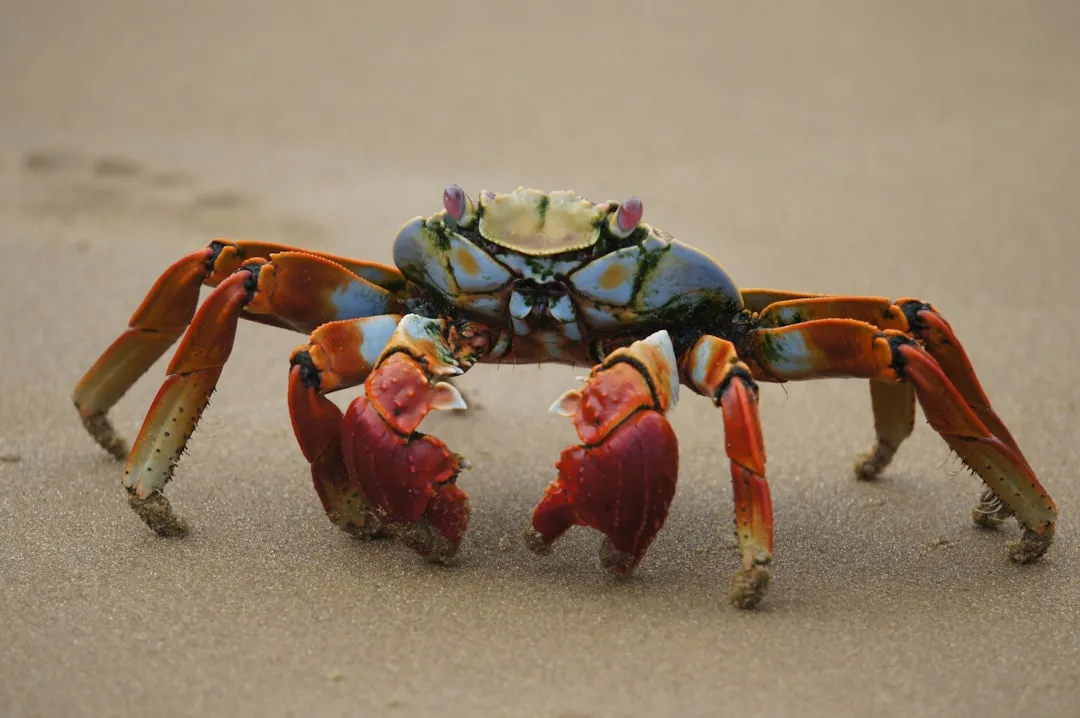
Crabs, lobsters, and some other crustaceans can deliberately break off their own legs or claws through a process called autotomy. If a limb is trapped or badly damaged, special weak points at the base allow the animal to snap it off cleanly, reducing blood loss and infection. It is like having a built-in emergency release system where the joint is designed to fail in a controlled way.
After shedding a limb, these animals slowly regrow it with each molt, when they shed their hard exoskeleton and form a new, larger one. The replacement often starts out as a smaller, weaker version and only returns to full size over several cycles. In the meantime, losing a big claw can mean losing a weapon, a tool for feeding, and even a symbol of dominance in social battles.
6. Sea Cucumbers That Eject Their Guts To Scare Predators
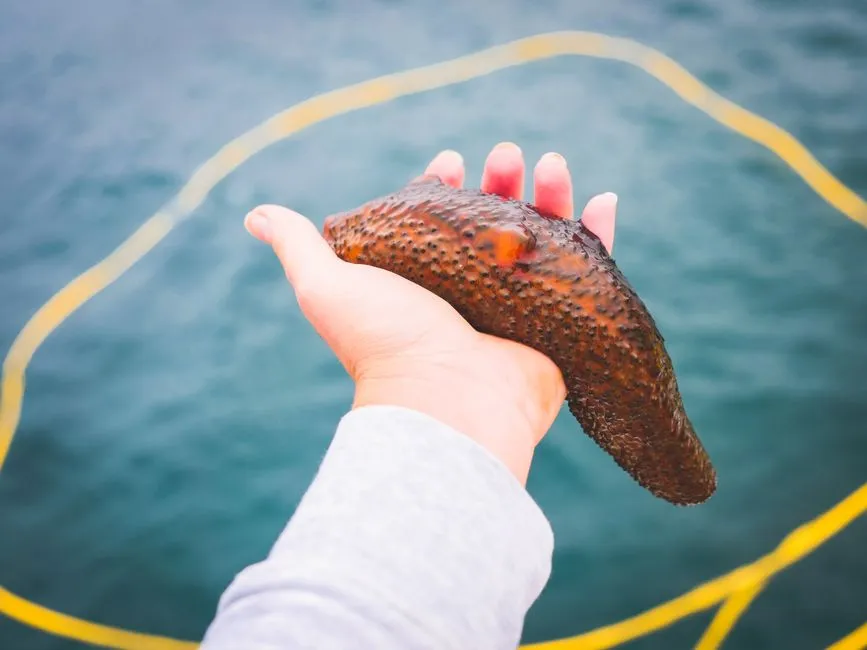
Sea cucumbers may look like harmless sausages on the seafloor, but their defense strategy is hardcore. When seriously threatened, some species violently contract their muscles and eject sticky, sometimes toxic internal organs through their anus. This mess can tangle, deter, or even poison would-be predators, giving the sea cucumber a chance to crawl away.
The wild part is that they then slowly rebuild the organs they just dumped out. Over days to weeks, the gut and other expelled tissues regenerate inside the body cavity. It is a survival gambit that says, in effect, take my insides, I will make new ones, as long as I walk away alive today.
7. Ants And Termites That Explode Or Tear Themselves Open
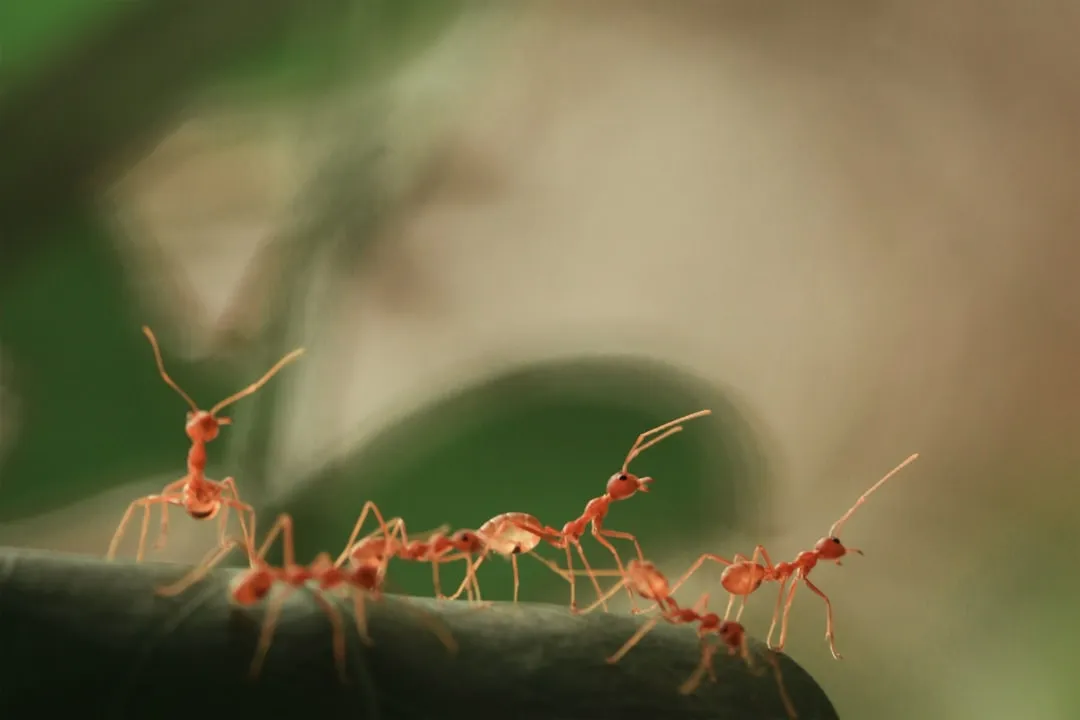
Some social insects go to terrifying extremes in the name of colony defense. In a few ant species, older workers can rupture glands in their bodies, essentially exploding and coating intruders with toxic or sticky fluids. It is a total sacrifice: the individual dies, but the colony gains a last-ditch shield against predators or rival colonies.
Certain termites have a similar suicidal defense, with specialized soldiers or aging workers that can rupture themselves to release chemical weapons. From a cold evolutionary perspective, the colony acts like a super-organism, and these individuals are like disposable cells sacrificing themselves for the survival of the whole. It is brutal, but the strategy clearly works or it would not have evolved and persisted.
8. Hairy Frogs That Break Their Own Bones To Make Claws
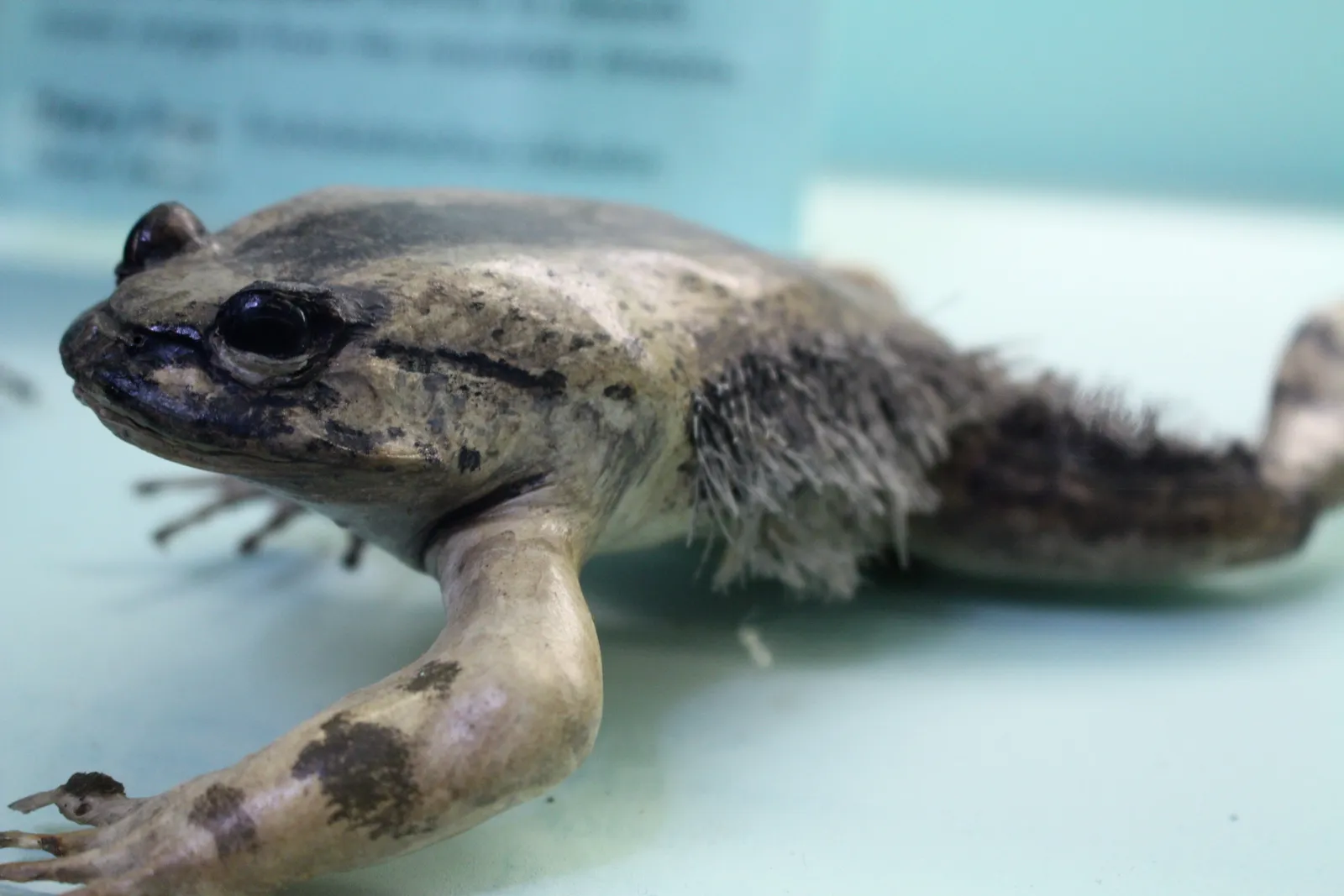
The so-called hairy frog from Central Africa uses one of the most metal defense tricks in the animal kingdom. When threatened, it can fracture bones in its toes and push the sharp pieces through the skin, turning its own skeleton into emergency claws. This means the frog literally injures itself on purpose just to become more dangerous to grab.
After the crisis passes, those bone claws can retract, and the damaged tissues eventually heal. It is not fully clear if the claws always go back to their original position or how often an individual can repeat this maneuver in its lifetime. Still, the fact that an animal is wired to weaponize its own bones shows how far evolution will go when survival is on the line.
9. Spiders That Lose Legs But Keep On Hunting
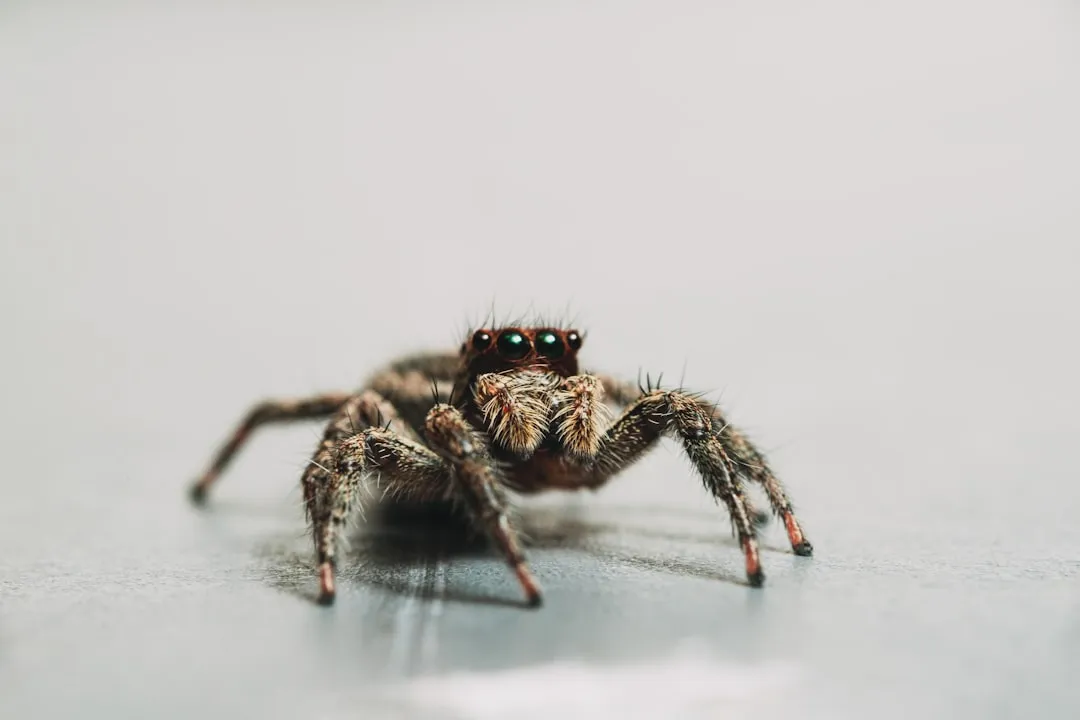
Many spiders can shed a leg when attacked, a quick-release move to escape from a predator’s grip, a web tangle, or a dangerous rival. The joint where the leg comes off can clamp shut rapidly to minimize blood loss, allowing the spider to survive a dramatic injury that would cripple many other arthropods. Watching a spider walk smoothly on seven legs after such a loss can be surprisingly unsettling.
Juvenile spiders may partially regenerate missing legs over subsequent molts, but adults usually cannot fully regrow them. Even so, many spiders adapt brilliantly, changing their hunting strategies, web design, or movement patterns. A missing leg is a serious loss, but for a creature that only needs to eat small, unwary prey, it is often a survivable compromise.
10. Snakes That Tear Their Own Skin To Escape Danger
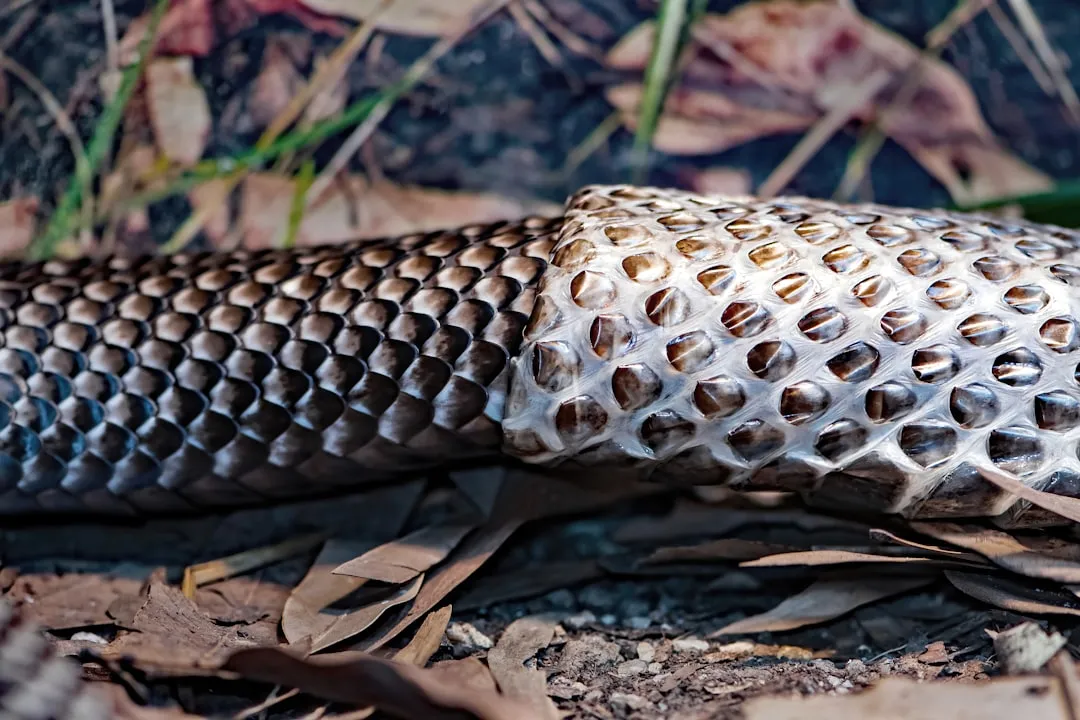
We usually think of snakes shedding their skin calmly in one piece, but under stress it can be far more abrupt and sacrificial. If a snake is grabbed or stuck, struggling violently can cause the outer skin layer to tear away, leaving the predator with a mouthful of scales while the snake slips out, raw-looking but alive. It is a rough, emergency version of a natural process that was going to happen anyway.
Of course, losing skin unevenly can expose them to infection, dehydration, and extra vulnerability until new skin hardens and darkens. Still, when the options are being eaten now or possibly healing later, sacrificing a patch of skin is the logical move. It is like shredding your favorite jacket while squeezing through a broken fence: you hate the damage, but you love being on the other side of it.
Conclusion: Survival Is Brutal, But Brilliant
All these animals share one radical idea: the body is not sacred, it is negotiable. Tails can be thrown away, arms dropped, guts ejected, bones broken, and skin shredded if that is what it takes to see another sunrise. From a human perspective, this feels extreme, even horrifying, but in evolutionary terms it is just smart cost–benefit math.
Personally, I find it humbling. We tend to think of survival as courage or strength, but in nature, survival is often about what you are willing to lose without hesitating. These creatures remind us that resilience is not always neat or pretty – it is sometimes messy, bloody, and shockingly creative. The real question is, if you lived in their world, what part of yourself would you be ready to sacrifice to stay alive?
