


When we think of koalas, we typically envision adorable furry creatures nestled in eucalyptus trees, munching lazily on leaves. These iconic Australian marsupials have captivated our hearts with their teddy bear-like appearance and peaceful demeanor. However, beneath their cuddly exterior lies a fascinating scientific curiosity that has stunned researchers and forensic experts alike: koala fingerprints are remarkably similar to human fingerprints. This extraordinary biological phenomenon creates an unexpected connection between our species and these specialized tree-dwelling marsupials, despite our evolutionary paths diverging millions of years ago. The remarkable similarity is not just a curious coincidence but a compelling example of convergent evolution that has significant implications for our understanding of evolutionary biology and fingerprint development.
The Surprising Discovery of Koala Fingerprints

The discovery of koala fingerprints dates back to 1996 when researchers at the University of Adelaide in Australia made this startling observation. While examining koalas’ hands, scientists noticed distinct ridges and patterns that bore an uncanny resemblance to human fingerprints. This discovery was initially met with disbelief, as marsupials were not previously known to possess such detailed dermal ridge patterns. The research team, led by macroscopic researcher Macie Hennenberg, published their findings in the journal Natural Science, documenting this remarkable similarity for the first time in scientific literature.
What made this discovery particularly extraordinary was that it challenged existing notions about fingerprint evolution. Prior to this finding, the presence of such detailed fingerprints was primarily associated with primates, particularly humans and great apes. The identification of these intricate patterns on koalas’ digits opened up new questions about evolutionary development and the purpose of fingerprints across different species. The research sparked interest not just among biologists but also among forensic scientists intrigued by the implications for fingerprint analysis and identification systems.
Anatomical Similarities Between Koala and Human Fingerprints
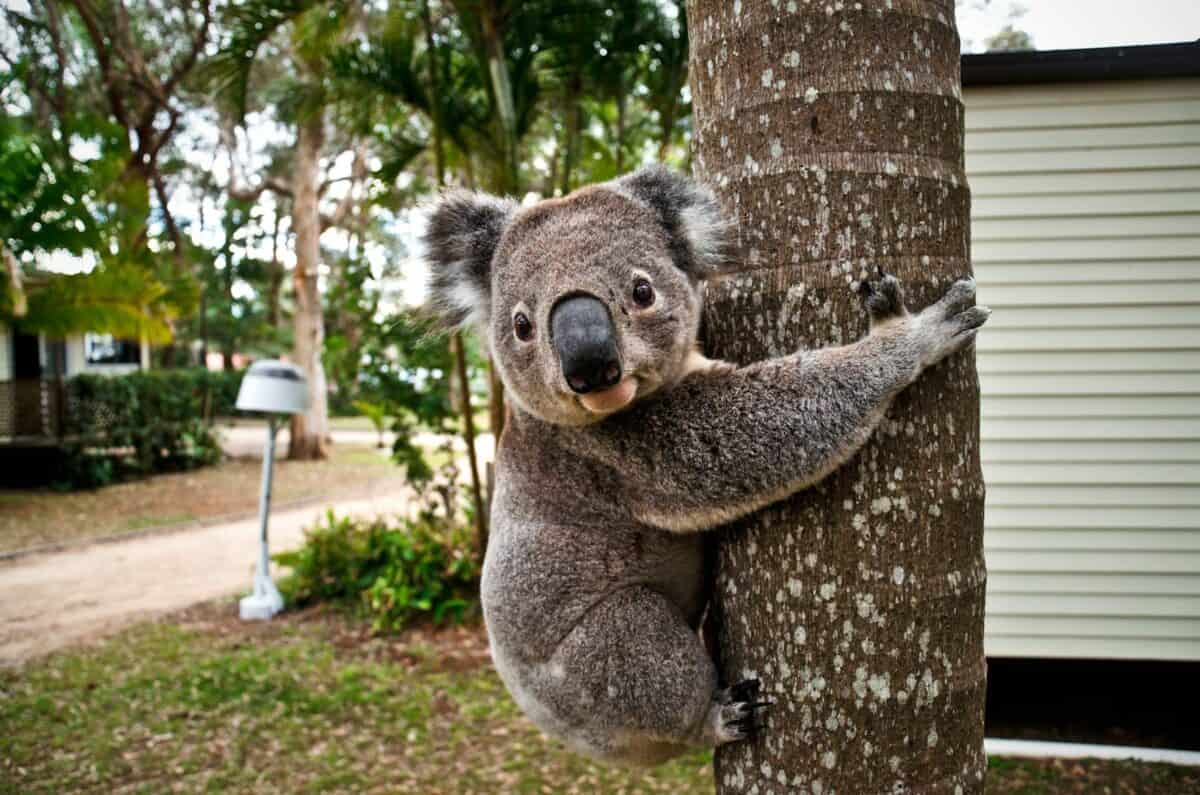
When examined under a microscope, koala fingerprints reveal ridge patterns, whorls, and loops that are strikingly similar to those found on human fingers. These patterns include the three basic fingerprint patterns observed in humans: arches, loops, and whorls. The ridge characteristics known as minutiae—the specific points where ridges end, fork, or form islands—are also present in koala prints. These minute details are what make each fingerprint unique in humans, and they serve a similar individualizing function in koalas as well. The density of these ridges and their arrangement creates patterns that, to an untrained eye, could potentially be mistaken for human prints.
Furthermore, koalas have friction ridges on their palms and the soles of their feet, just like humans. These ridges vary in pattern and distribution, creating a unique print for each koala—similar to how human fingerprints are unique to each individual. The dermal ridges in koalas are approximately the same size as those in humans, making the scale of their fingerprints comparable to ours. This remarkable anatomical similarity exists despite koalas having evolved along a completely different evolutionary path than primates, making it one of the most fascinating examples of convergent evolution in the natural world.
Convergent Evolution Explained
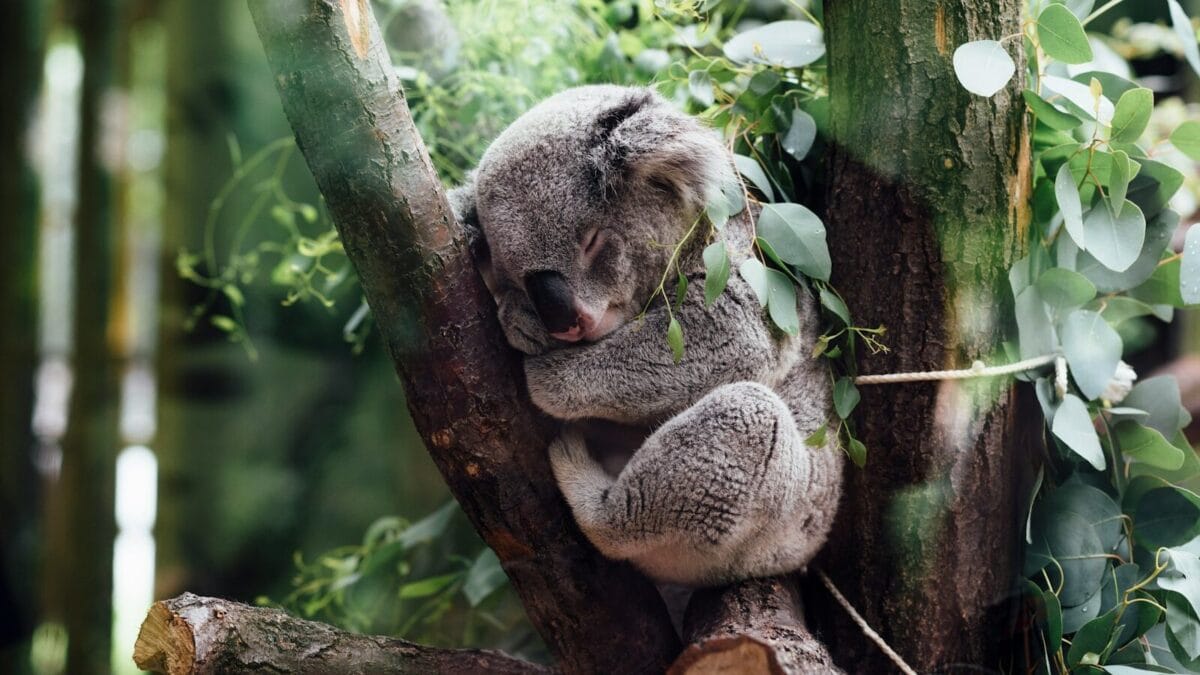
The similarity between koala and human fingerprints represents a classic case of convergent evolution—the process where unrelated organisms independently evolve similar traits as adaptations to similar environments or ecological niches. Despite the fact that humans and koalas last shared a common ancestor approximately 70 million years ago, both species have developed almost identical fingerprint patterns. This evolutionary phenomenon occurs not because of shared ancestry but because similar environmental pressures led to the development of similar anatomical features. In this case, the need for enhanced grip in both species appears to have driven the evolution of comparable fingerprint structures.
For koalas, these fingerprints likely evolved as an adaptation to their arboreal lifestyle, providing the necessary friction and grip to navigate through eucalyptus trees safely. Similarly, human fingerprints evolved to enhance our grip and tactile sensitivity, which was crucial for our ancestors’ survival. The fact that these two distantly related species evolved such similar features highlights how specific environmental challenges can drive parallel adaptations across the evolutionary tree. This phenomenon provides scientists with valuable insights into how functional requirements can shape anatomical development regardless of genetic lineage.
The Functional Purpose of Koala Fingerprints

For koalas, fingerprints serve a crucial adaptive purpose directly tied to their survival. These marsupials spend most of their lives in eucalyptus trees, often navigating thin branches at considerable heights. Their fingerprints provide enhanced grip and traction, allowing them to maintain secure holds on smooth eucalyptus bark and branches, even in wet or windy conditions. The friction ridges create increased surface area and allow for better distribution of force when gripping, which is essential for an animal that could face serious injury from falls. Additionally, these textured surfaces may help koalas gauge the quality and suitability of branches before committing their full weight.
Beyond simple grip, koala fingerprints likely enhance their tactile sensitivity, allowing them to better assess the texture, freshness, and potentially even the nutritional content of eucalyptus leaves before consumption. Koalas are notoriously selective feeders, consuming only about 50 of the over 700 eucalyptus species available in Australia. Their sensitive fingertips may play a role in this selective behavior, helping them identify the most suitable leaves. This specialized adaptation demonstrates how evolution has fine-tuned koalas to their ecological niche, developing features that optimize their ability to thrive in their specific environment.
How Fingerprints Form in Development

The formation of fingerprints begins during fetal development, and remarkably, the developmental process shares similarities between humans and koalas despite their distant evolutionary relationship. In humans, fingerprint patterns begin forming between the 10th and 16th weeks of gestation as the basal layer of the epidermis grows at different rates, creating stress on the developing skin. These stresses cause the skin to fold into the characteristic ridges and valleys that form our unique fingerprints. The patterns are influenced by a combination of genetic factors and environmental conditions in the womb, including the tension of the skin, fetal position, and the pressure and movement of amniotic fluid.
In koalas, a similar developmental process occurs during their time in the pouch. After birth, the tiny, embryonic koala (typically only about 19 millimeters long) crawls into its mother’s pouch where it continues to develop for about six months. During this critical developmental period, the koala joey’s fingerprints form through comparable mechanisms of differential growth and environmental influences within the pouch. By the time the joey emerges from the pouch, its fingerprints are fully formed and will remain unchanged throughout its lifetime—just as human fingerprints remain constant after their formation. This developmental parallel represents another fascinating aspect of the convergent evolution between these two species.
Implications for Forensic Science
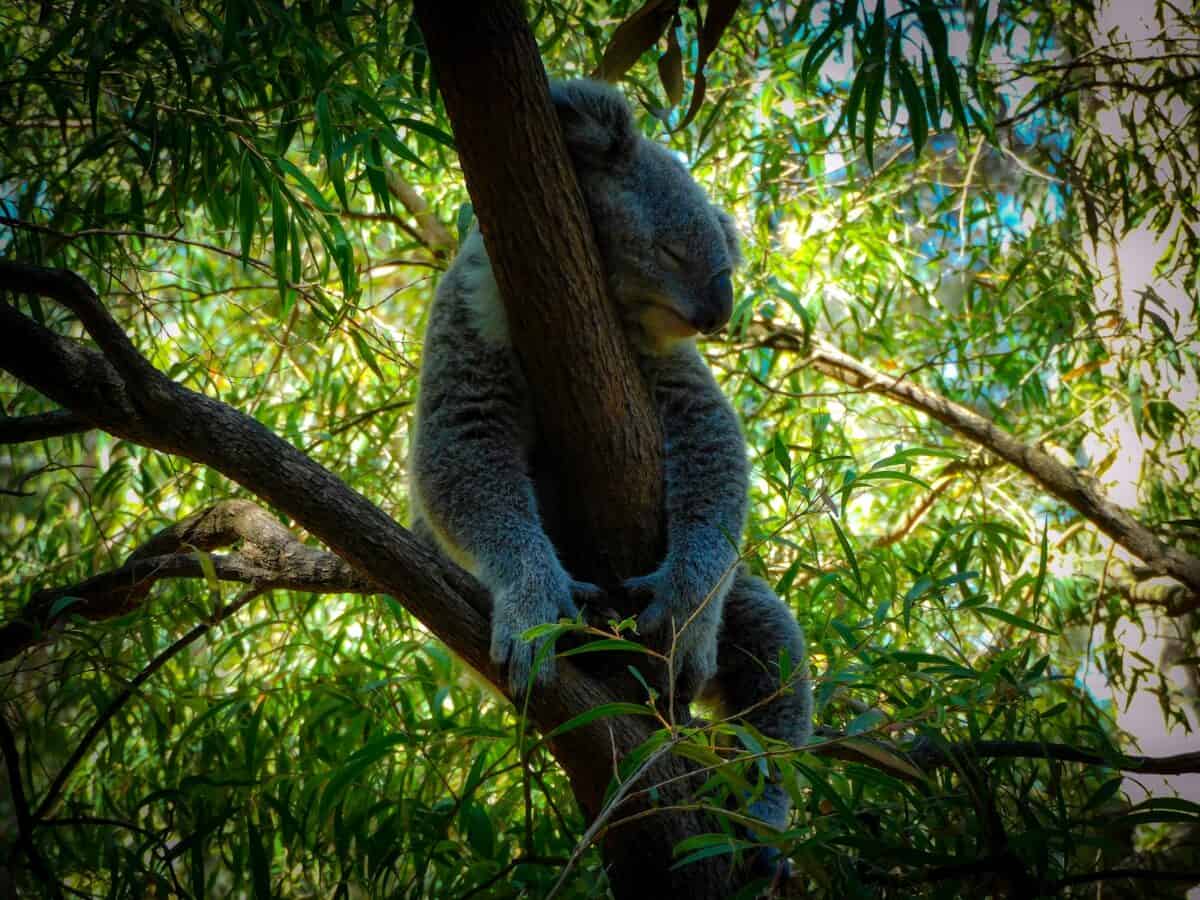
The remarkable similarity between koala and human fingerprints has created intriguing challenges for forensic science. In theory, a crime scene fingerprint left by a koala could potentially be misidentified as human if analysts were not aware of this biological curiosity. While this scenario might seem far-fetched, it highlights the importance of comprehensive knowledge in forensic analysis. Forensic scientists now include this information in their training, ensuring they can distinguish between human prints and those of the few animals, like koalas, that possess similar ridge patterns. This knowledge is particularly relevant in Australia, where koalas might occasionally come into contact with human habitations.
Beyond potential misidentifications, this biological similarity has contributed to the advancement of fingerprint analysis techniques. The existence of koala fingerprints has prompted forensic researchers to develop more sophisticated methods for species identification from dermal ridges. These advancements benefit wildlife forensics, where identifying the species involved in wildlife trafficking or illegal hunting is crucial. Additionally, studying the similarities and differences between human and koala fingerprints has provided insights into the fundamental principles of friction ridge analysis, potentially leading to improvements in human fingerprint identification technologies and methodologies used in criminal investigations.
Other Animals with Human-like Fingerprints

While koalas show the most striking similarity to human fingerprints, they aren’t the only animals to possess dermal ridge patterns resembling our own. Great apes—chimpanzees, gorillas, and orangutans—also have fingerprints that are remarkably similar to humans, which is less surprising given our shared evolutionary history. These primates have distinct patterns of whorls, loops, and arches that serve similar functions of improving grip and tactile sensitivity. However, each species has subtle differences in ridge density and pattern distribution that forensic experts can use to distinguish them from human prints.
Beyond primates, some other mammals have evolved friction ridges that serve similar functions but look less like human fingerprints. For instance, certain species of monkeys have simpler ridge patterns, while some tree-dwelling mammals like possums have developed textured pads that enhance their grip. What makes koalas unique is that despite being marsupials with no close evolutionary relationship to primates, they have independently evolved fingerprint patterns that are almost indistinguishable from those of humans—a remarkable example of convergent evolution driven by similar functional needs. This phenomenon demonstrates how unrelated species can develop nearly identical anatomical features when faced with similar environmental challenges.
Koala Conservation and the Value of Their Uniqueness
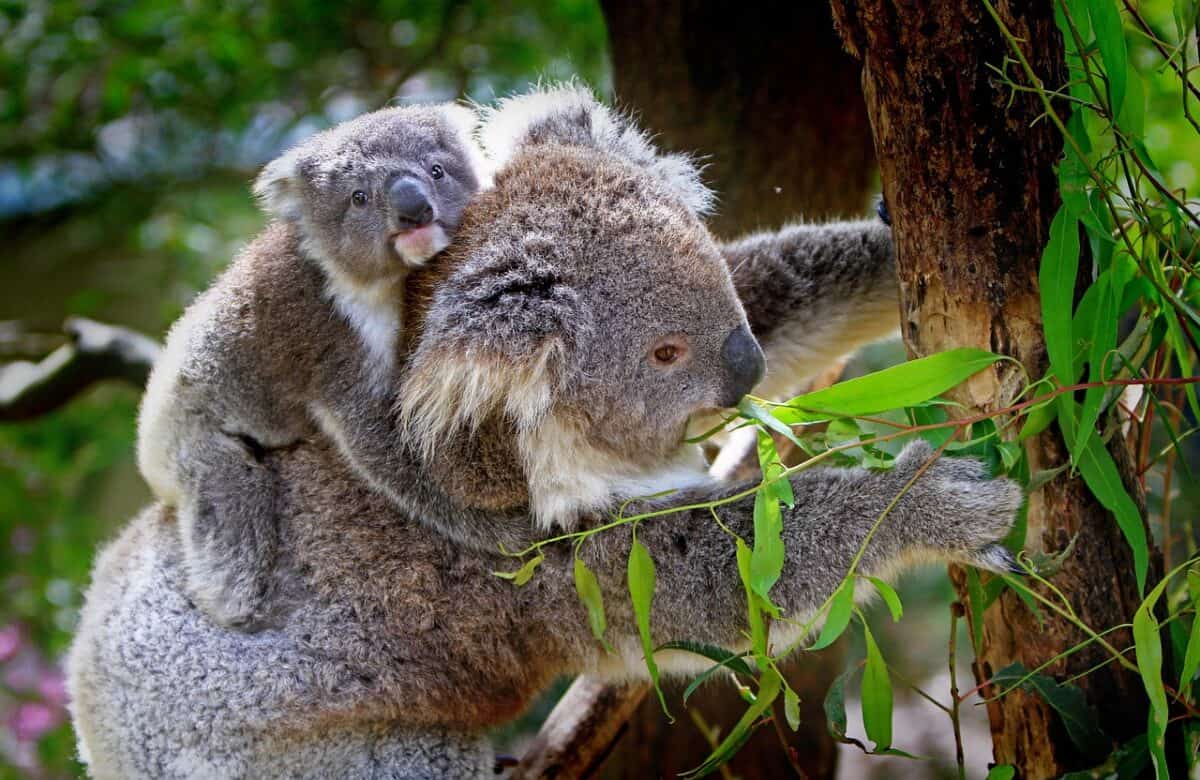
The discovery of human-like fingerprints in koalas adds another layer to the value of preserving these iconic Australian marsupials. Koalas are currently listed as vulnerable to extinction, with populations declining due to habitat loss, disease, vehicle strikes, and the increasing impact of climate change. The 2019-2020 Australian bushfires dealt a devastating blow to koala populations, with estimates suggesting that over 60,000 koalas were affected through death, injury, or habitat loss. Protecting koalas means preserving not just a beloved symbol of Australia but also a unique evolutionary marvel that provides valuable insights into biological development and adaptation.
Conservation efforts for koalas include habitat protection, disease management (particularly for chlamydia, which affects many wild koalas), and wildlife corridor creation to allow safe movement between fragmented habitats. Research into koala fingerprints and other unique anatomical features helps build scientific knowledge that can inform conservation strategies and generate public interest in koala protection. By highlighting the remarkable similarities between human and koala fingerprints, scientists and conservationists can create compelling narratives about our unexpected connections to wildlife, potentially increasing public support for conservation initiatives aimed at protecting these fascinating creatures for future generations.
Scientific Research and Future Studies
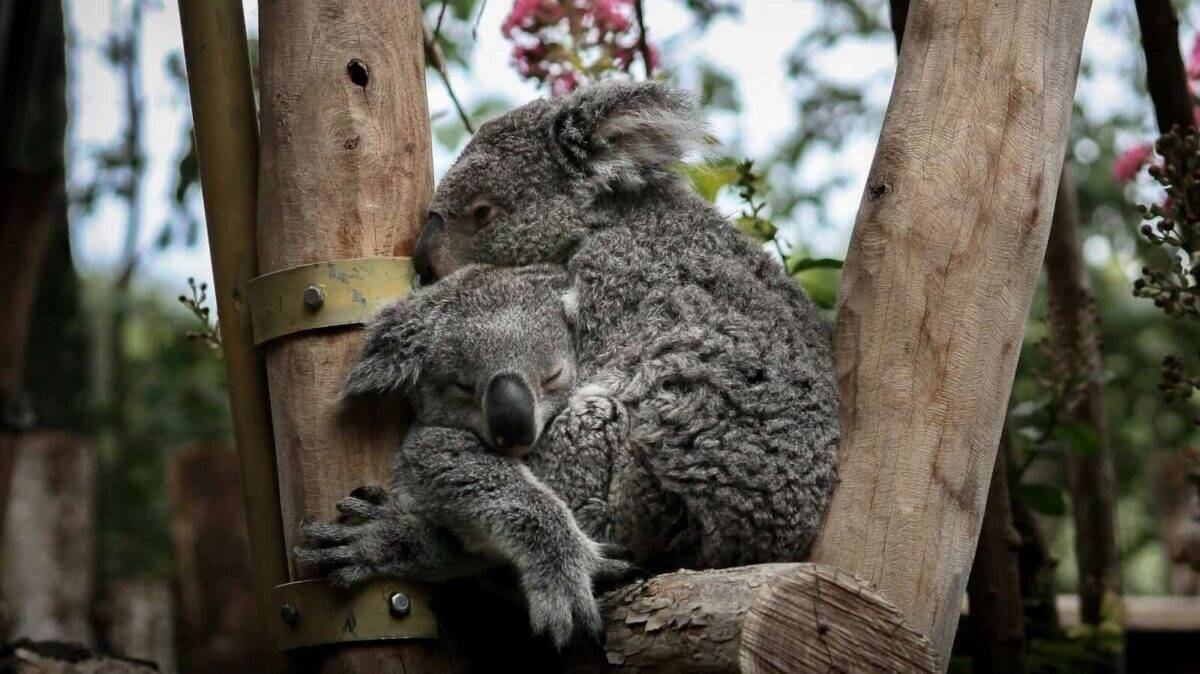
The discovery of human-like fingerprints in koalas has opened up several avenues for ongoing scientific research. Current studies are exploring the genetic basis for fingerprint development in both humans and koalas, seeking to identify whether similar genes regulate this process despite the species’ distant evolutionary relationship. Researchers are using advanced imaging techniques and genetic analysis to compare the developmental pathways that lead to fingerprint formation in both species. These studies may provide insights into the fundamental principles of morphogenesis—how biological forms develop—and could have implications for understanding certain developmental disorders in humans.
Future research directions include investigating whether koala fingerprints serve additional functions beyond grip enhancement, such as thermoregulation or sensory perception. Scientists are also interested in studying whether individual koala fingerprints change subtly over time in response to environmental factors or aging, as this could provide insights into how dermal ridges adapt and maintain their functionality throughout an animal’s lifetime. Additionally, comparative studies of fingerprints across different marsupial species may help clarify why koalas specifically evolved such human-like prints while their closer relatives did not. This research not only satisfies scientific curiosity but could potentially lead to biomimetic applications in robotics and grip-enhancing technologies inspired by nature’s solutions.
Cultural Impact and Public Fascination

The revelation that koalas share remarkably similar fingerprints with humans has captured public imagination and featured in numerous science education programs, nature documentaries, and popular science publications. This fascinating biological coincidence creates an unexpected connection between humans and koalas that resonates with people and often serves as an entry point for broader discussions about evolution, adaptation, and biodiversity. Museums and wildlife centers frequently highlight this fact in their educational materials, using it to engage visitors and stimulate curiosity about the natural world. The human-like quality of koala fingerprints makes these animals seem somehow more relatable, potentially increasing public empathy and support for their conservation.
In Australia, where koalas hold cultural significance as national icons, the fingerprint similarity has added another layer to their cultural value. Indigenous Australian stories and art have long recognized the special nature of koalas, and this scientific discovery complements traditional knowledge about these animals’ uniqueness. The fingerprint similarity has also inspired creative works, from children’s books that use the concept to teach about biodiversity to art installations exploring the unexpected connections between species. By highlighting such fascinating biological parallels, scientists and educators can help foster a deeper appreciation for the intricate and sometimes surprising ways that evolution shapes life on Earth.
Unique Koala Facts Beyond Their Fingerprints
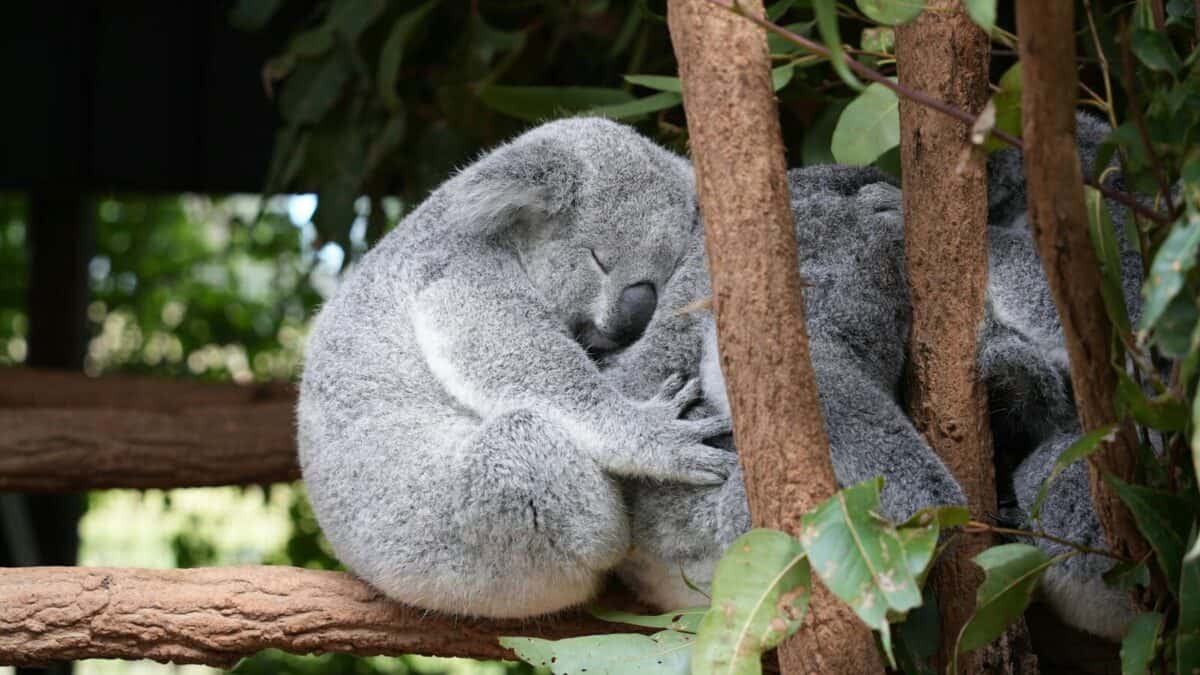
While their human-like fingerprints are certainly fascinating, koalas possess numerous other unique adaptations and characteristics. These specialized marsupials have evolved to survive almost exclusively on a diet of eucalyptus leaves, which are toxic to most other animals. Their digestive systems contain specialized bacteria that detoxify the poisonous compounds in eucalyptus, though this diet provides so little energy that koalas must sleep or rest for up to 22 hours per day to conserve energy. Their brains have actually decreased in size over evolutionary time, potentially as an adaptation to their low-energy lifestyle, resulting in a brain that appears “smooth” and fills only about 60% of their cranial cavity.
Koalas also possess thick fur that serves as excellent insulation, keeping them cool in summer and warm in winter. They have powerful limbs with sharp claws for climbing, and a specially adapted tailbone (vestigial tail) that provides comfort when sitting on branches for extended periods. Koala joeys are born in an extremely underdeveloped state after just 35 days of gestation, measuring only about 19mm long and weighing less than 1 gram. They then crawl into their mother’s pouch where they continue developing for about six months before emerging. These remarkable adaptations, combined with their human-like fingerprints, make koalas one of the most specialized and fascinating mammals on the planet.
Conclusion: A Remarkable Example of Nature’s Convergence

The striking similarity between koala and human fingerprints stands as one of the most fascinating examples of convergent evolution in the natural world. Despite our last common ancestor living approximately 70 million years ago, both species independently developed nearly identical friction ridge patterns in response to similar functional needs—enhancing grip and tactile sensitivity. This biological coincidence not only provides valuable insights into evolutionary processes but also creates an unexpected connection between humans and these iconic Australian marsupials. The discovery continues to intrigue scientists and the general public alike, highlighting how nature can sometimes develop remarkably similar solutions to environmental challenges across distantly related species.
As koala populations face increasing threats from habitat loss, climate change, and disease, understanding and appreciating their unique characteristics—including their fingerprints—becomes even more important. These similarities remind us of our interconnectedness with the natural world and the importance of preserving biodiversity. Whether viewed through a scientific, conservation, or cultural lens, the human-like quality of koala fingerprints serves as a compelling reminder of the wonders of evolution and the sometimes surprising ways in which different species can converge on similar biological solutions. In protecting koalas and their habitat, we preserve not just an iconic species but also a remarkable evolutionary marvel that continues to expand our understanding of biology and adaptation.

From exploring the marine wonders in the Azores and witnessing the vast savannas of Kenya, to delving deep into the rich biodiversity of South Africa and traversing iconic landscapes in Australia and the US like Yellowstone, Chris's experiences are vast.
With a penchant for diving alongside sharks, the ocean holds a special place in his heart.
Through his academic insights, he champions wildlife conservation, striving with 'Animals Around The Globe' to cultivate a profound connection between humans and animals, enhancing our mutual appreciation.
Connect with him at Feedback@animalsaroundtheglobe.com.
- Did You Know Koala Fingerprints Are Almost Identical to Humans’? - July 26, 2026
- Animals and Wildlife in New York - July 26, 2026
- 15 Breeds That Shed the Most Hair - July 26, 2026
Leave a comment
You must be logged in to post a comment.