

Every parent knows that love, sacrifice, and devotion aren’t uniquely human traits. Across the animal kingdom, countless species demonstrate parenting skills that would put even the most dedicated human parents to shame. From sleepless nights to self-sacrifice, from patient teaching to fierce protection, these creatures embody what it truly means to nurture the next generation.
Let’s be real, when we think about animals, we often focus on their survival instincts or their hunting prowess. We rarely stop to consider the tender moments between a mother and her baby, or the lengths a father will go to protect his offspring. Nature has its own beautiful ways of showing us what unconditional love looks like, and honestly, some of these stories will absolutely melt even the coldest heart. So let’s dive in and discover which animals truly deserve the title of world’s best parents.
1. Emperor Penguins: The Ultimate Devoted Dads
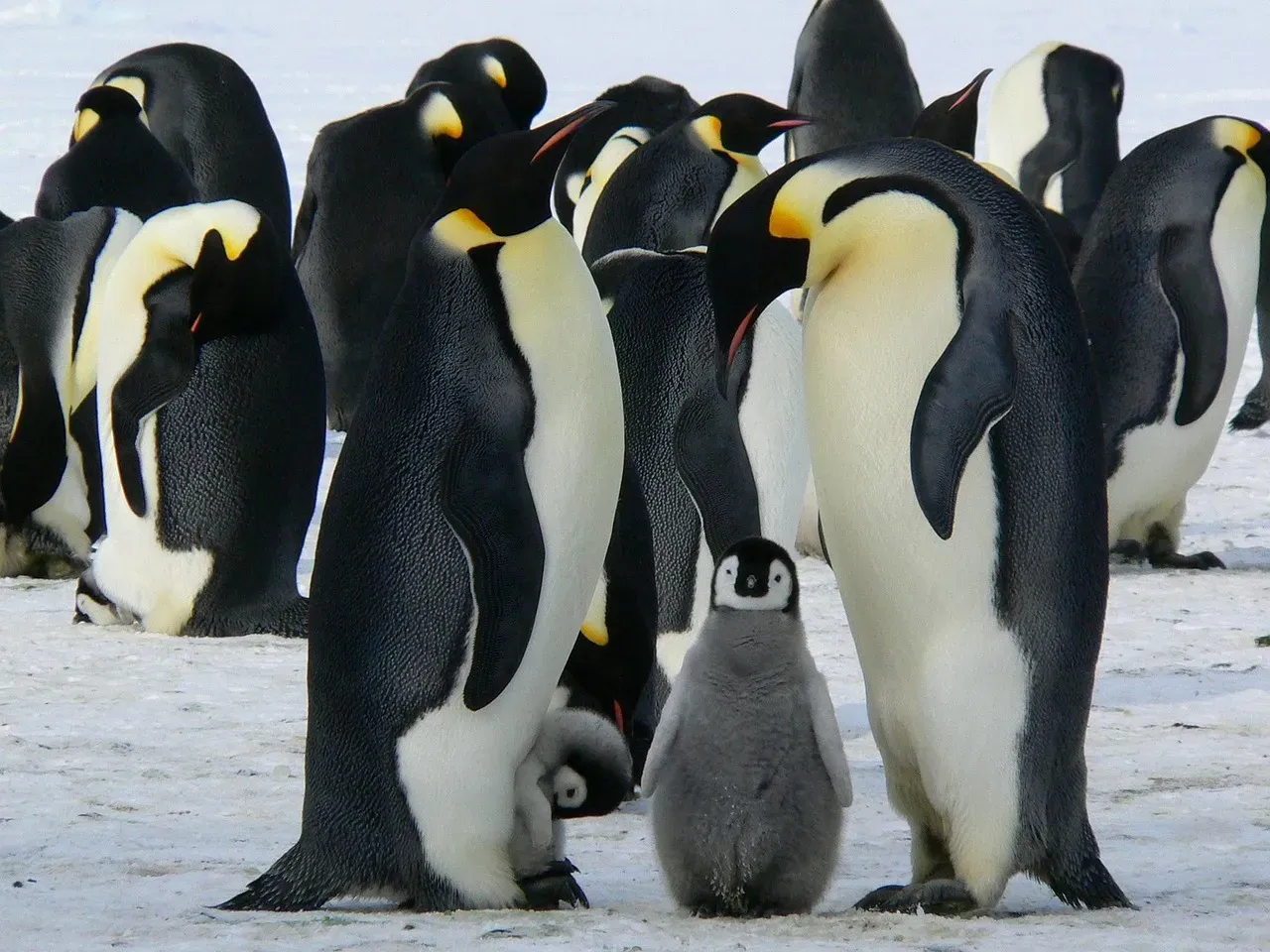
Emperor penguin fathers stand out as some of the most dedicated animal parents, balancing their egg on their feet for two months without eating or moving, facing the harsh Antarctic cold and wind. Picture this: temperatures plummeting to minus seventy degrees, howling winds, and complete darkness for weeks on end. That’s the reality these incredible fathers face while their partners are out at sea feeding.
If the chick hatches before the mother returns, the father feeds it with milk he produces from his esophagus. Here’s the thing, most people don’t realize that male penguins essentially go into survival mode for roughly four months total, huddling together with thousands of other males to conserve warmth. They shuffle around in these massive groups, taking turns being on the outside where it’s coldest.
In the harsh, icy tundra of Antarctica, emperor penguins endure the planet’s most extreme cold to safeguard their eggs, covered only by a flap of skin while balancing them on their feet for months during winter. The dedication is mind-blowing when you think about it. These fathers lose nearly half their body weight during this period, all to ensure their chick has a chance at life.
When mom finally returns with a belly full of fish, she regurgitates it for the chick while dad finally gets to eat. The bond between emperor penguin parents showcases teamwork at its finest, though dad definitely deserves extra credit for those grueling winter months.
2. Elephants: The Matriarchs of Compassion
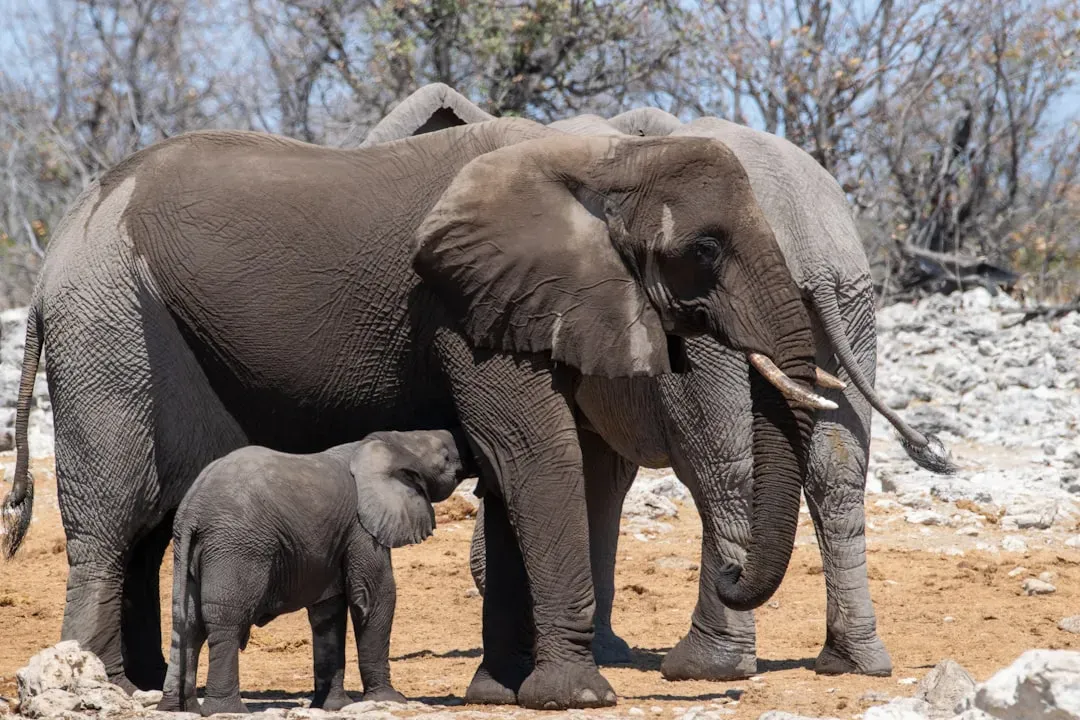
Elephants may be the most protective moms on the planet, with herds of females and children traveling together in a circle, keeping the youngest member on the inside protected from predators. It’s hard to say for sure, but elephants might just have the most emotional intelligence of any animal besides humans. These gentle giants demonstrate empathy in ways that scientists are only beginning to fully understand.
If one child becomes an orphan, the rest of the herd will adopt him. This communal approach to parenting means that every calf in the herd benefits from multiple caregivers, all working together to ensure survival. Young elephants learn everything from their mothers and aunties, from where to find water during droughts to which plants are safe to eat.
Elephants show great empathy for each other, and when one elephant lags behind due to an injury, the rest may stop and wait or walk slower, even though this behavior isn’t in the best interest of the other elephants’ survival. The training period for young elephants can last over a decade, with calves staying close to their mothers for years.
Elephants are known for their exceptional memories, and their ability to recall distant watering holes and paths is passed from mom to calf, underscoring the deep emotional and cognitive connections among elephant families. These memories aren’t just trivia; they’re literal survival information passed down through generations.
3. Orcas: Mothers Who Never Leave
Resident Orca mothers and their children stay together their entire lives, even after they have offspring of their own, and throughout its life, a Resident Orca will only separate from its mother for a few hours at a time to forage and mate. Now that’s what I call commitment. Imagine living with your mom your entire life, and it somehow works perfectly.
Mothers have just one calf every five years, and mothers watch over their young 24/7, with calves not sleeping for the first month of their lives, so mothers go without sleep too. Think about that for a moment – an entire month without sleep. Human parents complain about sleepless nights with newborns, but orca moms take it to an entirely different level.
These marine mammals have complex family structures called pods, where the oldest female typically leads the group. She passes down hunting techniques, communication patterns, and cultural knowledge that’s unique to her specific pod. Different orca populations have entirely different “languages” and hunting strategies, all taught through this mother-led education system.
The bond between orca mothers and their offspring represents one of the strongest family connections in the entire animal kingdom. Male orcas, even as full-grown adults weighing thousands of pounds, still stick close to mom and follow her lead. It’s honestly quite touching to witness.
4. Octopuses: The Ultimate Sacrifice
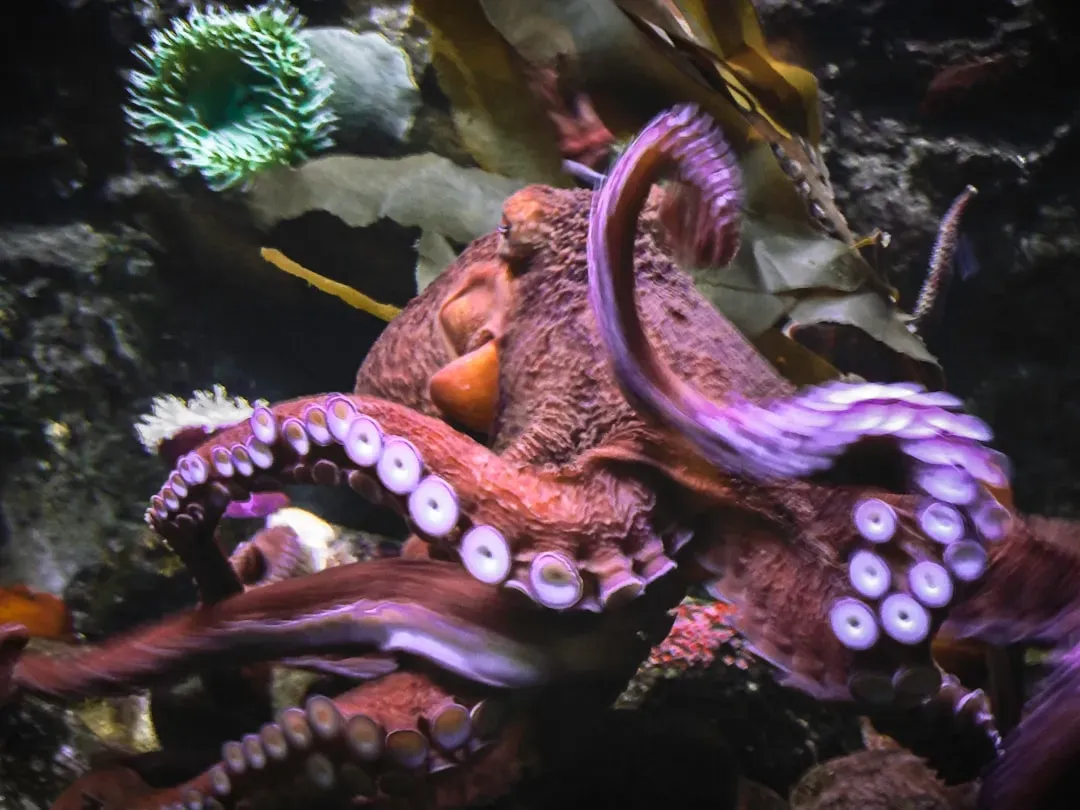
Female octopuses lay thousands of eggs which they guard from predators until they hatch, meticulously cleaning and aerating the eggs by gently fanning them with their arms, and the female Giant Pacific Octopus does not eat while she cares for her eggs, sacrificing her own life for the survival of her offspring. This level of maternal sacrifice is almost unfathomable.
For months on end, mother octopuses stay with their eggs in a carefully chosen den, never leaving even for a moment to hunt. After female octopuses lay huge amounts of eggs, they keep the developing babies oxygenated and free of bacteria by fanning them with muscular organs called siphons, and during this process, octopus moms stop eating and will not leave the area while guarding their offspring, no matter how long it takes for them to hatch.
Her body slowly deteriorates as she uses all her energy to protect and care for her eggs. She waves her arms constantly to keep water flowing over the eggs, ensuring they get enough oxygen. She removes any debris or potential threats with her tentacles, working tirelessly in the darkness of her den.
When the eggs finally hatch, thousands of tiny octopuses emerge into the ocean. The mother, having given everything she had, dies shortly after. She never meets her offspring as they swim away into the vast ocean. It’s a heartbreaking yet beautiful example of complete and total devotion.
5. Cheetahs: Single Moms Against All Odds
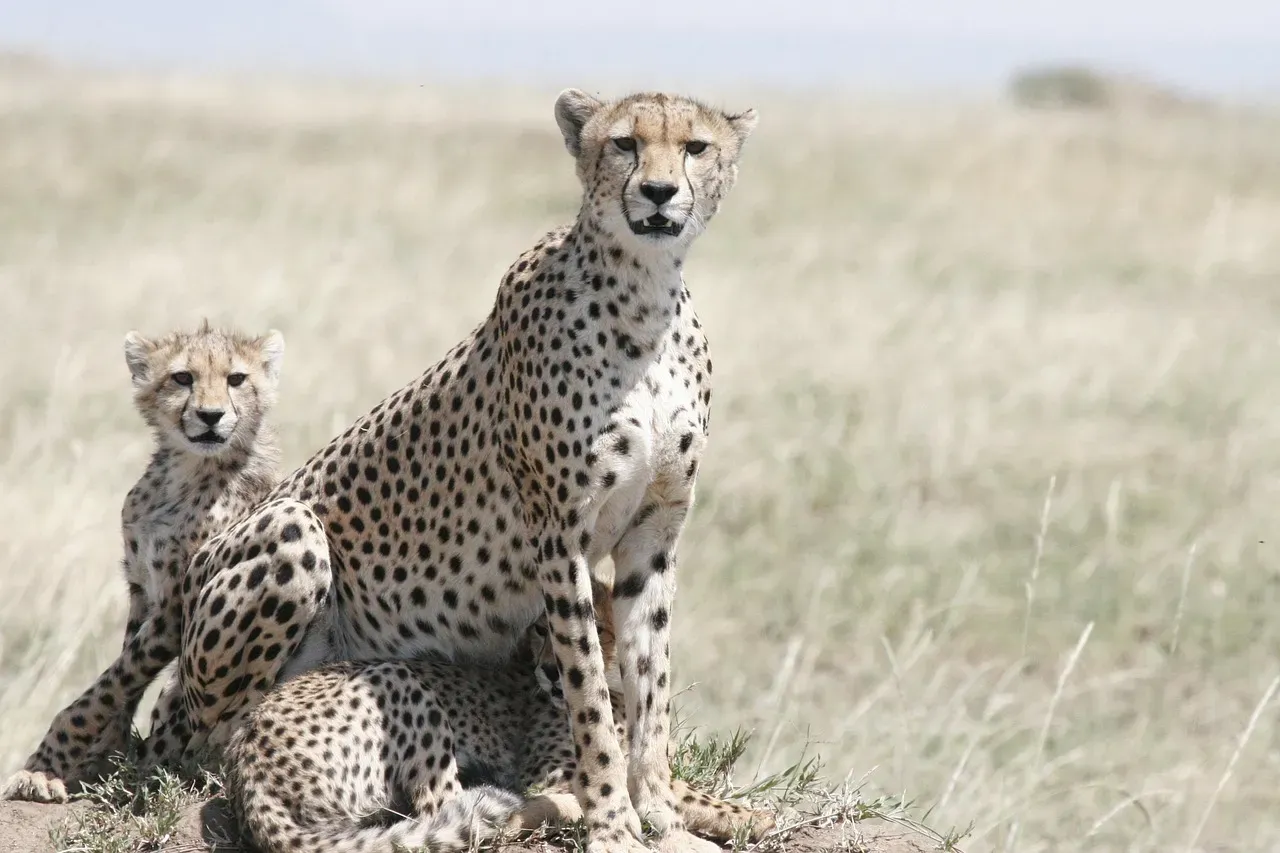
Mothers keep their cubs hidden in their den for 6 to 8 weeks to keep them protected from predators such as lions, hyenas and leopards, and mothers move cubs from den to den many times. Being a single mom is tough in any species, but cheetah mothers face challenges that would break most creatures.
A cheetah mother has no help taking care of her young, but she does a good job on her own, and she almost never lets her cubs out of her sight. These spotted cats must constantly balance the need to hunt with the need to protect their vulnerable cubs. Every time mom leaves to find food, her babies are at risk from larger predators.
At around 5 months old, their mother introduces meat and stops nursing them, and she begins releasing her captured prey for the cubs to practice chasing and re-catching, though she still has to perform the kill, with mother and cubs hunting together until 12 months old when cubs can initiate their own hunts. Teaching takes patience, skill, and time – resources that are scarce when you’re a single parent in the African savanna.
One exceptional cheetah known as “Supermom” had 90% of her cubs survive into independence compared with the official survival rate of 5%, which is phenomenal especially in areas with high density of other predators. When you look at statistics like that, you realize just how remarkable successful cheetah mothers truly are.
6. Crocodiles: Surprisingly Tender Giants
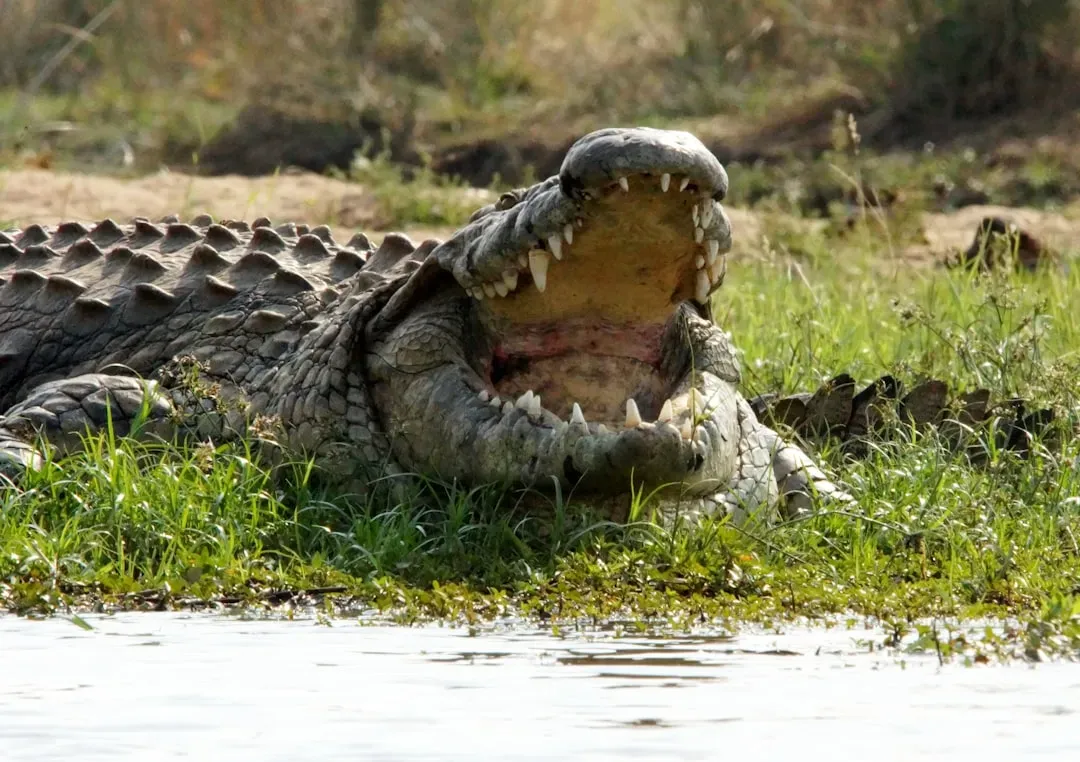
There’s a surprisingly warm side to these cold-blooded animals, as they can be doting parents according to the American Museum of Natural History. I know it sounds crazy, but crocodiles are actually some of the most attentive reptile parents on Earth. Most people picture these ancient predators as mindless killing machines, but that couldn’t be further from the truth when it comes to their babies.
Mother crocodilians usually stay near their nests to guard them, and if any intruder comes close, the mother will drive them away. For roughly three months, mother crocodiles remain vigilant over their nests, barely eating and constantly on alert. They’ll take on much larger animals to protect their unborn offspring.
The extent to which female crocodiles care for their young after hatching depends on where she’s placed the nest, and if the babies hatch in an ideal area for them to find food and develop, then the mom is likely to stay around for a few months and continue to protect them. The mother gently carries her hatchlings in her massive jaws, transporting them to water where they’ll be safer.
In gharials, several nests hatch within days of each other, and the dominant male and one or two of the mothers collectively protect the hatchlings, with gharial hatchlings surveying the world from the safety of an adult male’s back as danger can come day or night from air, land, or water. This cooperative parenting shows that even fierce predators understand the value of community support.
7. Wolves: The Power of the Pack
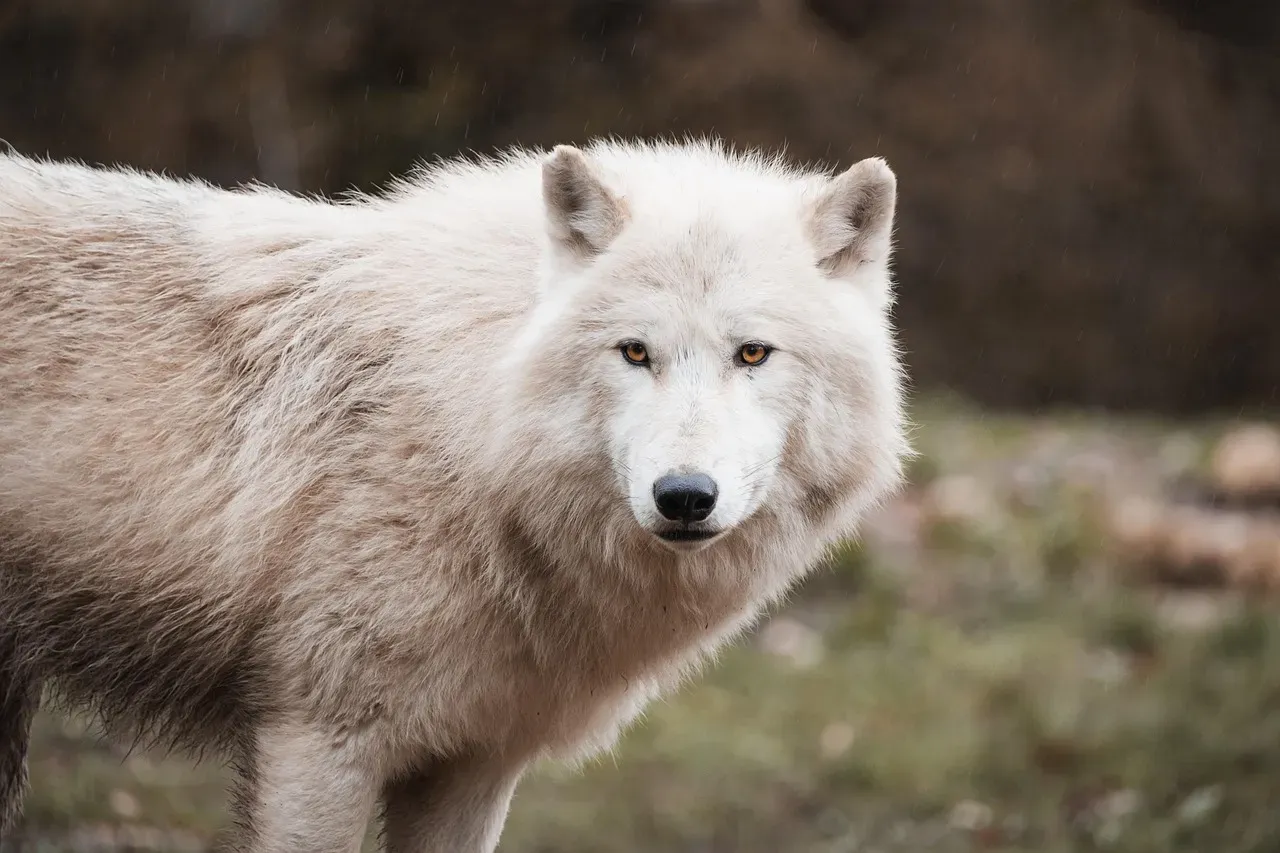
Wolf fathers are very protective of and attentive to their mates and pups, wolves generally pair for life and usually only the alpha male and female of a pack mate, and the whole pack pitches in to help raise the pups with the father responsible for guarding the den and hunting for food. The phrase “it takes a village” truly applies to wolf packs.
Wolf parents demonstrate teamwork that human families could learn from. Mom stays with the pups in the den during their first few weeks, while dad and the rest of the pack bring her food. Every member of the pack has a role in raising the next generation, from babysitting duties to teaching hunting skills.
Older siblings from previous litters often help care for the newest pups, learning parenting skills they’ll use when they eventually start their own families. This multi-generational approach to child-rearing ensures that knowledge and skills are passed down effectively. The pups learn social hierarchy, communication through howls and body language, and cooperative hunting strategies.
Pups can travel with the pack at about five months. By this age, they’ve learned enough to keep up with the adults, though they still have years of learning ahead. The bond between wolf parents and their offspring remains strong even after the young wolves become adults.
8. Orangutans: The Longest Childhood
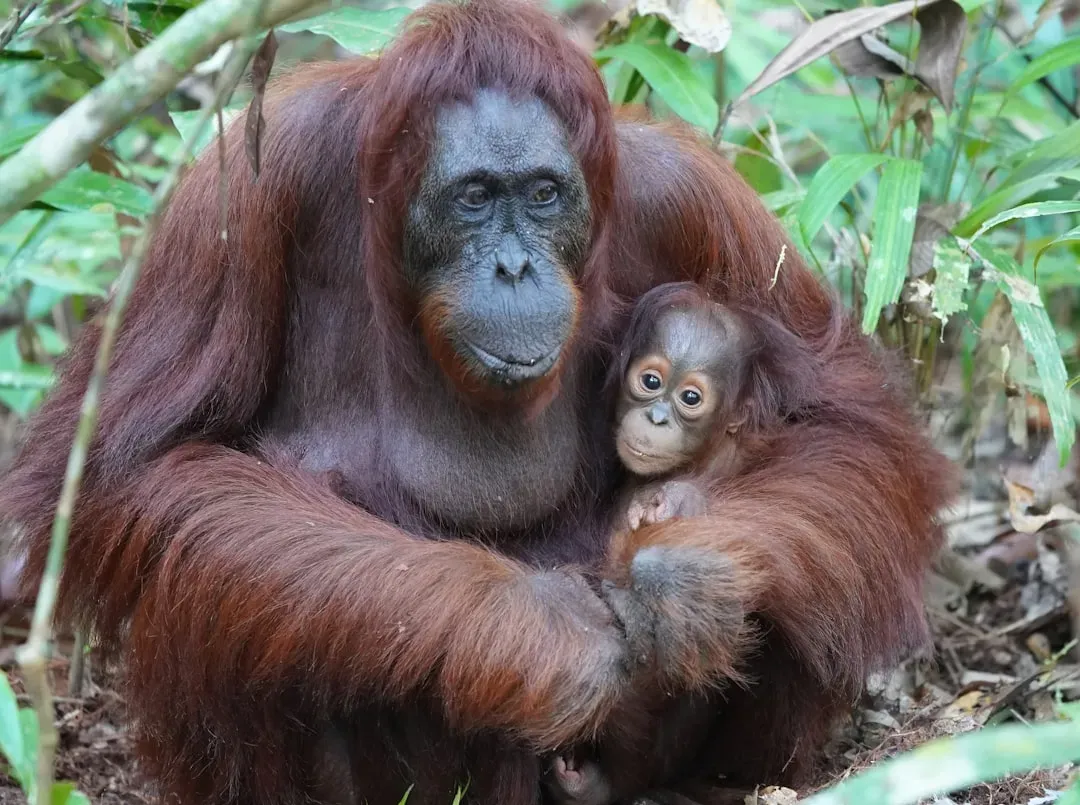
The bond between an orangutan mother and her young is one of the strongest in nature, with young relying entirely on their mothers for both food and transportation during the first two years, and moms staying with their young for six to seven years, teaching them where to find food, what and how to eat, and the technique for building a sleeping nest. That’s longer than most human children spend in elementary school.
Orangutan mothers are incredibly patient teachers. They show their babies which fruits are ripe, how to crack open tough nuts, and how to construct a comfortable sleeping platform in the trees. These skills aren’t instinctive; they must be carefully taught and practiced over many years.
Female orangutans are known to visit their mothers until they reach the age of 15 or 16. Even after becoming independent, young females maintain relationships with their mothers, sometimes bringing their own babies to meet grandma. This multi-generational connection shows the depth of orangutan family bonds.
The extended childhood makes sense when you consider how complex orangutan life is. These intelligent primates need to memorize the locations of hundreds of fruit trees across vast forest territories, understand seasonal patterns, and master the three-dimensional world of the rainforest canopy. Mom is the ultimate professor in this lengthy education.
9. Lions: Sisterhood and Solidarity
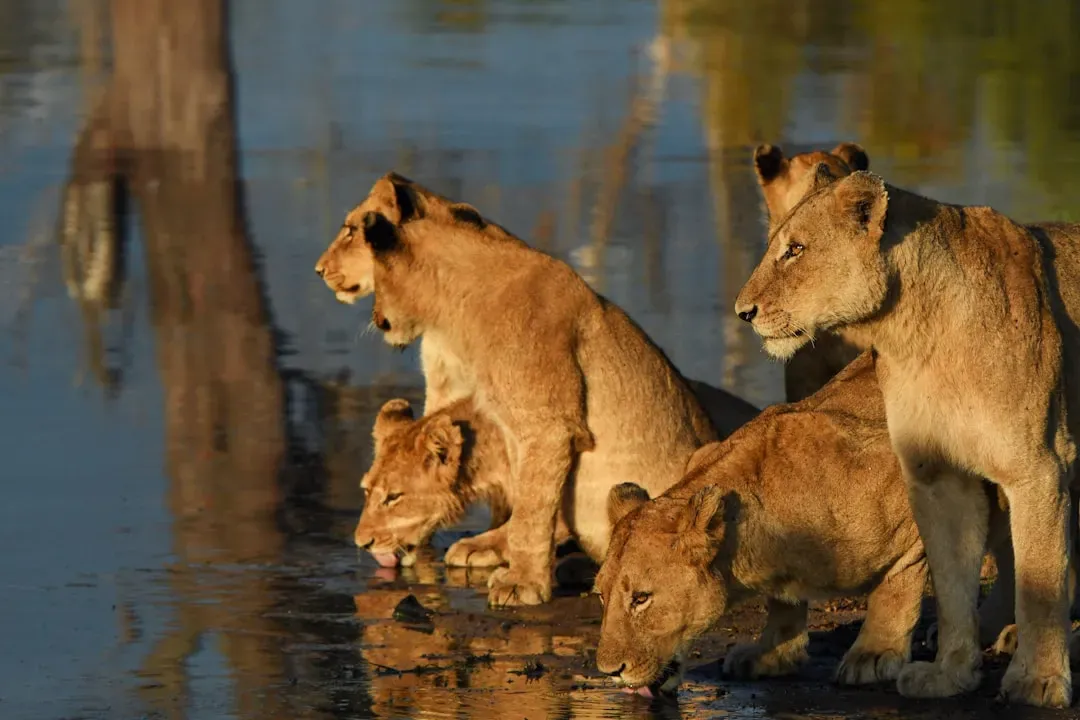
Lionesses are the primary caregivers in the pride, with females often synchronizing their reproductive cycles to ensure communal rearing and protection of the cubs, and this cooperative breeding strategy enhances the survival rates of the cubs, as they are cared for by multiple adults. Female lions have basically created the perfect childcare cooperative.
The genius of lion parenting lies in this communal approach. Lionesses in a pride are typically sisters, aunts, and cousins who work together to raise all the cubs as a group. Any female will nurse any cub, regardless of whether she’s the biological mother. This means that if one lioness dies, her cubs still have multiple caregivers who will ensure their survival.
Lionesses are the primary hunters and they also share the communal responsibility of rearing and defending the cubs, with female lions teaching their young the skills needed for survival, and their instincts and abilities as animal moms ensure the pride’s continuity and success. The cubs learn by watching and participating in hunts, with the patient guidance of multiple adult females.
Male lions get a bad reputation for being lazy, but they play a crucial protective role. They defend the pride’s territory from rival males who would kill the cubs if they took over. This division of labor, though perhaps not equal, ensures that lion cubs have the best chance of reaching adulthood.
10. Dolphins: The Graduate School of the Sea
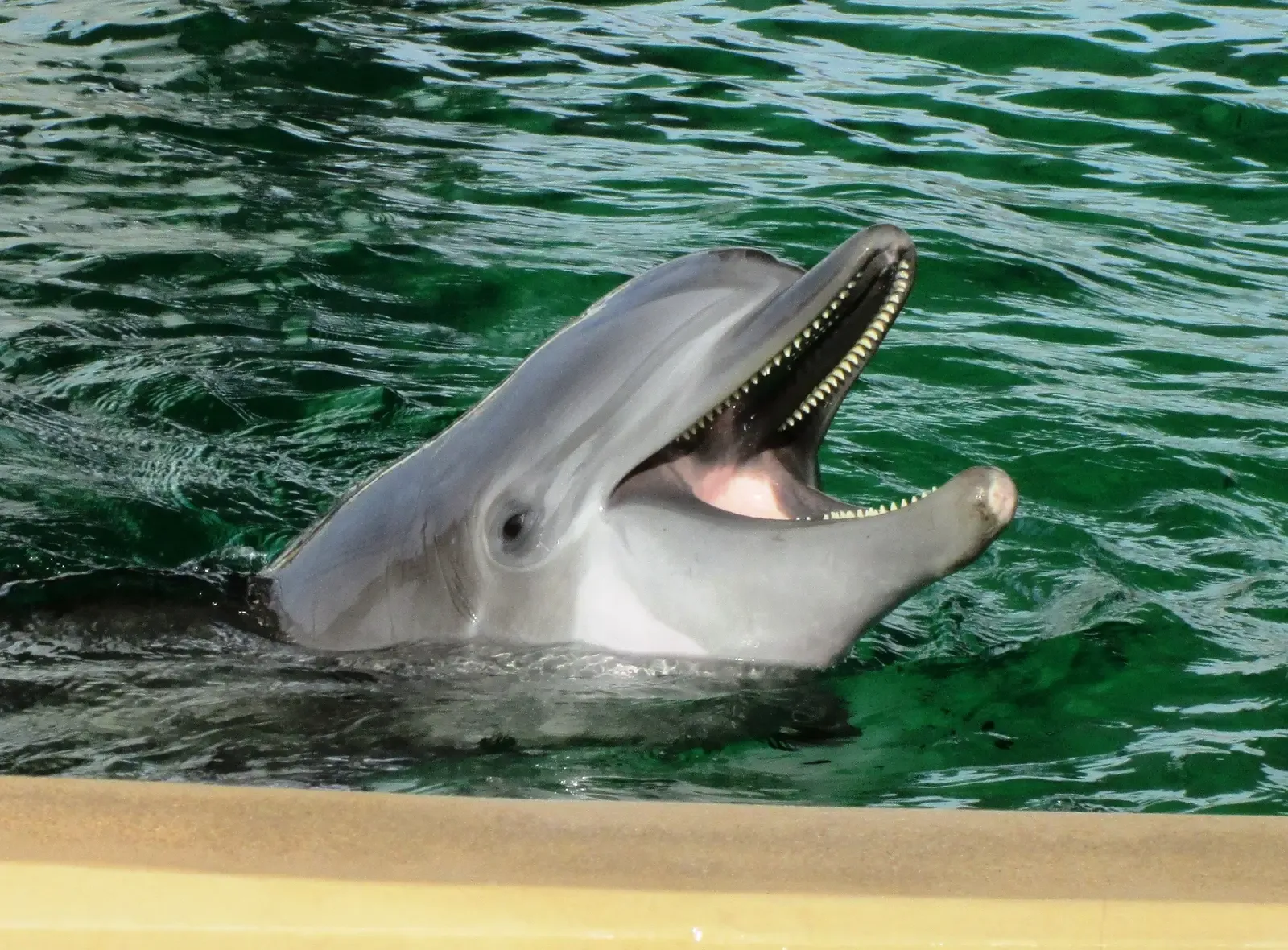
Dolphin mothers are known for their parenting skills and extended care of their young, with calves remaining by their mother’s side for several years, and this prolonged period allows the calves to learn complex social behaviors and hunting techniques, while juveniles often receive care and protection from other pod members. Dolphins basically run underwater universities.
These brilliant marine mammals teach their calves an incredibly complex curriculum. Young dolphins learn sophisticated hunting techniques that vary from pod to pod, including using tools like sponges to protect their rostrums while foraging on the seafloor. Dolphins are highly social animals known for their playful nature and learning capacity, as they engage in cooperative hunting, use tools, and recognize themselves in mirrors, demonstrating exceptional self-awareness and cognitive abilities.
Mother dolphins are exceptionally protective of their young. They position their calves on their flank, where the baby can draft in mom’s slipstream, conserving energy while traveling. The calf learns the pod’s unique whistle signature, essentially its name, which it will use to identify itself throughout its life.
The social education is just as important as physical skills. Dolphins have intricate social hierarchies and relationships that calves must navigate. They learn which individuals are allies, how to play appropriately with peers, and how to avoid conflicts with adults. This social intelligence takes years to develop fully.
Conclusion
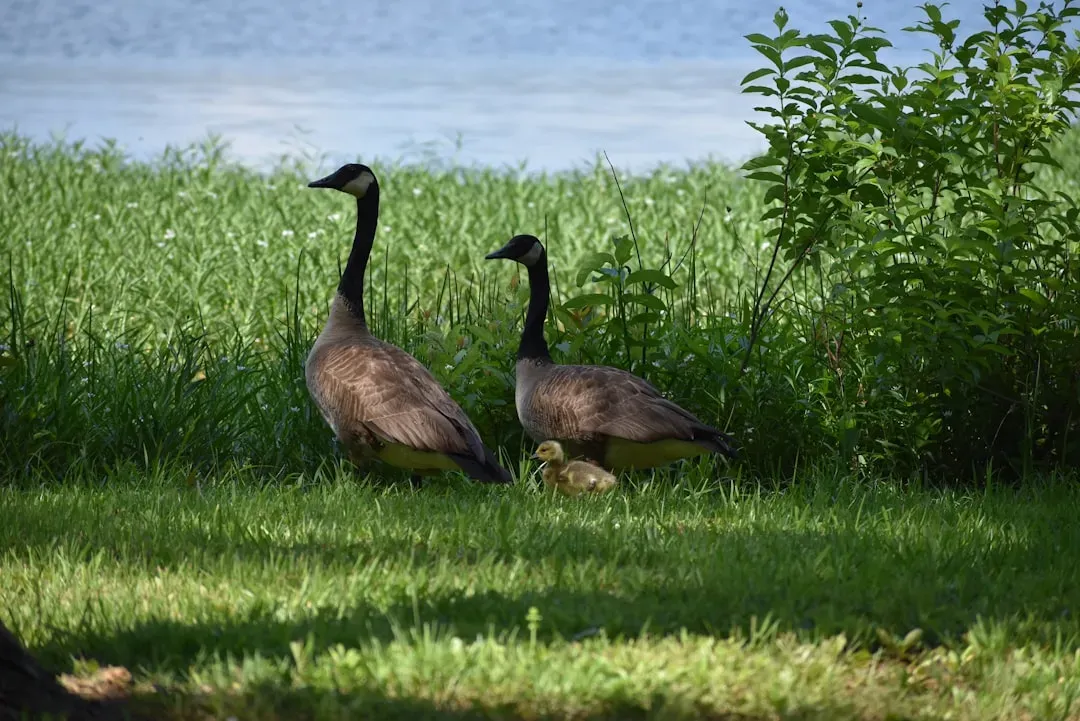
Nature never ceases to amaze with its profound displays of parental devotion. From the frozen Antarctic to tropical oceans, from dense jungles to African plains, animals across our planet show us that love and sacrifice aren’t human inventions but fundamental forces of life itself. These ten species represent just a glimpse into the extraordinary parenting that happens every day in the wild.
Whether it’s an octopus mother starving herself to ensure her eggs survive, or an orca that never leaves her child’s side for an entire lifetime, these examples remind us that the drive to nurture and protect the next generation transcends species boundaries. The next time you see wildlife footage or visit a zoo, take a moment to appreciate not just the animals themselves but the incredible parents who raised them.
What do you think about these amazing animal parents? Did any of these stories surprise you?
