

Let’s be real, when you think of parenting, your mind probably jumps to late-night diaper changes and soccer practice carpool duties. Yet out in the wild, the definition of raising offspring takes on some truly mind-boggling forms. Think pregnant fathers, mothers who literally offer up their own flesh, and dads who fast for months on end in freezing temperatures.
The animal kingdom has developed parenting strategies that range from touching to downright bizarre, each perfectly tailored to ensure the survival of the next generation. Some species have completely flipped traditional roles on their heads, while others have turned cooperation into an art form. What follows might challenge everything you thought you knew about maternal instincts and paternal care. Ready to discover just how wild parenting can get?
Emperor Penguins: The Ultimate Dad Bod Champions
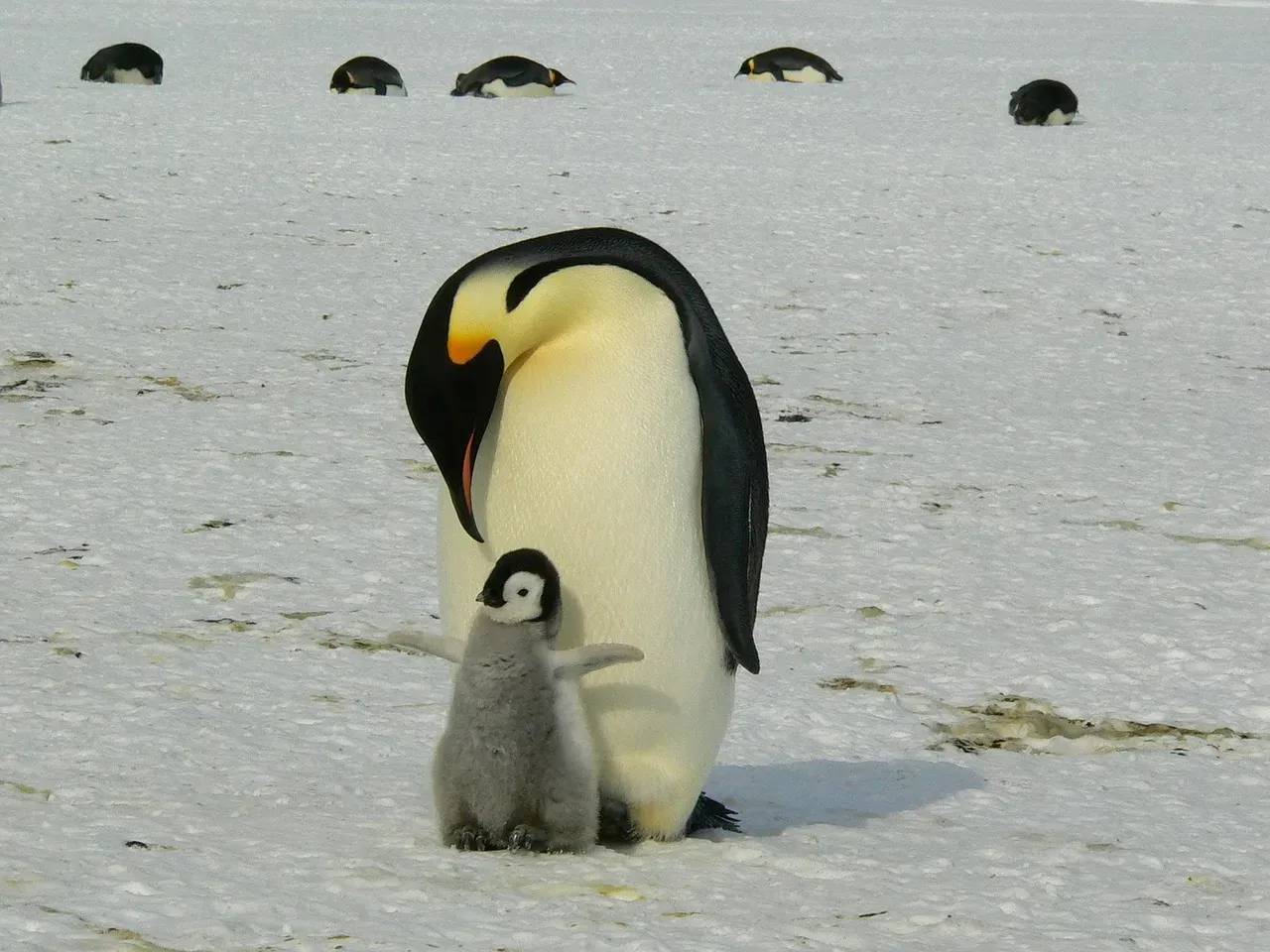
Once the female lays an egg, she transfers it to the male emperor penguin, who then incubates it by balancing it on his feet. For around two months, the male is solely responsible for keeping the egg warm while the female leaves to hunt. Imagine standing in the Antarctic winter, temperatures plummeting to unbearable lows, with nothing to eat for weeks. That’s exactly what these devoted fathers endure.
From the time male emperor penguins arrive at the colony to breed until the egg has hatched and the mother returns to feed, many emperor penguin fathers don’t eat a thing. Over this roughly four-month period, the male’s weight may drop by over 50%. They huddle together in massive groups for warmth, taking turns being on the brutal outer edge of the pack. In case of a long wait, the father produces a nutritious “crop milk” to tide the young one over.
Interestingly, female penguins actually prefer pudgier partners. It’s not about looks but survival strategy. The more blubber dad has stored up, the longer he can sit on that precious egg without starving. Once mom returns with food, both parents share feeding duties until the chick is old enough to join the colony’s crèche. Talk about commitment.
Seahorses: When Dads Get Pregnant
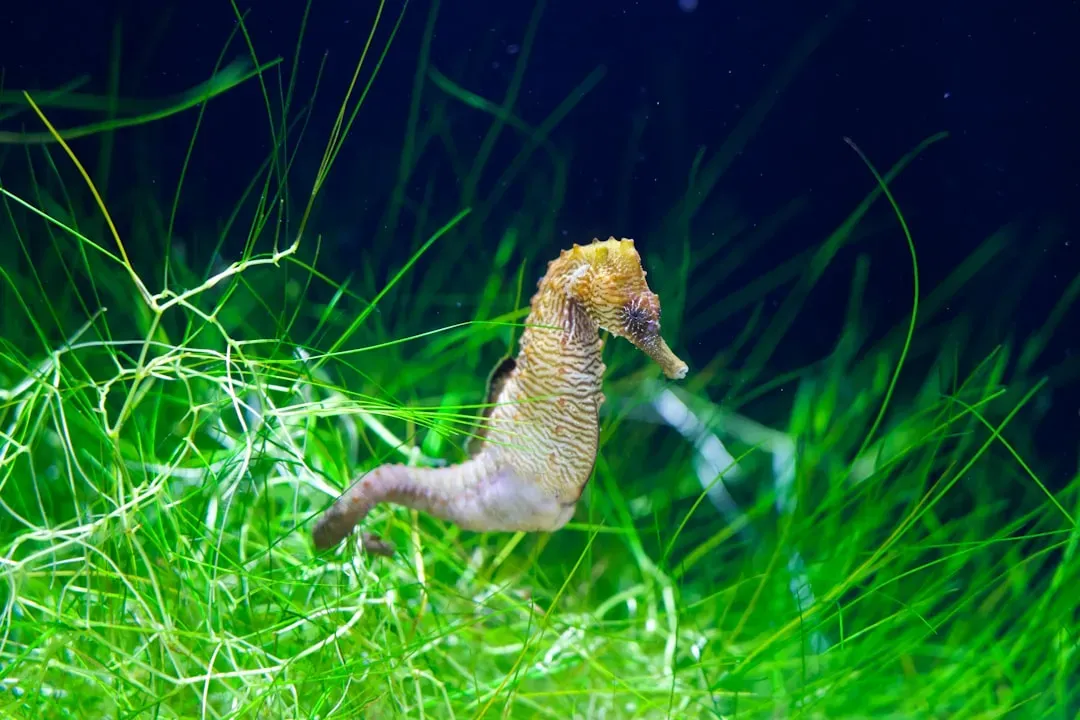
Seahorses have an unexpected twist when it comes to parenting. In a surprising reversal of roles, the male seahorse takes on the responsibility of carrying and nurturing the developing offspring. After the female lays her eggs, she transfers them into the male’s brood pouch, where he fertilizes them and keeps them safe. This complete role reversal makes seahorses one of the only species where males experience true pregnancy.
The male seahorse carefully regulates the oxygen and salt levels within the pouch, ensuring optimal conditions for the developing embryos. His body essentially transforms into a living incubator, adapting throughout the pregnancy much like a mammalian uterus would. The gestation period lasts anywhere from two to six weeks depending on the species.
When it’s showtime, the male seahorse goes through actual contractions to birth anywhere from dozens to over a thousand tiny seahorses. Once they’re released into the water, however, parental duties end abruptly. The babies are completely on their own, which honestly makes you wonder if all that effort was worth it. Still, as far as devoted dads go, seahorse fathers deserve major recognition.
Strawberry Poison Dart Frogs: The Tag-Team Champions
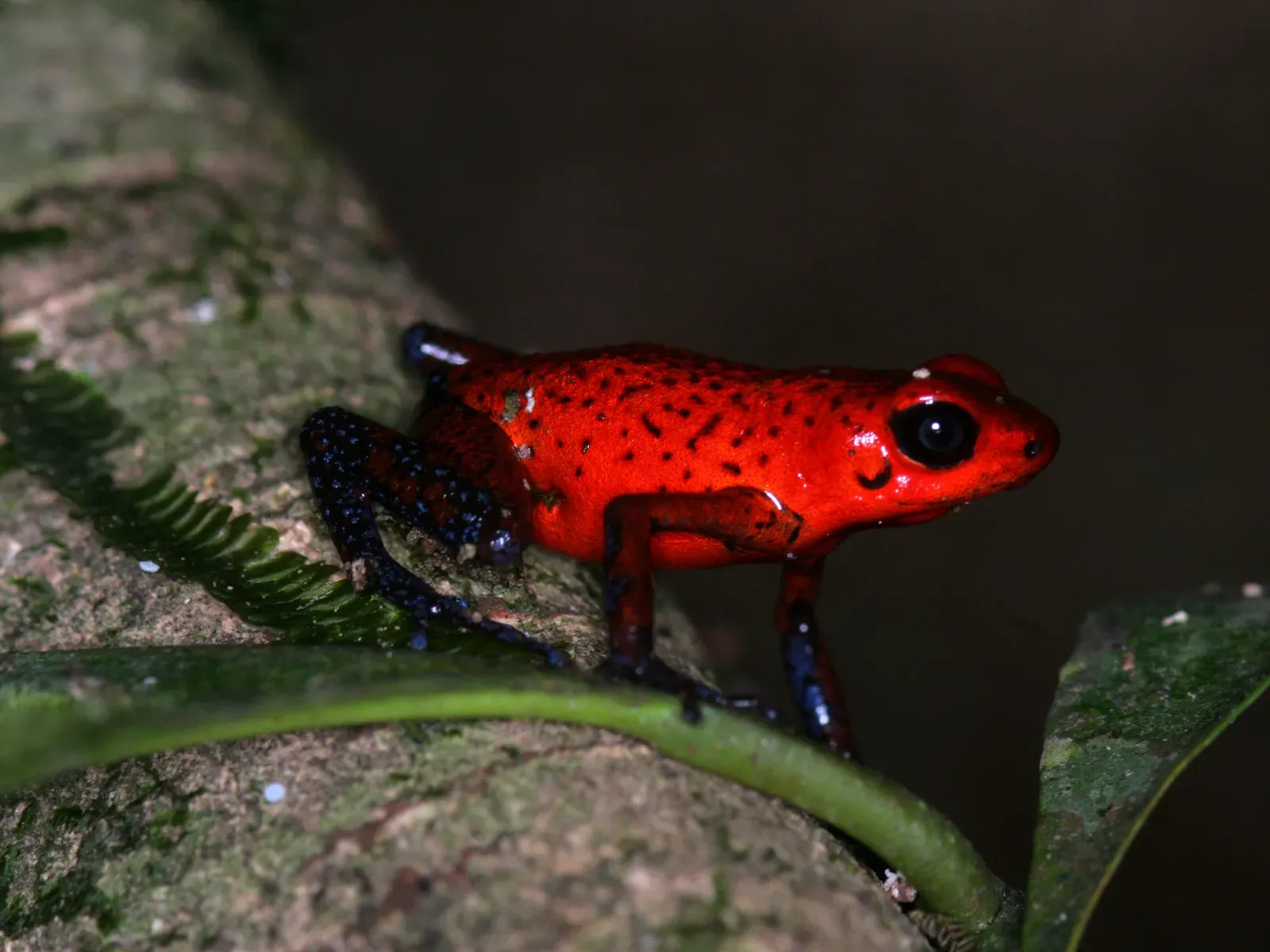
Once the fertilized eggs are laid on the rainforest floor, the father frog urinates on them to keep them constantly moistened. He also fights off any enemies that may come along. Yes, you read that correctly. Dad’s bathroom breaks are actually a crucial part of keeping those eggs viable in the humid rainforest environment for about ten days.
Here’s where it gets even more fascinating. Since the babies will actually try to eat each other, after they hatch the mother frog carries them one by one on her back up into the treetops where she deposits them in their own little swimming hole. She keeps returning to each tadpole’s pond to deposit an unfertilized egg for the baby to eat until their maturity.
Think about that level of dedication. Mom makes regular trips back to each individual tadpole, essentially delivering room service for roughly fifty days. Meanwhile, dad continues his protective duties below. This biparental care system showcases remarkable cooperation between both parents, each playing distinct but equally vital roles. It’s like the ultimate co-parenting arrangement, except with way more tree climbing and tactical egg placement.
Alligators: Unexpectedly Tender Reptilian Moms
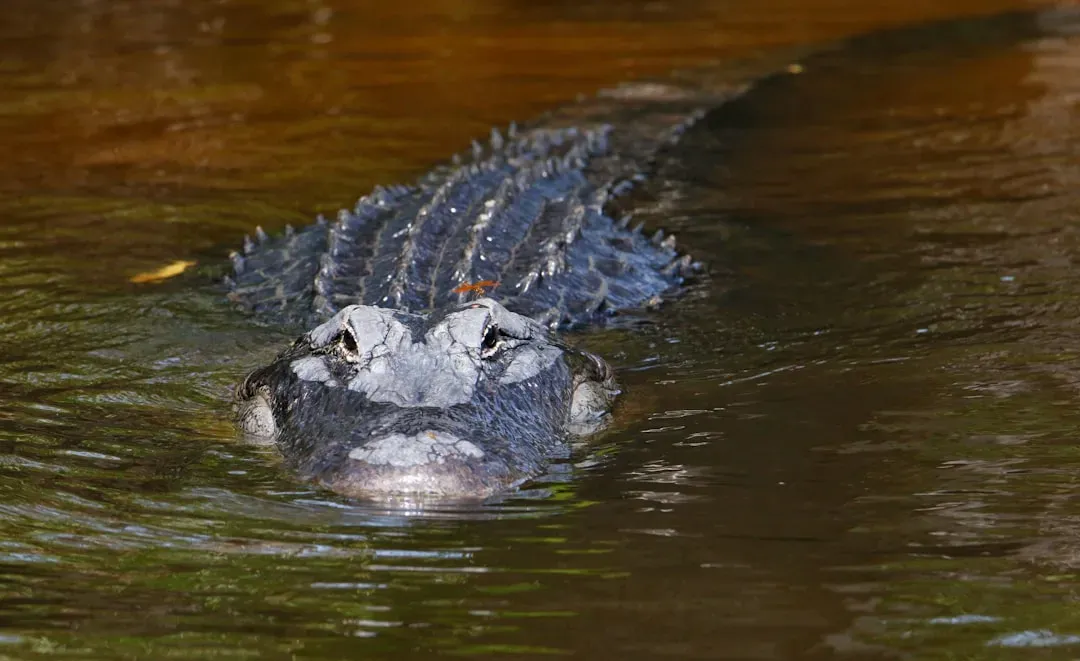
Most people picture alligators as cold-blooded killing machines, but their maternal instincts tell a completely different story. Crocodiles, which are closely related to birds in the parenting sense, have the most complex parenting behavior. In addition to making a nest, crocodiles carefully guard their eggs after hatching and may even help them escape their shells. The same applies to their alligator cousins.
Once the eggs are ready to hatch, she gently helps the hatchlings to the water and stays with them for several months, offering protection and guidance. This level of maternal involvement is unusual among reptiles and demonstrates a significant investment in ensuring the offspring’s survival. She’ll even carry her babies in her massive jaws, transporting them safely to water without harming a single one.
Female alligators respond to the high-pitched calls of their hatchlings, rushing to their aid when danger threatens. They’re fiercely protective, willing to take on anything that gets too close to their young. For a reptile, this extended care period is remarkable. It shatters the stereotype that reptiles simply abandon their offspring to fate.
Caecilians: The Skin-Feeding Specialists
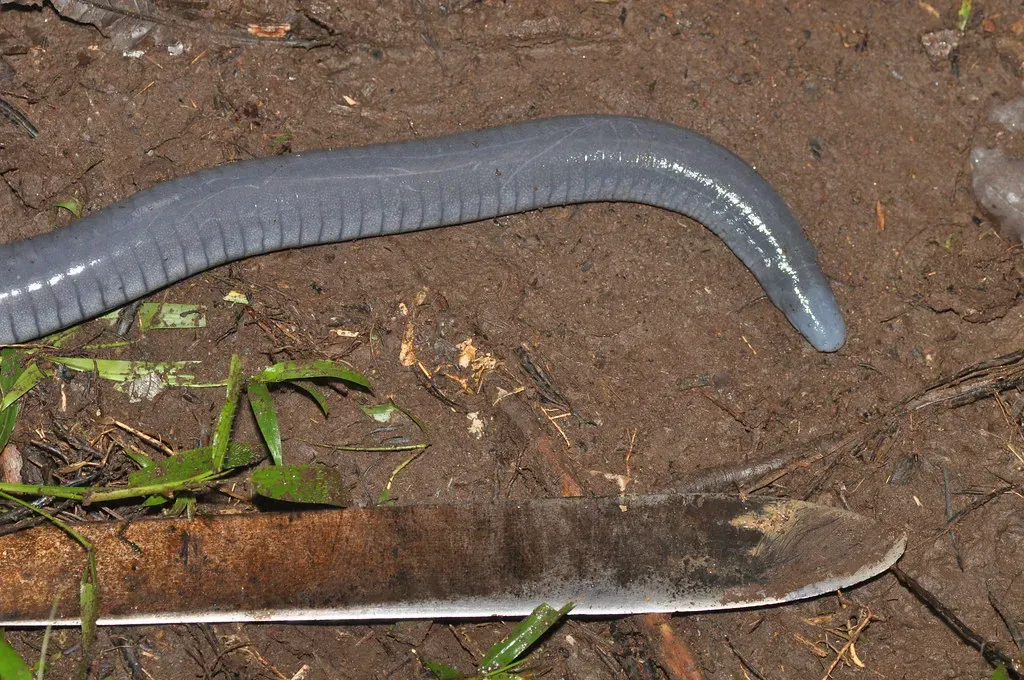
These animals may look like earthworms, but they are actually amphibians that live underground in most rainforests around the world. Caecilian babies are fed by a fluid that the mother secretes from her cloaca. It sounds similar to the way most animal mothers feed their offspring, but these mommas take it to a whole other level by allowing her infants to actually eat her skin.
The skin grows back every few days, so they don’t completely consume her and she is able to continue to feed them. Her outer skin layer becomes enriched with fats and proteins specifically for this purpose, creating a renewable food source. The baby caecilians use specialized teeth to scrape off this nutritious skin.
This bizarre feeding strategy, called dermatophagy, ensures the young receive all necessary nutrients during their critical early development phase. Mom literally sacrifices parts of her body on repeat for her babies’ survival. While it might sound horrifying, it’s actually an elegant solution to feeding helpless underground offspring in an environment where traditional food sources might be scarce.
Orangutans: The Marathon Parents
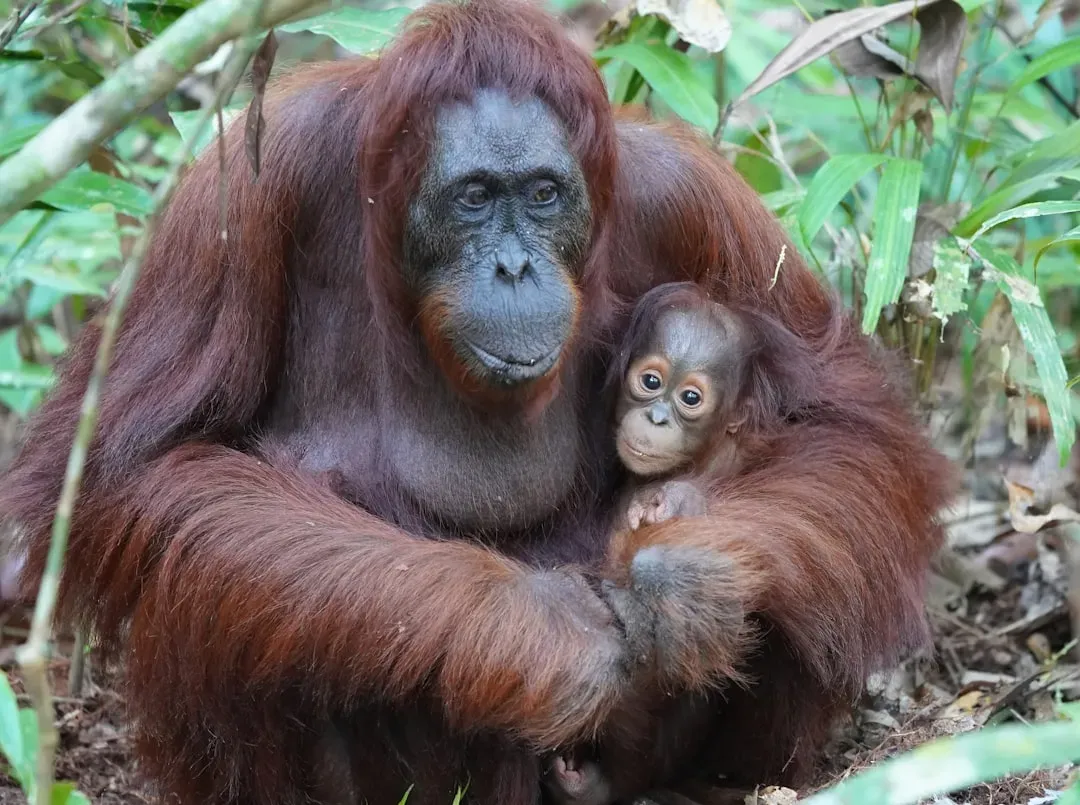
Orangutans have one of the longest dependence periods in the animal kingdom, with offspring staying with their mothers for up to eight years. During this extended period, the mother teaches her young vital survival skills, such as how to find food, build nests, and navigate the treetops. This prolonged parental care ensures that the young are well-equipped to thrive in the complex social and environmental landscape of their home.
Think about it. Eight years of constant childcare, teaching everything from which fruits are safe to eat to constructing proper sleeping nests high in the canopy. Baby orangutans are entirely dependent on their mother and breastfeed up to eight years in some cases. That’s longer than most humans nurse, and it reflects the incredible complexity of orangutan society and survival needs.
Since orangutan fathers don’t stick around after mating, mom does everything solo. She carries her infant constantly, protects it from predators, and provides years of education. This extended childhood allows young orangutans to develop the sophisticated cognitive abilities and forest knowledge they’ll need as adults. The investment is enormous, which is one reason orangutans have such slow reproductive rates.
African Elephants: The Village Raises the Calf
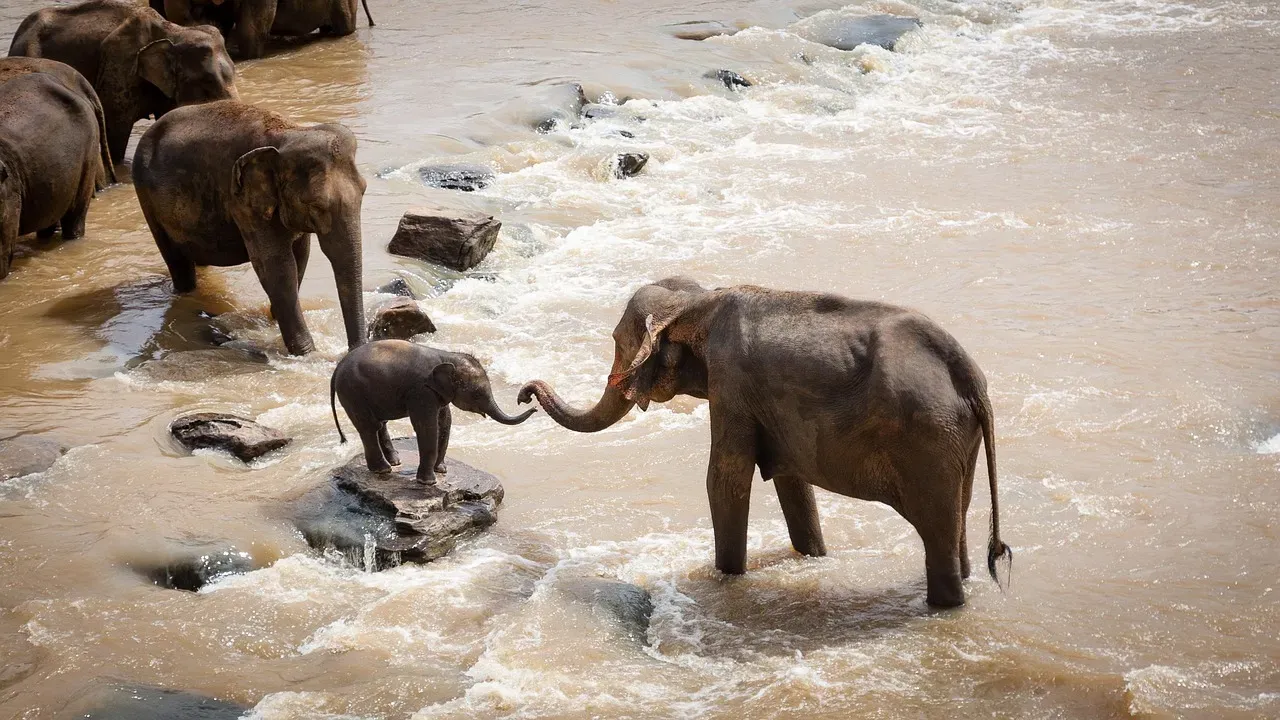
African elephants embody a communal approach to parenting, with the entire herd participating in the care of the young. Mothers rely on the support of other females, known as “allomothers,” to help protect and nurture the calves. This cooperative strategy ensures that the young receive constant attention and learn essential survival skills from various adults in the group.
The matriarch, usually the oldest and wisest female, leads the herd and passes down knowledge accumulated over decades. Younger females get hands-on parenting practice by helping with calves before having their own. Aunts, sisters, and even grandmothers all pitch in with childcare duties.
This alloparenting system creates incredibly strong social bonds within elephant herds. Calves grow up surrounded by loving caretakers who teach them everything from water source locations to how to use their trunks effectively. If a calf’s mother dies, the herd often adopts the orphan, ensuring its survival. This level of community care is rare in the animal kingdom and speaks to the sophisticated emotional intelligence elephants possess.
Glass Frogs: The Karate-Kicking Defenders
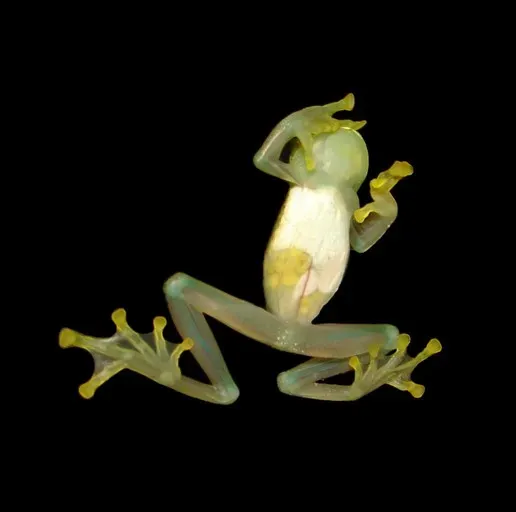
Found in the rainforests of Central and South America, glass frogs are widely known for their translucent skin. While the tops of their bodies are lime green, their underside is as clear as glass, making internal organs like hearts, livers and stomachs visible from the outside. These tiny frogs are also notable for their dedication to their offspring. After a female glass frog deposits her eggs on the underside of a damp leaf, the male frog stands watch over the vulnerable eggs.
But dad doesn’t just sit there looking pretty. The backs of some glass frogs are even patterned to resemble the egg clusters, which comes in handy when hungry predators like wasps come around. But any insect keen on eating his eggs has a surprise coming – a swift frog foot to the face. While a hornet sting can be lethal, these frog dads are devoted to protecting their eggs at any cost.
These miniature warriors literally fight off predators many times their size using defensive kicks. They’ll take on wasps, flies, and other egg-eating insects without hesitation. Dad stays on guard duty throughout the entire development period, only abandoning his post once the tadpoles safely drop into the water below. For such a tiny, delicate-looking creature, the glass frog father shows remarkable courage.
Wolf Packs: Cooperative Parenting at Its Finest
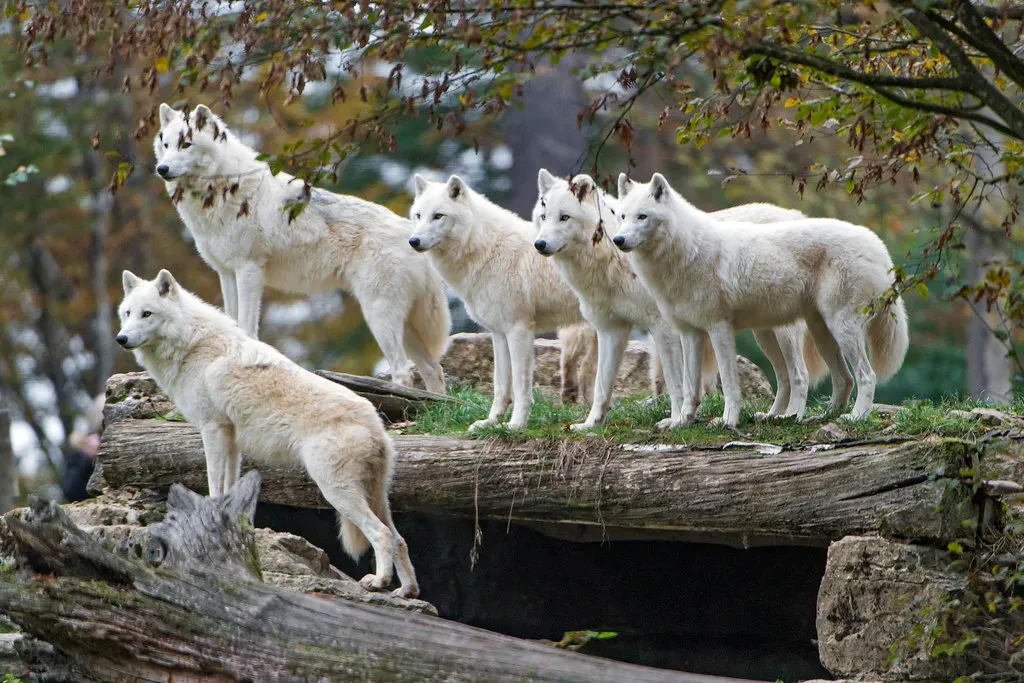
Wolves live in a highly cooperative and familial social structure that plays a big role in the care of their young. After a female wolf gives birth to a litter, both the mother and father are heavily involved in raising the pups. Yet it doesn’t stop with just the parents. The alpha pair leads the pack, but all members contribute to the care and protection of the pups. This collective effort allows wolves to teach their young essential skills for hunting and survival. Each pack member plays a role, from providing food to teaching social behavior.
Older siblings, aunts, and uncles all serve as babysitters, teachers, and protectors. Some adults stay behind to guard pups while others hunt. When the hunting party returns, they regurgitate partially digested food for the youngsters to eat.
This communal raising creates incredibly strong pack bonds and allows pups to learn from multiple adults with different strengths and specialties. It’s a system that maximizes pup survival rates while reinforcing the social cohesion that makes wolf packs such effective predators. Honestly, it makes you wonder if humans couldn’t learn something from this approach.
Orcas: Lifelong Maternal Bonds
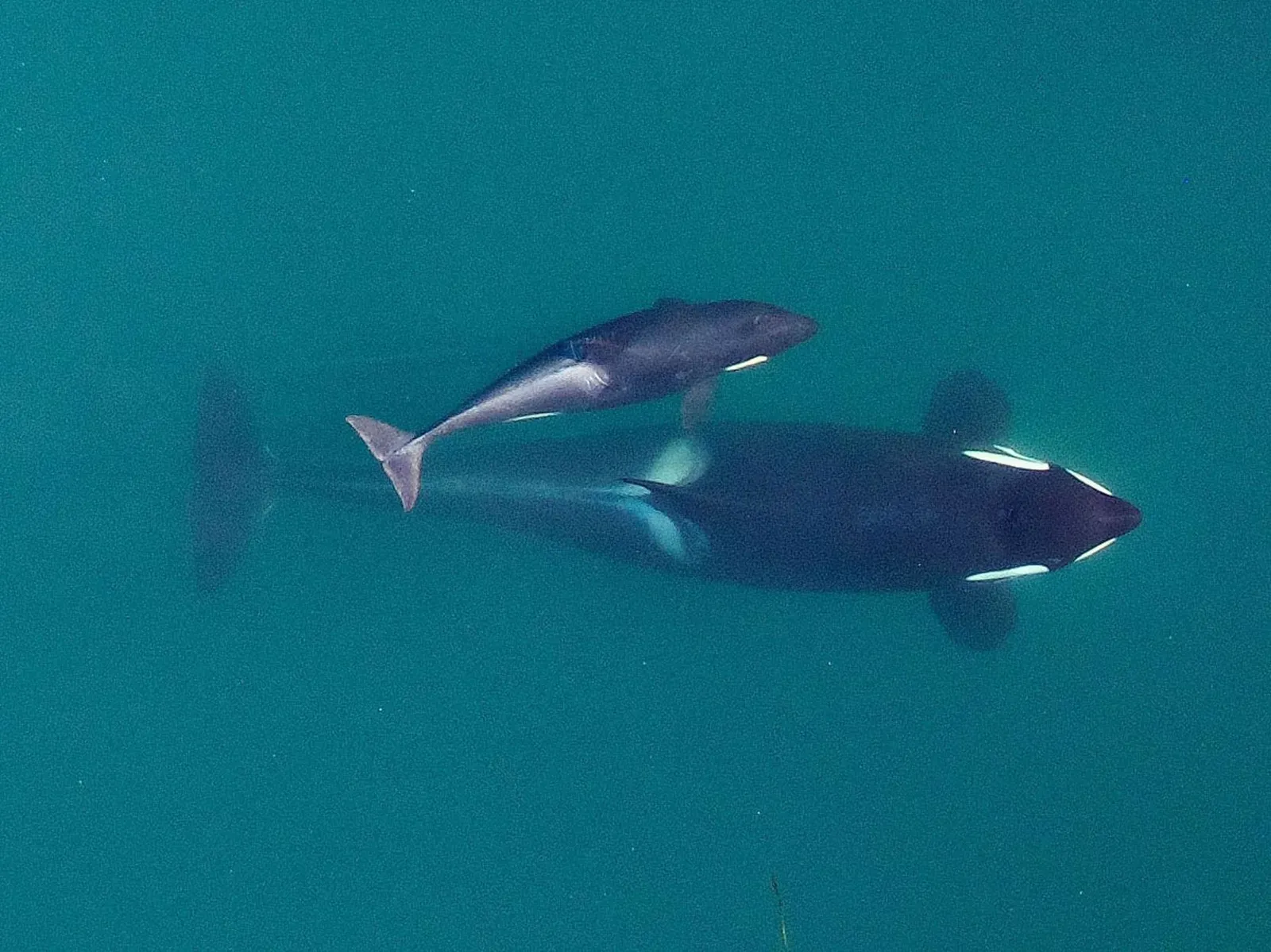
Orca societies are matriarchal, with offspring staying with their mothers for life in many populations. This lifelong bond facilitates the transmission of cultural practices and hunting techniques across generations. The role of the matriarch in leading and teaching her direct offspring and the entire pod underscores the importance of maternal influence in orca societies.
Male orcas, even when fully grown, continue living with their mothers. These mama’s boys rely on her leadership, knowledge, and social connections throughout their entire lives. Older females, particularly post-reproductive grandmothers, play crucial roles in helping raise younger generations and leading the pod to feeding grounds.
Different orca populations have distinct cultures, dialects, and hunting strategies passed down through maternal lines. A mother orca teaches her young not just survival skills but entire cultural traditions unique to their family group. This knowledge transfer takes years and requires constant presence and instruction. The bond between mother and offspring in orcas represents one of the strongest and longest-lasting parent-child relationships in the entire animal kingdom.
Conclusion: Nature’s Parenting Playbook
The diversity of parenting strategies across the animal kingdom reveals just how creative evolution can be when it comes to ensuring the next generation’s survival. From fathers who starve themselves in Antarctic blizzards to mothers who literally offer their own flesh as food, these remarkable animals demonstrate that there’s no single right way to raise offspring.
What strikes me most is how these strategies perfectly match each species’ unique challenges and environments. Seahorses solve the problem of vulnerable young in dangerous waters through male pregnancy. Elephants create support networks to raise calves in harsh landscapes. Poison dart frogs develop intricate tag-team routines to manage cannibalistic tadpoles.
These animals remind us that good parenting isn’t about following a prescribed formula. It’s about adapting, sacrificing, and doing whatever it takes to give your offspring the best shot at life. Whether you’re balancing an egg on your feet for two months or carrying your baby for eight years, the commitment remains the same.
What do you think is the most impressive parenting technique on this list? Did any of these strategies surprise you?

- 10 Mind-Blowing Facts About Our Solar System You Never Knew - July 22, 2026
- 10 Heartwarming Ways Pit Bulls Show They’ve Bonded With You - July 22, 2026
- 10 Animals With the Most Unique Parenting Techniques in Nature - July 22, 2026