
There is something quietly magical about stepping outside your back door and realizing you are surrounded by living color. Wings flash, songs drift through the air, and for a moment the world slows down. Americans have been falling in love with backyard birds for generations, and honestly, it is not hard to see why.
Whether you have a sprawling garden with mature trees or just a small patch of lawn with a single feeder, the birds that visit your yard are worth paying attention to. Some of them carry stories that will genuinely surprise you. Let’s dive in.
1. The Northern Cardinal: America’s Red Icon
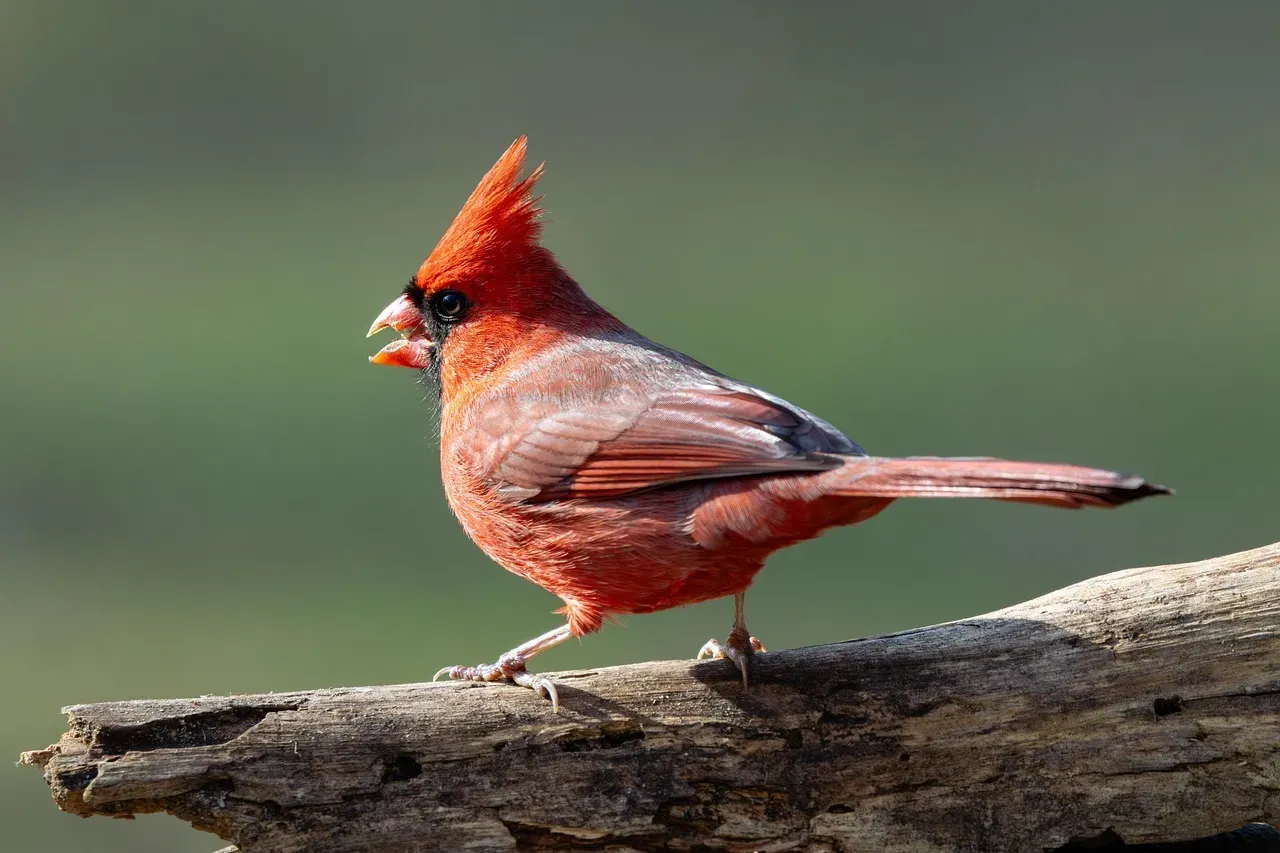
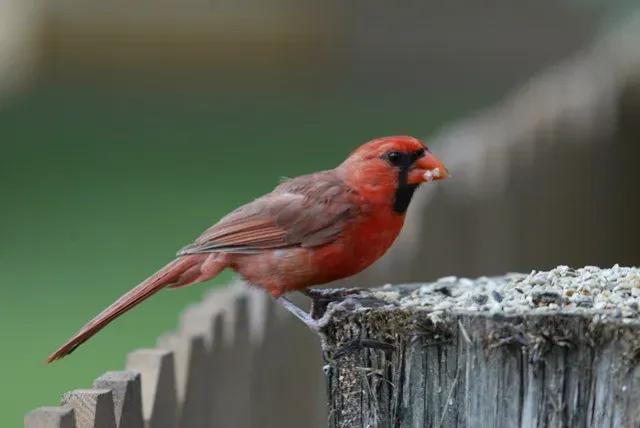
One of the most recognizable backyard birds, the Northern Cardinal stands out with its red plumage and distinct crest. There is really nothing subtle about this bird. It is like nature decided to dip a songbird into a tin of the reddest paint it could find.
The Northern Cardinal exhibits pronounced sexual dimorphism, with females characterized by a reddish-olive hue and a gray mask around the beak, while males are distinguished by their vibrant red plumage, a black facial mask, and a more prominent crest. So while the male gets most of the glory, the female is elegant in her own understated way.
The Northern Cardinal is the most popular state bird, claimed by seven states, and the mascot for a whole bunch of sports teams. Northern Cardinals are generally non-migratory, tending to inhabit roughly the same areas during winter as in spring, which can make them a truly familiar presence in your backyard.
Red Northern Cardinals, with their perky crests and black eye masks, are easy to identify. Females are a drabber brown, but their matching crests and bright orange bills make them special too. Their high-pitched chip calls and “what-cheer” songs are also distinctive. Attract more cardinals with their favorite black oil sunflower seed.
2. The American Robin: The Original Harbinger of Spring
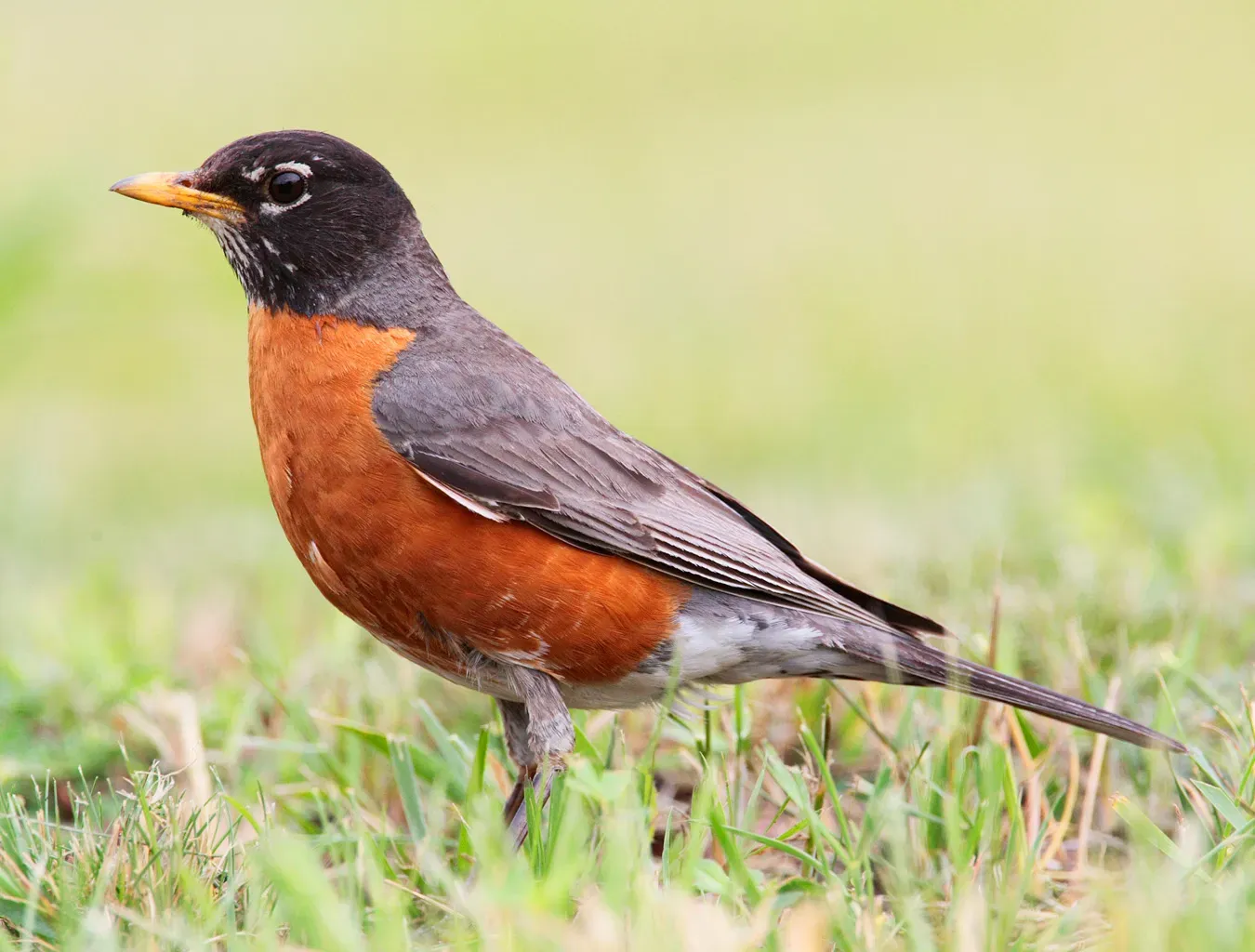
The American Robin is one of the most recognized birds in the United States, often seen on suburban lawns with their heads cocked, searching for earthworms and insects. That classic head-tilt move is not just adorable. It is believed to help them locate sound or use vision to spot movement underground. Imagine having that superpower at your next grocery run.
The American Robin symbolizes the arrival of spring for many Americans, though in warmer regions they often remain year-round. These medium-sized birds with rusty-orange breasts and gray-brown backs are among the most abundant native songbirds in North America.
It is not uncommon for Robins to nest two to three times each season. The American Robin is the state bird of Connecticut, Michigan, and Wisconsin. Even though they are abundant, American Robins rarely visit bird feeders because they do not eat seeds. Instead, their diet consists of invertebrates like worms, insects, and snails, as well as fruit.
3. The American Goldfinch: Nature’s Little Sunbeam
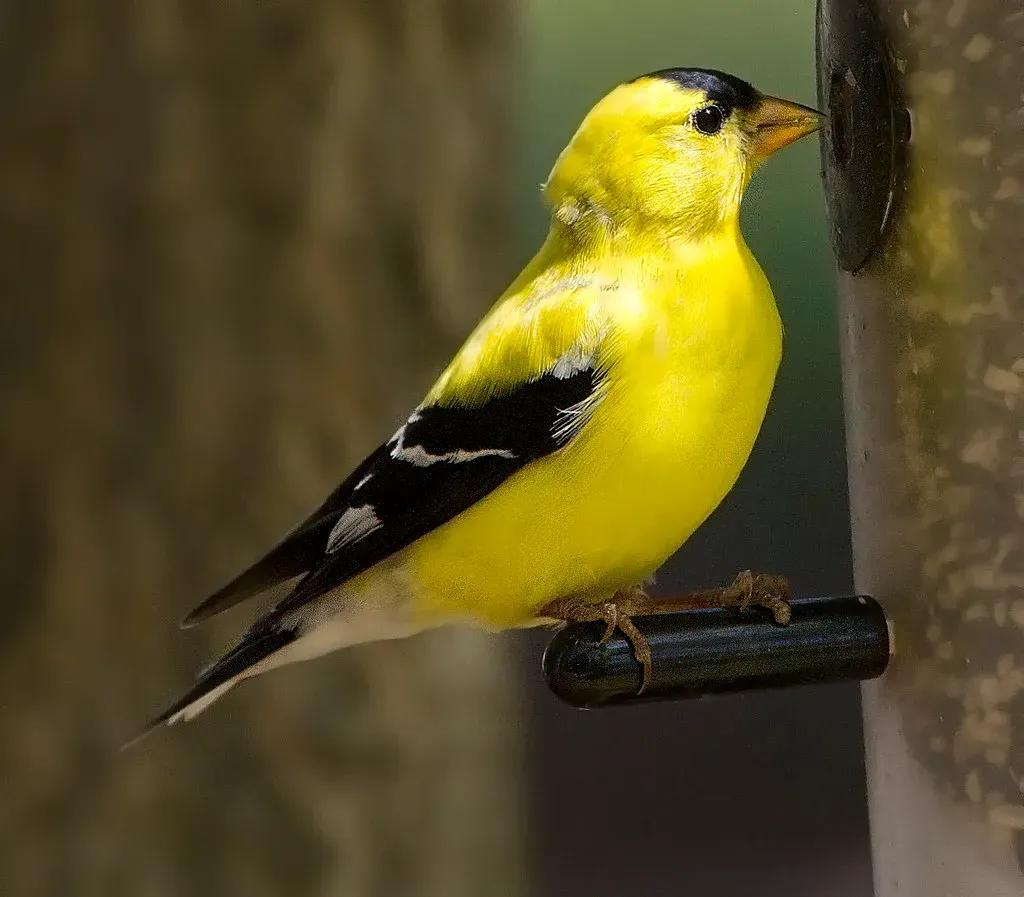
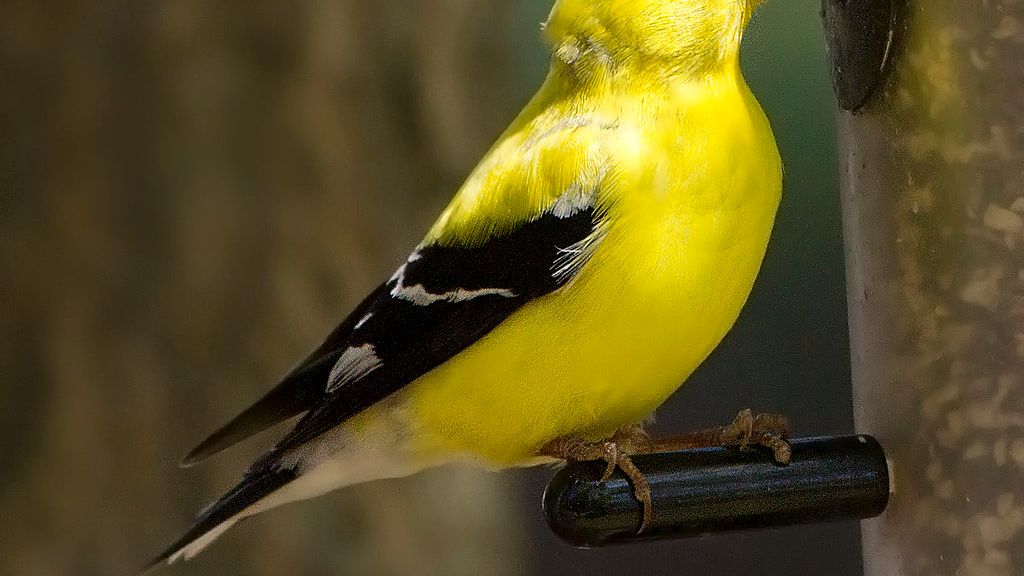
In spring and summer, bright yellow-and-black American Goldfinches are impossible to miss. Honestly, seeing a flash of yellow dart across a green garden is one of those little joys that stops you mid-thought. It is like a tiny firework going off in slow motion.
The sunny yellow plumage of male American Goldfinches in spring and summer has earned these birds the nickname “wild canary,” but females and winter males are actually a duller, buffy color. In winter, their coloration is more muted, but they are still around and active.
The American Goldfinch possesses a small, conical beak that is typically pink for most of the year, transitioning to a bright orange hue during the spring molt. The beak’s shape and size are well-adapted for extracting seeds from the seed heads of plants such as thistles, sunflowers, and others.
American Goldfinches are gorgeous little birds that love to visit big gardens. These small finches can also frequent smaller backyards but prefer gardens with plenty of space. Pairs can show up, but small flocks are more typical, especially in backyards with thistle and other plants that they feed on.
4. The Blue Jay: Bold, Beautiful, and Slightly Notorious
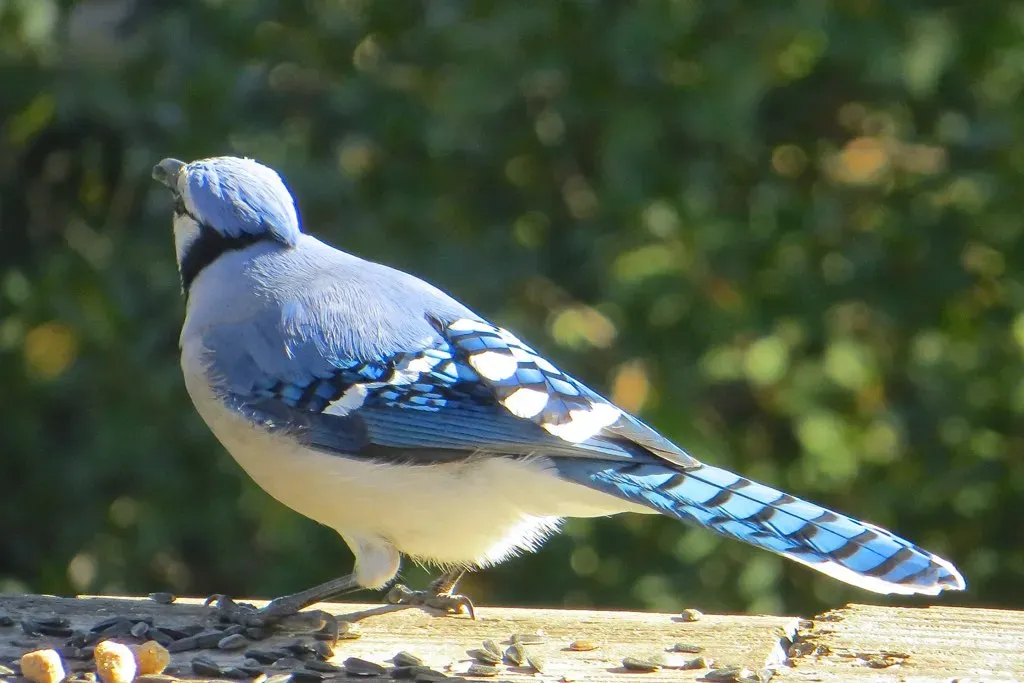
It is pretty hard to mistake a Blue Jay for anything else. A distinctive bird that can be seen year-round in the eastern United States, the Blue Jay is one of the most striking and loudest jays. Let’s be real, Blue Jays have a reputation. They are the loud neighbor at the backyard feeder party who scares everyone else off.
Blue Jays have somewhat of a bad reputation. They are sometimes called bully birds for their habit of scaring other birds away from feeders. Yet for all their drama, they are genuinely beautiful birds with an intelligence to match.
Male and female Blue Jays look the same, which is relatively rare in the bird world. Blue Jays are a bright and noisy presence at birdfeeders throughout the eastern and central areas of the United States and southern Canada. Not picky eaters, they are happy to eat nuts, seeds, suet, and corn. Like squirrels, Blue Jays are known to hide nuts to eat later.
Blue Jays have the habit of mimicking hawks, especially Red-shouldered ones. They also have a bizarre behavior called “anting,” which is the habit of rubbing ants on their feathers to drain the ant’s formic acid before devouring them. Strange? Yes. Clever? Absolutely.
5. The Black-Capped Chickadee: Tiny Bird, Giant Personality
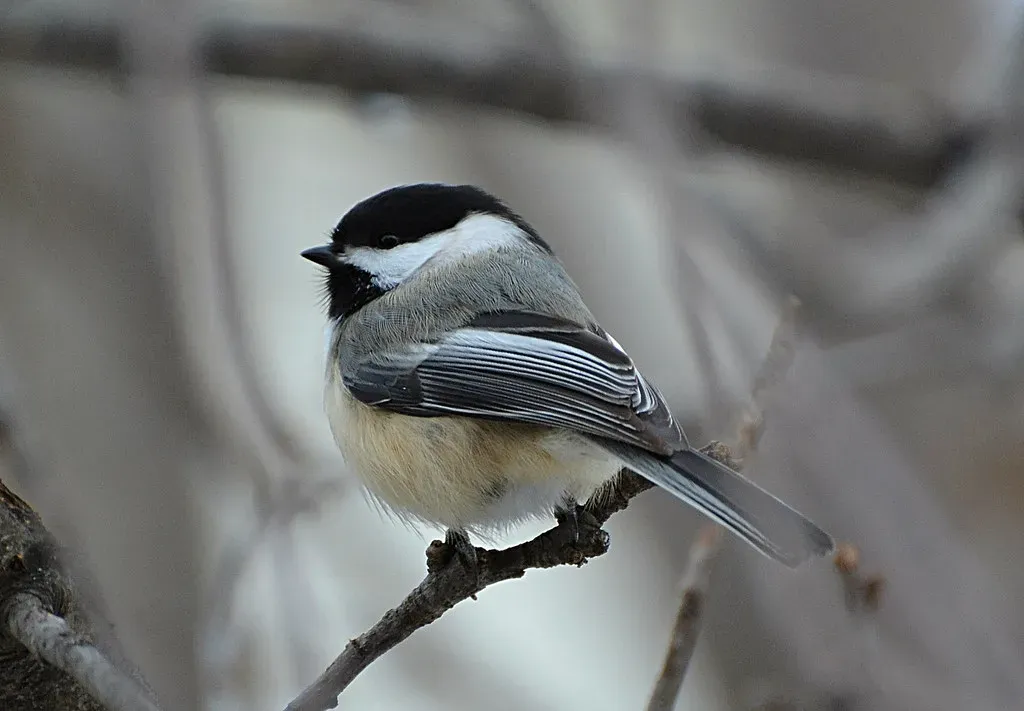
Ever dreamed of a bird landing and eating seed from your hand? Then you will want to get to know the Black-Capped Chickadee. This is one of the friendliest common small birds in America, and adorable to boot. Think of it as the golden retriever of the bird world.
Chickadees play a crucial ecological role by consuming countless insect eggs and larvae, including many forest and garden pests. They are also known for their complex communication system and remarkable memory skills and can remember thousands of hiding spots where they have cached seeds.
Their cheerful “chickadee-dee-dee” call, with the number of “dees” indicating the level of threat they perceive, brings cheer to winter days and creates a lively atmosphere in any backyard. Chickadees are often among the first birds to investigate new feeders and may even become tame enough to eat from your hand with patience and consistent feeding.
6. The Ruby-Throated Hummingbird: Speed, Color, and Pure Magic
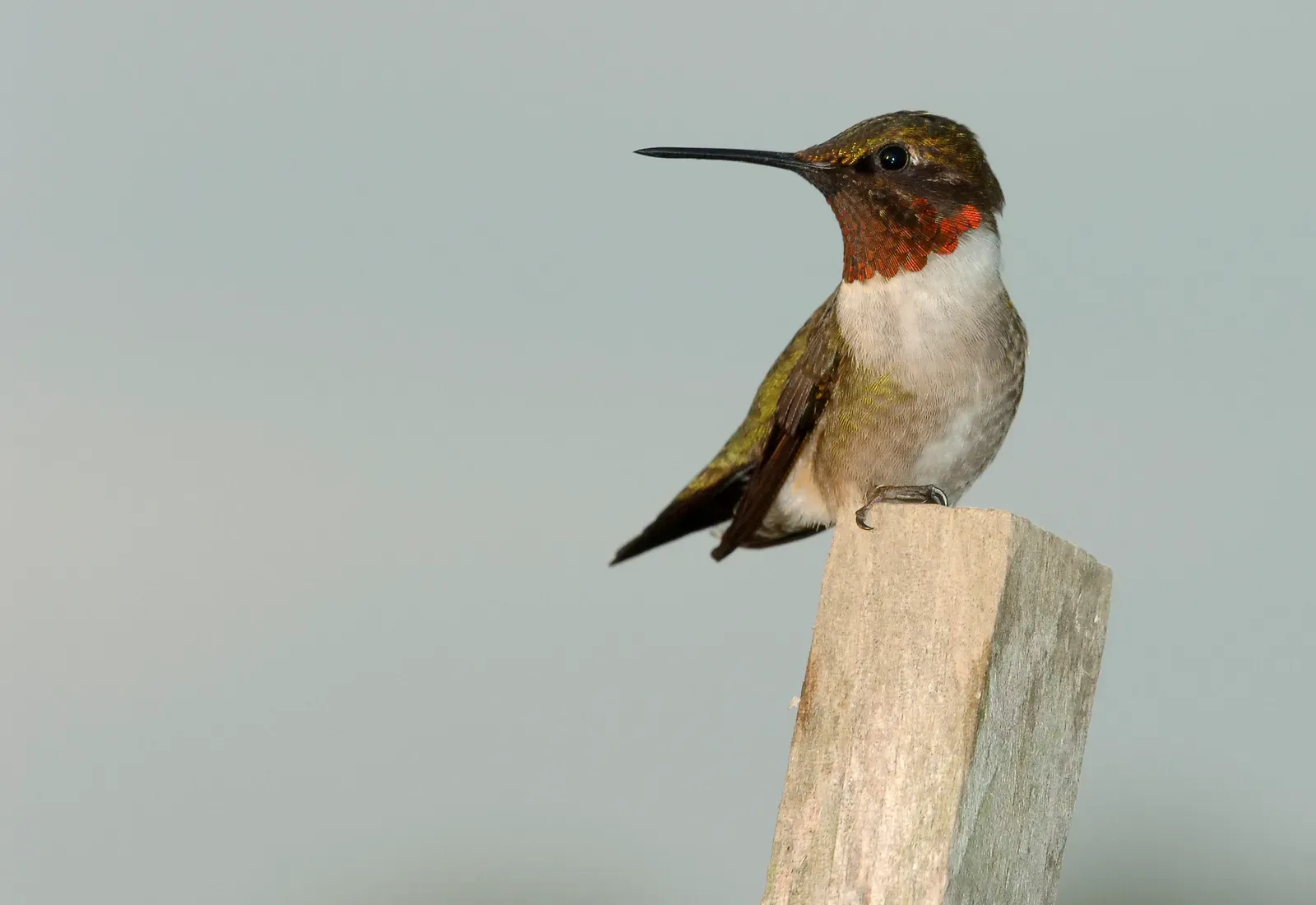
With wings that beat so fast they are a blur, these tiny green and red hummingbirds captivate onlookers. Ruby-throated Hummingbirds prefer nectar-filled flowers or sugar-water feeders, and they are especially common in the East. There is something almost unreal about watching one hover in place. It looks like a miniature helicopter made of jewels.
These little sparkling gems are the favorite backyard bird of many, and for good reason. Their ability to hover on wings that move almost too fast to see makes them fascinating to watch. They do not eat seeds. Instead, attract hummingbirds with sugar-water feeders or nectar-producing flowers.
Hummingbirds also visit backyards, and in some places, many of them. Big backyards in the eastern USA and southern Canada can host Ruby-throated Hummingbirds. In migration, dozens of hummingbirds might occur while females might stay to nest in early summer. In the western US, Ruby-throated Hummingbirds are replaced by Anna’s Hummingbirds and Rufous Hummingbirds.
7. The Mourning Dove: Peaceful, Plump, and Ever-Present
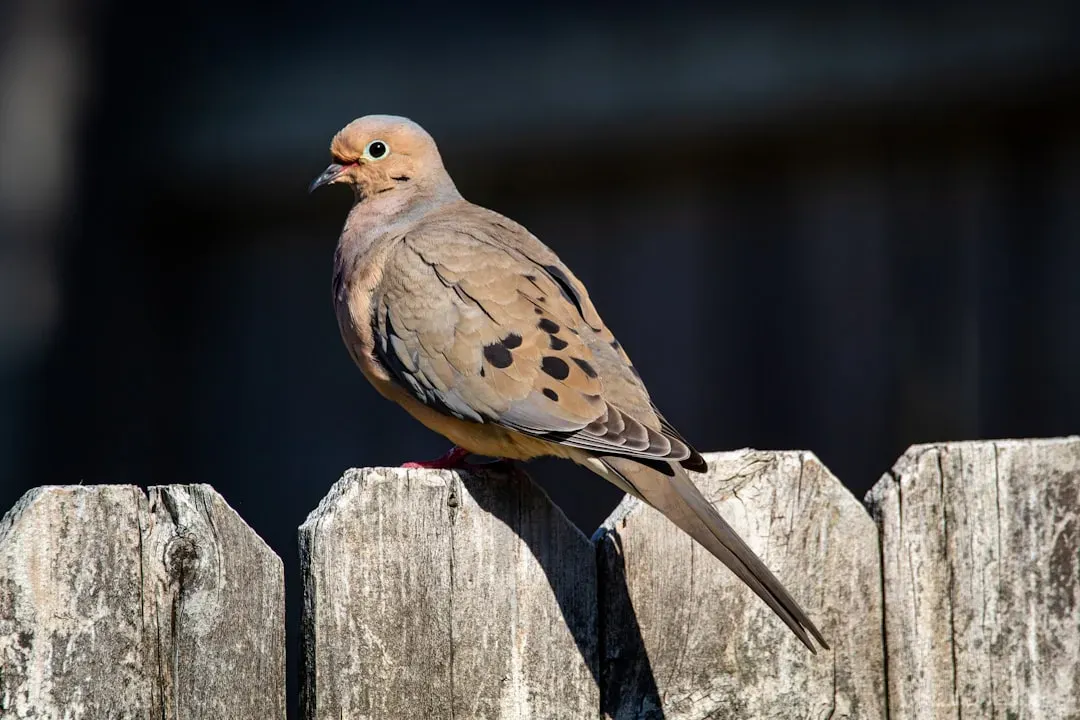
The most widespread dove in North America, the Mourning Dove is an easily startled ground feeder that can be found pretty much anywhere with open habitat, from woodlands to cities. You have almost certainly heard their soft, soothing coo before you ever saw them. That sound alone has probably narrated more lazy Sunday mornings than any alarm clock.
Mourning Doves often settle in and eat large amounts of seed, but make up for it with their sweet insistent cooing call. When they fly, their wings make a sharp whistling sound, which is especially noticeable on landing and take-off.
This bird’s mournful woo-oo-oo-oo call gives it its namesake and is commonly heard throughout the United States. Mourning Doves that have successfully raised a brood will return to the same nesting site, so you may be hearing this woeful call from the same individuals year after year.
When they grab seeds off the ground, Mourning Doves are not necessarily eating them. Instead, they are stockpiling the seeds in an enlarged part of their esophagus for later. A built-in lunchbox, essentially.
8. The Red-Bellied Woodpecker: More Red Head Than Red Belly
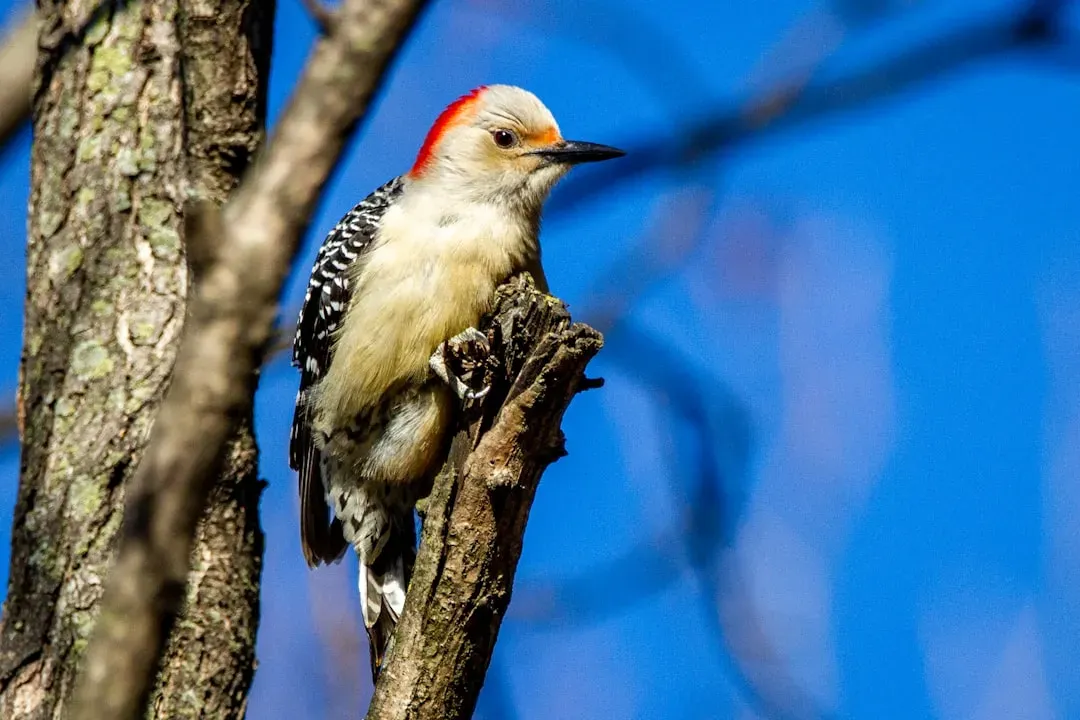
Despite its name, the Red-Bellied Woodpecker is more noticeable for its red head. Common in the eastern US, it visits both suet and seed feeders. This bird brings an interesting variety to your backyard with its loud calls and strong beak. Here is the thing: whoever named this bird clearly had a very different angle on the situation.
This is a confusingly-named bird, no doubt about it. The red head markings are much more obvious, but there is already another bird named the Red-headed Woodpecker. Instead, this woodpecker takes its name from the faint red markings on its belly.
Red-Bellied Woodpeckers have a barbed, sticky tongue that helps them snag their meals. It can reach as far as two inches past the tip of their beaks. In the eastern USA, the Red-Bellied Woodpecker is one of the most common woodpecker species. This beautiful bird has become accustomed to living in many suburban areas and even urban places with big trees. It usually visits larger backyards and gardens that have some big trees, but it would not be surprising to see it in smaller backyards too.
9. The White-Breasted Nuthatch: The Upside-Down Wonder
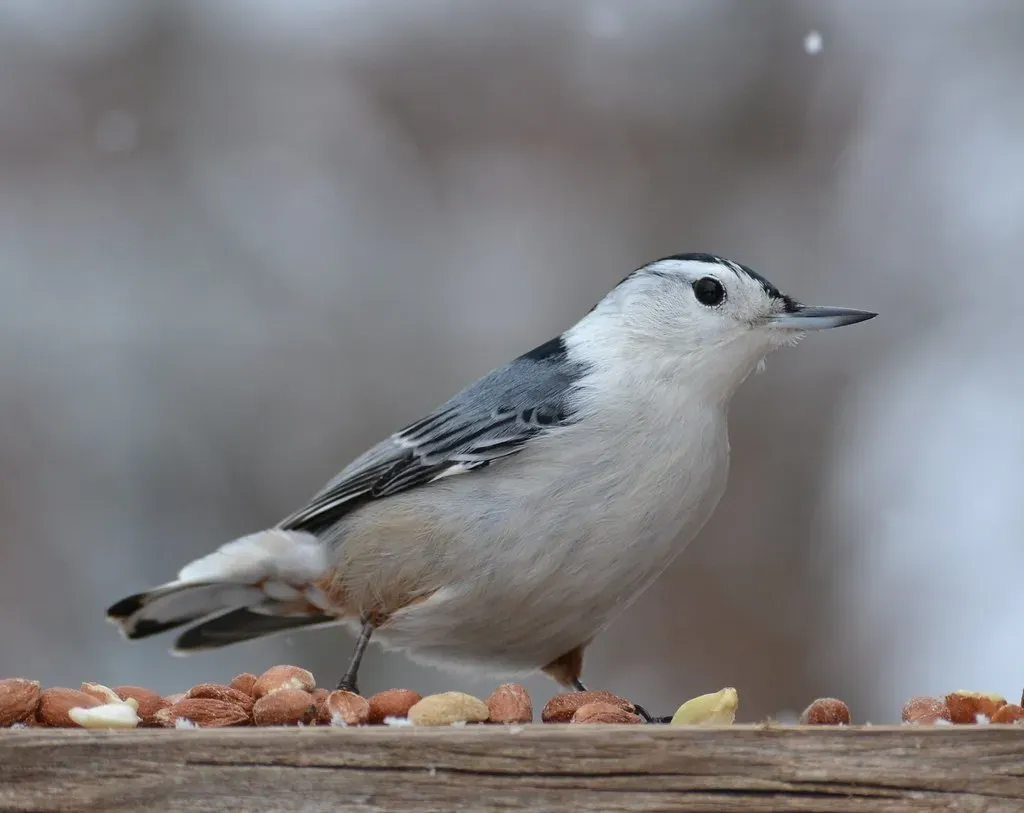
A White-Breasted Nuthatch is easy to spot due to this backyard bird’s unique habit of hopping around upside-down. If you have ever seen a bird casually strolling headfirst down a tree trunk like gravity has no opinion on the matter, congratulations, you have spotted a nuthatch. I think it is one of the most underrated spectacles in backyard birding.
They are called “nuthatches” because they jam large nuts into tree bark, then strike them with their sharp bill to “hatch” out the seed. You can recognize this bird by its white face and underside, bluish back and wings, and dark crown. Year-round residents even in cold areas, nuthatches nest in natural cavities and old woodpecker holes. They survive the winter by caching seeds in bark crevices to eat later.
North America has four nuthatch species: the Brown-headed Nuthatch of the Southeastern US, the Pygmy Nuthatch of the pine forests of the mountain West, the Red-breasted Nuthatch of the boreal forest and the higher elevations of the western part of the country, and the White-breasted Nuthatch, which is distributed across most of the lower 48 states.
10. The House Finch: The Cheerful, Adaptable Songster
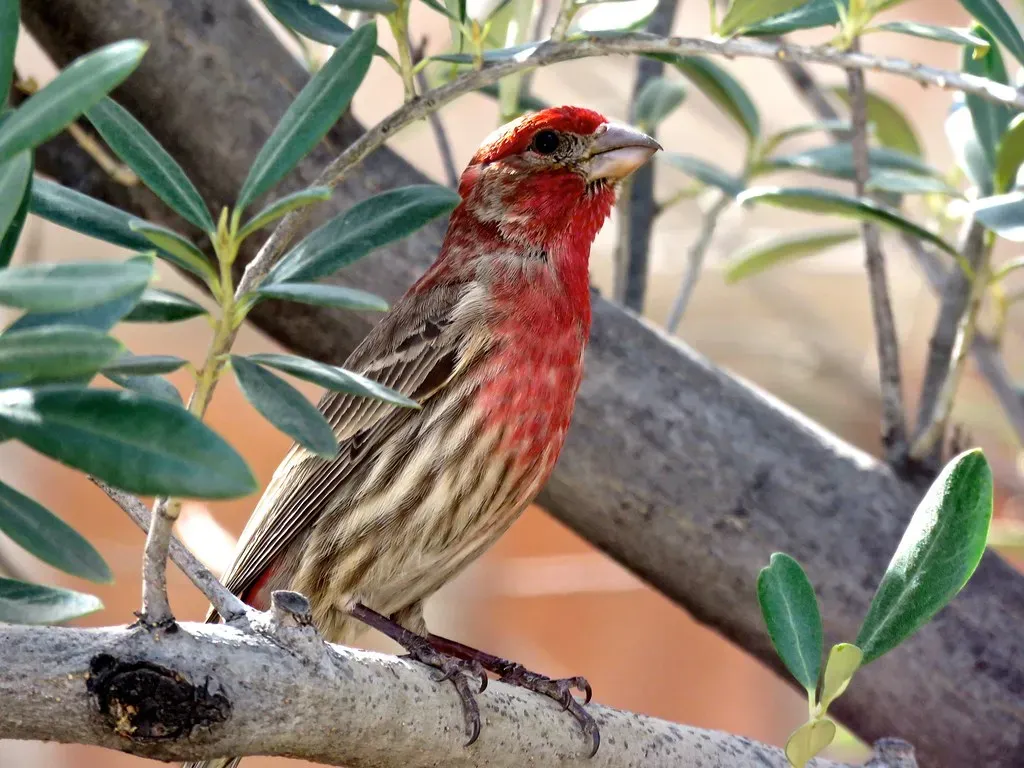
The House Finch demonstrates remarkable adaptability as a species that has expanded its range dramatically across North America. Originally native to the western United States and Mexico, these sociable birds were introduced to the eastern US in the 1940s and have since become one of the most common backyard birds nationwide. It is a classic American story, really. Start in the West, spread everywhere, become beloved.
Males display variable amounts of red coloration, derived from carotenoids in their diet, on their heads, breasts, and rumps, while females are streaked brown. House Finches are predominantly vegetarian, consuming a variety of seeds, buds, and fruits, making them easy to attract with black oil sunflower seeds, nyjer, and millet in tube or hopper feeders.
One of their most endearing qualities is their cheerful warbling song that continues nearly year-round, bringing musical ambiance to urban and suburban settings alike. As the name suggests, the House Finch is commonly found nesting and feeding near homes, frequenting bird feeders throughout the year, particularly if those feeders are stocked with sunflower seeds.
Conclusion: Your Backyard Is a Living Wildlife Sanctuary
It is easy to walk past your window a hundred times a day without really looking. Yet just beyond the glass, these ten birds are doing something extraordinary: living full, complex, beautiful lives right alongside you.
From the flashy confidence of the Northern Cardinal to the gravity-defying theatrics of the White-Breasted Nuthatch, each species carries its own personality, its own quirks, and its own quiet wonder. You do not need to travel to a national park or spend a fortune on binoculars to experience wildlife that genuinely takes your breath away.
All you need is a feeder, a birdbath, maybe a handful of sunflower seeds, and the willingness to slow down for five minutes. Honestly, the birds have been waiting for you to notice them all along.
Which of these ten backyard visitors already shows up at your place, and which one would you most love to attract? Tell us in the comments below!
