

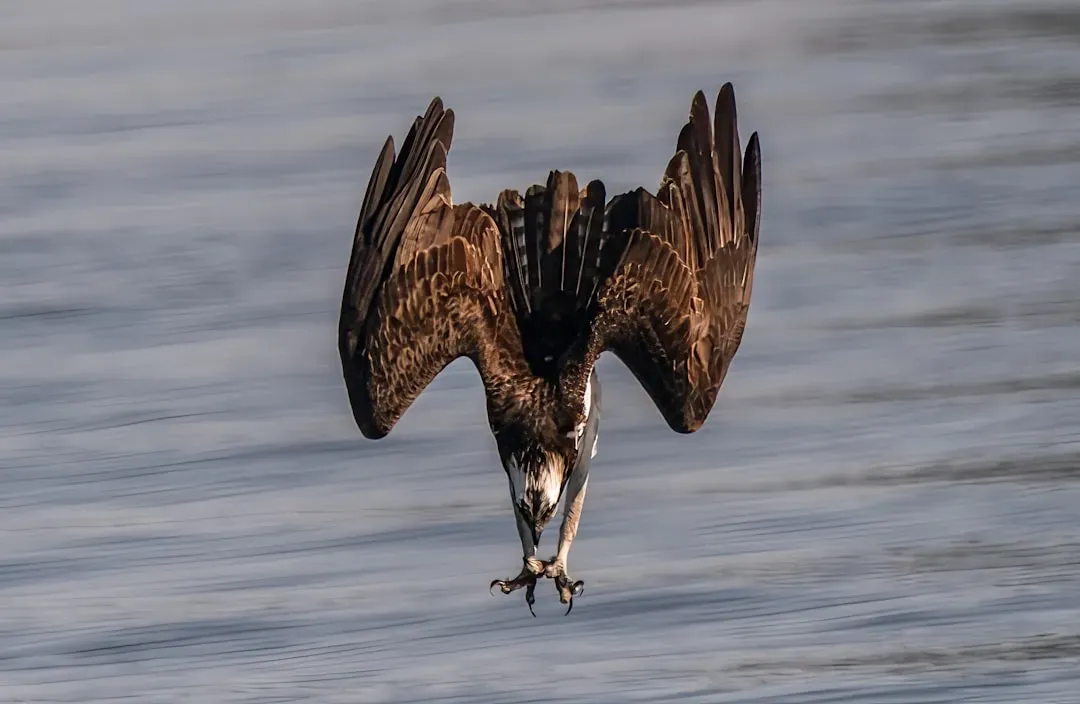
There is something almost unreal about watching an osprey drop out of the sky like a feathered missile, folding its wings mid-air before slamming feet-first into the water at breathtaking speed. One second it’s hovering overhead, scanning the surface below with laser-sharp eyes. The next, it vanishes in an explosive splash, only to burst upward moments later, talons locked around a thrashing fish. It’s the kind of moment that makes you forget everything you know about photography and just stare.
Ospreys are the only raptor that will dive underwater to catch fish, plunging talons-first into the water from as high as 100 feet and reaching speeds of around 50 miles per hour. Their six-foot wingspan enables them to launch into powerful flight with strong strokes as they emerge from the water after being fully submerged. Capturing all of that on camera is one of the most thrilling challenges in wildlife photography – and honestly, one of the most rewarding. So where exactly in the United States do you go to make it happen? Let’s dive in.
1. Blue Cypress Lake, Florida – The Crown Jewel of Osprey Photography
If you only ever visit one location on this entire list, make it Blue Cypress Lake in Florida. This is not hyperbole. Blue Cypress Lake is considered the Crown Jewel of Florida, offering the perfect habitat for the hundreds of osprey nests that cover the ancient cypress trees which pierce the pristine water surrounding the lake. It is the kind of place that makes even seasoned photographers audibly gasp.
With an estimated 300 nests positioned near its 21-mile circumference, the opportunities are limitless – and unlike man-made nests atop steel platforms, the nests at Blue Cypress Lake are extremely photogenic, offering photographers the chance to capture birds in their natural setting. Pick the right time, usually late April or early May, and you’ll find all of these nests full of young chicks, creating a flying frenzy as the adults shuttle back and forth from the nest bringing fish to feed the young. It is absolute chaos in the best possible way.
2. Vero Beach, Florida – Diving Action Right Off the Atlantic Coast
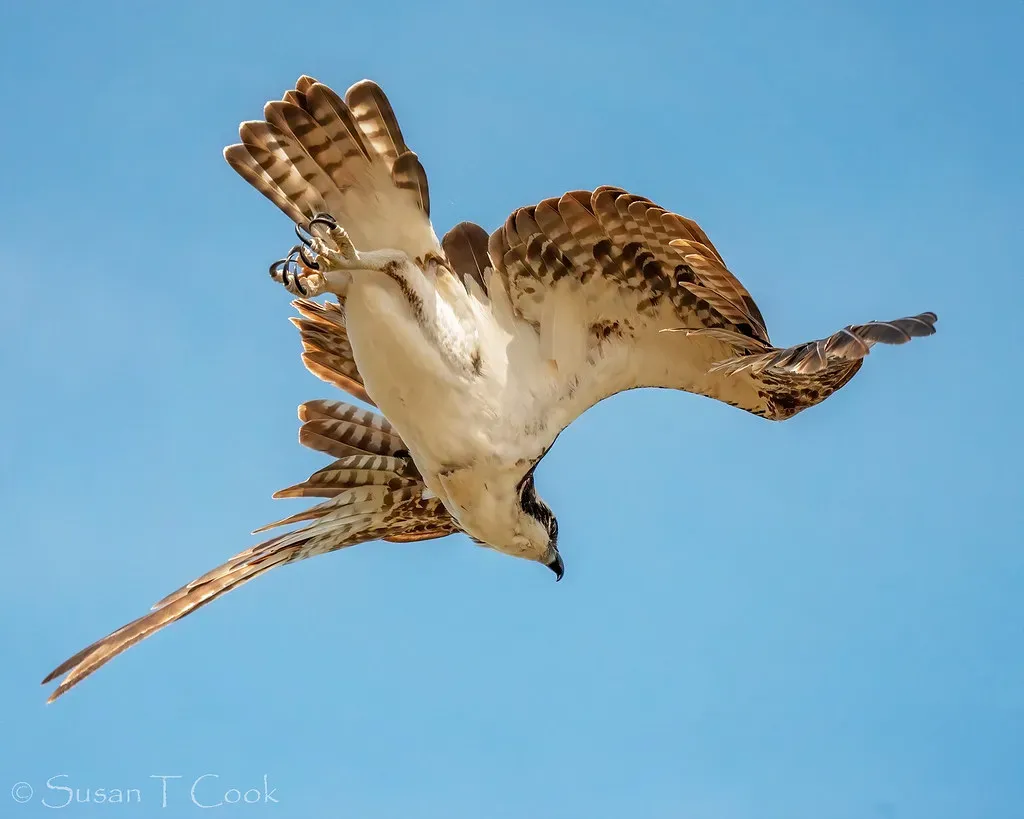
The area near Vero Beach and Blue Cypress Lake in Florida is widely considered among the best places in the entire United States for diving and nesting osprey photography. What makes Vero Beach particularly special is the access it provides to osprey diving directly over saltwater, which creates a completely different visual environment from the interior lakes. Think turquoise water, bright Atlantic light, and a bird erupting from the surf with a gleaming fish.
You can photograph osprey diving into the ocean to catch fish in the Atlantic, or observe them bringing fish to chicks at the nest near Blue Cypress Lake – and there are also opportunities to see other wildlife including terns, egrets, herons, sandpipers, black skimmers, and pelicans. The Vero Beach area offers the most comprehensive set of opportunities for a photographer looking to capture photographs of osprey, whether they want nesting activity, hunting, an osprey in flight, or all of the above. It is honestly hard to imagine a richer shooting environment.
3. Chesapeake Bay, Maryland – An Osprey Photographer’s Dream Backyard
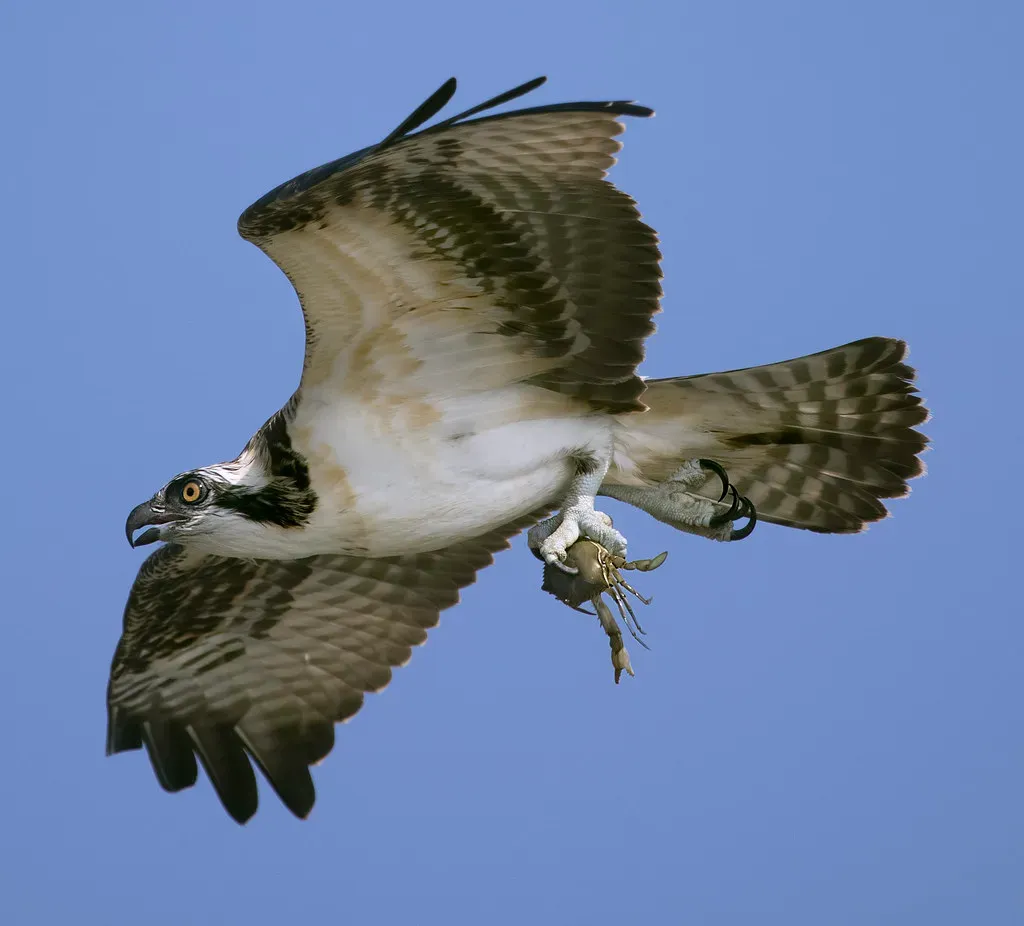
The Chesapeake Bay is practically synonymous with ospreys in the eastern United States. In spring and summer, ospreys in the Chesapeake Bay area are almost as numerous as pigeons, with many navigation aids bearing nests and quite a few homeowners installing osprey nesting platforms in the shallows near their properties. You can’t turn around without spotting one. Think of it like a buffet, not a single-table restaurant.
Early to mid-March marks the official return of the first ospreys to the Chesapeake Bay after spending winter in South America, and by April they are everywhere, vying for prime nesting locations. Osprey can be a valuable indicator species for monitoring the long-term health of the Chesapeake Bay because their diet consists almost entirely of fish and they are sensitive to many environmental contaminants. For photographers, this rich ecological context adds real meaning to every image they take here.
4. Warren, Maine – Where the Alewife Run Creates a Feeding Frenzy
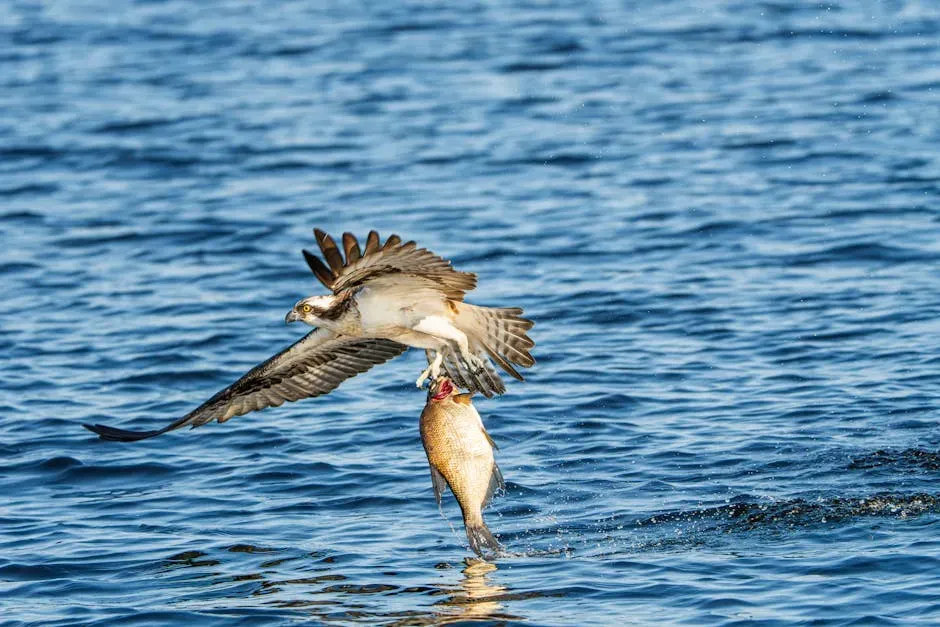
Maine might surprise you. It is not the first place people mention when talking about osprey photography, but honestly it should be. Springtime brings millions of alewives to the state of Maine on their annual spawning run from the Atlantic Ocean, using both large rivers and small streams to make their way inland to lakes and backwaters – and it is a perfect opportunity for photographing osprey fishing and in flight. We are talking about a concentration of prey so thick that the birds barely need to search.
A fish weir in Warren, Maine creates a virtual traffic jam as millions of alewife herring swim upstream to spawn in Lake Saint George, the jam so thick with fish that it turns the river nearly black – and the ospreys and seagulls descend into a full feeding frenzy. Watching an osprey hit the water at over 60 miles per hour and emerge with a fish is one of nature’s most spectacular events, and in Maine during the alewife run, you may witness it over and over again within a single morning session. Pack extra memory cards.
5. Monmouth County, New Jersey – Predictable Dives at Close Range
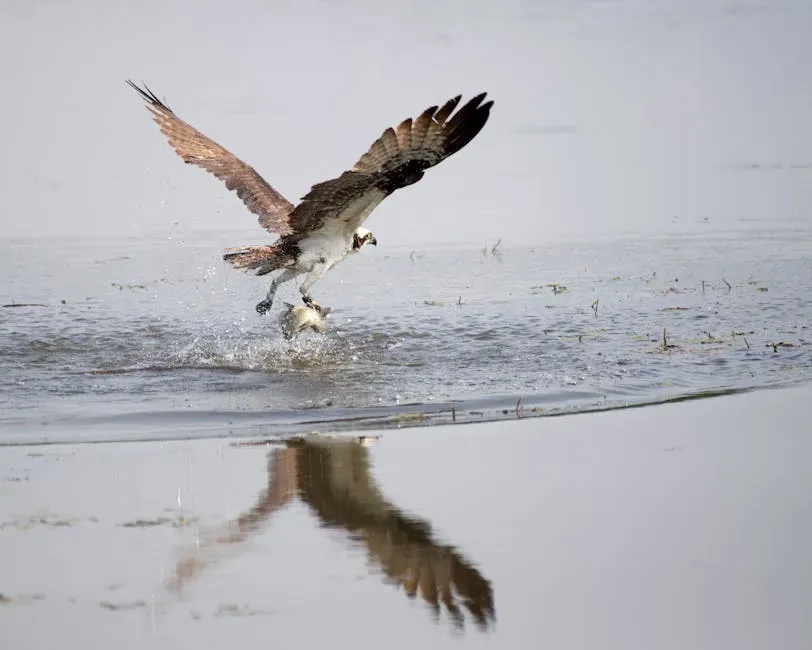
Here is the thing about photographing ospreys: location predictability is everything. In Monmouth County, New Jersey, certain spots deliver that predictability like few places on the East Coast. This location offers the best opportunities for action photographs of an osprey hovering, diving, lifting off with a catch, and more – and when conditions are right, spending just two hours there can yield thousands of photographs, with osprey diving for fish every 10 to 15 minutes. That kind of frequency is genuinely rare.
The best lens to use at this location is a zoom between 200 and 600mm, with or often without teleconverters. The accessibility of the action here means you do not need the longest glass on the market to come away with stunning results. If you want to photograph ospreys here, you must prepare yourself and be ready when the perfect conditions arise – and once they do, you need to just go. Timing and weather awareness are your most important tools at this spot.
6. Everglades National Park, Florida – Wild, Atmospheric, and Unforgettable
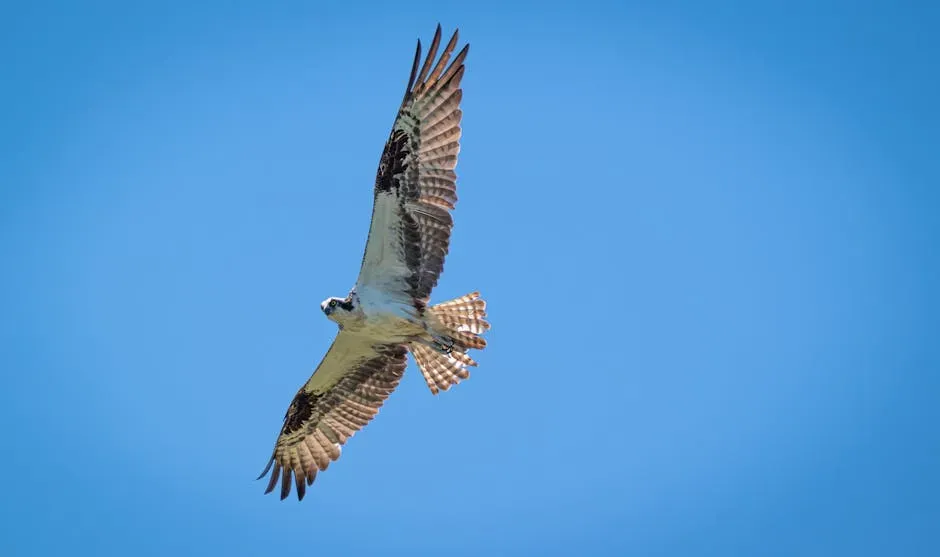
The Florida Everglades is a landscape unlike anything else in the United States. It has that strange, primeval quality that makes every photograph feel like it belongs in a documentary rather than on a social media feed. In the Flamingo area of Everglades National Park, there are multiple osprey nests alongside a wide selection of waterfowl, wading birds, bald eagles, American crocodiles, and alligators. In other words, while you are waiting for your osprey dive shot, you are never bored.
Along the Atlantic and Gulf coasts, ospreys nest extensively in coastal marshes, barrier islands, estuaries, and near large reservoirs and rivers. The Everglades delivers all of this in one sprawling, moody location. The shallow, clear water of the estuaries means osprey dives are easier to anticipate and track visually. I think the combination of dramatic scenery and raw wildlife action here makes it one of the most emotionally compelling places to photograph ospreys anywhere in the country.
7. San Diego, California – Year-Round Osprey Access on the West Coast
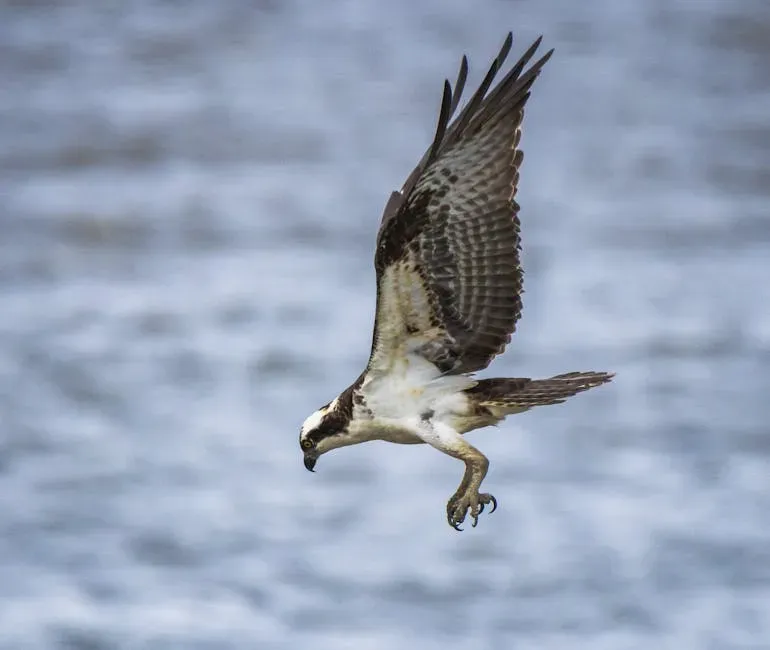
California gets overlooked in many osprey photography conversations, but it really should not. San Diego is a location where ospreys can be found without difficulty, even during winter months. In the United States, some ospreys overwinter in coastal areas of the Southeast, California, and along the Gulf Coast, especially where fish-rich estuaries remain ice-free. That year-round presence is a huge advantage for photographers who cannot time a specific seasonal window.
The San Joaquin Wildlife Reserve in Irvine, California, is also a notable osprey photography location, with two nesting posts, one of which has activity year round. The coastal light in Southern California – that warm, golden, nearly horizontal morning sun off the Pacific – does extraordinary things for bird-in-flight photography. If you can catch an osprey rising from the water with a fish against that coastal backdrop, you will have something genuinely spectacular on your memory card.
8. Elkhorn Slough, California – A Tidal Paradise for Raptor Watchers
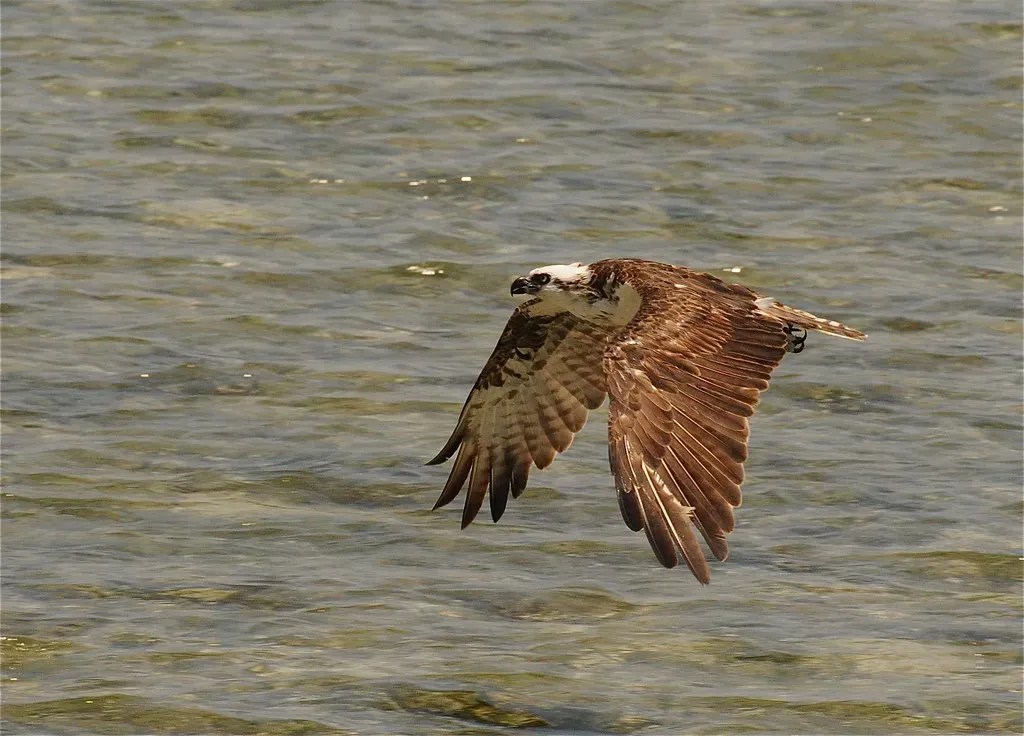
Northern California has its own gems, and Elkhorn Slough near Monterey is absolutely one of them. One of California’s largest tidal wetlands, Elkhorn Slough is a bird photographer’s dream with over 300 species recorded, and its mix of salt marsh, mudflats, and open water draws shorebirds, waterfowl, raptors, and songbirds. Ospreys hunt here regularly, taking full advantage of the fish-rich tidal channels that criss-cross the slough like a maze.
Late spring through fall is the best time for nesting seabirds here, while winter brings massive flocks of migratory ducks and geese, with early morning or late afternoon offering the softest light and the most active birds. The slough’s natural geography funnels the birds’ flight paths in ways that make tracking and anticipating dives surprisingly manageable. It is the kind of location where patient photographers walk away with portfolio-defining images.
9. Deschutes River, Oregon – Rapids, Wilderness, and Raptors
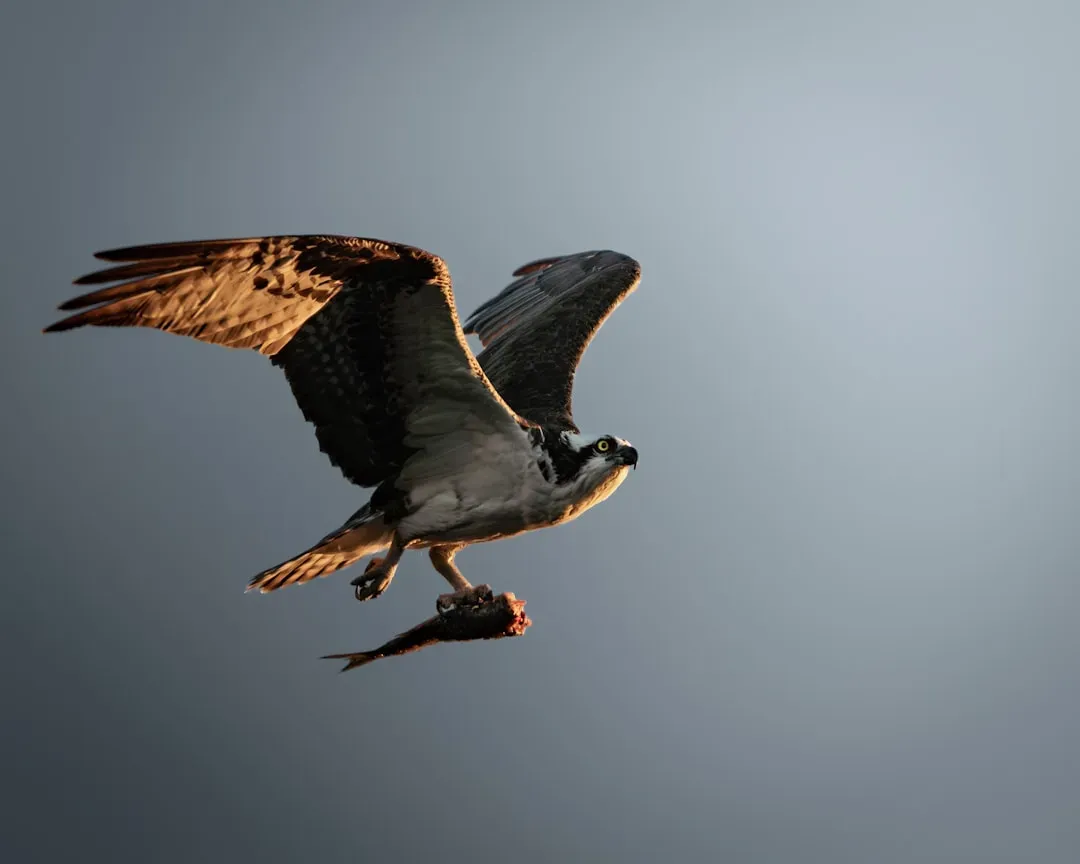
Oregon is one of those states where wildlife photography and outdoor adventure blur together in the most satisfying way. A kayak trip on the Deschutes River in Oregon reveals an area with a plentiful osprey population, and the combination of moving water and dramatic canyon scenery creates photographic backgrounds that simply cannot be replicated anywhere else on this list. The river creates natural concentration points where fish pool, and the ospreys know it.
Ospreys breed widely throughout the Pacific Northwest, including the interior West, with rivers providing core nesting and hunting habitat. The Deschutes corridor is fast-moving and remote in stretches, which means the birds here tend to be less habituated to human presence. You will need patience and fieldcraft to get truly close. Still, the reward of capturing an osprey diving against the backdrop of basalt cliffs and whitewater is worth every quiet hour of waiting.
10. Flathead Lake, Montana – Big Sky Ospreys With Mountain Backdrops
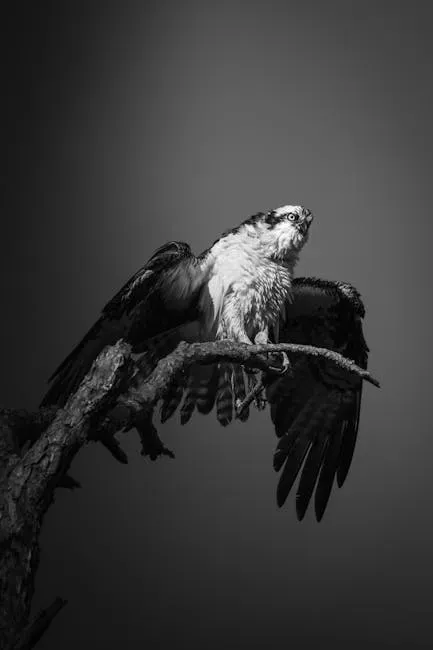
Montana is simply stunning, and Flathead Lake is one of the largest natural freshwater lakes west of the Mississippi. Flathead Lake near Polson, Montana, between Kings Point and Rocky Point, hosts several osprey nests, with the best views typically available from the water. Think sweeping sky, glassy lake surface, and the Rocky Mountain Front framing every single shot in the background. It is the kind of landscape that almost feels unfair to the rest of the country.
The lakes and streams of nearby Glacier National Park are also home to osprey, and patience along with a good telephoto lens are key to capturing these often elusive subjects in that mountain environment. The spring and early summer months are prime time here, when snowmelt swells the rivers and drives fish into the shallows. Ospreys know exactly where the action is – and if you follow their eyes, you will too.
Essential Tips Before You Go
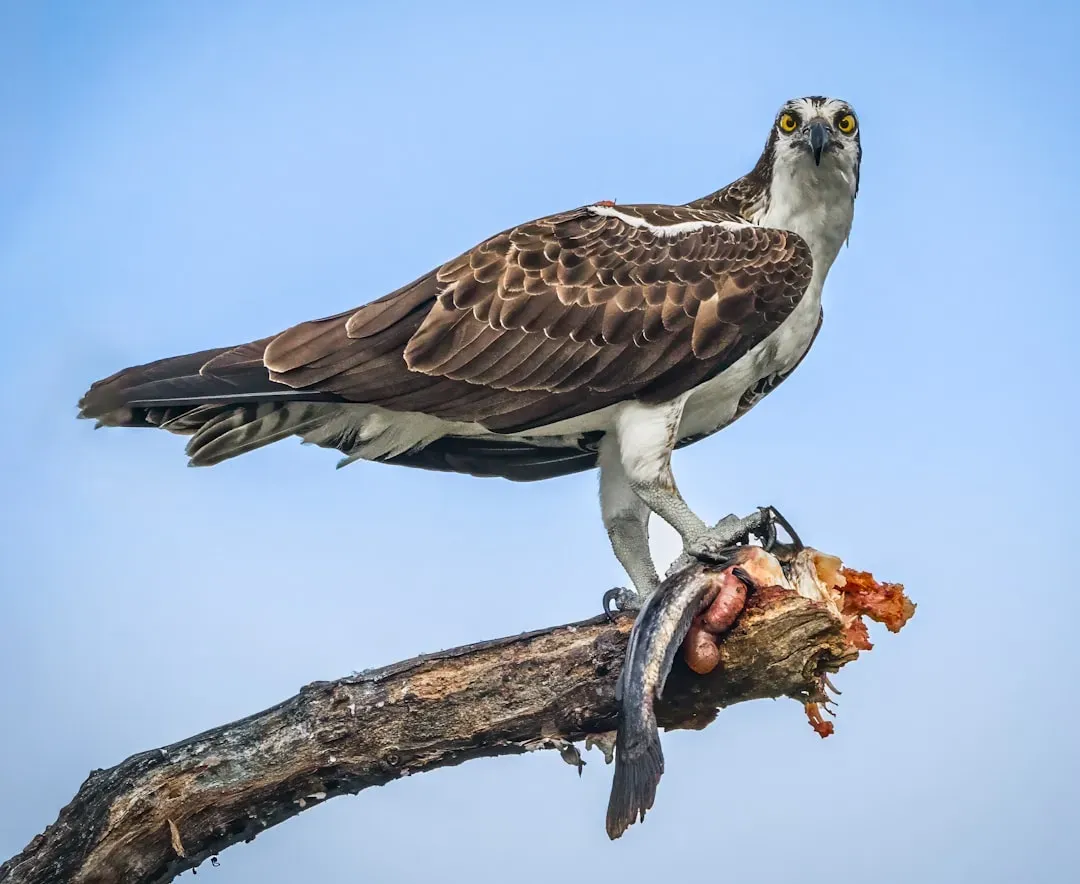
Watching a majestic osprey circle overhead and in a matter of seconds change its flight path and dive into the water below is a genuine thrill – and their precision and acrobatic dives into often shallow water are a genuine natural wonder. The iconic osprey shot that every photographer wants is one of the bird emerging from the water with a big fish in its talons, flying toward the camera. Getting it requires preparation.
When shooting birds of prey diving, you need to catch them when they stoop or hover just before they dive, then track them down, saving your shots until they are close to their target or the water. Light and angle are crucial – an early morning or late afternoon sun behind or slightly to the side of you will illuminate the bird’s head and underwings during flight and dives. Ospreys will often take off from the water into the wind, so factor in wind direction when positioning yourself, and do not forget to consider the position of the sun and how it will affect the bird’s trajectory once it exits the water.
Conclusion: Go Now, Chase the Dive
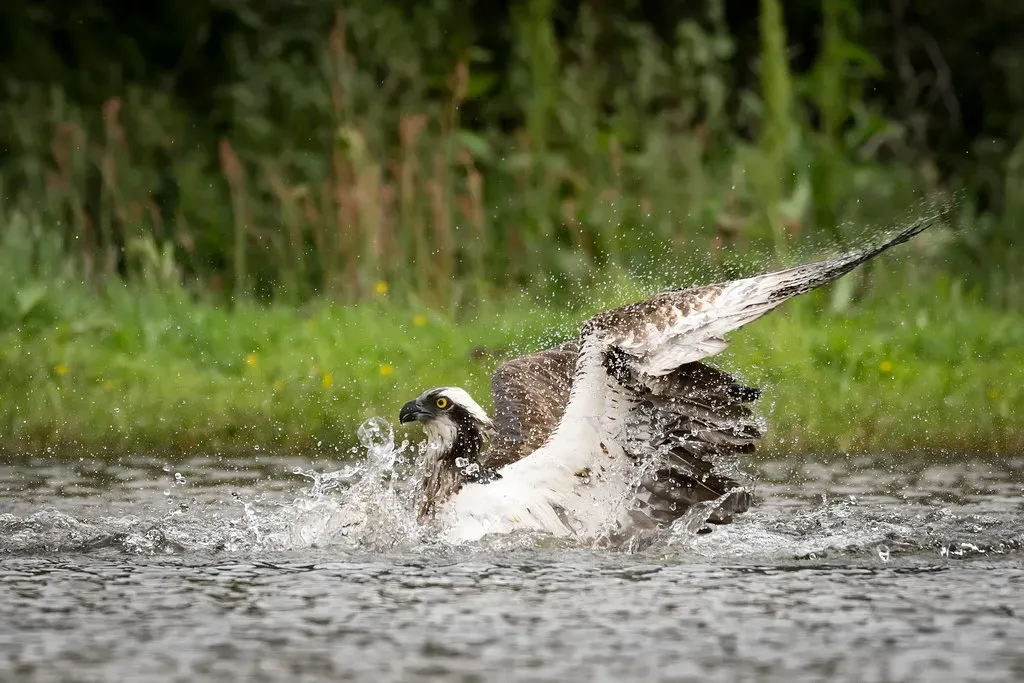
Honestly, there is no wildlife photography experience quite like it. The osprey dive is one of nature’s most spectacular single moments – fast, violent, precise, and beautiful all at once. Whether you are standing on the edge of a Florida lake at dawn or drifting down a Montana river at golden hour, the opportunity to capture that split-second explosion of water and feathers is one that stays with you long after the shutter fires.
Ospreys are excellent subjects for both static and action photography, and they are relatively tolerant of human activity at many nest sites, often hunting repeatedly in predictable areas and offering multiple chances to refine your approach. The locations on this list are not just good for ospreys. They are among the most beautiful, biodiverse, and photographically rich places in the entire country.
You do not need to be an expert to start. You just need to show up, pay attention, and be ready when the bird circles low. The rest, as any osprey will tell you, happens in an instant. Which of these destinations is already on your bucket list?
