

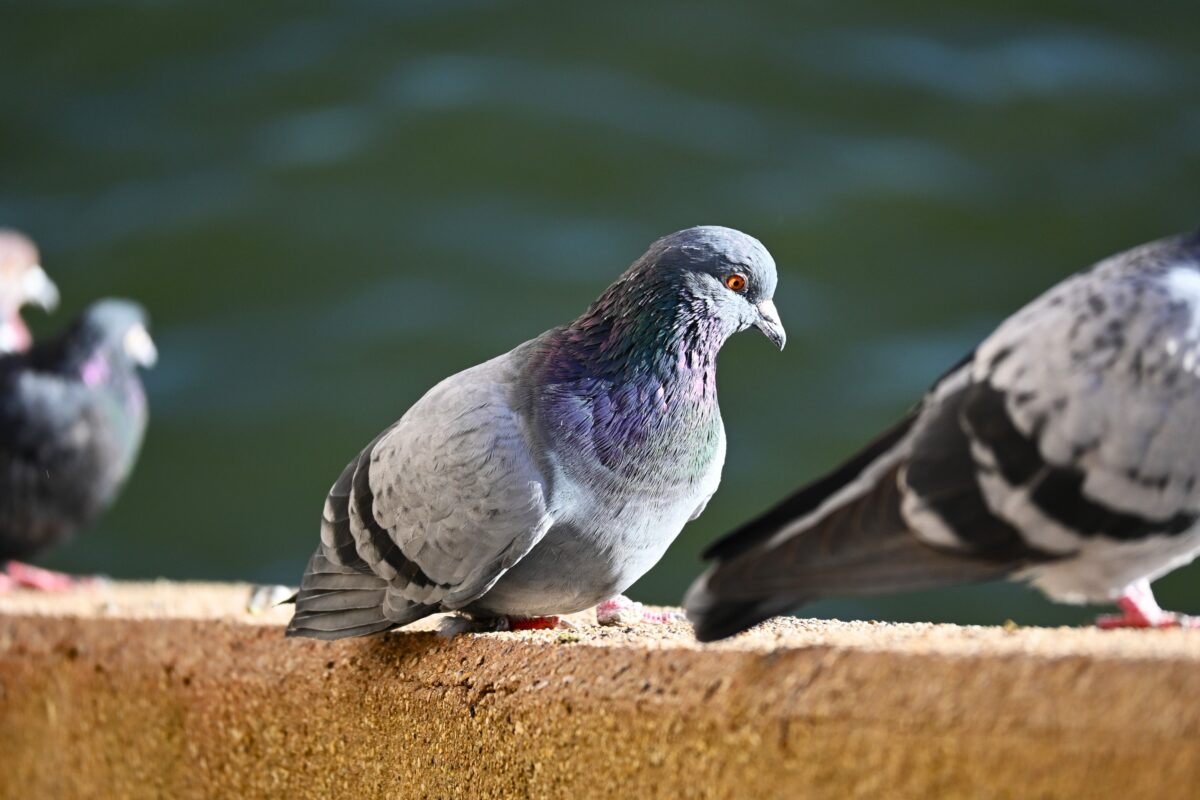
Most of us assume a bird sees a person the way we see a tree: as part of the scenery. The research says otherwise. Over the past couple of decades, scientists have shown that several species can tell individual people apart, sometimes by face alone.
What’s more surprising is how long some of them seem to hold a grudge, or a fondness. The ten birds below aren’t all equally well studied, so I’ll note where the evidence is strong and where it’s thinner.
American Crows
🔥 Would you like to save this?
We'll email this post to you, so you can come back to it later!
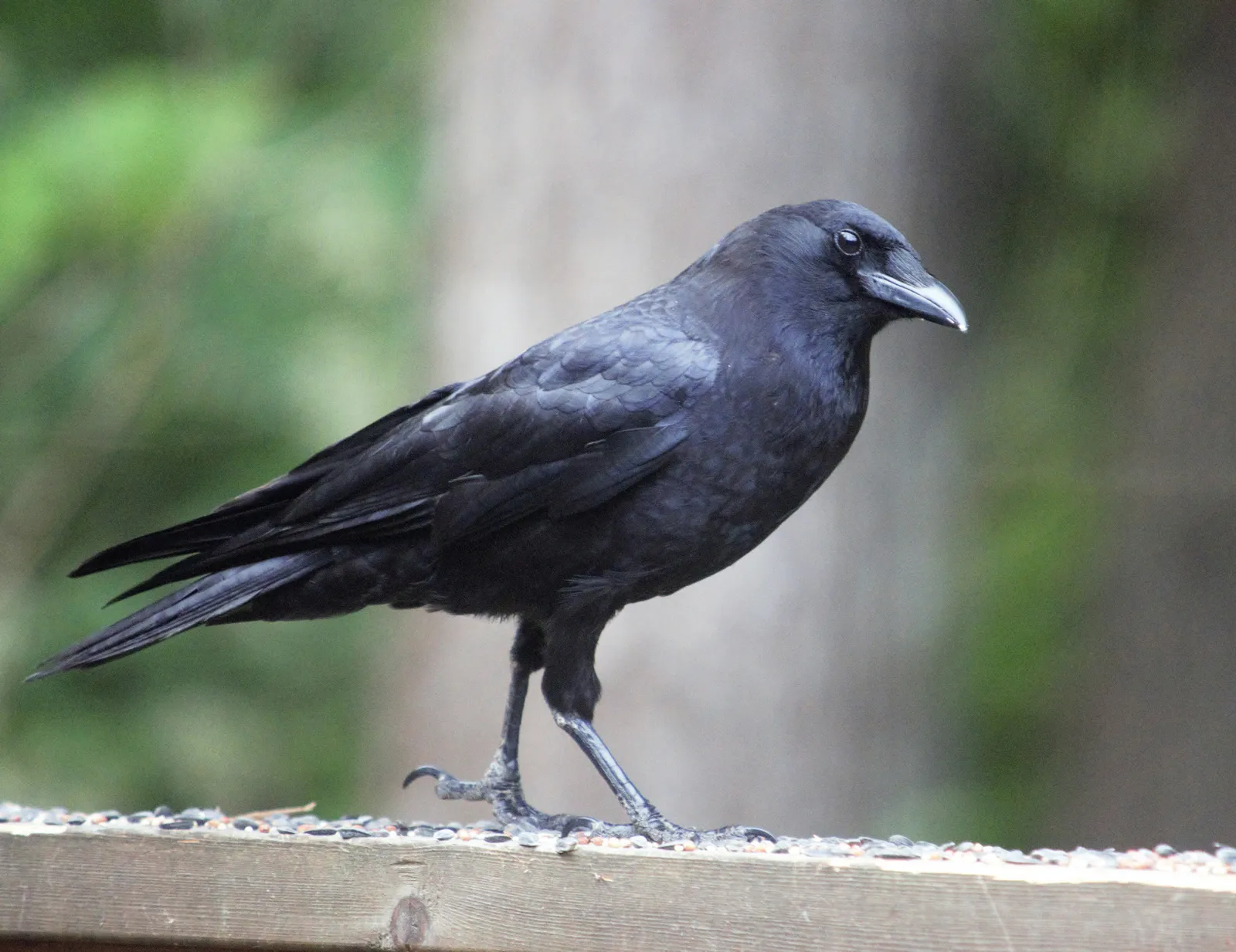
Crows are the best known case. In experiments at the University of Washington led by John Marzluff, researchers wore a particular rubber mask while trapping and banding wild crows. Afterward, crows scolded and mobbed people wearing that mask, while ignoring a different, neutral one.
The behavior also spread. Crows that hadn’t been trapped joined in, apparently learning from others, and the hostility lasted for years. Brain imaging work on crows has also pointed to activity in regions linked to threat and recall when they saw a dangerous face.
Common Ravens
🔥 Would you like to save this?
We'll email this post to you, so you can come back to it later!
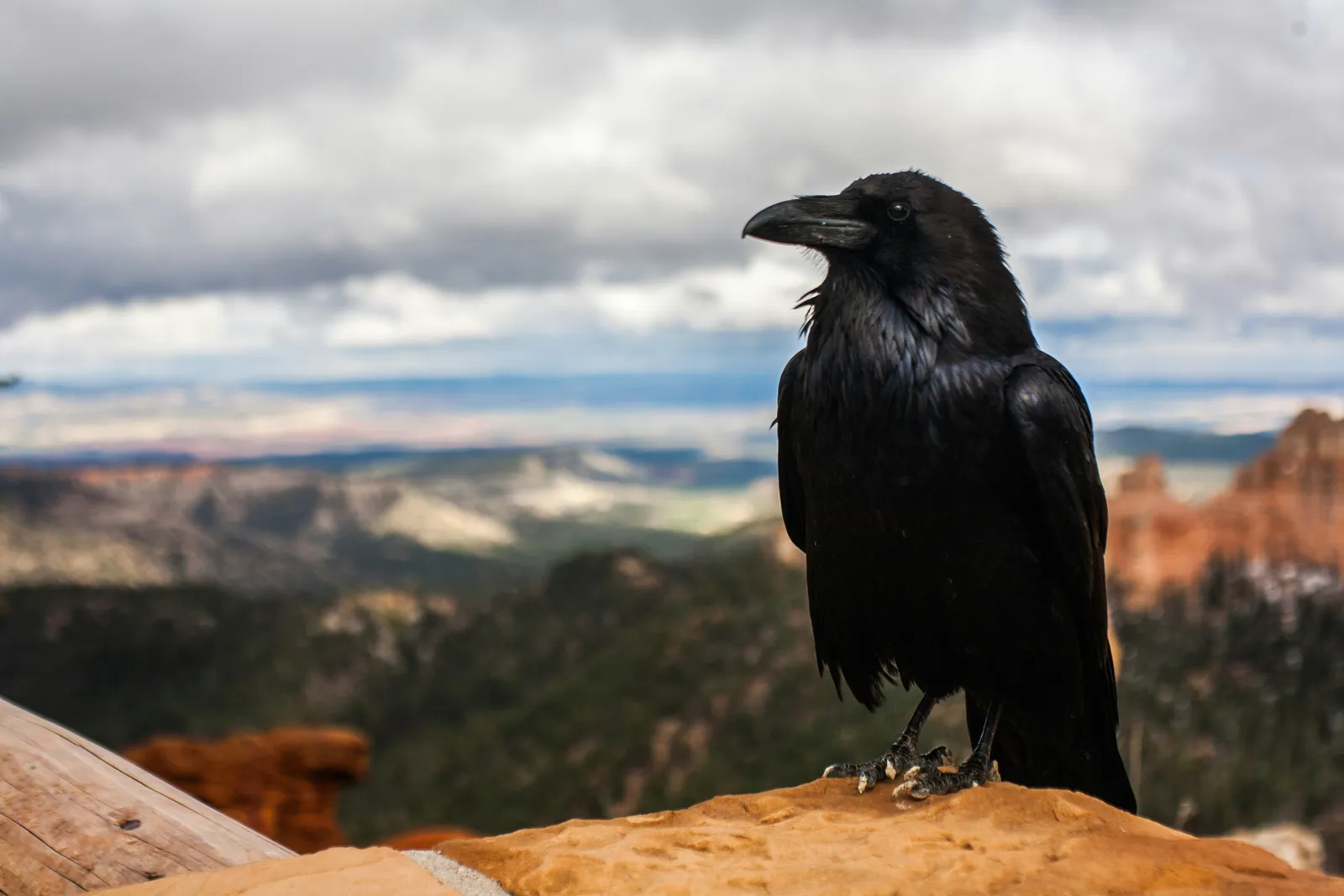
Ravens are close relatives of crows and are famous for problem solving. Studies on captive ravens suggest they remember individual ravens they’ve dealt with, and can keep track of who has been cooperative or deceptive for a long time.
Evidence on how they treat specific humans is less formal than for crows. Still, anyone who has worked with ravens will tell you they quickly learn who feeds them and who doesn’t. I’d call it very likely, if not as thoroughly tested.
Eurasian Magpies
🔥 Would you like to save this?
We'll email this post to you, so you can come back to it later!
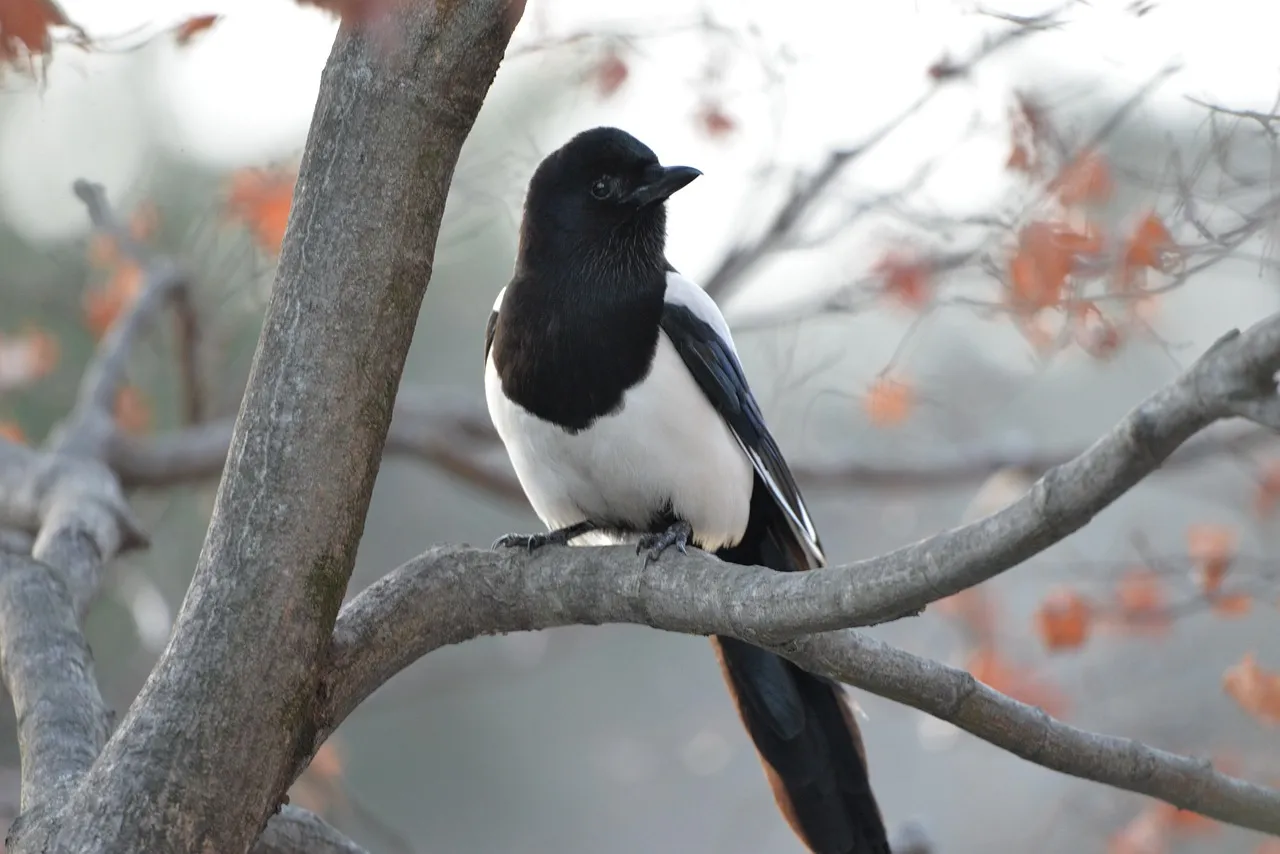
Magpies are another corvid with a reputation for sharp memories. Wild magpies in some places have been reported to recognize people who’ve disturbed their nests, and swoop at them again.
The most famous magpie evidence concerns the mirror test, which is about self recognition, not recognizing people. So it’s worth keeping those two ideas apart. Human recognition in magpies rests mostly on field observation rather than large controlled studies.
Australian Magpies
🔥 Would you like to save this?
We'll email this post to you, so you can come back to it later!
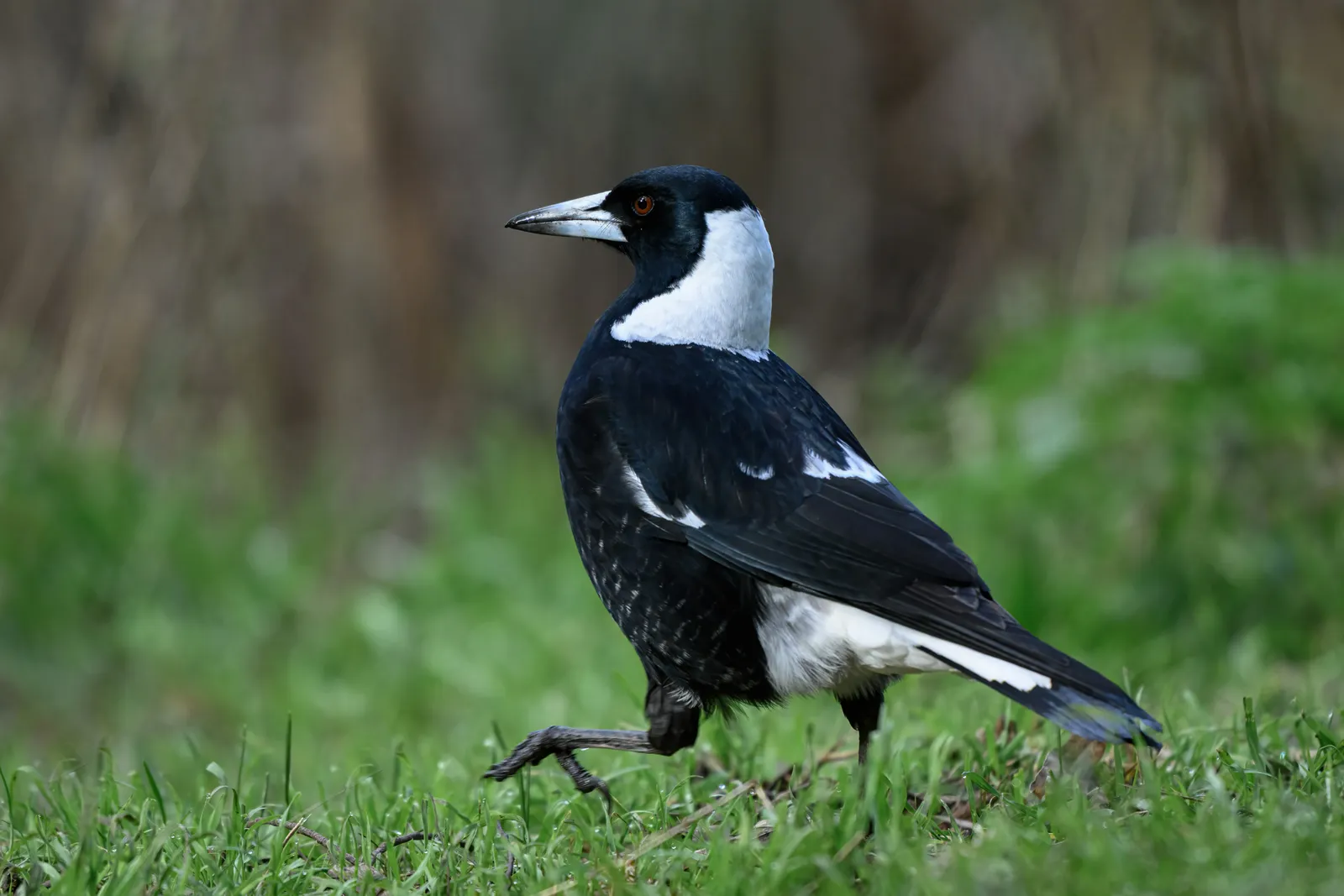
This one is a different bird entirely, and it’s the one that terrorizes cyclists in spring. Research by Gisela Kaplan and colleagues, and a well known study by Brown and Farabaugh’s team in Australia, indicates that these magpies can learn to tell individual people apart.
That means a magpie may attack one walker repeatedly while leaving others alone. Some people have also reported that birds become friendly toward neighbors who feed them. Scientists generally think the swooping is aimed at perceived threats, and the birds appear to remember who qualifies.
Rock Pigeons
🔥 Would you like to save this?
We'll email this post to you, so you can come back to it later!
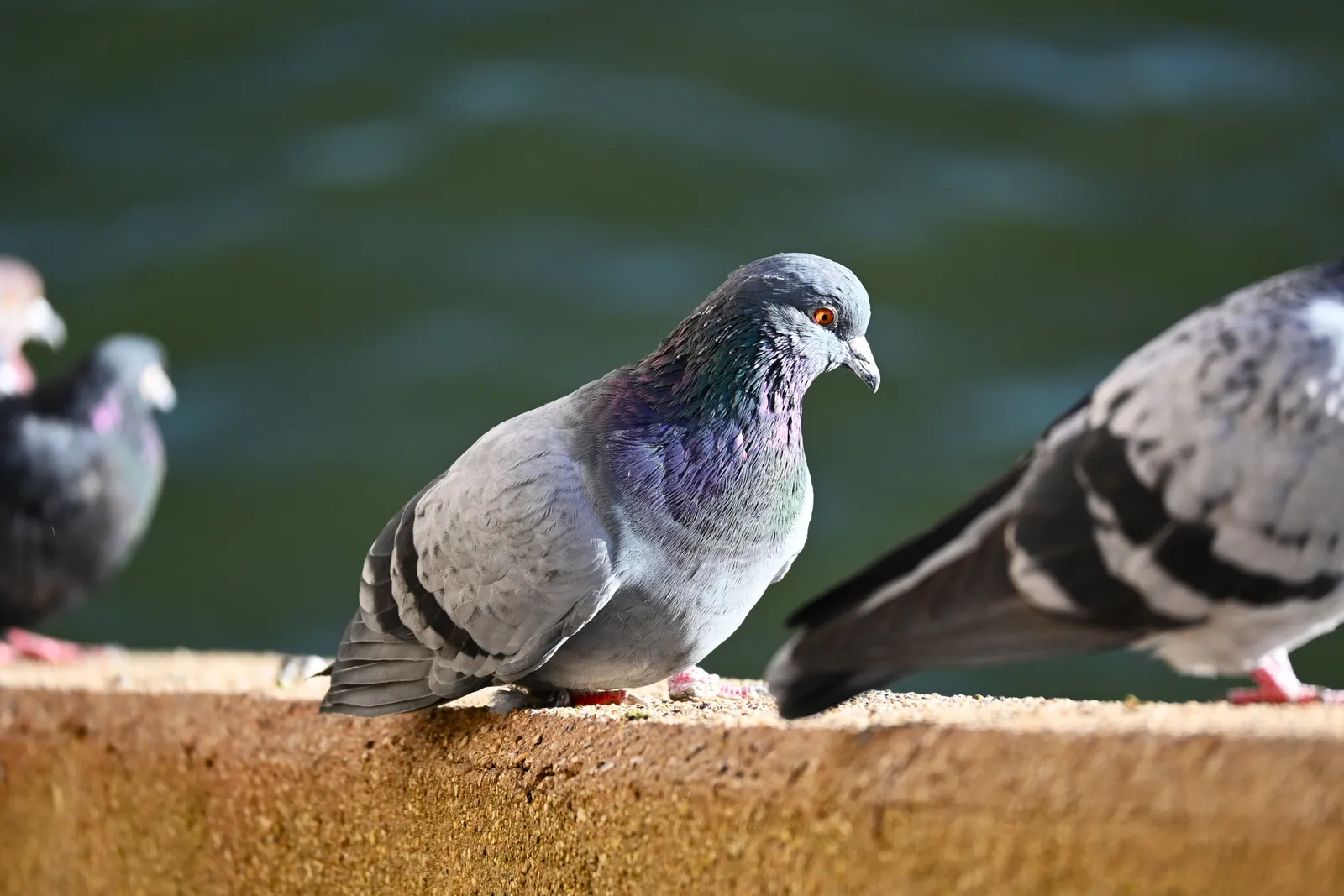
Pigeons don’t get much respect, yet lab studies show they can learn to distinguish photographs of human faces. In one well cited Japanese study, pigeons were trained to tell the difference between paintings by different artists, which says something about their visual discrimination.
A more directly relevant finding comes from a Paris study, which showed that feral pigeons learned to avoid a researcher who had approached them in a threatening way. In other words, city pigeons seem to size up the people around them more than we’d guess.
Mockingbirds
🔥 Would you like to save this?
We'll email this post to you, so you can come back to it later!
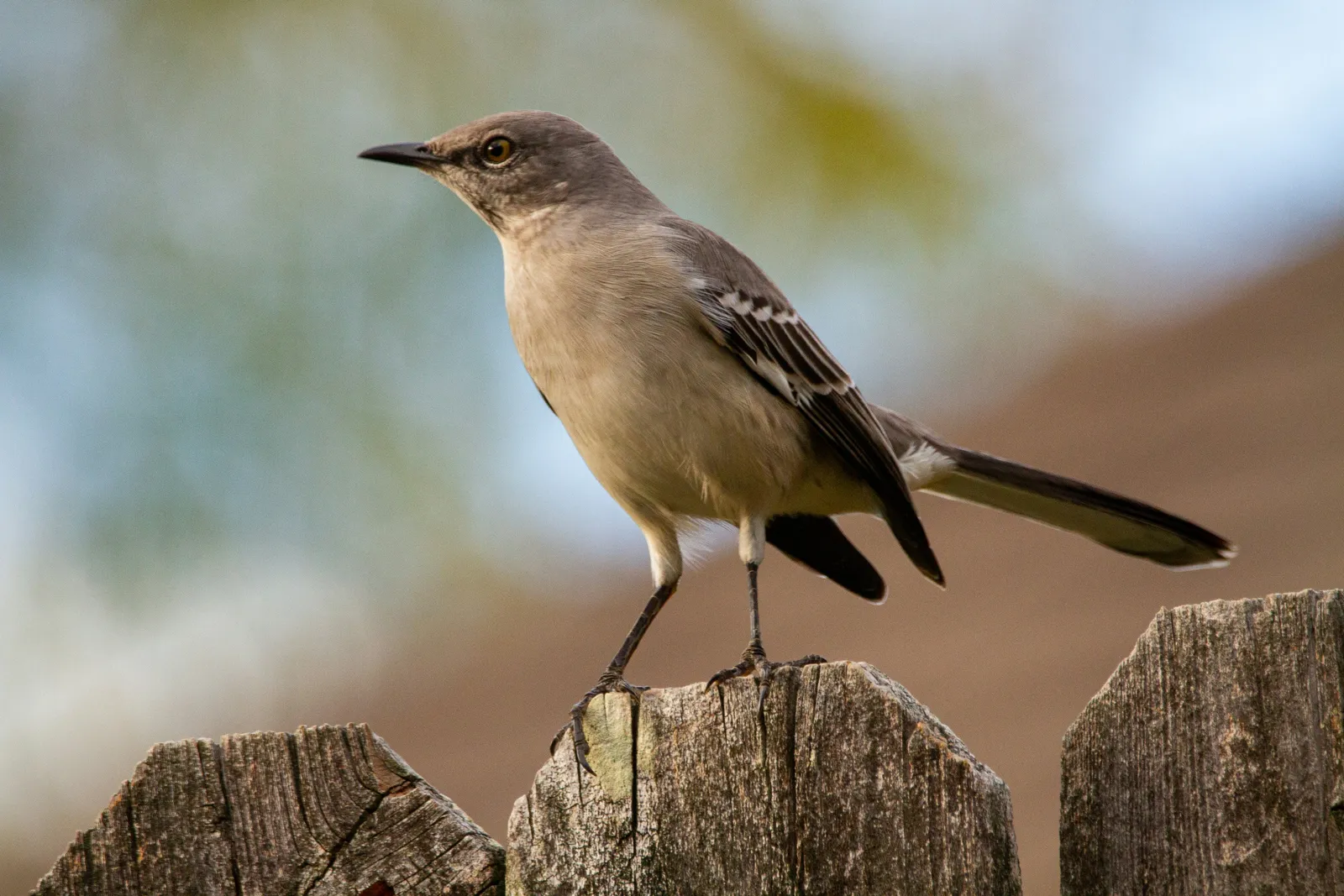
A study at the University of Florida by David Levey and colleagues tested northern mockingbirds on a campus. A researcher approached nests on several days, and the birds started to respond more aggressively to that specific person, even when others walked past in similar clothing.
They began reacting from farther away as the days went on. It’s a neat result because it was done with ordinary wild birds, not captive ones, and it suggests recognition can develop fast.
Western Scrub Jays
🔥 Would you like to save this?
We'll email this post to you, so you can come back to it later!
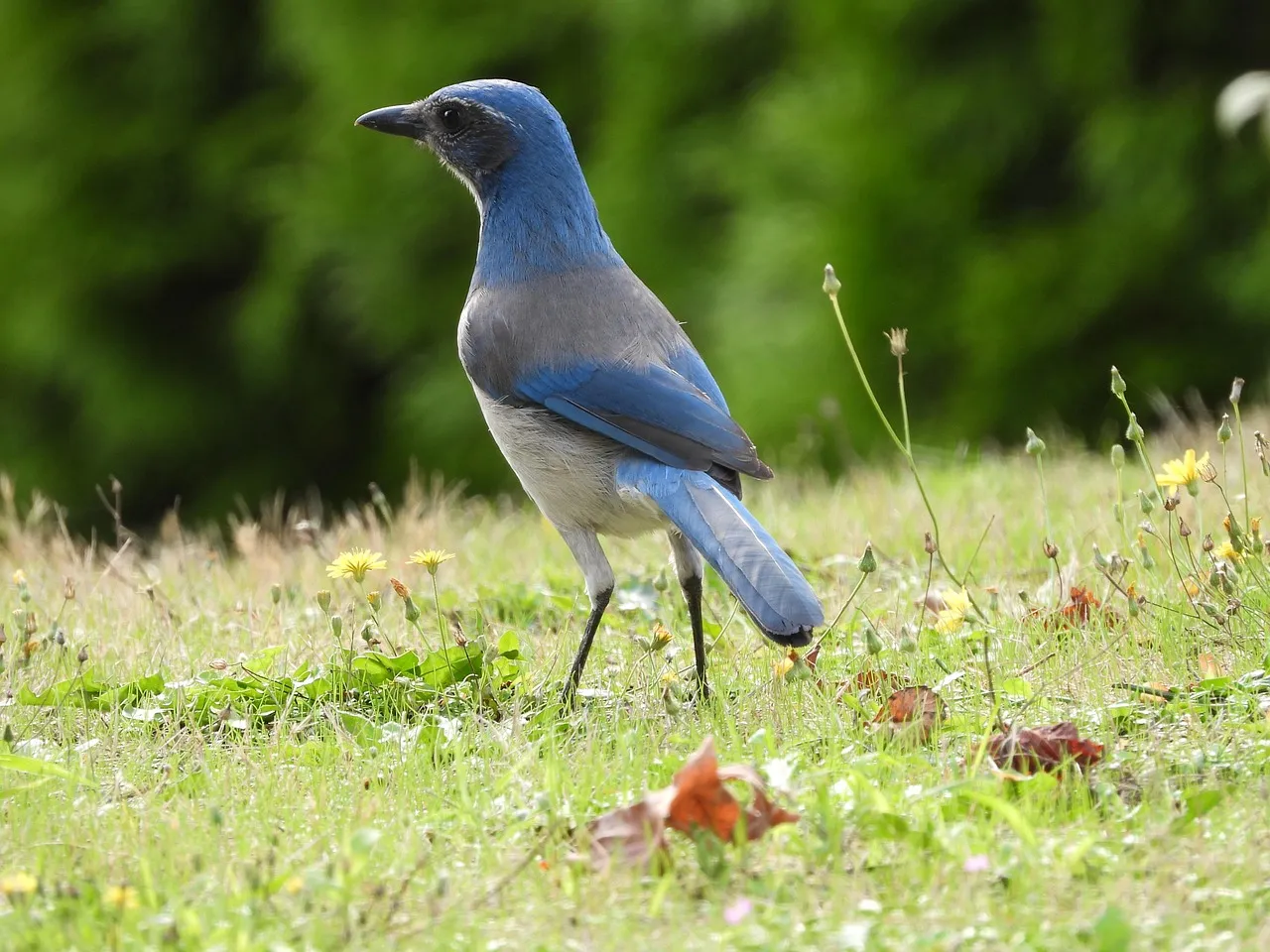
Scrub jays are known for caching food, and they’re careful about who might be watching. Research by Nicola Clayton and colleagues shows that jays will move their hidden food if they were observed caching by another bird.
That’s mostly about recognizing other birds, though it points to a good memory for individuals. For humans, jays are widely reported to learn who is a reliable source of peanuts at feeders, though the strongest experiments are about other jays.
Wild Mynas and Parrots
🔥 Would you like to save this?
We'll email this post to you, so you can come back to it later!
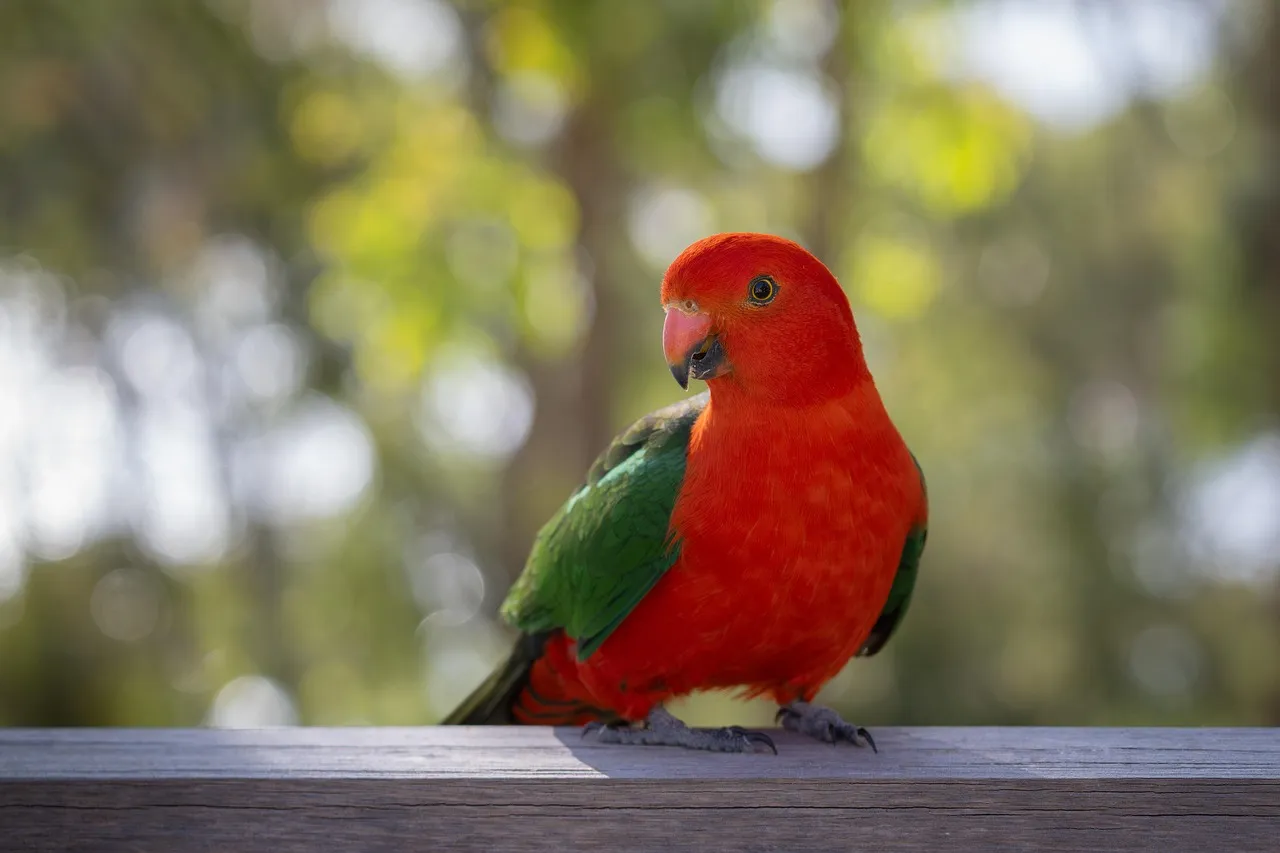
Parrots have long been studied for intelligence, and captive parrots clearly form strong bonds with particular people. Many keepers describe birds that behave warmly toward some visitors and wary toward others, and rescue parrots with a history of mistreatment often react to specific types of people.
Those accounts are mostly anecdotal, so I wouldn’t treat them as proof. Yet they match what we know of parrot social life, where tracking individual flock mates is a basic skill. It would be odd if that skill stopped at the edge of the species.
Domestic Chickens
🔥 Would you like to save this?
We'll email this post to you, so you can come back to it later!
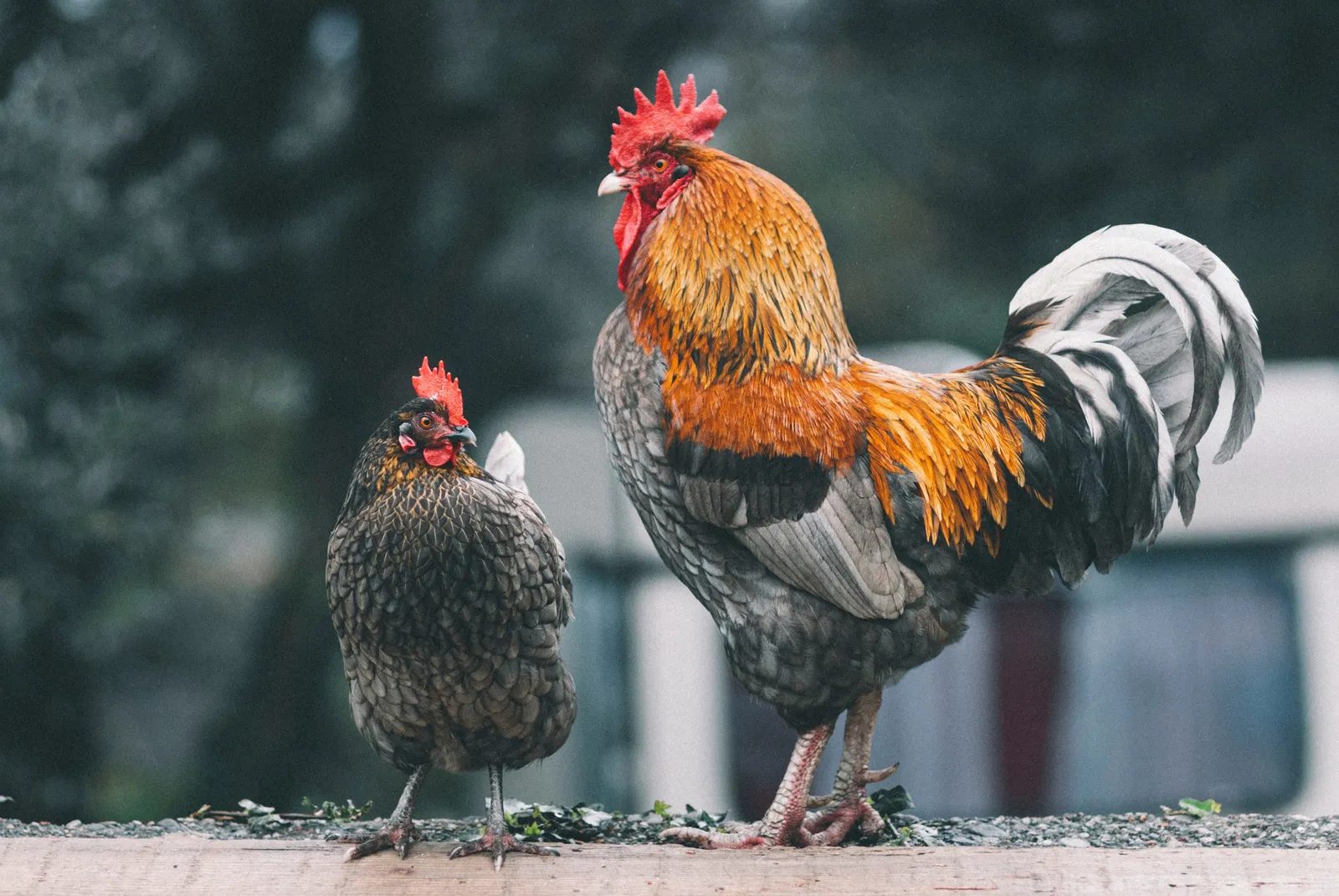
Chickens are underrated. Research suggests they can distinguish familiar people from strangers, and some studies indicate they can tell individual humans apart by facial features.
They also appear to remember other chickens in their flock for a long time, as part of a pecking order that depends on recognition. Anyone who keeps backyard hens will usually say the flock comes running for one person and scatters from another.
Gulls
🔥 Would you like to save this?
We'll email this post to you, so you can come back to it later!
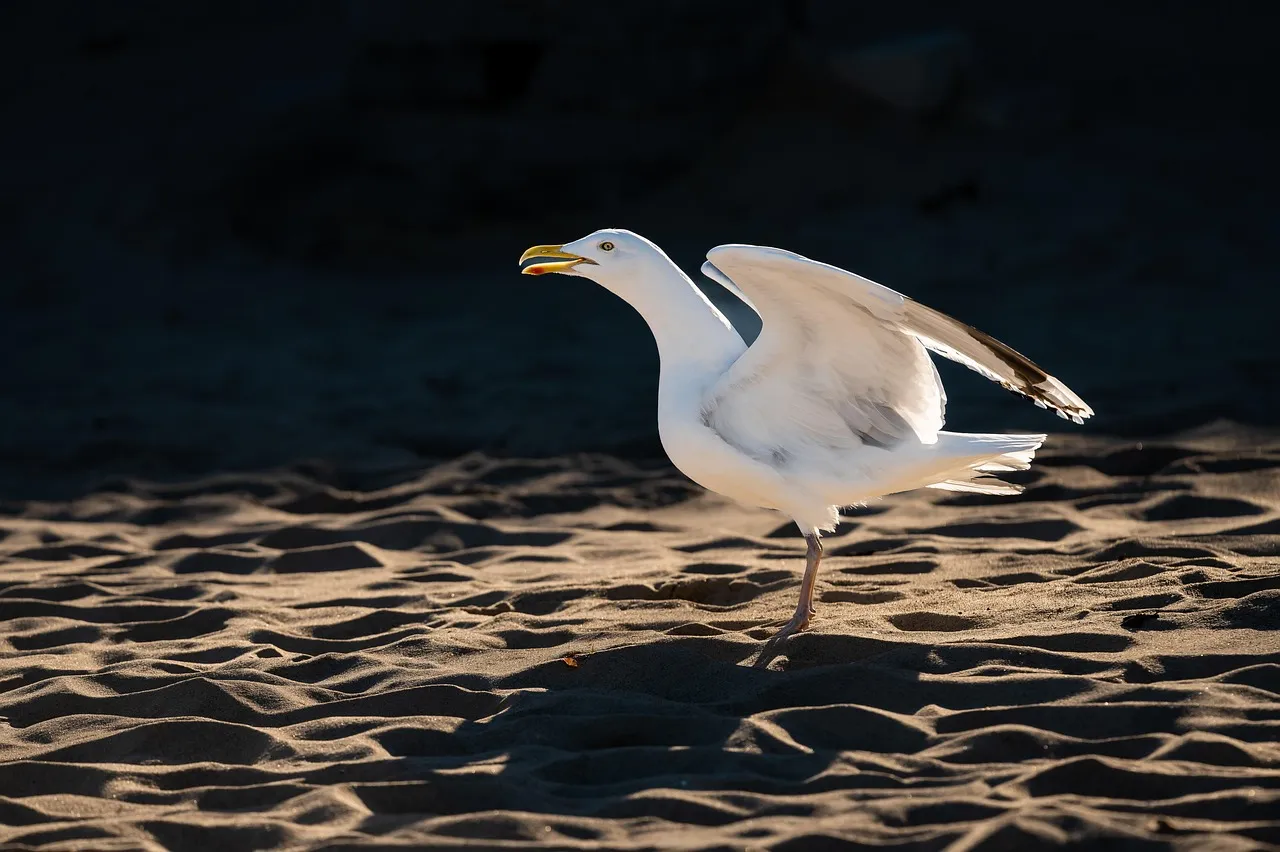
Gulls are a fascinating case, because a study on herring gulls in England found they were more likely to pick up food that a person hadn’t been staring at. That’s not quite recognition of a specific person, but it shows they pay close attention to human behavior, especially gaze.
Beyond that, gulls seem to learn which people and places yield food, and which don’t. I’d file this one as a sign of attentiveness, with individual recognition plausible but not well established.
Final Thoughts
🔥 Would you like to save this?
We'll email this post to you, so you can come back to it later!
My view is that we’ve been too slow to credit birds with this skill. Crows and mockingbirds have the clearest evidence, while many of the others rest on suggestive studies and plenty of observation.
Whatever the strength of proof, the practical lesson is the same. Wild birds are watching, and they may keep score. Treat them decently, and you might just earn a quiet kind of trust.

From exploring the marine wonders in the Azores and witnessing the vast savannas of Kenya, to delving deep into the rich biodiversity of South Africa and traversing iconic landscapes in Australia and the US like Yellowstone, Chris's experiences are vast.
With a penchant for diving alongside sharks, the ocean holds a special place in his heart.
Through his academic insights, he champions wildlife conservation, striving with 'Animals Around The Globe' to cultivate a profound connection between humans and animals, enhancing our mutual appreciation.
Connect with him at Feedback@animalsaroundtheglobe.com.
- 15 Wild Animals You Might Spot in U.S. National Parks - November 5, 2026
- Top 10 Animals and Wildlife in Hawaii - November 4, 2026
- Top 10 Animal Encounters in Europe - November 3, 2026