
Most dogs are remarkably forgiving. Trip over your Labrador’s tail, skip a walk, or accidentally shut them out of the bedroom, and the majority will shake it off by the time the treat jar opens. That warm, unconditional reset is a big part of why we love dogs so much.
Some breeds, though, operate on a different emotional register. They’re more tuned in, more prideful, or simply wired with such a deep sensitivity to how they’re treated that a single misstep can shift the entire dynamic. What often looks like a grudge in dogs is typically the result of negative associations, fear, or a learned response to specific stimuli, since dogs possess associative memory that links events or people with outcomes rather than recalling past slights with malice. Still, for certain breeds, that emotional imprint runs deep enough to reshape the relationship in real and lasting ways. Here are ten of them.
#1 Shiba Inu

The Shiba Inu occupies a unique category in the dog world: intensely loyal, yet operating with a feline level of self-respect. They study their owners carefully and are exquisitely attuned to tone, body language, and consistency. Earn their trust and you get a devoted, spirited companion. Lose it, and the cold shoulder they deliver is impressively thorough.
These proud, independent dogs are notorious for being emotionally complex. Scold them once and they’ll likely go full aloof-mode, with no eye contact, no affection, and no interest in you. Shibas remember everything and expect respect at all times. It’s not aggression. It’s quiet, calculated disapproval, and it can last far longer than you’d expect from an animal the size of a fox.
#2 Afghan Hound
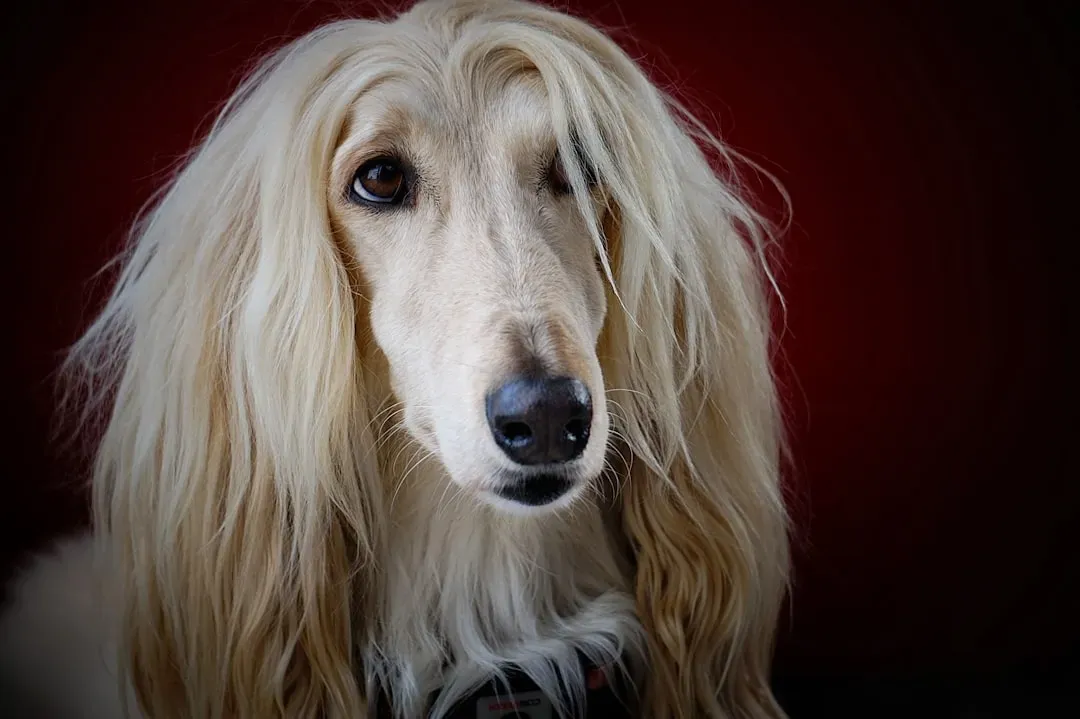
The Afghan Hound is one of the oldest breeds in existence, and there’s something in their bearing that seems to know it. They carry themselves with a certain runway-model detachment that can read as aloofness to strangers, but to their trusted people, they’re surprisingly sensitive and emotionally invested.
Afghan Hounds are elegant, sensitive, and very aware of when they’ve been slighted. They have a reputation for being a bit emotionally distant, and if they feel disrespected or mishandled, they’ll turn on the silent treatment. These dogs don’t forget quickly, and their grudges come in the form of deliberate detachment. Rough handling or a harsh correction doesn’t just hurt the moment. It rewires their trust, sometimes for a very long time.
#3 Akita
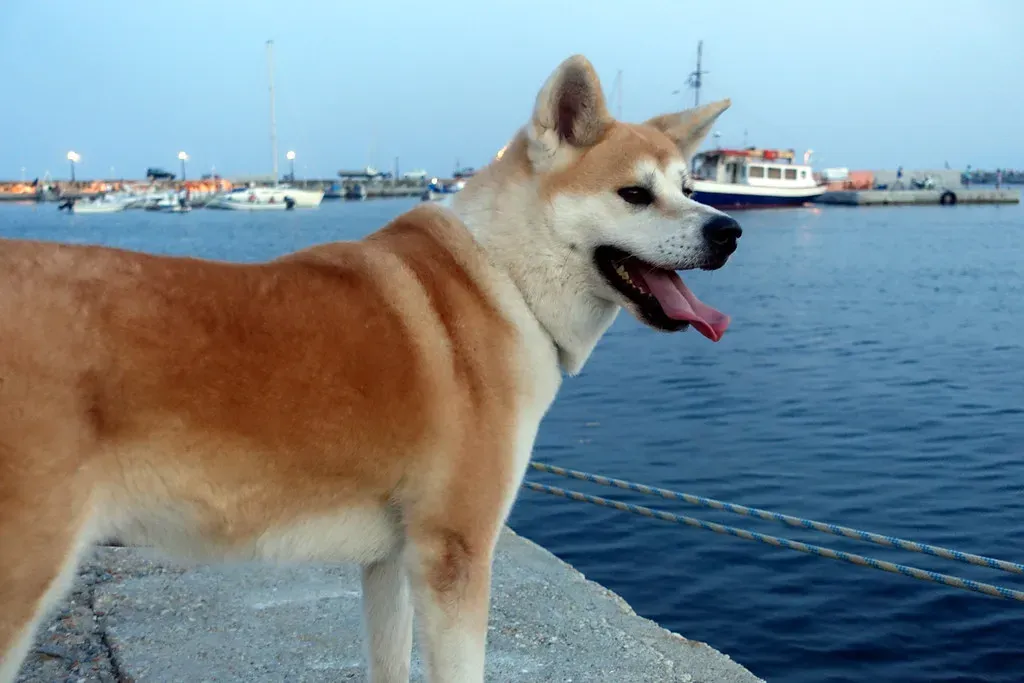
The Akita is a breed built on loyalty so deep it has become the stuff of legend. But that loyalty comes with a flipside: a strong sense of dignity and an emotional awareness that borders on uncanny. They don’t just notice how you treat them. They notice how you treat others around them, and they file it all away.
Akitas are deeply loyal, but they also have a strong sense of pride and emotional awareness. If you raise your voice, ignore them, or embarrass them in front of guests, they’ll take it very personally. They won’t lash out, but you’ll get the cold stare, a refusal to come when called, and an unmistakable vibe of deep disappointment. Akitas are loyal, protective, and deeply bonded to their families, but they can be aloof or even aggressive toward unfamiliar dogs. Push them too far and rebuilding the bridge takes real patience.
#4 Basenji
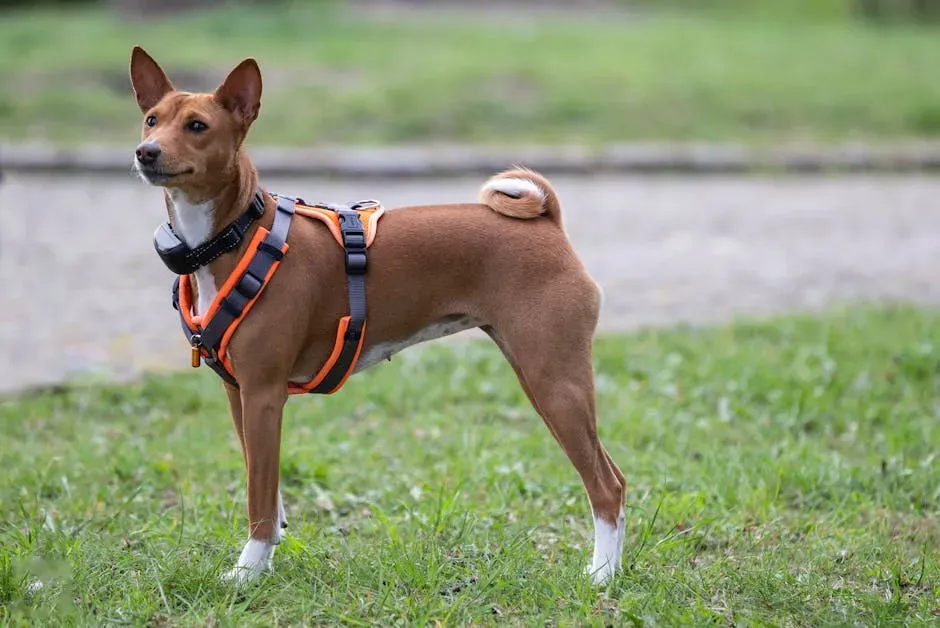
The Basenji is Africa’s ancient “barkless dog,” and their silence isn’t just acoustic. When they’re unhappy with you, they won’t bark or throw a tantrum. They simply opt out. Originally bred for hunting in challenging terrains, the Basenji developed the ability to remember routes, signals, and strategies with precision. That same sharp memory applies to how you’ve made them feel.
Basenjis are already aloof and cat-like in their behaviour. But when they hold a grudge, it’s next-level. You won’t get barking or tantrums, just a total lack of engagement. They’ll sit across the room, avoid eye contact, and pretend you’re not even there. The Basenji can be an aloof dog: very affectionate with his family, but not outgoing to strangers. That reserved quality amplifies considerably after a betrayal of trust.
#5 Border Collie
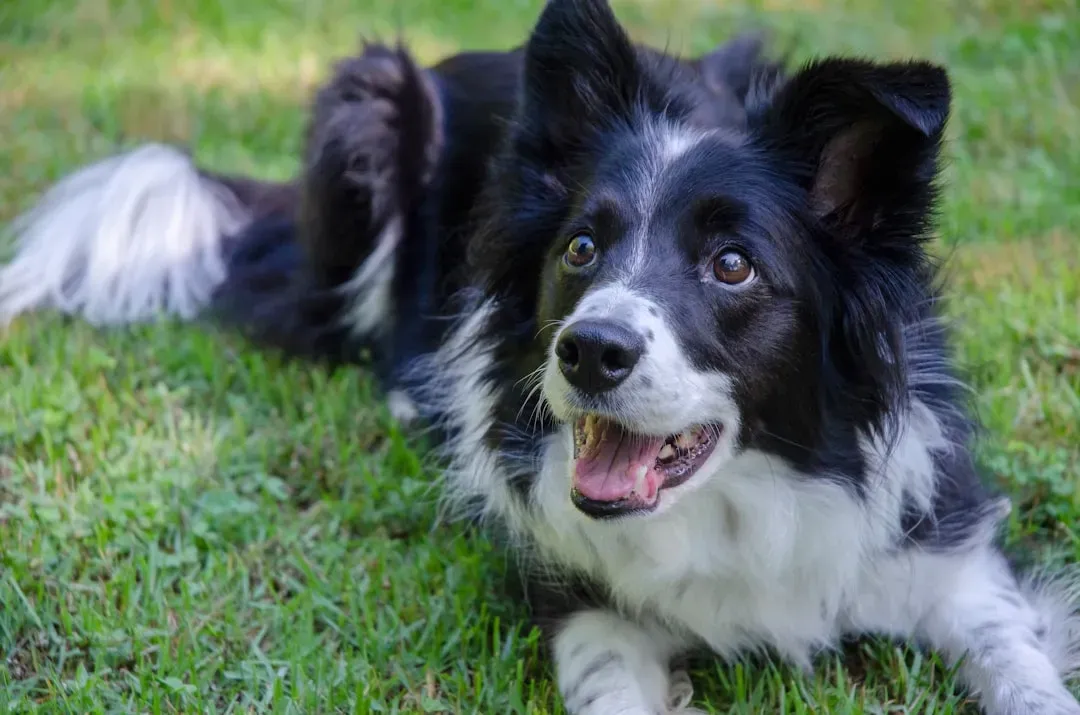
Border Collies are widely considered one of the most intelligent dog breeds on earth, and that intelligence is a double-edged sword. Their capacity to learn commands in a handful of repetitions is extraordinary. So is their capacity to catalog every inconsistency, unfair correction, or broken promise in the relationship.
Border Collies are sharp, observant, and remember everything. If they perceive injustice, whether it’s a missed walk, harsh tone, or being left out of the fun, they’ll act out subtly. Some breeds are naturally predisposed to better memory retention and higher intelligence. Working breeds like Border Collies often exhibit quick learning and memory recall. That’s a gift in training and a challenge in trust repair. Treat them unfairly once, and you’ll feel it in their responsiveness for days.
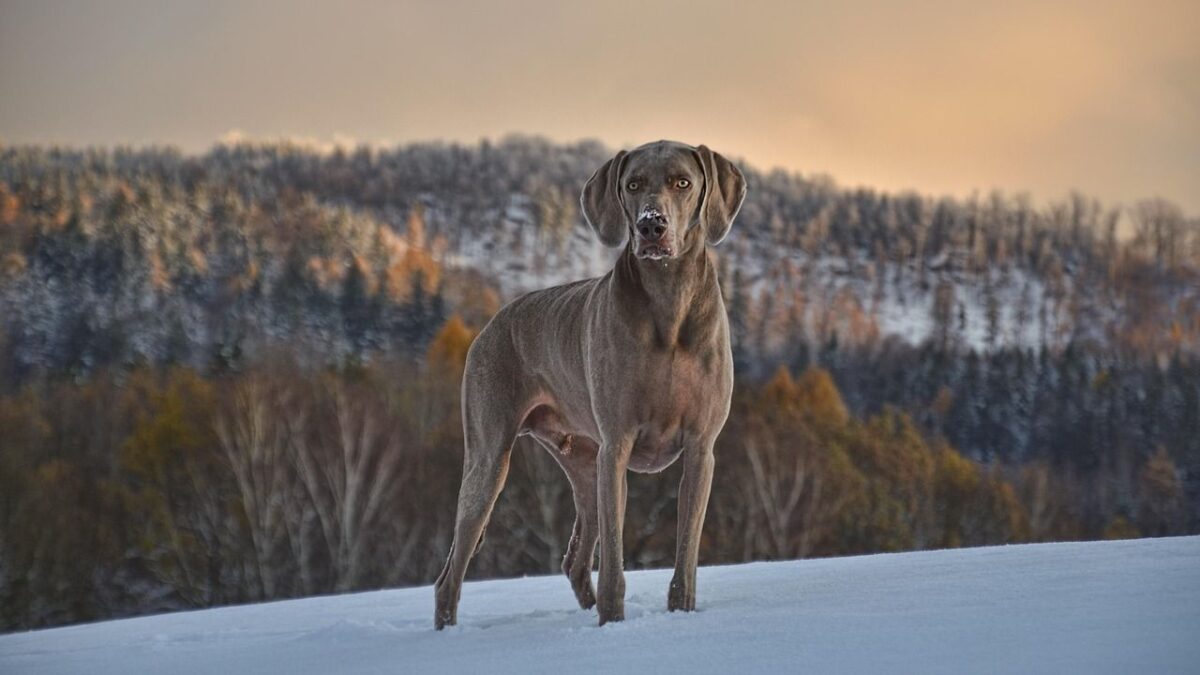
#6 Weimaraner

The Weimaraner is often called the “Grey Ghost,” and not just for their silver coat. They attach to their people at a profound level, tracking your moods, mirroring your energy, and investing heavily in the emotional fabric of your relationship. That depth of connection is the thing that makes a misstep sting so much.
Weimaraners are sensitive and emotionally intelligent, and they bond hard with their humans. If they feel slighted, especially if you leave them alone for too long, they’ll take it personally. Instead of exploding, they’ll withdraw, act a little stubborn, or even passive-aggressively misbehave. More serious incidents, like punishment, can affect dogs for days or weeks. In cases of trauma or repeated negative experiences, fear-based associations may last months or even years. With a Weimaraner, that timeline hits hard.
#7 Chihuahua
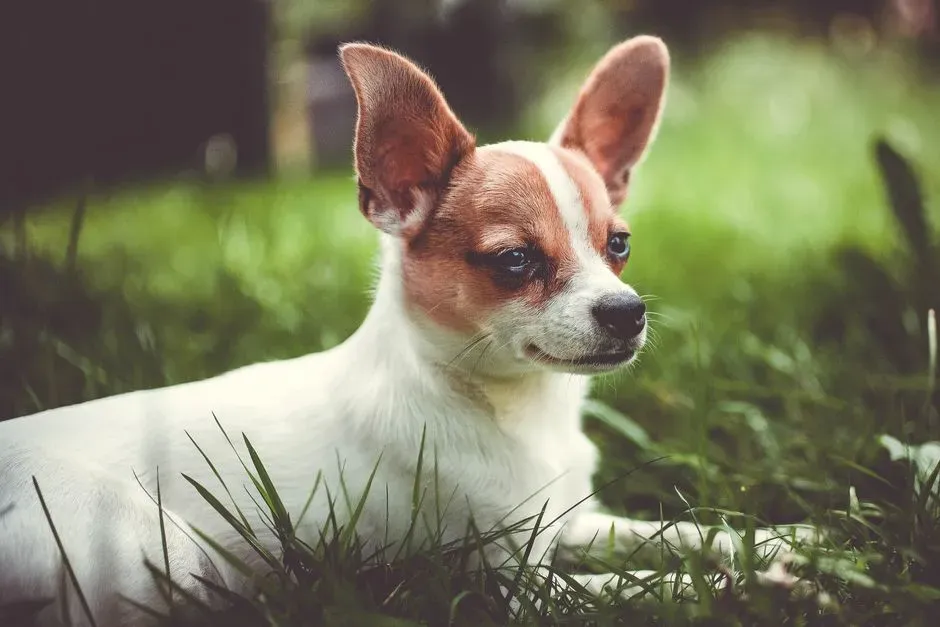
Don’t let the size fool you. The Chihuahua carries more emotional intensity per pound than almost any other breed. They form fierce, singular bonds and expect that devotion to be treated with care. Cross one and you’ll discover that small dogs are entirely capable of delivering large-scale emotional responses.
Tiny body, big feelings. Chihuahuas may not look intimidating, but emotionally, they’re full-blown grudge-holders. Because of their sensitive nature, early socialization and consistent positive reinforcement are even more crucial for toy breeds. They thrive on predictable routines, gentle handling, and abundant affection, which builds their confidence and ensures they grow into well-adjusted, loving companions. Skip the routine, raise your voice once too often, or show them inconsistency, and the trust they built can fracture quickly.
#8 Chinese Shar-Pei
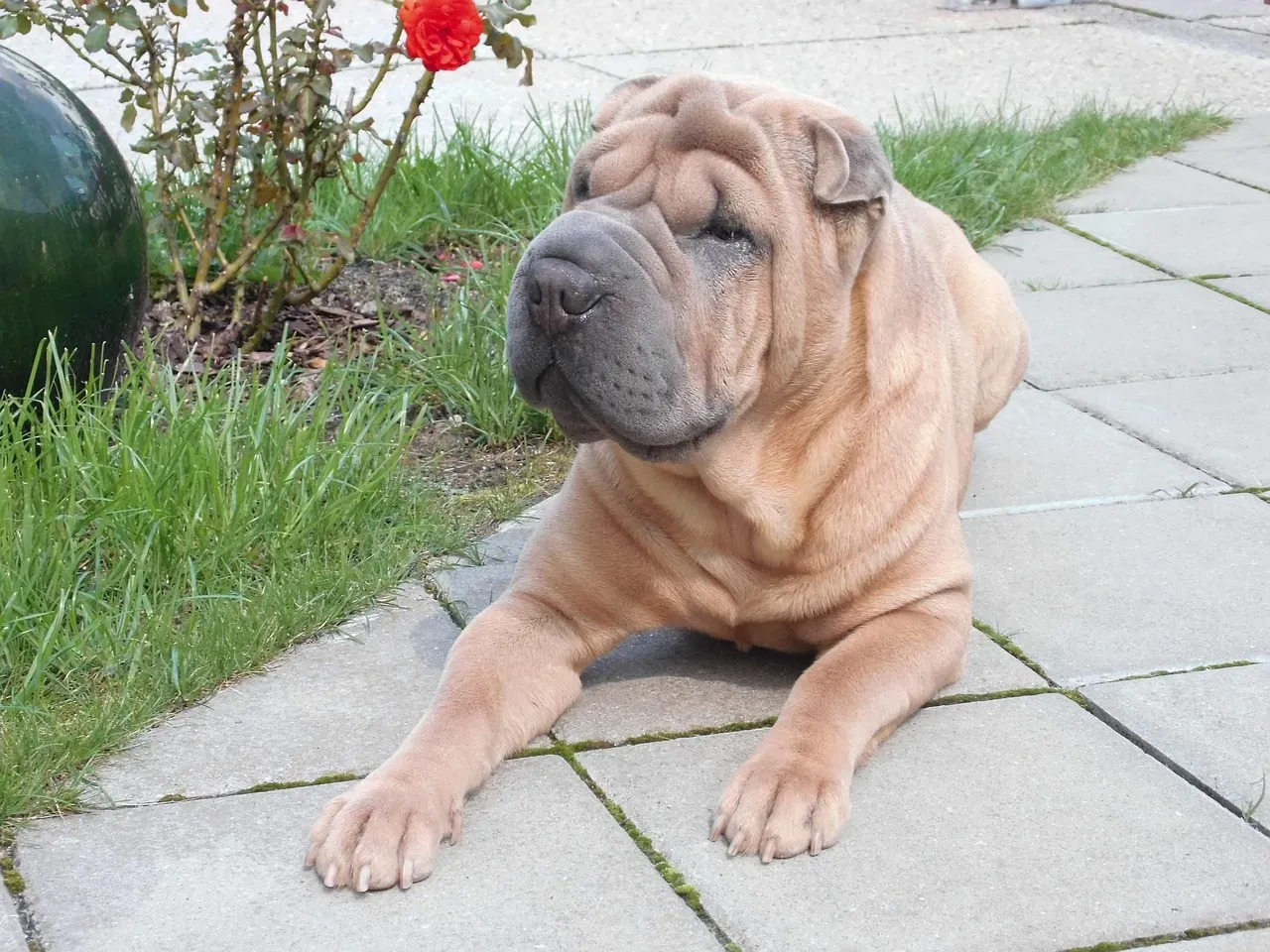
The Shar-Pei presents a fascinating contradiction. That permanently wrinkled, seemingly stoic expression masks a dog that is deeply emotionally perceptive and quietly tuned in to its people. Despite a serious expression, the Shar-Pei senses emotions with precision. Anxiety brings quiet support and laughter softens their posture. They don’t exaggerate reactions but reflect moods subtly, making their emotional intelligence both attentive and reserved.
Avoid harsh corrections, as Shar-Peis respond best to trust-based leadership. When that trust is broken, they tend not to announce it loudly. They simply withdraw into a watchful distance, becoming less cooperative, less engaged, and noticeably cooler. The Chinese Shar-Pei is an ancient and deeply loyal breed known for its intelligence, independence, and protective nature, pairing mental agility with emotional intelligence. That intelligence means they’ll remember exactly when and how things went sideways.
#9 Pekingese
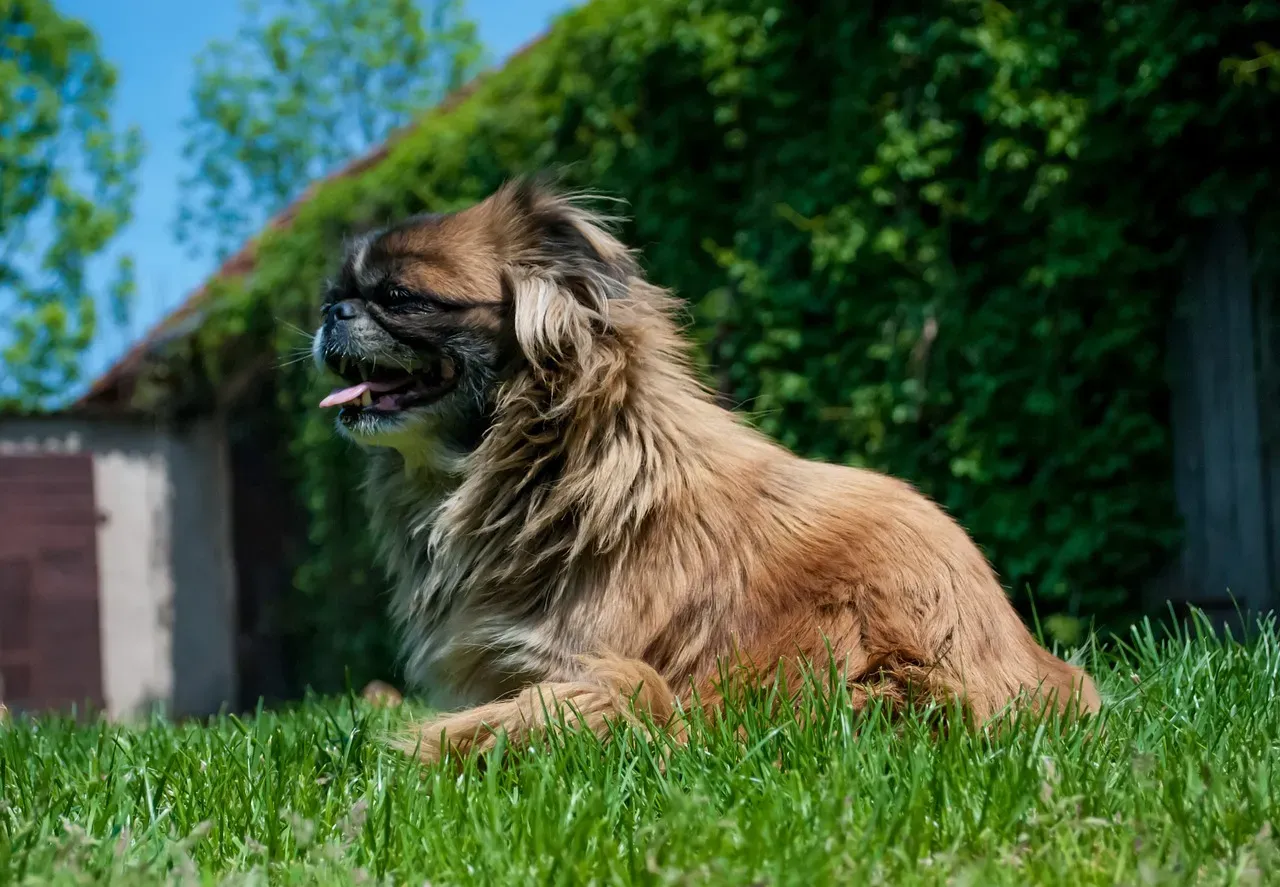
The Pekingese spent centuries as imperial companions in the palaces of ancient China, and the breed’s personality hasn’t exactly moved on from that. They carry themselves with genuine regal confidence, expecting a level of care and respect that most other breeds would never demand. They’re not aloof. They’re discerning.
With a long history of palace life in ancient China, Pekingese dogs expect a certain level of reverence. If you scold them harshly, skip their usual cuddle time, or forget their routine, they’ll absolutely act like you’ve committed treason. Pekingese hold grudges like tiny royalty: they won’t snap, but they will withhold affection until you’ve grovelled enough. There’s something almost theatrical about it, but it’s entirely genuine. Respect is the foundation with this breed, and without it, the relationship stalls.
#10 Cocker Spaniel
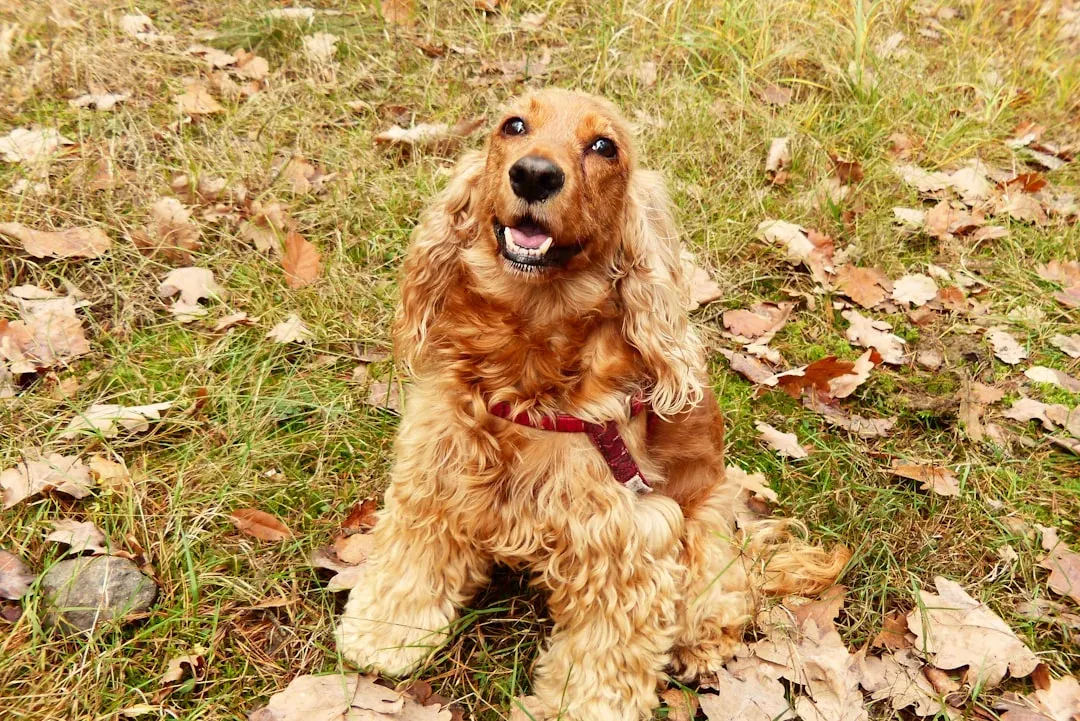
Cocker Spaniels are often assumed to be endlessly forgiving, sweet-natured dogs, and they are, until you push past their emotional threshold. Their sensitivity runs deep, and it works in both directions. The same attunement that makes them wonderful therapy dogs and devoted family companions makes them acutely aware of harsh tones and inconsistent treatment.
Despite being fast learners, don’t get on the wrong side of a Cocker Spaniel. This breed is rather sensitive, so harsh forms of training or speaking with a loud voice will cause them to retreat rather than learn. If you raise your voice once or twice, they’ll remember, and it will take some time for them to come around. A harsh reprimand following unwanted behavior might not just teach them to avoid that behavior; it can foster fear or anxiety associated with that action, creating a negative cycle. With a Cocker, the door back to warmth is always open. It just requires gentleness to reopen it.
What All of This Actually Means
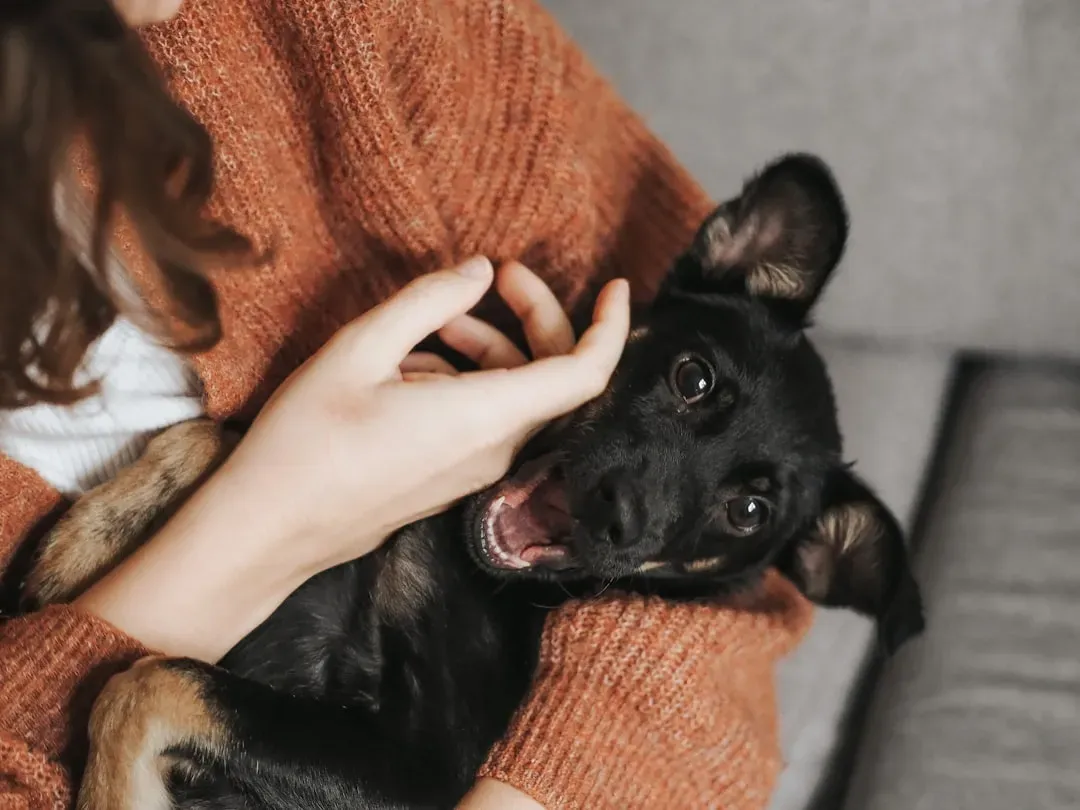
None of these breeds are broken, difficult, or unworthy of love. If anything, their sensitivity is part of what makes them remarkable companions. The behavior that makes many people assume their dog is holding a grudge is more likely their response to a negative association. The dog isn’t thinking back on the specific thing that made them upset, they’re getting bad vibes from an associative memory. They more than likely don’t remember why they feel the way they do, but that doesn’t make the emotion any less influential.
Dogs don’t hold grudges in the way people do. They’re not trying to punish you or get revenge, but dogs can form negative associations and may seem upset as they try to cope with those feelings. Dogs are generally very forgiving and adaptable, and your kindness and consistency will help them recover. The key insight is this: the breeds that seem hardest to forgive are also the ones that care the most. Their emotional withdrawal isn’t spite. It’s the language of a deeply bonded animal trying to make sense of a world that suddenly felt unsafe.
Treat them with patience, consistency, and respect, and they’ll give you back something most people never fully expect: a loyalty so complete it feels personal. Which, for these breeds, it always has been.

- The Most Suitable Small Pet For You According to Your Zodiac Sign - July 15, 2026
- How to Develop Trust and Strengthen Your Bond With Your Horse - July 15, 2026
- How Dogs Can Help Veterans Heal from Trauma - July 15, 2026