
Have you ever imagined what it would be like to witness five centuries pass by? To see empires rise and fall, oceans warm and cool, entire human generations come and go while you simply keep existing? While that might sound like something from science fiction, it’s everyday reality for certain creatures roaming our planet right now. Some animals don’t just beat the odds of aging. They shatter them completely.
The natural world contains living beings that have been around longer than your grandparents, longer than Shakespeare’s plays, even longer than some of the oldest trees in ancient forests. These remarkable survivors aren’t just lucky. Their bodies possess biological mechanisms that scientists are only beginning to unravel, mechanisms that could fundamentally change how we think about aging, disease, and the very limits of life itself. Let’s dive into this extraordinary world.
The Greenland Shark: Swimming Through Four Centuries
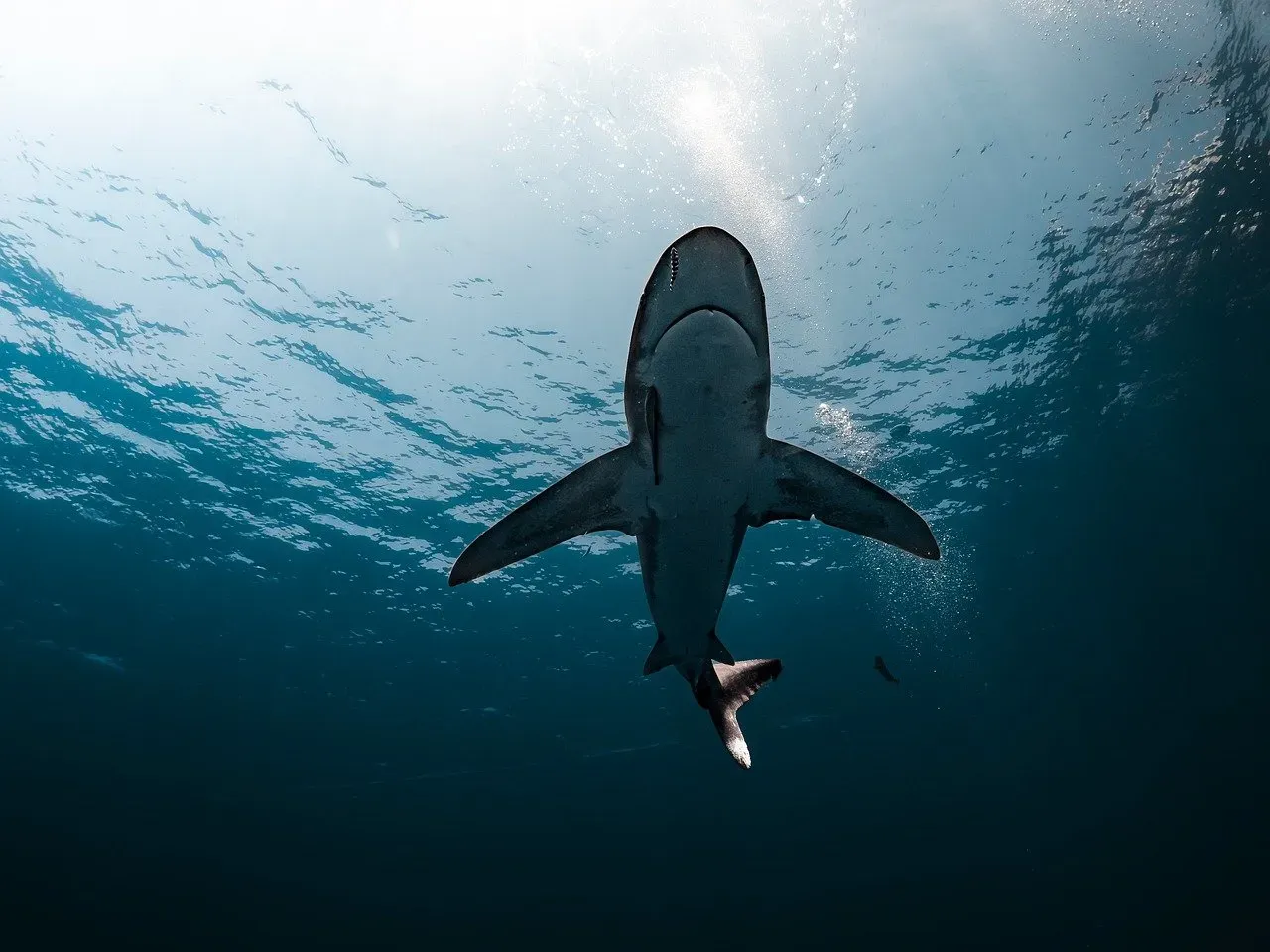
Greenland sharks are the longest-living vertebrates in the world, with the oldest known individuals recorded by scientists being about 400 years old, though with the large margin of error, it’s possible that they could live for more than 500 years. Think about that for a moment. When a Greenland shark alive today was born, Leonardo painted the Mona Lisa, and the species is the longest-lived vertebrate on the planet, living centuries in deep icy waters.
Researchers think that living in such cold waters of the North Atlantic and Arctic Oceans probably helps slow down the metabolic processes and biochemical activity of these sharks, extending their lifespans. These massive fish grow at a glacial pace, adding roughly a centimeter per year to their length. Female Greenland sharks aren’t ready to breed until they are 156 years old. Imagine waiting over a century and a half just to start reproducing.
Recent genetic research has revealed something fascinating. Copies of specific genes involved in DNA repair are significantly increased in Greenland sharks compared to other, shorter-lived shark species, and since immune responses, inflammation and tumor formation significantly affect aging and lifespan, the increase in genes involved in NF-κB signaling might be related to the Greenland shark’s longevity. Surprisingly, researchers found no significant variation in muscle metabolic activity across different ages, suggesting that their metabolism does not appear to decrease over time and may play a key role in their longevity, which is quite different to most animals which tend to show some variation in their metabolic enzyme activity as they age.
Bowhead Whales: Giants With DNA Repair Superpowers
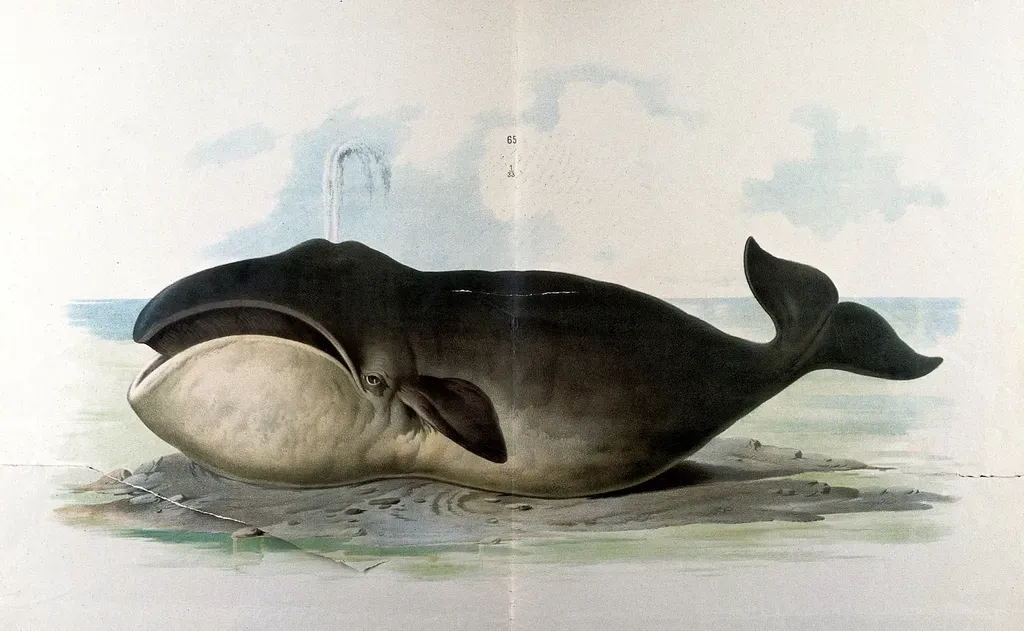
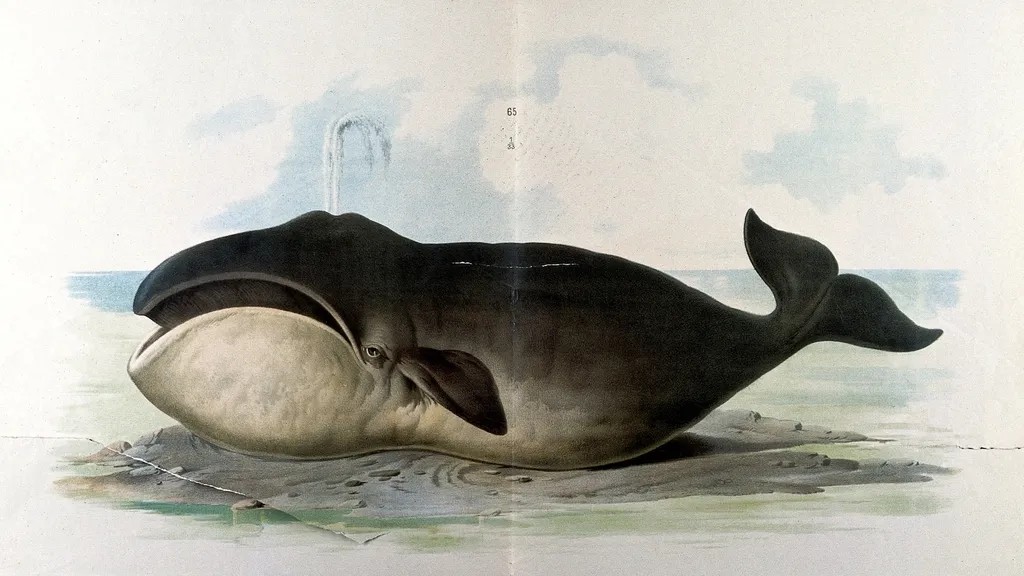
Bowhead whales are the longest-living mammals, and the bowhead whale inhabits frigid arctic waters and lives over 200 years. Some individuals have been found with 19th-century harpoons embedded in their bodies, showing just how long they’ve been around. These living time capsules swim through Arctic waters carrying physical proof of their incredible age.
What makes bowhead whales so special? Bowhead whale cells exhibited enhanced DNA double-strand break repair capacity and fidelity, and lower mutation rates than cells of other mammals, and researchers found the cold-inducible RNA-binding protein CIRBP to be highly expressed in bowhead fibroblasts and tissues. Bowhead whale CIRBP enhanced both non-homologous end joining and homologous recombination repair in human cells, reduced micronuclei formation, promoted DNA end protection, and stimulated end joining in vitro, and CIRBP overexpression in Drosophila extended lifespan and improved resistance to irradiation.
CIRBP stood out because it was present at 100-fold higher levels in bowhead whales. This protein doesn’t just exist passively in their cells. It actively repairs damage that would normally accumulate and cause disease. Rather than relying on additional tumour suppressor genes to prevent oncogenesis, the bowhead whale maintains genome integrity through enhanced DNA repair, and this strategy, which does not eliminate damaged cells but faithfully repairs them, may be contributing to the exceptional longevity and low cancer incidence in the bowhead whale.
Ocean Quahog Clams: The 500-Year Filter Feeders
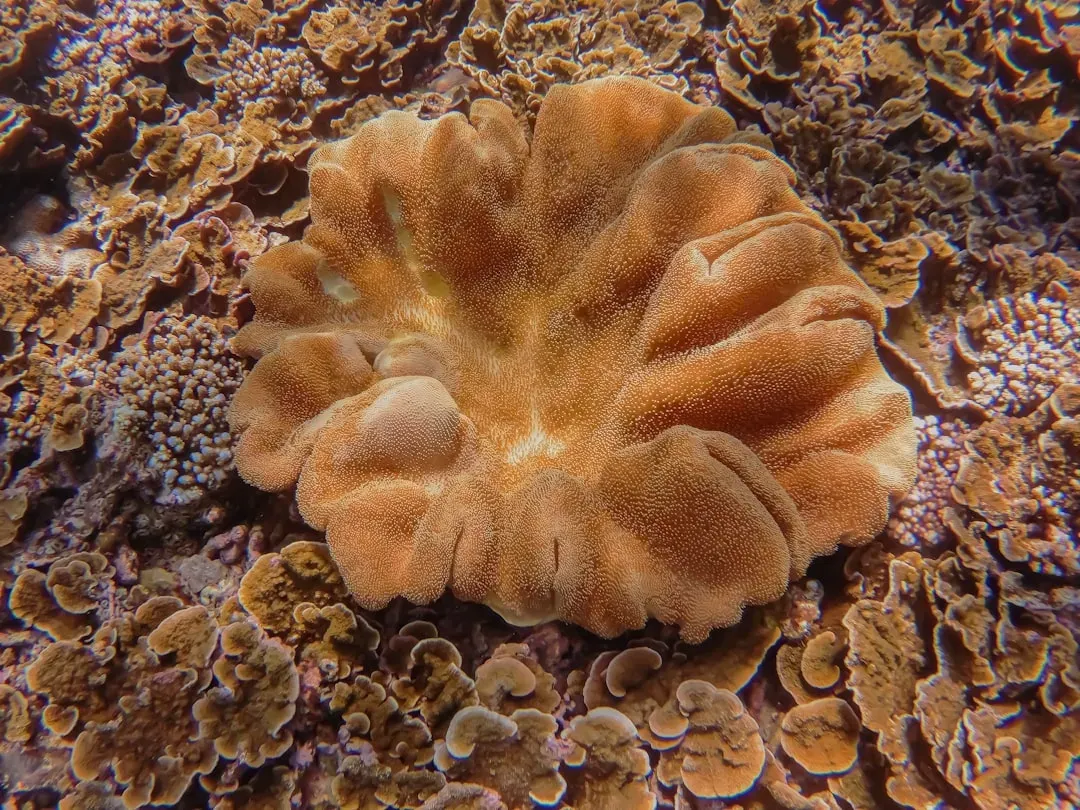
Here’s something that might blow your mind. One specimen called Ming was estimated to live up to 507 years in the wild. Ming the clam had a reported age of 507 years, making it the longest lived non-colonial metazoan species with an authenticated lifespan. That clam was born during the Ming Dynasty in China, which is how it got its nickname.
These unassuming mollusks sit on the ocean floor doing very little, which turns out to be their secret weapon. Clams like the ocean quahog live so long because they do so little, and as filter feeders, they spend their days passively ingesting sea water and filtering out nutrients. In animals aged 4-192 years, antioxidant enzymes declined rapidly in the first 25 years, which includes the growth and sexual maturity stages, but afterwards remained stable for over 150 years, and the level of oxidatively damaged proteins in the heart does not change significantly up to 120 years of age.
The ocean quahog clam has very high proteome stability, especially in comparison to short-lived mammals, and it was demonstrated these animals had no increase in global proteome unfolding in response to several stressors. Their proteins simply don’t fall apart the way ours do. Scientists can determine their age by counting growth rings on their shells, similar to counting tree rings. Each ring represents another year of quiet survival on the cold ocean floor.
Glass Sponges: Ancient Architects of the Deep
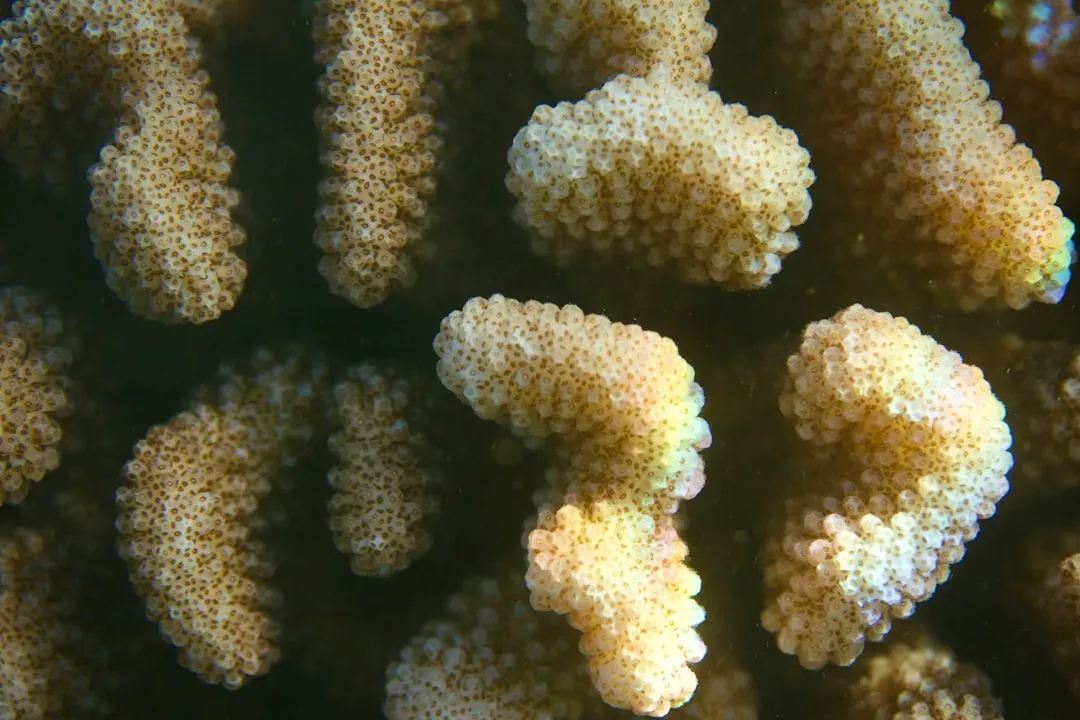
If you think a 500-year-old clam is impressive, glass sponges will absolutely astound you. Glass sponges found in the East China Sea and Southern Ocean have been estimated to be more than 10,000 years old, and although this may be an overestimate, this is likely the longest lived animal on Earth. Ten thousand years. That means some glass sponges alive today started their lives before humans invented agriculture or built the first cities.
Glass sponges, one type of sponge known for their large, complex, glass-like skeletons, spend their lives attached to hard surfaces, filtering water to consume bacteria and plankton, and their body structure provides a habitat for other animal species, like small crustaceans. These organisms construct delicate skeletal structures made of pure silica. They’re not just surviving at extreme ages. They’re building elaborate homes for other sea creatures while doing it.
The cold, stable environment of the deep ocean seems to be crucial. The Antarctic sponge Cinachyra antarctica has an extremely slow growth rate in the low temperatures of the Southern Ocean. Living in such extreme conditions means their biological processes run in ultra-slow motion, allowing them to persist for millennia. Honestly, it’s hard to wrap your head around the fact that something alive today remembers the Ice Age.
Naked Mole Rats: The Wrinkly Rodents That Never Get Cancer
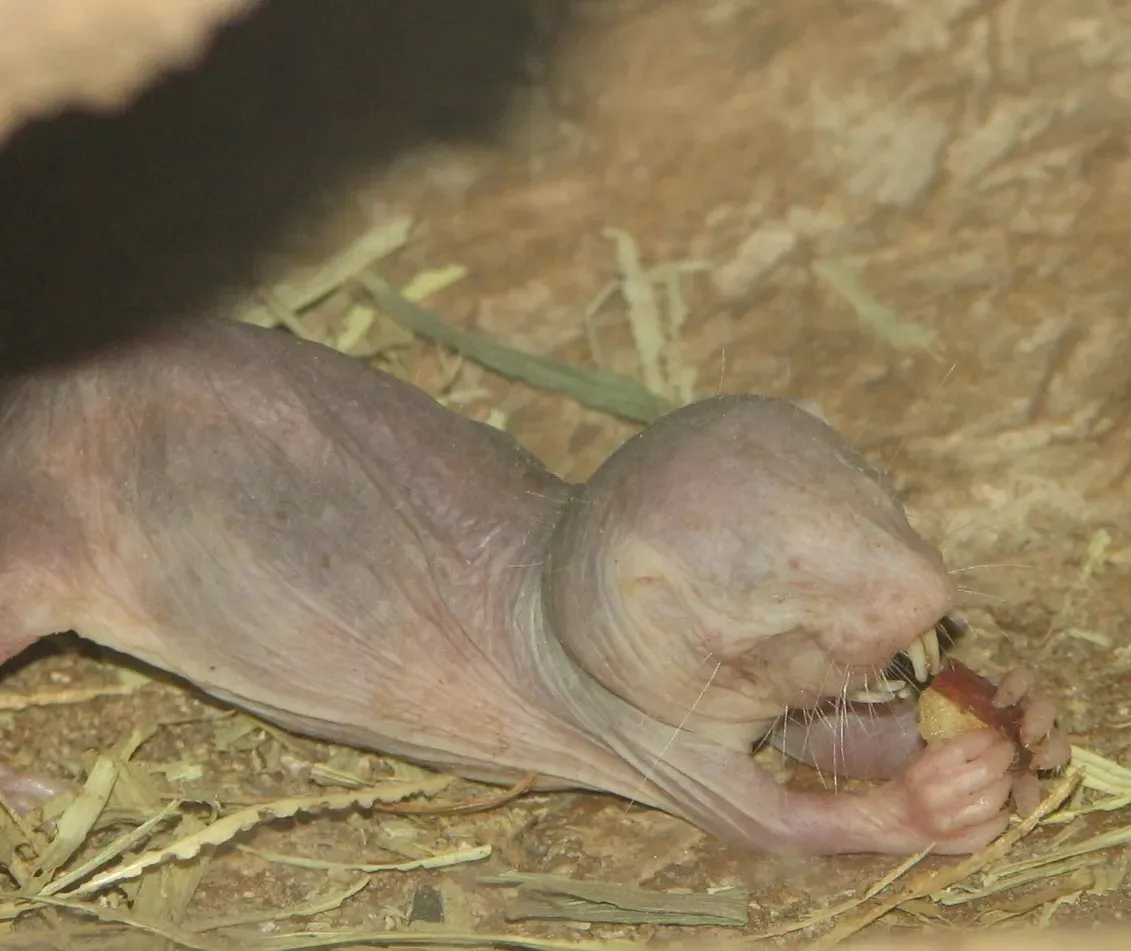
Let’s be real, naked mole rats aren’t winning any beauty contests. The naked mole rat’s 30-year average lifespan might not sound impressive, but the homely rodents live more than 10 times longer than any other rodent species, and for comparison, mice typically live just two or three years, while the oldest documented naked mole rat was 37. But their appearance isn’t what makes them fascinating. It’s what they don’t do that’s remarkable.
They almost never get cancer, which is the leading age-related cause of death in animals. They can live for up to 37 years and are highly cancer resistant, with only a few cases ever observed in captive animals, and naked mole-rats can live for an incredibly long time and have an exceptional resistance to cancer thanks to unique conditions in their bodies that stop cancer cells multiplying.
Recent research discovered their secret weapon. HMW-HA is one mechanism responsible for naked mole rats’ unusual resistance to cancer, and compared to mice and humans, naked mole rats have about ten times more HMW-HA in their bodies. This high molecular weight hyaluronic acid creates a kind of cellular defense system. Mice that had the naked mole rat version of the gene had better protection against both spontaneous tumors and chemically induced skin cancer, had improved overall health and lived longer compared to regular mice, and as the mice with the naked mole rat version of the gene aged, they had less inflammation in different parts of their bodies – inflammation being a hallmark of aging – and maintained a healthier gut.
Tortoises: The Slow and Steady Winners
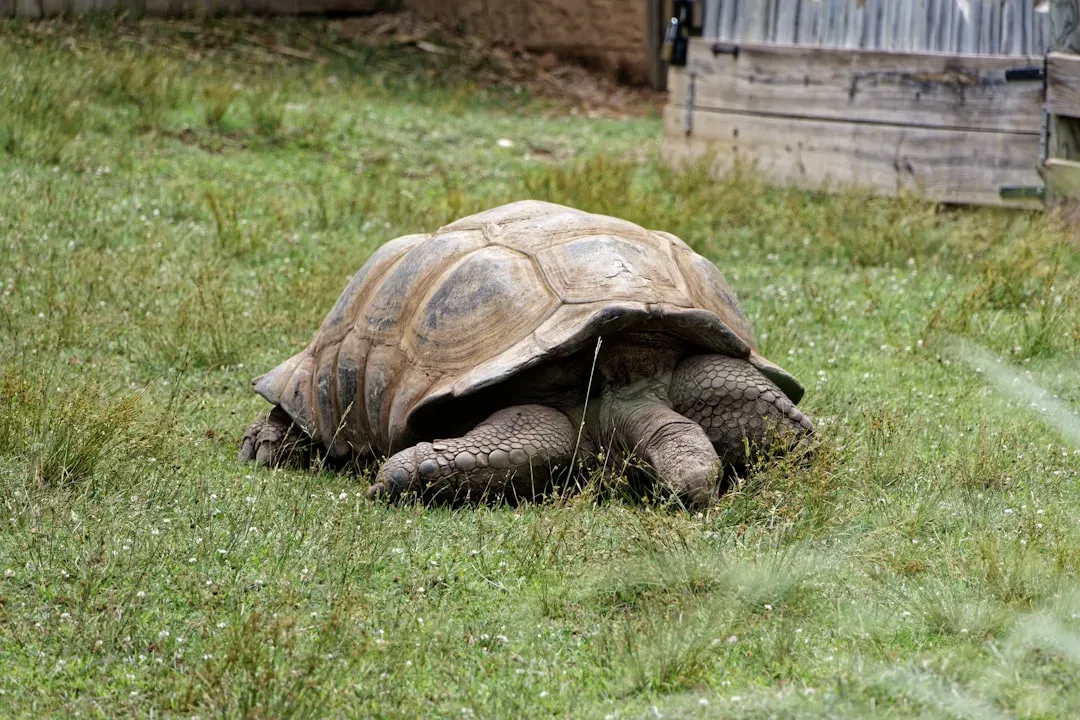
There’s a reason the old fable about the tortoise and the hare celebrates slow and steady. Giant tortoises embody that philosophy literally. Jonathan, a Seychelles giant tortoise living on the island of Saint Helena, is reported to be at least 193 years old, hence the oldest currently living terrestrial animal. Some individual Aldabra giant tortoises may have lived even longer in the past.
Giant tortoises have a slow pace of life, munching on grass and other vegetation, basking in the sun and resting for up to 16 hours a day. Their metabolic rates are incredibly low compared to mammals. They take their time with everything, growing slowly, moving slowly, even reproducing slowly. This relaxed approach to existence seems to pay enormous dividends in the longevity department.
The isolation of many tortoise populations on remote islands has also played a role. Without major predators and with stable food sources, these gentle giants have evolved to maximize lifespan rather than reproductive speed. They’re living proof that sometimes the best strategy for a long life is simply to slow down and not stress about much.
What Scientists Are Learning: The DNA Repair Revolution
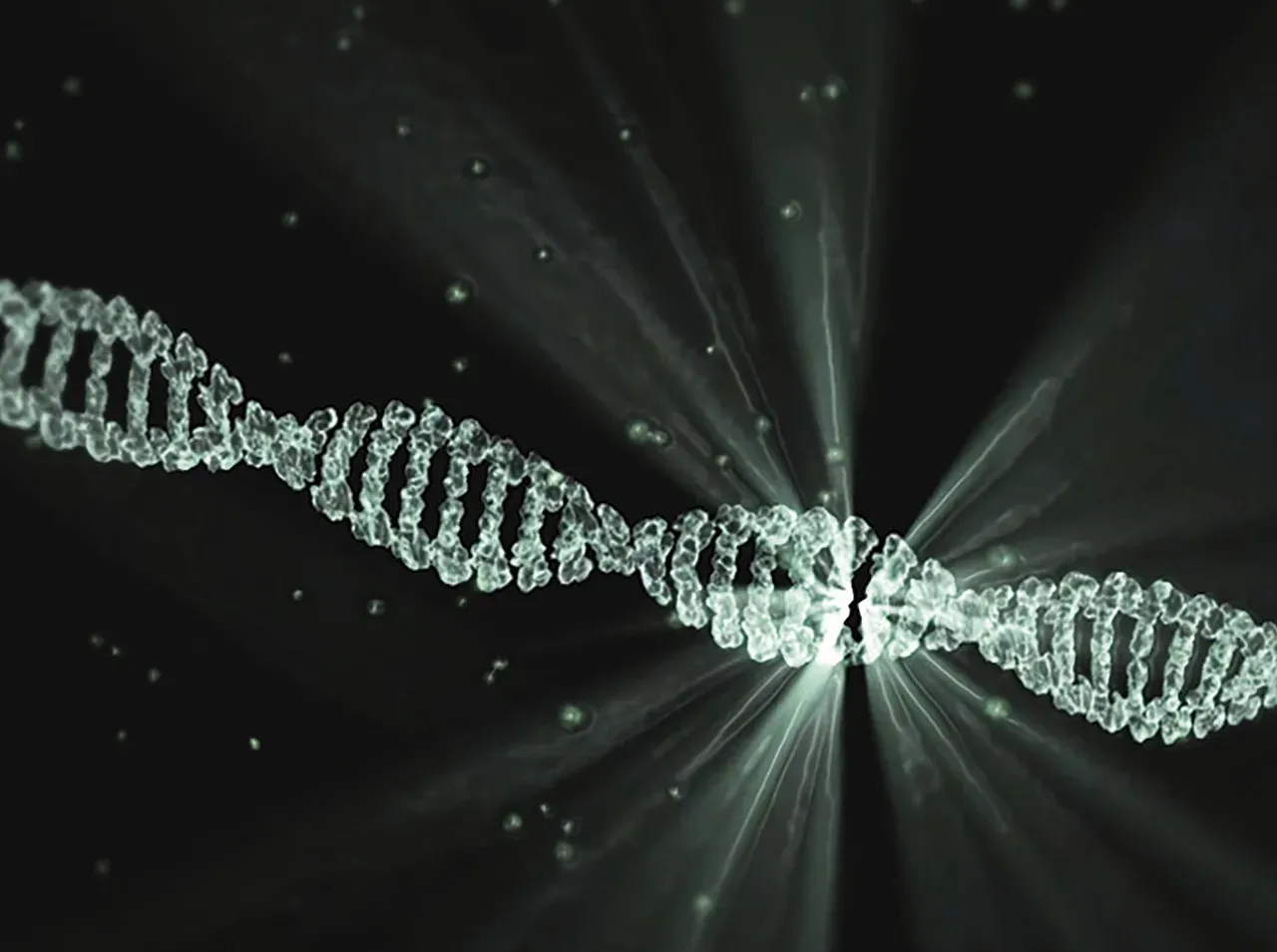
Here’s the thing that ties many of these creatures together. Nearly all of them have evolved exceptional DNA repair mechanisms. Every day, our cells accumulate damage from normal metabolic processes, environmental toxins, and simple copying errors when DNA replicates. Most animals, including humans, struggle to keep up with this damage as they age. The long-lived species we’ve explored don’t.
Genes specifically duplicated in the Greenland shark form a functionally connected network enriched for DNA repair function, and researchers identified a unique insertion in the conserved C-terminal region of the key tumor suppressor p53. Two specific gene mutations linked to the bowhead whale’s ability to live longer are the ERCC1 gene and the proliferating cell nuclear antigen (PCNA) gene, ERCC1 is linked to DNA repair and increased cancer resistance, and these mutations enable bowhead whales to better repair DNA damage, allowing for greater resistance to cancer.
The goal of human longevity research isn’t to make people live longer, the goal is to keep people healthier for longer, and human longevity research mainly aims to improve people’s healthspans, the length of time someone spends in good health throughout their life. Understanding how bowhead whales, Greenland sharks, and naked mole rats maintain their DNA could eventually lead to therapies that help us do the same.
The Future: Can We Apply These Lessons to Humans?
Let’s get one thing straight. We’re not going to live for 400 years like a Greenland shark anytime soon. The biology is far too different, and evolution has taken millions of years to craft these longevity mechanisms. Still, the insights gained from studying these animals are already reshaping aging research.
The keys to a Greenland shark’s long life can help scientists understand longevity in other animals and could be beneficial to humans, too, though it isn’t going to help us live for centuries because sharks are too distant from humans and our systems are too different to make direct comparisons, but the shark’s genome adds to other genomic data of long-lived animals. By comparing multiple long-lived species, researchers can identify common patterns and mechanisms that might be more universally applicable.
The findings open new possibilities for exploring how HMW-HA could also be used to improve lifespan and reduce inflammation-related diseases in humans, and it took researchers 10 years from the discovery of HMW-HA in the naked mole rat to showing that HMW-HA improves health in mice. This kind of research moves slowly but deliberately. Every discovery brings us one step closer to interventions that could extend not just lifespan but healthspan, keeping us healthy and active for more of our lives.
The race to understand these biological marvels isn’t just academic curiosity. It represents a fundamental shift in how we approach aging itself, not as an inevitable decline but as a biological process that can be understood, influenced, and perhaps even partially controlled. What do you think about it? Would you want to live for centuries if it meant staying healthy? Tell us in the comments.

- Why Wolves Were Reintroduced to Yellowstone - July 15, 2026
- The Resurgence of America’s Wild Horses: A Symbol of Freedom and Hope - July 15, 2026
- 10 Cat Breeds That Tolerate Dogs Surprisingly Well - July 15, 2026