
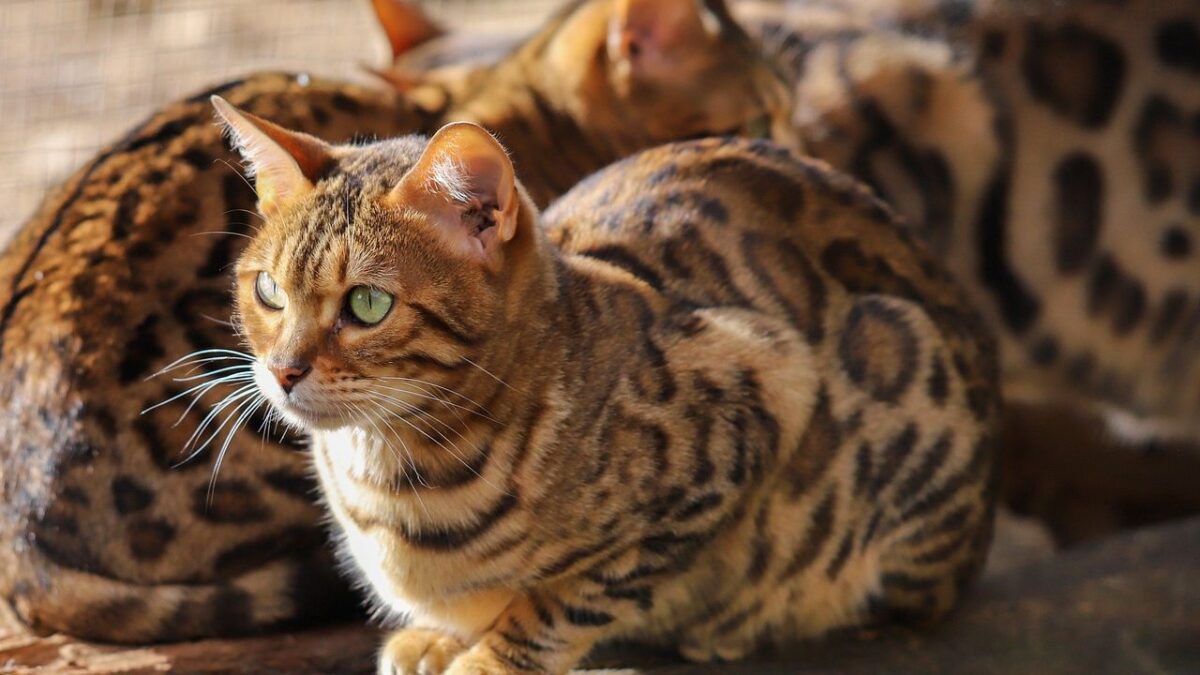
There’s something uniquely magical about bringing a cat into your home. The purring, the playful antics, those moments when they curl up in your lap. Yet, behind the scenes at veterinary clinics across the country, certain breeds keep showing up with the same heartbreaking patterns. Vets see things most pet owners don’t expect when they fall in love with that adorable kitten photo online.
Let’s be real, nobody wants to talk about this. The cat fancy world celebrates unique appearances and distinctive traits, but what happens when those very features become a lifetime of medical bills and discomfort? Here’s the thing. Some breeds look absolutely stunning yet carry genetic baggage that veterinarians wish more people understood before making that commitment.
Persian: The Flat-Faced Beauty With Breathing Blues
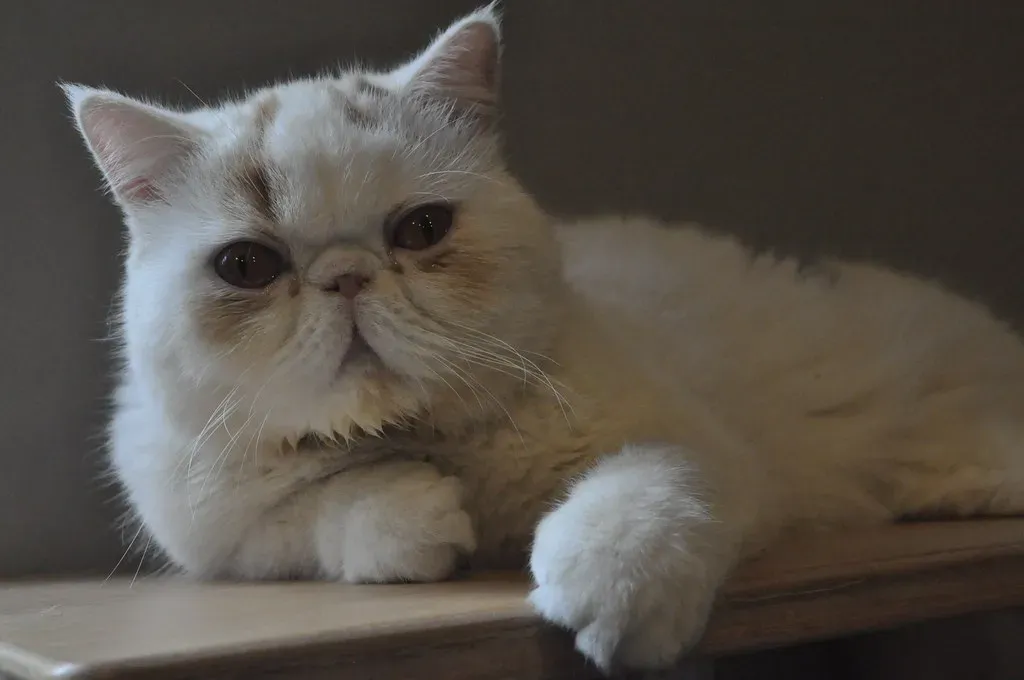
Those adorable pushed-in faces come at a steep price: Persians usually have small nostrils and a soft palate which is too long, leading to severe breathing problems. Picture trying to breathe through a coffee stirrer all day. That’s essentially what life feels like for many Persians.
Of all the cat breeds in the world, Persians have the highest incidence of PKD, which affects about one in every three Persians. This polycystic kidney disease creates fluid-filled cysts that multiply over time, eventually causing kidney failure. It’s not a matter of if, but when complications arise.
Their gorgeous long coats hide another problem most owners don’t anticipate. The abnormalities of the skull mean that not only is the nose extremely short, but the jaws and teeth are also affected, so they cannot bite and chew properly, leading to dental disease and potential problems with eating, drinking and grooming.
Honestly, watching a Persian struggle through daily activities that should be effortless breaks my heart every time. Persian cats may be at an increased risk of dental disease due to their flat face, which can cause their teeth to be overcrowded. Their eyes constantly weep, leaving stains that need daily cleaning.
The harsh reality? Brachycephalic obstructive airway syndrome is common in these cats, where affected cats have difficulty breathing due to a very narrow external opening of the nose, narrow nasal passages or nasopharynx, and in some cases the breathing difficulties can be severe.
Scottish Fold: Adorable Ears Hiding Painful Truth
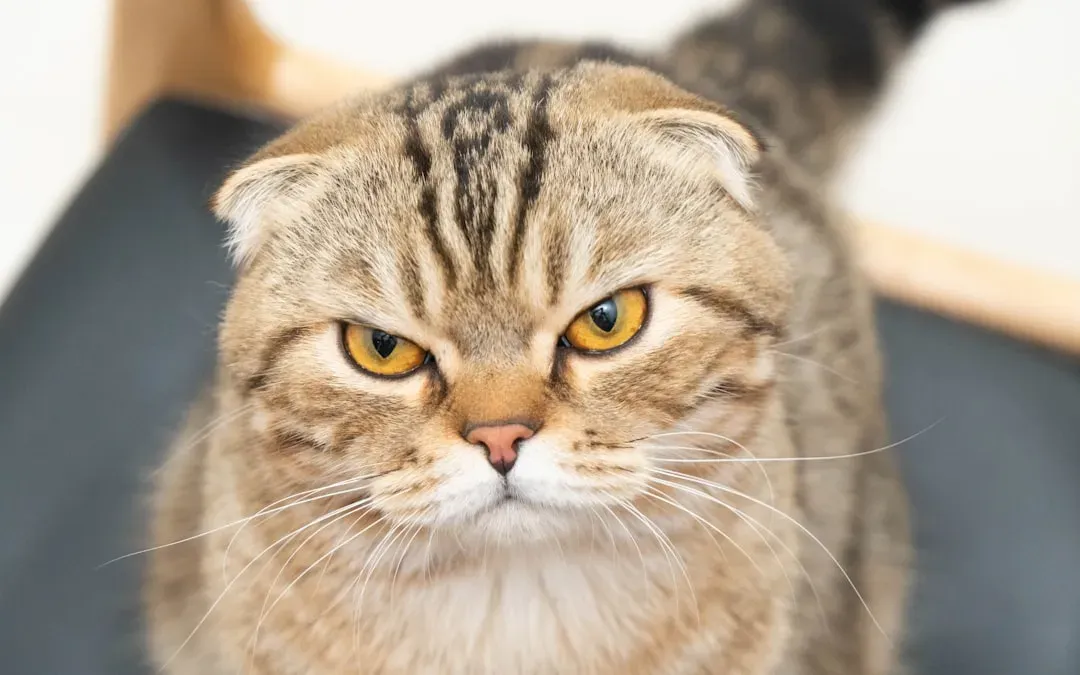
Those folded ears that make them look like little owls? The disease causes crippling, lameness and serious chronic pain, and there is no cure. Every single Scottish Fold carries this burden.
All Scottish Fold cats are affected by osteochondrodysplasia, a developmental abnormality that affects cartilage and bone development throughout the body, and the breed can develop severe painful degenerative joint diseases at an early age. It’s not just about cute ears – it’s about malformed bones throughout their entire skeleton.
The genetic mutation responsible for those trademark folded ears doesn’t stop there. Its effects in other parts of the body, especially the limb bones, are much more serious, causing severe distortion of limb bone shapes and severe arthritis, and the disease can be apparent in animals as young as 7 weeks.
What makes this particularly devastating is that there’s no way to breed this problem out. All folded-eared cats develop osteochondrodysplasia to some extent. Some countries have actually banned breeding Scottish Folds entirely because of welfare concerns.
Veterinarians watch these cats struggle with mobility, see them avoid jumping or playing because it hurts too much. The welfare impacts can be severe in terms of pain and inability to perform natural behaviours, as these cats can be lame, walk with an abnormal gait, can be reluctant to engage in normal movements such as walking or jumping, and can even become completely crippled.
Munchkin: Short Legs, Big Problems
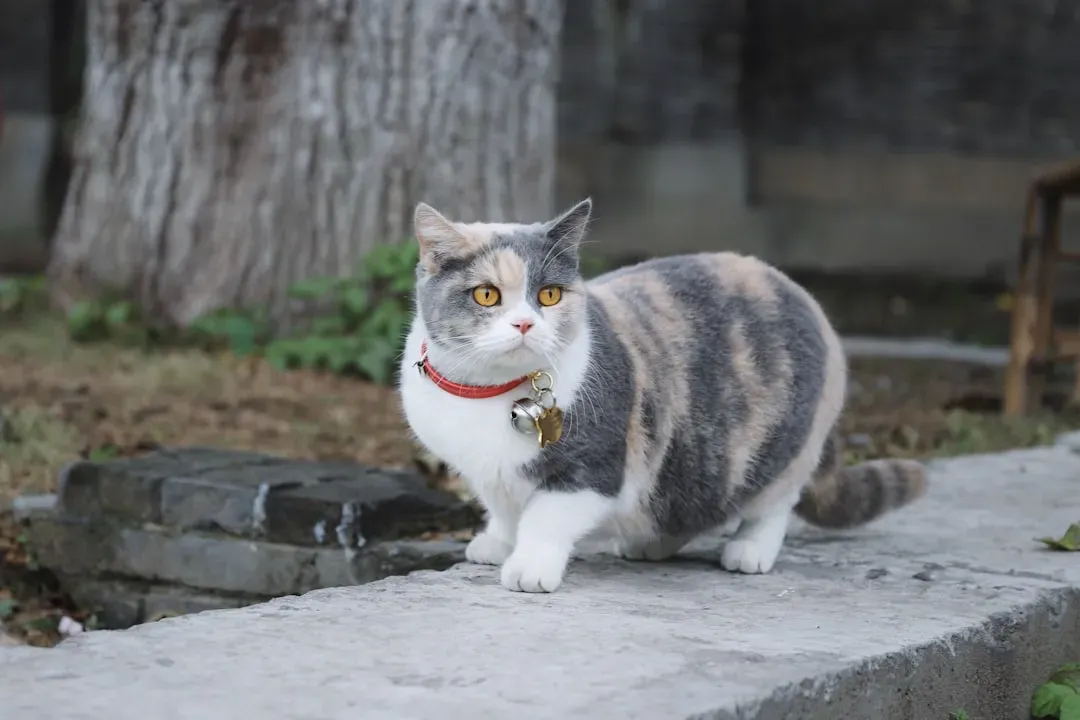
The internet loves these little sausage cats with their stubby legs. Munchkin cats are known to be at a higher risk than other feline breeds for severe osteoarthritis because the shorter limbs affect their activity levels and behavior. Their bodies simply aren’t designed to carry weight on such abbreviated limbs.
Lordosis refers to a spine that curves inward to an unnatural degree, producing a characteristic swayback appearance, and some munchkin cats may develop chronic pain and vertebral problems. This spinal deformity can put pressure on vital organs.
Here’s what most people don’t realize when they see those cute videos: The gene that gives Munchkin cats their short legs is known as a lethal gene; if two Munchkins are bred with one another, they will produce non-viable offspring, which is a fancy way of saying that any kittens that two Munchkin cats produce won’t live.
Pectus excavatum makes the chest appear hollowed out, and this malformation can become a serious issue if it puts pressure on the heart, with cases that affect heart function possibly requiring surgical correction. Their altered anatomy creates cascading health complications.
Multiple cat registries refuse to recognize Munchkins as a legitimate breed. The Australian Capital Territory government considers the Munchkin breed to be malformed animals and the deliberate breeding of them unacceptable because of the genetic health problems associated with such breeding. That should tell you something.
Sphynx: High Maintenance Naked Reality
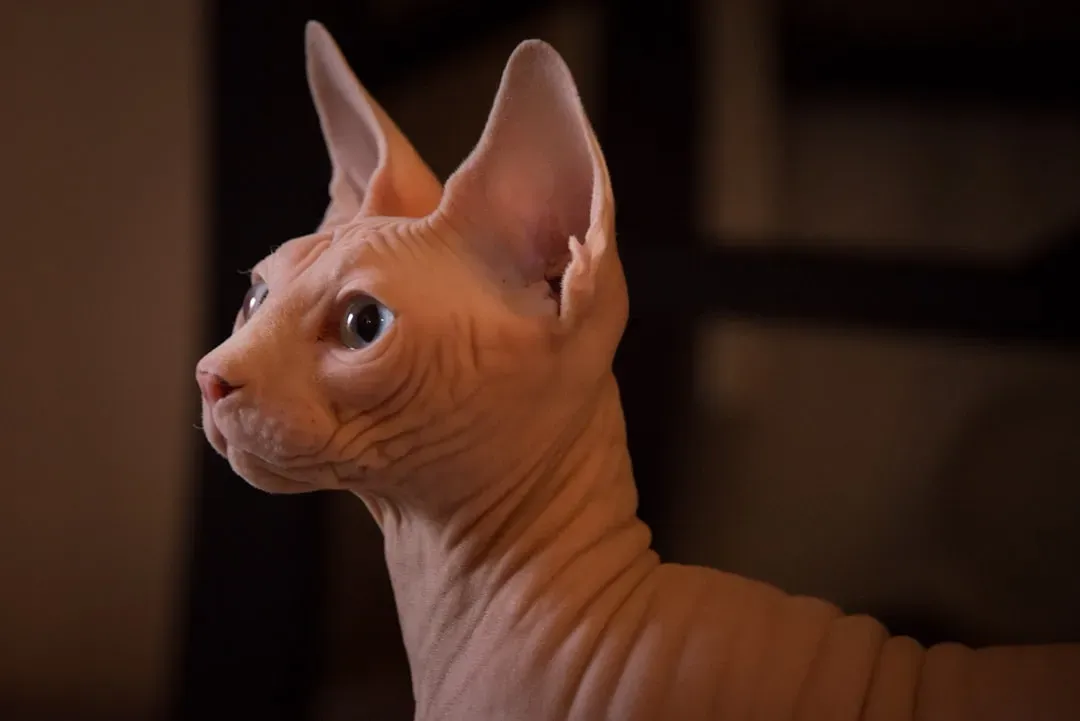
Those wrinkly hairless wonders require way more work than most people expect. Unlike furry felines, Sphynx cats lack fur, leaving their skin exposed, which can lead to issues like urticaria pigmentosa, a genetic condition causing red, itchy bumps on the skin.
Without a fur coat to absorb natural oils, Sphynx cats become greasy fast. Because Sphynx cats lack a thick coat, the oils have nowhere to go, causing an oily buildup on the skin which can make the cat feel greasy and may lead to skin disorders, requiring regular baths with a gentle shampoo and warm water.
Temperature regulation becomes a constant battle. Sphynx cats aren’t able to regulate their body temperature effectively, leading them to get chilly easily in cold weather, requiring sweaters, heated cat beds, and extra blankets to stay warm, while their lack of fur makes them unable to cool their bodies appropriately in hot weather.
Hypertrophic Cardiomyopathy is a thickening of the heart muscle, a common concern in Sphynx cats, and early detection is vital, with regular veterinary checkups and screening for HCM being essential. Heart disease lurks in this breed’s genetic background.
They’re also prone to sunburn, ear infections from wax buildup, and dental disease. In a JFMS study, Sphynx had the shortest life expectancy compared to all other breeds. That statistic alone should give prospective owners pause.
Exotic Shorthair: Persian Problems Without the Coat
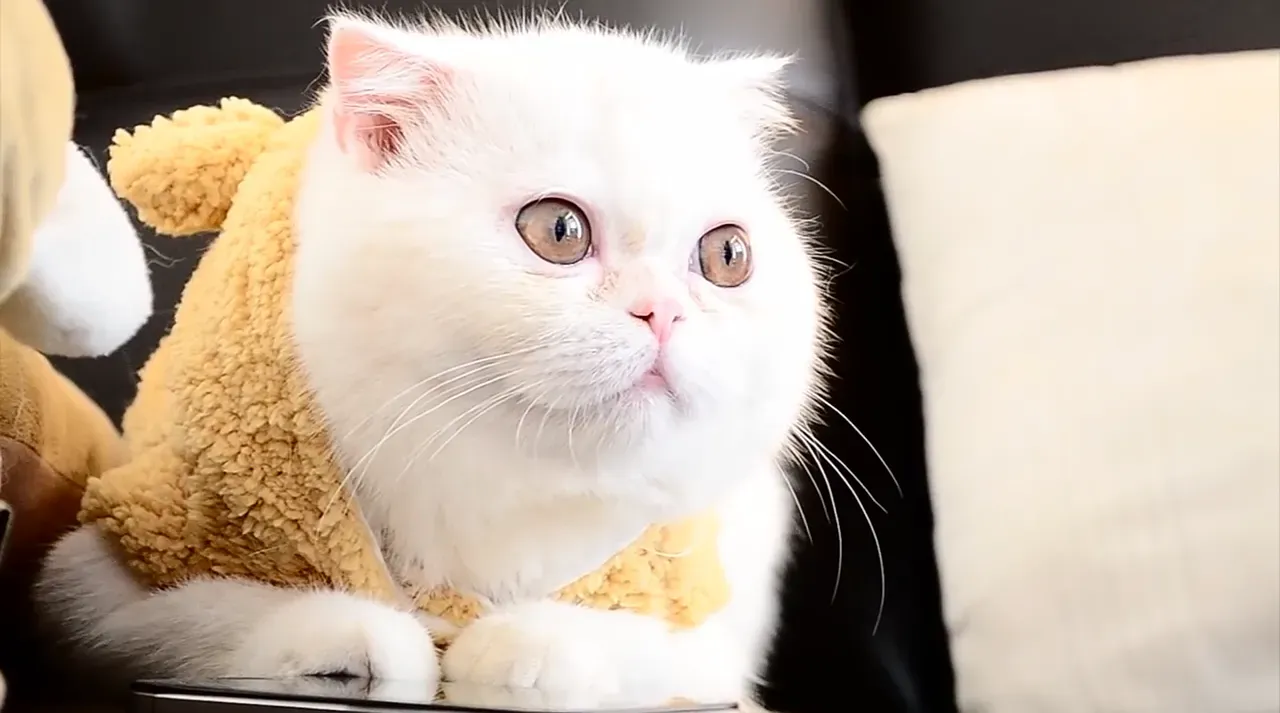
Think of these cats as Persians in disguise. These round-headed, snub-nosed, chubby-cheeked felines look a lot like their long-haired cousins, and they face many of the same issues as brachycephalics, including a predisposition for PKD, PRA, heart issues, and breathing problems as a result of the shape of their skulls.
Breeders essentially took all the health problems of Persians and packaged them into a short-haired version. Brachycephalic obstructive airway syndrome affects short-nosed breeds, such as pugs, bulldogs, and Persian cats, causing breathing difficulties, with affected pets having small nostrils, narrow airways, an elongated soft palate, and excess tissue crowding the throat.
The facial structure issues remain identical to Persians. Their flattened faces create the same tear duct problems, dental crowding, and respiratory distress. It’s hard to say for sure, but removing the grooming burden doesn’t eliminate the fundamental genetic flaws.
Many owners choose Exotic Shorthairs thinking they’re getting a low-maintenance alternative to Persians. They’re not. They’re getting the same medical expenses and breathing difficulties, just with less brushing required. The surgical interventions needed to improve airway function don’t come cheap.
Maine Coon: Gentle Giants With Heart Issues
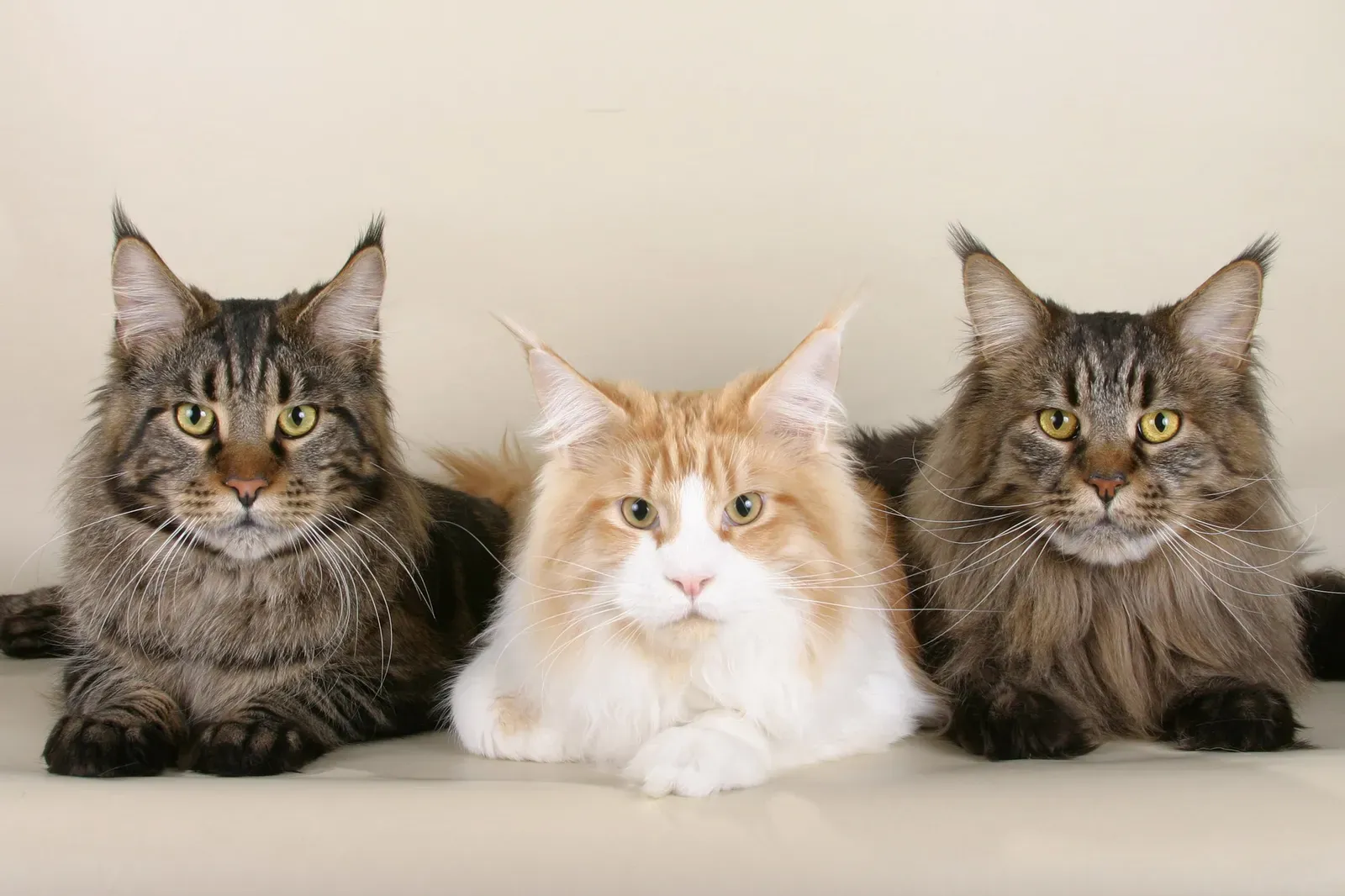
These magnificent cats capture hearts with their dog-like personalities and impressive size. Hypertrophic cardiomyopathy is a common heart disease in this breed that can lead to heart failure, and larger cat breeds, including Maine coons, are also susceptible to hip dysplasia.
One of the most serious concerns is hypertrophic cardiomyopathy, a heart disease that is more common in Maine Coons than in many other breeds. This silent killer can strike without warning, causing sudden death in seemingly healthy cats.
Their large size creates additional orthopedic stress. Hip dysplasia, typically associated with large dogs, affects Maine Coons more frequently than most people realize. Joint supplements become a lifelong necessity for many.
Several heart diseases occur frequently in certain breeds, including hypertrophic cardiomyopathy in Maine coon cats, and pets with heart disease may eventually experience heart failure or sudden death, although routine screenings for at-risk breeds can help with early detection. Regular echocardiograms aren’t cheap, but they’re essential.
The thing is, their size also means they require more food, more space, and more expensive everything. Medications dosed by weight? That adds up fast. Their lifespan might be shorter than expected due to cardiac complications.
Siamese: Vocal Beauties With Genetic Baggage
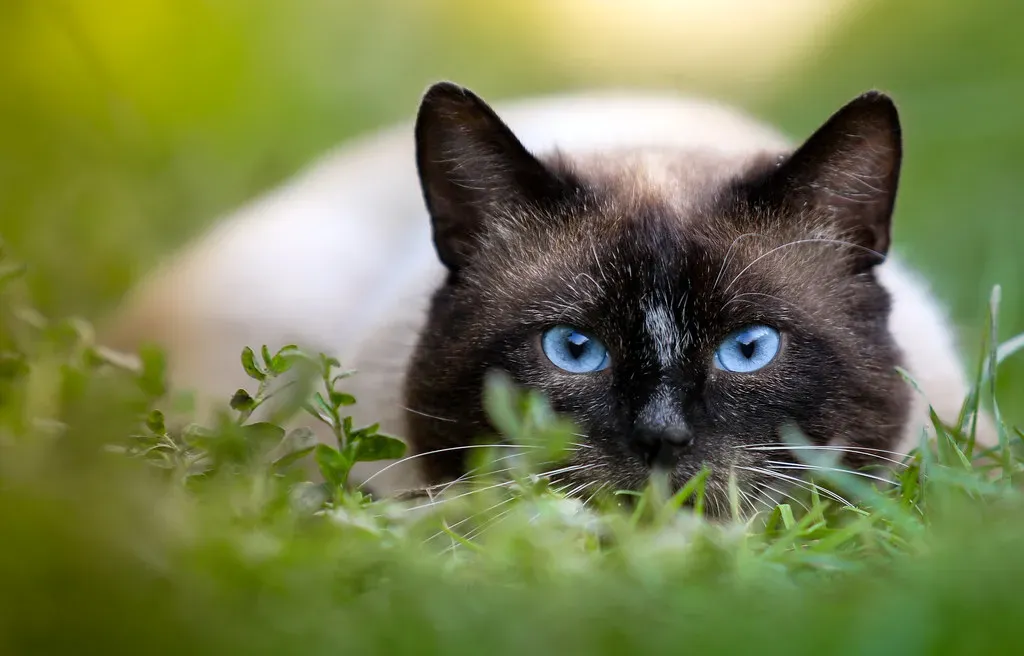
Those striking blue eyes and distinctive voices come with a roster of health concerns. Siamese cats are vocal and social but genetically prone to upper respiratory infections and GI issues. Their narrow head shape contributes to breathing difficulties.
Siamese cats can be prone to renal failure, mediastinal lymphoma (a type of cancer which builds fluid around the lungs and causes breathing problems), asthma, and eye problems including progressive retinal atrophy. Cancer risk runs higher in this breed than many others.
Neurological and behavioral issues also plague Siamese cats. Behavioral and neurological issues sometimes affect Siamese cats, and they are more likely than other breeds to develop compulsive behaviors such as overgrooming or wool sucking, which vets link to stress, boredom, or genetic factors.
They’re also notably sensitive to anesthesia, making routine procedures riskier. I know it sounds crazy, but dental cleanings and spaying become more complicated with Siamese cats. Veterinarians have to take extra precautions.
Their intense personality means they don’t handle stress well. Changes in routine, new environments, or being left alone can trigger both behavioral problems and stress-related illnesses. They demand constant attention and stimulation.
Ragdoll: Floppy Cats With Hidden Health Troubles
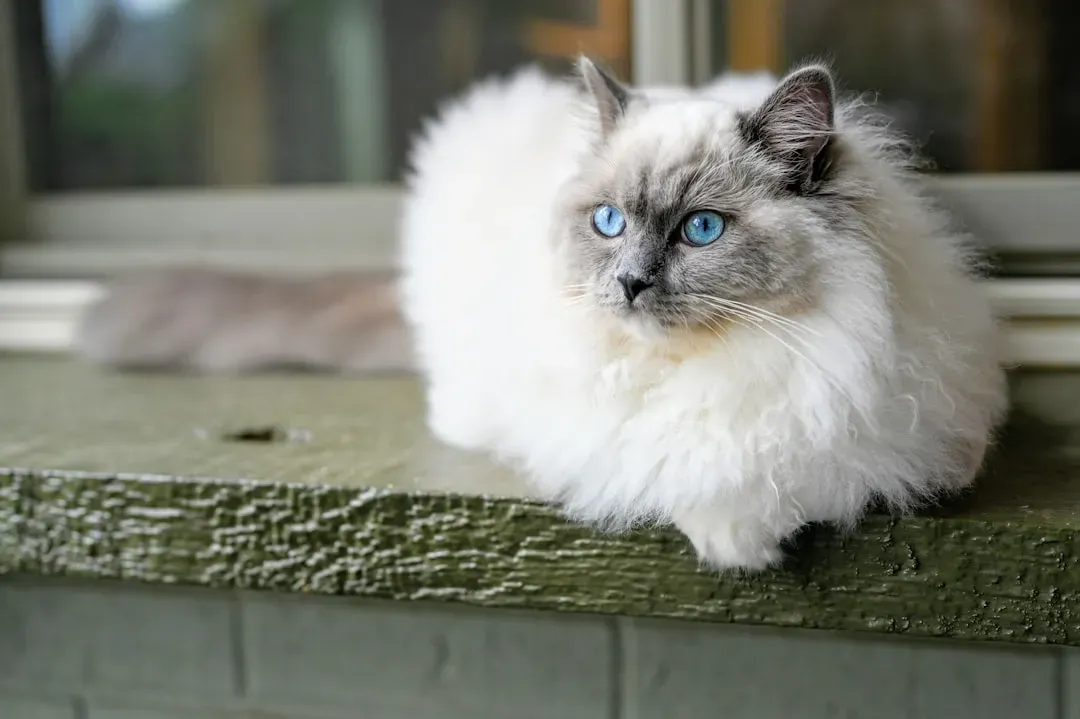
These laid-back, blue-eyed beauties seem like perfect companions. Like many other types of cats, ragdolls can develop a heart condition called hypertrophic cardiomyopathy, and they are also prone to bladder stones. Urinary issues create ongoing discomfort and expense.
Their docile nature might actually be a double-edged sword. Ragdolls often don’t show pain or illness until conditions become severe. By the time owners notice something’s wrong, diseases have often progressed significantly. Early detection becomes challenging with such stoic cats.
Polycystic kidney disease affects Ragdolls more than most breeds realize. The same genetic testing recommended for Persians should apply to Ragdolls, yet many breeders skip these expensive screenings. Buyers often have no idea what they’re inheriting.
Their large size contributes to joint problems as they age. Arthritis develops earlier in Ragdolls compared to smaller breeds. Their tendency to go limp when picked up (hence the name) also makes them more prone to injury if dropped or mishandled.
Their long, silky coats mat easily without daily grooming. While beautiful, maintaining that coat requires significant time commitment. Neglected mats can cause skin infections and pain. Professional grooming bills add up quickly.
Bengal: Wild Looks, Domestic Problems
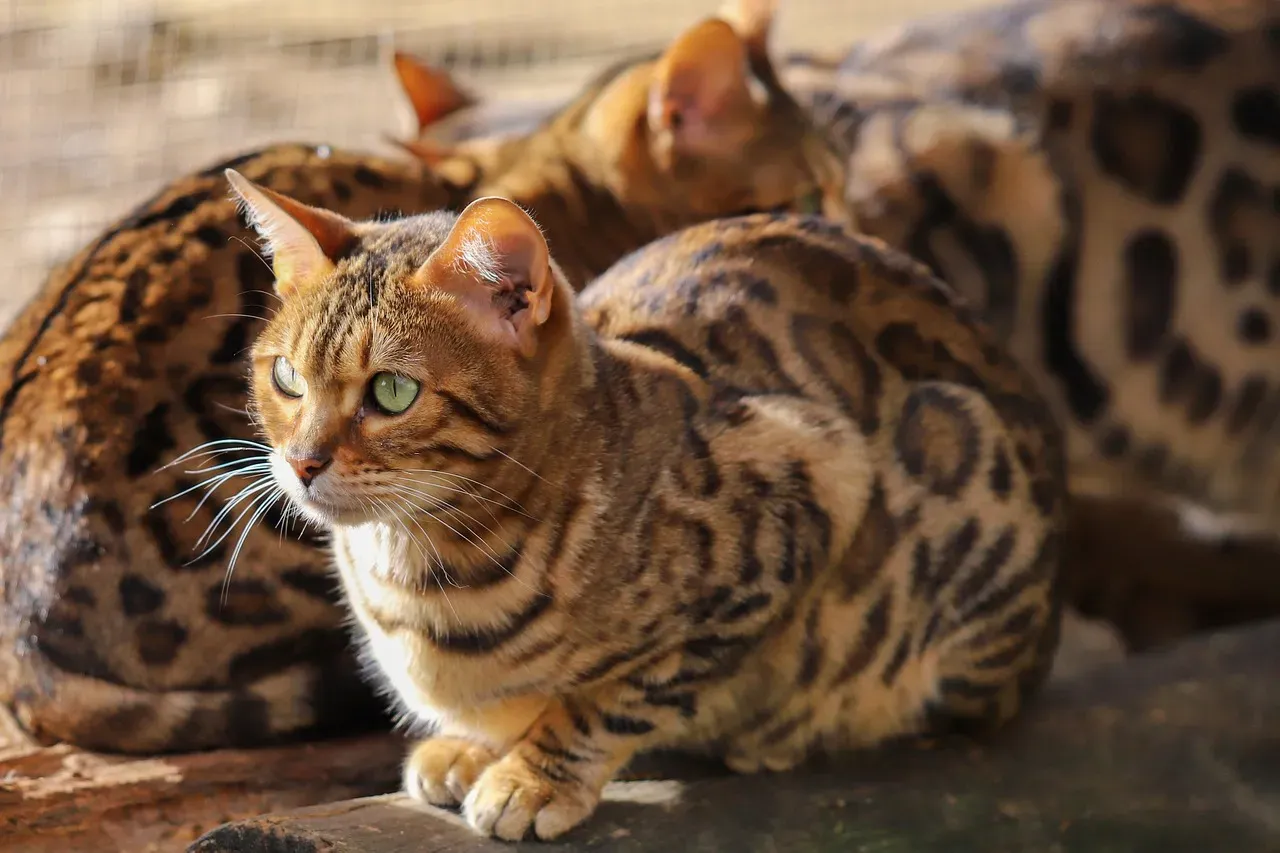
These stunning spotted cats appeal to people wanting something exotic-looking. Their wild appearance comes from crossing Asian Leopard Cats with domestic breeds, creating a genetic cocktail with unpredictable results. Health issues aren’t always immediately apparent in kittens.
Bengal cats frequently develop progressive retinal atrophy, leading to blindness. Hip dysplasia also appears with surprising regularity despite their athletic build. Their high energy levels mask early signs of joint problems until significant damage occurs.
Irritable bowel disease strikes Bengals more often than other breeds. Chronic digestive issues mean lifelong dietary management and frequent vet visits. Finding the right food becomes an expensive trial-and-error process. Many require prescription diets indefinitely.
Their wild ancestry contributes to behavioral challenges veterinarians witness regularly. Anxiety, aggression, and destructive tendencies appear when Bengals feel stressed or under-stimulated. These aren’t medical issues per se, but they significantly impact quality of life for both cat and owner.
Roughly about one quarter of Bengals develop heart disease by middle age. The exotic appearance that draws people to this breed masks the reality of ongoing medical management. They’re high maintenance in ways most first-time Bengal owners never anticipated.
Birman: Sacred Cats With Kidney Concerns
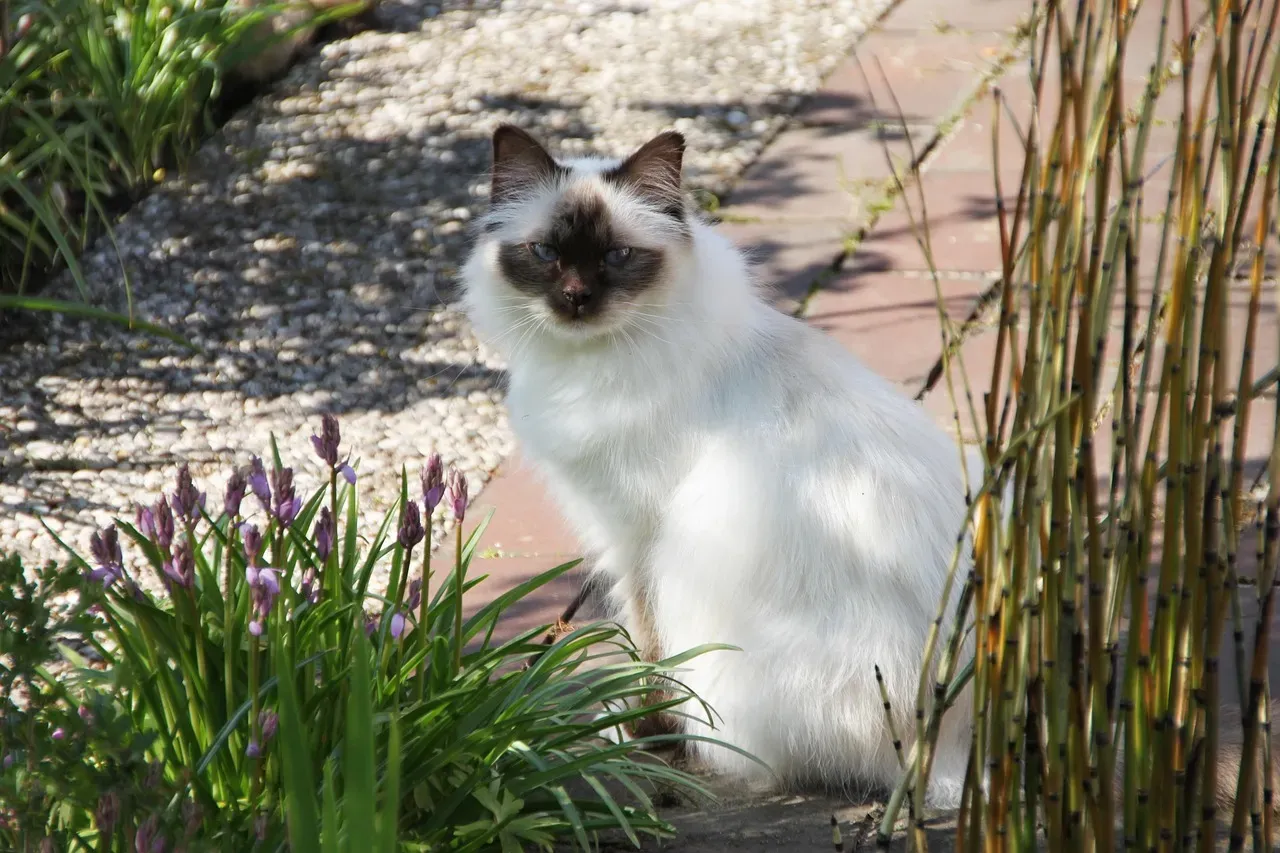
These gorgeous pointed cats with white paws look like modified Siamese. The only specific Birman cat health concern is kidney disease, with blood tests of young Birman cats showing impaired kidney function and some then going on to develop kidney failure. This single issue dominates the breed’s health profile.
Kidney disease appearing in young cats is particularly devastating. While most cats don’t develop renal issues until senior years, Birmans can show signs much earlier. By the time clinical symptoms appear, significant damage has already occurred. Early screening becomes essential but expensive.
Their long coats require regular grooming to prevent matting, though this is less of a health concern and more of a maintenance issue. Still, neglected coats can lead to skin problems and hairballs. The grooming commitment surprises many owners who chose Birmans for their temperament.
The progressive nature of kidney disease means Birmans often require prescription diets, fluid therapy, and medications starting in middle age. Managing chronic kidney disease becomes a full-time commitment. Veterinary bills escalate as the condition advances.
What makes Birman kidney disease particularly frustrating is that it’s largely hereditary, yet screening isn’t universally practiced among breeders. Prospective owners often discover this tendency only after their cat develops symptoms. Prevention through selective breeding could reduce this issue significantly.
The Uncomfortable Truth About Selective Breeding
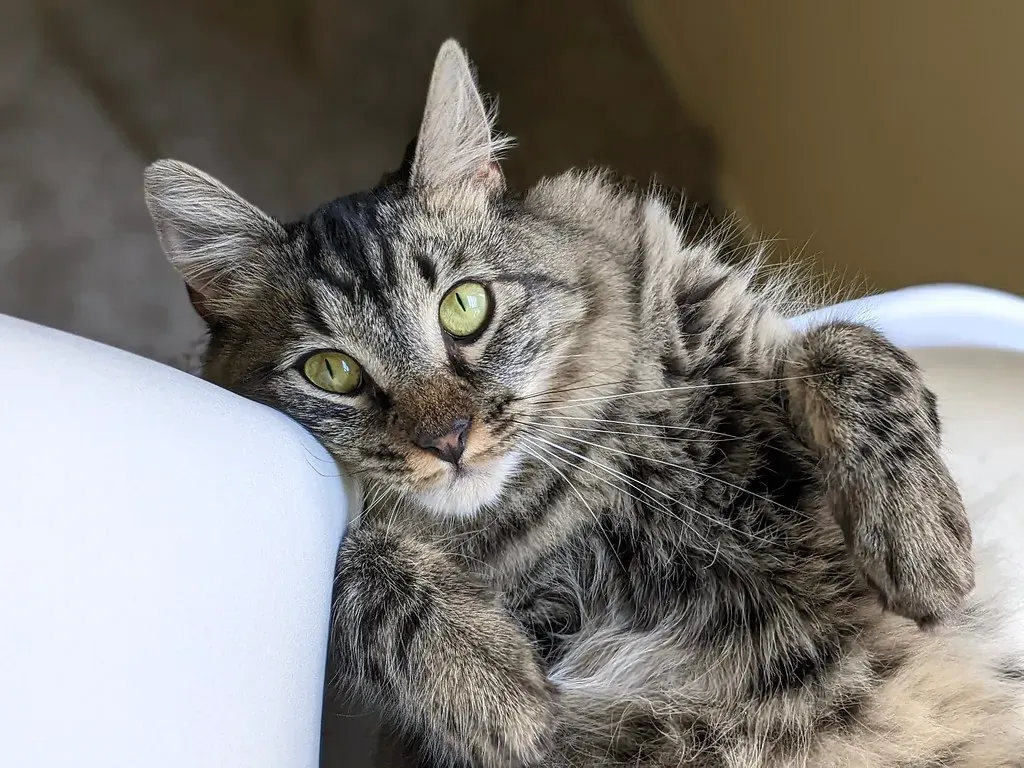
Purebred cats, unfortunately, face countless health issues as a result of being bred for specific traits from a limited gene pool, and the main problem is obvious – purebred cats are suffering from debilitating genetic conditions as a result of being treated like commodities to be produced.
Over the last 200 years, cats have increasingly been bred with distinctive characteristics to make them look a certain way, and unfortunately, these distinctive physical characteristics are increasingly becoming extreme and overexaggerated, causing serious health and welfare issues. Aesthetics have triumphed over animal wellbeing.
The vast majority of these health problems are entirely preventable through different breeding choices. Yet the cat fancy continues prioritizing appearance over health. Some breeds are more likely to have certain inherited diseases due to limited genetic diversity, as breeders sometimes use a narrow gene pool to keep specific features consistent, and as a result, some breeds may pass down harmful genes more often than mixed-breed cats.
Mixed-breed cats from shelters rarely face these breed-specific issues. Their genetic diversity provides natural protection against many hereditary diseases. I think about this every time someone pays thousands for a purebred kitten while shelter cats wait for homes.
The reality is that veterinarians see the consequences of breeding choices daily. They’re the ones explaining to heartbroken owners why their young cat needs heart surgery or can’t breathe properly. Those conversations never get easier.
Making Better Choices for Feline Friends
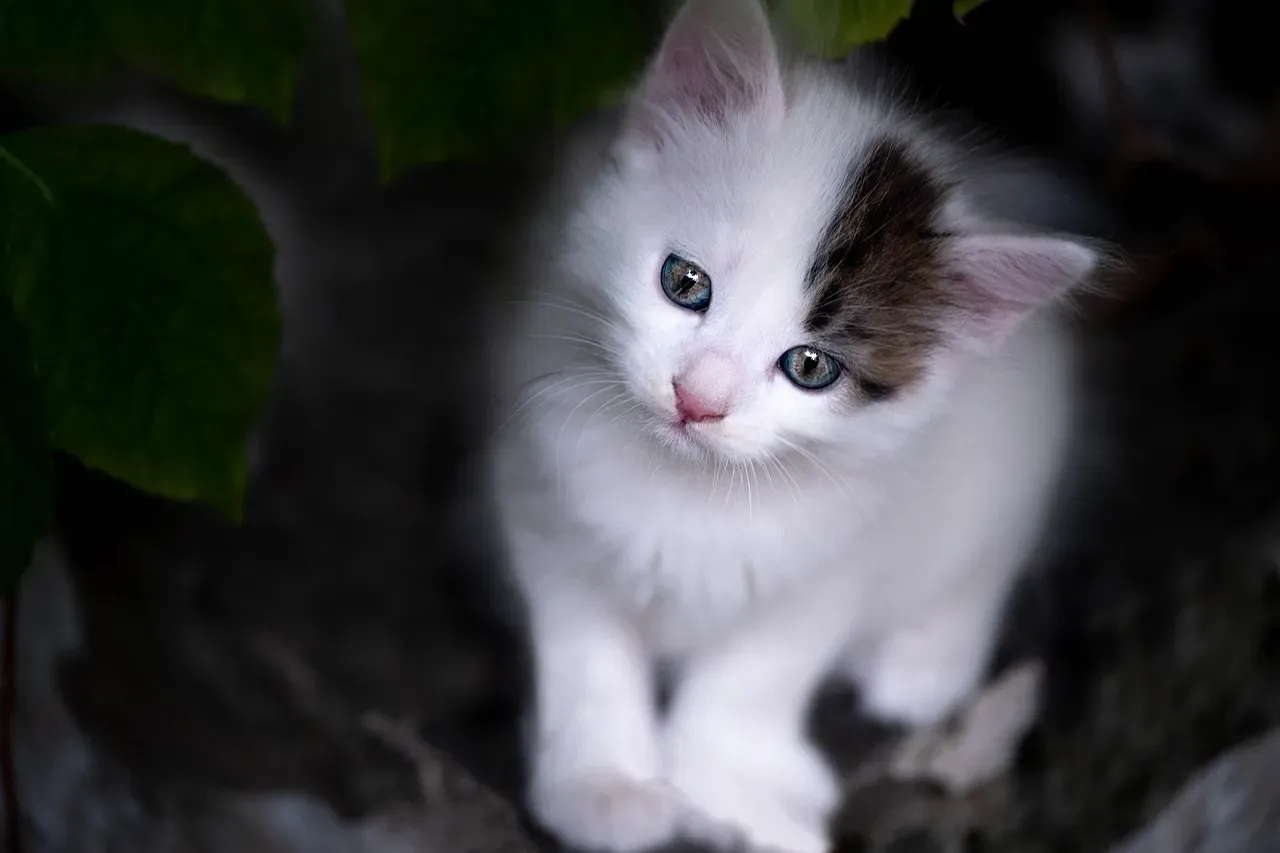
If you’ve read this far, you might be wondering what to do with this information. Understanding breed-specific health issues doesn’t mean these cats don’t deserve loving homes. It means going in with eyes wide open, prepared for potential challenges and expenses.
Adopting adult cats allows you to see their health status more clearly. Many breed-specific issues don’t manifest until cats mature. Shelters and breed-specific rescues often have purebred cats needing homes without the inflated breeder prices or unknown health histories.
Genetic testing before breeding should be mandatory, not optional. Responsible breeders screen for known hereditary conditions and remove affected cats from breeding programs. Asking breeders about health testing, seeing certificates, and meeting parent cats helps identify ethical breeders versus backyard breeders or kitten mills.
Pet insurance becomes crucial when choosing breeds with known health issues. Policies purchased while cats are young and healthy help offset inevitable veterinary expenses. Reading fine print about breed-specific exclusions prevents nasty surprises when filing claims.
Consider whether you’re truly prepared for the commitment these breeds require. Special diets, regular bathing, frequent vet visits, medications, and potential surgeries aren’t just financial burdens – they demand significant time and emotional energy. Many of these cats need far more care than typical house cats.
What would happen if more people chose mixed-breed cats instead? Shelter populations would decrease, fewer cats would be euthanized for lack of space, and the demand driving problematic breeding practices would diminish. Sometimes the most ethical choice is the least glamorous one. What do you think – is that distinctive look really worth a lifetime of health struggles?

- 14 Quiet Signs Your Dog Knows Its Time Is Near and Wants You Close - July 22, 2026
- 10 Falcon Facts That Will Blow Your Mind - July 22, 2026
- 5 Incredible Migratory Journeys Animals Make Every Year - July 22, 2026