
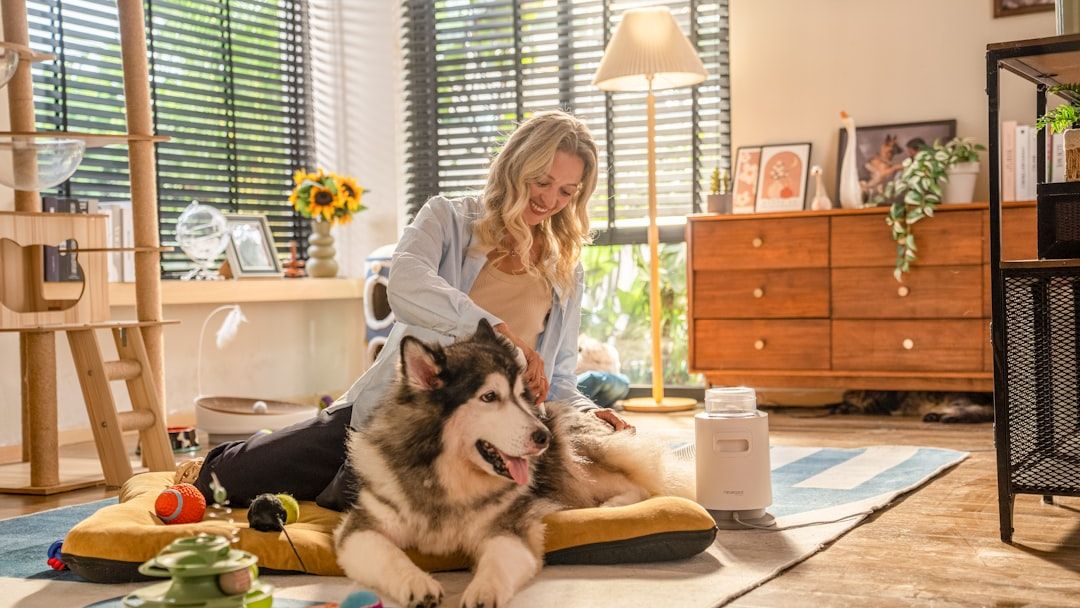
You love your pet more than anything. They’re family, after all. Yet despite your best intentions and endless affection, there’s a good chance you’re making at least one mistake that could be affecting their health, happiness, or longevity.
Here’s the thing: most pet owners don’t even realize when they’re messing up. We’re all learning as we go, trying to give our furry friends the best life possible. Sometimes, though, love isn’t enough. Let’s dive into the most common missteps and explore how you can correct them for a healthier, happier companion.
Overfeeding Your Pet Because You Think It Shows Love

Let’s be real, who can resist those pleading eyes during dinner? Well over half of our canine and feline pals are overweight or obese. It’s heartbreaking, honestly. Many owners equate food with affection, thinking that extra treat or heaping food bowl proves how much they care. The truth is far less warm and fuzzy.
Fido and Fluffy may still look adorable if they are, well, a bit round, but those extra pounds are very bad for their health. Overweight pets are susceptible to many of the same medical issues as overweight people. That list includes heart disease, bone and joint issues, liver and kidney problems, and certain cancers. If your pet is getting chubby, you’re not being kind. You’re shortening their life.
The fix is surprisingly simple. Stop leaving food out all day like an endless buffet. Cats and dogs will eat more than they need if given the chance. Measure portions carefully, follow the feeding instructions on quality pet food labels, and resist the urge to share your dinner.
Speaking of sharing, table scraps are almost never a good idea. Human food can cause nutritional imbalances, digestive chaos, and even toxic reactions. Grapes, chocolate, and xylitol from sugar free gum can be deadly. If you truly love your pet, show it by keeping them lean and healthy.
Think about it this way: a healthy weight could add years to your pet’s life. Years of cuddles, walks, and companionship. Isn’t that better than an extra slice of bacon?
Skipping Regular Veterinary Checkups
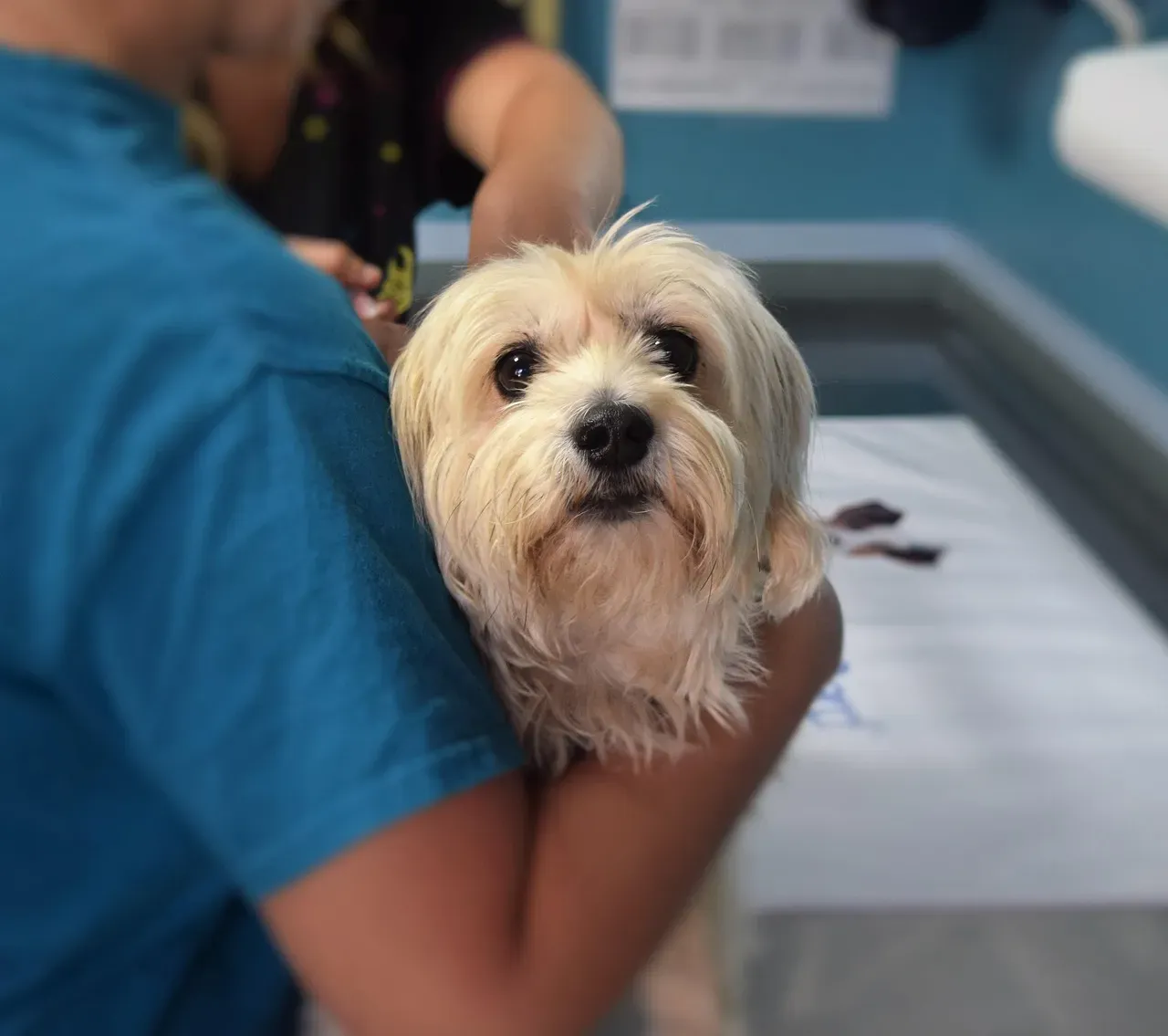
Only about 40% of dog and cat owners visit a vet every year. While yearly visits may not be essential for every pet, this is something you should establish with your vet. That statistic is honestly shocking. Would you skip your own doctor appointments for years on end?
Many pet owners only bring their animals to the clinic when something is obviously wrong. By then, a small issue may have snowballed into something serious. Keeping up with regular veterinary care can protect your pet from many painful and dangerous illnesses and diseases. Plus, those routine exams can also reveal issues that are just beginning to develop. It’s always both easiest and most effective to treat things in the early stages, when that is possible.
Annual checkups aren’t just about vaccines. Vets can detect subtle changes in weight, dental health, or organ function through blood tests and physical exams. These tests can spot diabetes, thyroid disease, or kidney problems before symptoms appear.
Prevention is cheaper than emergency care, too. Catching something early can save you thousands of dollars down the line. Schedule those appointments. Mark them on your calendar. Your pet can’t advocate for themselves, so you need to do it for them.
Think of your vet as a partner in your pet’s long term health. They’re there to help you navigate everything from nutrition to behavior concerns. Use that resource wisely.
Ignoring Dental Care Until It’s Too Late
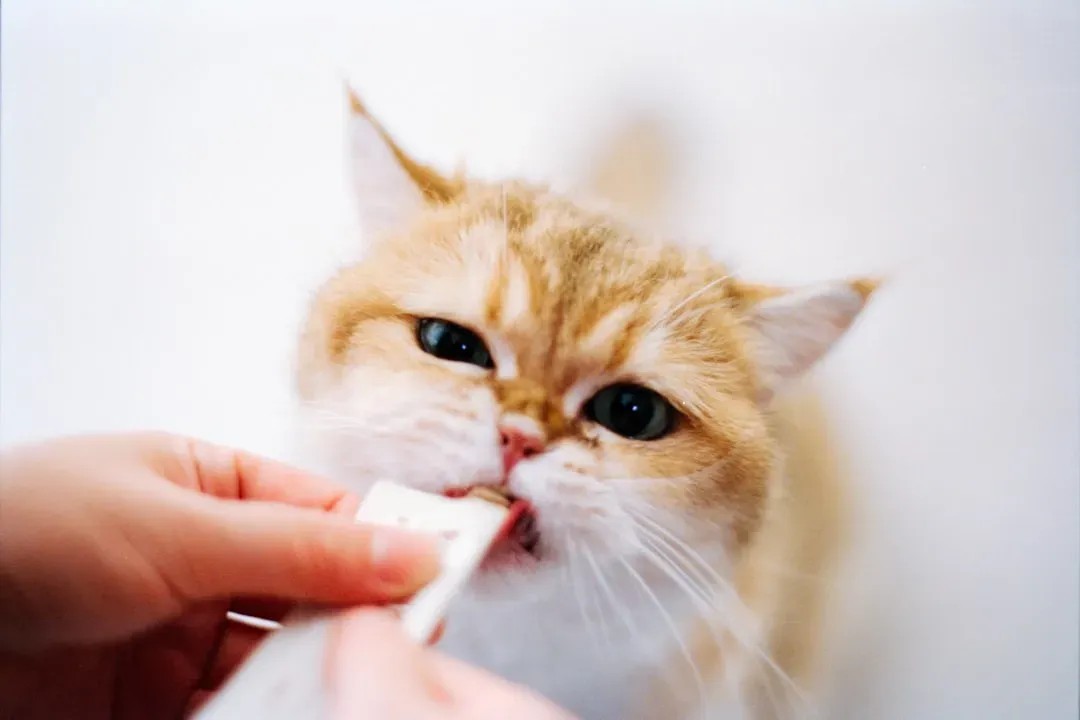
Most people don’t think twice about brushing their own teeth twice a day. Yet when it comes to pets, dental care often gets completely ignored. Here’s a reality check: Most pets over the age of 3 have some degree of gum disease, and the situation only gets worse with time.
Dental hygiene is often ignored until it’s too late. Plaque buildup can lead to infections, tooth loss, or even heart disease. That’s right, bacteria from a dirty mouth can enter the bloodstream and affect vital organs. It’s not just about bad breath or yellow teeth.
You should be brushing your pet’s teeth several times a week at minimum, ideally daily. Use pet safe toothpaste, never human toothpaste, which can be toxic to animals. Start slowly if your pet isn’t used to it. Make it a positive experience with treats and praise.
Professional dental cleanings at the vet are also crucial. These deeper cleanings remove tartar buildup below the gum line where your home brushing can’t reach. Dental chews and certain toys can help between cleanings, though they’re not a substitute for brushing.
I know it sounds like a hassle. It can feel awkward sticking your fingers in your pet’s mouth. Yet this simple routine can prevent pain, expensive procedures, and serious health complications. It’s worth the effort.
Neglecting Proper Socialization During Critical Windows

Puppies and kittens are ridiculously cute. It’s tempting to keep them safe at home, away from the big scary world. That instinct, while protective, can backfire spectacularly. There’s a specific window of time for proper socialization. The exact time frame varies a bit, depending on what sort of pet you have, but it’s generally in that super-cute furry toddler stage. With dogs, that window closes around four months, or 16 weeks.
Socialization is crucial to helping pets develop a friendly, open-minded opinion about the world and everyone in it. It’s important for Fluffy and Fido to be exposed to different types of people, new environments, and new experiences while they are still young. Animals that weren’t socialized are much more likely to act wary, fearful, or aggressive as adults. This can create lifelong behavioral problems.
Socialization means exposing your young pet to various sights, sounds, people, and other animals in a positive, controlled way. Take your puppy to different environments. Let them meet people of all ages. Introduce them to other vaccinated, friendly pets.
For cats, socialization matters too, even though they’re often more independent. A well socialized cat is less likely to hide under the bed when guests arrive or lash out at the vet. Early positive experiences shape their entire worldview.
Miss this window and you’re setting yourself up for years of anxiety, aggression, and stress for both you and your pet. Start early, go slow, and make every new experience rewarding. Your future self will thank you.
Underestimating the Importance of Exercise and Mental Stimulation

A tired pet is a happy pet. Yet too many owners underestimate just how much physical activity and mental engagement their animals need. Just like people, pets need to get moving to stay healthy. Without exercise they’re prone to obesity, which raises their risk of respiratory problems and joint trouble. The right amount of exercise for a dog depends on the breed and size, but vets recommend at least a half-hour each day.
Dogs, especially high energy breeds, can become destructive when bored. Chewing furniture, excessive barking, digging, and general mayhem often stem from pent up energy. The solution isn’t punishment. It’s more walks, playtime, and interactive games like fetch or hide and seek.
Cats need stimulation too, though it looks different. Interactive toys, puzzle feeders, and regular play sessions keep them mentally sharp and physically active. Even brief periods of play throughout the day can prevent obesity and behavioral issues.
Mental exercise is just as important as physical. Training sessions, new tricks, scent games, and puzzle toys challenge your pet’s brain. A mentally stimulated pet is less likely to develop anxiety or depression.
If you have a busy schedule, consider doggy daycare, a dog walker, or setting up a more stimulating environment at home. Your pet didn’t sign up for a sedentary life. Give them outlets for their natural energy and curiosity.
Choosing the Wrong Pet for Your Lifestyle
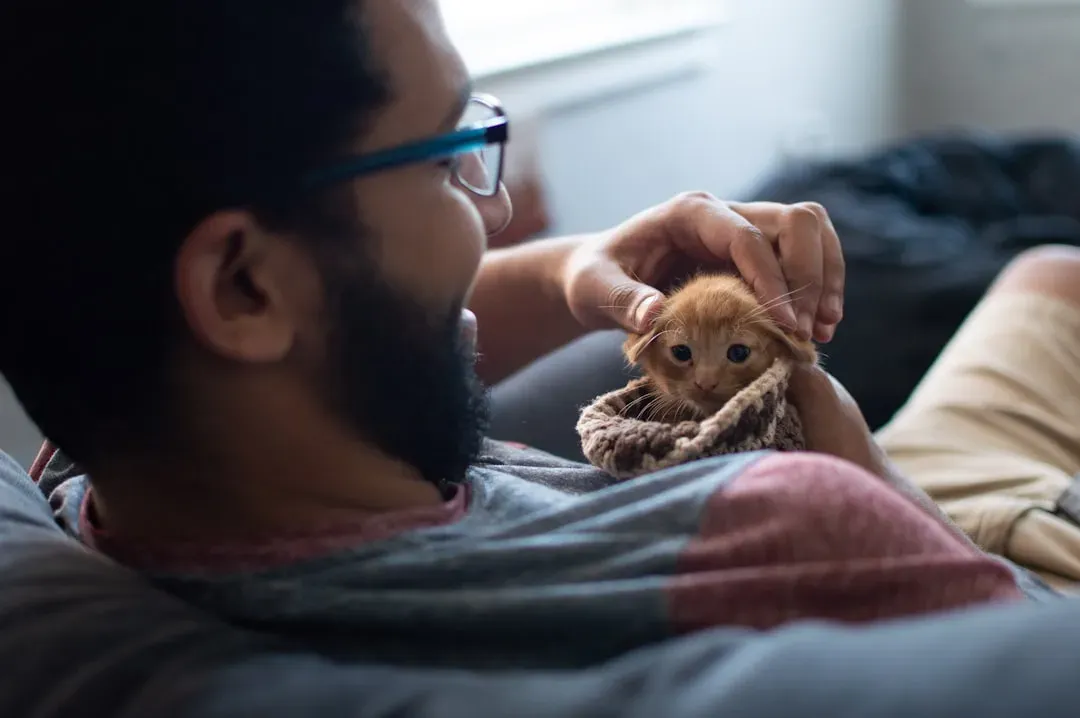
That fluffy puppy in the window is irresistible. The problem? You live in a tiny apartment and work long hours. People often buy a pet without doing their homework and without planning. They don’t take the time to learn what they need to know about the pet, whatever type of a pet it might be. This lack of research leads to heartbreak for everyone involved.
Different breeds have vastly different needs. A Border Collie requires intense daily exercise and mental challenges. A senior cat might be content lounging on the couch. Matching your lifestyle to your pet’s needs isn’t optional. It’s essential for both your happiness.
Many owners fail to consider how their personality will mesh with that of the pet they are considering. Owners need to think about the personality of the pet alongside the personality of the person. Are you outdoorsy and active or more of a homebody? Do you travel frequently or work from home? These factors matter enormously.
Then there’s the financial reality. Larger dogs cost more to feed. Long haired breeds need regular grooming. Some breeds are prone to expensive health problems. Do your homework before committing. Research breed temperaments, exercise needs, grooming requirements, and common health issues.
Impulse adoptions rarely end well. Take your time, be honest about your lifestyle, and choose a pet who will truly thrive in your home. It’s better to wait for the right match than rush into something you’ll both regret.
Failing to Pet Proof Your Home Properly

Pets are curious creatures. They explore the world with their mouths, paws, and noses, often getting into things they shouldn’t. Petproofing is crucial for your pet’s safety. Pets are very curious, and they have a habit of trying to learn about things by eating them. That can be very, very dangerous!
Common household items can be lethal to pets. Cleaning supplies, medications, certain plants, electrical cords, and small objects that could be swallowed all pose serious risks. Many pet owners don’t realize how many dangers lurk in an average home until it’s too late.
Start by getting down on your pet’s level, literally. Crawl around and see what looks tempting or accessible. Secure cabinets with childproof locks. Keep toxic plants out of reach. Store medications and cleaning products safely. Cover or hide electrical cords.
Don’t forget about the trash. Dogs especially love rummaging through garbage, which can lead to food poisoning, choking hazards, or ingestion of toxic substances. Use a secure trash can or keep it behind a closed door.
Creating a safe environment isn’t paranoid. It’s responsible. A few simple precautions can prevent emergency vet visits, suffering, and even death. Walk through your home with fresh eyes and make necessary changes before tragedy strikes.
Skipping Microchipping and Proper Identification
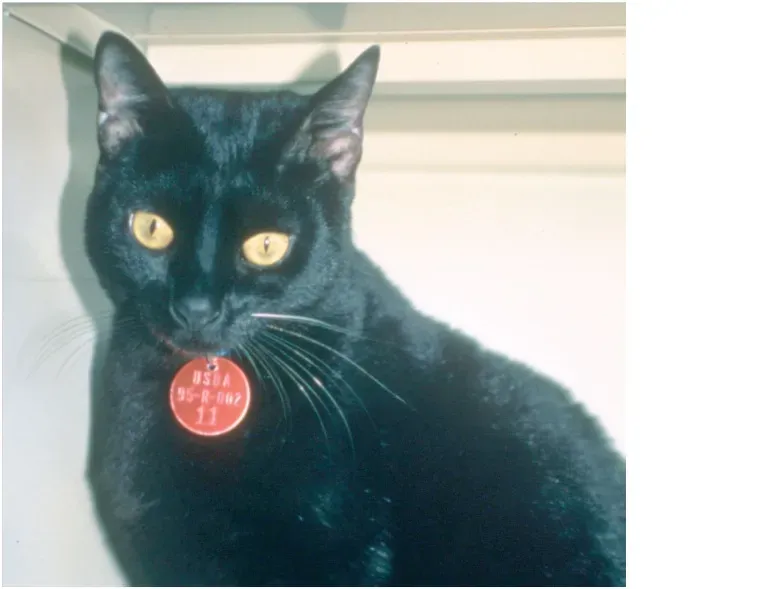
Did you know that as many as one in three pets goes missing at some point in their lives? No matter how loving your furry friend is, there’s always a chance that they could get lost or stolen. It’s a terrifying thought, yet many owners still skip basic identification measures.
Microchipping is one of the simplest, most effective ways to ensure your pet can be reunited with you if they go missing. Microchipping provides a permanent, scannable form of identification that cannot be lost or removed, making it easier to reunite lost pets with their owners. The procedure is quick, relatively painless, and permanent.
Collars with ID tags are also crucial. They provide immediate, visible contact information for anyone who finds your pet. However, collars can come off or break, which is why microchipping is so important as a backup.
Even indoor only pets need identification. Doors get left open. Windows break. Emergencies happen. When disaster strikes, a frightened pet can bolt. Without proper ID, the chances of getting them back drop dramatically.
The cost is minimal compared to the peace of mind. Schedule microchipping at your next vet visit if you haven’t already. Update your contact information if you move or change phone numbers. These tiny steps could literally save your pet’s life.
Neglecting Grooming Beyond Baths
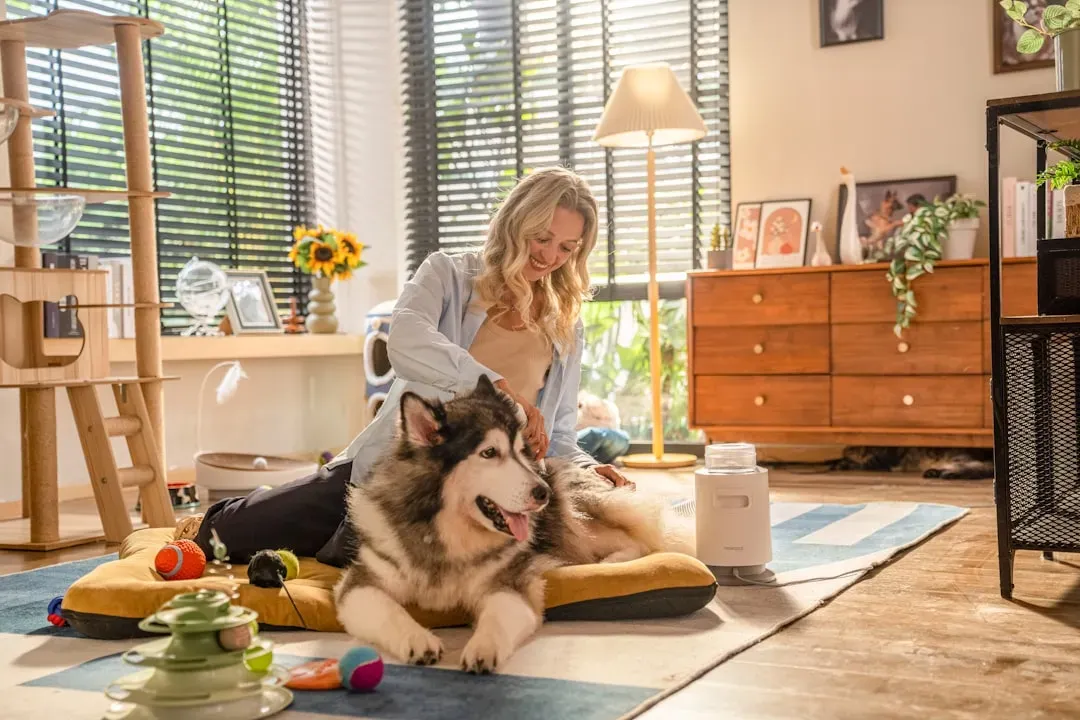
Grooming isn’t just about making your pet look pretty. Grooming is about far more than making sure your pet looks good. It drastically affects your pet’s comfort and temperature. If Fluffy and Fido’s coat is full of dust and dead hair, it can be quite miserable. It also won’t be as effective at insulating them from heat or cold.
Long nails are also problematic for Man’s Best Buddy: they make it hard for him to gain good traction, which increases the risk of slips and falls. Plus, they interfere with the angle of your pet’s toes against the ground. Overgrown nails can even cause joint problems and arthritis over time.
Different pets have different grooming needs. Long haired breeds need regular brushing to prevent painful mats. Dogs with floppy ears need routine ear cleanings to prevent infections. Some breeds barely shed while others leave tumbleweeds of fur everywhere.
Regular brushing also gives you a chance to check for ticks, fleas, lumps, or skin issues. Early detection of problems is always easier to treat. Plus, many pets come to enjoy the bonding time that grooming provides.
If grooming feels overwhelming, professional groomers can help. They can handle nail trims, ear cleaning, and coat maintenance. However, basic brushing at home should still be part of your routine. It keeps your pet comfortable and healthy between professional appointments.
Delaying Spaying or Neutering
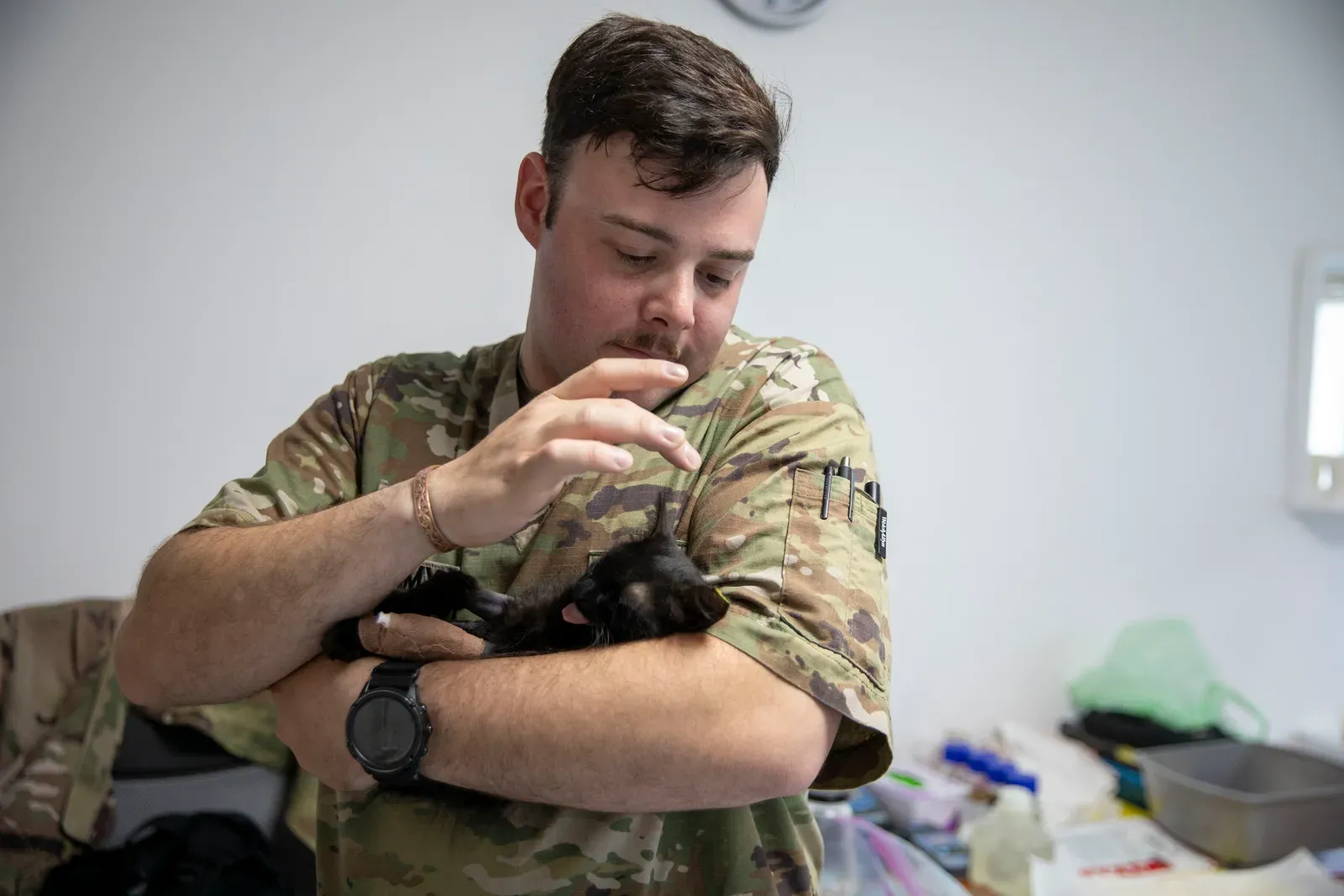
Some pet owners hesitate to spay or neuter their animals. Maybe they think their pet should have one litter first, or they worry about the surgery, or they simply keep putting it off. This is the best way to combat pet overpopulation, which is a huge problem with animal welfare. That isn’t the only reason, though. Your pet will also enjoy better health, as the procedure reduces or eliminates the risk of them developing many health issues.
Spaying or neutering a dog can significantly impact both their behavior and health. Behaviorally, it often reduces aggressive tendencies, marking, and roaming behaviors, making dogs calmer and more focused on their owners. Health-wise, spaying or neutering reduces the risk of certain cancers and infections, such as uterine infections and breast tumors in females and testicular cancer and prostate problems in males.
There are also practical benefits. Neutered males are less likely to spray, escape to find mates, or display aggressive behaviors. Spayed females won’t go into heat, eliminating the mess and attracting unwanted male attention.
The surgery is routine and safe when performed by a qualified veterinarian. Most pets recover quickly with minimal discomfort. Many low cost spay and neuter clinics make the procedure affordable for everyone.
Every year, millions of animals end up in shelters because of overpopulation. Spaying and neutering is a responsible choice that benefits your individual pet and the broader animal community. Don’t delay this important step.
Ignoring Preventive Parasite Control
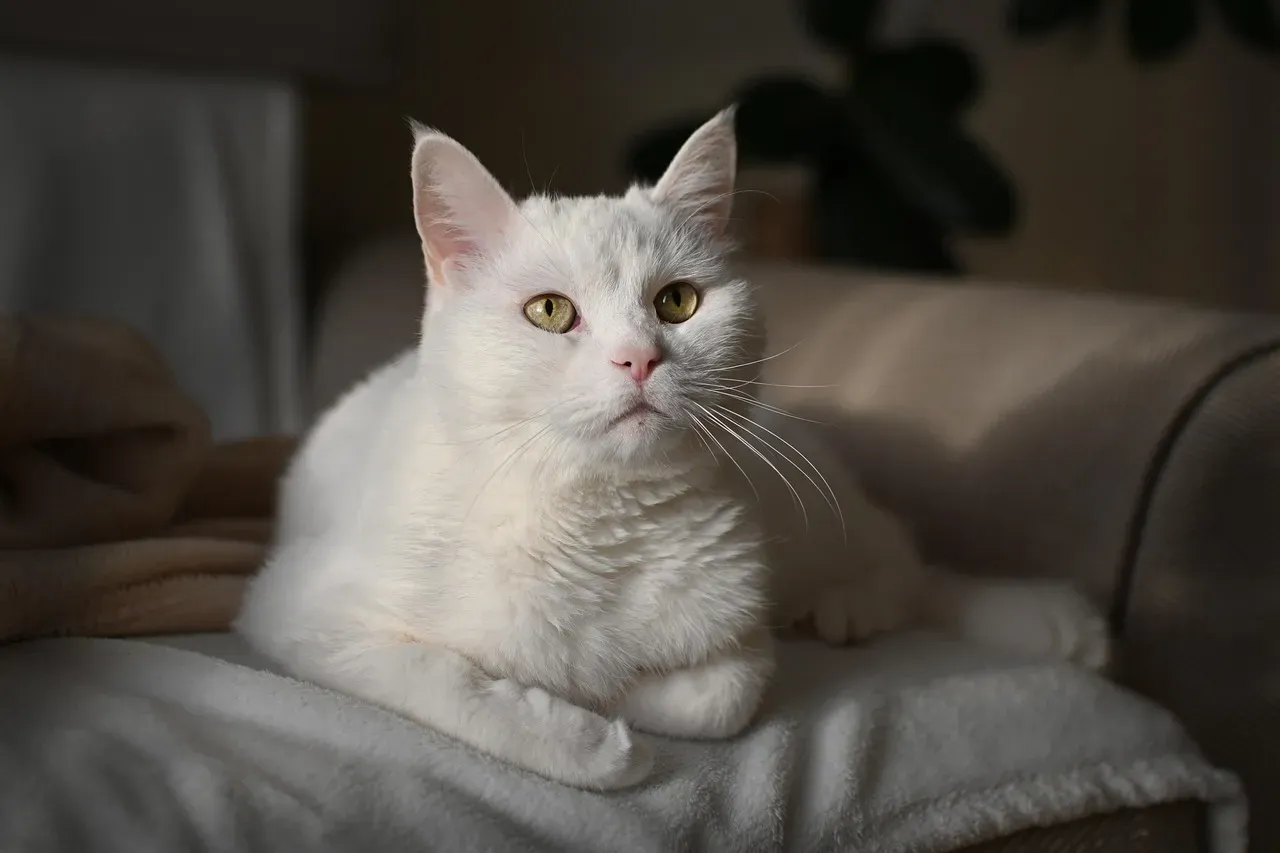
Some owners think indoor pets don’t need flea, tick, or heartworm prevention. That assumption can be costly. However, even indoor pets need this routine care. Often, indoor cats will start itching and get bloody scabs and sores all over their body. That’s a sign of fleas. The owner will ask how that is possible since the cat is indoors. They bring the outside in every time you walk in and out of their front door.
Parasites carry serious diseases. Ticks can transmit Lyme disease and other illnesses. Heartworms, spread by mosquitoes, have no cure in cats and can be fatal. Fleas multiply rapidly and can infest your entire home in a matter of weeks.
Monthly preventive medications are simple, effective, and far cheaper than treating an infestation or disease. Your vet can recommend the best options for your pet’s specific needs and your geographic area. Some regions have year round parasite activity, while others have seasonal peaks.
Don’t wait until you see a problem to act. By then, your pet may already be suffering. Regular prevention protects not just your pet, but also your family, as some parasites can affect humans too.
Staying on top of parasite control is one of the easiest ways to keep your pet healthy. Set reminders on your phone if you need to. Make it part of your monthly routine. Your pet’s comfort and health depend on it.
Conclusion
Being a great pet owner isn’t about being perfect. It’s about learning, adapting, and always striving to do better for the animals who depend on us completely. Many of these mistakes are easy to make, especially if you’re a first time pet owner or simply haven’t thought about certain aspects of care.
The good news? Most of these issues are entirely fixable with awareness and a bit of effort. Start small. Pick one area where you know you could improve and focus on that. Maybe it’s scheduling that overdue vet appointment, or finally committing to daily teeth brushing, or researching proper portion sizes for your pet’s breed and age.
Your pet can’t speak up when something is wrong. They can’t tell you they need more exercise, better dental care, or preventive medications. That responsibility falls entirely on you. It’s a big job, honestly, filled with constant learning.
The payoff, though, is immeasurable. A healthy, happy pet who lives a long, comfortable life by your side. Isn’t that what we all want? Take a good look at your pet care routine and ask yourself where you can do better. Your furry friend is counting on you.
What changes will you make first? Share your experiences in the comments below.

- 12 Architectural Wonders From The Ancient World That Inspire Us Today - July 18, 2026
- 6 Beautiful Ancient Cities That Time Forgot (But Shouldn’t) - July 18, 2026
- 6 Common Animal Behaviors That Are Often Misunderstood by Humans - July 18, 2026