

Have you ever dreamed of stepping into a real-life jungle book, where every turn could reveal a creature more breathtaking than the last? India is a wonderland for animal lovers, packed with some of the world’s most dazzling and rare wildlife. From the regal roar of the tiger to the playful leap of a river dolphin, India’s wild heart beats with stories waiting to be discovered. Whether you’re an adventurer at heart, a photographer seeking that perfect shot, or someone who simply marvels at nature’s masterpieces, get ready—these 14 animals might just steal your heart and inspire your next journey.
14 Indian Rhinoceros

The Indian rhinoceros is a living tank, with its thick, armor-like skin and imposing horn. Mostly found in the grasslands of Assam, especially Kaziranga National Park, this one-horned giant is both awe-inspiring and surprisingly gentle when left undisturbed. Despite their size, they can move quickly and swim with grace. Sadly, their numbers have suffered due to poaching and habitat loss, making every sighting a precious memory. Conservation efforts have helped their population bounce back in some areas, offering hope for the future. Spotting an Indian rhino in the wild feels like witnessing a page from the ancient past. These creatures are true symbols of resilience and strength in India’s wild landscapes.
13 Bengal Tiger

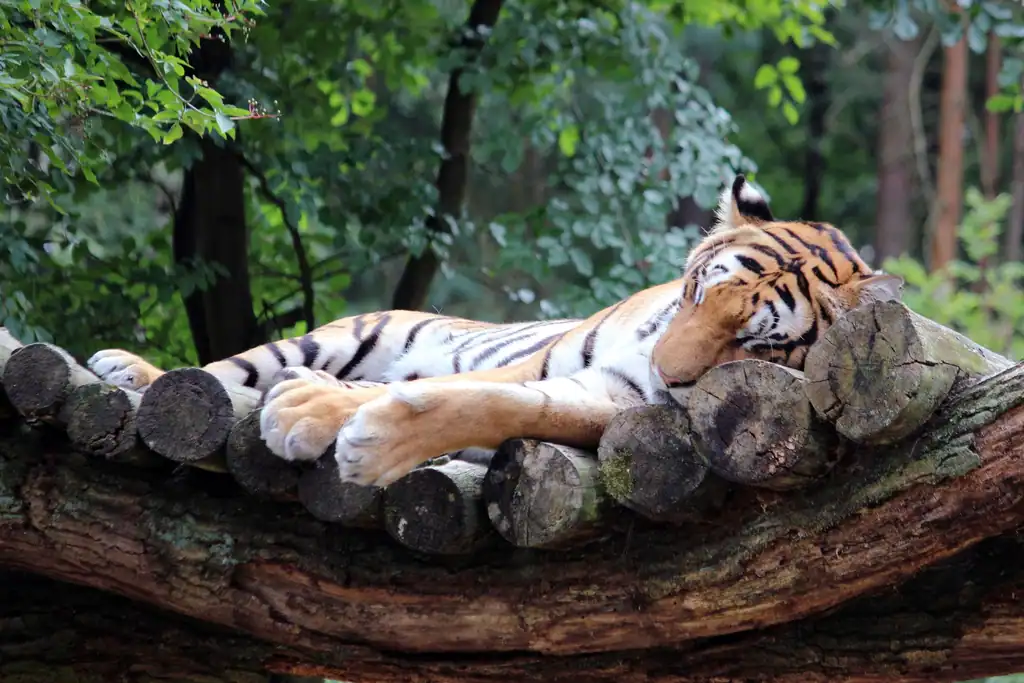
The Bengal tiger is perhaps the most iconic animal in India, instantly recognized for its striking orange coat and black stripes. Found in reserves like Ranthambore and Sundarbans, this big cat represents both power and mystery. There’s something electrifying about hearing a tiger’s roar echo through the forest at dawn—it’s an experience that chills and thrills all at once. With fewer than 3,000 left in the wild, every glimpse is an unforgettable privilege. Tigers play a vital role in maintaining the balance of India’s ecosystems by controlling prey populations. Their elusive nature makes each sighting feel like winning a lottery, and their beauty stays with you long after the encounter.
12 Asiatic Lion

The Asiatic lion is a rare treasure, with its last wild population found only in Gujarat’s Gir Forest. Smaller and with a unique fold of skin along its belly compared to its African cousins, the Asiatic lion has a distinct charm. Watching a pride laze under the shade or a male lion stride confidently across the savannah is mesmerizing. Once teetering on the brink of extinction, dedicated conservation has helped their numbers slowly recover. Their survival is a testament to India’s commitment to preserving its natural heritage. Encountering this regal creature in the wild is a humbling reminder of nature’s fragility and resilience.
11 Indian Elephant

The Indian elephant is gentle and intelligent, often seen in herds moving gracefully through forests and grasslands across southern and northeastern India. Their trumpeting calls and intricate social bonds make them fascinating to observe. Elephants are revered in Indian culture, symbolizing wisdom and strength, and play a crucial role in their habitats as “ecosystem engineers.” Sadly, they face threats from shrinking habitats and conflicts with humans. Seeing a herd of elephants at a watering hole or crossing a misty forest path is a moment of pure magic. Their expressive eyes and playful calves reveal the emotional depth of these magnificent giants.
10 Snow Leopard

The snow leopard is a ghost of the high Himalayas, rarely seen but always present in the legends of mountain people. Its smoky-gray coat blends perfectly with rocky slopes and snowy outcrops, making it a master of camouflage. Spotting one is a true badge of honor for wildlife enthusiasts, often requiring patience and luck in places like Ladakh or Spiti Valley. These elusive cats are top predators, keeping mountain ecosystems healthy. With fewer than 500 left in India, their survival hangs by a thread, making each sighting even more precious. The snow leopard’s silent, powerful presence is a symbol of the wild and untamed side of India’s highest peaks.
9 Indian Leopard

The Indian leopard is adaptable and widespread, thriving in landscapes ranging from forests to tea plantations and even near cities. Known for their agility and secretive lifestyle, these spotted cats are masters of stealth. You might just spot one lounging in a tree or gracefully moving through the undergrowth if you keep your eyes peeled. Leopards are often misunderstood, but they play a vital role in controlling small prey populations and maintaining ecological balance. Their haunting stare and fluid movements make every encounter unforgettable. Despite their adaptability, they face threats from habitat loss and human conflict, making conservation efforts crucial.
8 Indian Wild Dog (Dhole)

The Indian wild dog, or dhole, is an unsung hero of the forests, known for its fiery red coat and unique, whistle-like calls. Living in tight-knit packs, dholes display remarkable teamwork when hunting prey much larger than themselves. Watching a pack move together is like seeing a well-rehearsed dance—coordinated, swift, and impressive. Unlike many predators, dholes are rarely aggressive toward humans, but their numbers have dwindled due to competition and disease. They’re found in wildlife reserves like Nagarhole and Bandipur, where their playful energy enlivens the forest. The dhole’s spirit and adaptability make it a symbol of survival in India’s wild places.
7 Indian Gaur

The Indian gaur is the largest wild bovine in the world, towering over most animals in the jungle. With its massive build, curved horns, and dark, glossy coat, the gaur commands respect wherever it roams. These gentle giants are usually found in the forests of Western Ghats and central India, grazing peacefully in herds. Despite their size, gaurs are surprisingly shy and tend to avoid humans, moving quietly through dense foliage. They are crucial to forest ecosystems, helping maintain grassland health. Seeing a gaur in its natural habitat is a powerful reminder of the wild strength that pulses through India’s forests.
6 Great Indian Bustard

The great Indian bustard is one of the world’s heaviest flying birds, but also one of the rarest. Once common across the Indian subcontinent, it now teeters on the edge of extinction, with only a tiny population left in Rajasthan’s grasslands. Its tall, stately figure and distinctive black cap make it unmistakable when spotted. The bustard’s elaborate courtship dance is a sight to behold, a reminder of the fragile beauty of India’s grasslands. Habitat loss has pushed this bird to the brink, making every sighting a celebration of hope. Conservationists are working hard to ensure that future generations can also marvel at this unique bird.
5 Indian Pangolin

The Indian pangolin is a shy, nocturnal creature, covered in tough, overlapping scales that look almost like armor plates. It spends its nights foraging for ants and termites, using its long, sticky tongue to gather food. Despite its secretive nature, the pangolin is tragically one of the most trafficked animals in the world, hunted for its scales and meat. They play an important role in controlling insect populations, making them vital for the health of their habitats. Spotting a pangolin in the wild is a rare treat, a glimpse into a hidden world. Their gentle and unique appearance leaves a lasting impression on anyone lucky enough to see one.
4 Indian Giant Squirrel

The Indian giant squirrel is a burst of color in the trees, with its rich maroon, black, and cream fur. Endemic to the forests of peninsular India, especially the Western Ghats, these squirrels leap from branch to branch with incredible agility. Their large, bushy tails help them balance as they move through the canopy. You might hear their sharp calls or spot their huge nests high in the trees. Despite their size, they are shy and rarely come down to the ground, making sightings special. The Indian giant squirrel is a reminder of the wonders hidden in India’s lush forests.
3 Gangetic River Dolphin

The Gangetic river dolphin is India’s national aquatic animal, found in the slow-moving rivers of the Ganges and Brahmaputra. These dolphins are nearly blind and rely on echolocation to navigate and find food. Watching them surface with a gentle splash is both endearing and poignant, as their numbers have fallen due to pollution and dam construction. They are symbols of the delicate balance between nature and human progress. Their playful leaps and social behavior are a joy to witness on a quiet river morning. Protecting these gentle creatures is crucial for the future of India’s rivers.
2 Red Panda

The red panda is a living teddy bear, with its russet fur, bushy ringed tail, and expressive eyes. Found in the eastern Himalayas of India, particularly in Sikkim and Arunachal Pradesh, red pandas are arboreal and shy, spending most of their time in the trees. Their gentle nature and playful antics have won hearts worldwide, but their population is under threat from habitat loss and poaching. Seeing a red panda in its misty, leafy home is a magical experience, like stumbling into a storybook. These enchanting animals are ambassadors for India’s mountain forests and the need to protect them.
1 Indian Peafowl

The Indian peafowl, or peacock, is perhaps the most recognizable and beloved bird in the country. With its iridescent blue and green plumage and spectacular tail fan, the peafowl is a symbol of grace and beauty. Watching a male perform its courtship dance, feathers fanned and shimmering in the sunlight, is an unforgettable spectacle. Peafowl are found across India, from forests to farmlands, and are celebrated in mythology, art, and everyday life. Despite their popularity, they face threats from habitat loss and hunting in some areas. Their presence brings color and joy to the landscapes of India.
Conclusion
India’s wild places are home to some of the world’s most stunning creatures, each with its own unique story and charm. From the powerful tiger to the delicate red panda, these animals embody the beauty and diversity of India’s wilderness. Their survival depends on our respect and protection. Did you expect to find so many extraordinary animals waiting in India’s wild heart?

As a little kid, I fell in love with nature, wildlife, and animals. Living in the USA, South Africa, Italy, China and Germany gave me the opportunity to discover the world's Wildlife. My favorite animals are Mountain Gorillas, Siberian Tigers, and Great White Sharks.
I'm a certified PADI Open Water Diver, went to Everest Base Camp and Trekked Gorillas in Uganda. I hold a Master of Science in Economics and Finance.
Please send any feedback to feedback@animalsaroundtheglobe.com
- 14 Stunning Animals You Can See in India - July 18, 2026
- The Most Enormous Lobster Ever Pulled From Maine Waters - July 18, 2026
- The Most Dangerous Waters for Sharks in North America - July 18, 2026
Leave a comment
You must be logged in to post a comment.