

How much do you really know about your beloved pet? Throughout the years, pet owners have passed down countless pieces of advice, facts, and beliefs about how to care for their furry friends. Some of these have become so ingrained in our culture that we rarely question them anymore. Yet here’s the thing: a surprising number of these widely accepted truths are actually complete myths.
From what your dog’s nose tells you about their health to whether your cat is actually marking their territory when they miss the litter box, we’ve been getting it wrong for decades. As veterinary science advances, researchers continue to discover that many of our long-held beliefs about pets simply don’t hold up under scrutiny. Let’s dive into the truth behind some of the most persistent pet myths that have been fooling us all along.
A Dry Nose Doesn’t Mean Your Pet Is Sick

The temperature and moisture level of your pet’s nose fluctuates throughout the day and can be impacted by genetics, environment, activity level, and more. I think many of us have panicked when touching our dog’s nose and finding it warm and dry, convinced something must be terribly wrong.
Nose temperature is a reflection of the surrounding environment more than a measurement of health. Your perfectly healthy pup might have a dry nose simply from lounging in a sunny spot or being near a heating vent during winter.
A healthy dog, for example, might have a dry nose after lying in the sun or being exposed to heavy winds. The real indicators of illness are changes in behavior, appetite, or energy levels. Still, if other worrying symptoms accompany that dry nose, it’s worth calling your vet.
There’s no direct correlation between nose temperature or moisture and illness. So next time you touch your pet’s nose and find it unexpectedly warm, take a breath before jumping to conclusions. Check their overall demeanor instead.
Dogs Don’t Eat Grass Only When They’re Sick

The age-old assumption has always been that grass-munching dogs have upset stomachs and are trying to make themselves vomit. Honestly, it makes intuitive sense, which is probably why this myth has persisted for so long.
Less than 25% of dogs vomit after eating grass, and only 10% show signs of illness before eating grass. Those numbers really tell a different story than what most pet owners believe. Most dogs simply enjoy the taste and texture of grass, and it’s a natural behavior not necessarily a sign of illness.
A survey of over 1,500 pet parents found that only 8% of dogs showed signs of sickness before consuming grass and only 22% of dogs that ate grass vomited afterward. These statistics completely contradict the popular belief. Some experts think grass eating might be leftover instinct from wild ancestors.
Dogs eat grass just to eat grass, get roughage, and be dogs. That said, you should still discourage excessive grass eating since lawns can be treated with chemicals or contaminated with parasites from other animals.
Cats Purr for More Reasons Than Just Happiness

It’s common knowledge that purring indicates a happy, content kitty. However, the truth is more complex. Most cat owners have cuddled with a purring feline and felt reassured that their pet was completely content. That’s often true, let’s be real.
While cats do purr when they’re relaxed and comfortable, they also purr to self-soothe when stressed, sick, or in pain. This revelation changes everything about how we interpret our cats’ communication. Think of purring like a multitool rather than a single-purpose signal.
Cat purrs are also a soothing noise that your cat may use to comfort themselves when they feel fear or pain. Mother cats also use purring to calm their kittens during stressful moments. It’s hard to say for sure, but purring might serve as a healing mechanism, creating vibrations that promote recovery.
The next time your cat purrs, look at the bigger picture. Are they relaxed in your lap, or are they hiding under the bed? Context matters enormously when decoding feline vocalizations.
Cats Don’t Always Land on Their Feet
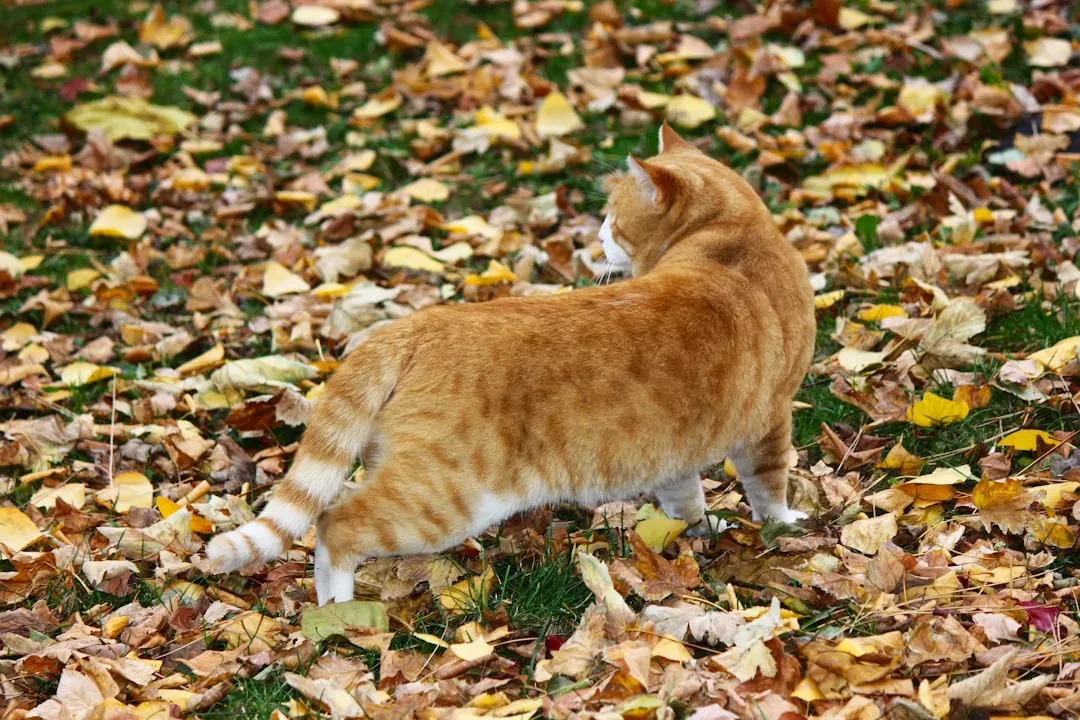
While cats do have an impressive righting reflex that helps them orient themselves during a fall, they don’t always land on their feet. This myth probably persists because cats are incredibly agile creatures, capable of some seemingly impossible acrobatic feats.
Cats can and do get injured from falls, which is why it’s crucial to secure windows and high spaces in your home to prevent accidents. Veterinarians have a specific term for these injuries: high-rise syndrome. The name alone tells you how common these falls actually are.
The height of the fall significantly affects how cats land. Short falls don’t give them enough time to right themselves properly, while extremely high falls can result in devastating injuries despite their best efforts. They can miscalculate and fall on their faces or their sides.
If you live in an apartment building or have high balconies, invest in proper screens and barriers. Your cat’s natural agility is impressive, yet it’s not foolproof enough to gamble with their safety.
A Wagging Tail Doesn’t Always Mean a Happy Dog

Tail wagging is simply a form of communication that can express various emotions. We’ve been conditioned to see a wagging tail and immediately assume the dog is friendly and approachable. That assumption can actually be dangerous in some situations.
While it often indicates happiness, it can also signal anxiety, aggression, or nervous energy. The position and speed of the wag tell the real story. A slow, stiff wag held high can indicate agitation or dominance posturing.
Researchers found that a dog’s tail wagging to the right indicates positive emotions while wagging to the left indicates negative emotions. This fascinating discovery shows just how nuanced canine body language truly is. Most people wouldn’t notice this directional difference without specifically looking for it.
It is important to pay attention and interpret the rest of the dog’s body language and use caution when approaching a dog you don’t know. Look at their ears, posture, and facial expression alongside that tail before deciding whether to approach.
Indoor Pets Still Need Vaccinations and Preventatives
Even if your cat never ventures outdoors, they still need proper vaccinations. Many pet owners figure that indoor-only pets are completely protected from diseases simply by staying inside. That false sense of security can have serious consequences.
Viruses and bacteria can be brought into the home on shoes, clothing, or other pets. You could unknowingly track in harmful pathogens from a walk through the park or even just from your workplace. Your indoor cat or dog has zero immunity without proper vaccination.
It only takes one bite from an infected mosquito for your dog or cat to get heartworm disease. Mosquitoes easily find their way inside homes, especially during warmer months. In 2022, over 200,000 pets in the U.S. were diagnosed with heartworm disease.
Once infected, treatment can be costly, with possible side effects and no guarantee of success. Prevention is always cheaper and safer than treatment. Year-round preventatives should be standard for all pets regardless of their lifestyle.
One Dog Year Does Not Equal Seven Human Years

While this rule is widely believed, it’s not accurate. This mathematical formula has been around for generations, probably because it’s simple to remember and calculate. Unfortunately, simplicity doesn’t equal accuracy in this case.
Aging varies significantly by species, breed, and size. A Great Dane ages much faster than a Chihuahua, even though they’re both dogs. A dogs size, breed and genetics play a part in determining a dogs lifespan.
Smaller breeds generally live longer and age more slowly than giant breeds. A five-year-old Chihuahua is barely middle-aged, while a five-year-old Great Dane is approaching senior status. The seven-year rule completely ignores these crucial differences.
Instead of relying on the seven years rule, schedule regular wellness exams to track your pet’s health and aging. Your veterinarian can give you breed-specific information about what life stage your particular pet is experiencing. Let the professionals guide you rather than relying on outdated calculations.
Dogs See More Than Just Black and White

While dogs don’t see the full range of vivid colors that humans do, they can see more than just black and white. This misconception has been around for decades, and many pet owners still believe their dogs live in a grayscale world.
Dogs have dichromatic vision, meaning their eyes detect blue and yellow tones. Think of it like a human with red-green colorblindness rather than someone watching an old black-and-white film. They’re not seeing the rainbow like we do, yet they’re definitely seeing color.
Their color palette is more muted compared to ours, similar to what you might see at dawn or dusk. Blues and yellows stand out vividly to them, while reds and greens appear more brownish or grayish. That bright red ball you bought your dog? They’re probably seeing it as a brownish-yellow object.
This knowledge can actually help you choose better toys for your pup. Blue and yellow toys will stand out more clearly to them in green grass, making fetch games more visually engaging for your canine companion.
A Dog’s Mouth Is Not Cleaner Than a Human’s

Dogs’ mouths contain their own unique set of bacteria, different from humans but certainly not cleaner. This myth probably gained traction from observing dogs lick their wounds, leading people to assume their saliva had special healing properties.
Unfortunately, dog’s mouths are no cleaner than the average human’s mouth. Both humans and dogs carry around 600 types of bacteria in their mouths simultaneously. That’s roughly about the same level of bacterial diversity.
When pets lick their wounds, they deposit all of the bacteria living in their mouth directly into the sore, setting the stage for infection. The rough texture of their tongues also irritates the tissue around wounds, making healing slower and more painful. Veterinarians recommend e-collars precisely because licking wounds is counterproductive.
I know nobody wants to think about this when their dog gives them enthusiastic kisses, and honestly, occasional doggy kisses won’t hurt you. Just understand that their mouths aren’t the sterile environments we once believed them to be.
All White Cats With Blue Eyes Aren’t Deaf

Only white cats possessing two copies of the W gene that suppresses coat pigmentation sometimes suffer deafness. This specific genetic myth has caused many people to overlook wonderful white cats at shelters, assuming they’ll all have hearing problems.
Having one W copy paired with a gene for non-blue eye color poses no deafness threat. Genetics is far more complicated than simple appearance suggests. The correlation between white fur, blue eyes, and deafness exists, yet it’s not guaranteed.
Even among white cats with two blue eyes, not all of them will be deaf. Some might be deaf in one ear, some in both, and some might have perfect hearing. The only way to know for certain is through proper testing rather than making assumptions based on appearance.
If you’re considering adopting a white cat with blue eyes, don’t let this myth scare you away. Even if the cat does turn out to be deaf, they can live perfectly happy, full lives with appropriate accommodations.
Cats Need Just as Much Care as Dogs

Cats are often perceived as independent and low-maintenance, but they require significant care and attention. The stereotype of cats as self-sufficient creatures who barely need their owners has done a real disservice to feline welfare.
While it’s true that many cats are smaller than most dogs, and therefore medications may be less expensive, it costs just as much for basic health care. An X-ray costs the same whether it’s for a cat or a dog. Blood work panels run the same price regardless of species.
Regular veterinary check-ups, mental stimulation, social interaction, and a clean environment are crucial for their well-being. Cats suffer from boredom, loneliness, and behavioral issues just like dogs do when their needs aren’t met. They might not show distress as obviously as dogs, which is actually more concerning.
Up to 35% of pet owners admit that they underestimated the cost of their pets. Whether you choose a cat or a dog, prepare yourself financially and emotionally for a similar level of commitment. Both species deserve proper care and attention throughout their lives.
Conclusion
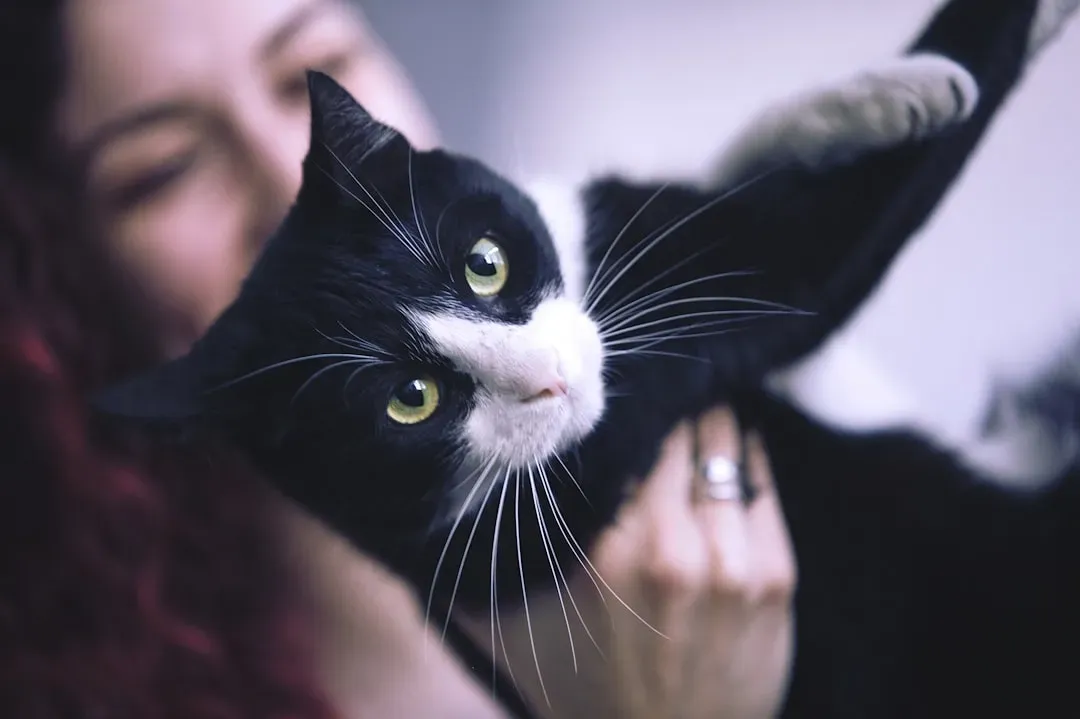
The truth behind these common pet myths reveals just how much misinformation circulates in the pet care world. From dry noses to wagging tails, from grass-eating habits to indoor vaccination needs, we’ve been getting so many things wrong for years. Understanding the real facts helps us become better pet parents and provide the care our companions truly need.
What’s striking is how many of these myths persist despite veterinary science proving them false decades ago. It shows how powerful word-of-mouth advice and cultural beliefs can be, even when contradicted by evidence. The good news is that with resources and research readily available now, we can all become more informed.
Your pets depend on you to make the best decisions for their health and wellbeing. Which of these myths surprised you the most? Did any of them completely change how you’ll care for your furry friend going forward?

- Why Veterinarians Say If Your Cat Sleeps With Their Back to You, It's the Highest Form of Trust in Feline Behavior - July 20, 2026
- The Zodiac Signs That Owls Avoid Completely (And What Folklore Says It Means About Your Energy) - July 20, 2026
- 8 Amazing Animal Instincts That Continue to Puzzle Scientists Today - July 20, 2026