

One of the most impactful benefits of having snakes in your garden is their role as natural pest controllers. Snakes primarily feed on rodents, slugs, and insects – creatures often considered pests by gardeners. By preying on these pests, snakes help maintain a healthier balance in the garden ecosystem, reducing the need for chemical pest control methods.
Balancing the Ecosystem

Snakes play a crucial role in maintaining the ecological balance because they are both predator and prey within their food webs. Their presence ensures that neither the populations of their prey nor their predators spike too drastically, which could disrupt the delicate ecosystem of your garden. In essence, snakes contribute to the natural balance, ensuring a more sustainable garden environment.
Protecting Garden Plants

Garden plants often suffer at the hands of rodents and certain insects. Snakes, by controlling these populations, indirectly protect your plants. For instance, garter snakes feed on slugs that often damage plant leaves. This natural defense system allows your plants to thrive, resulting in a more lush and productive garden.
Enhancing Soil Quality

As snakes move through your garden, they tend to burrow and make their homes underground, which can help aerate the soil. This aeration improves the movement of air and water through the soil, enhancing its fertility and making conditions more favorable for root growth.
Supporting Biodiversity

Snakes are an integral part of garden biodiversity. By providing a home for snakes, you’re also supporting a wide array of other wildlife species, from amphibians to small mammals. Biodiversity fosters resilience in the garden, helping it withstand environmental changes and pests more effectively.
Indicator of a Healthy Environment
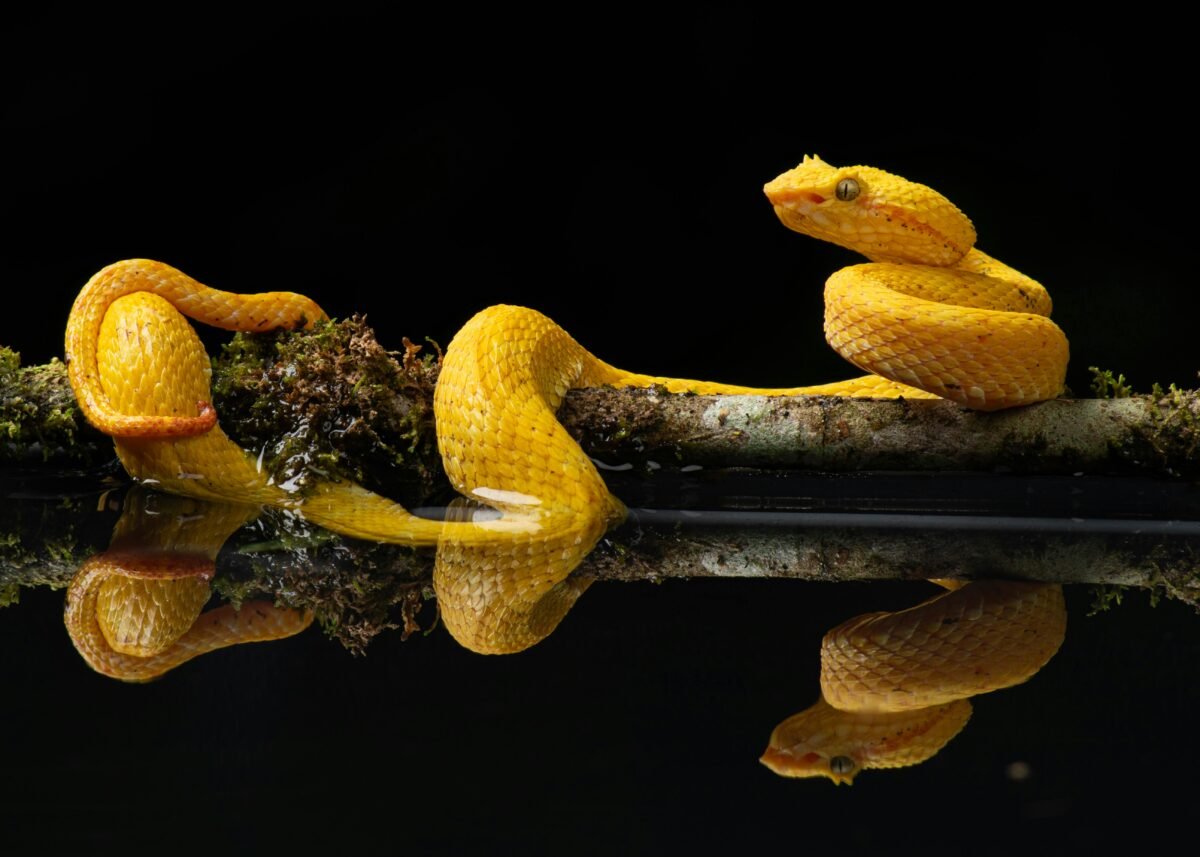
The presence of snakes in your garden is often an indicator of a healthy and balanced ecosystem. Snakes require a suitable habitat that offers food and shelter. Their presence suggests that your garden is a thriving environment with a variety of species coexisting, which is a desirable trait for any gardener.
Reduction of Disease-Carrying Pests

Rodents in gardens are not only damaging due to their feeding habits but also because they can be carriers of diseases. By managing their populations, snakes help reduce the risk of such diseases spreading, which is especially beneficial if you’re growing edibles in your garden.
Education and Observation Opportunities

Having snakes in your garden provides a unique opportunity for education and observation. Observing snakes can offer insights into their behaviors and biological processes, enriching your understanding of wildlife. This can be particularly engaging for families with children interested in natural science.
A Natural Deterrent for Large Pests

Some snakes can deter larger pests that might be a nuisance to your garden, such as larger rodents. Snakes such as bull snakes or rat snakes are known to prey on larger species, providing natural control and deterring these bigger pests from settling in your garden.
Contributing to Pollination Processes

Though not directly involved in pollination, snakes contribute to the ecosystem’s balance, which can enhance pollination processes indirectly. By keeping pest populations in check, snakes support the plants that pollinators rely on, ensuring a stable food source that enables efficient pollination.
In conclusion, snakes often have a misunderstood reputation, but they offer numerous benefits that are crucial for the health and vitality of your garden. Embracing these slithery allies might just be the best ecological decision you can make for a thriving outdoor space.

- The Most Powerful Earthquake Ever Felt in the U.S. - July 19, 2026
- How Rhinoceros Males Compete for Mating Rights in the Wild - July 18, 2026
- 13 Spider Species Thriving in Changing Environments - July 18, 2026