
Picture this: you’ve always dreamed of having a dog. Maybe you’re scrolling through photos of adorable puppies on social media, imagining long walks in the park and cozy evenings on the couch with your new best friend. Sounds perfect, right? Here’s the thing, though. Not every breed is going to make that dream as smooth as you might hope.
Some dogs come with personalities that demand more than just love and enthusiasm. They need experience, patience, and honestly, a bit of grit. Choosing the wrong breed as a first-timer can turn your idyllic vision into a daily challenge that leaves both you and your pup frustrated. Let’s be real: certain breeds are simply wired differently, and if you’re new to the dog ownership game, you might find yourself in over your head before you know it.
Border Collie
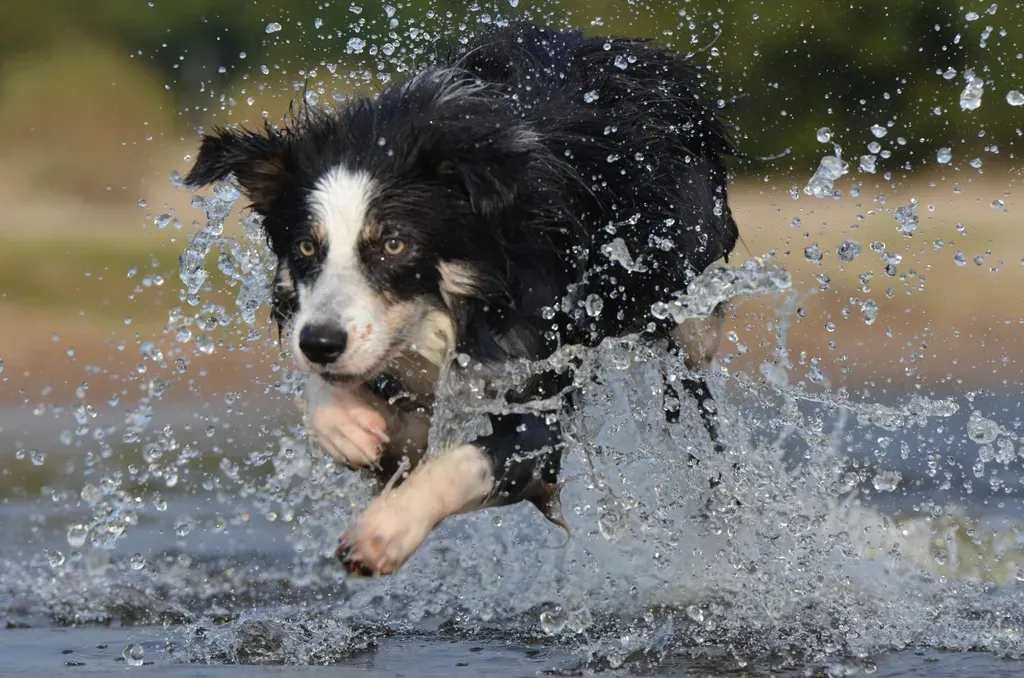
Border Collies are ranked as the most intelligent breed in the world, and while that sounds like a dream, it’s actually a double-edged sword for beginners. These dogs don’t just want something to do; they need it like oxygen. Originally bred for herding, they have seemingly endless energy and require structured training and tasks to stay happy.
Without that constant mental and physical stimulation, you’re going to see some creative problem-solving from your Collie. They’re problem solvers who’ll create their own fun if left alone with nothing to do – some figure out how to open doors, others herd children or even furniture. I know it sounds crazy, but these dogs are so smart they can actually outsmart you on a regular basis. They’ll get bored with repetitive commands and simply check out, inventing their own games instead.
Siberian Husky
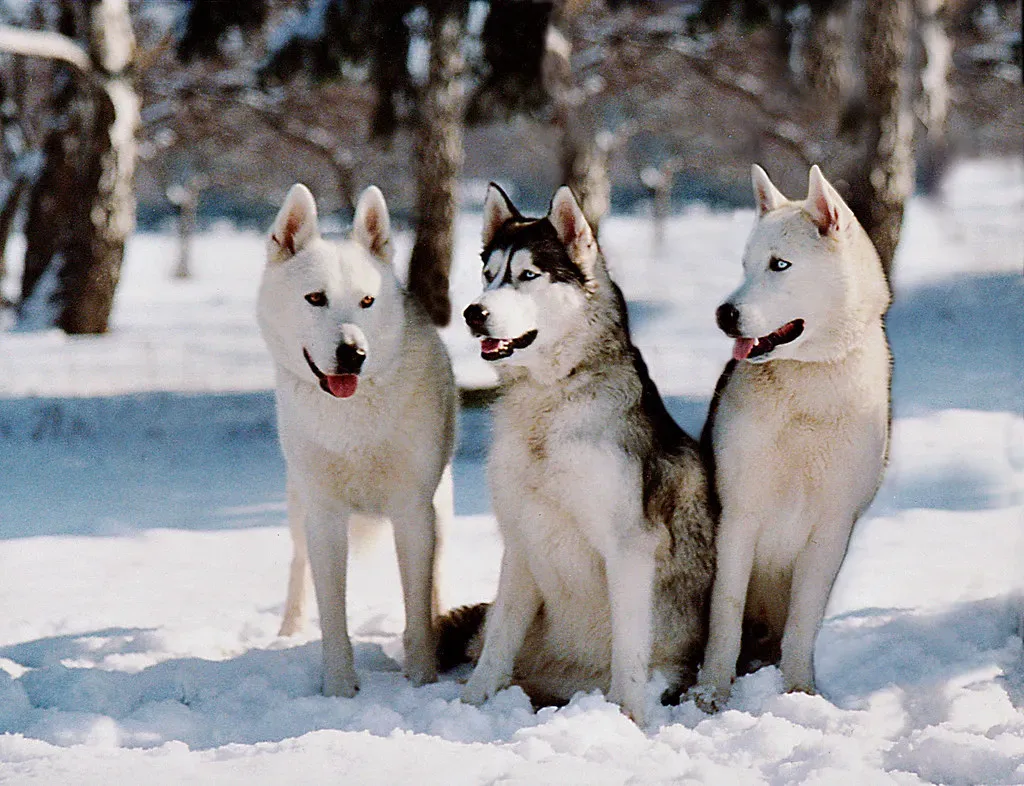
Those piercing blue eyes and fluffy coat might make you melt, but Siberian Huskies are beautiful dogs but not generally recommended for first-time owners as they need a lot of looking after and are extremely active. These sled dogs were literally bred to run for miles in freezing conditions, so a quick walk around the block isn’t going to cut it.
Siberian huskies are also one of the highest energy dogs out there, needing heaps of exercise and mental stimulation, otherwise they’ll find more unsavory ways of exhausting their energy, and they’re notorious escape artists. If Houdini was a dog, he’d definitely be a Husky. They’re also incredibly vocal and won’t hesitate to express their feelings to the entire neighborhood. Training them to keep quiet? Good luck with that, especially if you’ve never trained a dog before.
Akita
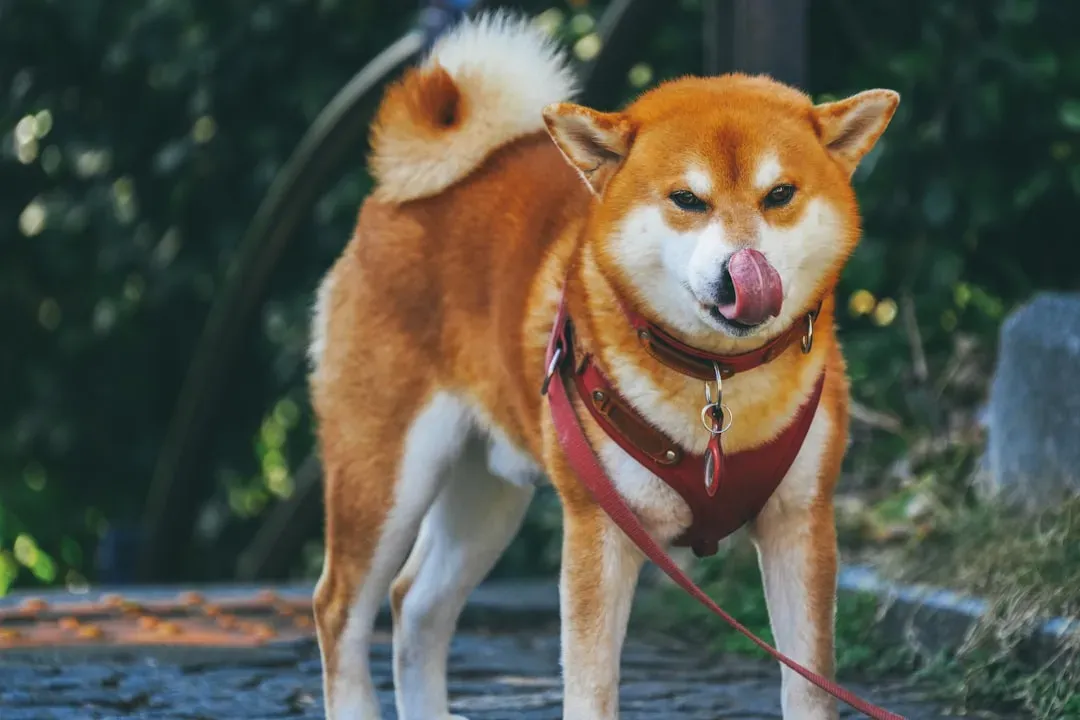
The Akita isn’t just any dog – it’s a powerhouse of strength, independence, and fierce loyalty, originally bred in Japan for hunting large game. While that loyalty sounds appealing, it comes with a stubborn streak that can frustrate even experienced owners. The Akita is known to be quite loyal and protective, but due to their history as hunting dogs, their prey drive can be strong, making being around smaller animals dicey, and they’re also quite smart and stubborn, requiring a firm, knowledgeable owner.
They’re naturally reserved around strangers and don’t warm up easily, which means socialization isn’t optional – it’s a must. Without proper training from someone who knows what they’re doing, Akitas can become territorial and difficult to manage in public or around other pets. Their dominant personality demands respect, and if you can’t establish yourself as the leader early on, you’re going to have problems down the line.
Australian Cattle Dog
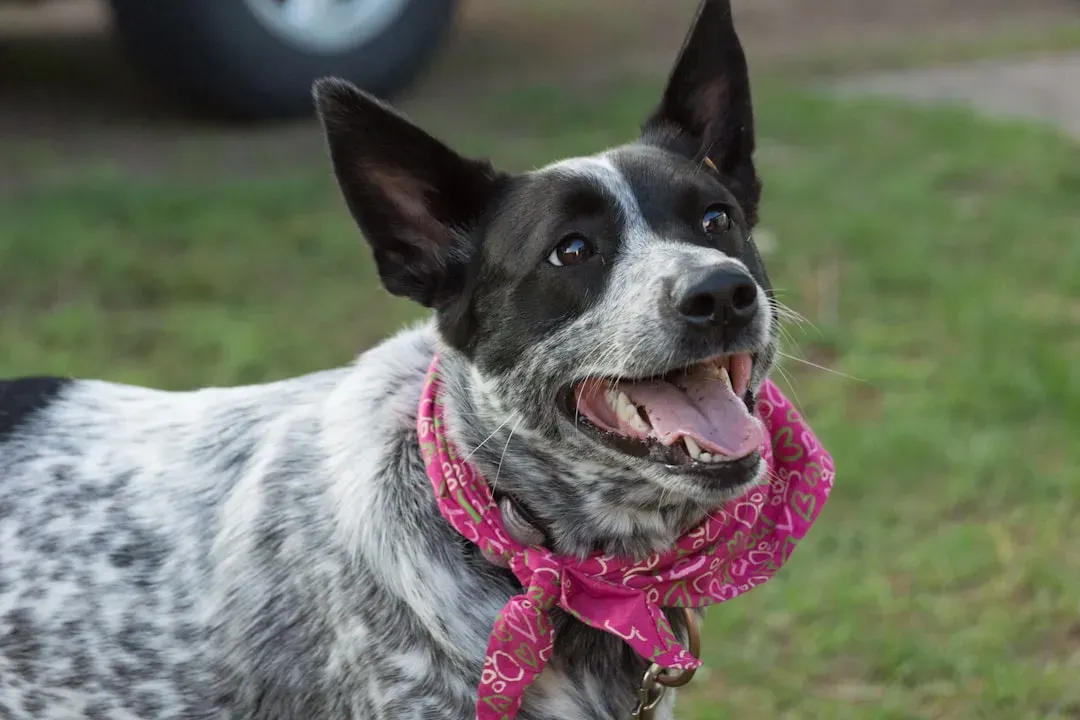
Ever met a dog that seems to be constantly on duty, even when there’s absolutely nothing that needs doing? That’s the Australian Cattle Dog for you – these high-energy herders have a relentless drive, razor-sharp intelligence, and an independent streak a mile long. First-time owners often underestimate just how much work these dogs require.
Cattle Dogs thrive on work and don’t just want activity; they need it – a quick walk won’t cut it as they crave intense exercise, mental challenges, and structured tasks, and without a job, they get creative in ways you won’t like. They’re wickedly smart but also independent thinkers who might ignore commands if they don’t make sense to them. First-time owners often struggle with this, mistaking intelligence for stubbornness.
Belgian Malinois
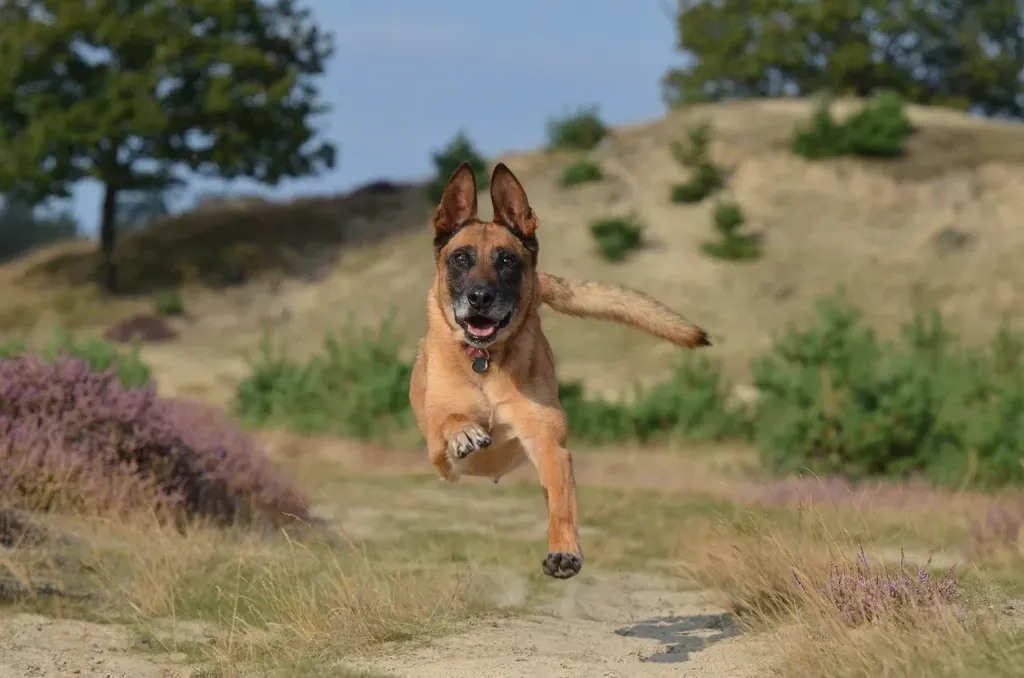
Originally bred in Belgium to herd livestock, Belgian Malinois excel today in police work, military service, and search-and-rescue roles, with their alertness and energy making them one of the most driven breeds. If you’ve seen them in action movies, they look incredible. In your living room as a novice owner? That’s a different story entirely.
Mals require far more than a walk around the block – they thrive on long runs, agility training, or advanced obedience activities, and without structured outlets, they may develop destructive behaviors like chewing furniture, digging, or pacing. They don’t like being left alone and can develop separation anxiety if left for long hours without proper training – a bored, anxious Malinois isn’t just sad, it’s destructive. These dogs need professional-level handling, honestly.
Chow Chow
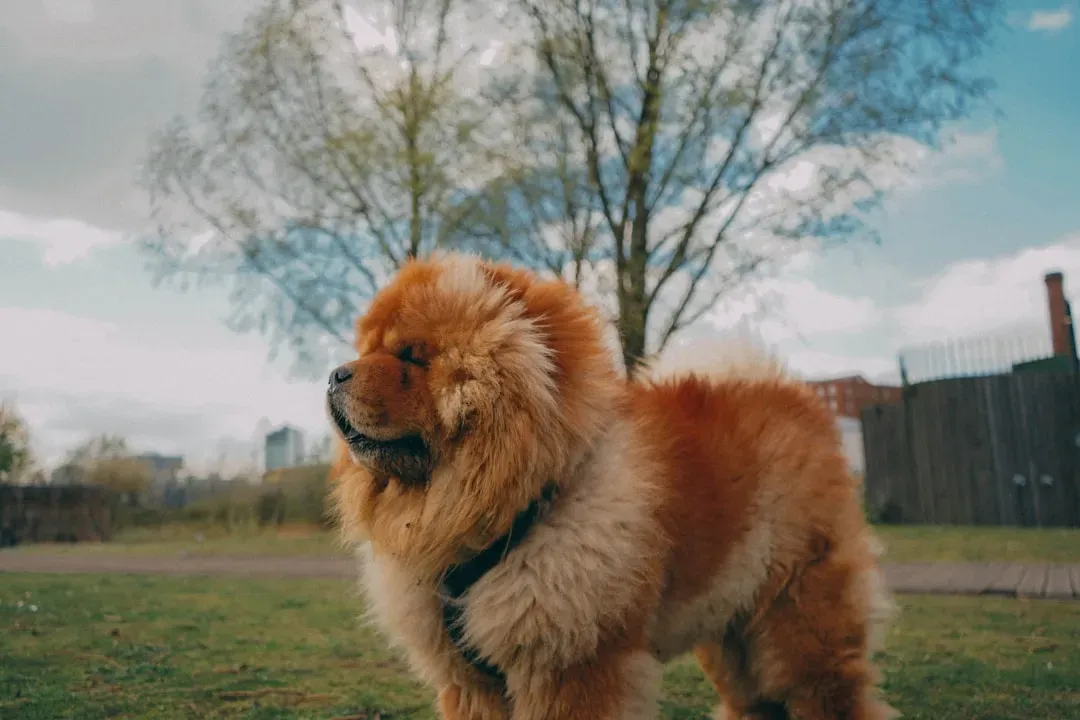
With their fluffy teddy bear appearance and distinctive blue tongue, Chow Chows look like giant cuddly toys. While they look like they’d be cuddly and sweet with their plump faces and fluff, they’re independent dogs that aren’t known to offer much affection. Their aloof nature can be off-putting if you’re expecting a dog that lives to please you.
Chow Chows are known for their aloof and dominant temperament, requiring an experienced owner to provide proper training and early socialization. While intelligent, these dogs are stubborn, and raising a well-mannered and well-adjusted Chow takes a lot of training and patience. Their long double coats also demand serious grooming commitment, and if you can’t keep up with regular brushing and mat removal, this breed will quickly become a nightmare to manage.
Dalmatian
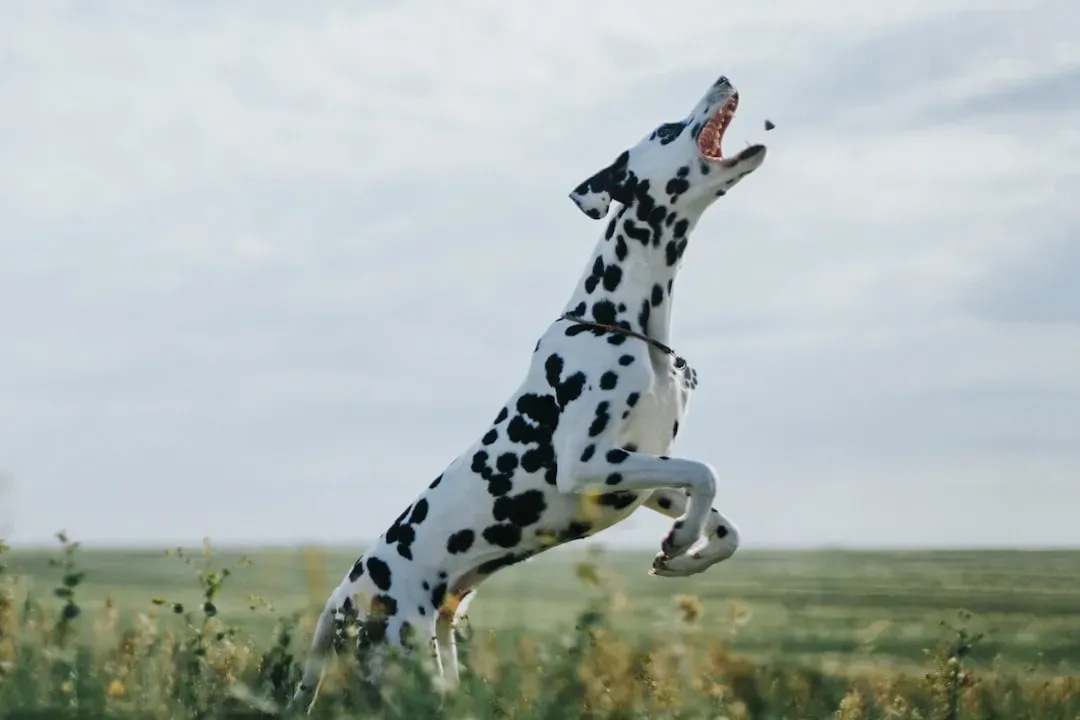
Dalmatians are instantly recognizable by their sleek spotted coats and athletic build – bred as carriage dogs, they were literally designed to run long distances. That heritage shows up in every fiber of their being, demanding an active lifestyle that many first-timers simply can’t provide consistently.
While their personalities are bright and they’re protective and loyal dogs more apt to cuddle with their favorite people, this breed was used as carriage dogs, including for firemen, so they love a good run and have a lot of energy to burn. Without sufficient exercise, they can become hyperactive and difficult to manage, making them better suited to experienced owners. Their excitement and energy can make focus difficult during training sessions, requiring patience and structured approaches that beginners might not have developed yet.
Rottweiler
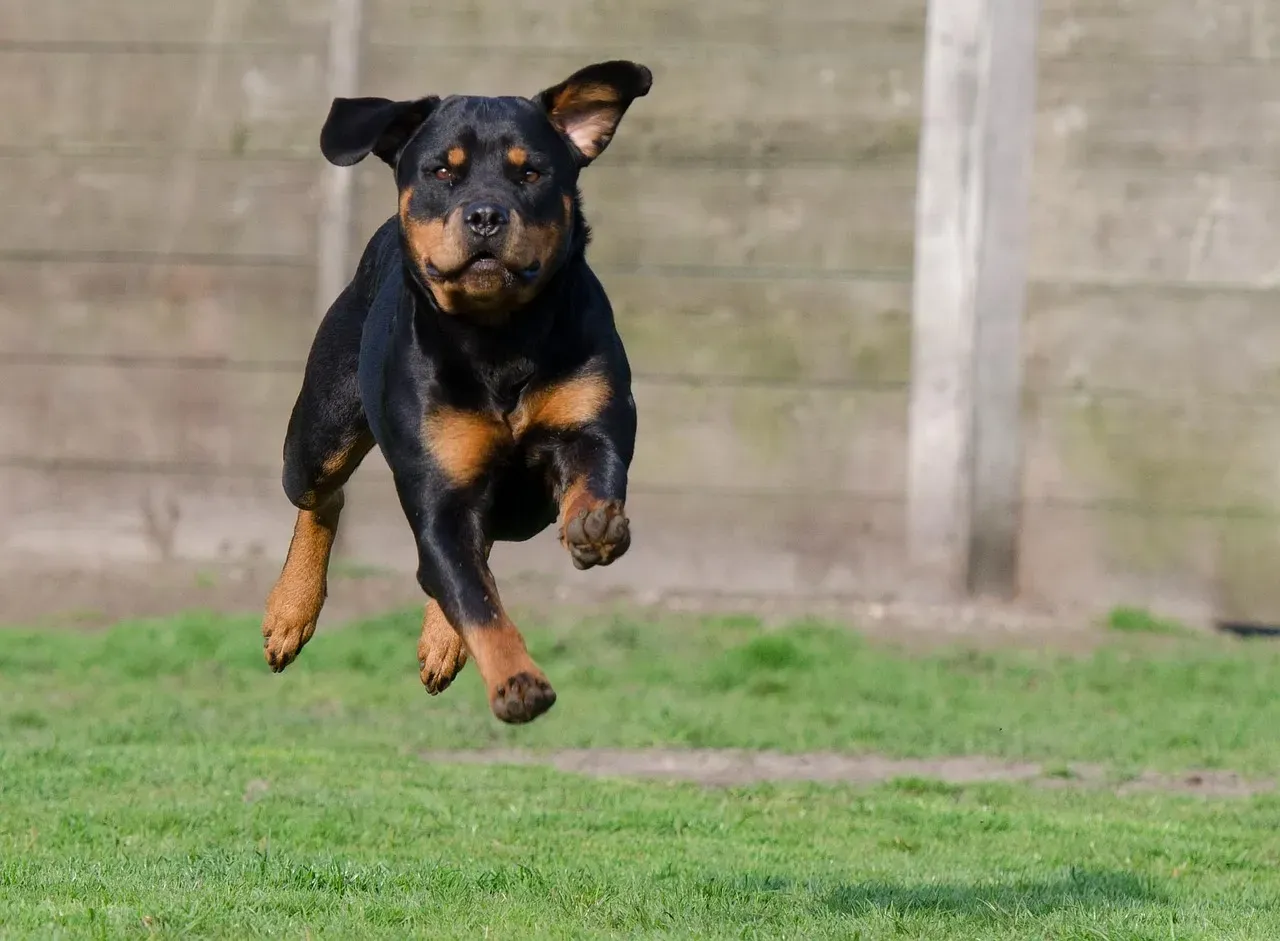
Rottweilers make great protectors and friends, but they are not the best breed for first-time owners due to their size, certain temperament traits, and need for intense exercise and training. These powerful dogs were originally bred to drive cattle, and that strength remains very much present in the modern Rottie.
Because of their size, an out-of-control Rottweiler can pose a serious danger to those around them, even if they don’t mean to cause trouble – they can easily drag an inexperienced owner along if they decide to take off after something, and their powerful jaws can do a lot of damage if they’re not properly trained. Rottweilers have a knack for sensing and exploiting their owner’s weaknesses, picking up on inconsistency or uncertainty in training methods, making establishing yourself as a confident and knowledgeable leader crucial and particularly challenging for first-time owners.
Alaskan Malamute
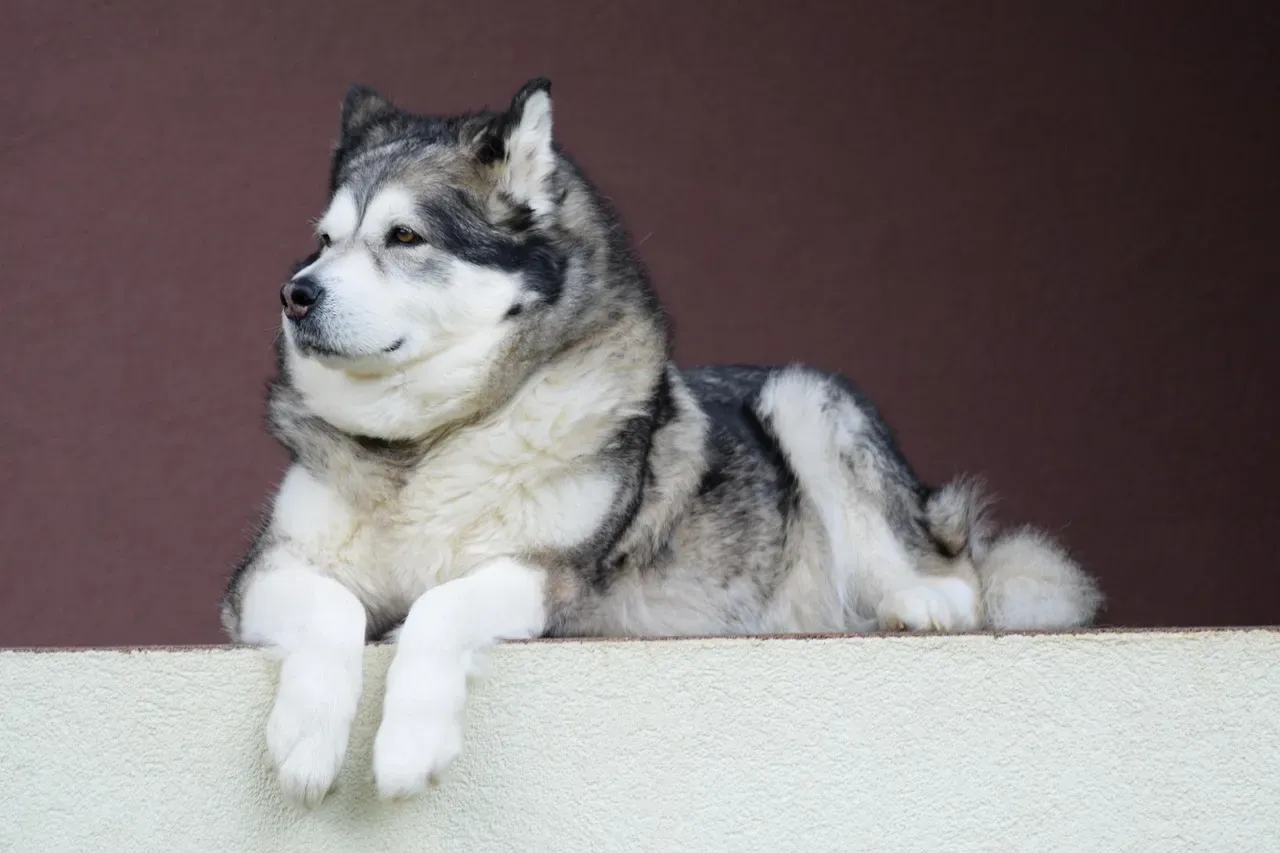
Traditionally bred as sled dogs, Alaskan Malamutes are high energy and shed heavily, can be prone to pulling on the leash (a safety concern with such a large, strong dog), require a lot of exercise and can easily become bored, and are escape artists who will run away given the opportunity. These gorgeous dogs look like gentle giants, and while they’re generally sweet-natured, they come with serious challenges.
Although Malamutes are very smart, they’re also independent, willful, stubborn, and have no interest in listening to anyone they don’t respect – if a Malamute doesn’t take you seriously, good luck getting them to pay attention long enough for training, and even with experienced handling, you may never fully break some bad habits like digging. They’re not highly motivated by treats or praise either, which removes the primary tools most beginners rely on for training.
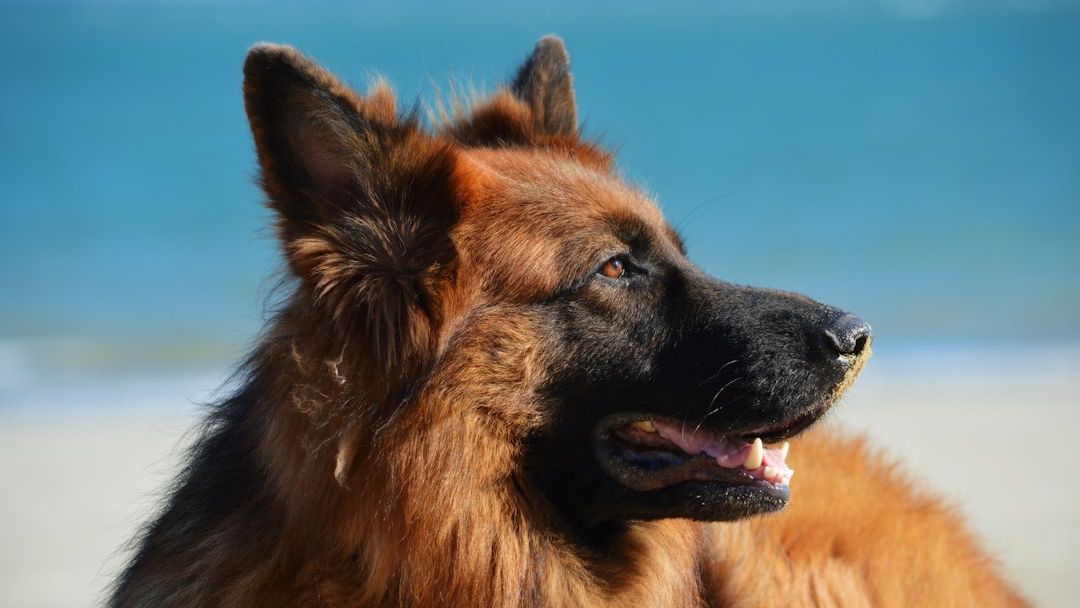
German Shepherd
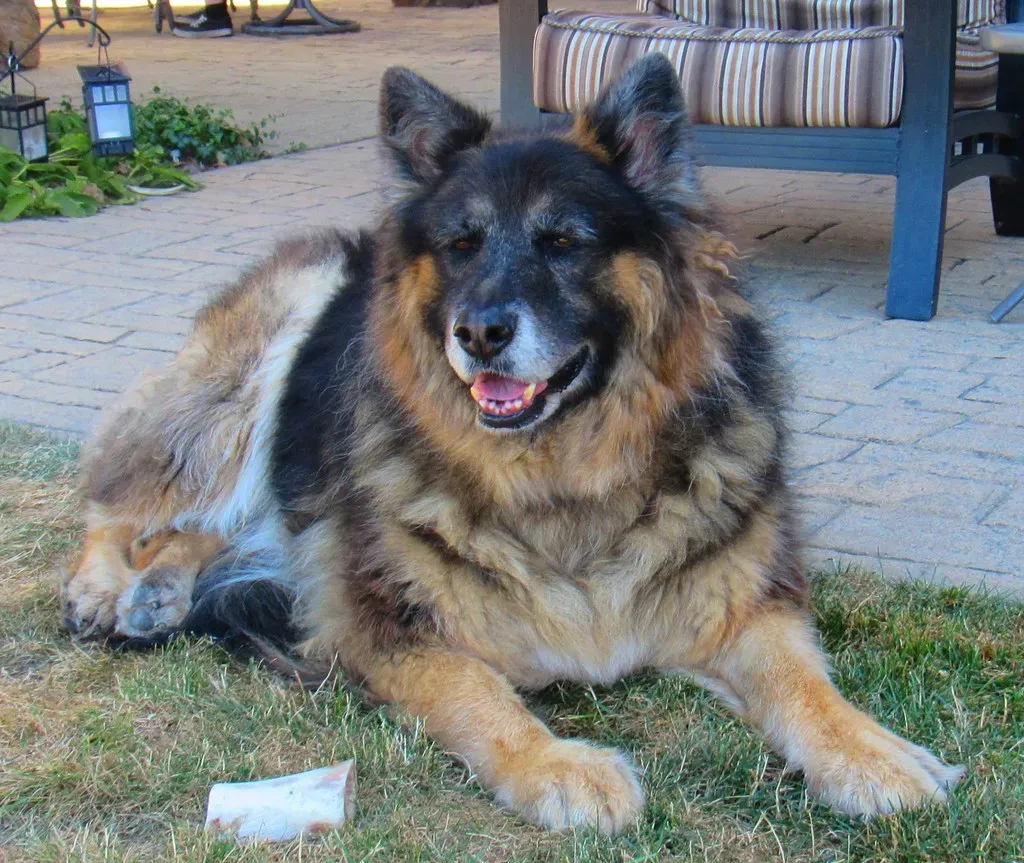
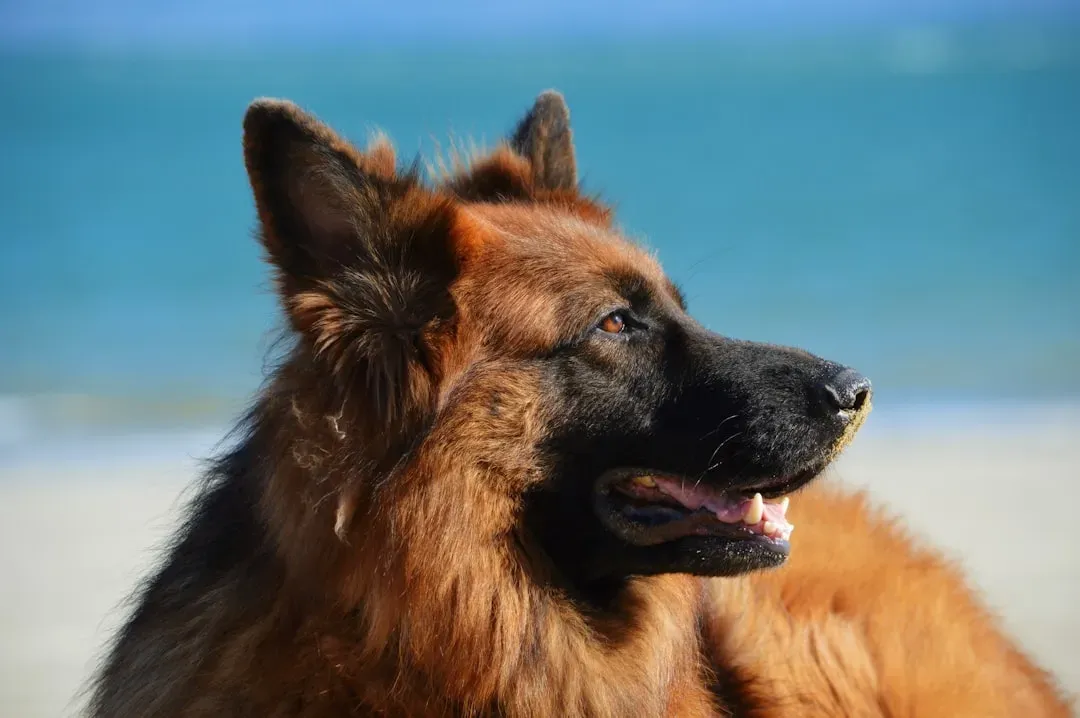
Hold on, you might be thinking. Aren’t German Shepherds everywhere? Don’t families have them all the time? Sure, but that doesn’t mean they’re ideal for complete beginners. The German Shepherd is a bright, stately and confident dog that needs intense training to control their guarding instincts, and though they’re cream puffs when their favorite human is rubbing their tummy, their aggression may be daunting for a first-time pet parent.
First-time dog owners might find Rottweilers slightly more challenging to train than breeds like German Shepherds, though while Rottweilers are equally intelligent, they can be more independent, which might make them slightly more challenging to train for first-time dog owners. Still, German Shepherds require consistent training and strong leadership. Without it, their protective instincts can manifest in ways that are difficult to control, especially in busy households or around strangers. They’re working dogs through and through, needing jobs and structure to thrive.
Conclusion
Choosing your first dog is one of the most exciting decisions you’ll ever make, but it’s also one that deserves serious thought. The breeds we’ve covered aren’t bad dogs by any stretch of the imagination. In the right hands, they’re incredible companions who excel at what they were bred to do.
The key is being honest with yourself about your experience level, lifestyle, and commitment. These dogs demand time, consistency, and often professional training support that can be overwhelming when you’re just starting out. There are plenty of wonderful breeds out there that are far more forgiving of rookie mistakes and better suited to learning alongside you.
So, what do you think? Does your dream breed match your reality, or are you rethinking your options? Sometimes the best choice isn’t the one that looks coolest in photos, but the one that fits seamlessly into your actual life. Choose wisely, and both you and your future furry friend will be much happier for it.

- 6 Exotic Bird Species You Can Spot in U.S. National Parks - July 19, 2026
- 11 Iconic American Birds Facing New Challenges and How You Can Help - July 19, 2026
- 10 Friendliest Animals in the World - July 19, 2026