

Dogs are often celebrated for their loyalty and companionship, but did you know that not all breeds are clingy or dependent? Some dogs possess a distinct air of independence that might surprise first-time owners expecting constant affection. These independent breeds are perfect for individuals who appreciate a more hands-off pet-owning experience or those who lead busy lives but still wish to enjoy the company of a canine friend.
Understanding Canine Independence

Independence in dogs refers to their ability to entertain themselves, make their own decisions, and sometimes prefer solitude over social interaction. While this trait can vary within a breed depending on the individual dog, some breeds are known for showing more independence. Understanding the nuances of these breeds will help potential owners make informed choices.
Basenji

Often referred to as the “barkless dog” due to its unique vocalizations, the Basenji is one of the most independent breeds. Originating from Central Africa, this breed developed its keen hunting and survival instincts over centuries. Basenjis are curious, intelligent, and sometimes aloof, making them more self-reliant compared to other breeds.
Shiba Inu

The Shiba Inu, hailing from Japan, is known for its spirited personality and independence. With origins as a hunting dog, Shibas have maintained a strong sense of autonomy. They are confident and often exhibit a cat-like side, preferring to do things on their own terms. Shibas require consistent training and socialization to balance their independent nature with household routines.
Scottish Terrier
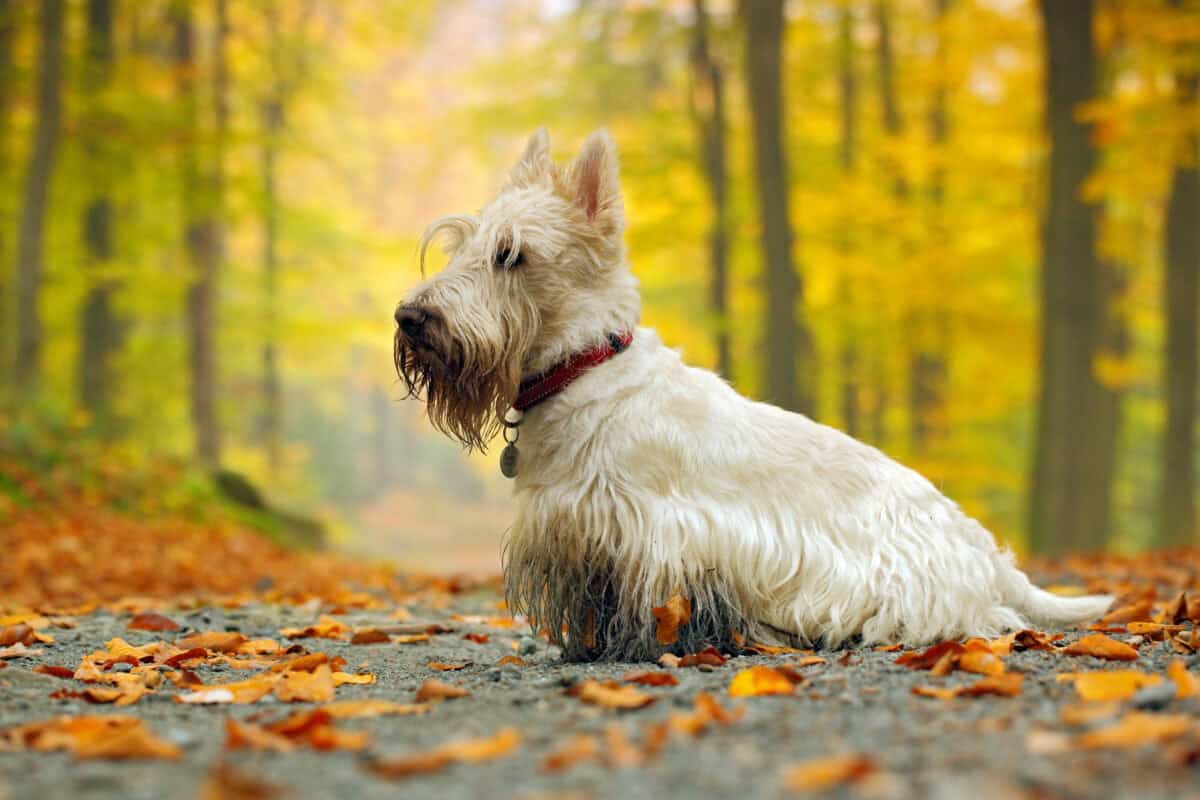
Scottish Terriers, affectionately known as Scotties, are small dogs with strong personalities. Historically bred to hunt in the rugged Scottish Highlands, they developed an independent streak vital for their work. Scotties are loyal to their families but often prefer solitary exploration or downtime, making them less needy for constant attention.
Afghan Hound
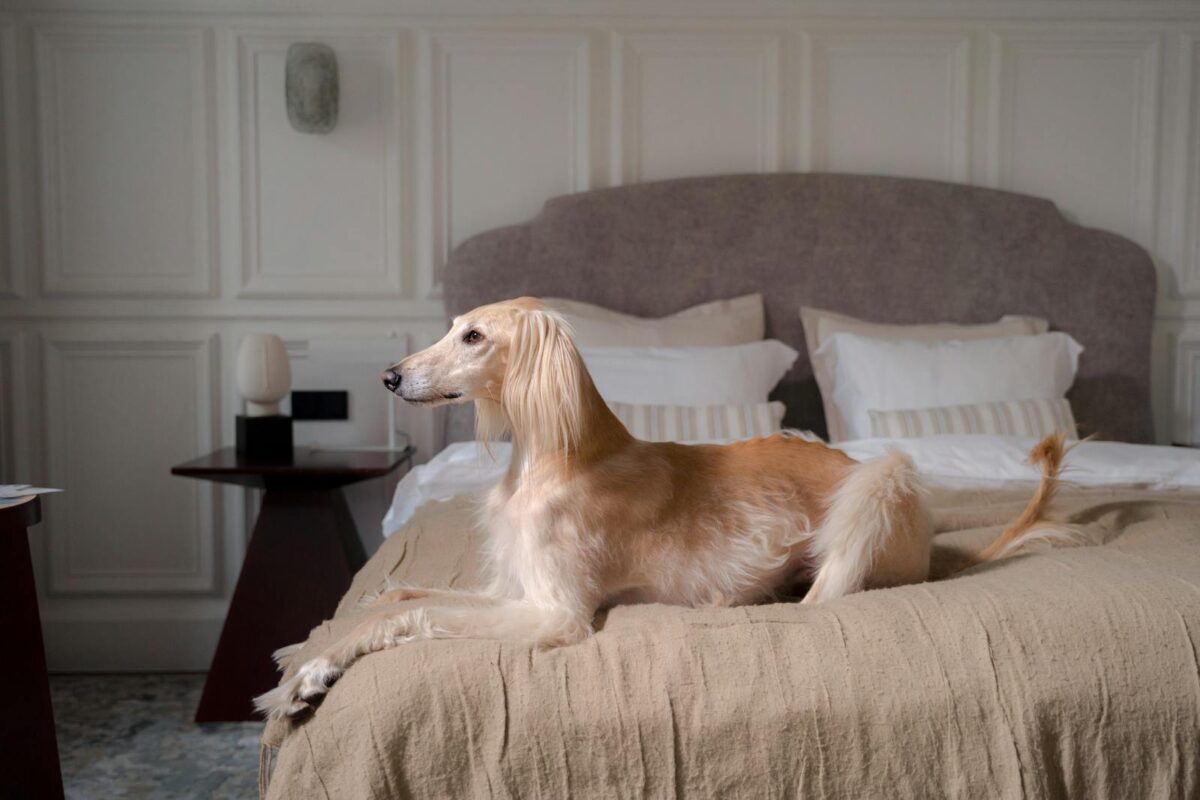
Affection and elegance define the Afghan Hound, yet it is also among the most independent breeds. These dogs were bred for their speed and agility to hunt game over long distances in Afghanistan’s mountainous regions. Afghans are known for their aloof demeanor, sometimes needing encouragement to socialize with people outside their immediate family circle.
Chow Chow
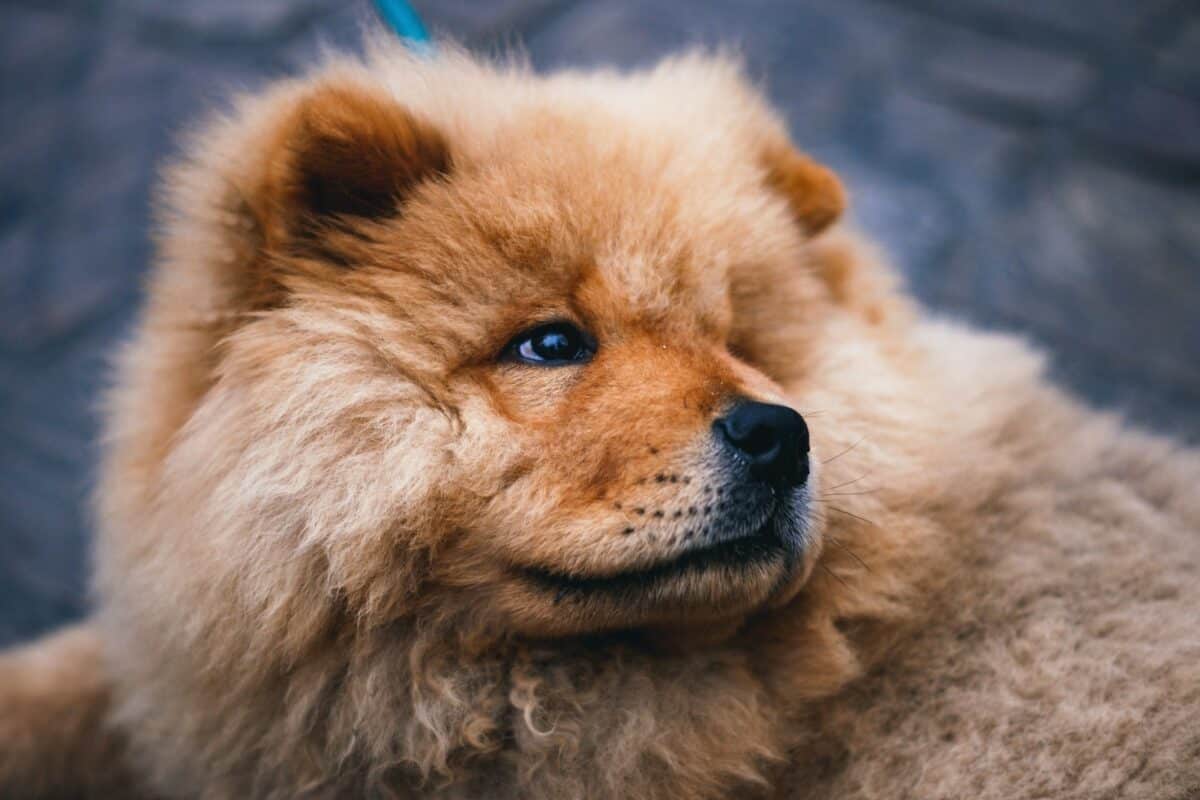
Chow Chows are easily recognizable with their lion-like coats and blue-black tongues. This ancient Chinese breed is known for its dignity and independence. Often more akin to a feline in behavior, Chow Chows can be reserved and sometimes indifferent, choosing when to seek affection from their owners.
Lhasa Apso
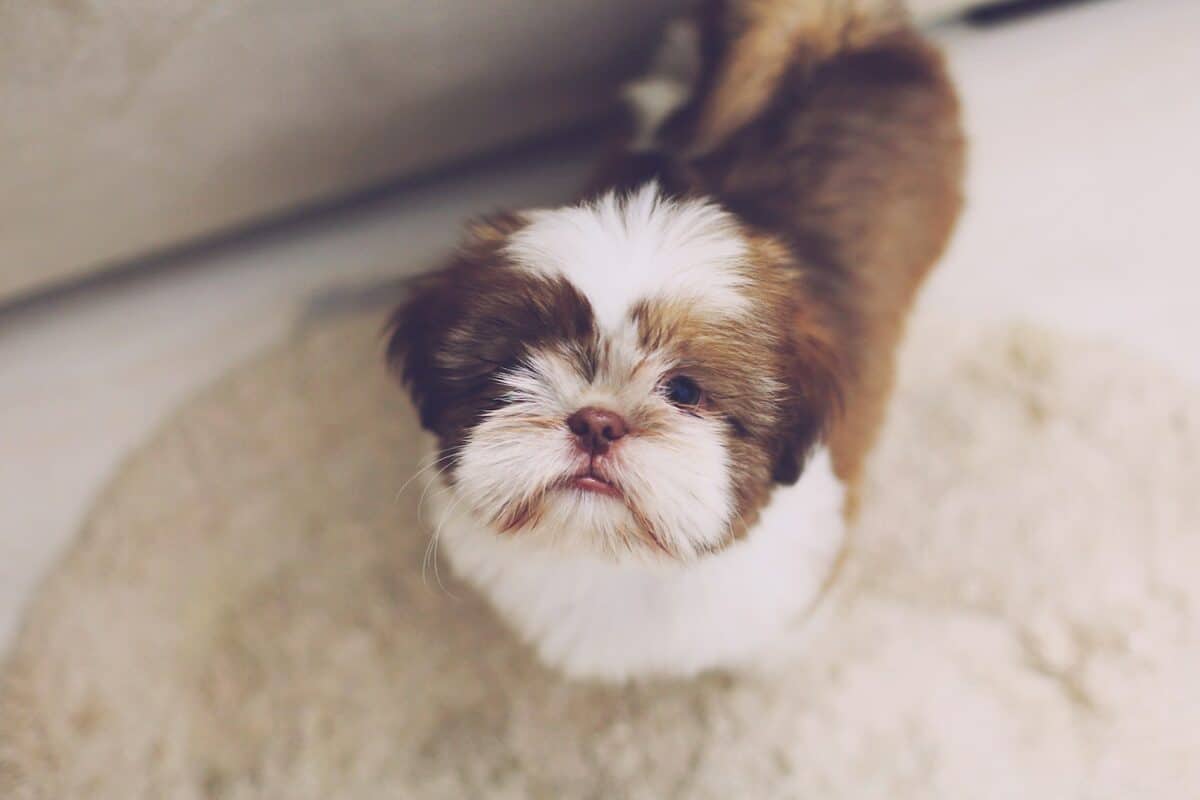
Originally bred as sentinel dogs in Tibetan monasteries, Lhasa Apsos have developed a strong sense of self-sufficient vigilance. They are independent thinkers and can exhibit stubborn tendencies. While affectionate with their families, Lhasas are adept at keeping themselves entertained with toys or by observing their surroundings.
Shar Pei

The Shar Pei, with its distinctive wrinkled skin, is famed for its calm and reserved nature. Developed as a multi-purpose working dog, this breed has maintained a stoic independence. While Shar Peis bond closely with their immediate families, they often reserve affection for a select few and are known to be wary of strangers.
Airedale Terrier
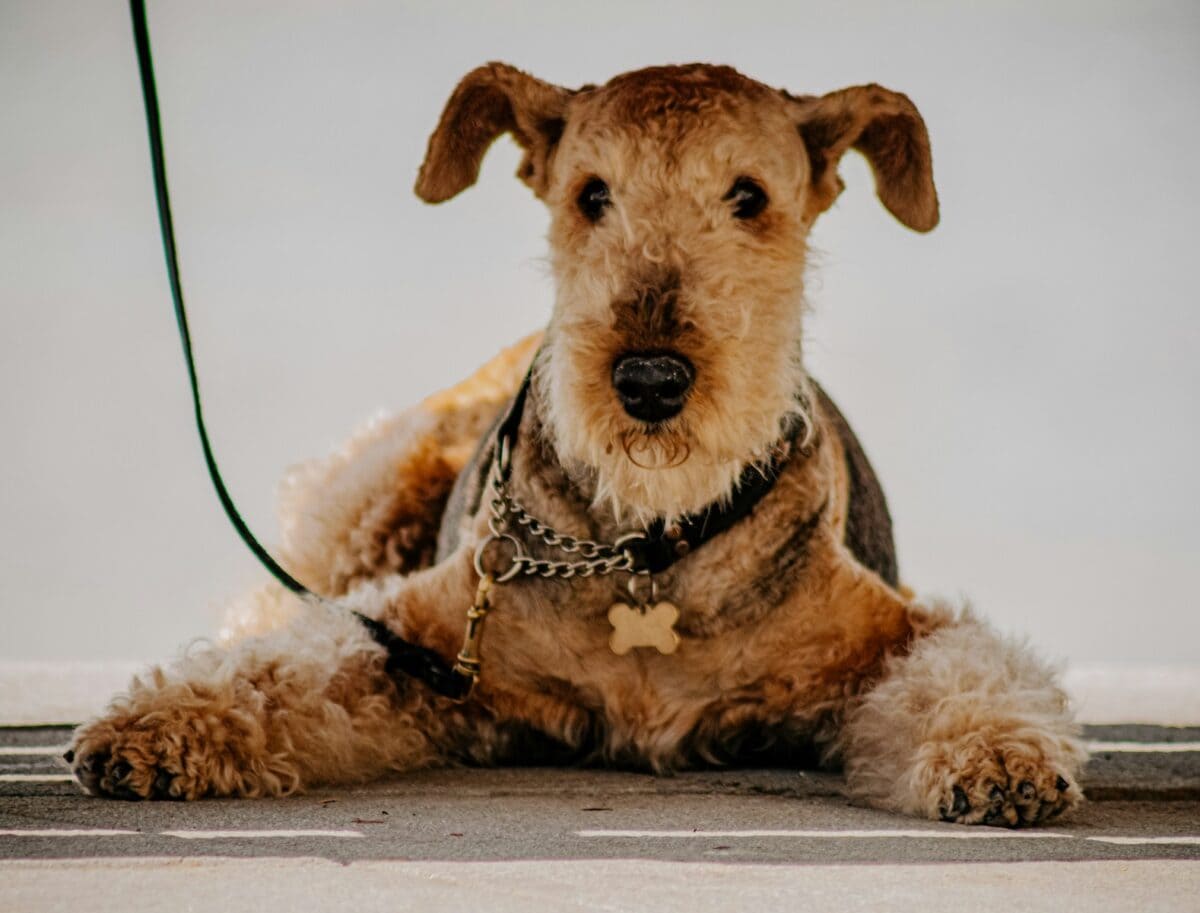
Known as the “King of Terriers,” the Airedale is a confident and independent breed. These dogs were originally bred for hunting and working alongside humans, which endowed them with an ability to work independently. Airedales are intelligent and quick learners, making them excellent companions for experienced dog owners who appreciate an independent dog.
Whippet
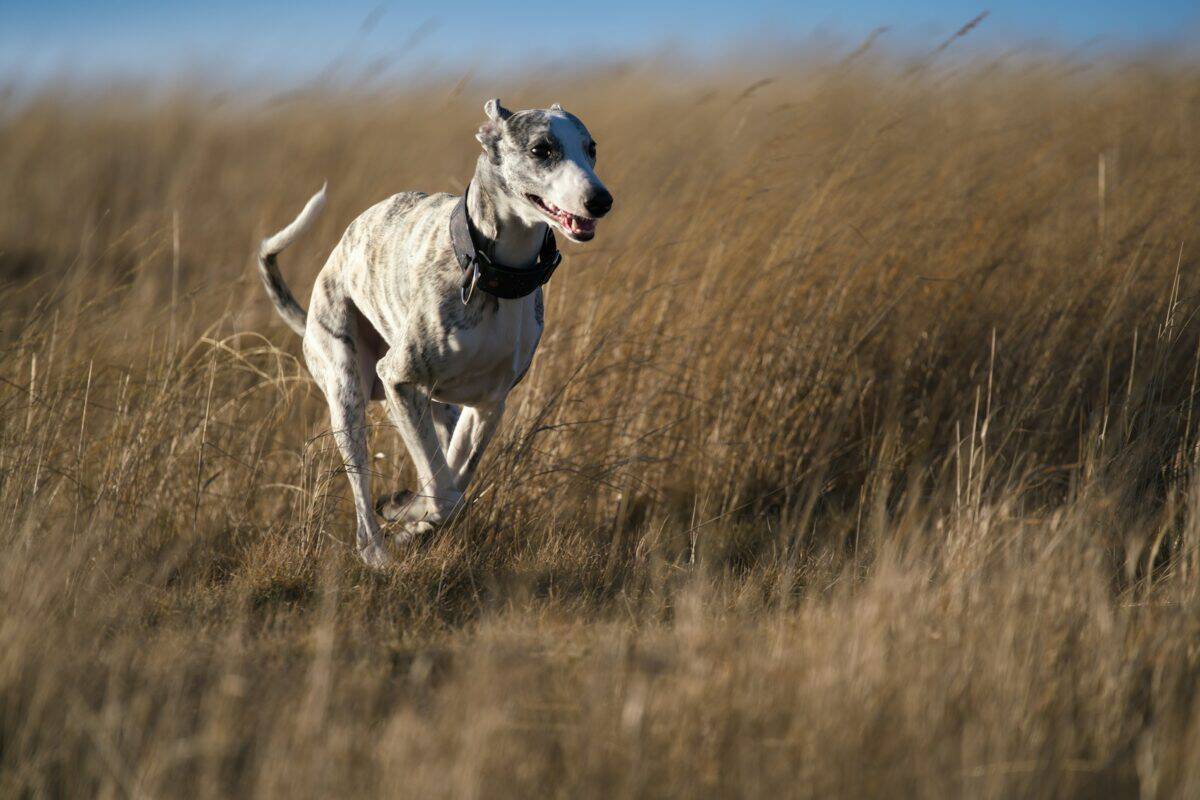
Graceful and gentle, the Whippet is surprisingly independent for a hound. Whippets enjoy physical activities but can also feel content relaxing alone, making them ideal for more sedentary homes. Their quiet and laid-back nature means they appreciate quality time with their owners without constant supervision.
Akita

The Akita is a large, powerful breed with a history of being noble hunting dogs in Japan. They possess a high level of confidence and independence, making them attentive and protective companions. Akitas often choose solitude over social encounters, reflecting their natural inclination to think and act independently.
Embracing Independent Canines
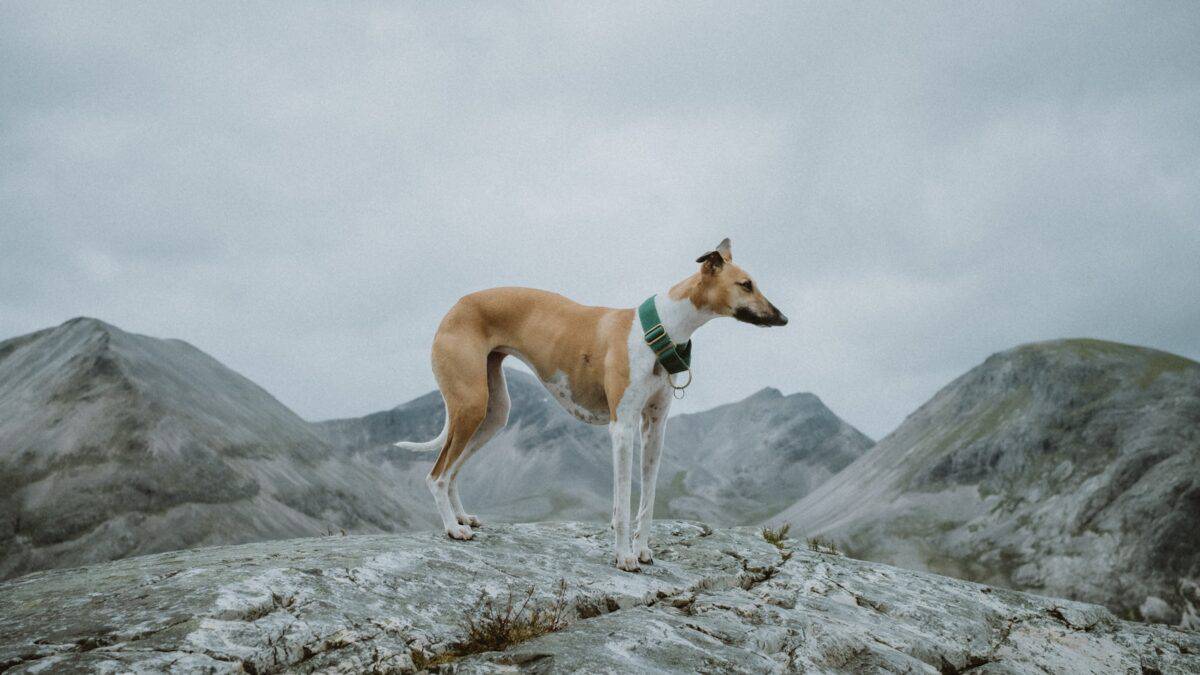
While all dogs show varying degrees of independence, some breeds are naturally more inclined to enjoy their own company and make autonomous decisions. These independent breeds can be ideal for owners who appreciate a dog that can entertain itself but still provide companionship. Understanding each breed’s unique characteristics and history of independence can help in forming a harmonious relationship with these wonderfully self-sufficient canine friends.

- How Rhinoceros Males Compete for Mating Rights in the Wild - July 18, 2026
- 13 Spider Species Thriving in Changing Environments - July 18, 2026
- The World’s Deadliest Plants and What Makes Them So Lethal - July 18, 2026