

Most people know their dog is happy to see them come home. What fewer people realize is what’s happening in the hours before that joyful reunion. When a dog is highly attached, their entire sense of security is tied to the physical presence of their owner. For certain breeds, a regular Tuesday morning departure isn’t just an inconvenience. It registers as something closer to loss.
During departures or separations, dogs may be restless, shake, shiver, salivate, refuse to eat, or become quiet and withdrawn. Many grieving dogs lose interest in food entirely. They may eat less or refuse to eat altogether, especially if their mealtime routine was closely tied to their owner. The absence of the person who fed them can make food seem unimportant, and in severe cases, this can lead to weight loss and serious health concerns. The ten breeds below are particularly prone to this kind of deep, embodied distress. If you share your home with one of them, understanding what they go through while you’re gone matters more than you might think.
#1. Vizsla – The Dog That Cannot Switch Off Its Love

Cheerful and energetic Vizslas love spending time with loved ones. They’re often called “Velcro dogs” because of how closely attached they are to the people they love. Because of this, separation anxiety is a common problem for Vizslas. That nickname isn’t just a cute label. It describes a dog whose emotional wiring is genuinely built around constant human proximity.
Bred to be a perfect hunting dog, when left alone the Vizsla is known to start howling excessively and they can also chew up a storm while they’re at it. Vizslas love to work and love to be with humans. Left alone, with nothing to do, often leads to anxiety. Refusing food is one of the quieter but more telling signs that a Vizsla has tipped past boredom and into genuine distress.
#2. German Shepherd – The Guardian With No One Left to Guard
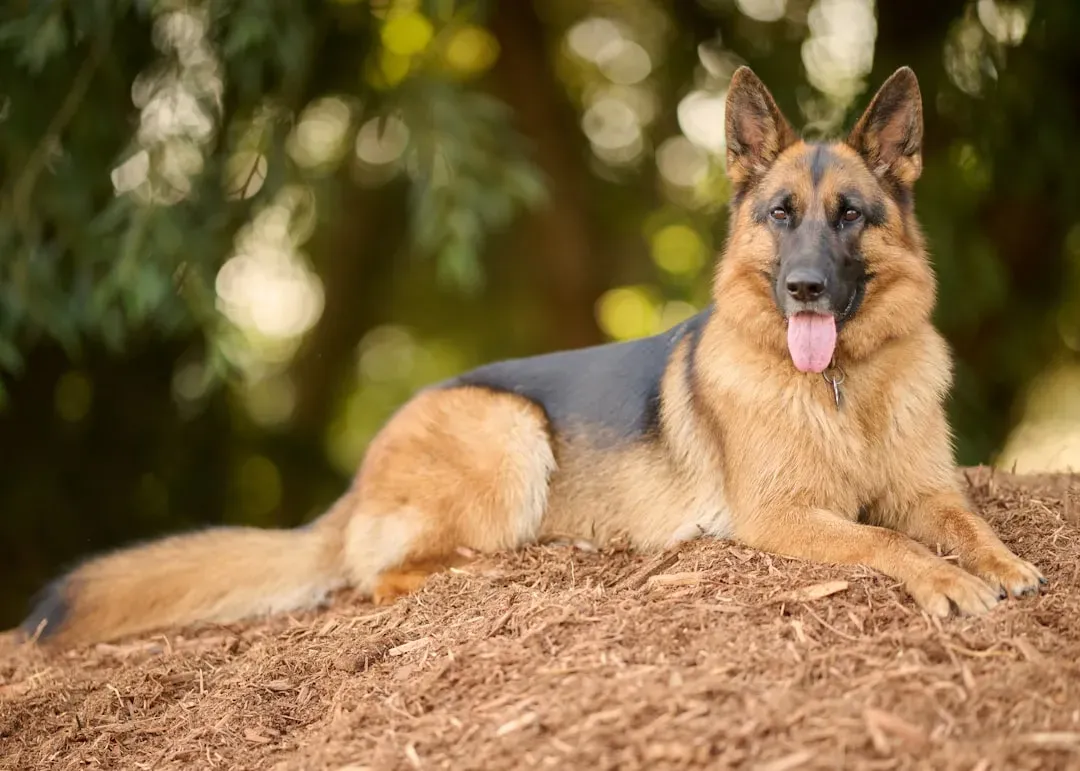
Individual German Shepherds in family settings typically bond most strongly with one person. They are working dogs at heart, and that work is often inseparable from the person they serve. Their entire sense of identity is built around partnership. When that partner leaves, the purpose disappears too.
Despite their impressive capabilities, German Shepherds can be prone to anxiety. Their protective nature, deep attachment to their owners, and need for mental stimulation all contribute to their susceptibility to anxiety. Prolonged separation times and lack of adequate physical activity can cause anxiety in German Shepherds. They require people or other dogs around them to stay engaged. Without that engagement, some will stop eating as a quiet, involuntary protest against the void.
#3. Cavalier King Charles Spaniel – Built for Laps, Lost Without Them
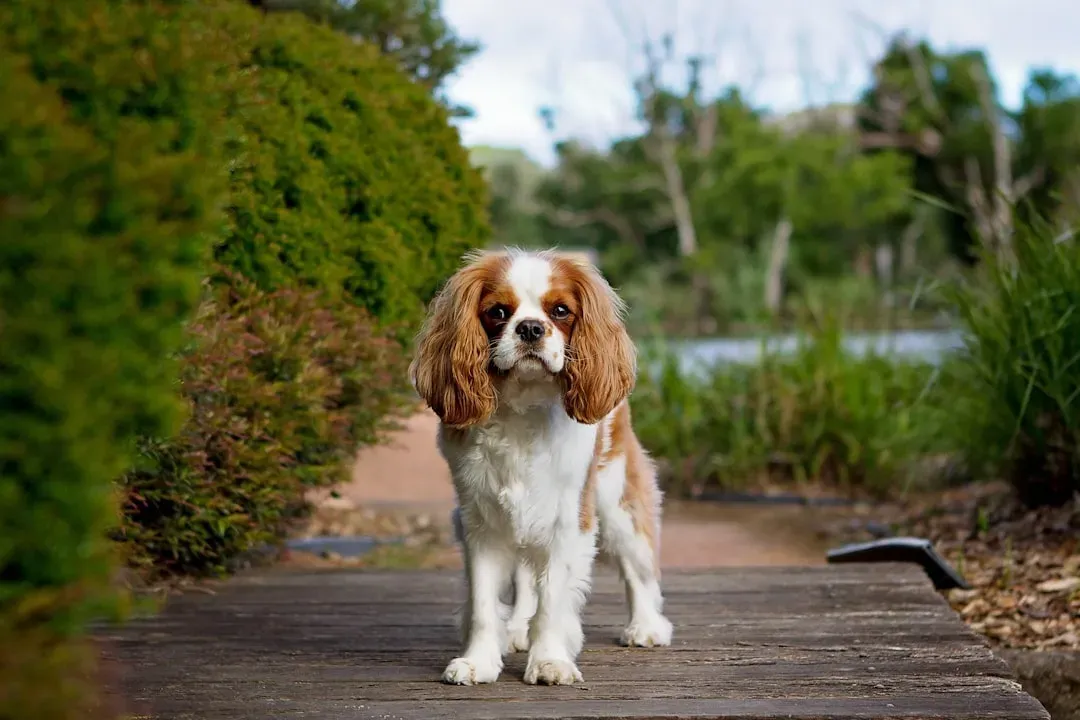
Cavaliers were literally bred to be lap dogs, so when you leave, it’s like taking their entire purpose in life out the door with you. These affectionate pups adore constant companionship and often struggle with being alone, even for short periods. Few breeds carry their emotional dependence this visibly or this consistently.
They’ll sit by the door, droop dramatically, or give you the saddest puppy eyes as you try to sneak out unnoticed. When left alone, Cavaliers may whine or cry, clearly distressed by the absence of their favorite human. In more pronounced cases, that distress reaches the food bowl. A Cavalier that won’t eat is a Cavalier that genuinely feels your absence as something more than temporary inconvenience.
#4. Labrador Retriever – The Friendly Dog With a Fragile Heart
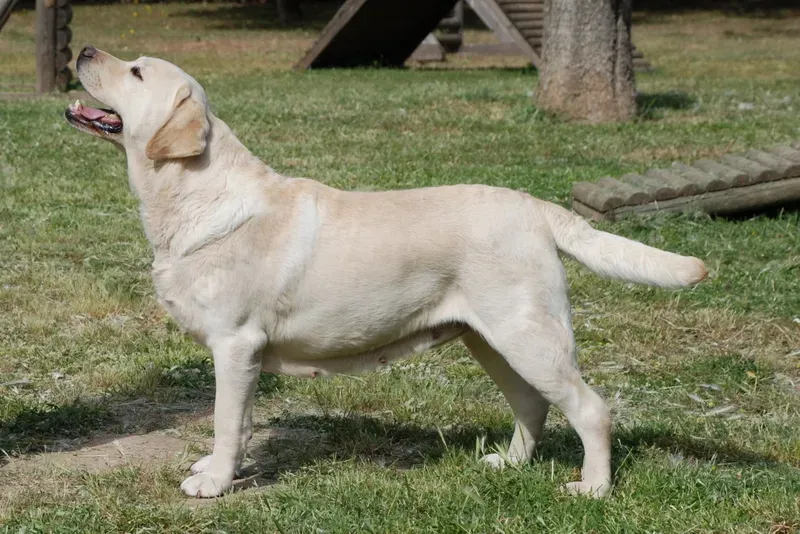
Even though they have a happy and friendly demeanor, Labradors can be prone to anxiety. This breed’s strong attachment to family, high energy needs, and sensitivity to changes are key factors that contribute to their susceptibility to anxiety. The cheerful exterior can mask just how emotionally sensitive these dogs actually are.
This breed’s strong attachment to family members can lead to distress when separated. This anxiety can manifest as destructive chewing, excessive barking, or even soiling the house when left alone. Labradors require at least an hour of active exercise every day as well as mental stimulation. Without stimulation and physical exercise, this high-energy dog can develop anxiety and its associated behaviors. For some Labs, that spiral ends at the food dish, untouched.
#5. Bichon Frise – Small Dog, Enormous Emotional Weight
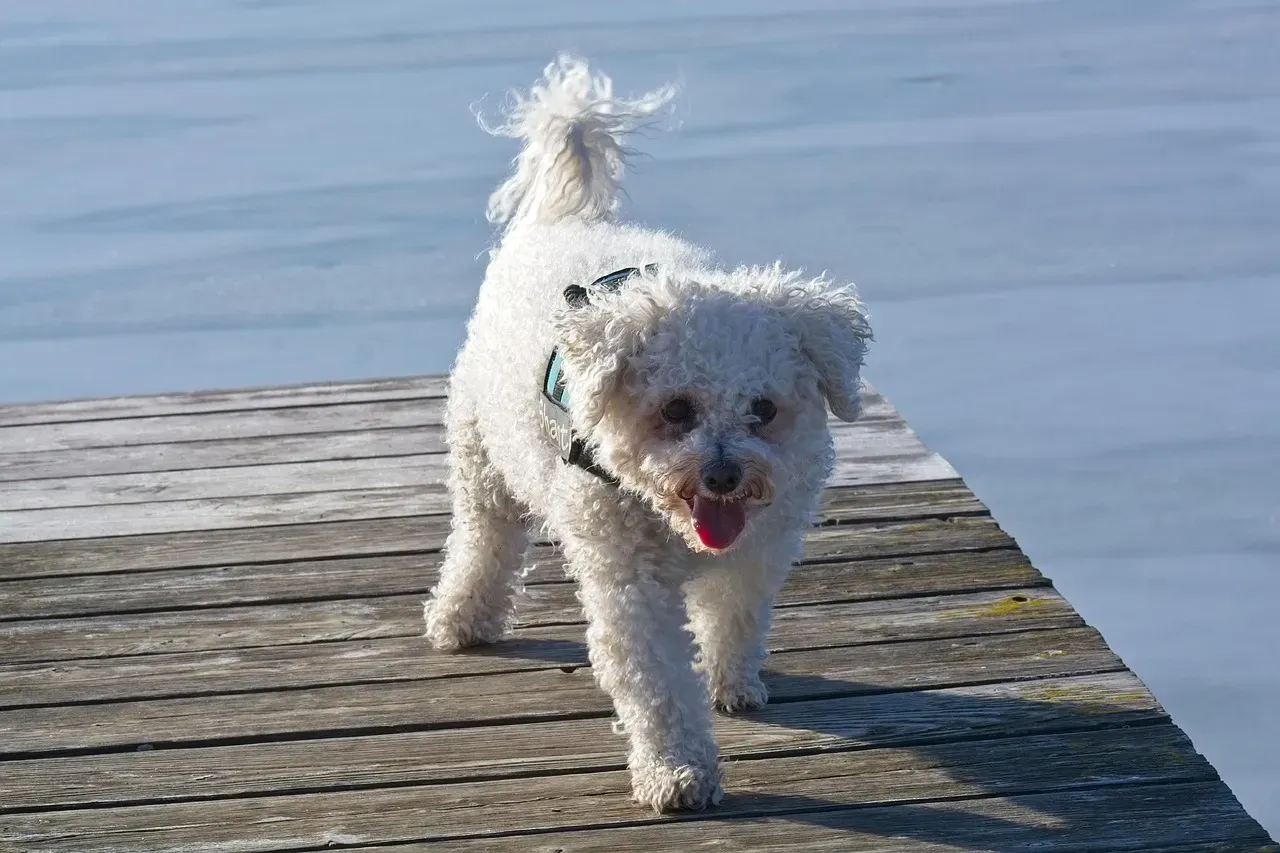
The Bichon Frise is known to have separation anxiety. They are companions and lapdogs who do not like to be away from their families. Bichon Frise are the type of dog that will follow you around all day. That daily shadowing isn’t just a habit. It’s how they regulate their own sense of safety.
Bichon Frise are prone to stress and depression if kept away from their family for long periods of time, and many will vocally protest their owner’s departure. Their fluffy appearance belies their emotional intensity and need for constant companionship. As soon as you leave them alone, they can become aggressive and destructive. Their anxiety, when overlooked, can quickly change into depression. Refusing food is one of the clearest signs that a Bichon has crossed that line.
#6. Cocker Spaniel – Devotion That Comes With a Cost
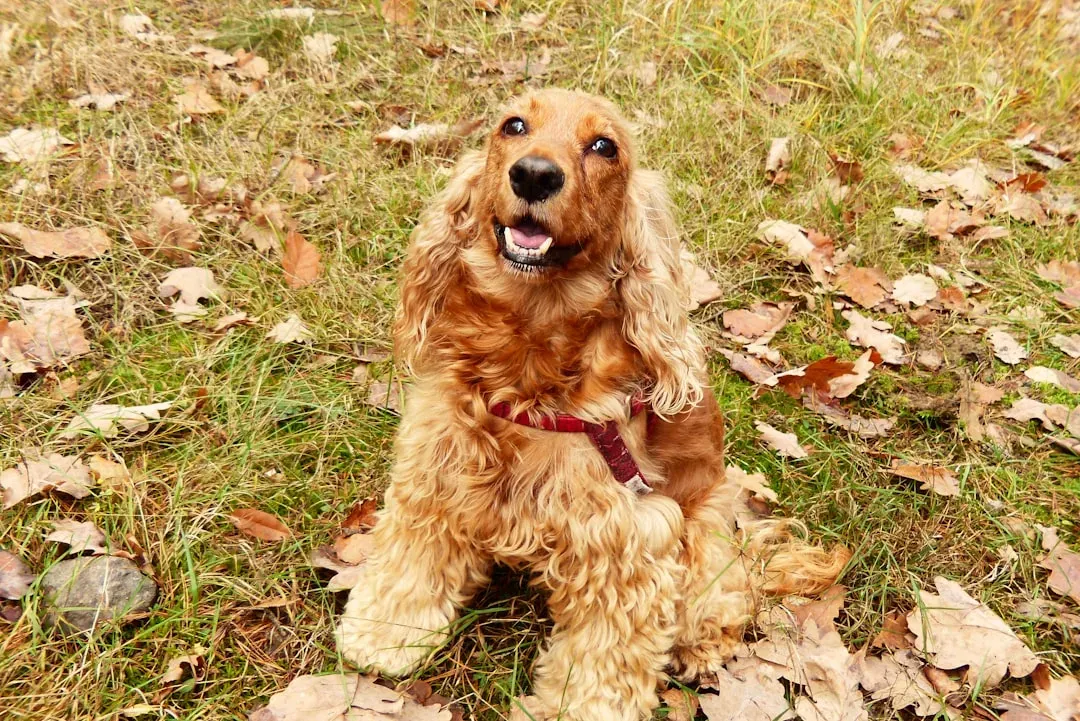
Cocker Spaniels are very people-oriented and form strong attachments to their families. Their need for close companionship makes them loyal and loving pets. Because this breed thrives on human interaction, they can become distressed if they feel isolated or abandoned. That’s a significant emotional ask of a dog asked to spend hours alone each day.
Separation anxiety in Cocker Spaniels can manifest in many ways, such as destructive behavior, excessive barking, whining, or even physical symptoms like loss of appetite or gastrointestinal issues. They do not like being left alone. They may develop the hyper-attachment disorder, as they love to be around their owner. For owners who notice their Cocker Spaniel skipping meals after a departure, the cause is usually emotional rather than physical.
#7. Australian Shepherd – The Brainy Breed That Grieves at Full Speed
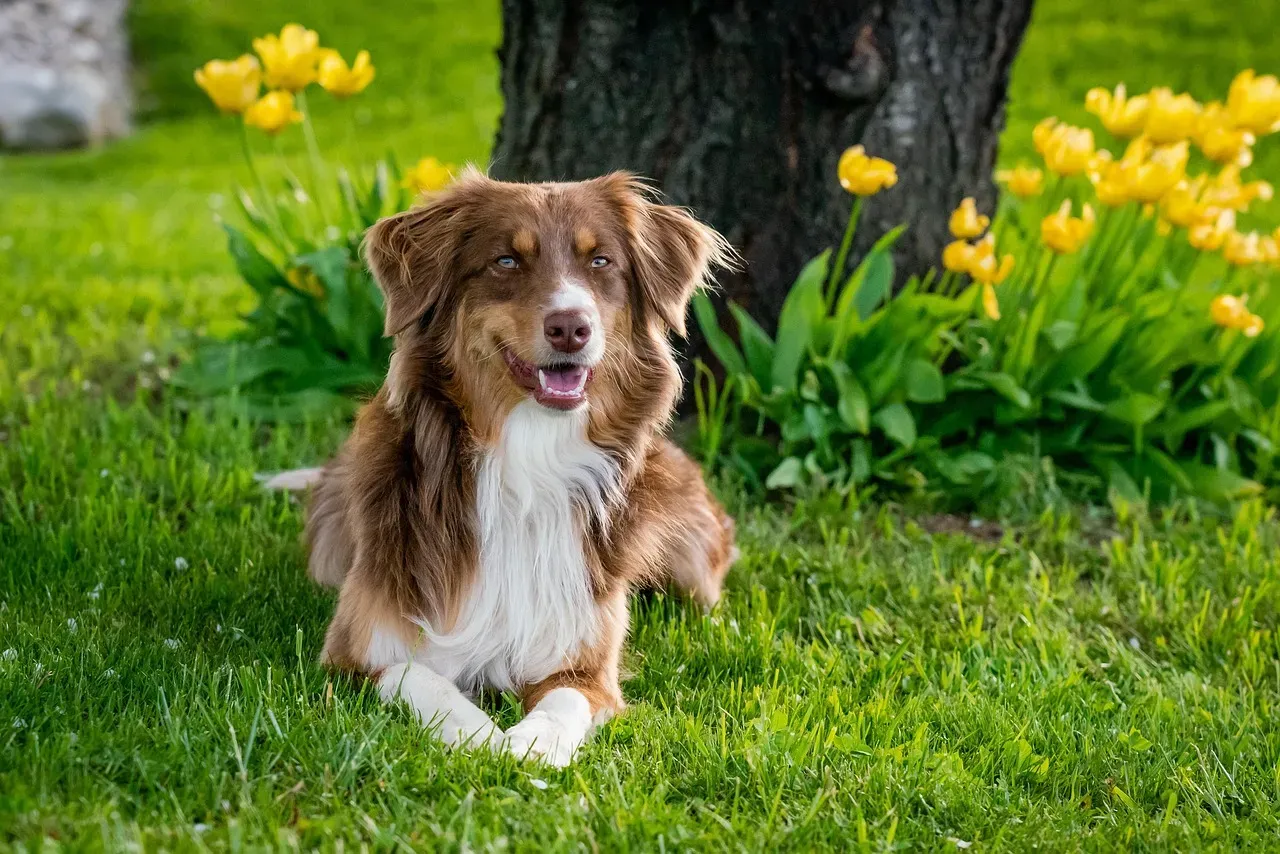
Herding breeds tend to have a propensity toward separation anxiety, and the Australian Shepherd is no exception. This type of breed is a working and sport dog. They tend to exhibit high energy, and they are very intelligent. That intelligence, as wonderful as it is, means they feel your absence with unusual clarity and intensity.
Australian Shepherds are high-energy brainiacs who love having a job, and their favorite job is usually being by your side. When you leave, it’s like their workplace just shut down without notice. These dogs need mental stimulation and emotional connection, so your absence leaves them without direction or comfort. If they’re not busy, they’re bored, which leads to problematic habits when left alone doing nothing. For some Aussies, that boredom tips into something darker, and the food bowl stays full.
#8. Shetland Sheepdog – The Breed That Worries While You’re Gone
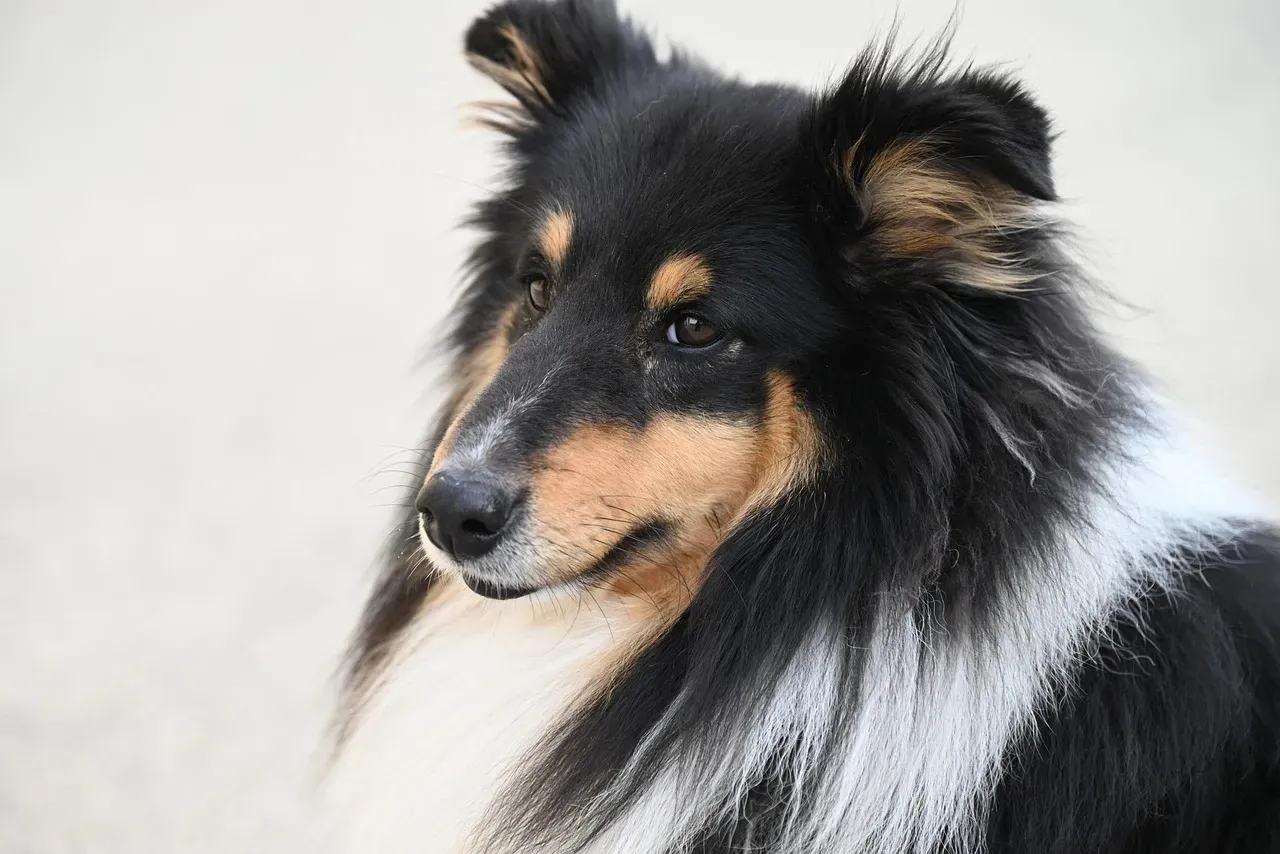
Shetland Sheepdogs, or Shelties, are sensitive, emotional, and highly attached to their people. These herding dogs form strong bonds with their humans and can become extremely anxious when separated. They may pace, cry, or even go into full “alert mode” when you’re gone, convinced something terrible must have happened. Shelties don’t simply miss you. They manage your absence like a small, anxious emergency coordinator.
For a Sheltie, the combination of genuine emotional loss and the cascading disruption of familiar household routines can be genuinely overwhelming. Their sensitive nervous systems process it all at once, and recovery can be painfully slow without deliberate human support. When that distress reaches a certain depth, appetite typically disappears first. A Sheltie that won’t eat is rarely sick. More often, they’re just waiting for you to come back.
#9. Pomeranian – Tiny Frame, Towering Emotional Needs
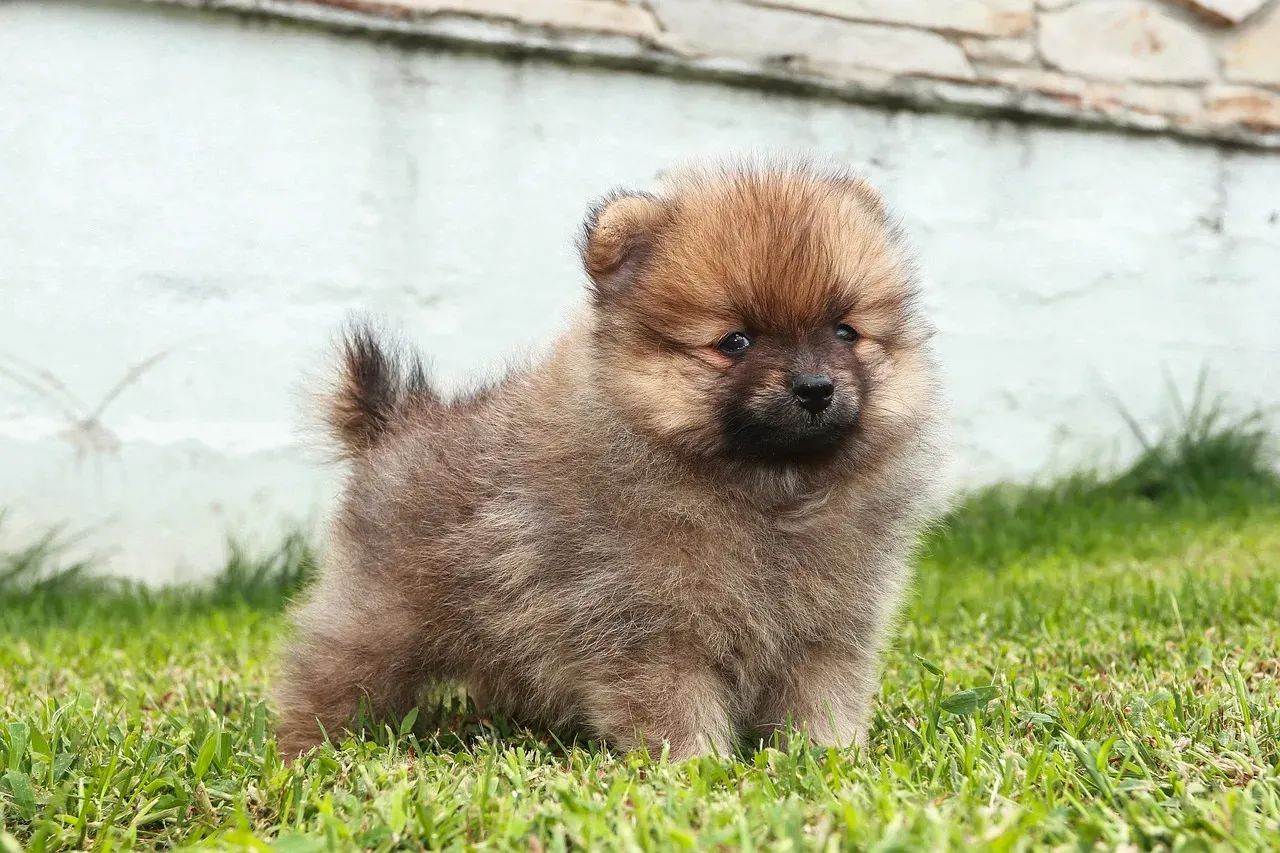
Pomeranians were bred to be companion dogs, which makes them more likely to suffer from separation anxiety than some other breeds, as they relish human company. Despite their fluffy teddy bear appearance, these tiny titans pack enormous personalities. Their compact size makes them perfect lap warmers, but it also means they expect to be included in every aspect of your life. Leave without them, and that expectation collapses into distress.
When excluded from the action, they can become surprisingly vocal and destructive. Dogs with primary hyper attachment are intensely attached to one person and may become destructive when left alone, focusing on the door or items with the owner’s scent. Dogs upset by changes in their environment or routine may show signs of anxiety such as agitation, depression, and escape attempts. Pomeranians, with their intense one-person bonding, fit this profile almost perfectly. Food refusal is well within the range of what they’re capable of when left behind.
#10. Beagle – The Pack Dog Left Without a Pack

A hunting dog that makes a brilliant family pet, the Beagle doesn’t always cope well with long periods of isolation and can feel stressed and respond with anxiety due to being bred as a pack dog who is superbly loyal to his human friends. Beagles are friendly, sociable dogs with a strong pack instinct, which means they prefer to be with their human family members or other dogs. Solitude, for a Beagle, goes against something fundamental in their nature.
Beagles are hunting dogs with a strong pack instinct and they’re simply not built for being alone. When a particularly close family member leaves for an extended period, dogs may show signs of distress similar to those observed in separation anxiety. These signs include decreased energy, loss of appetite, and increased sleeping. For Beagles specifically, this plays out quietly. They don’t always make a scene. They just go still, turn away from their bowl, and wait.
What the Science Says About Canine Grief

It’s not unusual for dogs to grieve the loss of a person they’ve bonded with. While dogs might not understand the full extent of human absence, dogs do understand the feeling of missing a human who’s no longer a part of their daily lives. That understanding, limited as it may be, is still powerful enough to affect eating, sleeping, and general wellbeing.
A landmark study published in the Journal of Veterinary Science in 2021 explored the behaviors of dogs following the death of a human or animal companion. The study included 150 dogs who had experienced the death of their primary caregiver. The scientists found that a significant number of dogs displayed grief-like behaviors, such as reduced appetite, increased lethargy, and seeking comfort from other family members. Some dogs even exhibited signs of depression, including withdrawal from social interactions and a lack of interest in previously enjoyed activities.
The resulting panic is a physiological response, not a behavioral choice. That distinction matters. Research suggests that dogs are capable of experiencing a range of emotions, including sadness and loss. Studies have shown that dogs exhibit stress responses, such as increased cortisol levels, when separated from their owners. A dog that stops eating when you leave isn’t being dramatic. They’re telling you, in the only language available to them, that your presence means everything.
How to Help a Dog That Grieves When You Leave
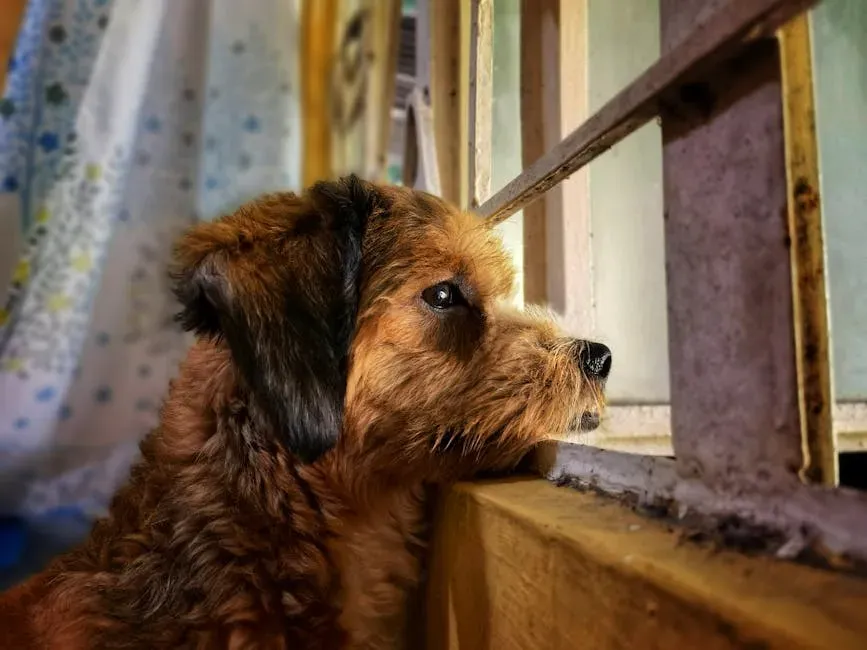
In more sensitive breeds, separation related distress can feel more intense for two common reasons: they did not get enough early practice being alone, or they have had past negative experiences with separation. That means early, gradual training makes a real difference. Building up alone time slowly, starting in puppyhood, gives these breeds a frame of reference that absence is temporary and survivable.
Like humans, dogs go through a grieving period. While there isn’t one specific approach to help, being sensitive to a dog’s needs can go a long way. Being aware of routines and trying to stick to them is one of the most consistent pieces of advice from behaviorists. Studies have shown that dogs exhibit stress responses, such as increased cortisol levels, when separated from their owners, and predictability in routine is one of the most effective tools for keeping those responses in check. If your dog belongs to one of these breeds and you’ve noticed changes in appetite after you leave, a conversation with a veterinarian is always a sensible first step.
Some of the most loyal animals on the planet also carry the heaviest emotional load. That’s the quiet trade-off of sharing life with a dog that loves you completely. The food bowl left untouched isn’t a rebellion. It’s just a small, wordless way of saying: you were supposed to be here.
