

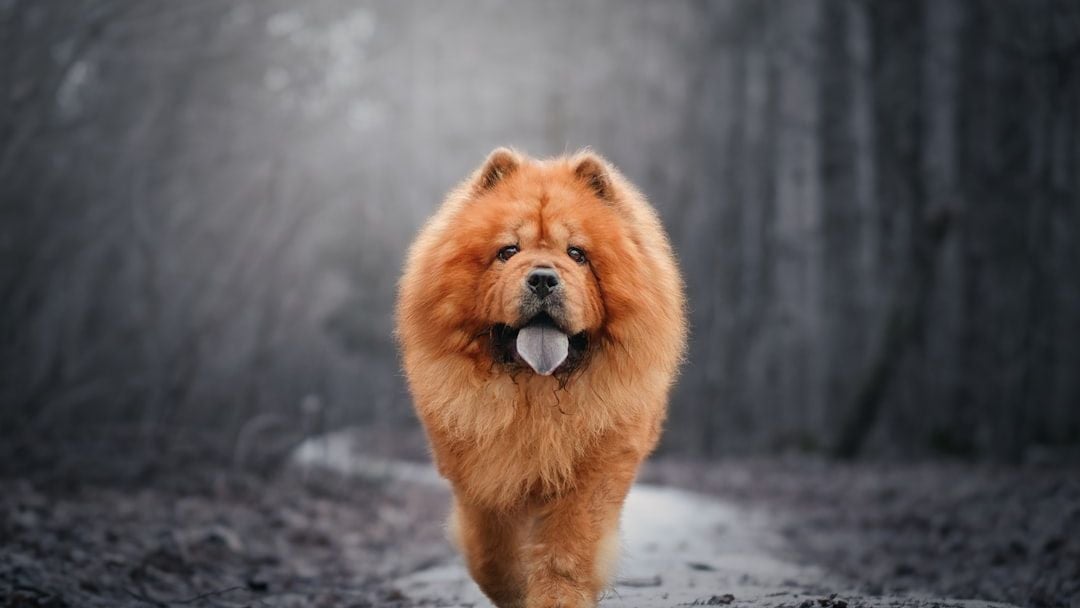
Every dog owner knows that uncomfortable feeling of watching your furry friend’s expression change when you reach for your keys. Some dogs practically melt into a puddle of anxiety at the mere hint you might leave, while others barely lift their head from their favorite napping spot. The truth is, different breeds handle solitude in dramatically different ways.
Understanding your dog’s natural tendencies toward independence or attachment can make all the difference in creating a harmonious living situation. Whether you’re considering adding a four-legged family member or trying to better understand your current companion’s behavior, this comprehensive guide will help you navigate the fascinating world of canine temperament and separation preferences. Let’s dive into the breeds that need you most, and those that are perfectly content with their own company.
#1. Cavalier King Charles Spaniel
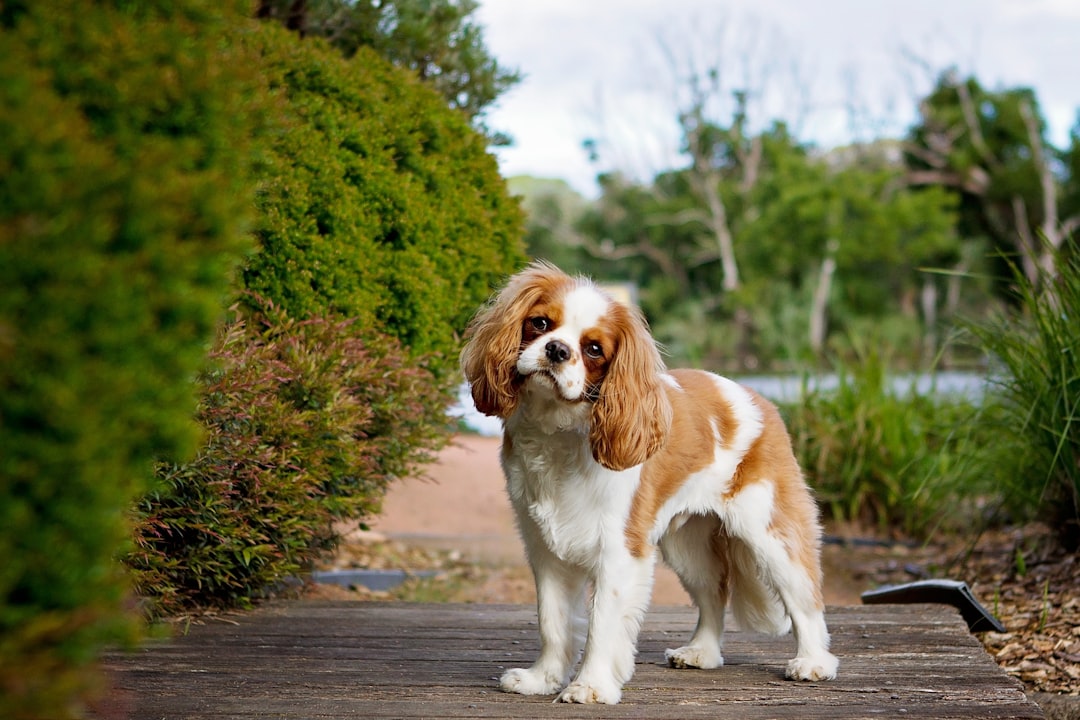
The Cavalier King Charles breed has a reputation for suffering from extreme separation anxiety and was bred to be a companion dog and spend most of its time with humans. These sweet-natured spaniels form incredibly strong bonds with their families and simply cannot understand why their favorite humans would ever want to leave them behind.
The Cavalier King Charles is also one of the more naturally anxious breeds, so can be prone to barking and other nervous habits. Their gentle disposition, which makes them such wonderful family pets, unfortunately also makes them vulnerable to distress when separated from their loved ones.
#2. Bichon Frise
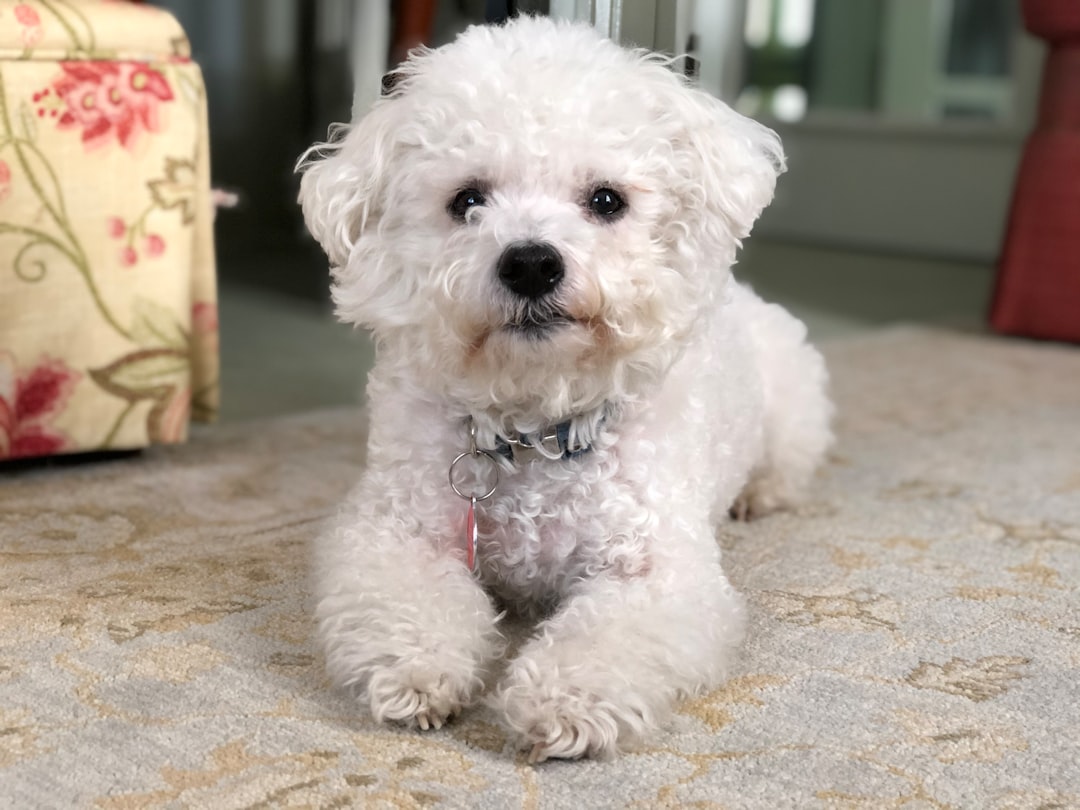
One of the most common problems reported among Bichon Frise owners is their separation anxiety, as this breed is a companion and lapdog and does not do well when they’re unable to see their owners for extended periods. These fluffy white companions were literally bred to be by your side, making solitude feel unnatural and frightening to them.
Compared to other breeds, Bichon Frises need a lot of companionship and do best in families where someone can be with them most of the day, as many of them will become anxious when left alone for more than a few hours. Their adorable appearance comes with the responsibility of near-constant companionship.
#3. German Shepherd
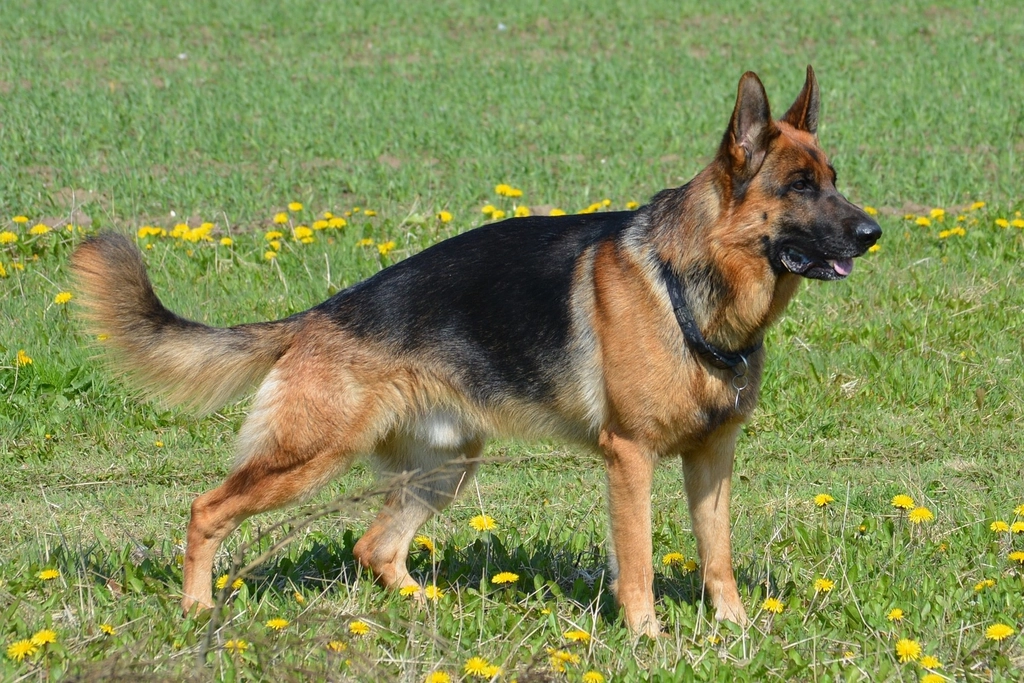
The German Shepherd is used to being a social, active dog, often working with the police and having even been used for herding sheep, as this breed loves to be wherever the action is. Their working heritage means they’re accustomed to being part of a team, making isolation particularly difficult for them to handle.
Separation anxiety is seen quite often in this breed. They are loyal and intelligent, but separation anxiety is often seen in this breed. Their deep intelligence actually works against them here, as they’re smart enough to anticipate your departure patterns and worry about when you’ll return.
#4. Vizsla
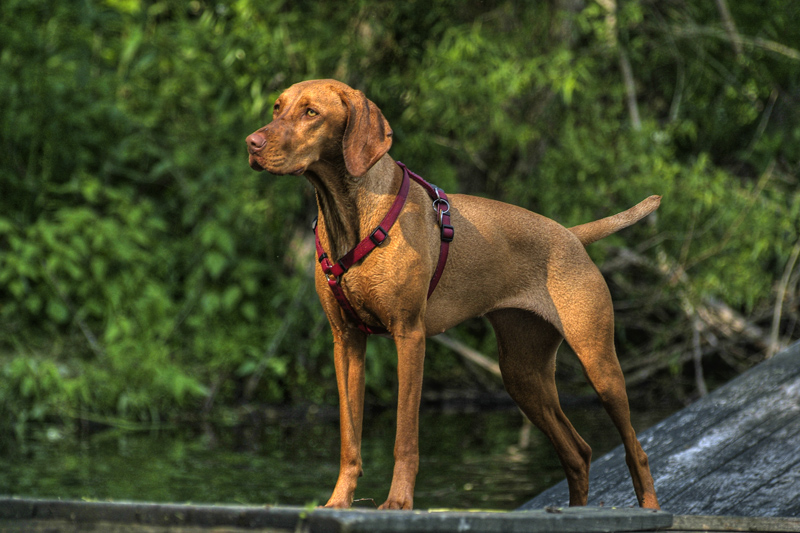
The Vizsla is a very popular gundog from Hungary, bred for hunting alongside their owners for long periods of time, and does not do well when left alone for long hours, as they are considered to be velcro dogs and are very active. These athletic beauties earned their nickname honestly, sticking to their owners like velcro wherever they go.
Their high energy levels combined with their intense need for human companionship creates a perfect storm for separation anxiety. Too much alone time paired with insufficient activity dramatically increases their risk of developing severe behavioral problems when left unattended.
#5. Cocker Spaniel
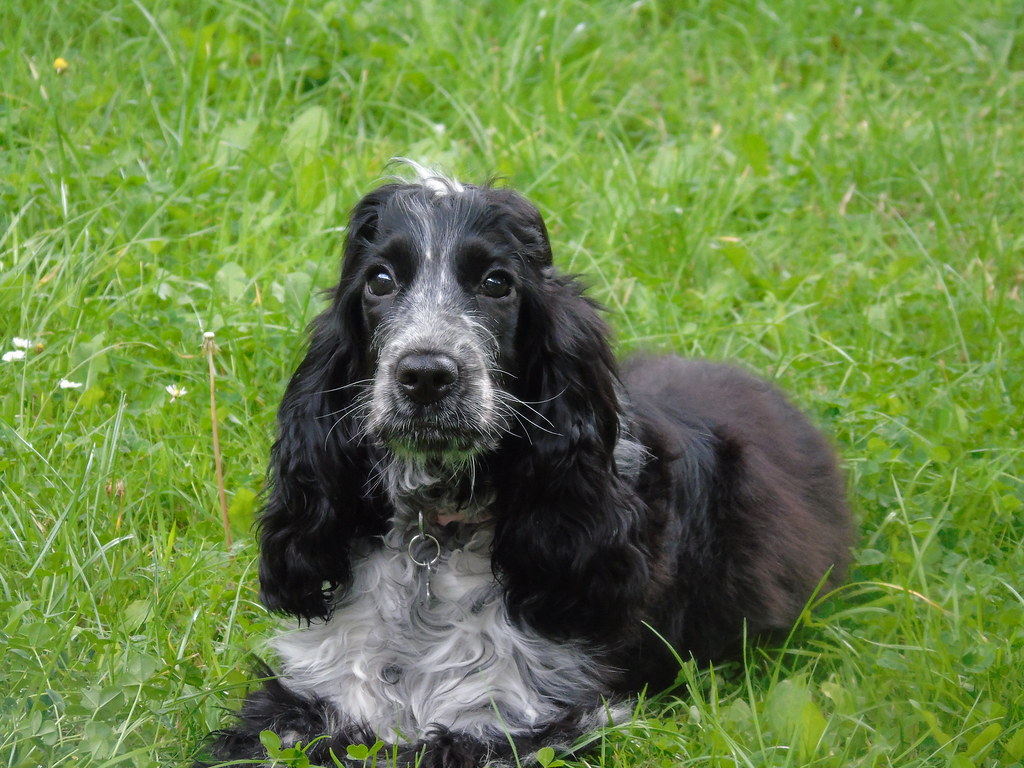
Cocker Spaniels are devoted family pets known to be prone to separation anxiety if left alone, because they are naturally such a friendly, rewarding dog in response to people’s attention, they seem to feel aggrieved when they don’t get enough of it. Their responsive nature, which makes training so enjoyable, becomes a liability when they’re deprived of the human interaction they crave.
Cocker Spaniels tend to be loyal and loving, and their overall temperament makes them prone to separation anxiety. Their emotional intelligence means they pick up on subtle changes in your routine, often becoming anxious long before you actually leave the house.
#6. Australian Shepherd
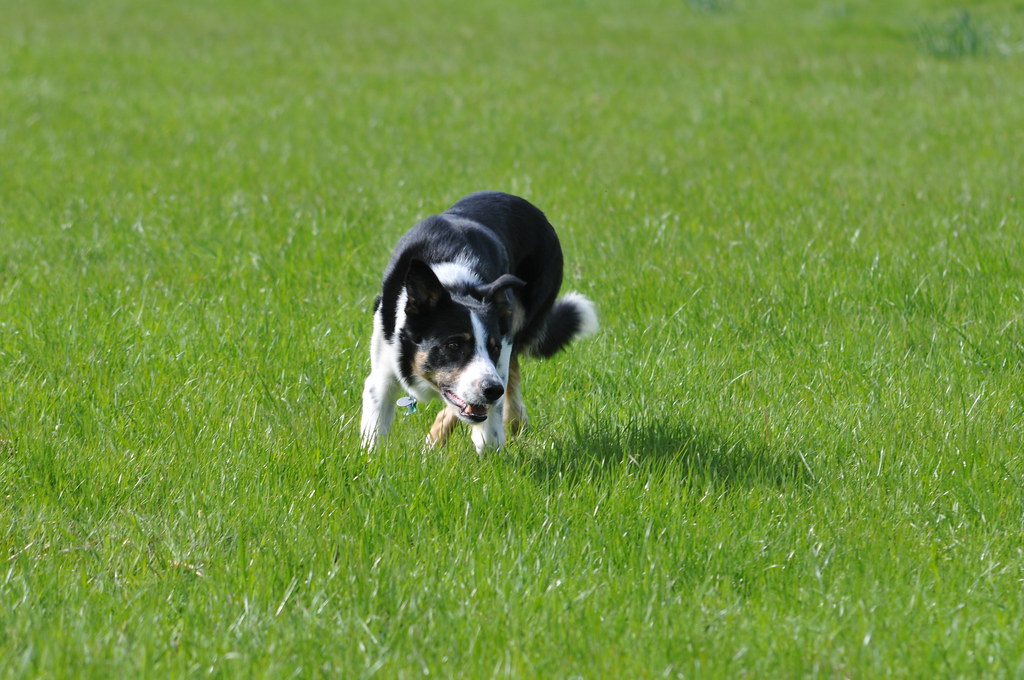
Herding breeds tend to have a propensity toward separation anxiety, and the Australian Shepherd is no exception, as this type of breed is a working and sport dog that tends to exhibit high energy, and they are very intelligent. Their herding instincts make them naturally inclined to keep their “flock” (your family) together at all times.
They need mental stimulation to preclude them from getting bored or depressed, and the depression can become separation anxiety if they are used to their humans taking them to agility and performing other activities. Without proper mental challenges, these brilliant dogs can spiral into destructive behaviors remarkably quickly.
#7. Border Collie
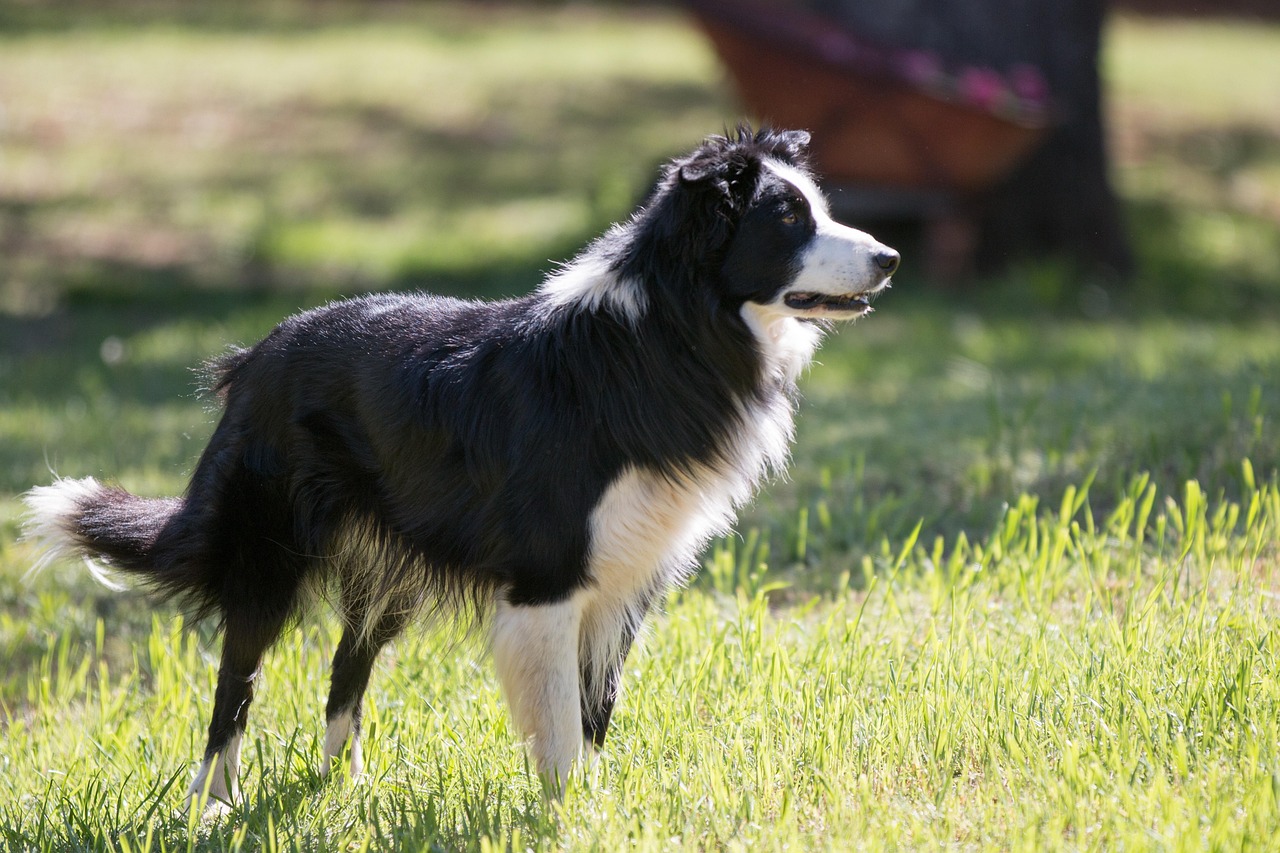
The Border Collie is one of the most predominant working and sport dogs today, excelling in a variety of venues, and because of their high energy and intelligence, these dogs need a lot of mental stimulation to prevent them from reaching excessive boredom. Their exceptional intelligence, while impressive, becomes problematic when they’re left with nothing stimulating to occupy their active minds.
These workaholics were bred to think independently while still maintaining close contact with their human partners. When suddenly left completely alone, they often channel their energy into destructive activities, viewing household items as puzzles to be solved or challenges to be conquered.
#8. French Bulldog
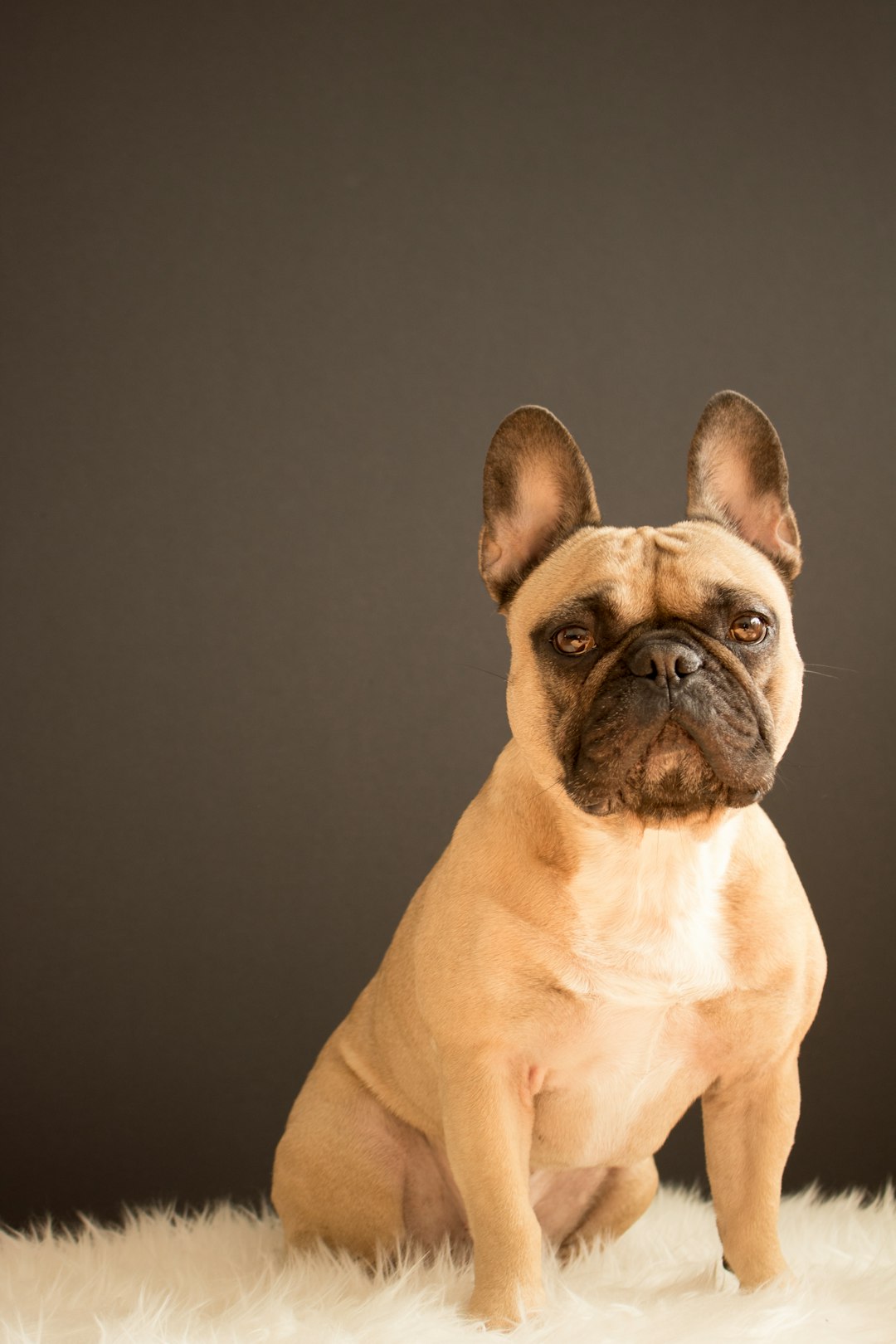
Another breed that is well-known for separation anxiety and extreme vocalization, destructive behavior, or outbursts when left alone is the French Bulldog, as these little dogs are highly motivated by human attention and approval and are often more interested in relationships with humans than with other dogs. Their preference for human company over canine companionship intensifies their distress when left alone.
Frenchies were specifically developed to be companion animals, making solitude feel completely foreign to them. Their compact size might fool you into thinking they’re low-maintenance, yet their emotional needs rival those of much larger, more obviously needy breeds.
#9. Toy Poodle
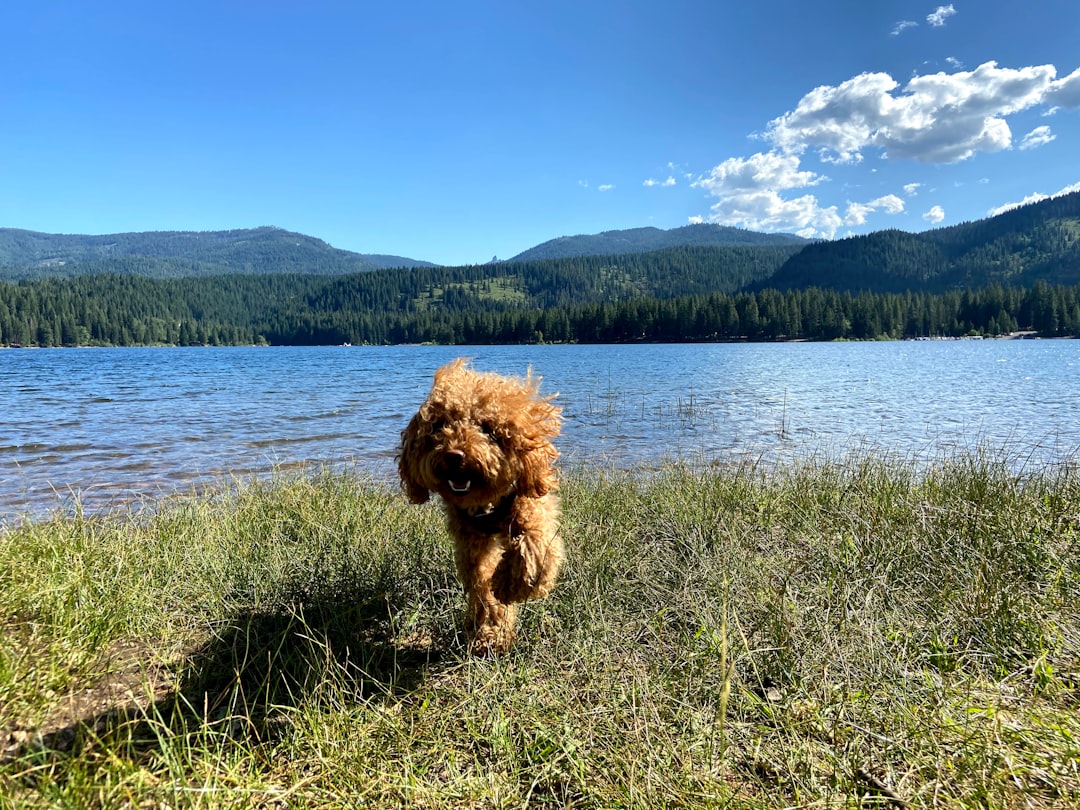
Toy poodles tend to be one of the more clingy dog breeds, created to hunt with humans, these doggos have a natural inclination to stay close to their people, and when left alone for long periods of time, they can become bored rather quickly. Despite their diminutive size, their emotional needs are anything but small.
The Toy Poodle is the smallest of the Poodles and probably the softest in temperament, bred solely as companion dogs, they do not fare well when left along for long periods as they desire regular human interaction. Their intelligence combined with their intense social needs makes them particularly vulnerable to developing problematic behaviors when isolated.
#10. Labrador Retriever
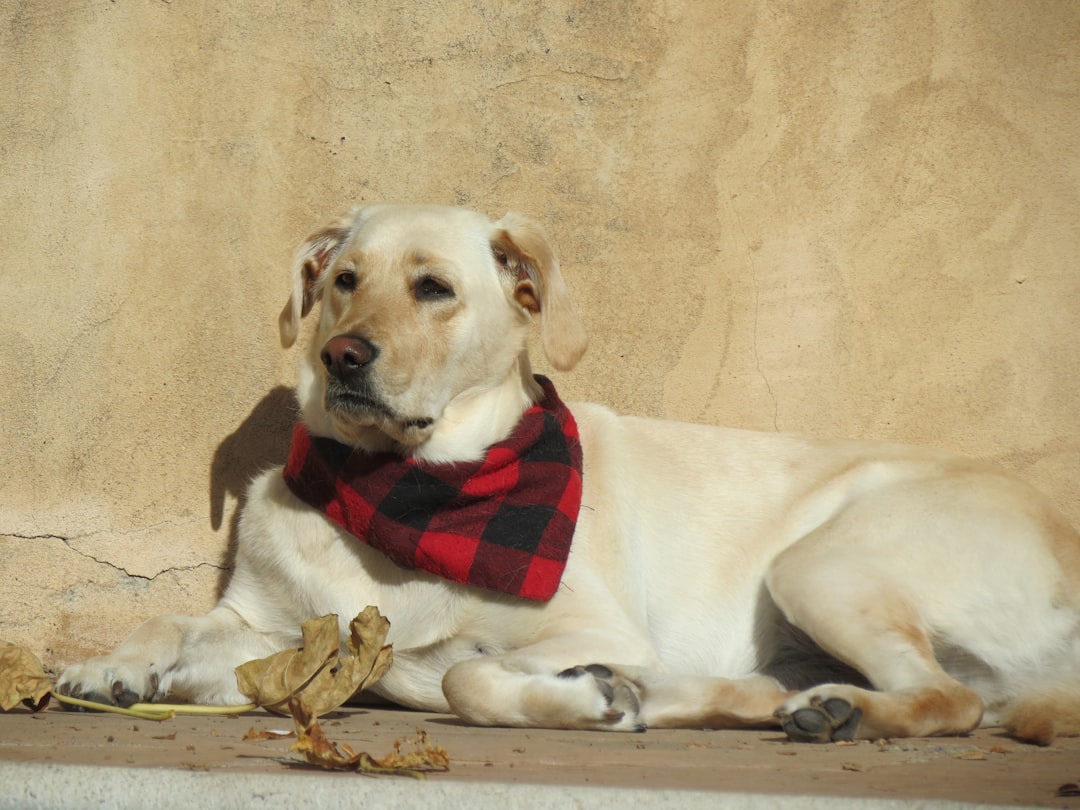
Labrador Retrievers are at the top of the list of dog breeds most likely to exhibit signs of separation anxiety, and while the Lab was recently the most popular family dog breed and generally has a relaxed disposition, because they are so social, they can struggle if left alone for long periods of time. Their popularity as family pets stems partly from their sociable nature, which unfortunately makes them prone to separation distress.
Their eagerness to please and strong pack mentality means they genuinely don’t understand why they can’t accompany you everywhere. This confusion often manifests as destructive behavior or excessive vocalization as they attempt to call their family back home.
#11. Basenji
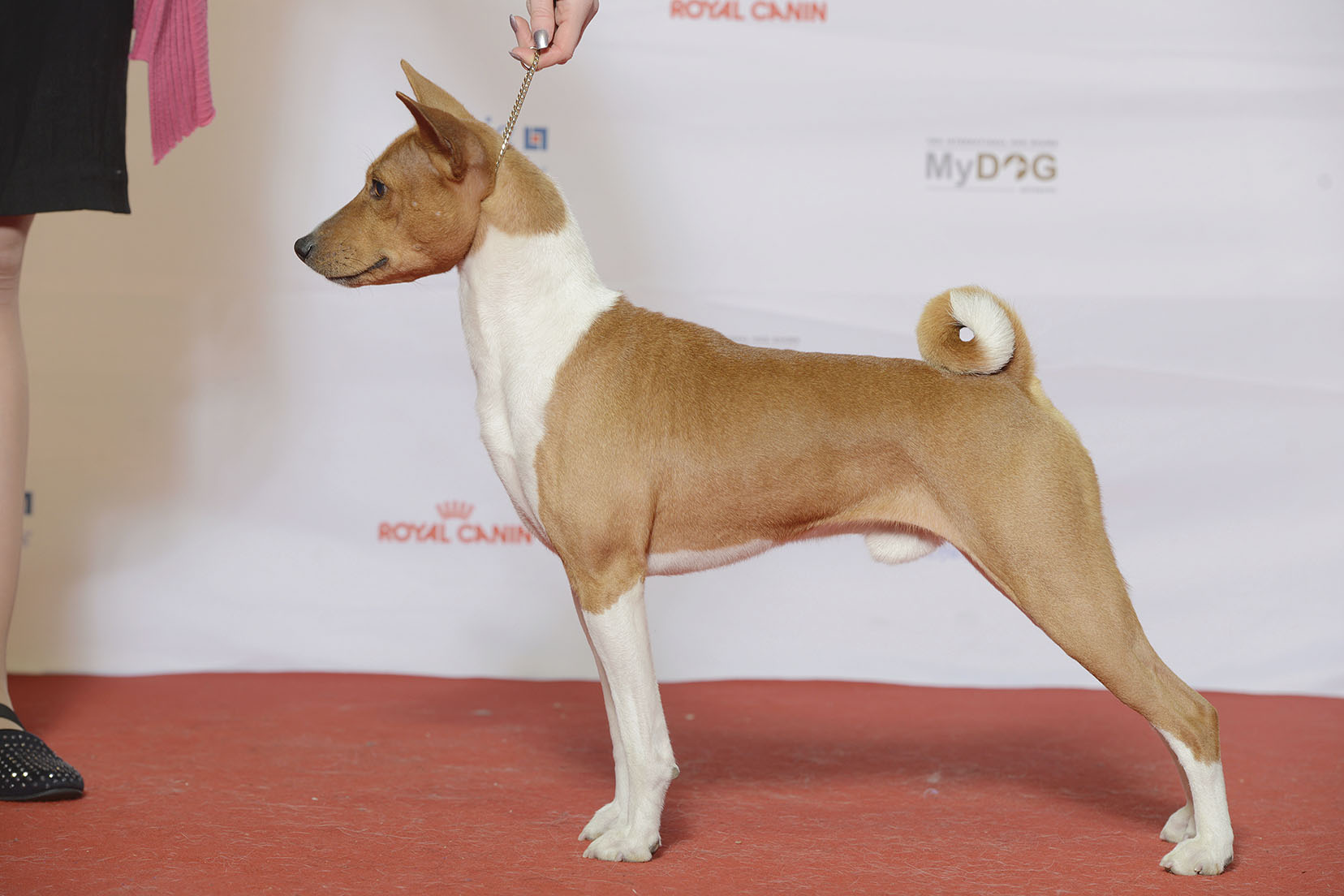
Nicknamed “the barkless dog,” the Basenji is an independent dog who won’t mind some time alone, though they are fairly energetic and you’ll need to help them burn off their energy when you get home. Their cat-like independence sets them apart from most other breeds, making them surprisingly self-sufficient.
Often referred to as a cat-like dog, the Basenji has a lot in common with its feline counterparts, as these dogs have ancient origins, they lick themselves to groom, and they often lose interest in training because they’re very independent. Their aloof nature means they’re perfectly content to entertain themselves while you’re away.
#12. Chow Chow
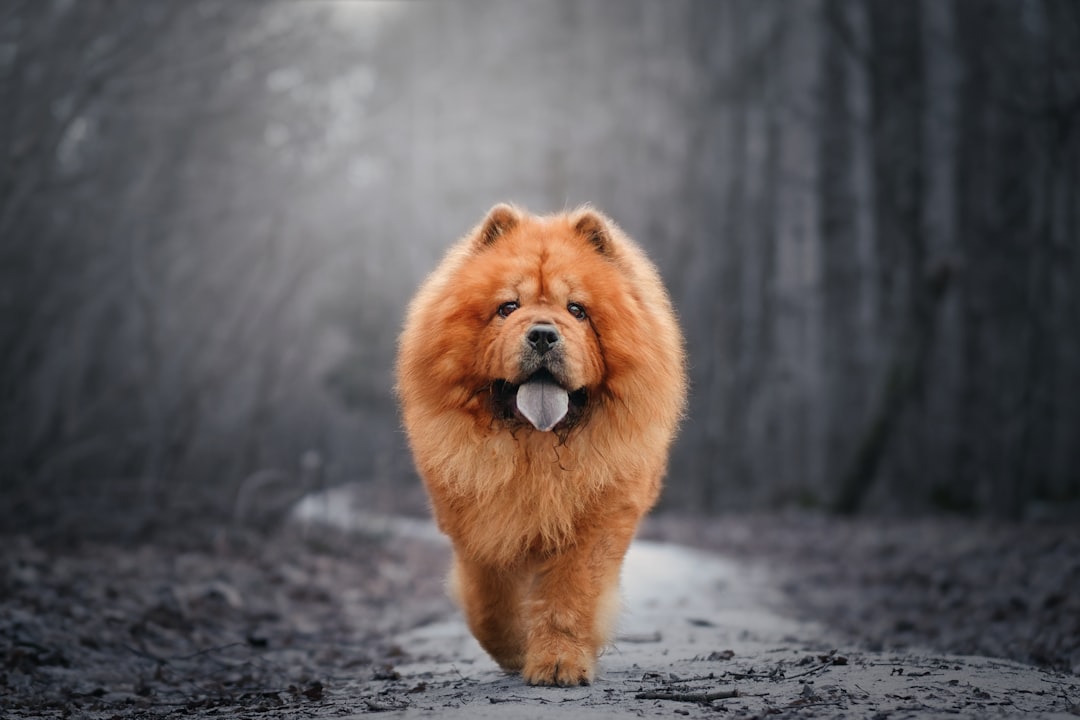
The lion-like Chow Chow is always clean, refined, and dignified, meaning they’ll do just fine unsupervised in your home, though they do require regular exercise, so you’ll have to commit to a few good walks before and after work. Their regal bearing translates into genuine self-confidence that allows them to remain calm during your absence.
Chow Chows carry a calm confidence that instantly sets them apart, with their lion-like mane and deep-set eyes revealing a dog that values its space and peace, as they’re content spending hours on their own, keeping a quiet watch over the home with minimal fuss or noise. They understand that solitude doesn’t mean abandonment.
#13. Shiba Inu
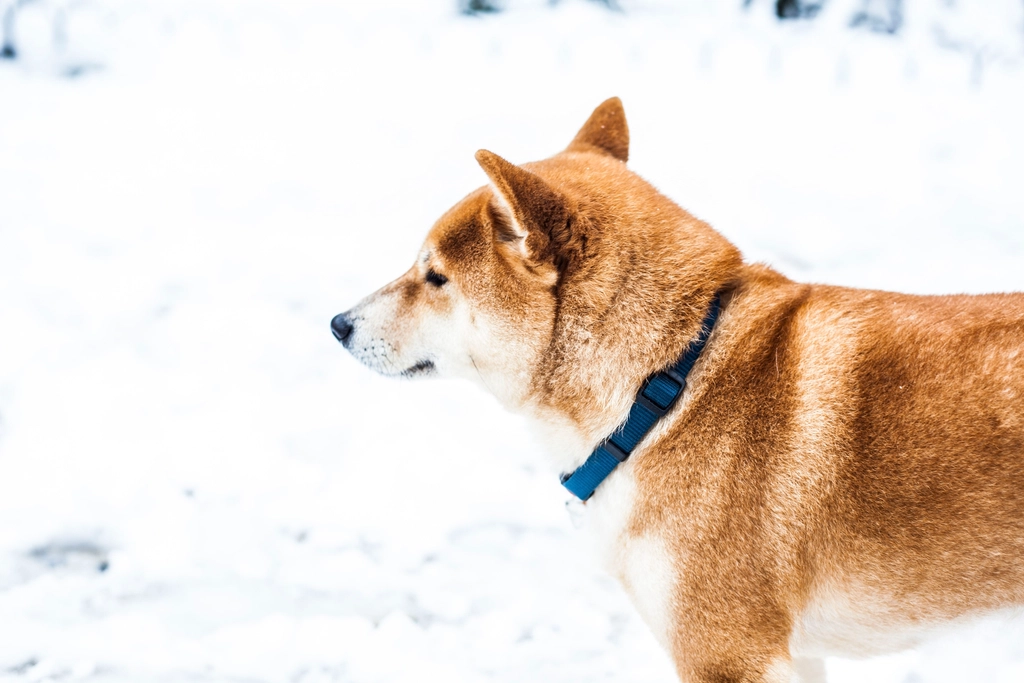
Another confident dog that is secure enough in itself to spend time alone is the Shiba Inu, originally bred to hunt small game in Japan, these pups have learned to be independent. Their hunting heritage required them to make decisions independently, a trait that serves them well in modern homes.
Small but strong, the Shiba Inu breed from Japan is renowned for their independence akin to that of cats, and people who spend part of the day away from home would find Shibas to be a great fit since they are famously self-reliant and usually free from separation anxiety, with their distant but inquisitive attitude letting them entertain themselves and appreciate solitude. They view alone time as an opportunity rather than a punishment.
#14. Greyhound
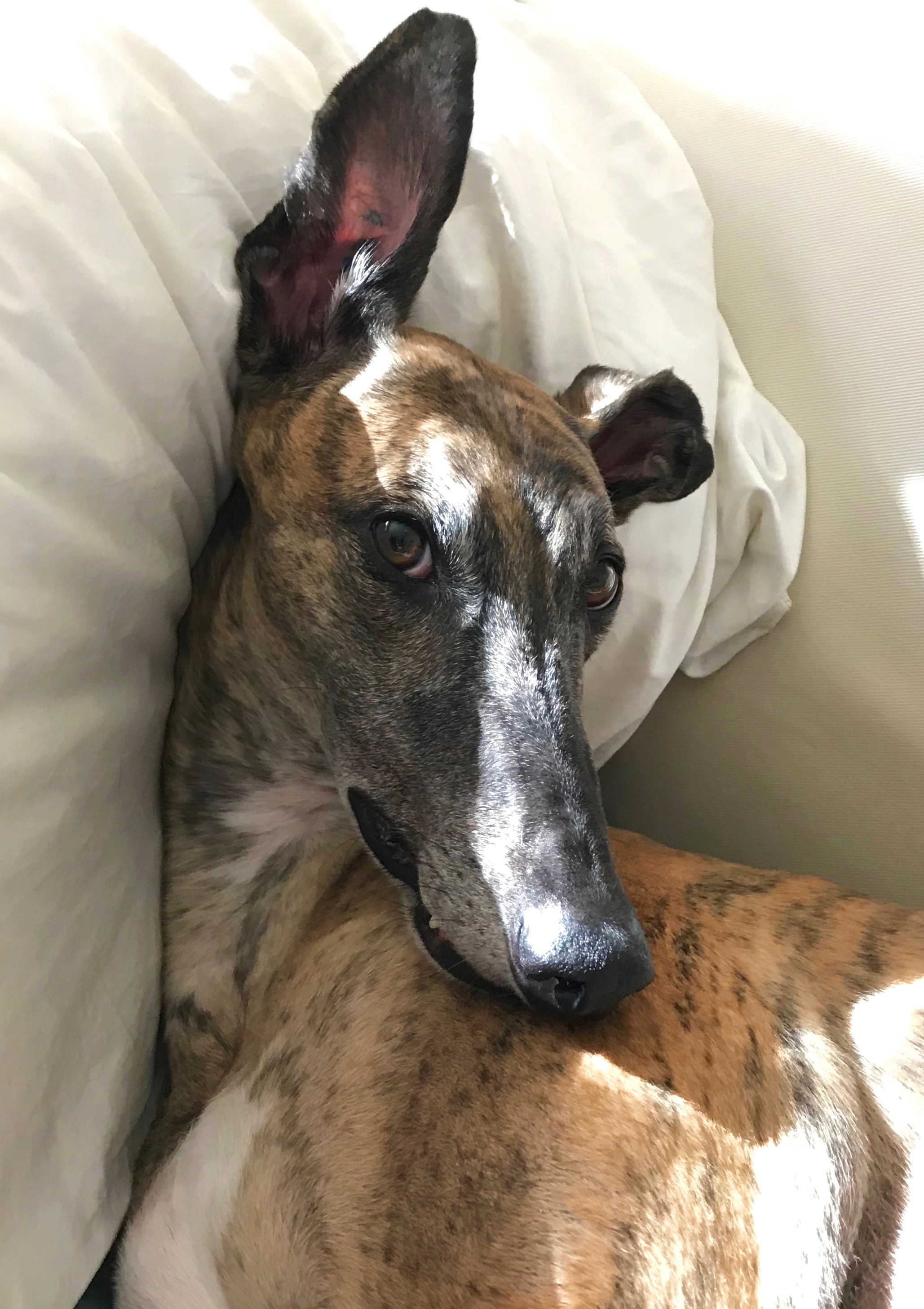
Despite their reputation as racing dogs, Greyhounds are surprisingly independent and low-maintenance in a home environment, and their calm demeanor makes them excellent couch companions, as Greyhounds enjoy a good sprint but are also content to lounge around for most of the day. These elegant athletes are surprisingly laid-back when not in motion.
Italian greyhounds are known to be quite needy, but their bigger cousins the greyhounds are a little less overwhelming, as these sweet, gentle, and affectionate pups do enjoy being around their people, but they tend to like their own space, too. Their ability to appreciate both companionship and solitude makes them ideal for many households.
#15. Akita
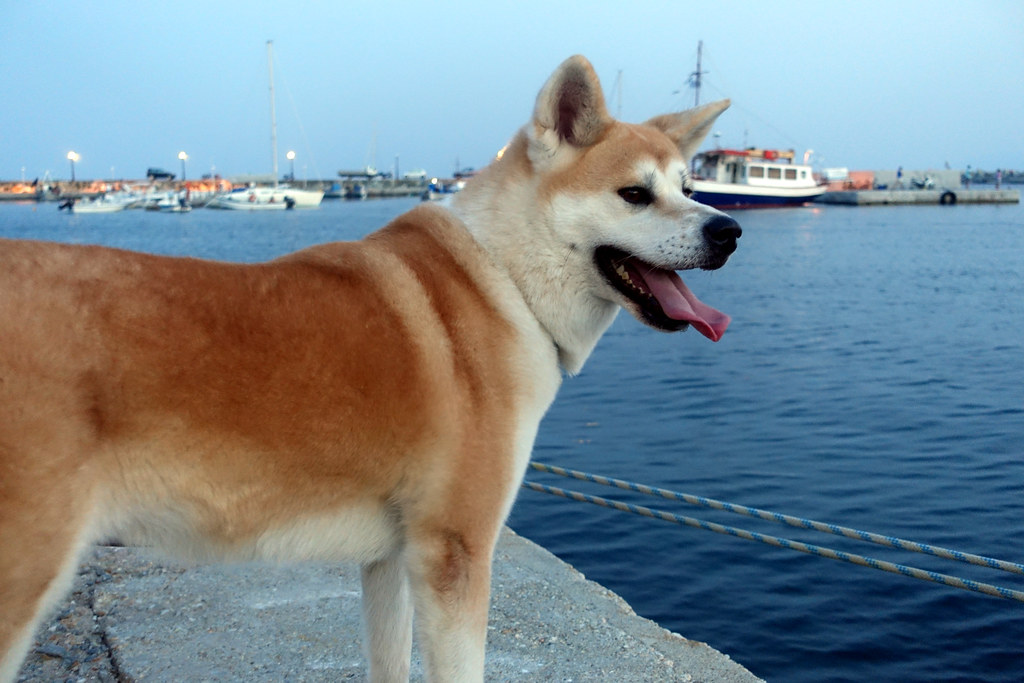
The Akita is an intelligent and independent dog breed that was originally bred in Japan to hunt large animals and guard royalty, so it learned early to make decisions on its own, and unlike dogs that follow you everywhere, an Akita often prefers alone time or periods where it does its own thing. Their noble heritage instilled a sense of dignity that prevents them from becoming clingy or needy.
Akitas thrive on routine and structure but are content to spend time alone when their humans are busy, and their independent mindset means they don’t constantly seek attention, allowing them to be dignified companions who are satisfied with their own company. They understand that love doesn’t require constant presence.
#16. Chinese Shar Pei
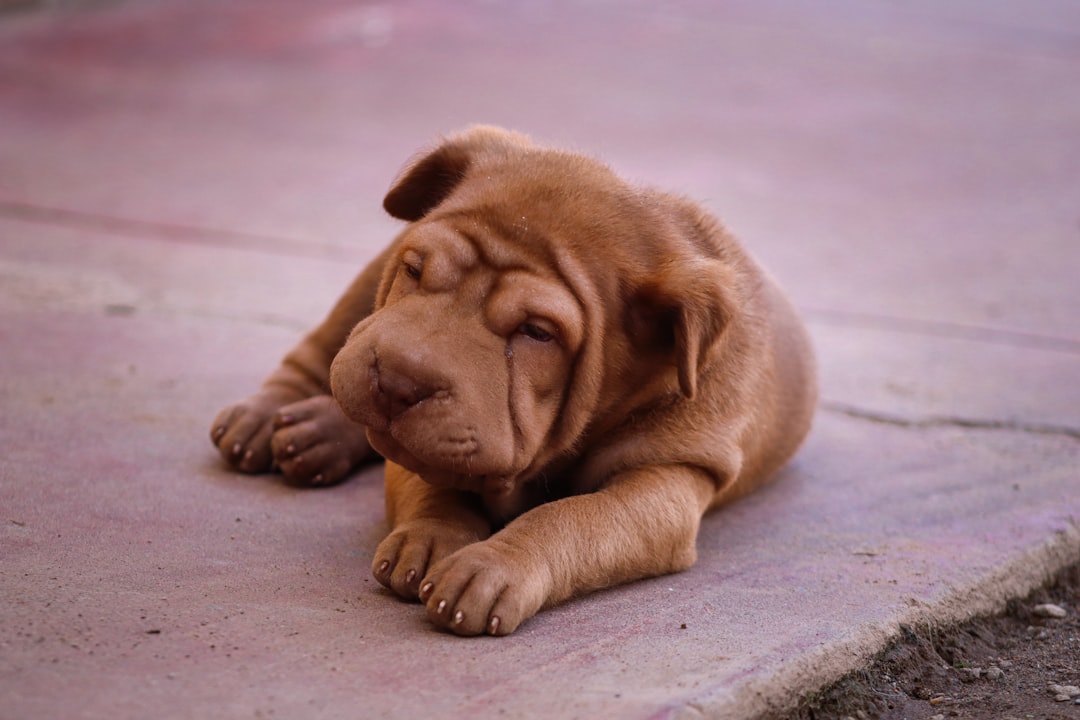
Shar Peis are both independent and serene, making them a perfect fit for someone who’s out of the house for several hours, though they’re known for their intelligence but can be quite stubborn, so you’ll have to be firm and consistent when training them. Their calm temperament translates into genuine comfort with solitude.
Renowned for its independence, the Chinese Shar Pei is a modest yet powerful breed with strong will, and with its distinctive look and very wrinkled skin, does not depend much on continuous human attention, as this breed may be left alone for reasonable times without getting nervous or destructive. Their self-reliance makes them excellent companions for busy households.
#17. Boston Terrier
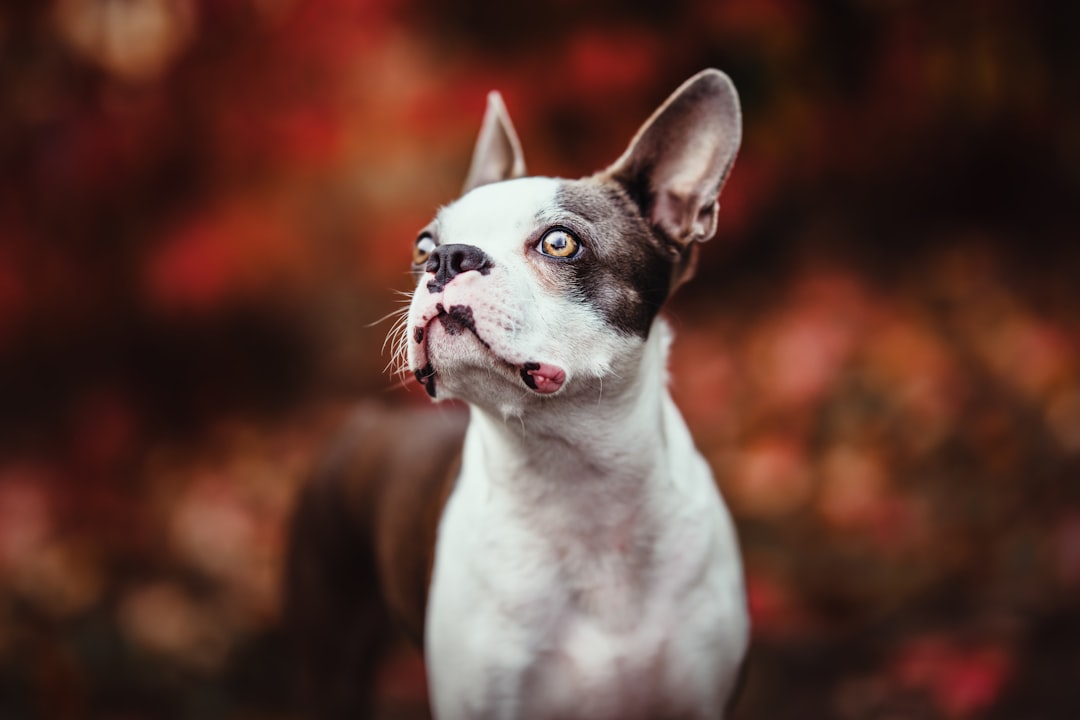
If you need a dog that can spend time alone, the Boston Terrier is worth considering, as this breed tends to handle solitude better than many other terriers and they are known for adjusting well if you work outside the home. Unlike their more excitable terrier cousins, Boston Terriers possess a calmer disposition that helps them cope with alone time.
Their balanced temperament means they enjoy human companionship without becoming overly dependent on it. This adaptability makes them particularly well-suited for urban living where owners often maintain demanding work schedules.
#18. Great Dane
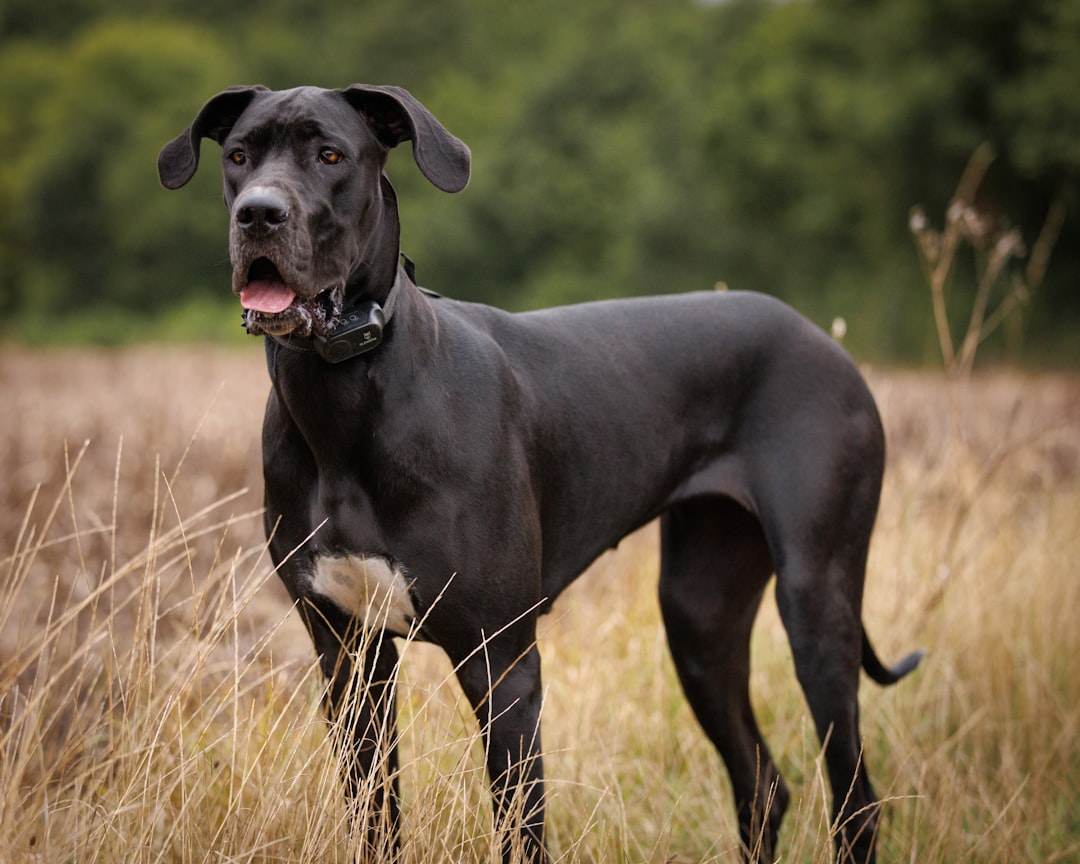
Known as the “gentle giant,” the Great Dane has a naturally calm and steady personality, and despite its massive size, this breed isn’t as high-energy level as many other dogs, which makes it easier to manage in daily life, as with the right balance of exercise and care, these dogs are happy to spend a few hours alone time without becoming restless. Their impressive size might suggest they need constant attention, yet their calm nature proves otherwise.
These gentle giants understand that rest is just as important as activity. Their low-maintenance personality combined with their impressive size makes them surprisingly well-suited for people who appreciate a peaceful, independent companion.
#19. Pekingese
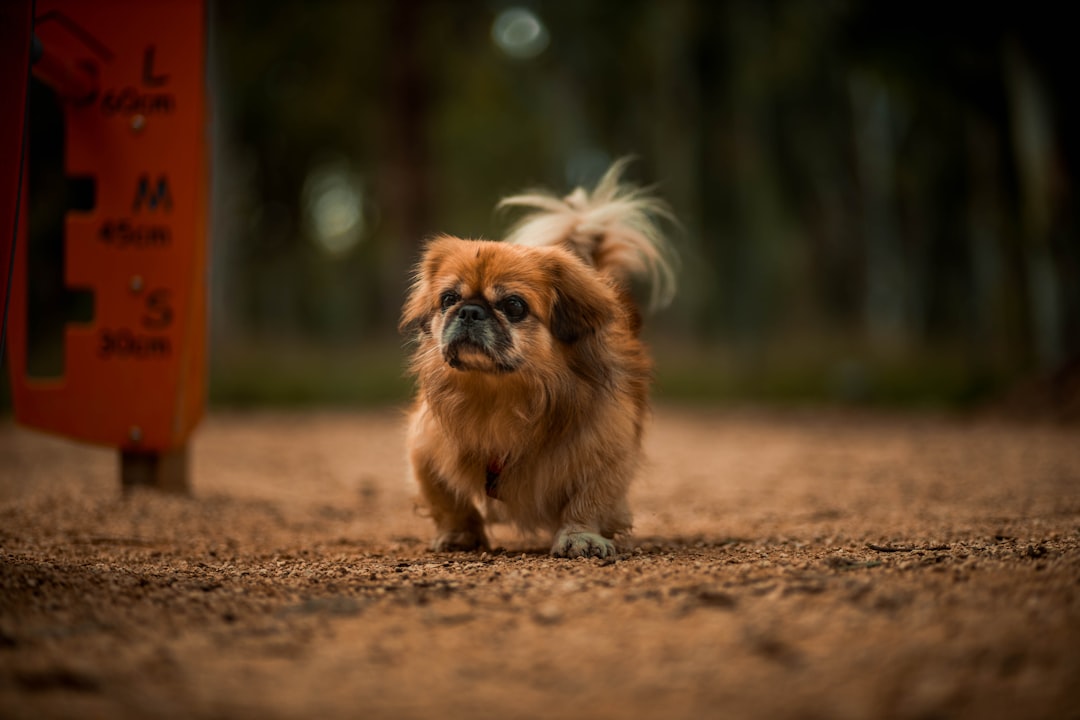
Of the breeds listed so far, the Pekingese is a touch more apt to be needy, which makes sense as they’ve been companion animals for centuries, originally roaming the broad estates of Chinese nobility, however, despite that role, they’re also very stubborn, confident, opinionated, and independent. Their royal background instilled both a love of attention and the confidence to be alone when necessary.
Other dogs, such as the Pekingese, don’t have the same endurance, so a short walk or indoor play is enough to get them settled down for a day of solitude, which makes them a great dog to leave home alone. Their low exercise needs paired with their independent streak creates an ideal combination for busy owners.
#20. West Highland White Terrier
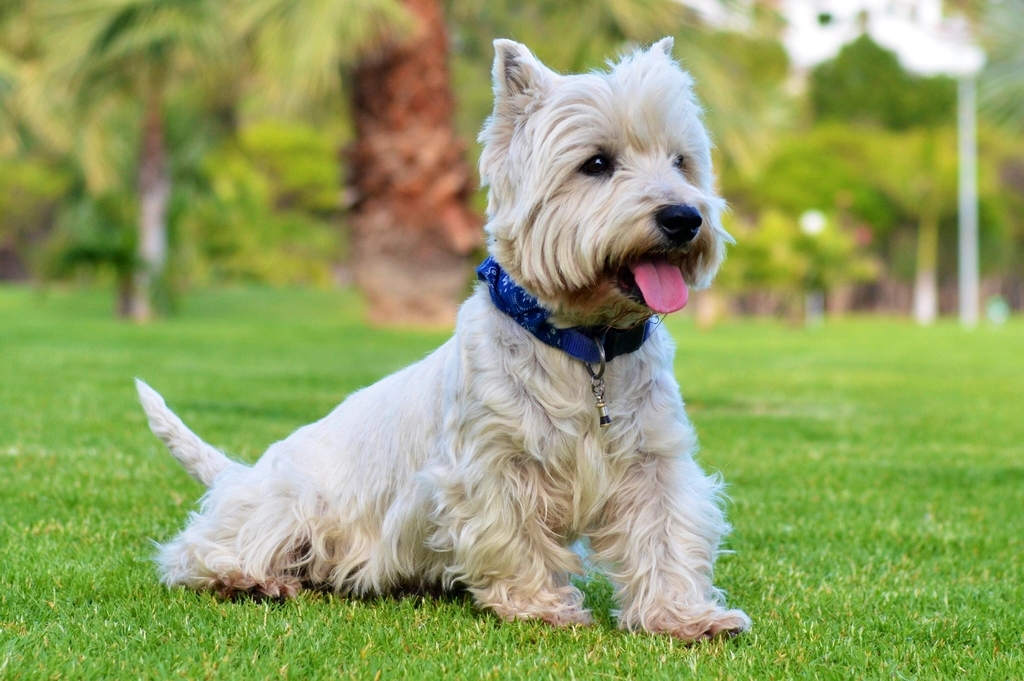
Another breed that enjoys entertaining its people but can take a break here and there is the West Highland white terrier, as these dogs were bred to work alone and are smart, independent, and adaptable as a result, and they’re also known to have a stubborn, no-nonsense approach to life, so they have enough of a mind of their own to handle stretches by themselves. Their working heritage required them to think independently, making modern solitude manageable.
These spirited little terriers possess the perfect balance of affection and independence. While they enjoy their family’s company, they don’t require constant validation or attention, making them excellent companions for people who want a dog with personality but not neediness.
Conclusion
The relationship between dogs and solitude reveals as much about breeding purposes as it does about individual personality. Breeds developed for close partnership with humans naturally struggle more with separation, while those bred for independent work tend to handle alone time gracefully. Understanding these tendencies helps create realistic expectations and better living arrangements for both dogs and their families.
Remember that individual dogs within each breed can vary significantly from the typical breed characteristics. Early socialization, proper training, and gradual conditioning to alone time can help any dog develop better coping skills. Whether you choose a velcro dog or an independent spirit, the key lies in matching your lifestyle to your dog’s natural temperament and needs.
What’s your experience been with your dog’s attitude toward alone time? Have you found ways to help anxious breeds become more comfortable with solitude, or discovered that your supposedly independent breed is actually quite the cuddle monster?
