

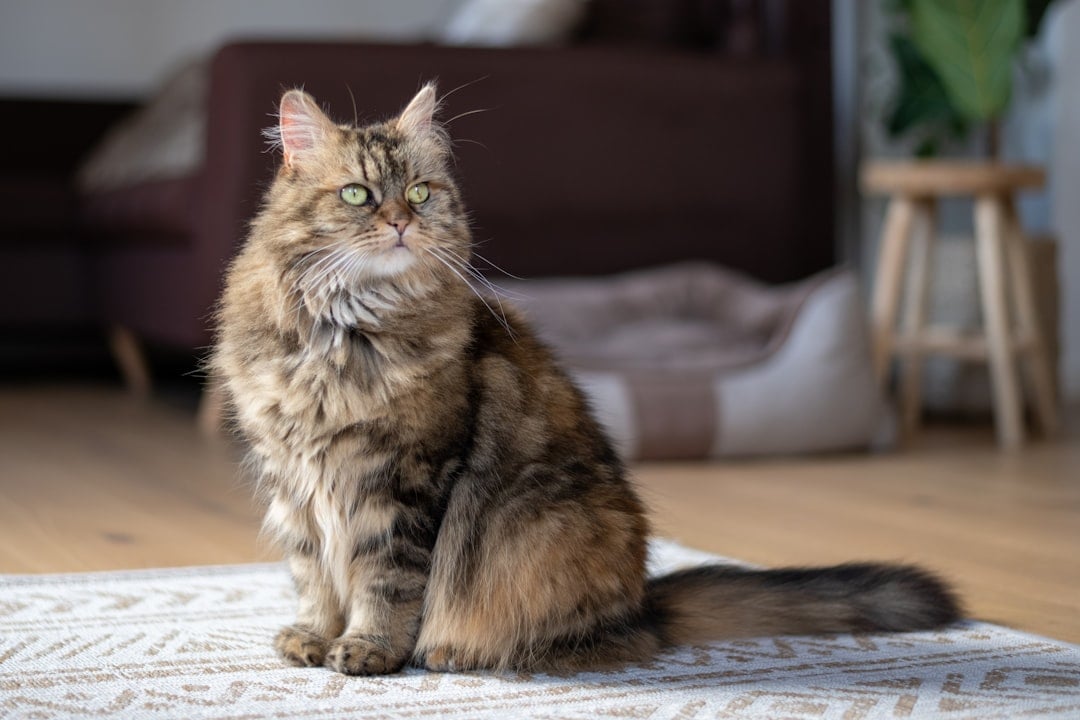
Picture this: you’re sitting in your veterinarian’s office, and they’re giving your fluffy Persian another nebulizer treatment for breathing issues. Again. There’s that look in their eyes – not judgment, but a quiet understanding that comes from years of experience. They’ve seen this story play out countless times with certain breeds, yet they keep their professional smiles in place while silently wishing more cat lovers knew what they know.
The truth is, many beloved cat breeds carry hidden health burdens that make veterinarians’ hearts sink. These aren’t necessarily bad cats or irresponsible choices, but rather breeds where selective breeding for specific traits has created a perfect storm of medical complications. Let’s dive into the breeds that make even the most experienced vets reach for an extra cup of coffee.
#17 Persian Cats: The Breathing Struggle Behind the Beauty
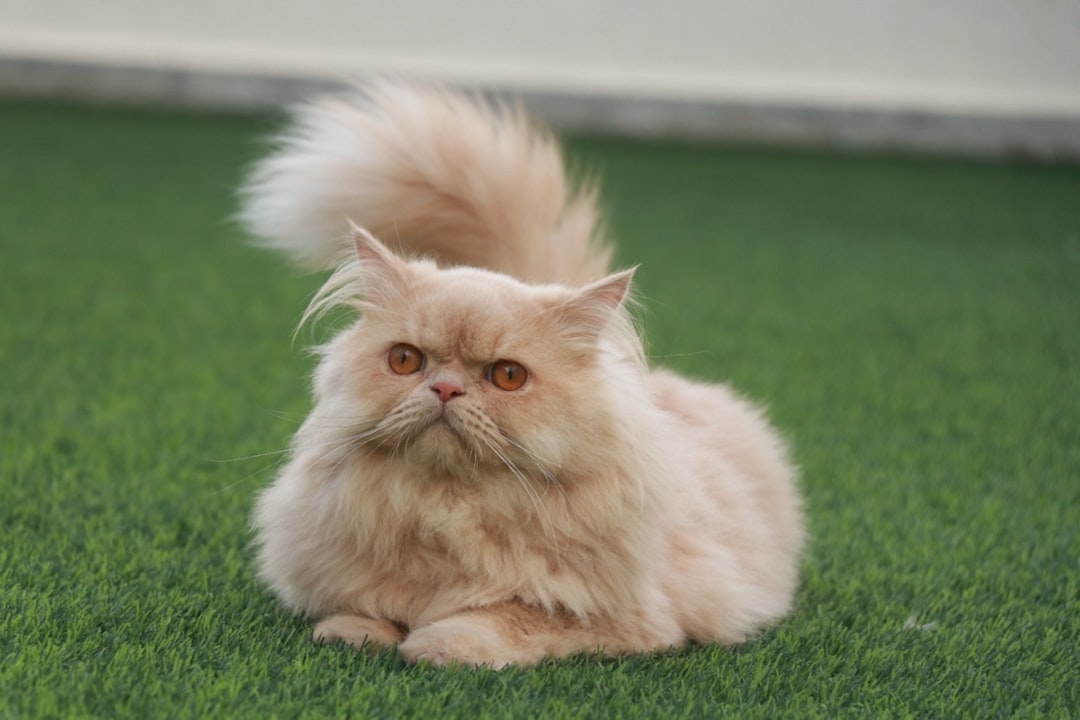
Persian cats with their luxurious coats and doe eyes seem like the epitome of feline elegance. Yet Persian cats often suffer from breathing issues because of their unique facial anatomy, and many of these fluffy cats suffer from health conditions.
The flat face that makes them so distinctive creates brachycephalic obstructive airway syndrome, with symptoms including snoring, labored breathing, and exercise intolerance. Vets see these cats struggling just to breathe normally while sleeping, and many require lifelong management or even surgical intervention.
#16 Scottish Fold: The Painful Price of Folded Ears
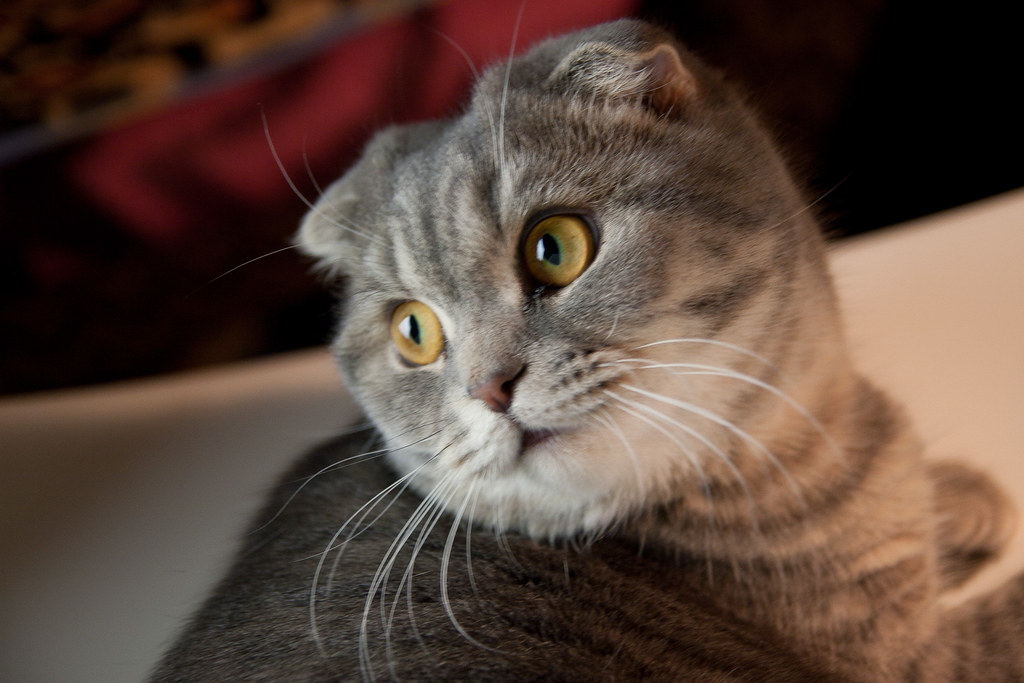
The Scottish Fold’s beloved ears hide a tragic health defect – their signature “fold” happens due to a lack of cartilage, leading to a painful degenerative disease called Osteochondrodysplasia. This isn’t just an occasional problem; this is a dominant trait, meaning all Scottish Folds have it.
Veterinarians watch helplessly as the worst effects include the fusing of joints within the tail, ankles, and knees, resulting in abnormally short, misshapen, inflexible limbs. The very trait that makes them appealing condemns them to a life of potential pain and mobility issues.
#15 Munchkin Cats: When Cuteness Comes at a Cost
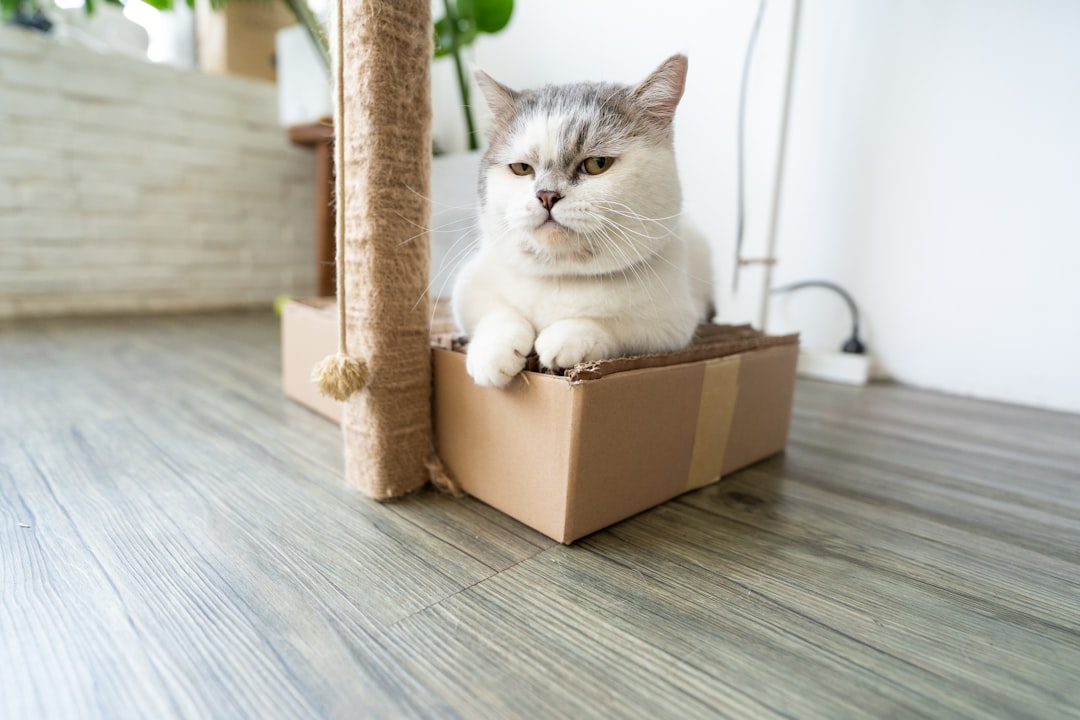
Critics predicted that Munchkin cats would develop back, hip and leg problems similar to those that plague some dachshunds, with much controversy erupting over potential health and mobility issues. The reality has proven these concerns valid.
Breeding of Munchkin cats is discouraged by some cat registries due to genetic health concerns, with animal welfare advocates calling breeding animals for exaggerated physical characteristics irresponsible. Vets see the mobility limitations and joint problems that come with the deliberately shortened legs.
#14 Exotic Shorthair: Persian Problems Without the Grooming
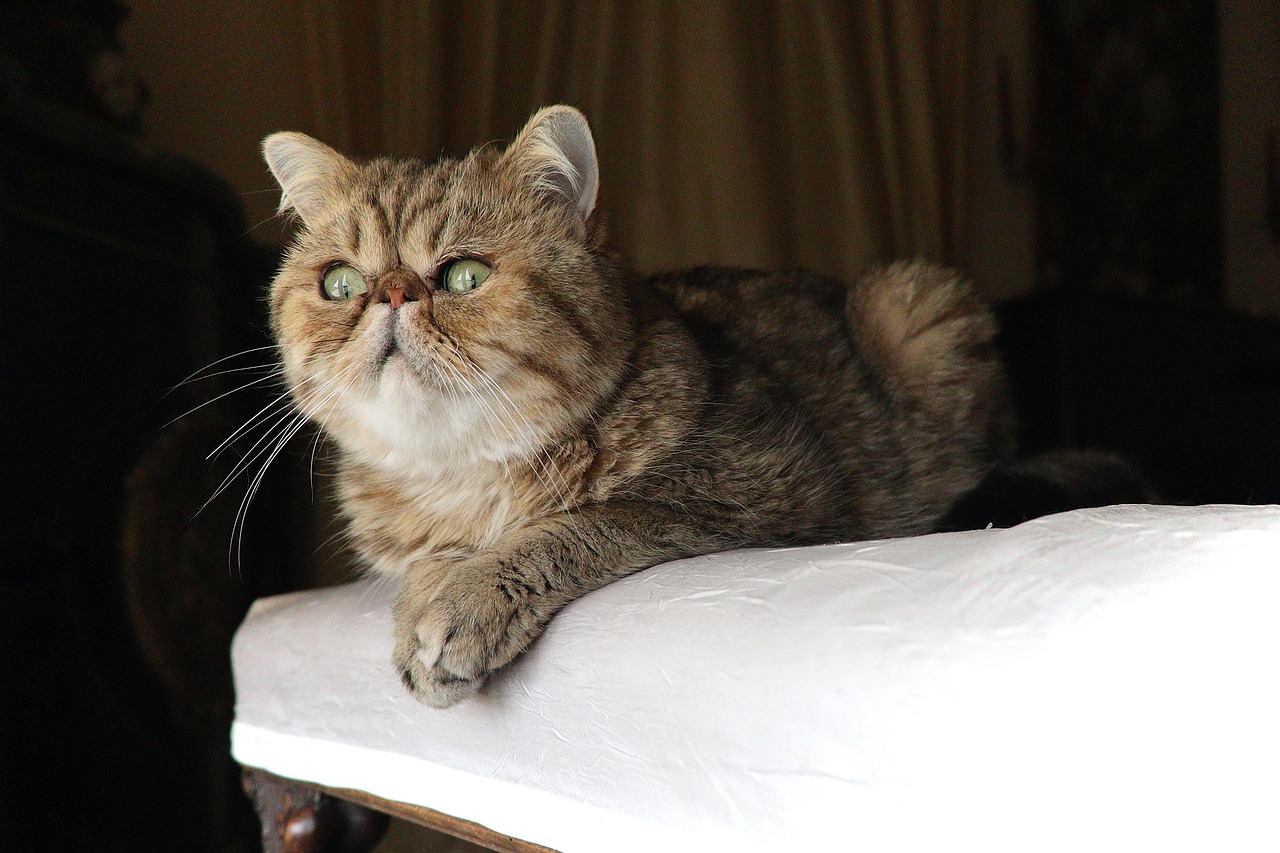
Breeders created Exotic Shorthairs as a short-haired version of Persians, but these round-headed, snub-nosed cats face many of the same issues as brachycephalics, including PKD, heart issues, and breathing problems. They’re essentially Persians with different coat length but identical health challenges.
These cats are prone to several health issues that limit their lifespan to between 8 and 11 years, with brachycephalic faces causing breathing problems and overcrowded teeth leading to dental issues. Vets know they’re getting the Persian package of problems in a supposedly easier-care format.
#13 Siamese Cats: Beauty with Behavioral Burdens
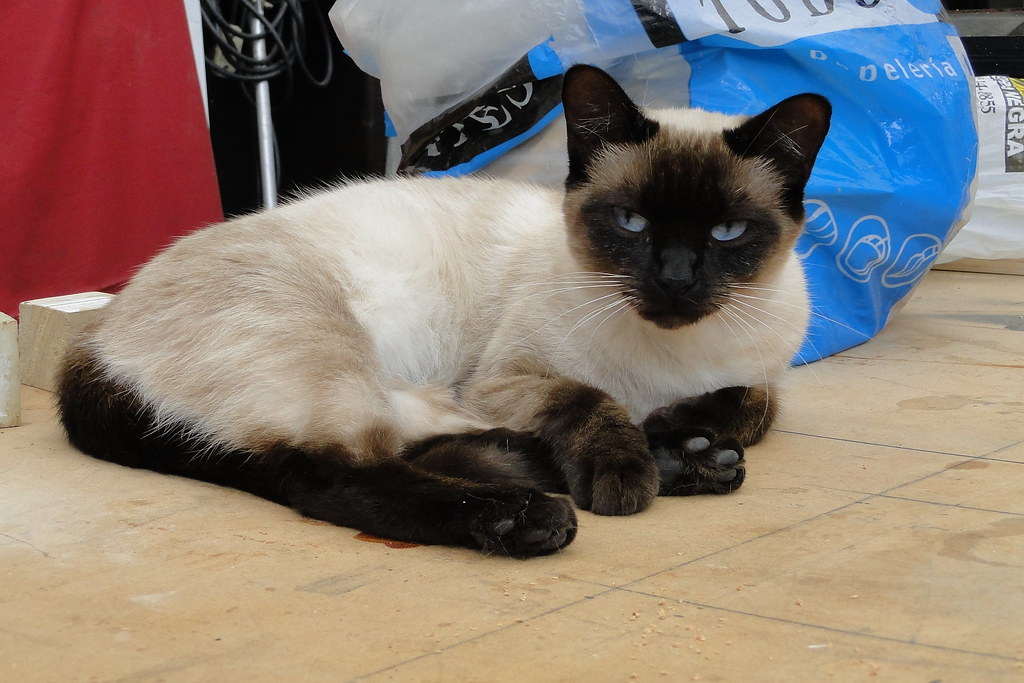
Siamese cats are prone to truly nasty health conditions including lymphoma and intestinal cancers, asthma, progressive retinal atrophy, and amyloidosis. These aren’t minor inconveniences – they’re life-threatening conditions that require extensive veterinary care.
Siamese cats are also more likely than other breeds to develop compulsive behaviors, such as overgrooming or wool sucking, with vets linking these actions to stress, boredom, or genetic factors. Their neurological predispositions add another layer of complexity to their care.
#12 Maine Coon: When Size Becomes a Liability
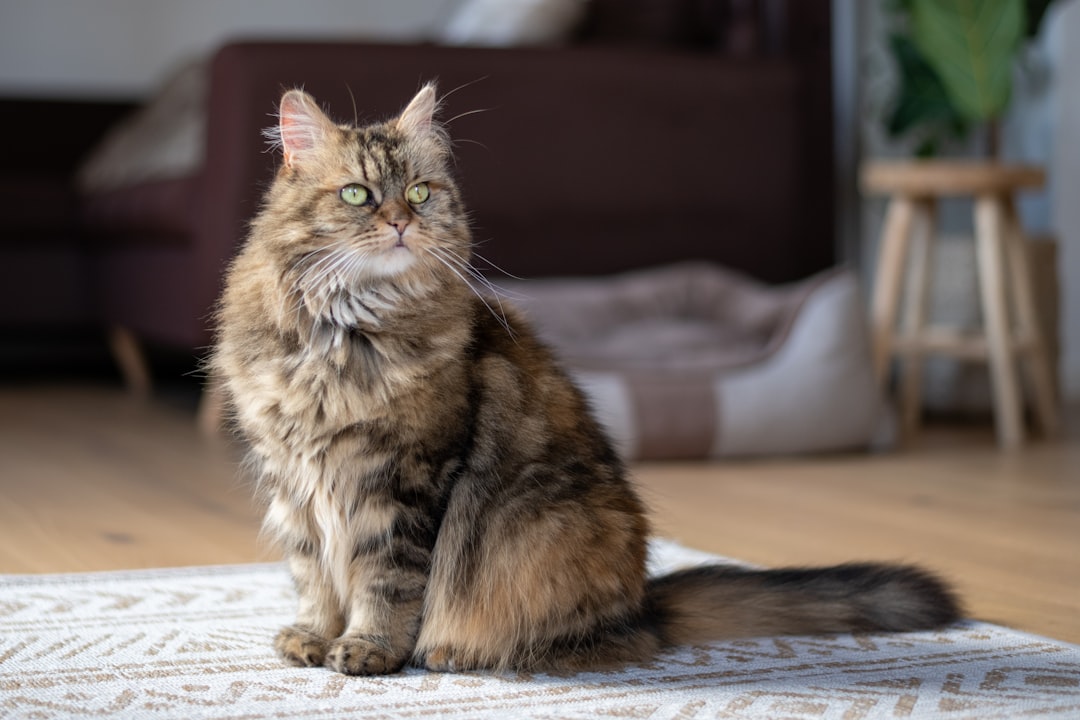
Maine coon cats commonly suffer from hypertrophic cardiomyopathy (HCM), a heart disease that can lead to heart failure, and larger cat breeds like Maine coons are also susceptible to hip dysplasia. Their impressive size comes with equally impressive health risks.
Maine Coons are prone to hypertrophic cardiomyopathy, a genetic heart condition that causes thickening of the heart muscles, impacting circulation, with symptoms including lethargy, rapid breathing, and loss of appetite. Vets see these gentle giants struggle with conditions that their size makes more dangerous.
#11 Devon Rex: The Elf Cat’s Hidden Struggles
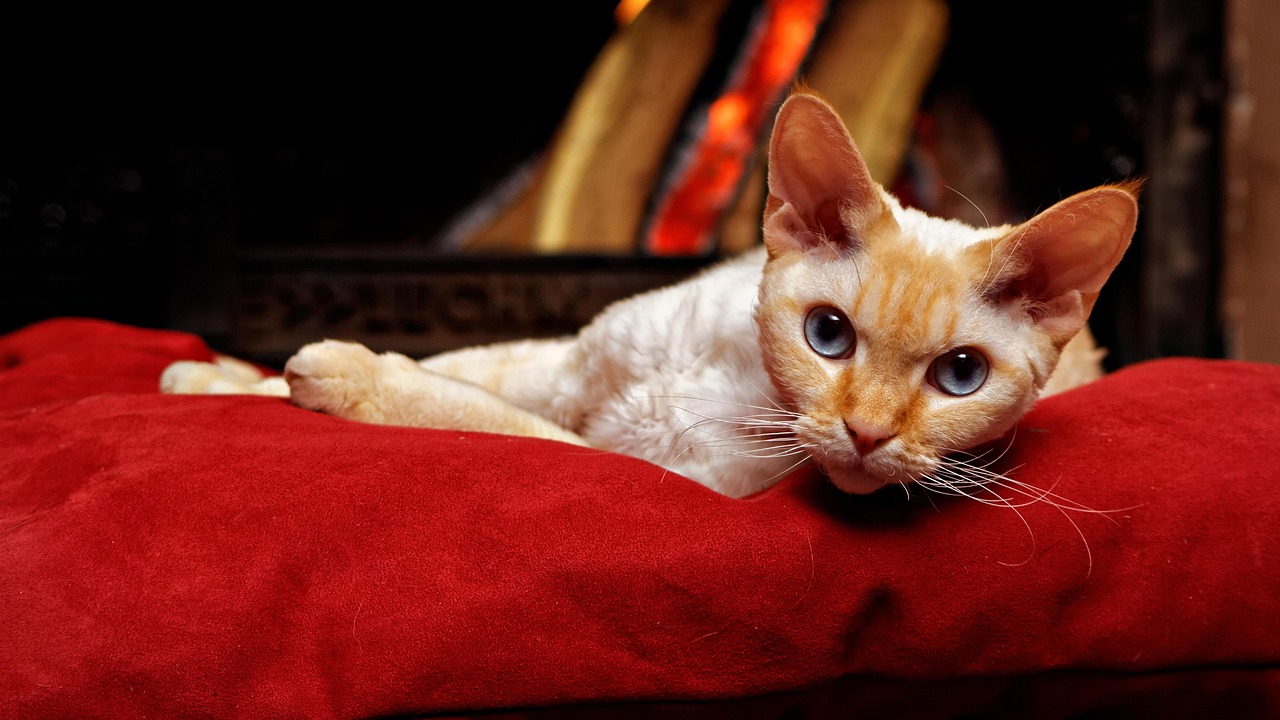
Due to their limited gene pool, there is a disease specific to Devon Rex called Devon rex myopathy, which causes muscle weakness and trouble eating or even holding their heads up. This breed-specific condition makes veterinarians’ hearts sink when they encounter affected cats.
From the beginning, serious health problems have beset Devon Rex, including Luxating Patellae, Coagulopathy and Inherited Myopathy. Their unique appearance masks a genetic foundation riddled with health challenges that require constant vigilance.
#10 Cornish Rex: Waves of Worry
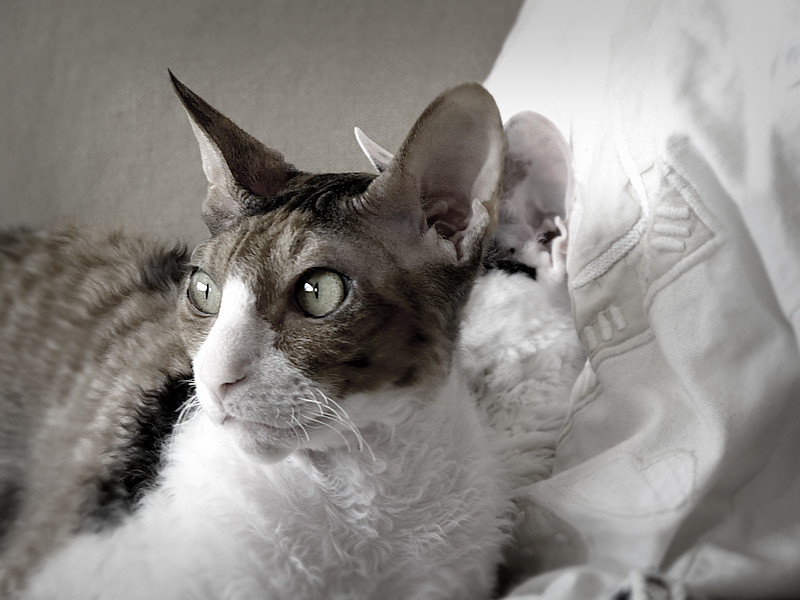
Cornish rex cats can have a genetic tendency for polycystic kidney disease and progressive retinal atrophy, a genetic vision condition that affects the breed and causes deterioration of the retina, leading to blindness. Their distinctive coat comes with distinctive health challenges.
Hypertrophic cardiomyopathy is a concern with Rex cats, especially because you can’t see this condition on a radiograph and would require an echocardiogram or sonogram to diagnose it. Vets know these heart problems lurk beneath the surface, often undetectable until advanced.
#9 Ragdoll Cats: Gentle Giants with Hidden Problems
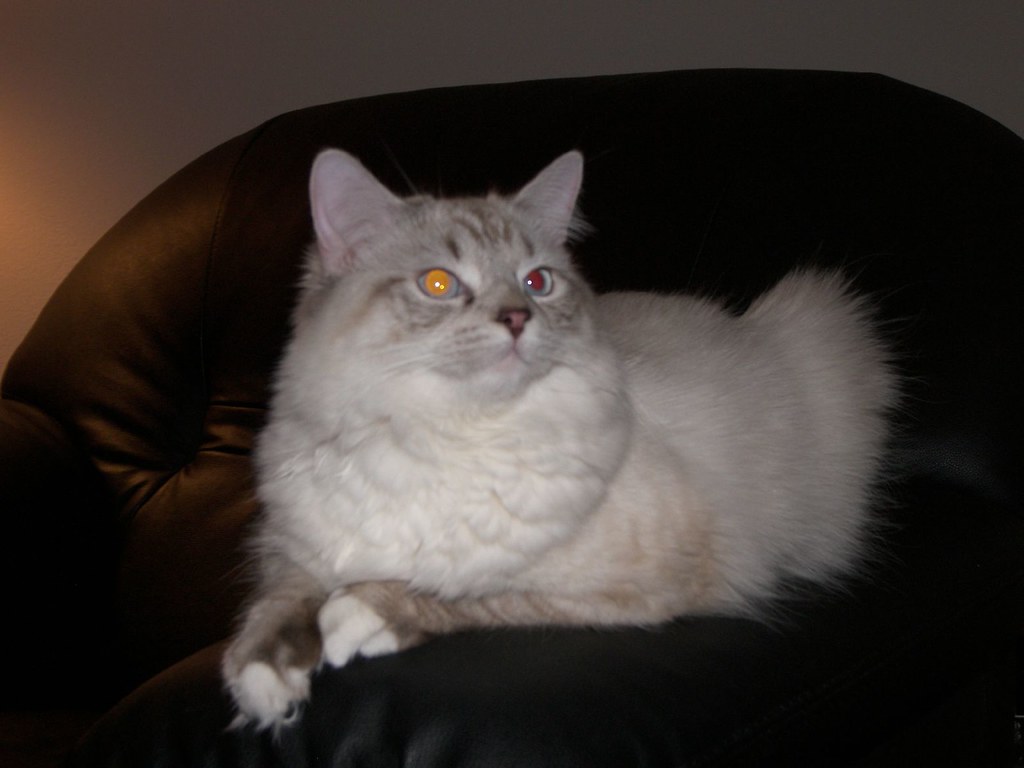
Like many other types of cats, ragdolls can develop a heart condition called hypertrophic cardiomyopathy and are also prone to bladder stones. Their docile nature often masks serious underlying health issues that develop silently.
Their large size and relaxed temperament can make it harder for owners to notice early symptoms of illness. Vets appreciate their calm demeanor during examinations but worry about the delayed recognition of health problems in these trusting, gentle cats.
#8 Manx Cats: The Tailless Trouble
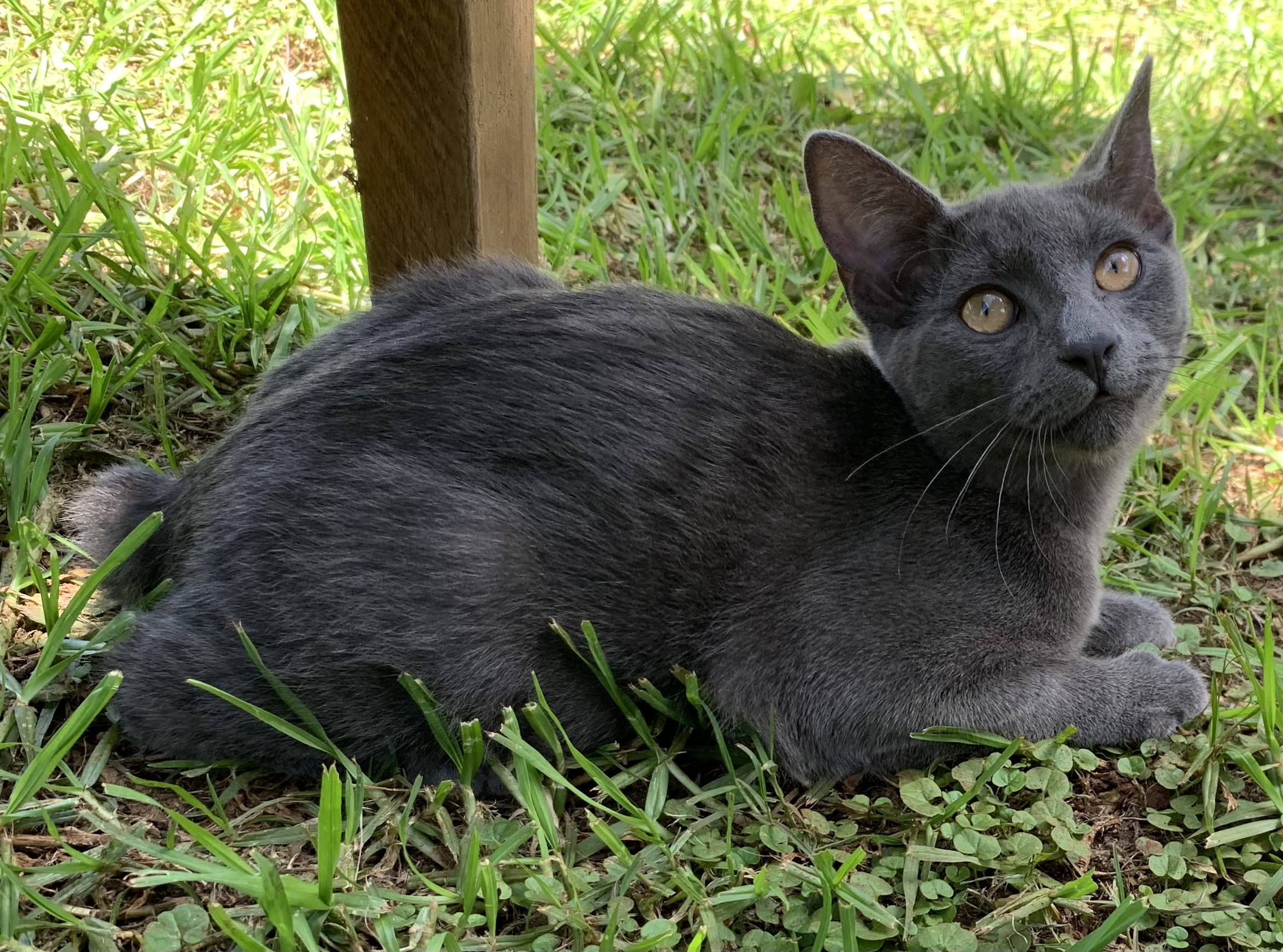
The Manx cat breed’s most distinct feature is a stub tail, but those with shorter tails may have spina bifida and spinal issues due to Manx Syndrome, and may also have difficulty eliminating due to a larger than average colon.
Manx cats originated from the Isle of Man and are born with little to no tail, though occasionally you’ll see one with a full tail. The genetic mutation that creates their distinctive appearance often comes with neurological complications that affect their quality of life throughout their lives.
#7 Sphynx Cats: Hairless and High-Maintenance
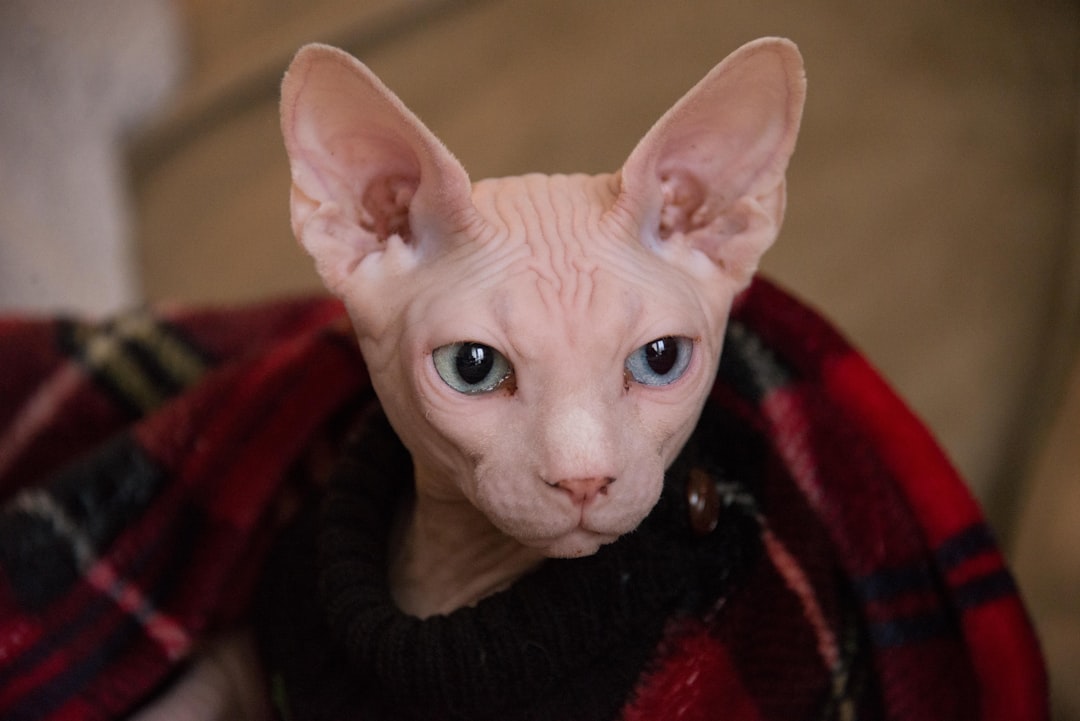
From the Sphynx’s reported health challenges, these breeds serve as a sobering reminder that selective breeding for specific appearances often comes with devastating health consequences. Their lack of fur creates unique medical challenges.
With a lack of hair and overly oily skin, most hairless cat breeds have an increased chance of developing bacterial skin conditions or infections. Vets see these cats regularly for skin issues that their hairless genetics make inevitable.
#6 Himalayan Cats: Double Trouble Genetics
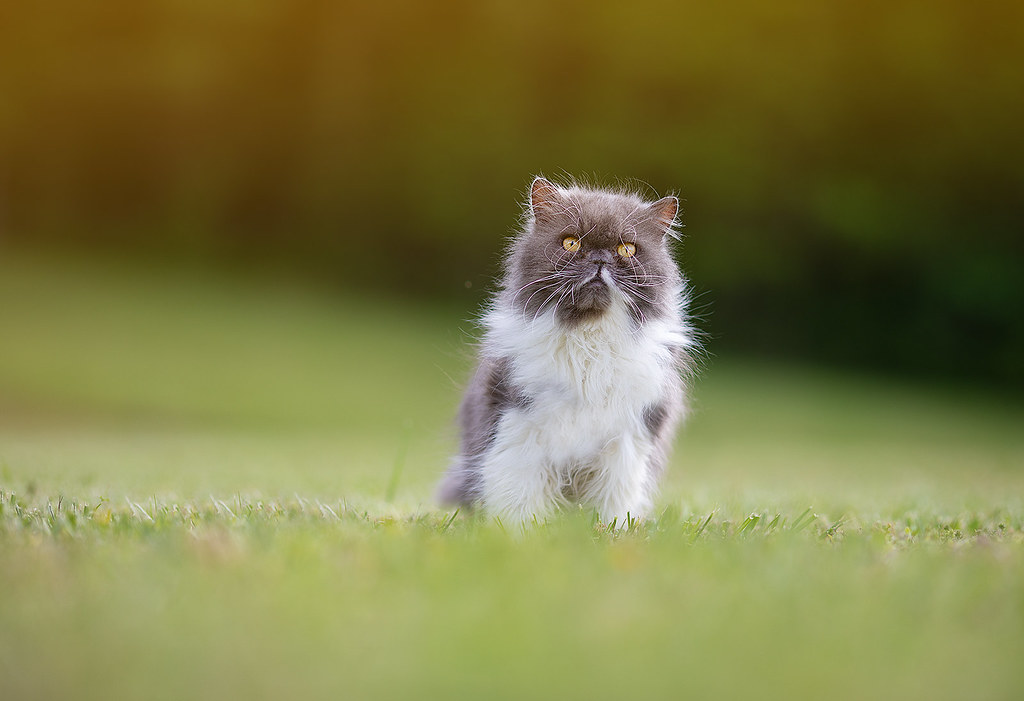
Due to inheriting both the dwarfism of the Munchkin and the shortened face of the Persian, the Himalayan-related breeds are susceptible to multiple health issues, with the shortened face known as brachycephaly leading to anatomical deformities that may cause breathing difficulties.
These cats combine the worst aspects of multiple breed lines, creating a perfect storm of health challenges. Veterinarians see the breathing problems of Persians combined with other structural issues, making treatment complex and ongoing care demanding.
#5 Burmese Cats: Sensitivity Beyond Beauty
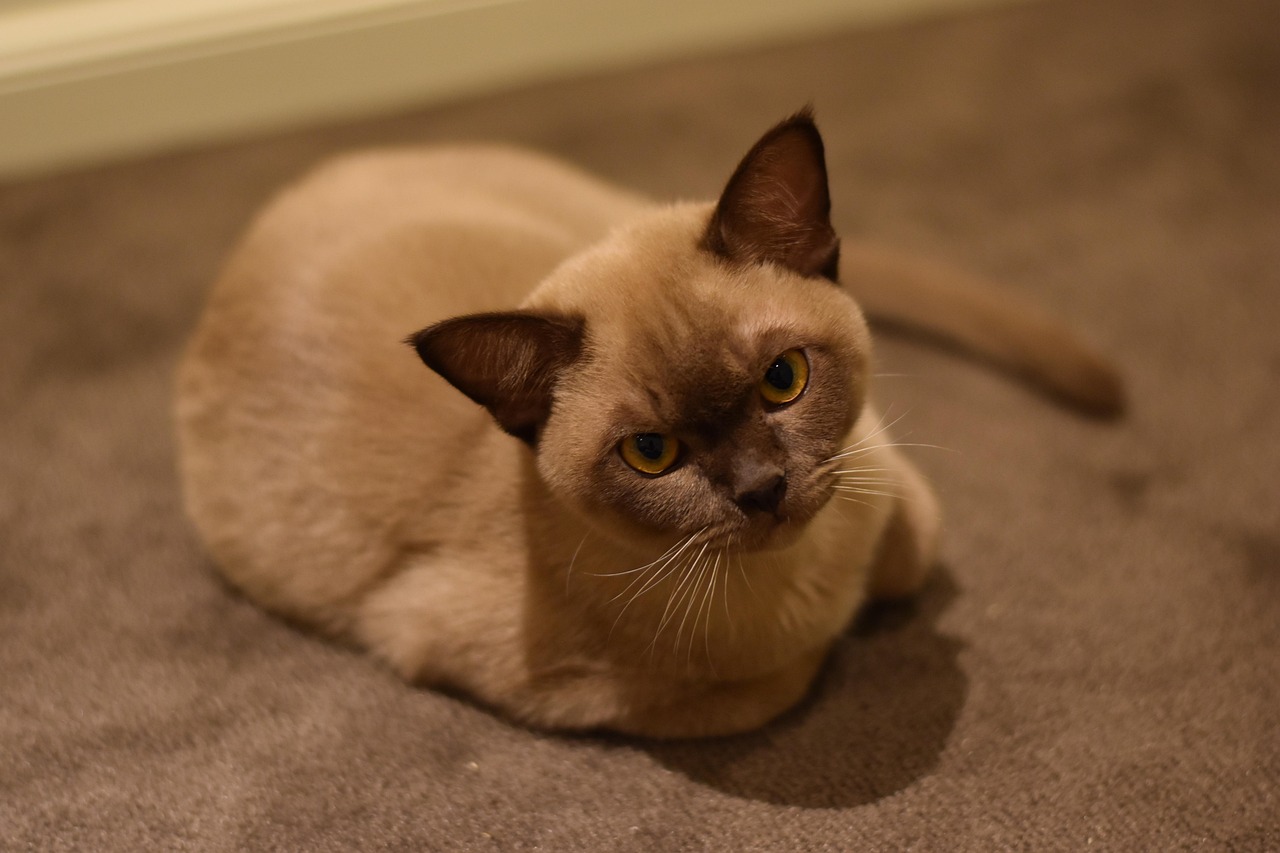
Burmese cats may suffer from feline hyperesthesia syndrome, causing sensitivity to touch or pain, and also have a tendency to develop kidney stones in the urinary tract. Their compact beauty hides uncomfortable realities.
The hyperesthesia syndrome can make routine veterinary examinations challenging and stressful for both cat and vet. These cats require extra patience and specialized handling techniques that many owners aren’t prepared for.
#4 Selkirk Rex: The Perm with Problems
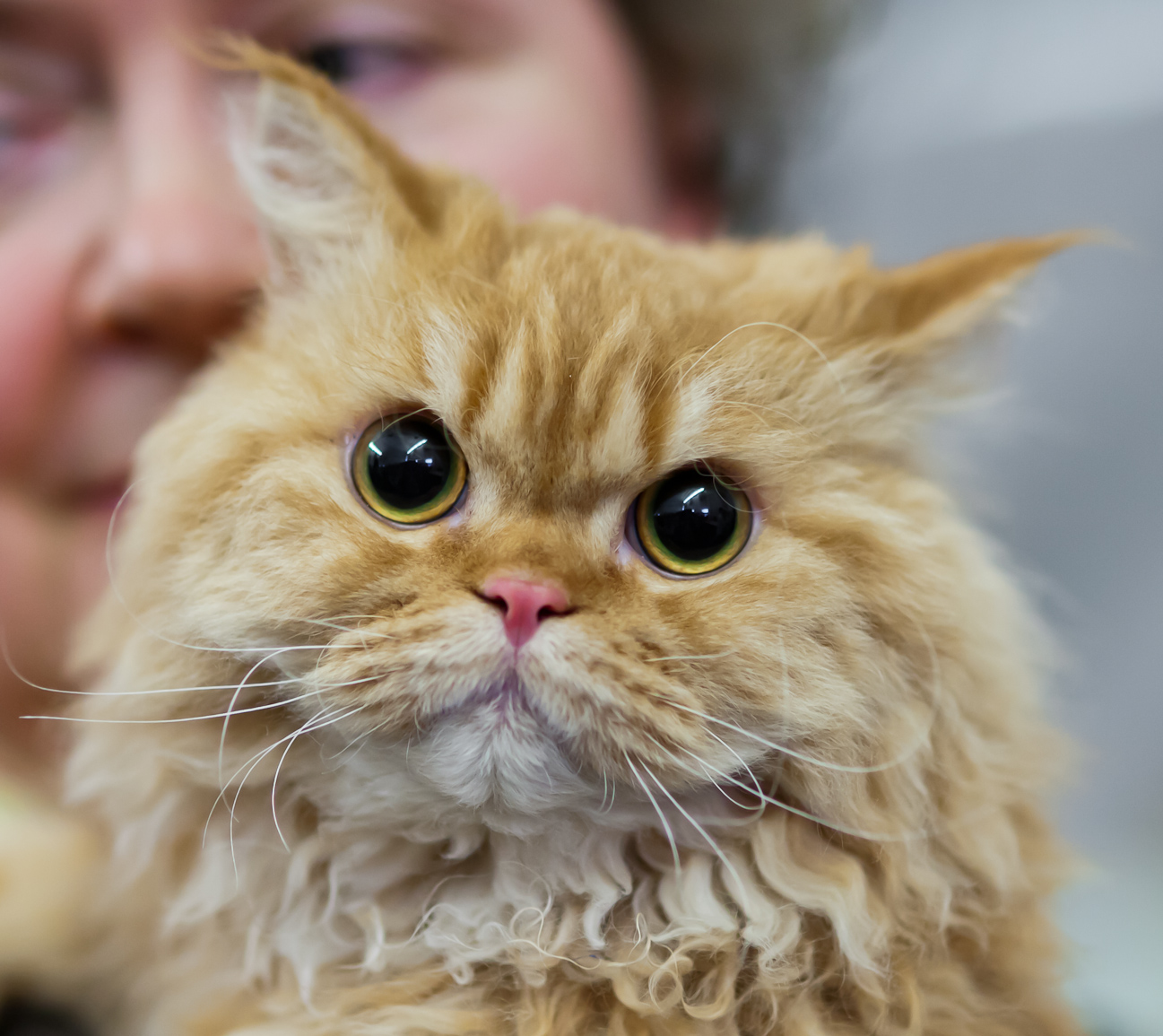
Selkirk rex cats may have a genetic tendency for polycystic kidney disease (PKD), a genetic health condition that causes cats to develop cysts in their kidneys, leading to irreversible kidney damage with symptoms including increased thirst, frequent urination, and weight loss.
Selkirk Rex cats can have oily skin and may benefit from baths every few weeks, with signs of skin irritation or itching requiring veterinary checkups. Their curly coats require special care while hiding genetic predispositions that emerge over time.
#3 Birman Cats: Sacred Temple Cats with Secular Problems
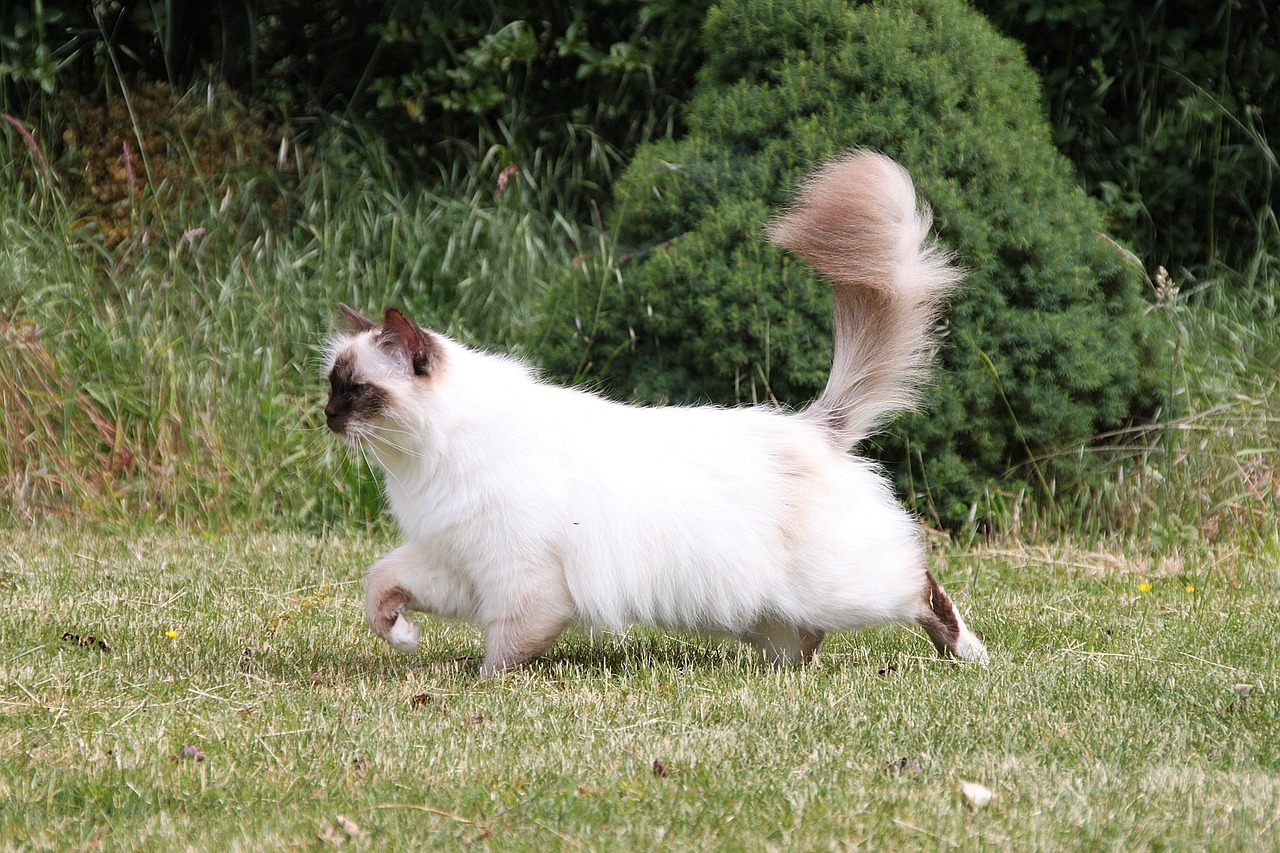
The only specific Birman cat health concern is kidney disease, with blood tests of young Birman cats showing impaired kidney function and some going on to develop kidney failure. Even young cats can show concerning kidney function abnormalities.
What makes this particularly heartbreaking for veterinarians is that kidney disease often progresses silently until it’s advanced. These beautiful cats with their distinctive white paws and blue eyes may be suffering kidney damage long before symptoms become apparent.
#2 Bengal Cats: Wild Beauty, Domestic Problems
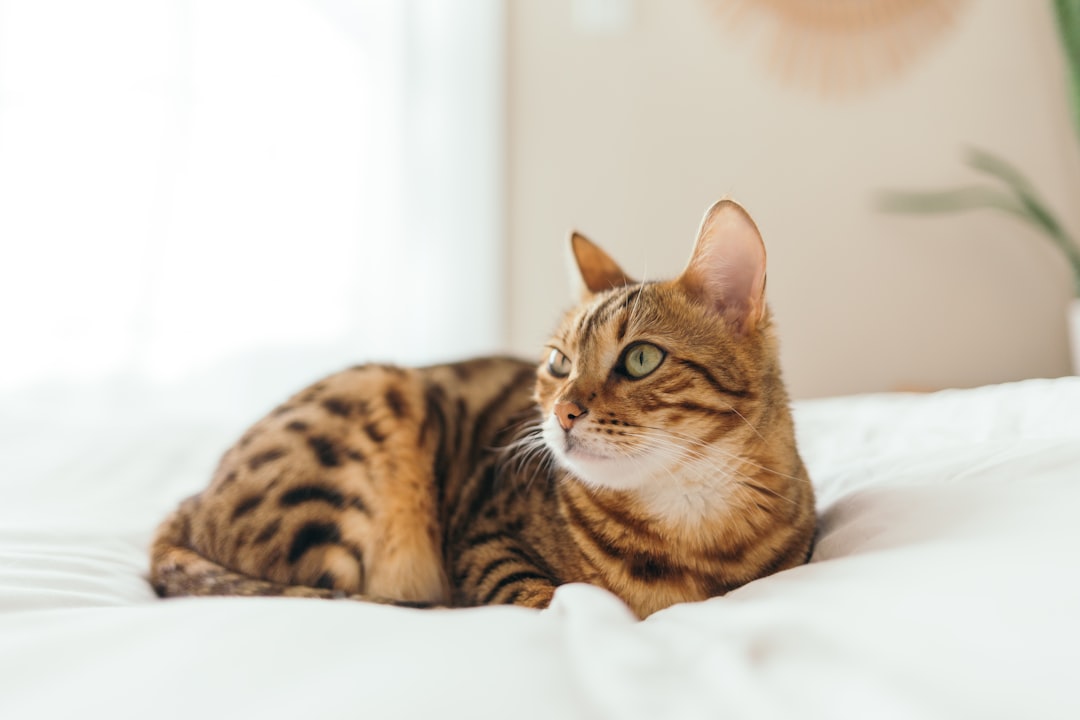
Bengals typically live 10-16 years, though some studies have raised concerns about certain health issues, and their hybrid background contributes to various health complications that significantly impact their lifespan.
Their exotic heritage that makes them so appealing also creates unpredictable health challenges. Vets worry about the unknown genetic combinations and the shortened lifespan that comes with their wild cat ancestry.
#1 British Shorthair: The Chunky Challenge
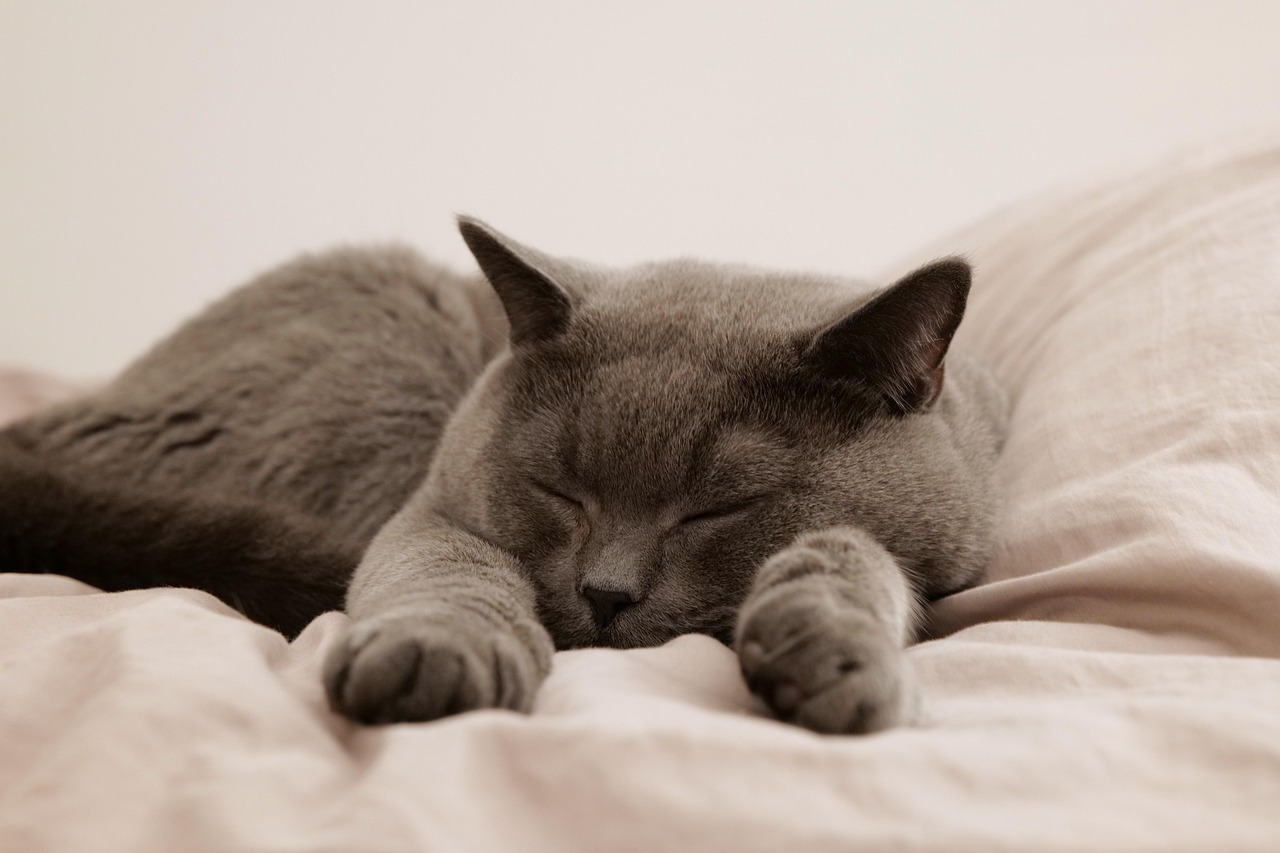
The British Shorthair generally has good health with few conditions it’s prone to, but can suffer from polycystic kidney disease due to being bred with Persian cats in the past, and hypertrophic cardiomyopathy.
Lack of activity can lead to obesity, which is a significant concern for breeds prone to weight gain, such as British Shorthairs. Their sturdy build and laid-back personality create a perfect recipe for weight-related health complications that require lifelong management.
Conclusion
Honestly, this list represents more than just breed characteristics – it’s a window into the unintended consequences of breeding for appearance over health. These cats aren’t inherently “bad” choices, but they do require owners who understand the commitment involved.
Every veterinarian has seen the heartbreak when an owner discovers their beloved cat needs expensive, ongoing treatment for conditions that were virtually guaranteed by their genetics. What do you think about it? Tell us in the comments.
