

Labrador Retriever
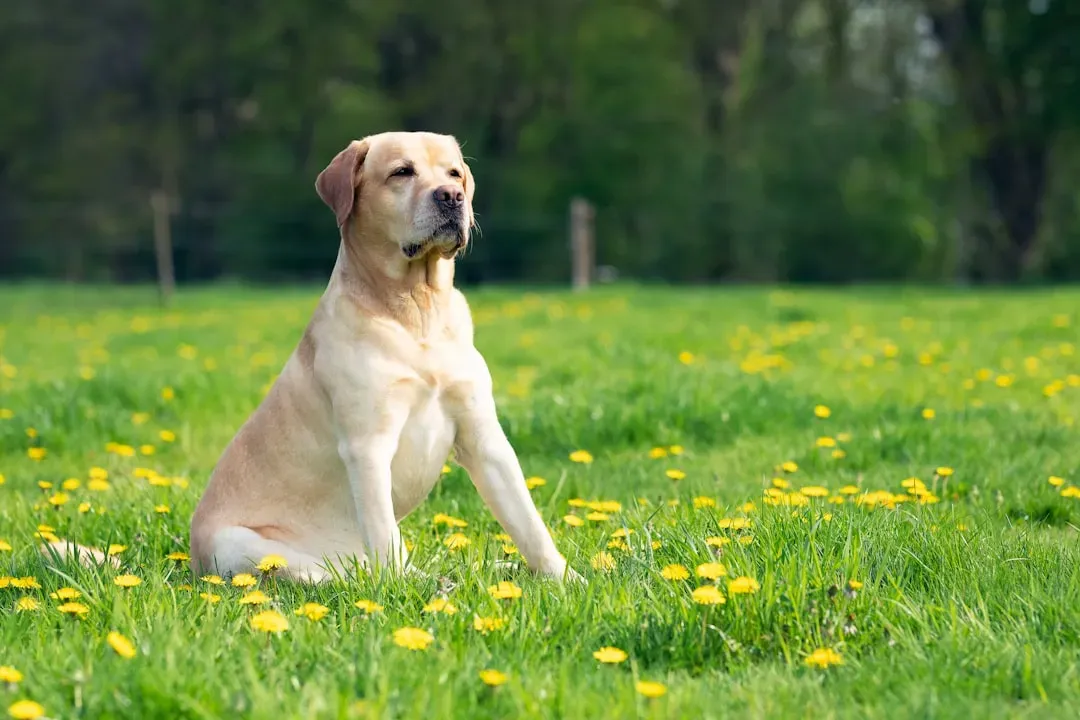
Labrador Retrievers form intense attachments that often show up in their daily rhythms. They tend to monitor their owner’s energy levels closely and adjust their own pace when things shift. This sensitivity can lead to skipped meals if the person they rely on feels unwell for more than a day or two.
Their food motivation usually runs high, so any change stands out quickly. Owners notice the dog checking in more often instead of heading straight to the bowl. The behavior reflects a broader pattern of emotional responsiveness that defines the breed.
Golden Retriever

Golden Retrievers carry a reputation for reading moods with remarkable accuracy. They often stay near their person during low periods and may show less interest in their own meals as a result. This stems from their history as working companions who thrive on shared routines.
When an owner rests more than usual, the dog sometimes mirrors that slower tempo at feeding time. The shift passes once the household returns to normal. It serves as one visible sign of the steady loyalty this breed brings to a home.
German Shepherd
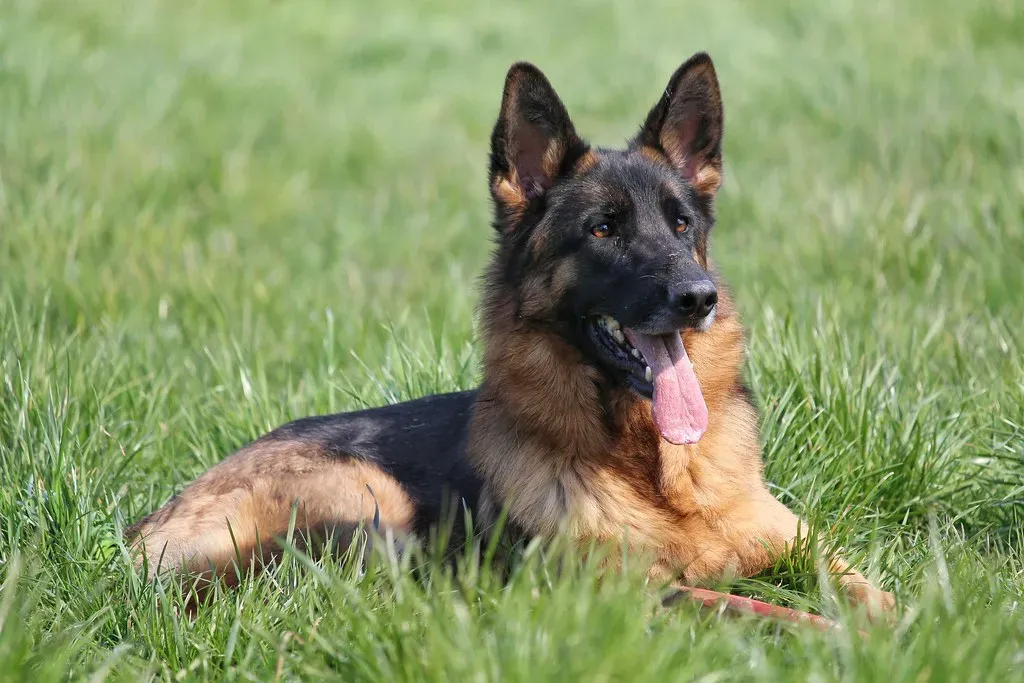
German Shepherds watch their surroundings with constant attention. They pick up subtle changes in a person’s movement or voice and can respond by altering their own habits, including appetite. Their protective instincts extend to emotional guarding as well as physical safety.
A temporary loss of interest in food often coincides with the owner spending extra time resting. The dog remains alert nearby rather than seeking its usual meals. This pattern fits the breed’s overall drive to stay connected to its primary person.
Cavalier King Charles Spaniel

Cavalier King Charles Spaniels were bred for close companionship and rarely stray far from their people. They notice small shifts in routine and may pause their own eating when the owner feels off. Their gentle nature makes these adjustments feel especially noticeable in smaller living spaces.
The breed’s affectionate style means they often seek physical closeness during quiet periods. Reduced appetite appears as part of that same desire to stay in sync. It fades as the person’s condition improves and daily patterns resume.
Border Collie
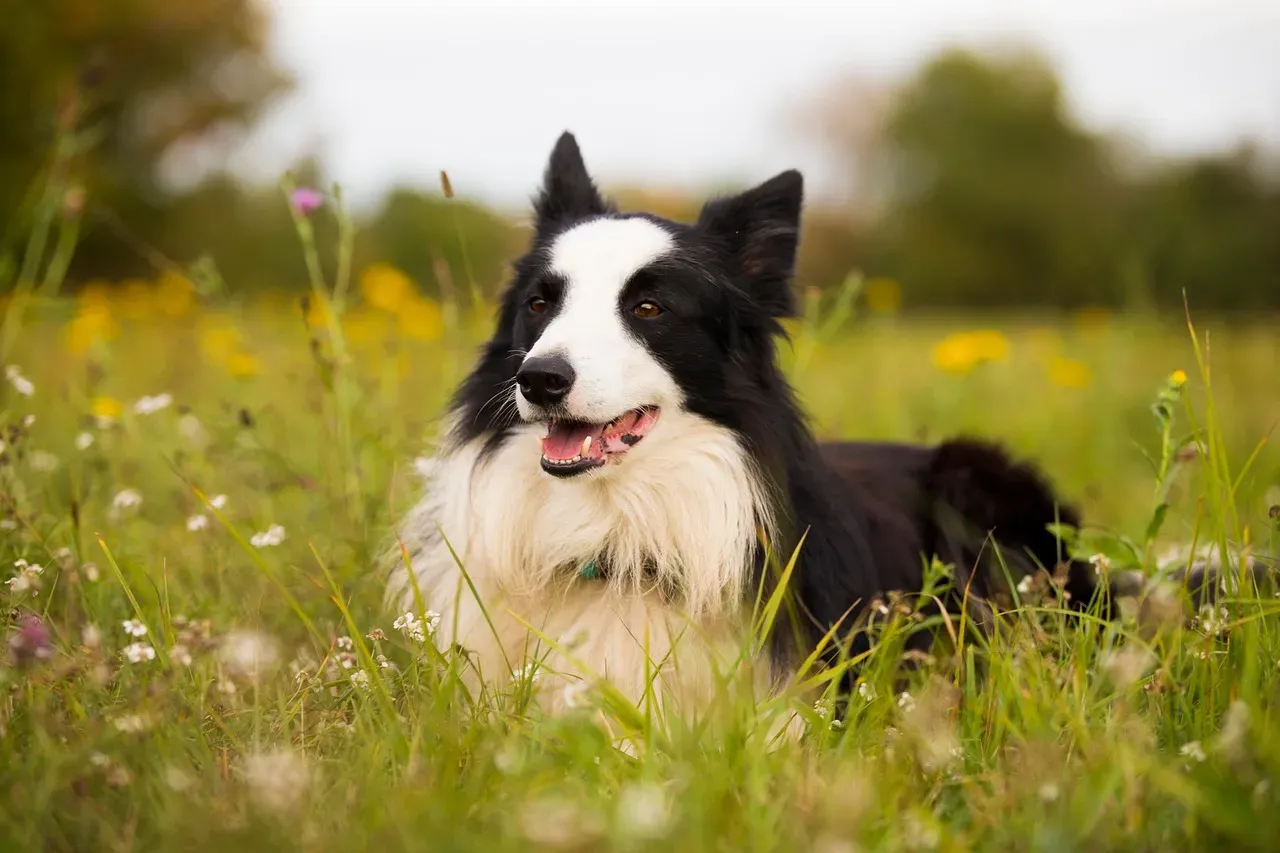
Border Collies bring high awareness to every interaction. They track their owner’s activities throughout the day and can sense when energy drops. This focus sometimes translates into less enthusiasm for their own food bowl during those times.
The breed’s intelligence helps them link changes in the household to their person’s state. They may wait longer before eating or show hesitation until things feel steadier. Such responses align with their drive to stay mentally engaged with their main companion.
Australian Shepherd

Australian Shepherds form tight working partnerships with their families. They observe daily patterns closely and adjust when something disrupts the usual flow. A period of owner illness can prompt the dog to eat less while remaining nearby.
Their herding background encourages constant monitoring of the group. This carries over to emotional cues as well. The temporary change in appetite reflects the same attentiveness that makes them responsive partners overall.
Beagle
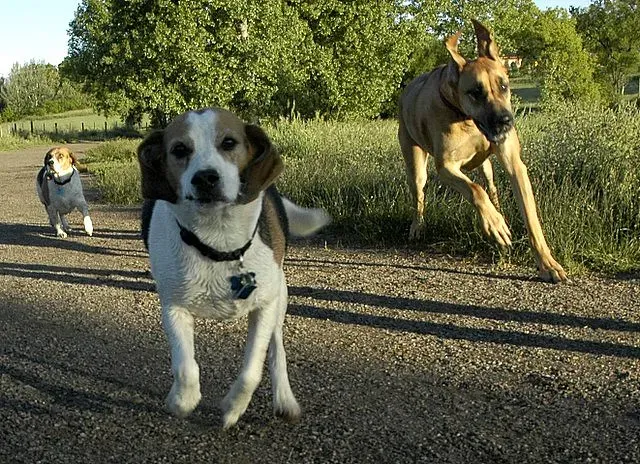
Beagles balance independence with strong pack instincts. They often stay tuned to the emotional tone of the home. When an owner rests more, the dog may show reduced interest in meals as part of staying connected.
Their scent-driven nature means they notice small environmental shifts that accompany illness. This awareness can influence feeding behavior in subtle ways. The response tends to ease once the household rhythm returns.
Poodle

Poodles combine sharp intelligence with deep loyalty. They read human signals well and often mirror shifts in activity level. An owner’s illness can lead the dog to approach mealtime with less urgency.
The breed’s history as companions supports this kind of emotional alignment. Owners see the dog checking in more and eating less until the situation stabilizes. It fits the overall pattern of attentive partnership these dogs offer.
Boxer

Boxers bring playful energy that usually centers on their people. They notice when that energy level changes and may slow their own routines in response. Reduced appetite during an owner’s recovery period appears in some cases as part of that adjustment.
The breed’s expressive face and body language make these shifts easy to spot. They stay close while showing less drive toward food. The behavior reflects their strong desire to remain in tune with the household mood.
Newfoundland

Newfoundlands develop calm, steady bonds that emphasize presence over activity. They often remain near their person during quieter times and can show less interest in eating as a result. Their large size makes any change in routine stand out clearly.
The breed’s gentle temperament supports quiet companionship through low periods. Appetite returns naturally once the owner feels better and normal movement resumes. This response fits the patient, watchful style that defines the breed.
Conclusion
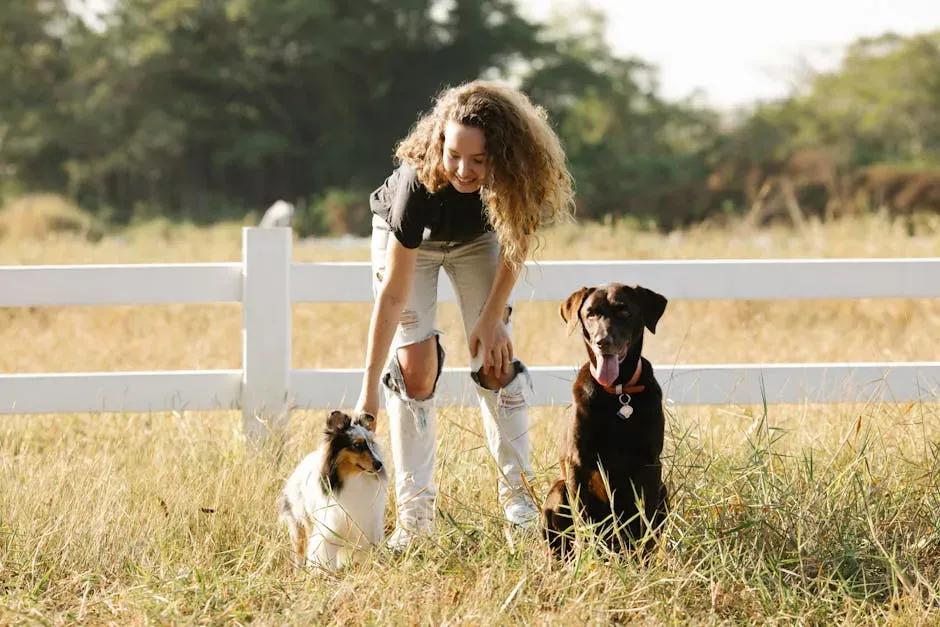
These breeds share traits that make strong emotional connections more visible in daily life. The idea of empathic fasting captures one rare but telling example of how deeply some dogs register their owner’s well-being. It reminds people that the relationship runs both ways in ways that go beyond simple commands or play.
Paying attention to such signals can strengthen the bond while also prompting a quick check on everyone’s health. In the end, the most reliable sign of a good match remains the quiet consistency these dogs bring to ordinary days and difficult ones alike.

- What Tiny Mammal Are You According to Your Zodiac Sign - August 3, 2026
- Can Skipping Vet Visits Harm Your Dog More Than Cost? - August 3, 2026
- 10 Theories That Challenge What We Know About Evolution - August 3, 2026