

Most people picture a family dog as something warm, tail-wagging, and gentle with kids. The reality is a little more complicated. Dogs bite more than 4.5 million people annually according to the American Veterinary Medical Association, and between 2020 and 2023, an average of approximately 84 people per year died from fatal human attacks by dogs in the U.S. Those numbers aren’t meant to alarm, but they deserve honest attention.
There’s an important distinction to make upfront. While no breed is inherently vicious, certain dogs pose higher risks due to genetics, training, or misuse. Dog breeds that have the size, power, and temperament to harm others are the most dangerous. The ten breeds below have earned their place on this list based on documented bite data, injury severity, and the very real challenges they present in a typical household setting.
#1 – American Pit Bull Terrier

Pit Bulls consistently rank as the world’s most dangerous dog breed. Their powerful bite force, combined with a “hold and shake” biting style, causes severe injuries. Pit bull-type dogs were originally bred for bull-baiting and later dogfighting, activities that required dogs with powerful jaws, high pain tolerance, and tenacious fighting instincts.
Pit bull-type dogs are responsible for roughly two thirds of deaths, and their overall population is only about six and a half percent of all dogs. Statistics show that Pitbulls are more than twice as likely to bite multiple areas of the body during an attack, more than twice as likely to initiate attacks off their owner’s property, and nearly a third more likely to attack strangers compared to other breeds. For homes with young children or other pets, the risk profile of this breed is simply too significant to overlook.
#2 – Rottweiler
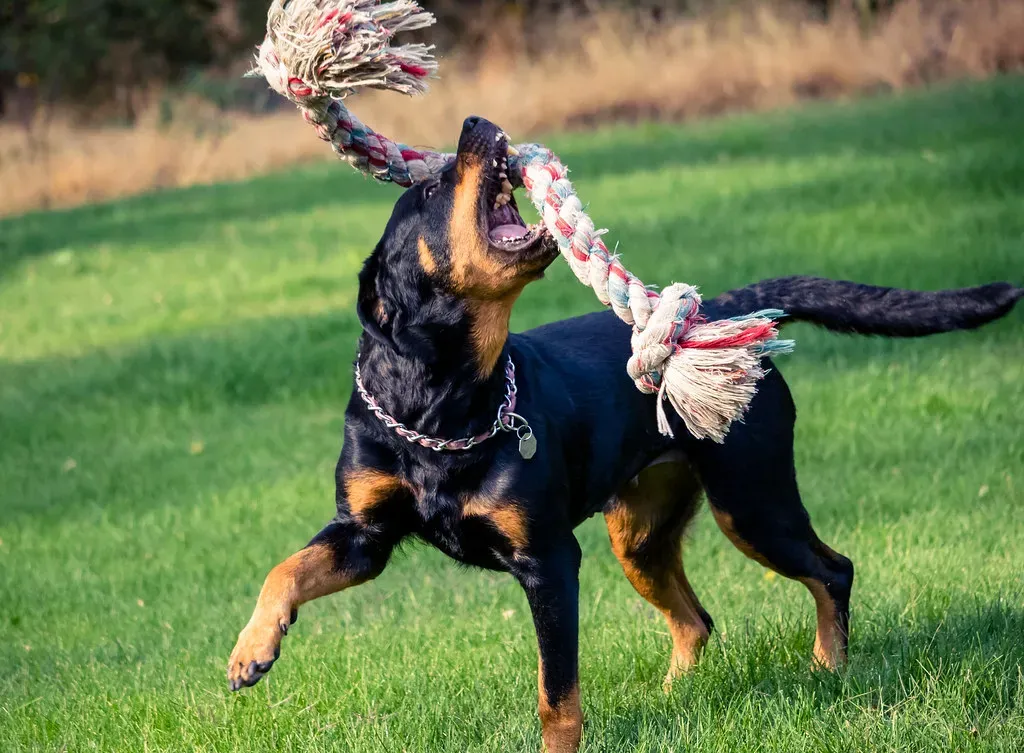
The Rottweiler ranks second in fatal dog attacks, with 45 deaths recorded in recent studies. These powerful dogs can weigh up to 120 pounds and have a bite force of 328 PSI. The dog will become very friendly and protective of those in its household, but that protection is not extended to visitors. Rottweilers are well known to be powerful, protective, and loyal, and can be dangerous when they attack intruders.
Rottweilers have historically been the second most frequently identified breed in fatal attack statistics, accounting for approximately ten percent of fatal dog bites. Originally bred as working dogs for herding and guarding, Rottweilers are large, powerful animals that require experienced owners who can provide proper training and socialization. Problems typically arise when they’re inadequately socialized, poorly trained, or kept primarily as guard dogs without appropriate human interaction.
#3 – German Shepherd
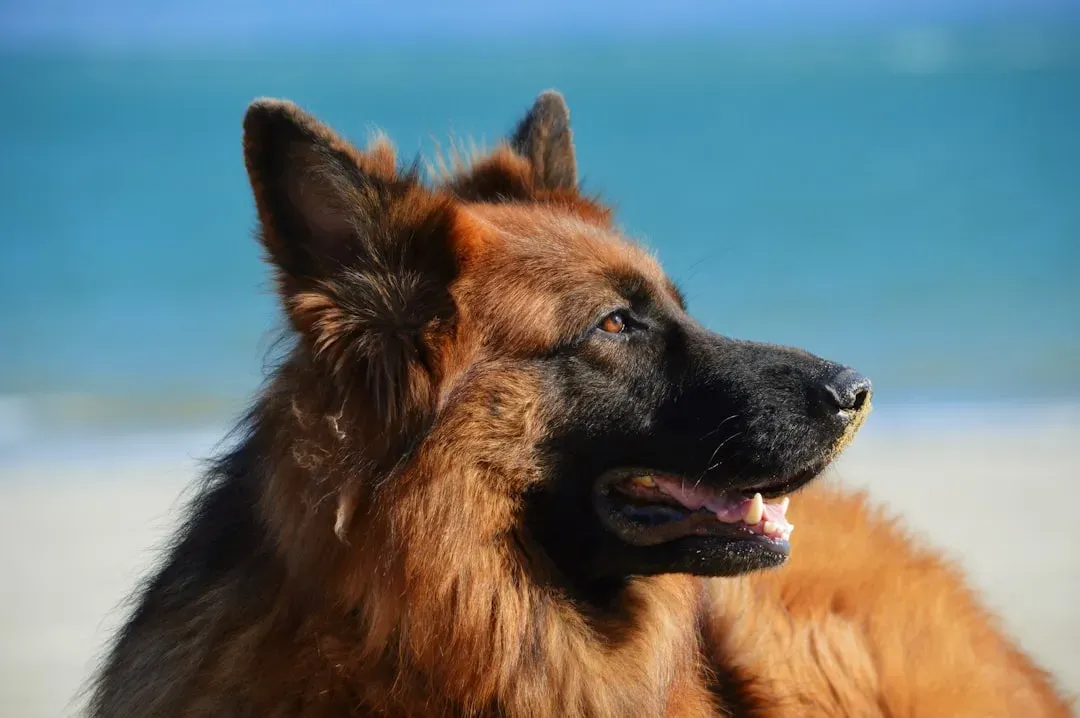
German Shepherds are intelligent, versatile working dogs commonly used in police and military operations. While they can be excellent family pets, their size, strength, and protective instincts mean bites can cause significant injuries when they occur. If they are not properly trained, their bites can be fatal. They can turn on small children very quickly if provoked.
Due to the breed’s high prey drive, families with cats and smaller animals should steer clear of the German Shepherd. German Shepherds may be more than a novice owner can handle, however, and should be reserved for experienced owners. Their intelligence cuts both ways. Without rigorous structure and consistent leadership, it can translate into unpredictable behavior that catches even experienced owners off guard.
#4 – Doberman Pinscher
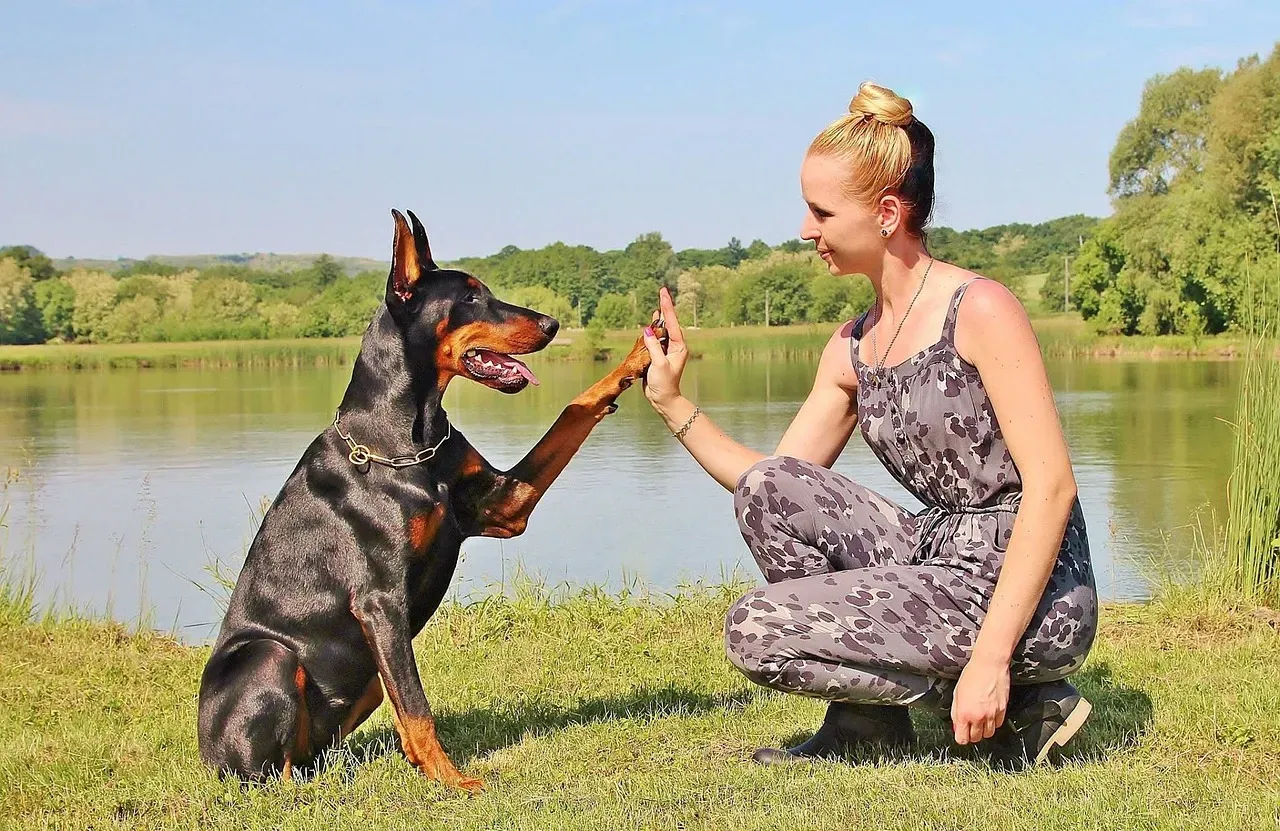
Known for their sharp intelligence and alertness, Doberman Pinschers were originally bred as guard dogs. They are fast, powerful biters, and extremely loyal, which is a recipe for danger in the wrong hands. Since Dobermans have the urge to defend home and family, their aggressive traits need proper management through training.
Dobermans can tend to bond with an individual over a group and will need to be trained to reign in their innately protective personality. They have a considerable bite force, and the breed is responsible for six deaths in 12 years, making them a bad fit for any owner who isn’t diligent, patient, and calm. The breed tends to get along poorly with other canines and smaller animals, and early introductions and frequent socialization may help, though they are not a breed recommended for a house with other pets.
#5 – Siberian Husky
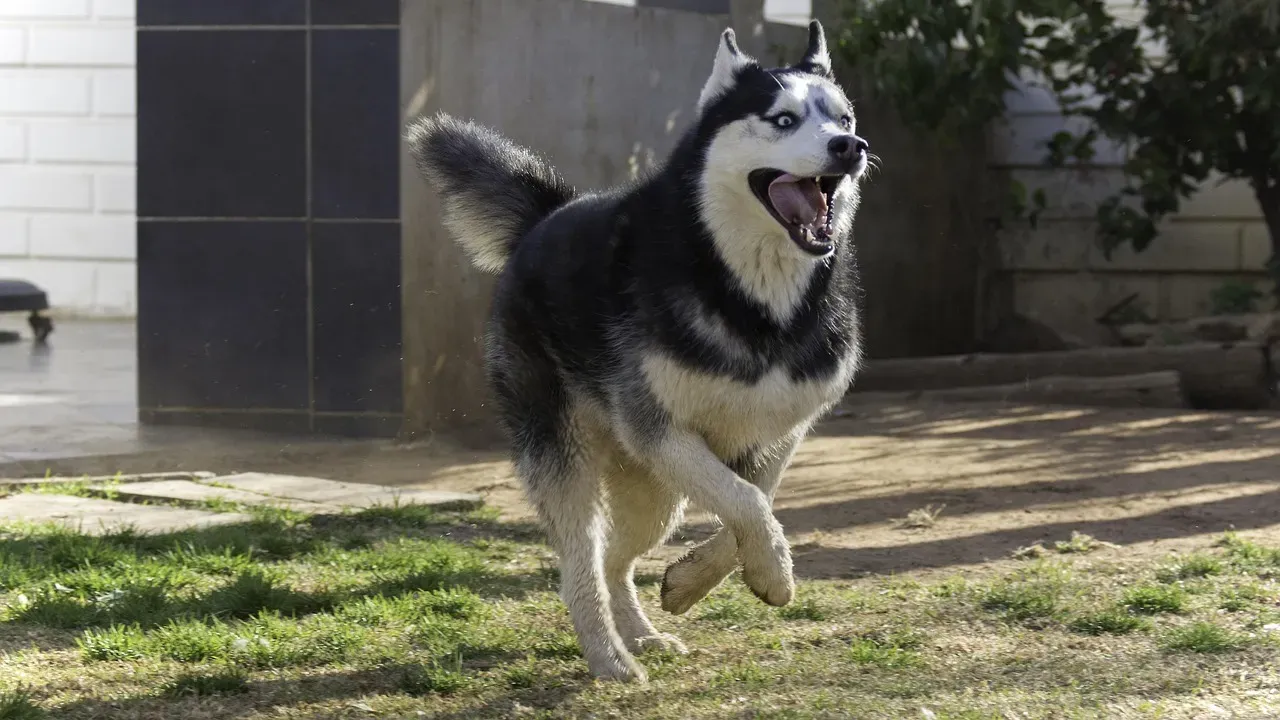
Siberian Huskies, despite their beautiful appearance, were involved in 13 fatal attacks. Their bite force of 320 PSI and close genetic relationship to wolves contribute to their potential danger. They’re stunning dogs with their coloring, intense gaze, and blue eyes, but they can show aggressive behavior if not trained properly. They have a strong prey drive, so if you have other pets, especially cats, you may want to look for a different breed.
This breed was built for sledding in cold climates, maintaining strong prey drives and independent personalities. Huskies typically weigh 35 to 60 pounds but are surprisingly strong and agile, and were responsible for three percent of fatal attacks. What catches families off guard is the contrast: the Husky looks approachable and affectionate, yet its independent, wolf-descended temperament can be nearly impossible to fully override in a busy household environment.
#6 – Bullmastiff

With its impressive size and protective instincts, the Bullmastiff has led to 14 fatal attacks in recent studies. These powerful dogs can weigh up to 130 pounds and have an incredibly strong bite force of 552 PSI. Devoted, alert, and fearless are all terms that apply to the Bullmastiff breed, which is why people value them as pets. They’ll protect your home and yard, but they might not enjoy the presence of outsiders, and that behavior has to be curbed at a young age to prevent attacks.
Although attacks by Bullmastiffs are relatively infrequent, the fact is that these dogs are so large that when they do attack a person or another animal, the damage is severe. They can reach 130 pounds and stand 27 inches tall or more. These dogs need careful training from an early age to manage their protective nature. They can be gentle giants with their families, but their size and strength make them unsuitable for inexperienced owners.
#7 – Chow Chow

With their distinctive fluffy manes and bear-like appearance, Chow Chows are unique dogs originally bred to guard property in China. They are described as independent and stubborn, which makes it more difficult for them to train out of aggression. Chows are protective of their families but wary of strangers and unusually aggressive toward other dogs.
The Chow Chow is known for killing adults and children, and looks can be deceiving. The dog was responsible for over 238 attacks between 1979 and 1998, and of those incidents, 40 of the attacks led to fatalities, and 37 of the victims were children. Their cold, aloof personality means warning signals are often subtle and easy to misread, particularly for children who may approach them as cuddly teddy bears.
#8 – Akita
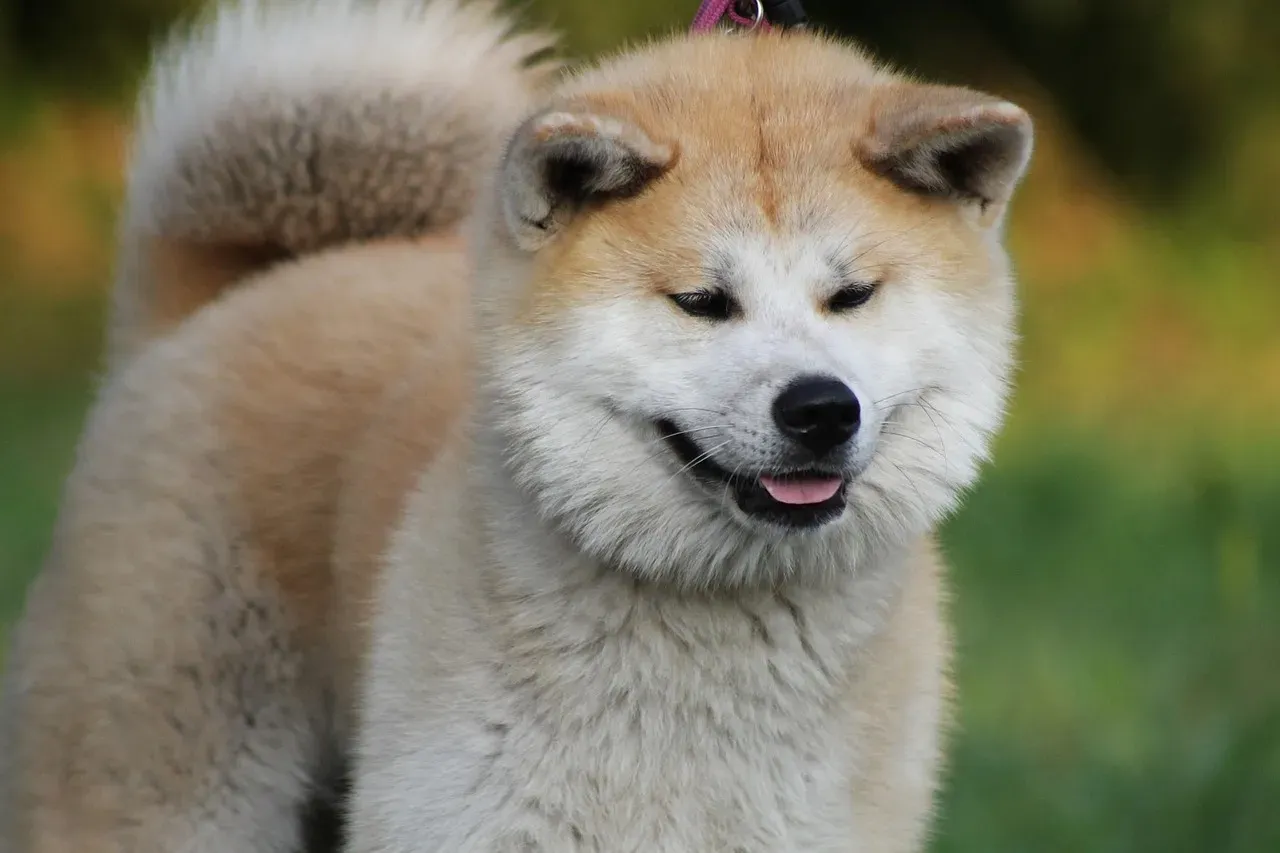
As large Japanese hunting dogs bred to aggressively pursue prey like wild boar, Akita Inus are bold, tenacious dogs with domineering personalities. They are naturally aggressive toward other dogs regardless of gender, which can make public walks challenging. Requiring respect and dedicated training, Akitas have been involved in quite a few volatile dog-on-dog attacks that prompt breed restrictions in some areas.
The Akita is a loyal and protective breed known for its deep devotion to its family and natural suspicion of strangers. These dogs are typically calm and quiet, but their independent and strong-willed nature can make them challenging for inexperienced owners. Akitas are often one-family dogs who thrive in homes without young children or other pets, especially dogs of the same sex. In a lively family home, where strangers, visitors, and unpredictable children are constant, the Akita’s risk profile rarely fits.
#9 – Presa Canario
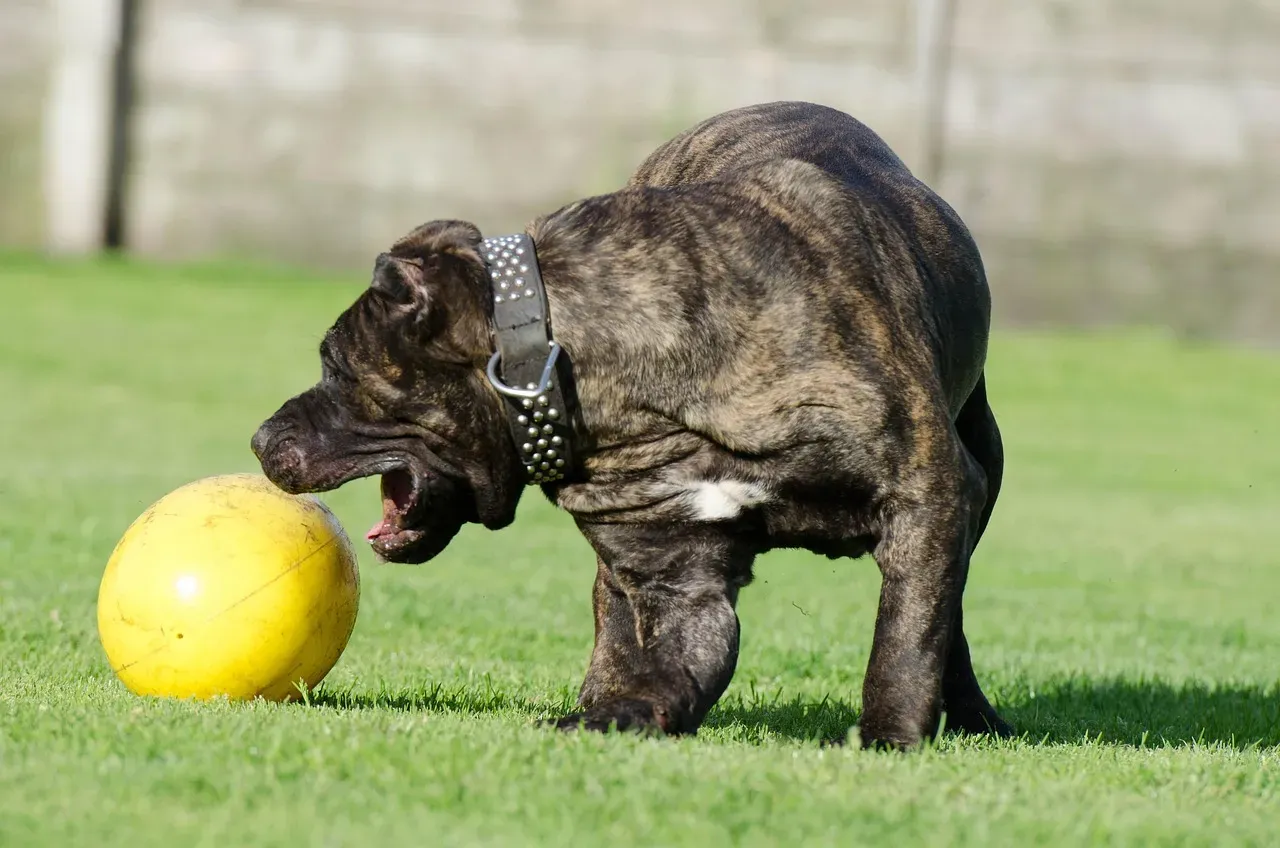
The Presa Canario is one of the most dangerous breeds due to its size, strength, and dominant personality. Bred as livestock guardians, they are highly territorial and can be aggressive if they feel their family or property is threatened. Most Presa Canarios tend to thrive as the sole dog in a household. Without proper training, care, and attention during their early puppyhood, a Presa Canario may exhibit disobedience, aggression, and even pose potential risks in everyday situations.
These dogs love to push boundaries and are stubborn and strong-willed, which is why they will likely disobey commands. Presa Canarios need experienced owners who know how to handle them. Typical positive reinforcement training will not always work for this breed, so professional training may be needed. It is not advised to bring an adult Presa Canario into a home with young children or other pets. The sheer size of this breed, combined with its resistance to standard training methods, places it firmly beyond what most families can responsibly manage.
#10 – Cane Corso

Descended from ancient Molossian war dogs, the Cane Corso was bred for guarding, hunting large game, and battlefield roles. As a result, they are vigilant, powerful, and assertive, with a natural instinct to protect their home and family. While not inherently aggressive, a Cane Corso that lacks proper leadership and early socialization may become overprotective or unmanageable.
Corsi have a history of being labeled an aggressive dog breed, though the truth is they are not inherently dangerous. Unfortunately, many people adopt these dogs without properly training them or meeting their daily exercise and enrichment needs. When this happens, Corsos can become more easily agitated or fail to act safely around certain triggers. This is why proper training early in a Cane Corso’s life is so important. Some U.S. states and Canadian provinces have the Cane Corso listed as a restricted dog breed due to its reputation for aggression. Few breeds illustrate the gap between potential and reality more clearly than this one.
A Final Thought Worth Keeping
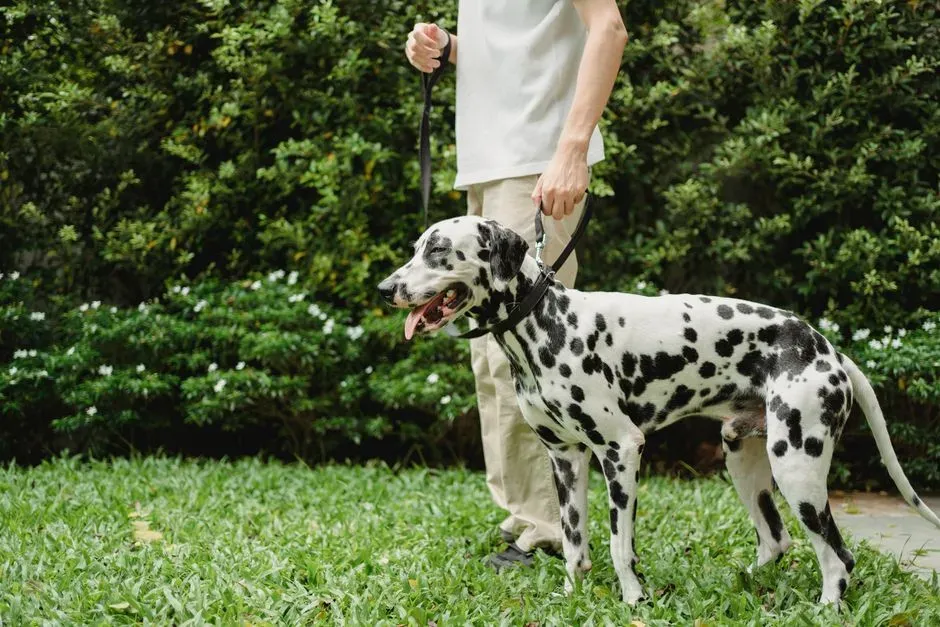
Scientific studies have determined that the leading causes of fatal dog attacks stem from preventable factors such as irresponsible ownership, neglect or abuse, failure to neuter dogs, and inadequate supervision of large or strong dogs around infants and children. That context matters enormously. A great dog is rarely an accident.
When a dog with problems is introduced to small children, other pets, or people who cannot handle animals properly, bad things happen. A dog’s breed is one part of the equation that contributes to its propensity for violence, but it is a significant piece that cannot and should not be ignored. Choosing a dog for your family is one of the most consequential decisions a household can make. The breeds on this list aren’t monsters, but they are genuinely demanding animals with histories that deserve serious respect. Knowing that before you bring one home could make all the difference.

- Which Zodiac Signs Feel the Deepest Connection to Big Cats - July 16, 2026
- 10 Most Dangerous Hikes in The US - July 16, 2026
- 12 Fragrant Herbs That Attract 5x More Honeybees Than Any Traditional Flower Bed - July 16, 2026