

Nature’s symphony isn’t always gentle. While we often associate the wilderness with peaceful chirping and rustling leaves, some creatures have evolved to produce sounds that can literally be heard from miles away. These acoustic powerhouses use their incredible vocal abilities for everything from attracting mates to warning off predators, and their calls can reach decibel levels that would make a rock concert seem quiet. From the depths of the ocean to the canopies of rainforests, these remarkable animals have turned sound into their superpower, creating some of the most impressive natural performances on Earth.
Blue Whale – The Ocean’s Thunderous Giant

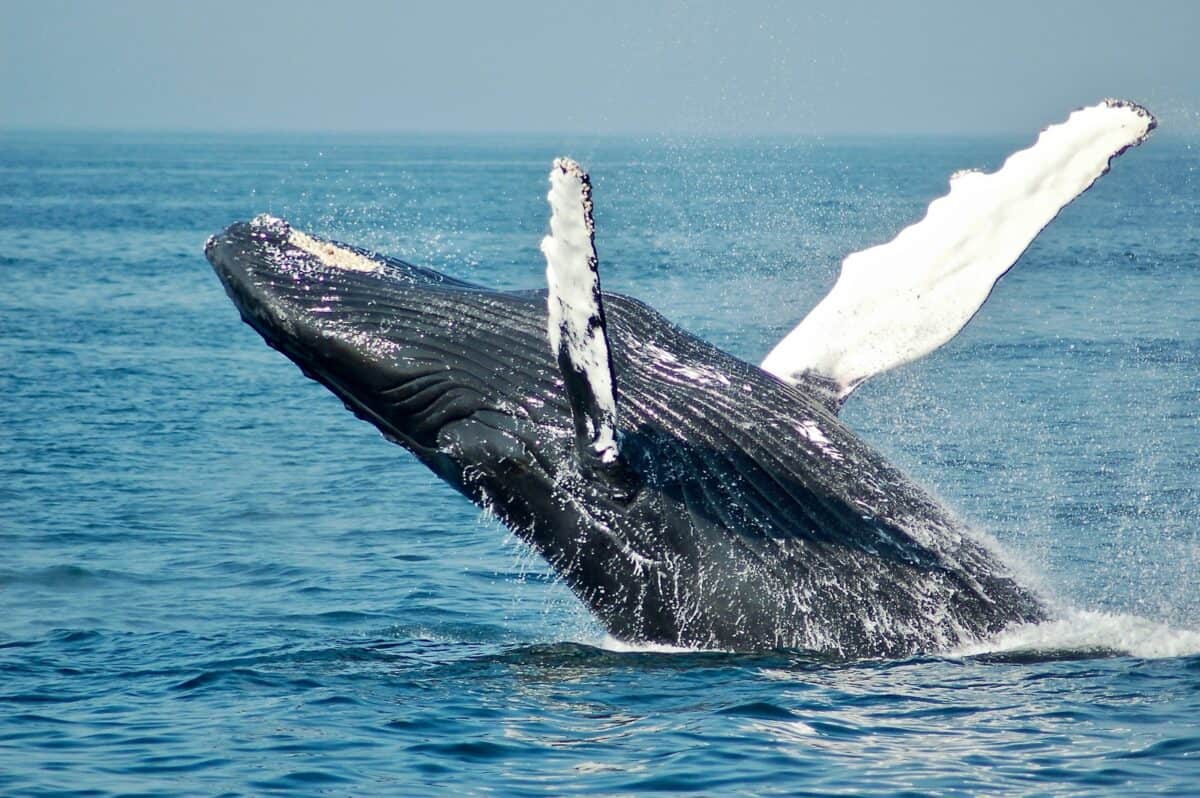
The blue whale holds the crown as the loudest animal on our planet, producing calls that can reach an astounding 188 decibels. To put this in perspective, that’s louder than a jet engine at takeoff and can be heard by other whales up to 1,000 miles away underwater. These magnificent creatures use low-frequency calls that travel through the ocean’s depths like underwater highways.
Their songs aren’t just random noise either. Blue whales produce complex patterns of moans, groans, and pulses that can last for hours, likely serving as long-distance communication between individuals scattered across vast ocean basins. Marine biologists believe these calls help whales coordinate feeding, find mates, and navigate the seemingly endless blue expanse of their aquatic world.
Howler Monkey – The Jungle’s Alarm Clock

If you’ve ever wondered what wakes up the entire Amazon rainforest each morning, look no further than the howler monkey. These primates can produce calls reaching 140 decibels, making them audible from up to three miles away through dense jungle vegetation. Their distinctive howls serve as territorial announcements, essentially telling other troops to stay away from their patch of forest.
The secret behind their incredible volume lies in their specialized throat anatomy. Howler monkeys possess an enlarged hyoid bone that acts like a natural amplifier, allowing them to project their voices across the rainforest canopy. Their dawn chorus isn’t just impressive – it’s an essential survival strategy that helps prevent dangerous encounters between competing groups.
Elephant – The Gentle Giant’s Powerful Voice

Elephants might appear gentle, but their trumpeting calls can reach 117 decibels and travel over six miles across the African savanna. These intelligent giants use a complex system of rumbles, trumpets, and infrasonic calls that are often below human hearing range. Their low-frequency communications allow elephant herds to coordinate movements across vast distances, warning each other of dangers or announcing the location of water sources.
What makes elephant communication truly remarkable is their ability to produce calls that travel through the ground. These seismic vibrations can be detected by other elephants through specialized cells in their feet and trunks, creating an underground telegraph system that spans the landscape. During droughts or migrations, this acoustic network becomes a lifeline for survival.
Cicada – The Summer’s Deafening Chorus

Those ear-splitting sounds that define summer afternoons? That’s the collective power of thousands of cicadas reaching up to 120 decibels. Male cicadas produce these intense calls using specialized organs called tymbals, which they contract and release at incredible speeds to create their signature buzzing sound. When hundreds or thousands of males call simultaneously, the result is a wall of sound that can be heard from over a mile away.
The timing of cicada emergences creates one of nature’s most dramatic acoustic events. Some species remain underground for 13 or 17 years before emerging in massive synchronized swarms, turning entire forests into natural concert halls. Their calls are so intense that they can actually damage human hearing if you’re standing too close to a large group.
Lion – The King’s Commanding Roar
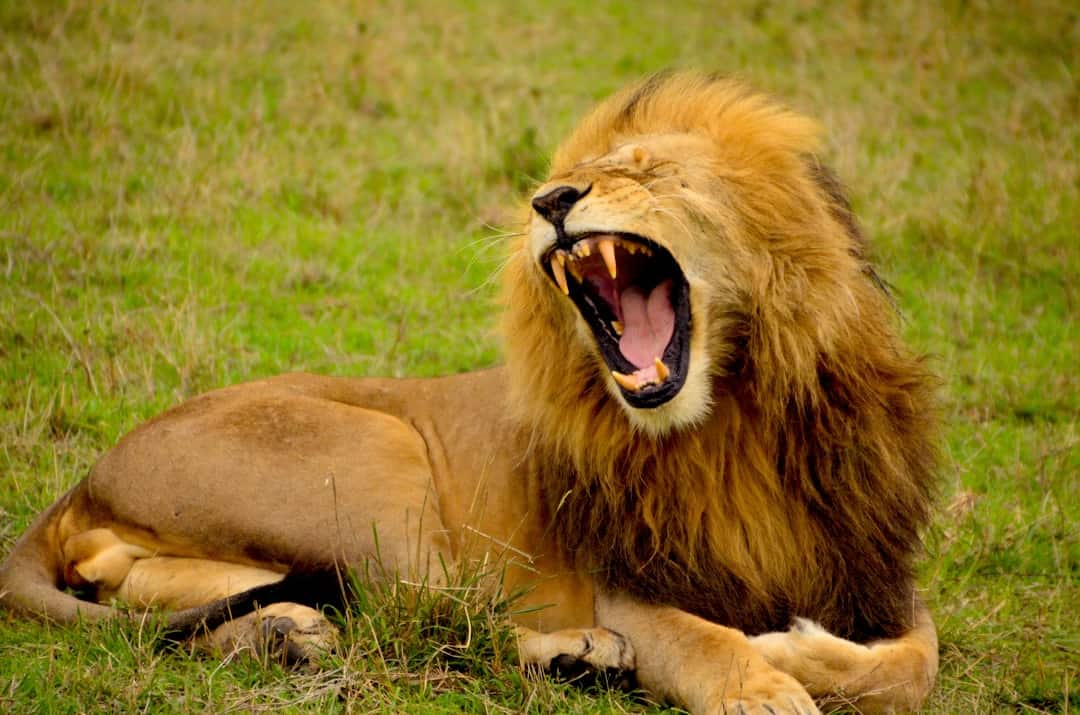
A lion’s roar is one of the most spine-tingling sounds in the animal kingdom, reaching 114 decibels and carrying up to five miles across the African plains. This powerful vocalization serves multiple purposes: establishing territory, locating pride members, and intimidating rivals or potential threats. The deep, resonant quality of a lion’s roar is produced by specialized vocal cords that are square-shaped rather than triangular like most mammals.
What makes a lion’s roar particularly effective is its low frequency, which allows it to travel great distances without losing intensity. Young lions can’t produce full roars until they’re about two years old, and interestingly, females roar just as loudly as males. The sound is so distinctive that experienced safari guides can identify individual lions by their unique roar patterns.
Kakapo – The Booming Parrot of New Zealand

The kakapo, New Zealand’s flightless parrot, produces one of the most unusual loud calls in the bird world. Males create booming sounds that can reach 100 decibels and travel up to three miles through dense forest. These nocturnal birds inflate air sacs to produce deep, resonant booms that sound more like a foghorn than a typical bird call.
During breeding season, male kakapos position themselves in bowl-shaped depressions they’ve carved into the ground, which act as natural amplifiers for their calls. They can boom continuously for up to eight hours per night, creating a sound that’s felt as much as heard. This extraordinary courtship display is one of the reasons these critically endangered birds have captured the hearts of conservationists worldwide.
Pistol Shrimp – The Ocean’s Tiny Gunslinger

Don’t let its small size fool you – the pistol shrimp produces one of the loudest sounds in the ocean at 218 decibels. This tiny crustacean snaps its enlarged claw shut so quickly that it creates a cavitation bubble that collapses with the force of a gunshot. The resulting sound is used to stun prey and communicate with other shrimp.
The snap is so powerful that it creates a brief flash of light and temperatures nearly as hot as the sun’s surface. Pistol shrimp colonies can create such a cacophony that they interfere with submarine sonar systems. Despite being only a few inches long, these little crustaceans pack more acoustic punch than animals thousands of times their size.
Bison – The Thunder of the Plains

The American bison’s bellow can reach 105 decibels and be heard from over two miles away across the Great Plains. These massive animals use their deep, rumbling calls during mating season and to maintain herd cohesion. A bison’s call starts as a low rumble that builds to a powerful roar, created by their large chest cavity and specialized vocal apparatus.
When hundreds of bison gather during rutting season, their collective bellowing creates a sound that early settlers described as thunder rolling across the prairie. The low-frequency nature of their calls allows them to travel great distances over flat terrain, helping scattered herds locate each other across the vast grasslands where they roam.
Alligator – The Prehistoric Roar

Alligators produce surprisingly loud bellows that can reach 90 decibels and travel over 150 yards through swampland. These ancient predators use infrasonic calls – sounds below human hearing range – to communicate with other alligators and establish territory. During mating season, their bellows become more frequent and intense, accompanied by impressive displays of thrashing water.
The alligator’s bellow is created by forcing air through their throat while keeping their mouth closed, creating a sound that resonates through both air and water. Baby alligators also make surprisingly loud calls for their size, producing high-pitched yelps that can reach 70 decibels to alert their mothers when they’re in danger.
Red Deer – The Highland’s Haunting Call

The red deer’s roar during rutting season can reach 85 decibels and echo across mountain valleys for miles. Male deer, called stags, produce these haunting calls to attract females and warn off rival males. The sound is a deep, guttural roar that seems to embody the wild spirit of the Scottish Highlands where these animals are iconic residents.
What makes the red deer’s call particularly memorable is its emotional quality – it’s a sound that seems to capture both the beauty and harshness of wilderness life. Stags will roar continuously during the breeding season, sometimes losing significant body weight from the energy expenditure required to maintain their vocal displays throughout the autumn months.
Conclusion

These ten remarkable animals demonstrate that nature’s loudest voices serve purposes far beyond simply making noise. From the blue whale’s ocean-spanning songs to the pistol shrimp’s stunning snaps, each species has evolved unique acoustic abilities that help them survive, communicate, and thrive in their respective environments. The next time you hear a powerful animal call in the wild, remember that you’re witnessing millions of years of evolutionary adaptation in action.
Whether it’s the haunting roar of a red deer echoing through mountain valleys or the thunderous chorus of cicadas on a summer evening, these sounds connect us to the raw power and beauty of the natural world. Have you ever experienced the thrill of hearing one of these incredible animals in their natural habitat?

As a little kid, I fell in love with nature, wildlife, and animals. Living in the USA, South Africa, Italy, China and Germany gave me the opportunity to discover the world's Wildlife. My favorite animals are Mountain Gorillas, Siberian Tigers, and Great White Sharks.
I'm a certified PADI Open Water Diver, went to Everest Base Camp and Trekked Gorillas in Uganda. I hold a Master of Science in Economics and Finance.
Please send any feedback to feedback@animalsaroundtheglobe.com
- 10 Loudest Animals You Can Hear in the Wild - July 16, 2026
- 10 Ways Snakes Communicate And 4 We Misunderstand - July 16, 2026
- The Most Bizarre Dinosaur Fossil Ever Discovered And Why It is a Mystery - July 16, 2026
Leave a comment
You must be logged in to post a comment.