
Ever wonder what would happen if you opened your front door and sent your beloved pet off into the wilderness? The thought seems almost absurd at first glance. After all, doesn’t every animal possess some deep, hardwired instinct to survive? Here’s the thing though: thousands of years of living alongside humans have fundamentally altered these creatures in ways most people don’t fully appreciate.
From the genetic level to their daily behaviors, domestication has reshaped animals into beings designed for human environments, not the unpredictable challenges of nature. What they’ve gained in companionship and comfort, they’ve lost in survival skills. Let’s dive into which domesticated animals would face the toughest odds if suddenly thrust back into the wild.
The Survival Gap: What Domestication Really Means
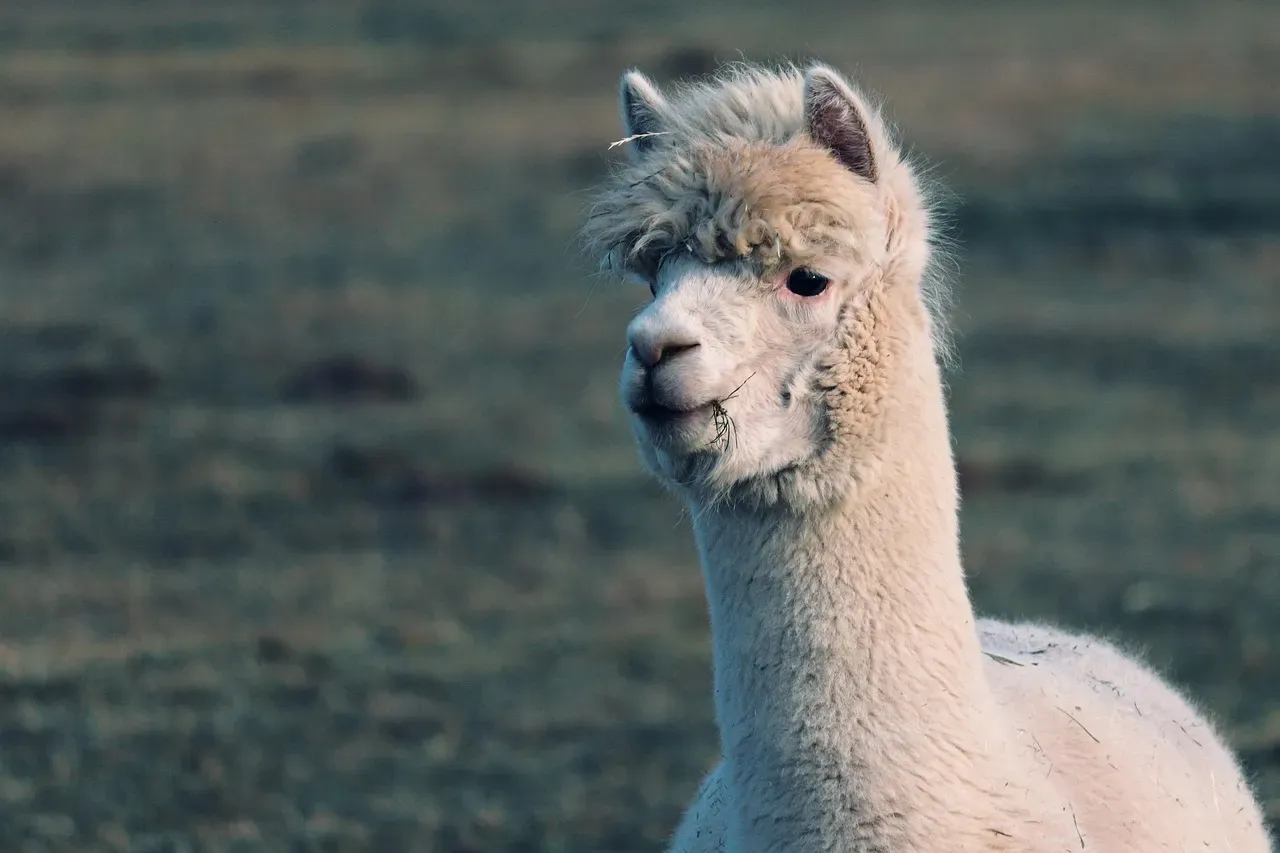
Domestication has made organisms easier to handle while simultaneously reducing their ability to survive in the wild. It’s not just about being fed by humans or having a warm bed to sleep in. Genetic changes occurring during domestication may manifest in phenotypes that render domesticated animals maladaptive for life in the wild. Think of it like this: we’ve essentially bred the wildness out of them.
The domestication process has frequently reduced the sensitivity of animals to changes in their environment, perhaps the single-most important change accompanying domestication. This dulling of environmental awareness might make animals calmer around humans, yet it’s precisely what they’d need to detect predators, find food sources, or recognize danger in natural settings.
Dogs: Man’s Best Friend, Nature’s Uncertain Guest
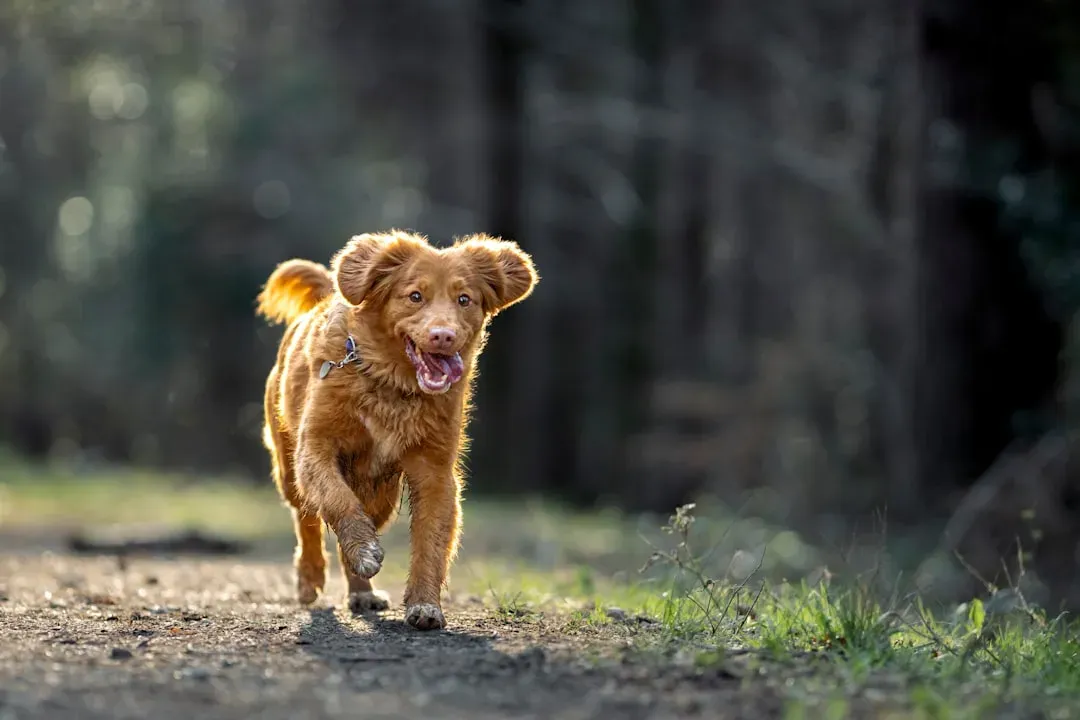
Dogs are perhaps the oldest domesticated animal, yet ironically, they’d face serious challenges returning to wilderness life. Wolves were the first animal to be domesticated, somewhere between 33,000 and 11,000 years ago. That’s a lot of evolutionary distance from their wolf ancestors. Most modern dogs, especially smaller or highly specialized breeds, simply lack the size, strength, and pack hunting skills needed to take down prey.
Animals in captivity do not usually have the natural behaviors needed for success in the wild, with their lack of hunting skills and lack of fear towards humans being major disadvantages. A golden retriever might be friendly and loyal, yet those same traits become liabilities when confronting predators or competing with wild canids. While some dogs might join feral packs and scrape by, the vast majority would struggle immensely on their own.
Domestic Rabbits: Fluffy and Frighteningly Vulnerable
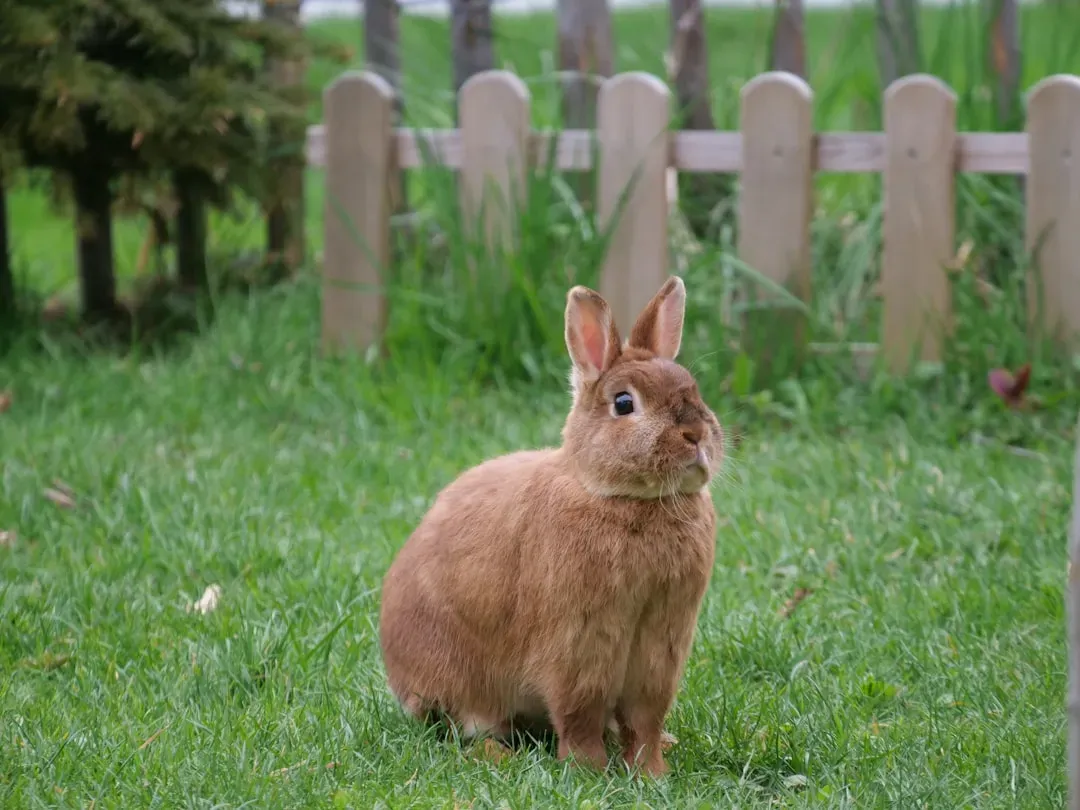
Unlike other feral animals, domestic rabbits lack predator instincts that may aid their survival without human care. These aren’t your hardy wild hares bounding through fields with lightning reflexes. Domestic rabbits have been bred for docility, soft fur, and manageable temperaments. Those floppy ears that we find so adorable? They actually impair their ability to detect approaching threats.
Their coloring is another death sentence in the wild. White, spotted, or brightly colored rabbits stand out like neon signs to hawks, foxes, and coyotes. Wild rabbits have evolved camouflage and razor-sharp awareness over millennia. Shelters report high numbers of domestic rabbits being abandoned outdoors, a practice that essentially amounts to a slow death sentence for these vulnerable creatures.
Guinea Pigs: Five Thousand Years Too Late
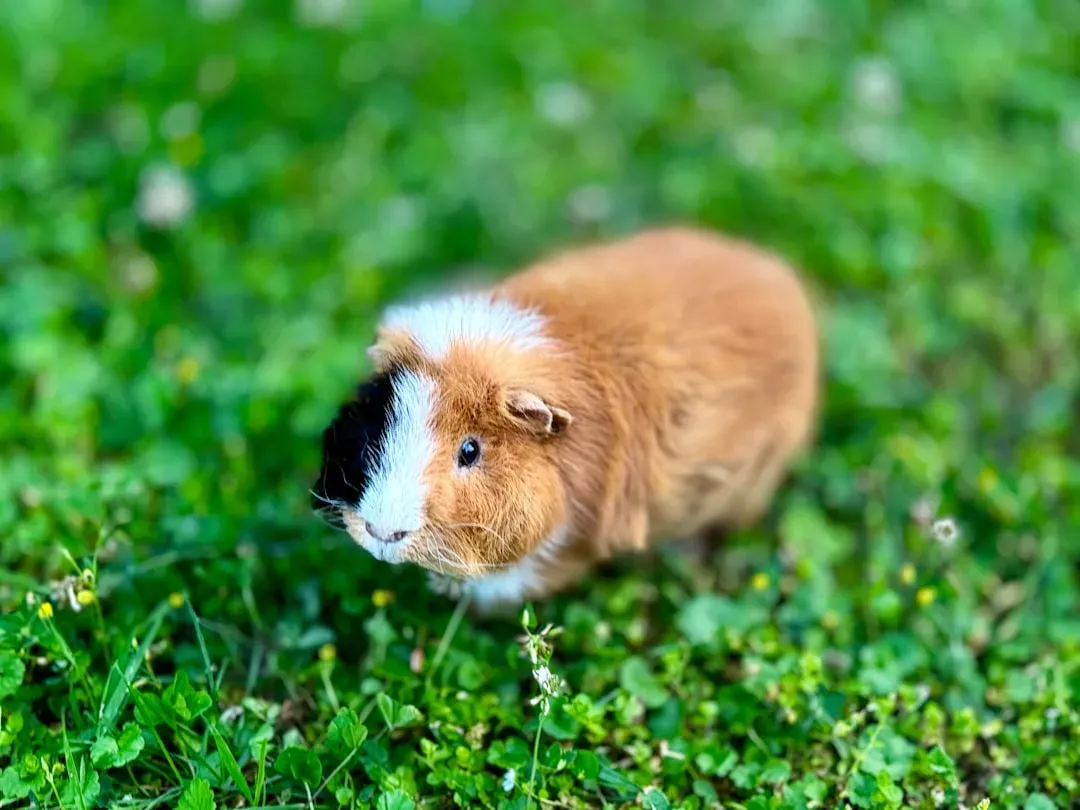
Guinea pigs hold a particularly fascinating place in domestication history. These little furballs have been kept by humans for roughly five thousand years, maybe even longer. In contrast to their wild counterparts, domestic guinea pigs are more sociable and less aggressive, traits that facilitate survival in dense housing conditions. Unfortunately, those same traits spell disaster in nature.
Domestic guinea pigs explore less and take fewer risks, probably because in man-made housing conditions all relevant resources such as food are available. They’ve lost the wariness and exploratory drive that wild cavies use to locate food and avoid predators. Without that edge, released guinea pigs become easy meals for virtually any predator in their environment.
Domesticated Cats: Better Than Dogs, But Still at Risk
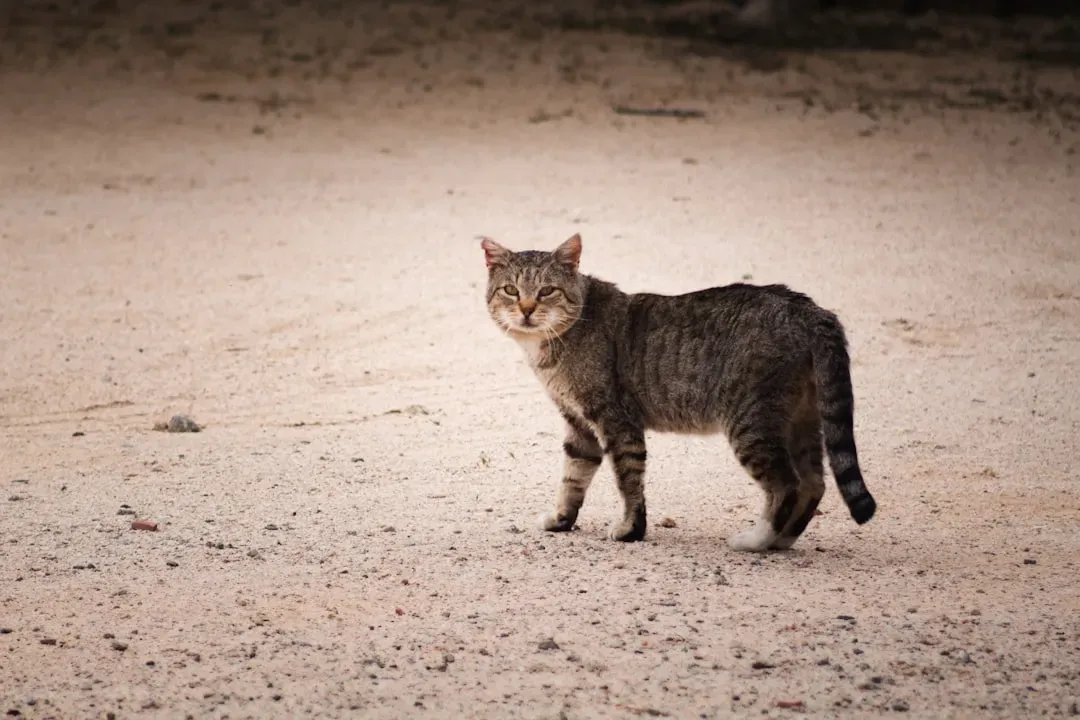
Cats present a more complicated picture. Domestic house cats have naturalized to many environments, with an estimated 65 million feral and free-range cats in the United States killing a minimum of 1.3 billion birds and 6.3 billion mammals annually. So clearly, some cats can survive quite well. The problem is that “survival” doesn’t mean thriving in truly wild environments.
Feral cats typically live near human settlements, scavenging from dumpsters and relying on the urban ecosystem humans create. Released into actual wilderness, away from these food sources, many domestic cats would struggle. They face threats from larger predators like coyotes, eagles, and wildcats. While their hunting instincts remain sharper than most domestic animals, pampered house cats lack the experience and robustness their feral or wild cousins possess.
Fancy Poultry: Chickens, Ducks, and Dinner Bells
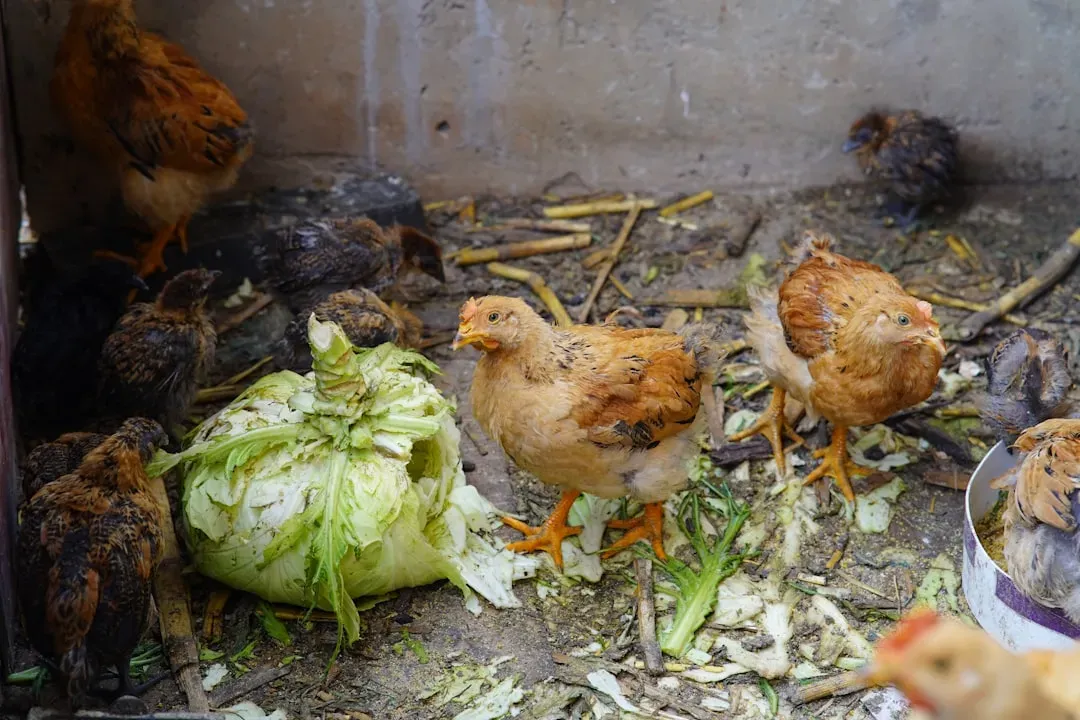
Modern chickens are a far cry from their jungle fowl ancestors. Selective breeding has created birds optimized for egg production or meat yield, not survival. In the wild, chickens go back to their old way of having a breeding season and take better care of their eggs. Some feral populations do exist, yet they typically survive only in mild climates with minimal predator pressure.
The real problem is visibility and vulnerability. Domesticated chickens are often brightly colored, move clumsily, and make loud noises that attract every predator within hearing distance. Fancy breeds with elaborate plumage or heavy bodies bred for meat production would be essentially helpless. Even hardy heritage breeds would struggle without the protective structures and feeding schedules they’ve come to depend on.
Cattle, Sheep, and Goats: Herd Animals Without the Herd Sense
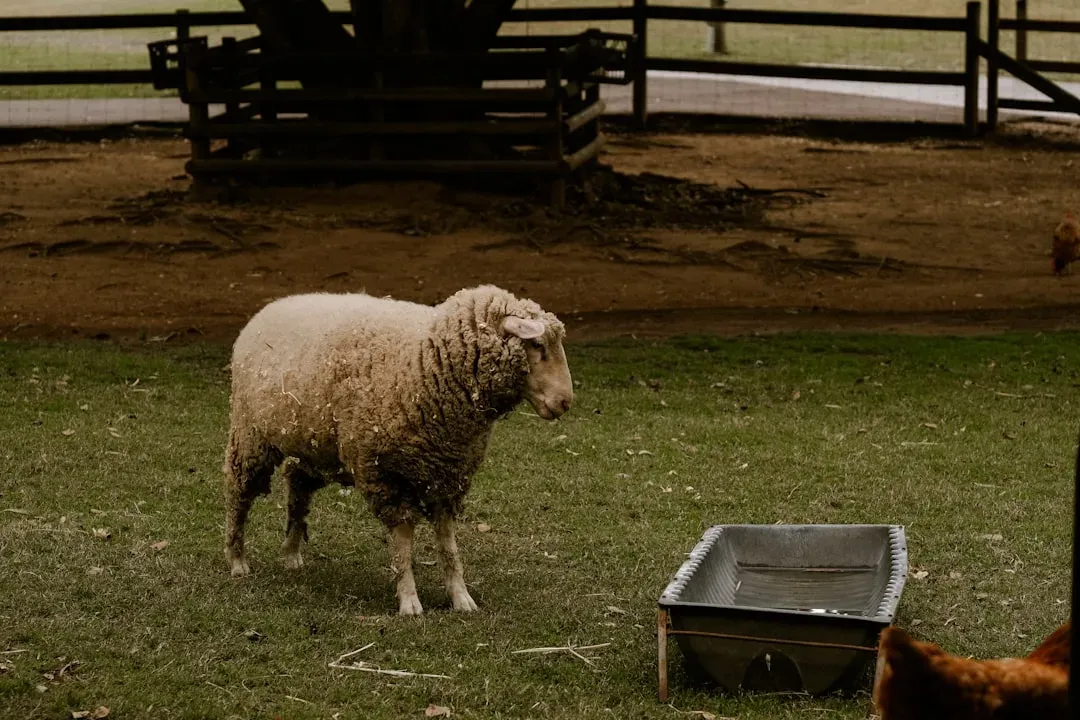
Typical changes with domestication include increased courtship, sociopositive and maternal behaviors as well as decreased aggression and attentive behavior. For large livestock like cattle, sheep, and goats, this translates to animals that simply aren’t watching for danger the way their wild relatives do. They’ve been protected by humans for so long that their threat-detection systems have weakened considerably.
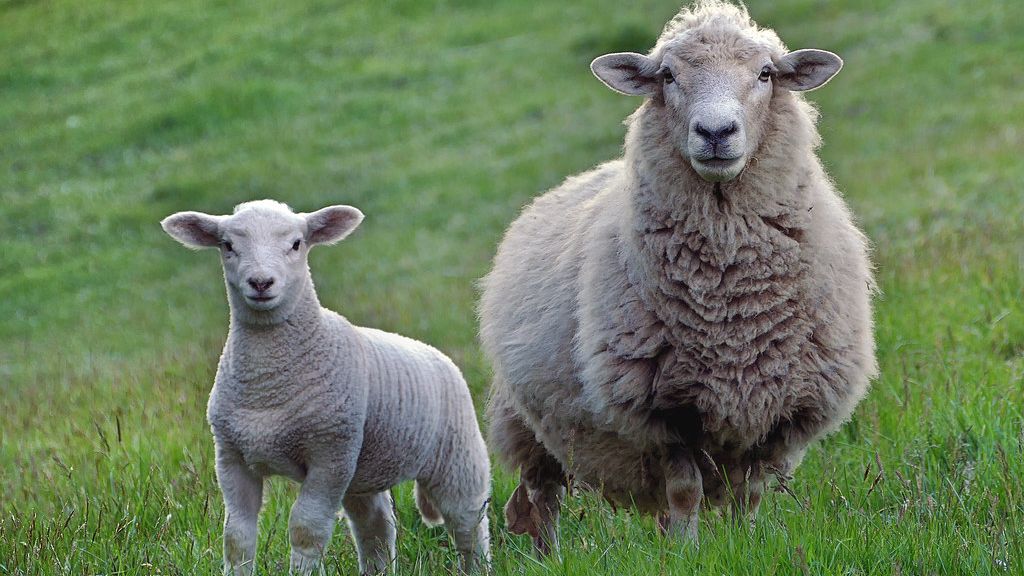
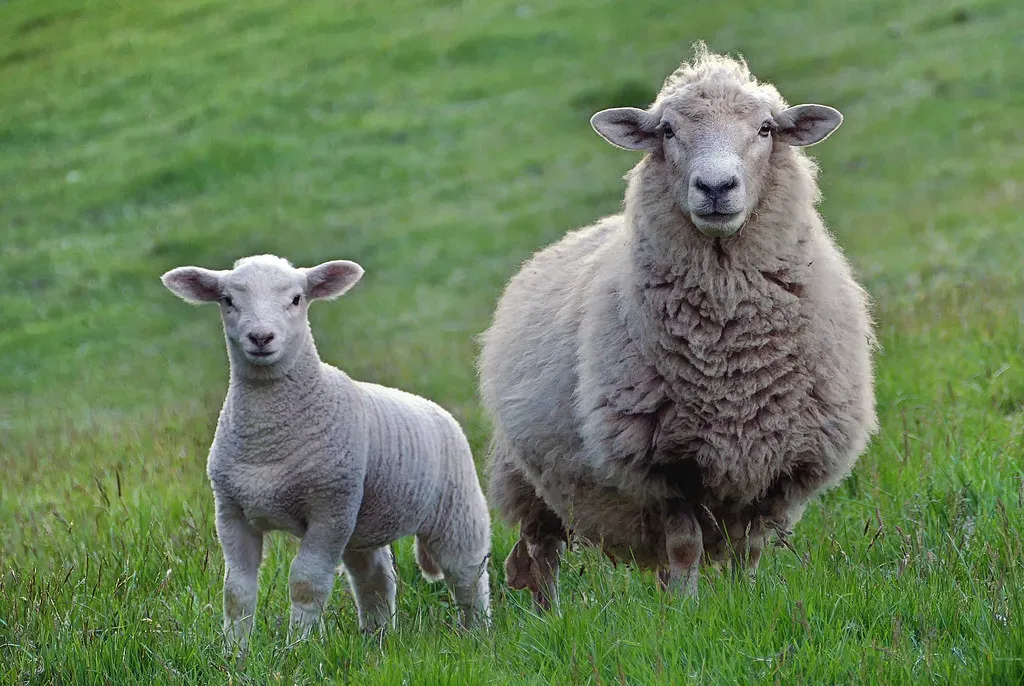
Sheep are particularly defenseless. Their thick wool requires shearing, or it becomes matted, heavy, and can lead to infections or overheating. Domestic cattle lack the agility and defensive behaviors of wild bovines. Goats might fare slightly better due to their climbing abilities and more retained wild behaviors, still, most domestic breeds would quickly fall prey to wolves, bears, or other large predators. The modern farm animal is designed to convert feed into product efficiently, not to outwit predators or forage in challenging terrain.
Reptiles: Cold-Blooded and Out of Place
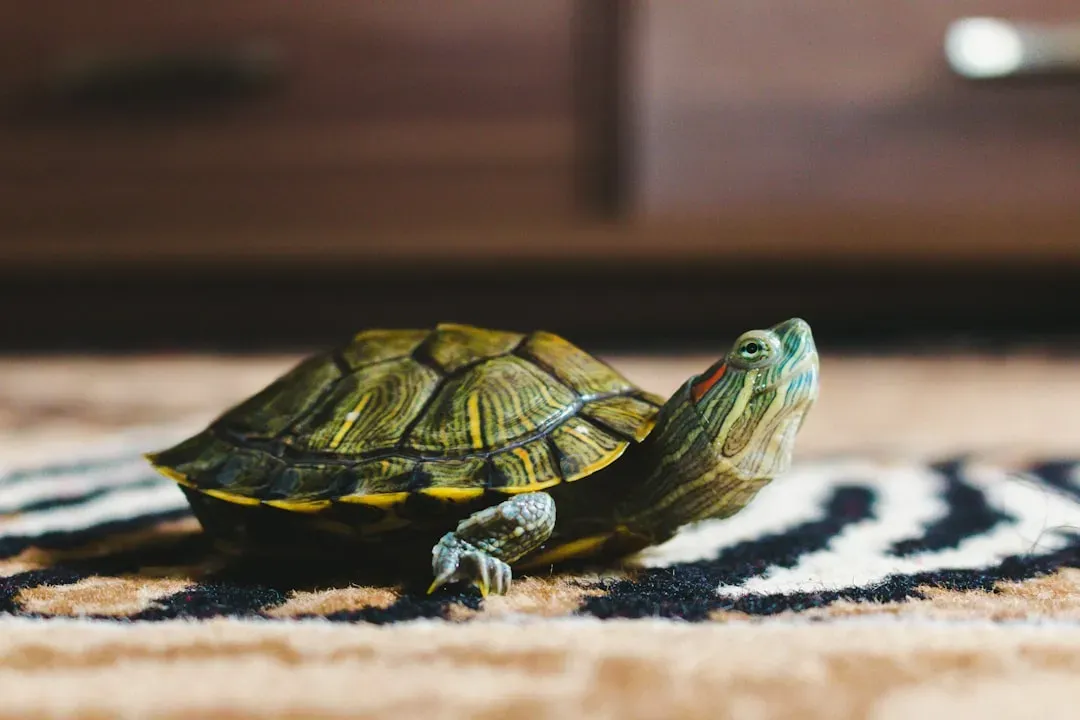
When domesticated animals are released but are not equipped to handle natural conditions of that environment, they will most likely die without human intervention. This is especially true for reptiles kept as pets, like certain types of snakes, lizards, and particularly alligators. These animals are frequently released when owners can no longer care for them, with devastating consequences.
Captive-bred reptiles often lack the hunting skills and behavioral patterns needed for survival. Many have been fed pre-killed prey their entire lives and have no idea how to hunt live animals. Temperature regulation becomes another challenge. They’re accustomed to carefully controlled habitats, and sudden exposure to temperature extremes can quickly prove fatal. Released reptiles either die from exposure, starvation, or predation, or they manage to survive and disrupt local ecosystems as invasive species.
Ornamental Fish: The Most Helpless of All
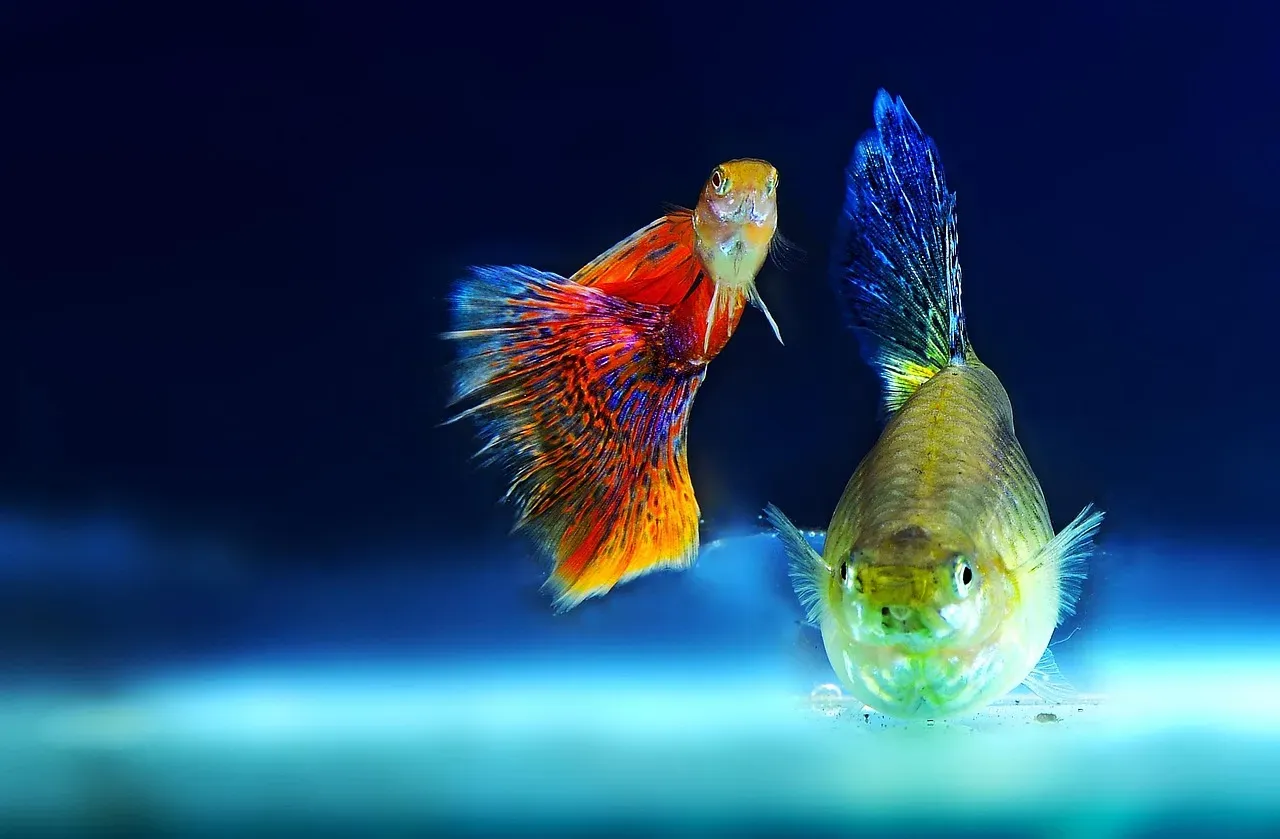
Okay, ornamental fish might seem like an obvious choice, yet it’s worth highlighting just how utterly unprepared these animals are for natural water bodies. Goldfish, bettas, and tropical aquarium species have been bred for centuries to display vibrant colors, elaborate fins, and unusual body shapes. These features are spectacular in a tank yet deadly in the wild.
Bright colors attract predators. Fancy fins slow swimming speed and make escape nearly impossible. Many ornamental fish can’t regulate their body temperature properly outside controlled environments or handle the parasites and diseases present in natural waterways. Even if released into waters with similar chemistry, most ornamental fish would be picked off by native predators within days, if not hours. They’re living artwork, not survival machines.
Hamsters, Gerbils, and Other Pocket Pets: Too Small to Survive
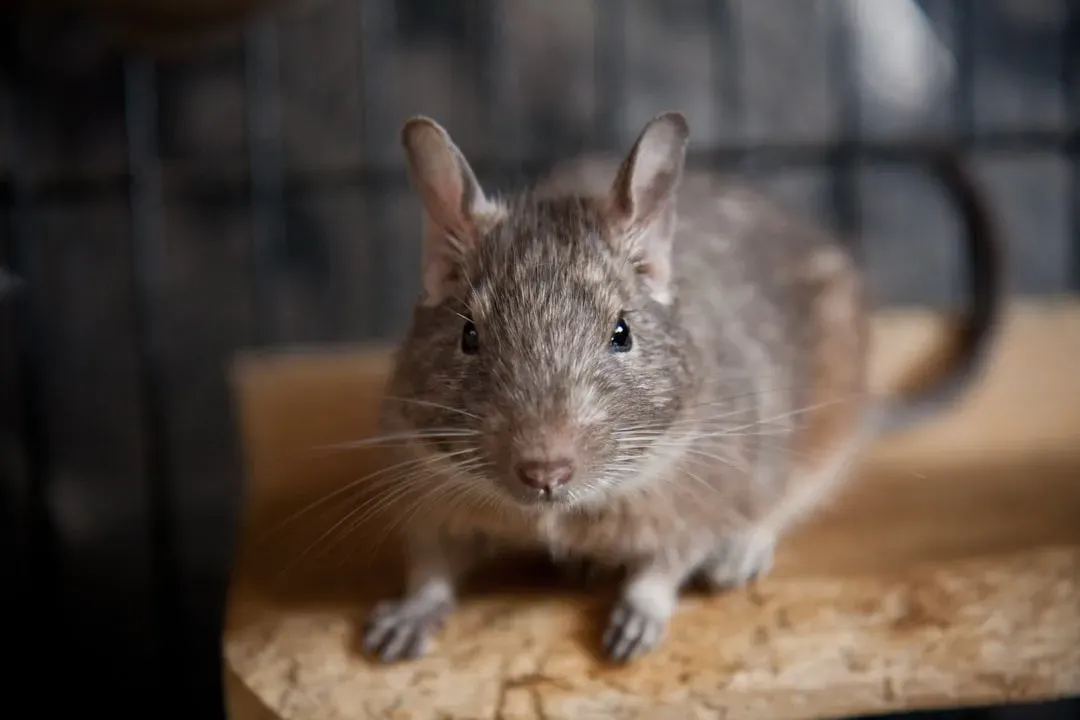
Small rodent pets like hamsters, gerbils, and mice have been domesticated to such an extent that they bear little resemblance to their wild cousins. These animals have been selectively bred for docility, certain color patterns, and manageable size. One of the more important behavioral changes accompanying domestication is a reduction in responsiveness to changes in the animal’s environment, with food provisioning and controlled breeding reducing competition.
Released into nature, these tiny creatures would face an overwhelming array of threats. Hawks, owls, snakes, cats, foxes, and even other rodents would view them as convenient snacks. They lack the burrowing instincts, food-caching behaviors, and predator-avoidance strategies their wild relatives employ. Most wouldn’t survive a single night outdoors. Their small size, which makes them perfect pets, becomes their greatest vulnerability in an environment filled with hungry predators.
Conclusion
The harsh reality is that domestication fundamentally alters animals in ways that make wild survival nearly impossible. The vast majority of domesticated animals wouldn’t survive in the wild, and releasing them isn’t freeing them but rather placing mostly defenseless creatures in unfamiliar habitats they’re simply not equipped to deal with. We’ve shaped these animals over thousands of years to fit into our world, not theirs.
The odds of animals such as tigers and wolves surviving freedom are only 33 percent for captive-born predators, and the statistics are far worse for truly domesticated animals. The next time you look at your pet, appreciate them for what they are: companions adapted to human life, not wild survivors waiting to be free. What do you think about the massive changes domestication has caused? Could any of these animals ever truly return to the wild?
