
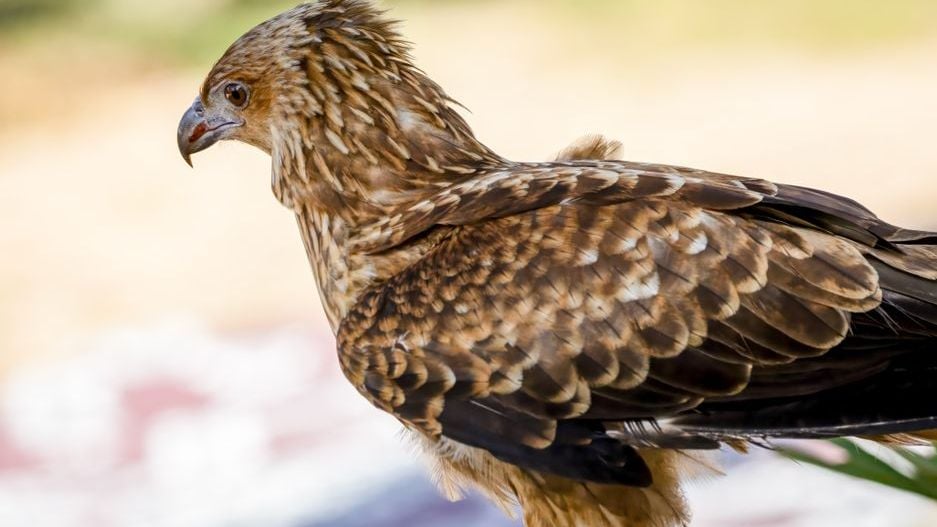
Spotting a hawk once can feel like a fleeting moment of wild connection. Seeing the same one day after day starts to feel like something more deliberate, a quiet pattern unfolding right outside your window or along your usual route.
People notice these repetitions more often than they admit, and the reasons stretch from straightforward bird habits to older ways of reading the world. The experience invites a closer look at both the creature itself and the meanings humans have attached to it over centuries.
Hawk Behavior in the Wild
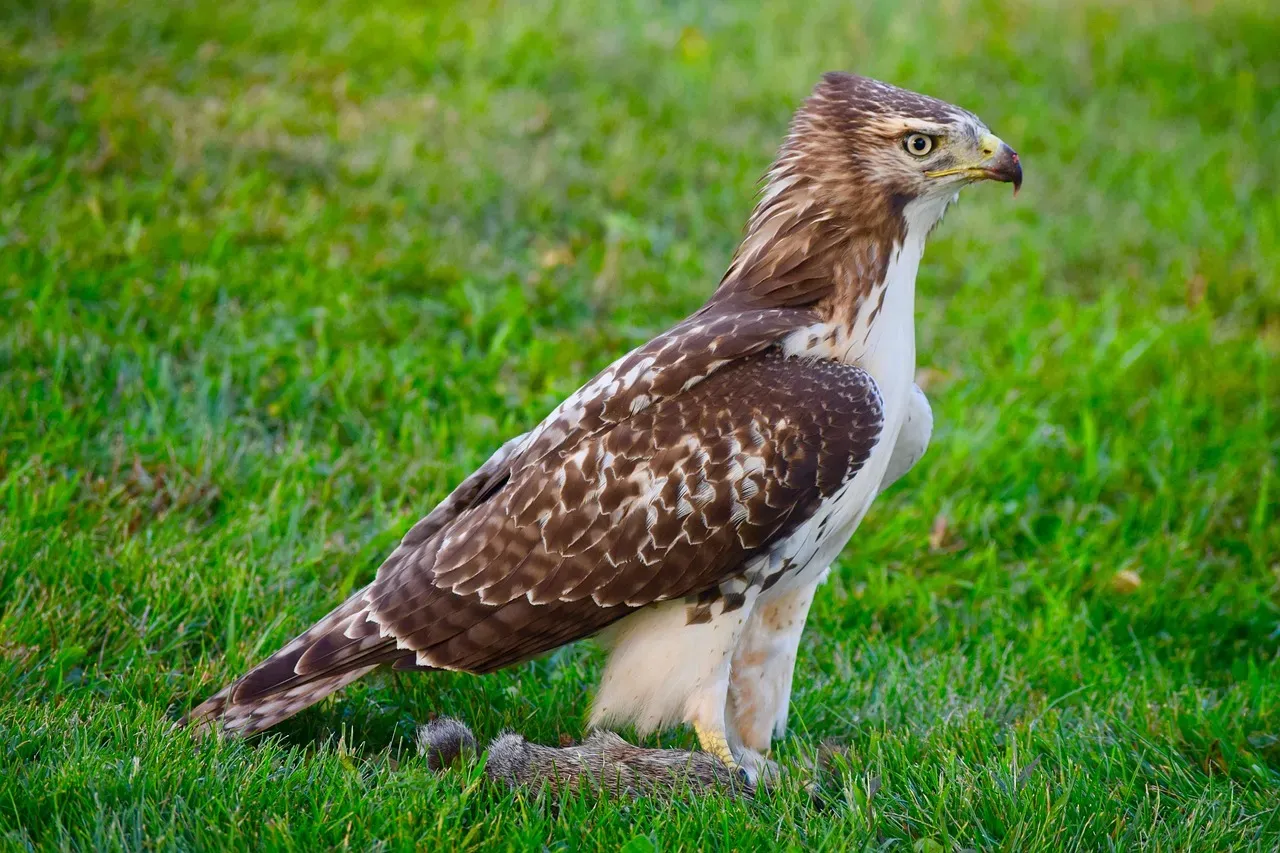
Hawks often stay within defined territories that can span several square miles. A single bird may patrol the same stretches of woods, fields, or suburban edges each morning and evening in search of prey. This routine explains why one individual can appear in the same spot at similar times without any special intent toward the observer.
Their hunting style relies on patience and sharp vision rather than constant movement. A red tailed hawk, for instance, might perch on the same utility pole or tree for hours before dropping onto a rodent below. Over a week these patterns become noticeable to anyone who passes through the area regularly.
Insights from Modern Ornithology
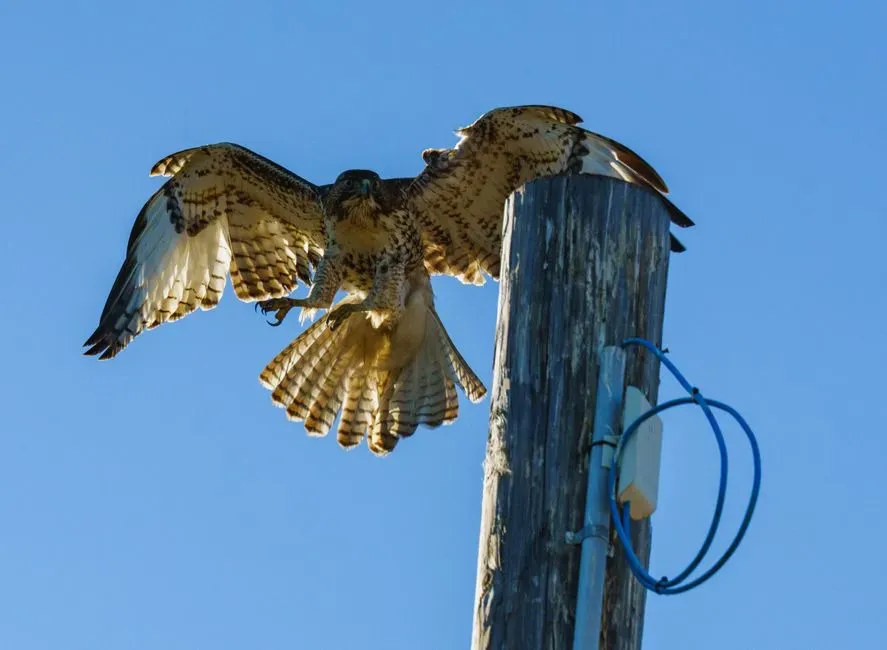
Researchers track individual hawks through banding and radio telemetry to understand how they use space. Data show that resident birds rarely wander far outside their established range during non migratory seasons. Daily sightings of what appears to be the same hawk usually reflect normal territorial activity rather than unusual behavior.
Weather and food availability can shift exact timing but rarely change the overall location. Ornithologists note that urban and suburban hawks adapt well to human presence, sometimes nesting on building ledges or hunting along roadsides. The week long repetition therefore points more to consistent habitat use than to any message aimed at a particular person.
Cultural Interpretations Through History
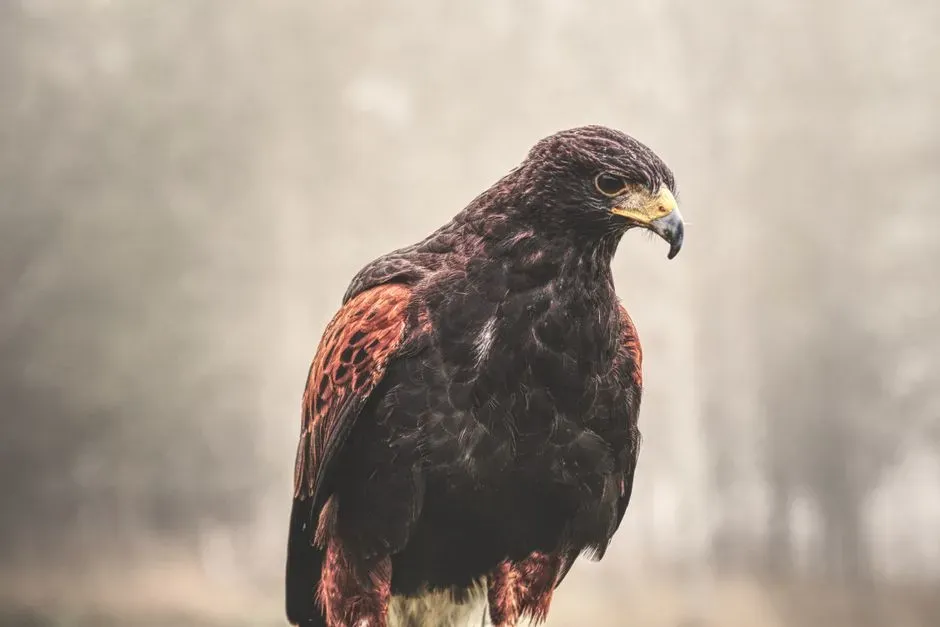
Many early societies watched birds closely because their movements seemed to mirror larger forces in the world. Hawks, with their commanding flight and keen eyesight, stood out as symbols of oversight and swift action. Ancient observers recorded these birds circling above battlefields or settlements and linked the sightings to shifts in fortune or leadership.
Records from Mediterranean and Near Eastern cultures describe hawks as companions to deities associated with the sky. Their appearance at certain times of day carried weight in decision making, from travel plans to political choices. These traditions treated repeated encounters as noteworthy rather than random.
Symbolism in Ancient Traditions
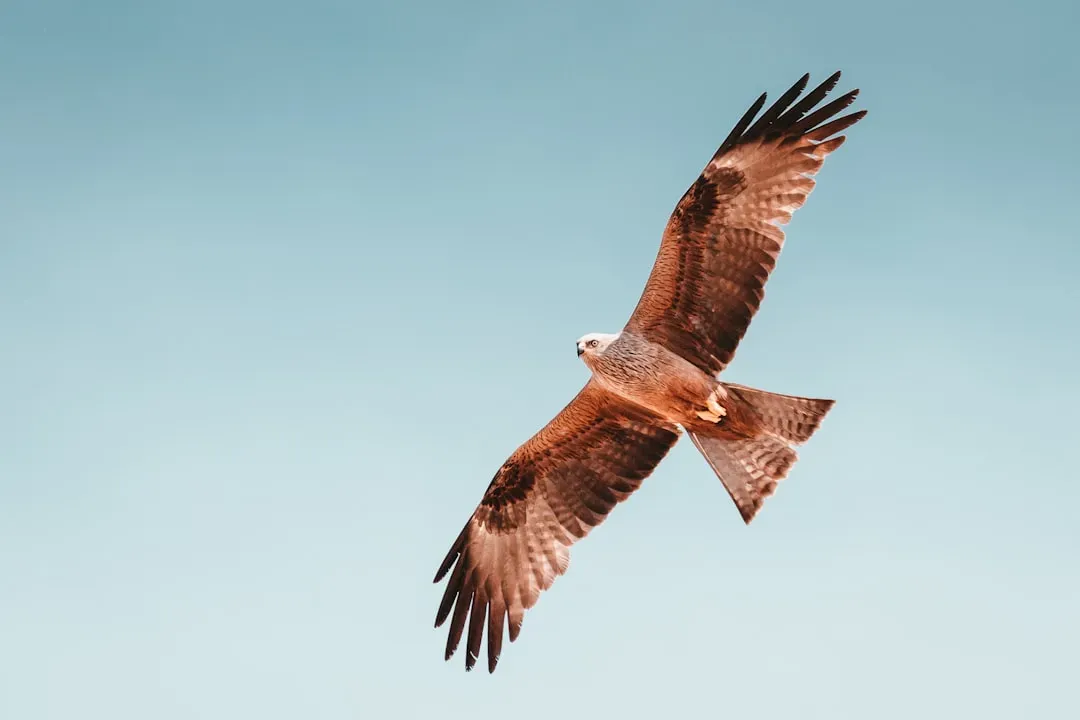
Native American stories often cast the hawk as a messenger that carries prayers or warnings between earth and sky. Different tribes assigned specific meanings based on the bird’s color or flight pattern. A steady presence near a village or hunting ground could signal protection or the need for heightened awareness.
In Celtic and Norse accounts, hawks represented clear vision and the ability to see beyond immediate surroundings. Their daily return to the same area suggested a watchful guardian rather than a passing visitor. Such beliefs encouraged people to pause and consider what the bird might highlight in their own lives.
Possible Spiritual Significance
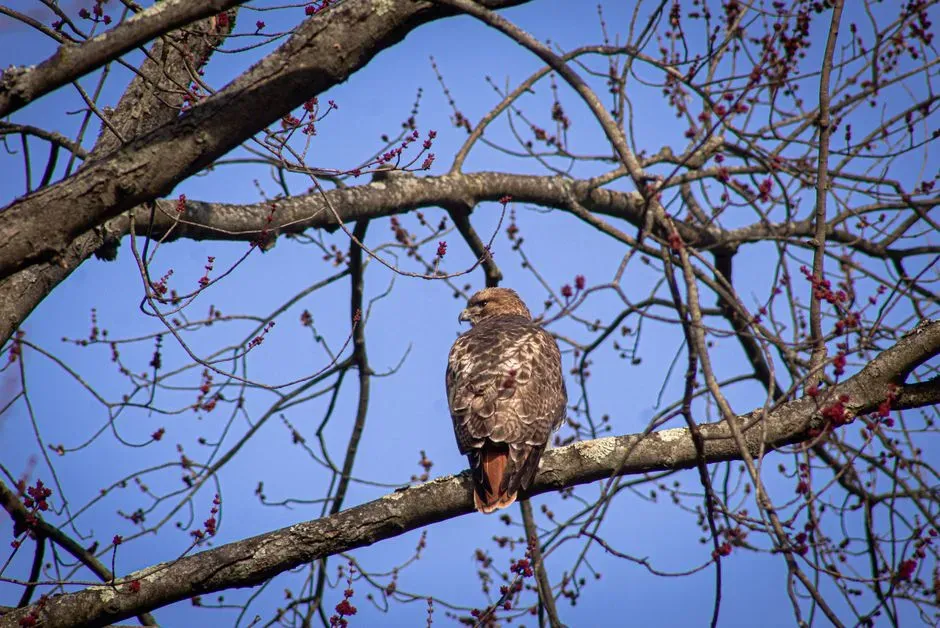
Some contemporary readers of symbolism view a week of repeated hawk sightings as an invitation to focus on goals or relationships that need attention. The bird’s elevated perspective serves as a reminder to step back from daily details and assess the larger picture. This interpretation draws on older ideas without requiring literal belief in omens.
Others treat the pattern as a prompt for mindfulness rather than prediction. Noticing the same hawk encourages time outdoors and closer observation of local wildlife. The experience can strengthen a sense of place and connection to the natural rhythms around home or work.
When to Pay Attention to These Encounters
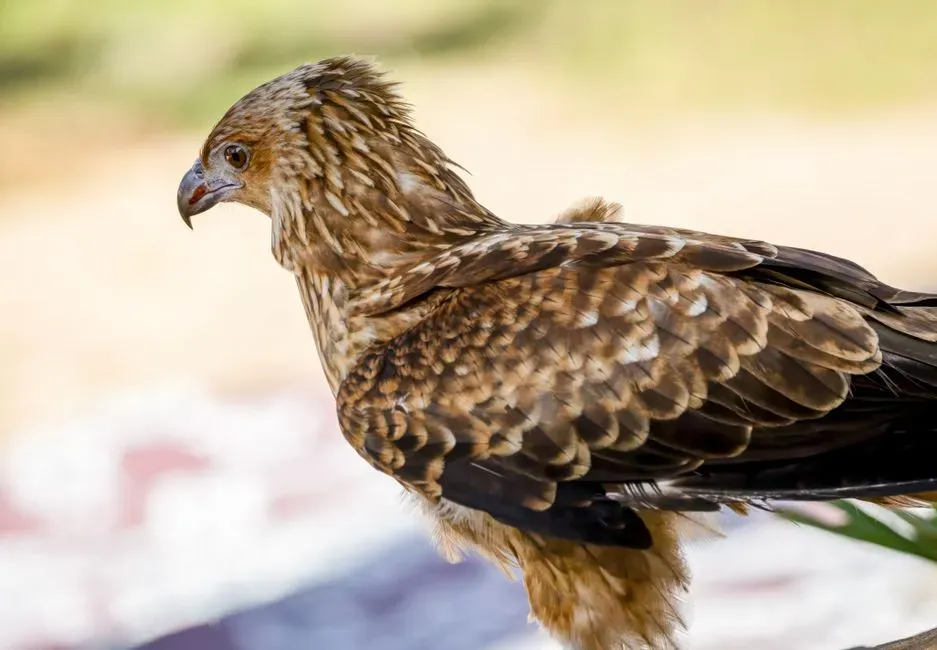
Repeated sightings become worth noting when they coincide with personal transitions or decisions. The steady presence of a territorial bird can mirror the need for consistency in one’s own routines. Ornithological explanations and symbolic readings can sit side by side without conflict.
Practical steps include keeping a simple log of times and locations to confirm the pattern. Checking local birding resources or apps can identify the species and typical behaviors. If the hawk appears healthy and the sightings remain predictable, the encounter stays within normal ecological bounds.
Reflecting on Nature’s Quiet Patterns
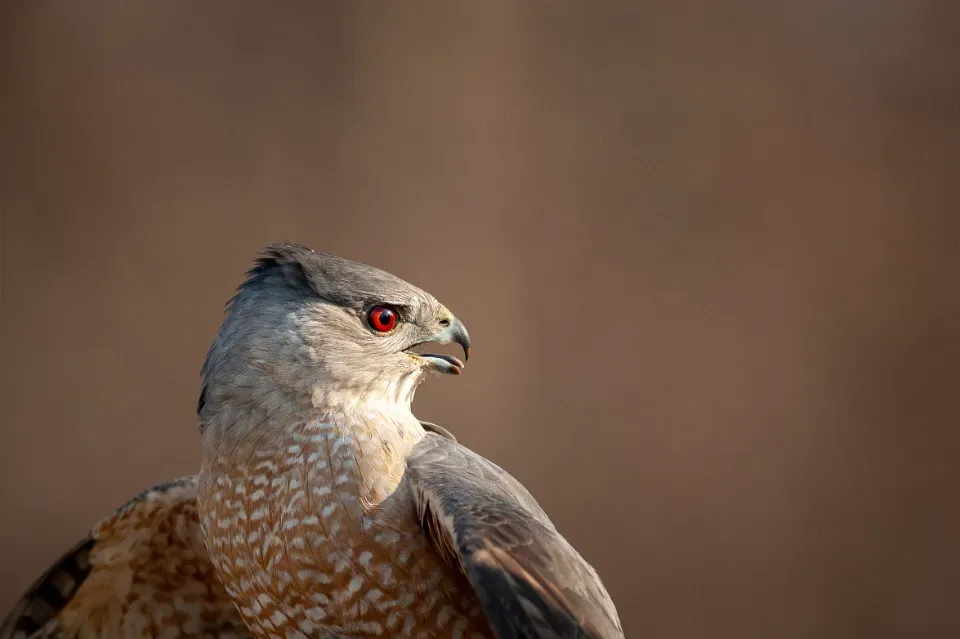
A week of seeing the same hawk ultimately highlights how animals and humans share space in predictable ways. Science accounts for the mechanics while older traditions supply layers of meaning that still resonate for many people. Both perspectives reward careful attention over quick conclusions.
The real value lies in the pause these sightings create amid busy days. They offer a small reminder that the world continues its own steady work regardless of human schedules. That quiet continuity can be grounding in its own right.

- Animal Cognition Says Horses Remember People Who Treated Them Well and Those Who Did Not - August 9, 2026
- 7 US States With the Most Snowy Owl Sightings - August 9, 2026
- If Wolves Attended Hogwarts, This Is the House They’d Be Sorted Into - August 9, 2026