
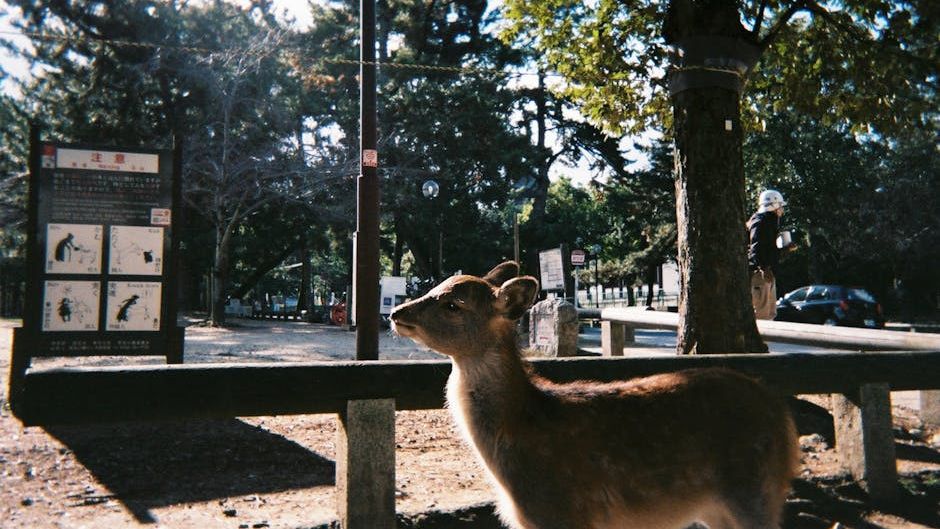
You step outside on a bright morning, coffee in hand, ready to admire your garden. Then you see it. Half your hostas are gone. A row of young vegetable shoots chewed to the stem. And those tell-tale hoof prints pressed into the soft soil. Honestly, few things in gardening sting quite like that moment.
With over 35 million deer in the United States, it’s increasingly common to find them roaming through neighborhoods and backyards. As natural habitat is lost to new roads, homes, and buildings, deer begin to spend more time in areas populated by humans, including your backyard. The good news? You don’t need harsh chemicals or expensive fencing contractors to win this battle. Nature has given you plenty of tools. Let’s dive in.
1. Choose Your Plants Wisely – Your First Line of Defense

Your first line of defense against deer is always smart plant selection. It is, hands-down, the most effective method. Think of it like building a guest list for a party. You simply don’t invite the troublemakers.
Choosing deer-resistant plants involves more than just guesswork – some plants are simply less appealing to deer due to scent, texture, or toxicity. Deer stay away from plants with strong scents like sages, ornamental salvias, bee balm, flowering herbs, and lavenders. They are also deterred by fuzzy foliage, whether bristly or soft, including lamb’s ear, begonias, heliotrope, yarrow, poppies, and vervain.
Deer avoid and usually do not go near plants with a poisonous sap like daffodils, ranunculus, irises, elephant ears, false indigo, poppies, helleborus, and peonies. Plant a strategic mix of these around your more vulnerable beds and you’ve already dramatically tipped the odds in your favor.
2. Build a Fragrant Herb Perimeter That Works Double Duty
Here’s the thing – deer rely almost entirely on their nose when foraging. Their sense of smell is extraordinarily powerful. Use that against them.
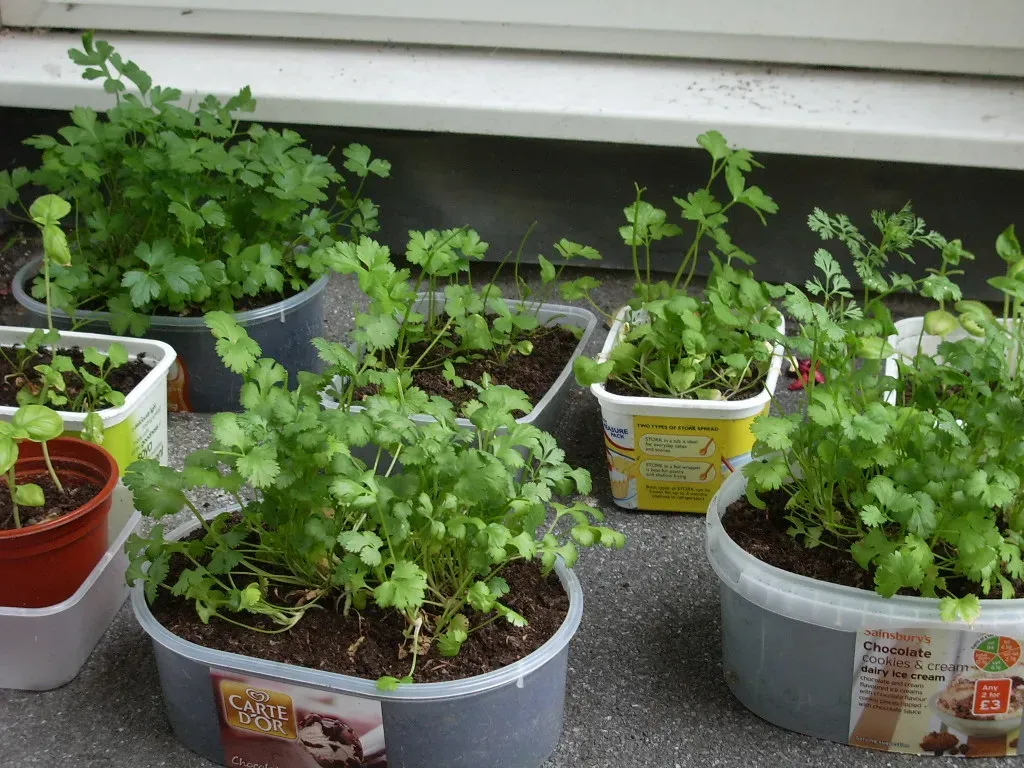
Create a perimeter of strongly scented herbs to mask the aroma of your prized plants. Consider planting aromatic varieties such as garlic, chives, mint, and lavender around your garden’s borders or interspersed throughout your landscaping. These pungent plants serve as a natural deer deterrent, provide fresh herbs for cooking, and attract beneficial pollinators. Many of these plants are also relatively low-maintenance, making them highly functional additions to your garden.
Interplanting aromatic perennial herbs throughout your garden that have scents deer hate, such as mint, thyme, French tarragon, lavender, chives, sage, and rosemary, is a proven tactic. Think of this fragrant border as an invisible fence – one that smells wonderful to you and absolutely terrible to deer.
3. Use Tall Fencing – Nature’s Most Reliable Barrier
I know, I know. Fencing sounds like the obvious, boring answer. But hear me out, because the details here really matter.
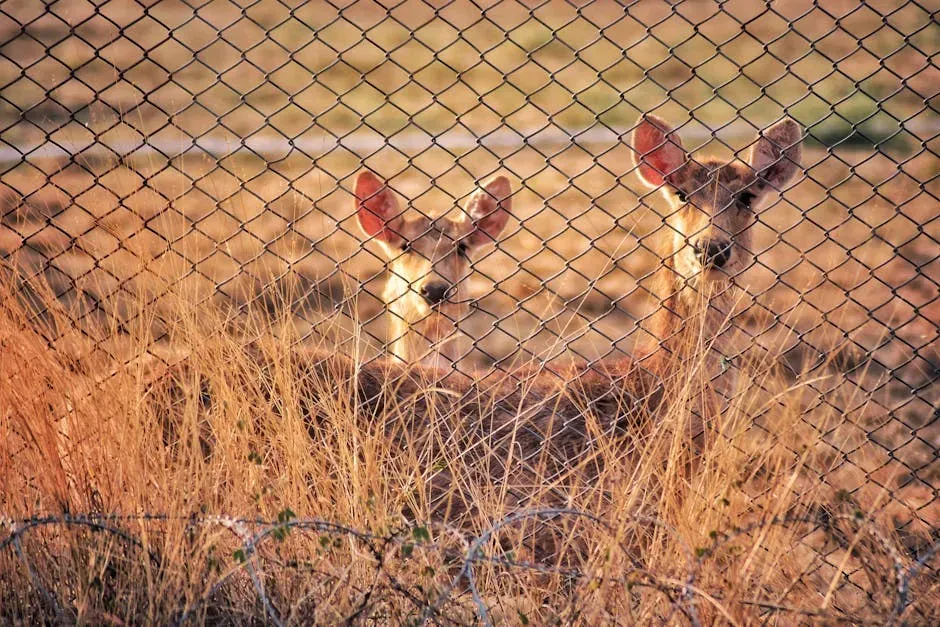
Deer can jump very high, so it takes a tall fence to deter them. It is estimated that an adult deer can jump 8 feet from a standing position. They can potentially jump even higher when they get a running start. A stockade fence is the best choice, as deer are reluctant to jump over fencing when they can’t see what’s on the other side.
A deer fence can be very inconspicuous when using thin-mesh fencing wire and small diameter posts to minimize its visual impact. So you don’t necessarily have to feel like you’re gardening inside a fortress. A well-designed, tall fence can actually blend beautifully into your landscape.
4. Try the Invisible Fishing Line Trick
This one sounds almost too simple to work. But it’s surprisingly effective – and practically free.
Deer do not like not knowing what they may encounter. If they sense a string or something they cannot estimate in the way, they will simply not jump and access an area. Using fish line or string is all you really need to create this, and you can even use a zig-zag pattern to create that disorienting dimension for them.
Monofilament fishing line can be used as a nearly invisible barrier that confuses deer, causing them to avoid the area. This method can be particularly useful for protecting specific high-value plants or smaller garden areas. Simply install stakes or posts around the perimeter of the area you want to protect and string the fishing line between the stakes at a height of two to three feet. Cheap, simple, and remarkably effective.
5. Spray Natural Repellents – and Rotate Them Regularly

Let’s be real. Deer are smart. They adapt. If you use the same repellent in the same spot week after week, they eventually shrug it off like it’s nothing. Rotation is the secret weapon here.
Some experts recommend switching repellents as an effective strategy. By alternating between sprays, you prevent deer from getting used to a particular smell, keeping them on their toes. Apply one of the spray repellents around the perimeter of your garden, focusing on areas with high deer activity. After a few weeks, switch to a different repellent. This rotation helps maintain effectiveness, ensuring deer do not become accustomed to any single scent.
Almost all repellents work by using a combination of odor and taste deterrents. Because of this, most deer deterrent products smell bad, at least until they’re dry. Small price to pay for protecting your beloved garden.
6. Make Your Own DIY Repellent Sprays at Home

You don’t need to spend a fortune at the garden center. Your kitchen pantry is hiding some genuinely potent deer deterrents right now.
An egg-based deer repellent can be made by blending three beaten eggs into one gallon of water, though other recipes add a tablespoon of dish soap, half a cup of milk, and a tablespoon of vegetable oil to the mix. Reapply every one to two weeks and after rain. It’s smelly, yes. But that’s exactly the point.
Aside from the smell of eggs, deer are also deterred by the scent of alliums such as garlic, onions, and chives. Growing these plants around the perimeter of your veggie or flower beds can keep deer from browsing. Customers have reported having success with various blends of eggs, hot sauce, garlic, and clove oil. Experiment freely – the nastier the smell, the better it tends to work.
7. Use Human Hair and Predator Scents as Deterrents
I know it sounds a little odd. But this is one of those old-fashioned garden tricks that genuinely holds up – and costs almost nothing.
The scent of human hair can prevent deer from entering a garden. Ask your barber or hairdresser for some clippings. You may need to sweep them up yourself, but they should be free of charge. Scatter the hair like mulch across your garden beds, or stuff it into pantyhose and hang the deer-deterrent stockings throughout the landscape.
As prey animals, deer avoid the scent of anything that smells like a potential predator. Predator urine sprays are sold for this reason, but you can get a similar effect using pet fur or even human hair. Install the bags about four feet above the ground, at the level of a deer’s nose height. It’s a surprisingly psychological form of defense – essentially tricking deer into thinking a predator is nearby.
8. Install Motion-Activated Scare Devices

Deer are naturally jumpy creatures. They startle easily. You can absolutely use that to your advantage without spending much money at all.
Deer have excellent hearing and night vision, so they are highly sensitive to loud noises and other scare tactics. Scarecrows, wind chimes, and automatic sprinklers can act as natural deer deterrents for these nocturnal intruders. Keep them on edge by hanging wind chimes from the branches of trees and shrubs or by placing wind spinners throughout your garden. If that doesn’t work, try startling them with a sudden spray of water by installing a motion-activated sprinkler.
A deer herd may quickly come to understand that certain lights and repetitive sounds pose no real threat. Instead, install a motion-triggered device that squirts water or turns on a live radio broadcast. The unpredictability is the whole point. Keep them guessing.
9. Place Large Rocks Around Garden Beds
This one often flies completely under the radar, but it’s one of those beautifully simple ideas that actually works. Think of it as building a natural obstacle course around your most precious plants.
Using larger rocks around your garden bed can actually be a deterrent to deer. All you need to do is take larger rocks and place them in a thick band around your bed, and the deer will not go inside. You can also plant deer-deterrent plants within the rock bed. Deer do not like walking over large rocks to access something, so they simply will not do it.
It’s the gardening equivalent of putting a spiky doormat in front of your house. Low tech, zero maintenance, and permanently in place. Pair this strategy with fragrant herbs planted within the rock border, and you’ve created a multi-sensory barrier that would deter even the most determined deer.
10. Keep Your Garden Tidy and Remove Attractants

This last strategy is one many gardeners overlook entirely – and it’s genuinely one of the easiest things you can do starting today.
A tidy garden is harder to snack in. Removing easy temptations and clearing clutter supports every other tactic you use. Remove fallen fruit by picking up windfalls from trees or shrubs promptly. Keep the edges tidy by trimming hedges, pruning dead branches, and opening up hidden corners where deer can linger unseen.
A single adult deer can eat up to 2,000 pounds of plant matter each year. That’s a staggering amount. If you have a vegetable garden or fruit trees, harvest produce as soon as it is ready. Overripe fruit left on the ground is basically a dinner invitation. Remove it, and deer quickly lose interest in your property altogether.
Conclusion: Layer Your Defenses for the Best Results

Here’s the honest truth – no single method will keep deer out of your garden one hundred percent of the time. Combining more than one deer-proofing approach is the secret to success. The most successful strategy is to keep them guessing and use a variety of methods to keep them away from your landscape.
Think of your garden defense like layers of an onion. Start with smart plant choices, build a fragrant perimeter, deploy rotating repellents, and add a physical barrier or two. Each layer makes your garden a little less appealing, a little more confusing, and a little more work for a deer that could just as easily move on to an easier meal.
Deer have strong spatial memory. If your garden is easy food, they will return night after night and year after year. Change that equation, and you change their behavior permanently.
The garden you’ve worked so hard to grow absolutely deserves to be protected. So which of these ten methods will you try first?

- 6 Exotic Bird Species You Can Spot in U.S. National Parks - July 19, 2026
- 11 Iconic American Birds Facing New Challenges and How You Can Help - July 19, 2026
- 10 Friendliest Animals in the World - July 19, 2026