

You probably think your home is your dog’s paradise. Warm bed, regular meals, plenty of belly rubs. It feels like a safe haven. But what if I told you that the sounds filling your home every single day are quietly wrecking your dog’s nerves?
Researchers at the University of California, Davis, found that people may not recognize that their dog is stressed when exposed to common household noises. That’s not a small finding. That’s a wake-up call for every dog owner who has ever laughed off their pet’s weird reaction to the microwave. So before you dismiss that anxious whine or tucked tail as “just being dramatic,” keep reading. You might be surprised by what your dog is really hearing.
Your Dog Is Hearing a World You Can’t Imagine

Here’s the thing most people don’t realize. A dog’s hearing is almost like a superpower compared to ours. Most adults hear sounds up to 20,000 Hertz. Dogs, however, hear sounds that reach frequencies as high as 47,000 to 65,000 Hertz. That’s not just a little sharper. That’s a completely different sonic world.
Dogs’ sensitivity to high-frequency sounds is greater than humans, and thus the high-frequency sounds made by electronic beeps or chirps may be particularly unpleasant, even painful, for dogs. Think about that word. Painful. Not just annoying.
A study of 13,700 pet dogs showed that noise sensitivity was the most common trait to cause anxiety in dogs, showing up in almost one-third of the dogs. Roughly one in three dogs is quietly suffering, and we’re barely noticing. That should matter to every single dog owner.
The Vacuum Cleaner – The Monster in the Closet
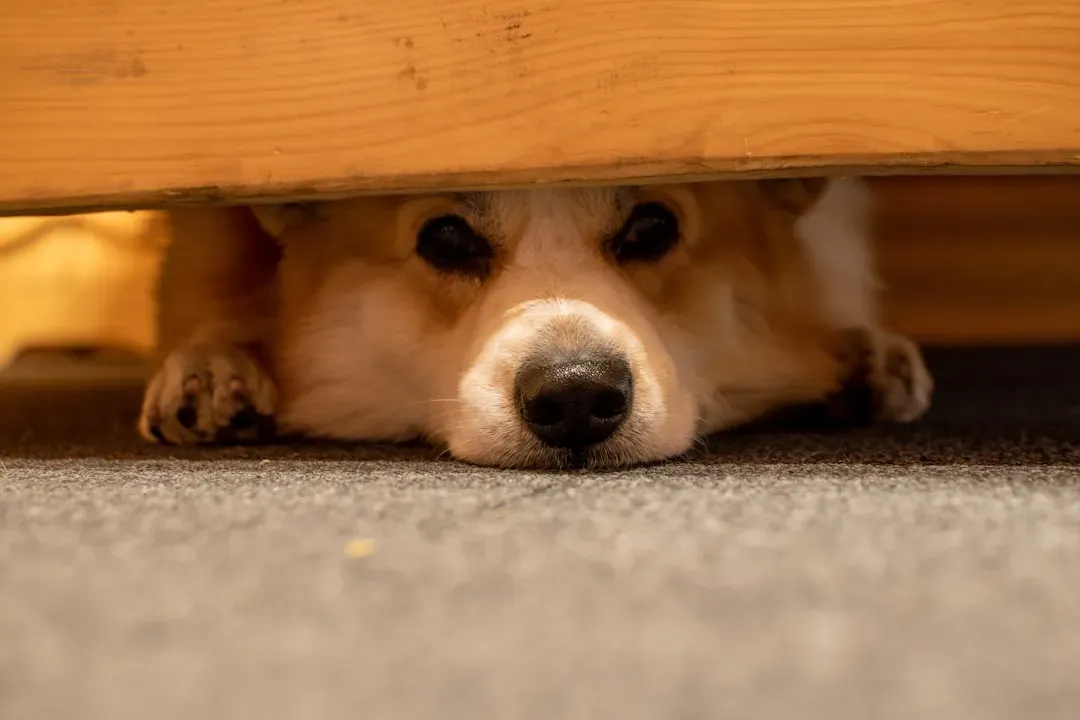
Let’s be real. Most of us have seen our dogs bolt the second we pull out the vacuum. It’s one of those things we almost find funny. But it’s actually one of the most well-documented sources of canine distress in the home.
The sound of a vacuum cleaner is one of the most stressful noises for dogs. This household appliance is not only loud but also creates vibrations that dogs can feel. The sudden start and stop of the vacuum adds to their fear. It’s like a monster that roars to life without warning, moves unpredictably, and then suddenly dies. No wonder dogs hate it.
Dogs might bark, hide, or even show signs of aggression when the vacuum is in use. If your dog is barking or scrambling to escape, that’s not a quirky personality trait. That’s a stress response, plain and simple.
The Microwave Beep – Tiny Sound, Big Problem
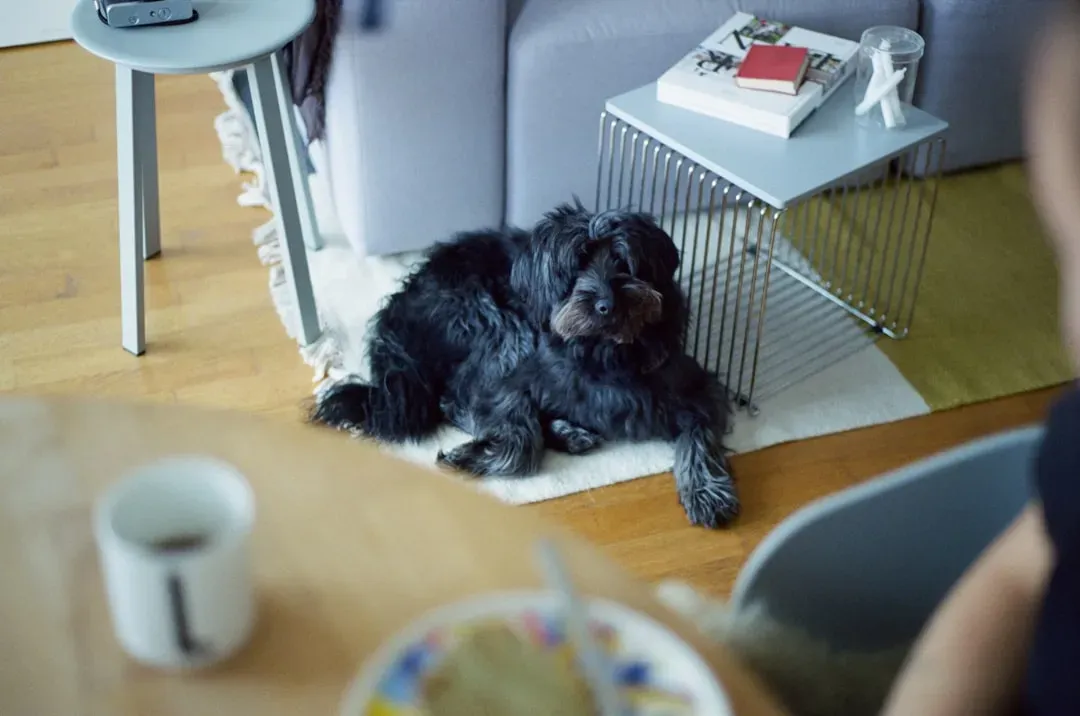
This one genuinely surprised me when I first read about it. A microwave beep? Really? It seems so harmless. It’s just a few quick chirps to tell you your leftovers are ready.
Microwave beeping noises might seem harmless to us, but they can be quite stressful for dogs. The beeps are sharp and sudden, catching them off guard. Over time, these repetitive sounds can increase anxiety. And because we use microwaves constantly, multiple times a day, the cumulative effect on a noise-sensitive dog is significant.
While it’s well established that sudden loud noises, such as fireworks or thunderstorms, commonly trigger a dog’s anxiety, a new study finds even common noises, such as a vacuum or microwave, can be a trigger. The unpredictability is the real enemy here. Your dog has no way of knowing when those beeps are coming, which keeps them in a low-grade state of alertness all day long.
Smoke Detector Warnings – The Chirp That Sends Dogs Into a Spiral

Of all the sounds on this list, this one is perhaps the sneakiest. A smoke detector with a low battery doesn’t screech. It chirps. Just once, every minute or so. You might barely notice it. Your dog absolutely notices it.
Research found that high-frequency, intermittent noises such as the battery warning of a smoke detector are more likely to cause a dog anxiety, rather than low-frequency, continuous noise. The irregular pattern is what makes it so devastating for dogs. It’s the audio equivalent of someone tapping your shoulder every 60 seconds, completely at random.
Dogs have a wider range of hearing, and some noises could be potentially painful to a dog’s ears, such as very loud or high-frequency sounds. Minimizing exposure may be as simple as changing batteries more frequently in smoke detectors or removing a dog from a room where loud noises might occur. Honestly, that’s one of the easiest fixes on this entire list.
Phone Ringtones – Your Notification Sounds Are Not Dog-Friendly

We live in a world of constant notifications. Pings, chimes, alert tones, ringtones. Your phone probably makes a dozen sounds a day. And each one is a potential micro-stressor for your dog lurking nearby on the couch.
Phone ringtones can be surprisingly stressful for dogs. The sudden, loud sound can catch them off guard and cause anxiety. This is especially true if the ringtone is high-pitched or has a sharp tone. It’s the same principle as the microwave beep. Sudden. Unpredictable. Jarring.
Dogs may react by barking excessively or running to hide. Repeated ringing increases their stress levels over time. A simple fix? Choosing softer, more melodic tones can help. Many phones offer a variety of ringtone options, some of which are less jarring. Opting for a calm and quiet ringtone can significantly reduce your dog’s stress.
The Hair Dryer – Hot Air and High Anxiety

Morning routines involve a lot of noise. But the hair dryer deserves its own special mention, because it combines two things that dogs find deeply unsettling: volume and proximity.
Hair dryers, with their high-pitched noise, are stressful for dogs. Unlike some other sounds, hair dryers are often used close to their ears. This proximity, combined with the intense sound, can cause dogs to become agitated. Think about how loud a hair dryer sounds to you. Now amplify that through a set of ears that are roughly three times more sensitive. That’s your dog’s morning.
Many owners notice their dogs leaving the room or pacing during hair drying sessions and just assume the dog is being a bit odd. It’s not odd behavior at all. It’s entirely logical. Gradual desensitization techniques can help them get accustomed to these stressful noises.
The Doorbell – It’s Not Just Excitement, It’s Alarm
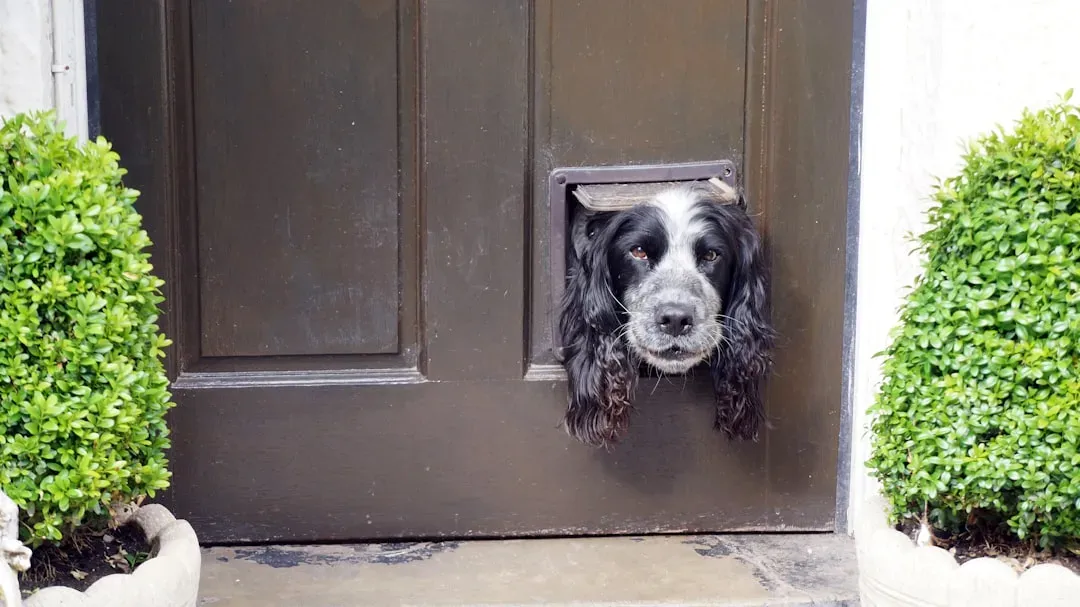
Yes, your dog goes absolutely wild when the doorbell rings. Most owners assume this is pure, bouncy excitement. Sometimes it is. But the reaction often contains a heavy dose of anxiety mixed into that frenzy.
When the doorbell rings, it can cause immediate stress for many dogs. The sound is sudden, it signals an unpredictable intrusion into their safe territory, and it often triggers a cascade of adrenaline that can take a long time to settle. A dog spinning in circles and barking at the door isn’t necessarily joyful. It might be overwhelmed.
Single, traumatic experiences or repeated exposure to frightening stimuli can cause reactions ranging from mild fear to extreme phobic reactions. Mild fear responses may include panting, pacing, and attempts to hide, whereas phobic responses may include panic, extreme agitation, attempts to escape, and even destructive behavior. A dog that repeatedly experiences doorbell anxiety may eventually develop a broader sensitivity to similar sounds.
Washing Machines and Dishwashers – The Rumble Beneath Their Paws

This one is easy to overlook because washing machines and dishwashers seem so ordinary. They hum and spin in a room you might rarely sit in. Your dog, though, can feel vibrations through the floor and pick up sounds from those machines that you barely register consciously.
Researchers discovered that high-frequency beeping and low-frequency continuous sounds such as alarm clocks, plumbing, smoke detectors, cell phone noises, washing machines, dishwashers, vacuum cleaners, and fans can stress dogs out. Washing machines go through cycles that change rhythm, speed, and sound intensity without warning. To a dog, this is unpredictable noise at its most confusing.
The spin cycle in particular hits a pitch and vibration level that many dogs visibly react to. If you’ve ever noticed your dog suddenly becoming restless or leaving the room when the laundry is running, now you know why.
Alarm Clocks and Timers – The Daily Jolt of Stress

Here’s a scenario. Your alarm goes off at 6:30 every morning. You groan, hit snooze, maybe let it ring for a few seconds. No big deal to you. But your dog has already been jolted out of a deep sleep by a sudden high-pitched noise they had absolutely no warning about.
Researchers discovered that high-frequency beeping and low-frequency continuous sounds such as alarm clocks can stress dogs out. Alarm clocks rank among the most jarring wake-up triggers for dogs, precisely because sleep transitions leave animals in a heightened state of vulnerability. The same applies to kitchen timers, oven alerts, and any other beeping countdown device.
Dogs reacted with more intense fear and distress to sounds characterized as high-frequency and intermittent, versus sounds characterized as low-frequency and continuous. An alarm clock fits that profile almost perfectly. Loud. Sudden. Intermittent if snoozed. It’s a small daily stress we barely think about.
Television and Loud Music – The Invisible Background Stressor

This last one might be the most underestimated of all, because so many of us leave the TV on for our dogs thinking it offers comfort. Sometimes it does. However, the type of sound coming from a screen or speaker absolutely matters.
Sudden loud noises are one of the most common causes of fearful behavior in dogs, but fear of sounds can cause anxiety in dogs, and living with either fear or anxiety can lead to a decreased quality of life and serious welfare concerns. An action movie with explosions, a chaotic sports broadcast, or a playlist of bass-heavy music can all contribute to a baseline level of arousal and anxiety in a dog who cannot escape the room.
Certain genres of music have been shown to reduce stress for dogs: classical, reggae, and soft rock. So if you’re leaving content on for your dog during the day, the genre choice genuinely matters. Think less action thriller, more Sunday morning playlist.
What You Can Do Right Now to Help Your Dog

The encouraging part of all this research is that the solutions are often surprisingly simple. You don’t need to live in complete silence or bubble wrap your entire home. You just need to start paying better attention.
Researchers have concluded there may be a genetic component to noise sensitivity, which often begins in very young dogs. Other studies report that dogs may react fearfully to noises they experience with trauma, noises they’ve seen other dogs react to fearfully, or sounds that generate a strong reaction from their owners. Understanding the root of your dog’s sensitivity helps you respond more intelligently.
Noise aversions frequently worsen when left untreated. A fear of one specific sound can generalize to a fear of other sounds, whether similar or different. That’s why acting early makes such a difference. Desensitization, safe retreat spaces, and even a conversation with your vet can go a long way.
Whether it’s a crate, closet, or under the bed, make your dog’s go-to spot as insulated and welcoming as possible. Offer a calm space and train the dog to relax and go to their safe spot. It’s a small gesture that carries enormous weight for an anxious dog.
A Final Thought Worth Sitting With

We share our homes and our lives with dogs. We feed them, walk them, love them deeply. Yet the research tells us, with uncomfortable clarity, that researchers who surveyed 386 dog owners and examined 62 videos found that owners not only underestimated their dogs’ fearfulness, but the majority of people in videos responded with amusement rather than concern over their dog’s welfare.
That’s not a criticism. Most of us genuinely didn’t know. The science on everyday household noise and canine anxiety is still relatively new, and it challenges assumptions we’ve held for years. But now that you know, the next time your dog flinches at the microwave or slinks away when you turn on the dryer, you’ll see it differently.
Fear of sounds can cause anxiety in dogs, and living with either fear or anxiety can lead to a decreased quality of life and serious welfare concerns. Your dog can’t tell you they’re struggling. They can only show you. The question is whether we’re paying close enough attention to notice.
What sounds in your home do you think your dog might be secretly dreading? It might be time to find out.

- 6 Exotic Bird Species You Can Spot in U.S. National Parks - July 19, 2026
- 11 Iconic American Birds Facing New Challenges and How You Can Help - July 19, 2026
- 10 Friendliest Animals in the World - July 19, 2026