
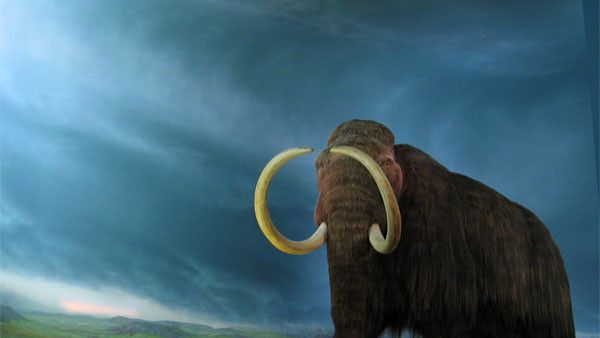
Imagine walking through a forest and hearing the thunderous footsteps of a woolly mammoth. Or watching a flock of passenger pigeons so massive it literally darkens the sky overhead. Sounds insane, right? Yet here we are in 2026, and scientists are genuinely, seriously, actively trying to make these things happen. Welcome to the era of de-extinction, a field of science so thrilling and so controversial that it reads more like a blockbuster film than a laboratory report.
The age of de-extinction may soon be a reality, with advances in genetic engineering and synthetic biology making the resurrection of animals once lost to this world a tangible prospect. From frozen DNA samples to CRISPR gene editing, the tools available today would have seemed like magic even twenty years ago. The list of species is long, and the stories behind each one are far stranger than you might expect. Let’s dive in.
1. The Woolly Mammoth: The Icon of Ice Age Comeback
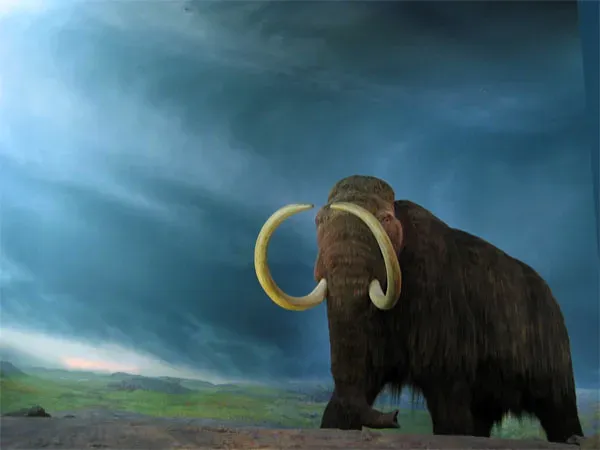
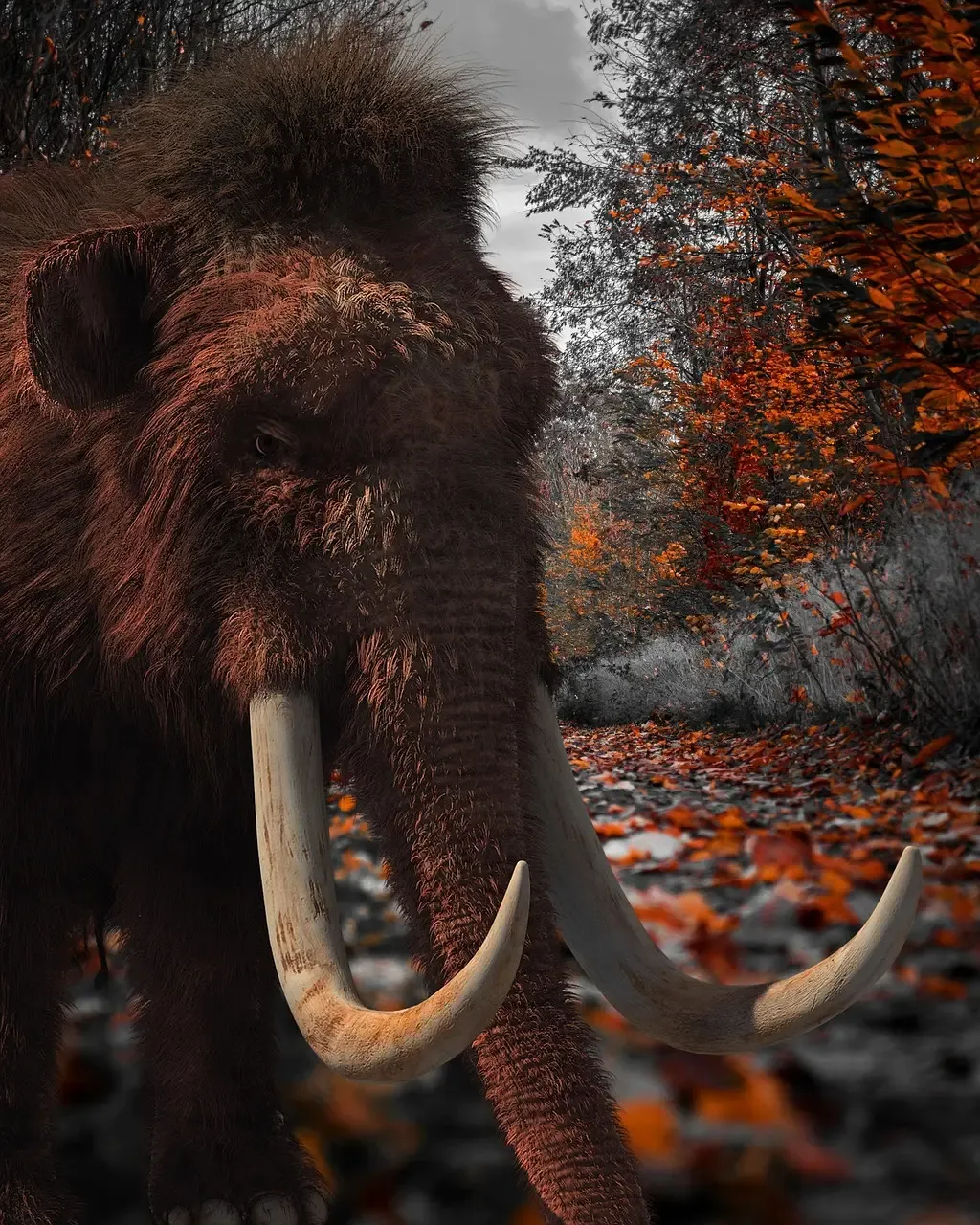
Let’s be real. When most people think of de-extinction, the woolly mammoth is the first thing that comes to mind. It’s the superstar of the whole movement, and for good reason.
The woolly mammoth, a symbol of the Ice Age, disappeared around 4,000 years ago. Scientists are using DNA from frozen mammoth remains to combine with the genetic material of Asian elephants, their closest living relatives. The goal is not a perfect clone, but something remarkably close to it.
Because the woolly mammoth and Asian elephant share 99.6% of the same DNA, Colossal aimed to develop a proxy species by swapping enough key mammoth genes into the Asian elephant genome. In March 2025, the company took a tangible step forward. Colossal announced the creation of gene-edited “woolly mice” with mutations inspired by woolly mammoths, touting it as a step toward engineering mammoth-like Asian elephants. The mice, which exhibit long, shaggy, tawny-toned fur, were developed using a mix of mammoth-like and known mouse hair-growth mutations.
Lamm said that the team is on track to generate a proxy woolly mammoth, with the first woolly mammoth calves expected as early as 2028. Honestly, I think that timeline might slip. But even if it takes a decade, the idea of a mammoth-like creature walking Arctic tundra again is nothing short of breathtaking.
2. The Dire Wolf: Already Brought Back from the Dead
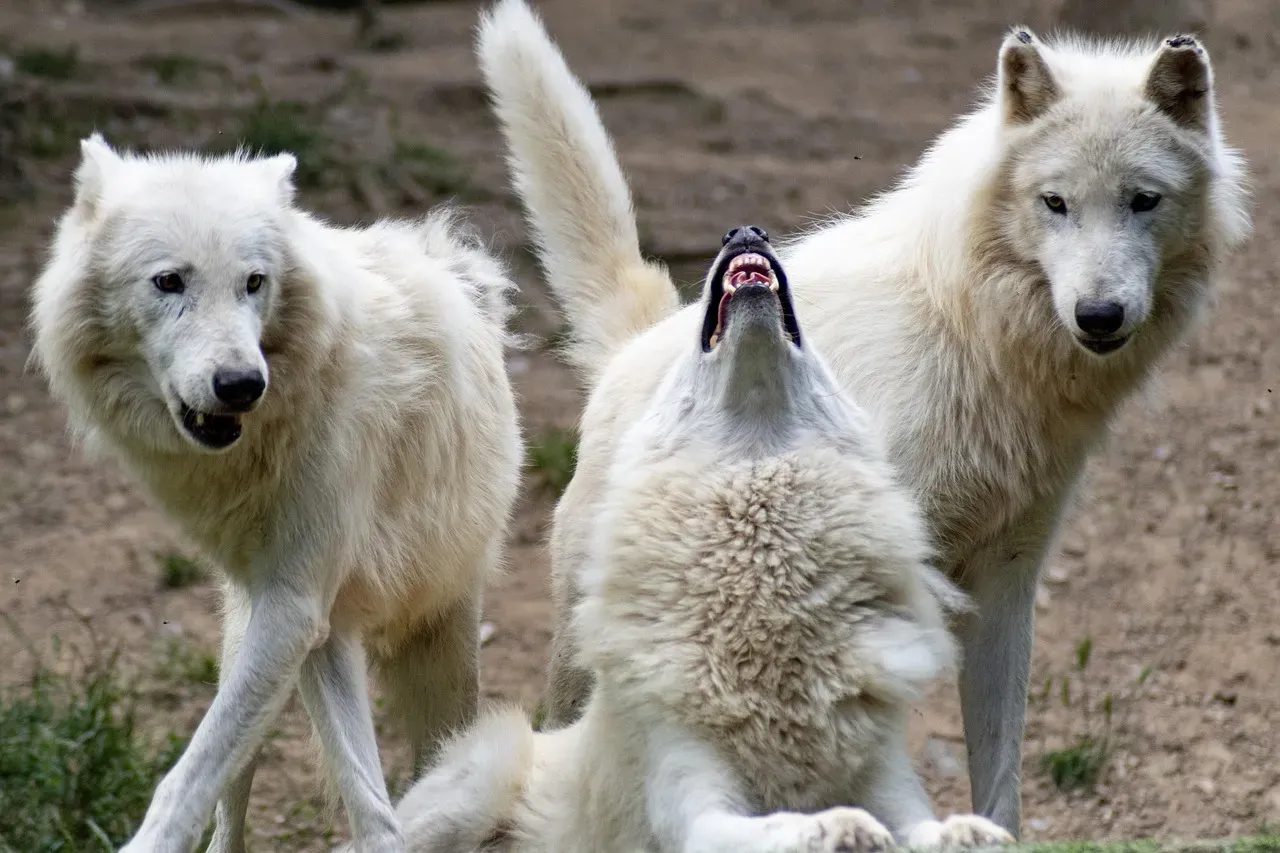
Here’s something that might genuinely shock you. The dire wolf, the legendary predator that inspired Game of Thrones, has already been partially resurrected. This is not science fiction anymore.
In April 2025, the biotechnology company Colossal Biosciences announced that it had succeeded in producing three genetically engineered “dire wolf” pups. According to Colossal, two of the pups, Romulus and Remus, were born on October 1, 2024, and the third, Khaleesi, was born on January 30, 2025. To create the pups, scientists extracted and analyzed dire wolf DNA from a 13,000-year-old tooth and a 72,000-year-old skull.
To achieve its goal, the company essentially created a hybrid genome using CRISPR technology to cut away certain gray wolf gene variants and replace them with traits associated with dire wolves. Dire wolves were larger in size than gray wolves and “had a slightly wider head, light thick fur and stronger jaw,” the company said.
Not everyone is convinced this counts as true de-extinction. Many experts dismissed Colossal’s claim to the world’s first successful de-extinction. They noted that in reality, the animals are gray wolves with an unusual coat color, with their genomes containing only a few bits of dire wolf DNA, and the two species differ by several million DNA letters. Still, three living pups named after mythical wolves? That’s hard to dismiss entirely.
3. The Tasmanian Tiger: A Marsupial Ghost
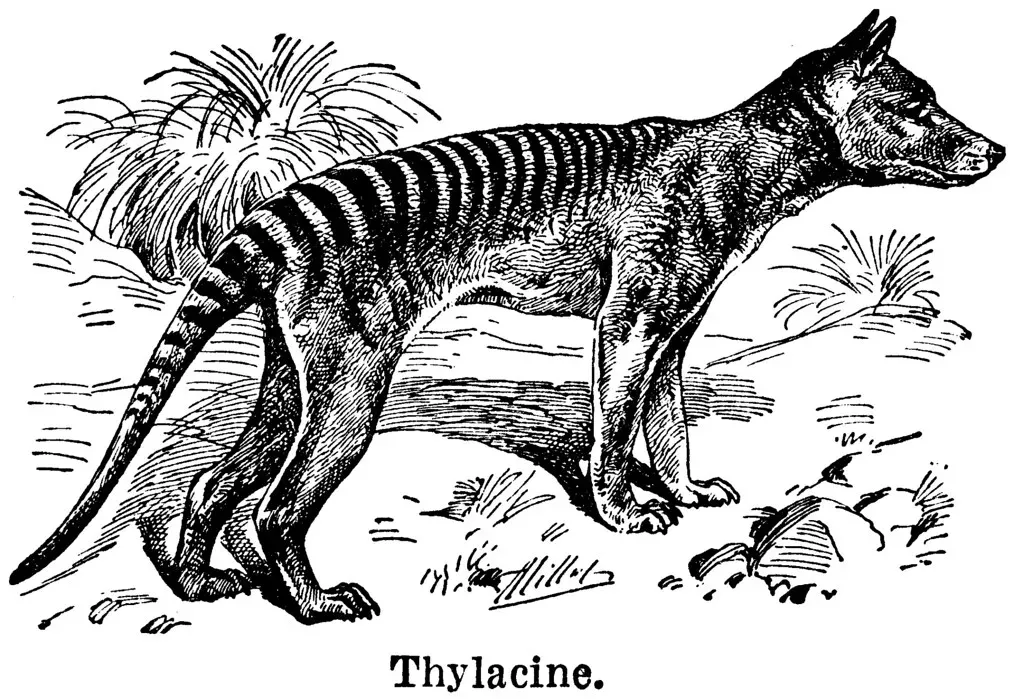
The Tasmanian tiger, or thylacine, is one of those animals that haunts you once you know it existed. A carnivorous marsupial that looked like a cross between a wolf, a tiger, and a kangaroo. How is that even real?
The Tasmanian tiger, also known as the thylacine, was declared extinct in 1936. This carnivorous marsupial from Australia and Tasmania has become a key focus of de-extinction efforts. Scientists have reconstructed 99.9% of its genome using DNA from preserved specimens. Their plan is to implant the reconstructed DNA into a surrogate marsupial, like the Tasmanian devil, to produce young thylacines.
Colossal scientists have been able to make 300 genetic edits into a cell line of a fat-tailed dunnart, which is the marsupial that Colossal has chosen as its base species and future surrogate. That is a remarkable level of precision. Think of it like editing hundreds of words in a book to make it read like a completely different story.
However, the feasibility of reintroducing the thylacine into modern Tasmania’s ecosystems is still under consideration, as its role as an apex predator would need careful management. The thylacine was hunted to death by settlers who blamed it for killing livestock. Bringing it back raises deep questions about whether we are fixing a mistake or creating a new one.
4. The Dodo: The Poster Child of Human-Caused Extinction
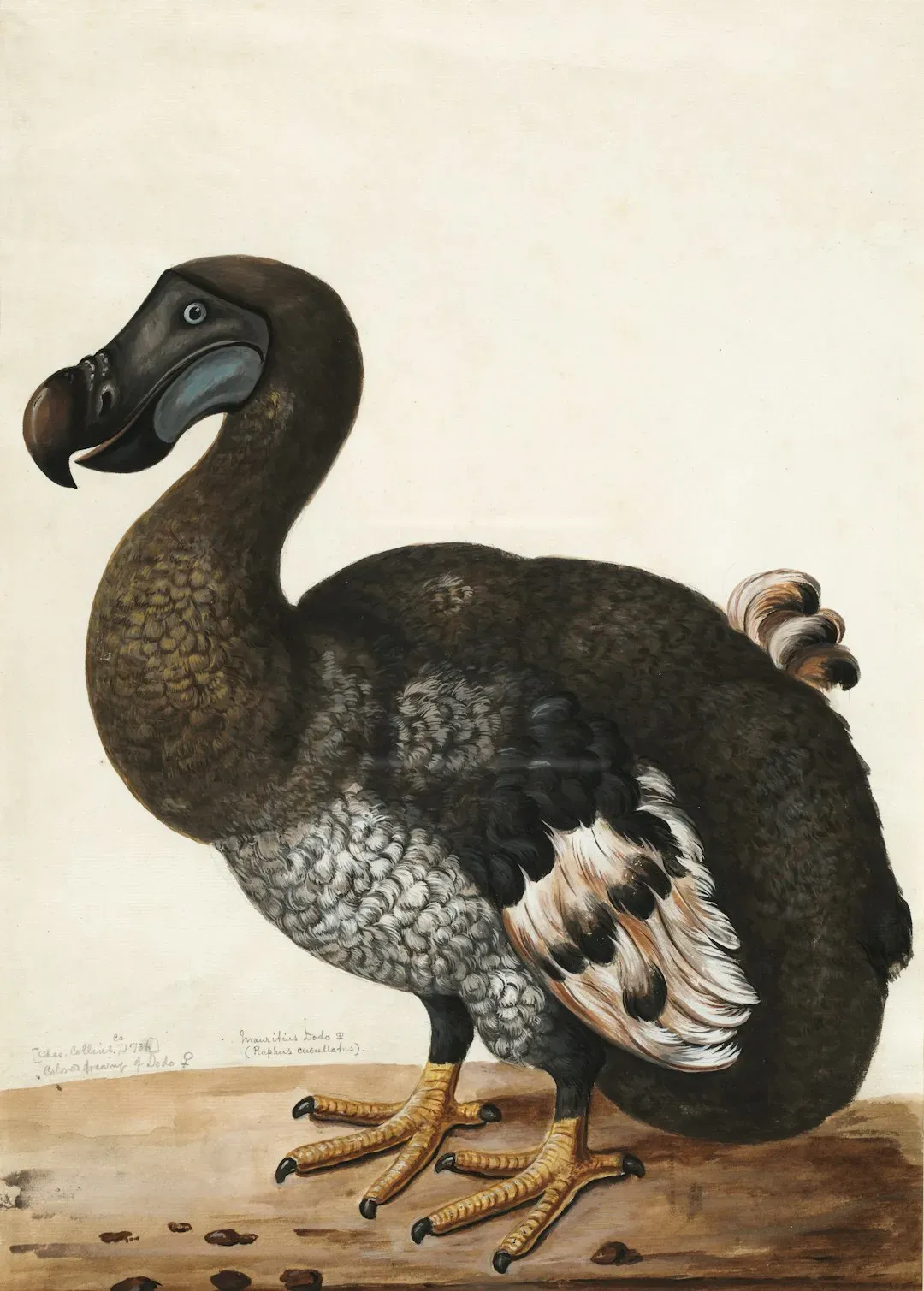
Nothing says “humans ruined this” quite like the dodo. It became so synonymous with extinction that its name literally became a metaphor for something gone forever. The phrase “dead as a dodo” exists for a reason.
The dodo became one of the most potent symbols of humans’ devastating impact on wildlife following its disappearance from Mauritius in the mid-17th century. It evolved without any natural predators, but the humans that arrived on their home island, Mauritius, took advantage of this and killed them all for food. Genuinely sad.
Colossal, the same tech company involved in efforts the Tasmanian tiger and mammoth, has said it wants to use gene-editing to recreate the dodo, but experts say this is a much more complicated process with birds than it is with mammals. The proposed process would involve gene-editing the genome of its closest-living relative, the Nicobar pigeon.
The ecological feasibility of reintroducing the dodo into its native environment is highly questionable, as the island ecosystem that once supported it no longer exists in the same form. It’s hard to say for sure whether a revived dodo would thrive or struggle. The island of Mauritius today is a vastly different place from the one the dodo called home.
5. The Passenger Pigeon: When Billions Became Zero
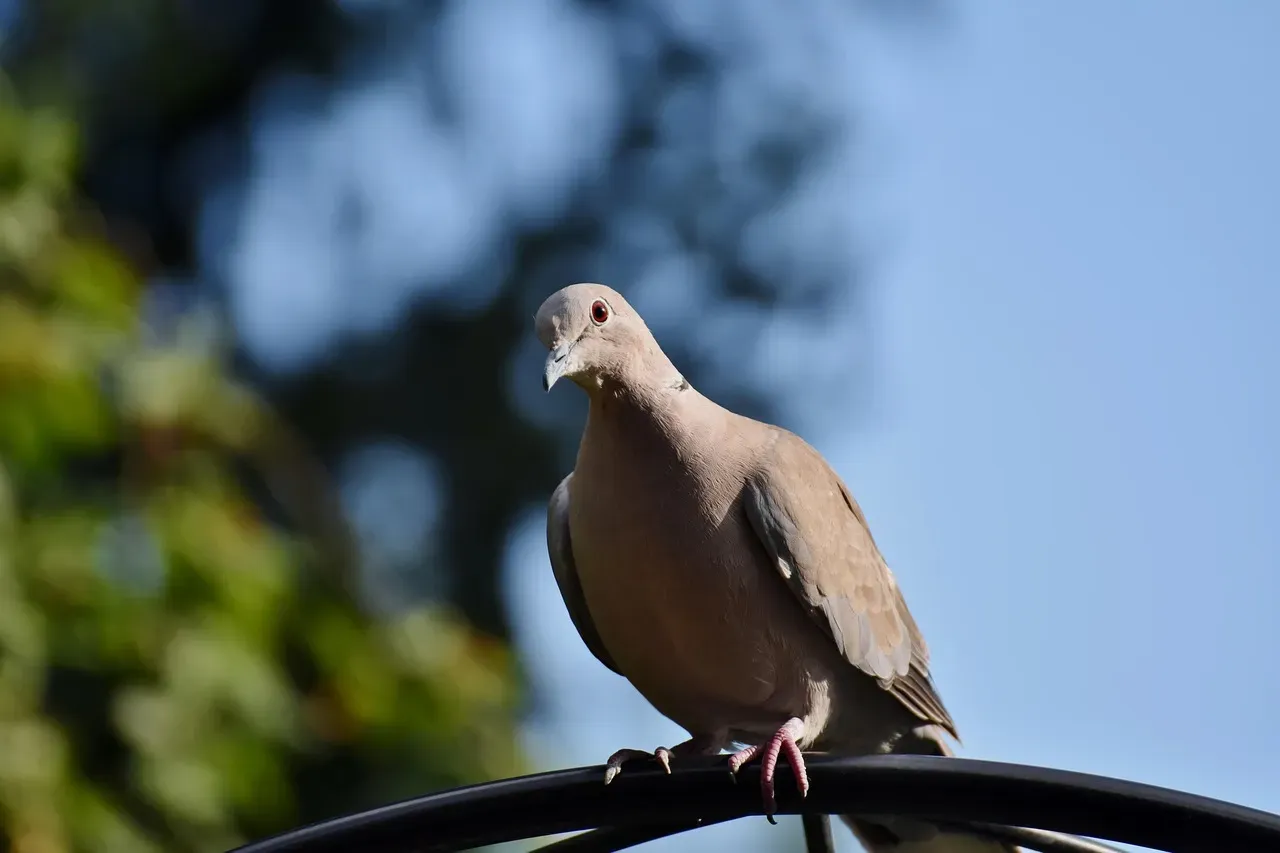
This one is almost incomprehensible when you really sit with it. The passenger pigeon was perhaps the most numerous bird in the entire history of North America. Then, within decades, it was completely gone.
It was said that passenger pigeon flocks in North America were so huge they obscured the sun and darkened the sky, so when the last one, Martha, died in a zoo in the 1930s after decades of senseless mass slaughter, the impact on the environment was enormous. The last known bird, named Martha, died in 1914. Using genome editing, scientists are modifying the DNA of its closest living relative, the band-tailed pigeon, to recreate birds with passenger pigeon traits.
Because they existed in such huge numbers, passenger pigeons created canopy disturbances that increased biodiversity. More complex forest habitats resulted, creating niches for other wildlife. These birds were essentially ecosystem engineers, and their absence left a very real gap in North American forests.
Revive and Restore’s goal is to hatch the first generation of new passenger pigeons in 2025 and begin trial releases into the wild thereafter. Successful de-extinction would restore an important ecological role related to seed dispersal in forest ecosystems. Whether that goal hits its mark on time is another question, but the ambition is undeniable.
6. The Aurochs: Ancestor of Every Cow You’ve Ever Seen
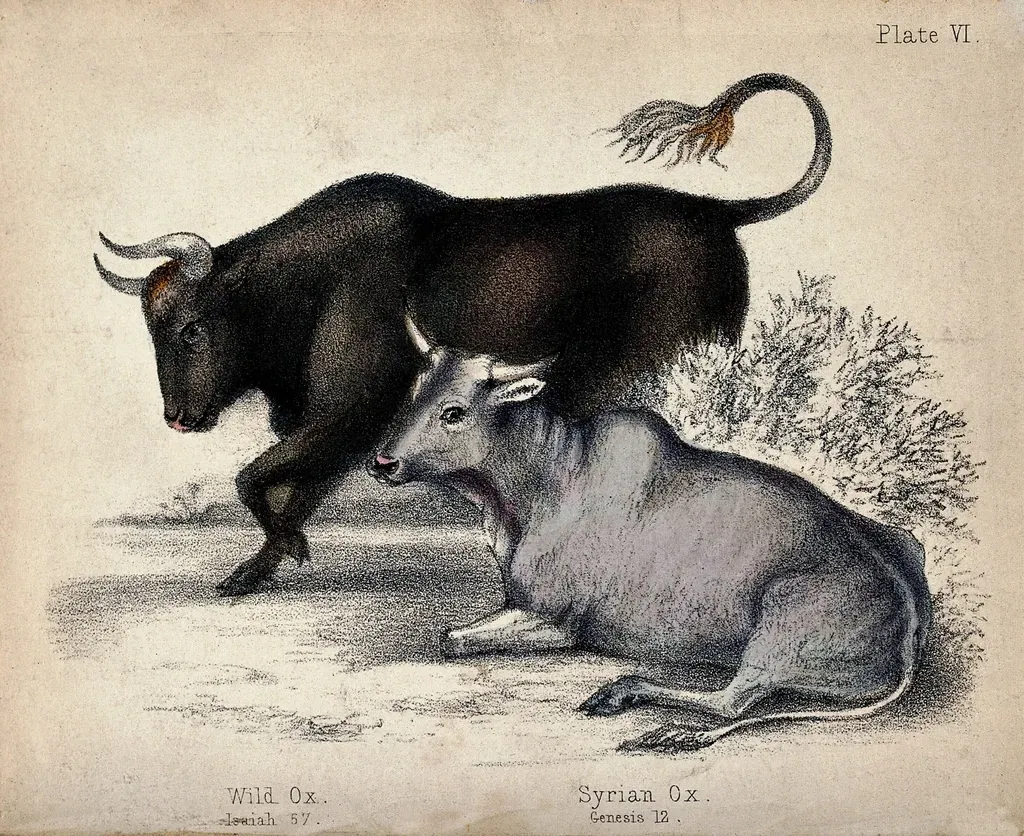
Here’s an animal most people have never heard of, yet it is directly responsible for virtually every hamburger, glass of milk, and leather shoe on the planet. The aurochs was the wild ancestor of all modern domestic cattle.
By Roman times, only the European aurochs remained. A thousand years later, the last aurochs lived only as a small group in a Polish forest. By 1627, they were extinct. Centuries of shrinking habitat and hunting pressure slowly ground this magnificent beast into oblivion.
Now on the seventh generation, the tauros cattle, as they have been named, are more than 99% genetically similar to the extinct aurochs. The animals display physical changes, such as a darker coat color, and behavioral changes, such as how they respond to predators like wolves, over time. That is genuinely extraordinary progress.
It is hoped that bringing this extinct animal back into the wilds of Europe will benefit the European ecosystem, as the aurochs was a keystone species. Large grazers like the aurochs shaped entire landscapes. Rewilding Europe with something close to the original article could reshape habitats in ways we can barely predict.
7. The Quagga: Half Zebra, Half Something Magical
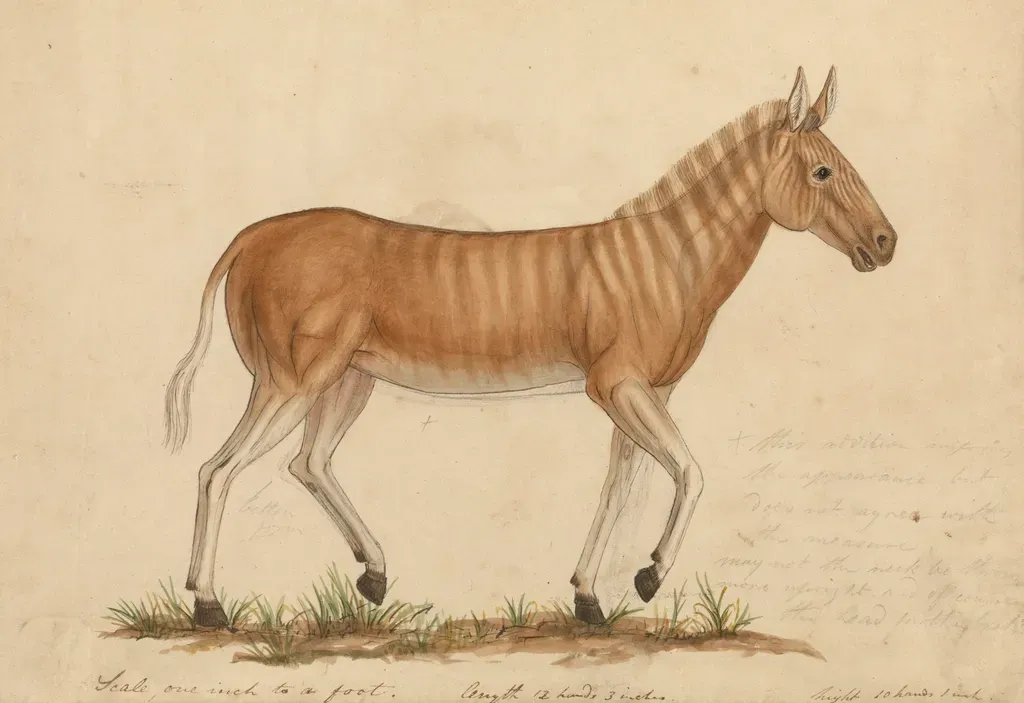
The quagga is one of those animals that looks like nature was in an experimental mood. Striped at the front, plain brown at the back, it was like a zebra that never finished being painted. And humans hunted it to extinction in the late 1800s.
The quagga was a subspecies of plains zebra that roamed the southern tip of Africa. It was distinctive in that it had stripes on its head and the front half of its body, while the rear half was brown. It was hunted to extinction in the wild, and the last specimen died in 1883 in the Amsterdam Zoo.
The Quagga Project in South Africa selects zebras with quagga-like traits and breeds them over generations to recreate the extinct animal’s appearance. Genetic studies confirmed the quagga is not a separate species but a subspecies of the zebra, making its revival through breeding a practical approach. Early results already show zebras with reduced striping that resemble their extinct relatives.
This makes the quagga one of the more achievable de-extinction targets on this list. No CRISPR required. No lab embryos. Just careful, patient selective breeding over generations. It is slow, almost old-fashioned compared to what Colossal Biosciences is doing, but there is something deeply satisfying about that approach.
8. The Gastric Brooding Frog: The Weirdest Animal on This List
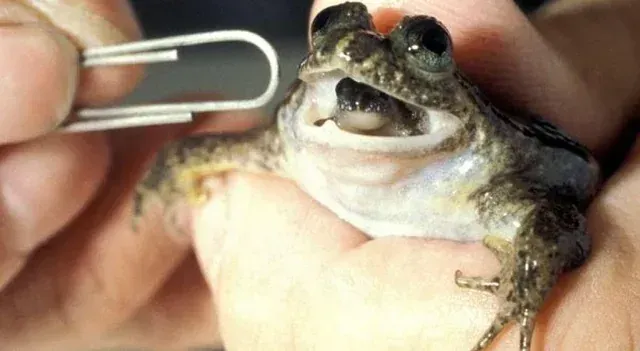
Stop everything. Because this frog deserves a moment of pure, undiluted amazement. The gastric brooding frog raised its young inside its own stomach, then gave birth by vomiting them out of its mouth. I know it sounds crazy, but it is absolutely true.
The Australian gastric-brooding frog had a remarkable reproductive strategy. The females swallowed the fertilised eggs, brooded the young in their stomachs and then gave birth by projectile-vomiting them through their mouths. When the species was discovered in the 1970s, it was already highly restricted, and it went extinct in the 1980s.
In 2013, scientists from the University of New South Wales said they had successfully cloned embryos of the species from the cells of one of the last living specimens, but these had failed to develop any further. The Lazarus Project, as it became known, was tantalisingly close to something miraculous.
Scientists at the Lazarus Project believe that recreating the gastric-brooding frog could offer insights into human digestion. The frog swallowed its fertilized eggs and turned its stomach into a uterus. The medical implications of understanding how a stomach can shut off its acid production on demand are enormous. This is not just about the frog. It is about what the frog might teach us about ourselves.
9. The Pyrenean Ibex: The Animal That Went Extinct Twice
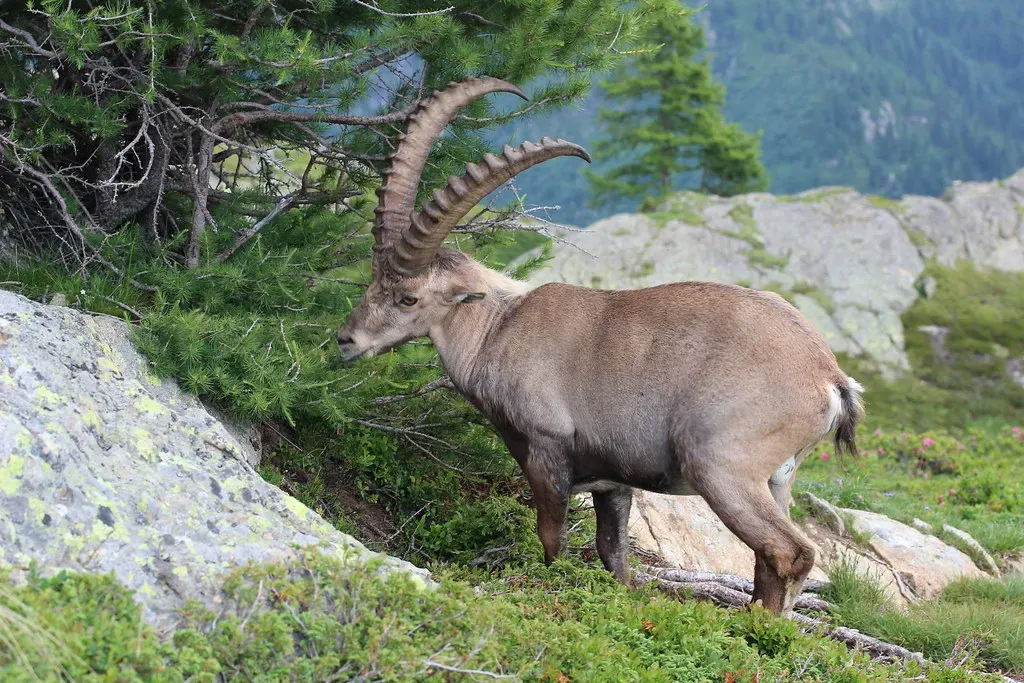
The story of the Pyrenean ibex is one of the most bittersweet tales in the history of science. It holds a record no animal should ever want. It is the only species in history to have gone extinct twice.
The Pyrenean ibex holds the dubious distinction of having gone extinct, been brought back from the dead, and then gone extinct again. It officially died out in 2000 after the last remaining individual, Celia, was killed by a falling tree. A tree. One single falling tree ended an entire subspecies. That detail never stops feeling tragic.
Ten months before Celia’s death, Spanish conservationists captured her and took cell samples. These samples were cryogenically frozen to preserve them. After Celia’s death, a team of Spanish and French scientists used a cloning technique adapted from the creation of Dolly the sheep to try to create a clone of her.
In 2009, a goat gave birth to a cloned Pyrenean ibex, marking the first time any species had been brought back from extinction. Seven minutes later, the baby clone died, and the Pyrenean ibex was granted the further distinction of being the only species that had managed to go extinct twice. Seven minutes of existence. Ten years later, the Aragon Hunting Federation in collaboration with CITA began a second attempt to potentially revive the subspecies by verifying if Celia’s frozen cells were still viable for future cloning attempts.
10. The Giant Moa: New Zealand’s Lost Colossus
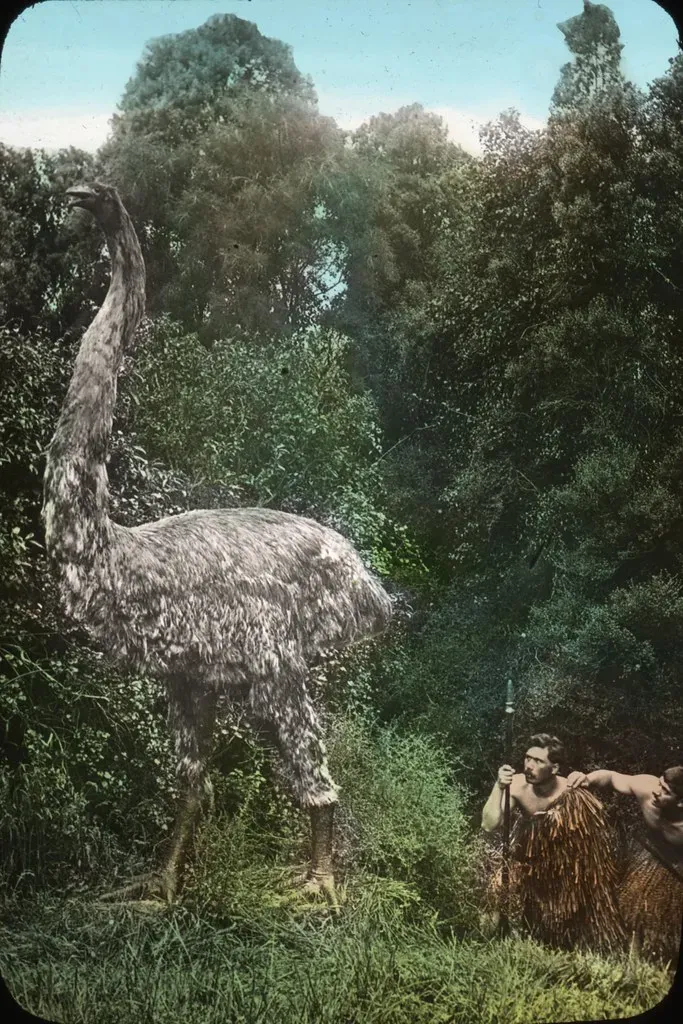
Picture a bird so tall it would look you directly in the eye if you were standing on a step ladder. That was the giant moa of New Zealand, and it is the newest addition to the de-extinction wish list. This one was only announced in 2025, which makes it fresh, exciting, and deeply uncertain all at once.
Colossal Biosciences has added the South Island giant moa, a powerful, long-necked species that stood 10 feet tall and may have kicked in self-defense, to a fast-expanding list of animals it wants to resurrect by genetically modifying their closest living relatives. The moas went extinct after the arrival of Polynesian people in the 1300s as a result of hunting and habitat loss.
Colossal will be collaborating with Ngāi Tahu Research Centre, a multi-disciplinary hub based at the University of Canterbury on South Island. Work has already begun on sequencing the genomes for all the moa species from bones held in the centre’s collection, and it’s hoped the first ones will be completed by summer 2026.
In July 2025, American biotechnology Colossal Biosciences announced early phases of plans to “revive” the South Island giant moa by adding moa genes to a related species in collaboration with the Ngāi Tahu Research Centre with funding from Peter Jackson. Yes, the Peter Jackson who directed Lord of the Rings is funding efforts a giant prehistoric bird. And somehow that feels absolutely right.
The Big Question: Should We Do This at All?
Here is where things get genuinely complicated. The science is thrilling. The ambition is inspiring. But not everyone thinks de-extinction is the hero of this story. Many conservation scientists raise real, serious, uncomfortable objections.
Skeptics argue the efforts are an underscrutinized pet project of millionaires whose money could be spent more effectively elsewhere. Detractors also assert that scientists will only ever be able to engineer unsatisfactory imitations of extinct animals. That is a fair point, honestly. Is a genetically modified gray wolf really a dire wolf? Is a gene-edited Asian elephant really a mammoth?
Advocates say resurrecting extinct animals is attracting new investors with deep pockets to conservation. The scientific field pushes the boundaries of biotechnology in a way that will make it possible to save other species on the brink and offers a promising way to better protect and preserve present-day ecosystems, ultimately making them more resilient to the climate crisis.
The Colossal CEO has been clear about the stakes: “I do not believe that people understand the extinction crisis we’re in. We are in the sixth mass extinction, which is being accelerated by man.” That is a sobering framing. De-extinction in this light is less about bringing back novelties and more about trying to reverse damage humanity has already done.
Conclusion: The Age of Second Chances
We live in a moment that would have seemed genuinely impossible to scientists even two generations ago. The idea of reaching into the past, pulling out the genetic blueprint of a vanished creature, and rebuilding it in a living animal is the kind of thing that belonged in science fiction novels. Yet here we are in 2026, and three dire wolf pups named Romulus, Remus, and Khaleesi are actually roaming a facility in Texas.
The animals on this list represent something bigger than scientific curiosity. They represent a reckoning with what humans have taken from this planet and a genuine, if imperfect, attempt to give some of it back. The technology is flawed. The ethics are complicated. The timelines keep shifting. But the direction of travel is clear.
Whether de-extinction ultimately proves to be humanity’s most ambitious act of ecological redemption, or an expensive and well-meaning distraction from more urgent conservation work, is a question we will be debating for decades. One thing is certain, though. The conversation has never been more urgent, more real, or more fascinating than it is right now. Which of these animals would you most want to see walk the Earth again?

- 8 Reasons Cedar Waxwings Pass Berries From Beak to Beak - July 26, 2026
- 8 Backyard Trees That Owls Prefer After Sunset - July 26, 2026
- 9 Things Chickadees Remember About Reliable Backyard Feeders - July 26, 2026